
Visiting Morocco is an unforgettable experience—full of vivid colors, fragrant spice markets, ancient medinas, and stunning desert landscapes. But for first-time travelers, the cultural customs and social expectations can be a bit overwhelming. Morocco is a country rich in tradition, hospitality, and etiquette, and while locals are generally welcoming, there are a number of unwritten rules that visitors should be aware of to avoid unintentionally offending or standing out too much.
Moroccan society blends Islamic values with centuries of Berber and Arab traditions, so things like dress, personal space, and even photography come with their own guidelines. Travelers who take the time to understand these nuances are more likely to enjoy respectful interactions, better service, and deeper connections with locals. Whether you’re wandering the souks of Marrakech or hiking the Atlas Mountains, knowing what’s expected of guests goes a long way.
In this article, we’ll cover 14 unwritten rules of visiting Morocco that most guidebooks don’t explain clearly—from how to bargain respectfully in the markets to why certain gestures or clothing choices might attract the wrong kind of attention. Following these simple cultural guidelines won’t just help you blend in—it will make your Moroccan journey more meaningful, more comfortable, and far more memorable.
Read here 6 Days Morocco Itinerary and What to wear in Morocco
Read here the best Moroccan food, vegetarian food in Morocco, best Moroccan drinks and best breakfast in Morocco
BOOK YOUR TRAVEL INSURANCE
Two of our favorite travel insurance: Heymondo Vs Safetwing cheapest travel Insurance. You can get for $135 USD your Heymondo Travel Insurance with Heymondo discount code valid for 90 days. Read our full comparison of Genki vs Safetywing Travel Insurance Review and the comparison Heymondo vs Genki
Quick & Easy Tips for Visiting Morocco
Dress modestly, especially in rural areas and religious sites—cover shoulders, chest, and knees.
Ask before taking photos of people, especially women or street vendors.
Greet people properly—a polite “Salam Alaikum” goes a long way.
Learn to bargain with respect and humor—never show anger in a souk.
Carry small cash for tips and local purchases—many places don’t accept cards.
Avoid public displays of affection—these are frowned upon in Moroccan culture.
Respect prayer times—some shops may close briefly and the call to prayer is not a tourist attraction.
Use your right hand when eating or giving/receiving items—left is considered unclean.
Many tourists assume that Morocco, being a popular travel destination, should adapt to their cultural expectations. This mindset often leads to misunderstandings and uncomfortable interactions. In Morocco, respect for traditions and local customs matters deeply, and ignoring them can be seen as offensive rather than innocent.
Another misconception is that the country’s hospitality means boundaries don’t exist. While Moroccans are famously welcoming, there’s still a strong sense of personal and cultural respect. Tourists who mistake hospitality for a lack of structure may unintentionally overstep.
Lastly, some travelers believe they can treat Morocco like any other vacation spot. But Morocco isn’t just a backdrop for travel photos—it’s a living culture with its own values and pace. Visitors who approach with humility and openness often find their experiences far richer than those who arrive with rigid expectations.
Unwritten Rules of Visiting Morocco
Here’s your travel-smart guide to the unspoken rules of visiting Morocco:
1. Dress Modestly—Even in Hot Weather
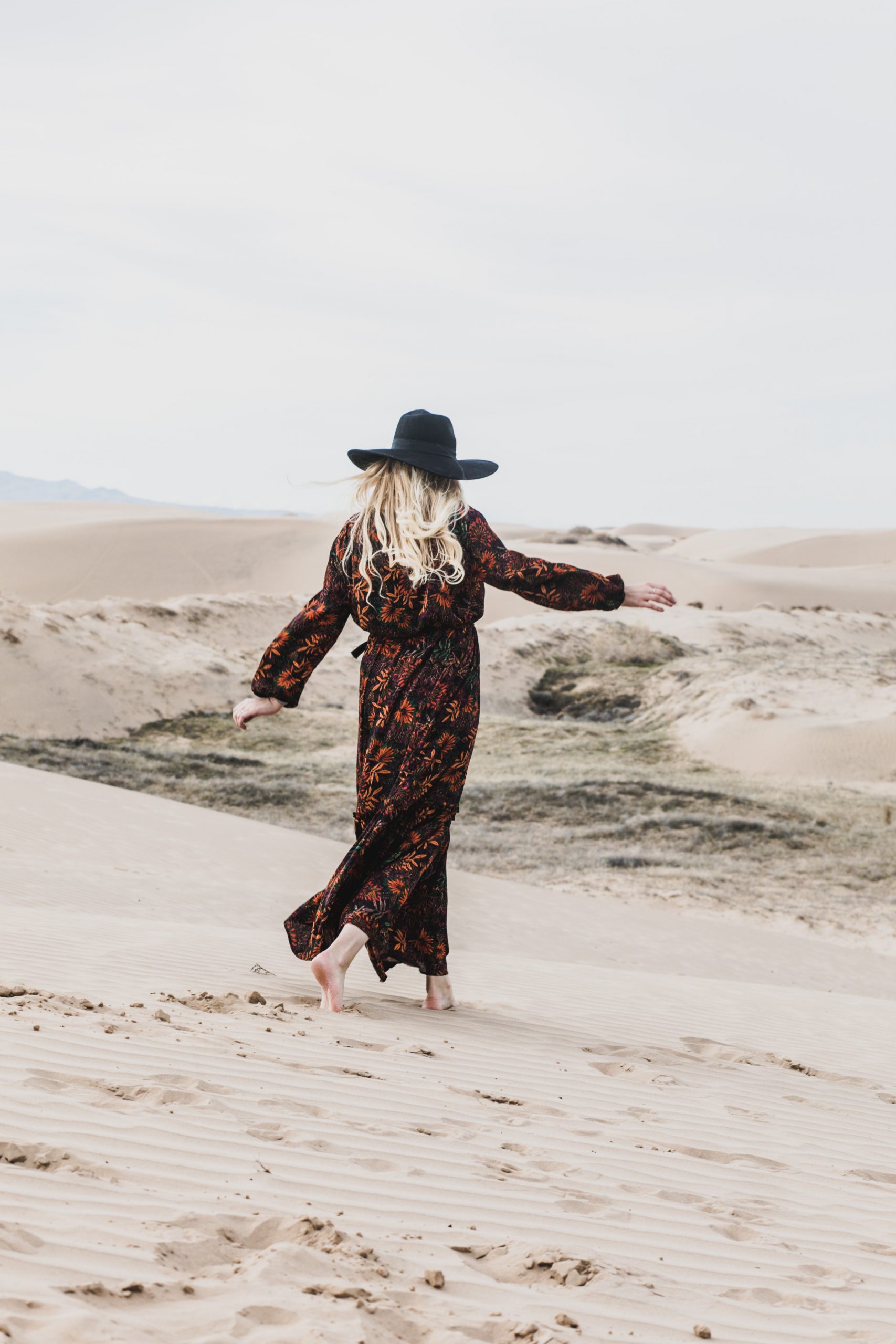
Morocco is a Muslim-majority country with a conservative approach to clothing, especially outside tourist resorts.
What to do:
Women: Cover shoulders, cleavage, and legs (knee-length or longer). A lightweight scarf is useful but not required in most areas.
Men: Avoid going shirtless or wearing sleeveless tops. Long shorts or lightweight trousers are better choices.
Why it matters:
Dressing respectfully helps you blend in, avoid unwanted attention, and shows respect for local customs—especially in rural or religious areas.
2. Always Greet with Salam Alaikum (Peace Be Upon You)
A standard greeting in Morocco is “Salam Alaikum”, to which the reply is “Wa Alaikum Salam.”
Why it matters:
Greetings are a sign of respect and warmth. Even a simple “Bonjour” or “Salam” when entering shops or meeting someone goes a long way.
3. Don’t Refuse Mint Tea Too Quickly
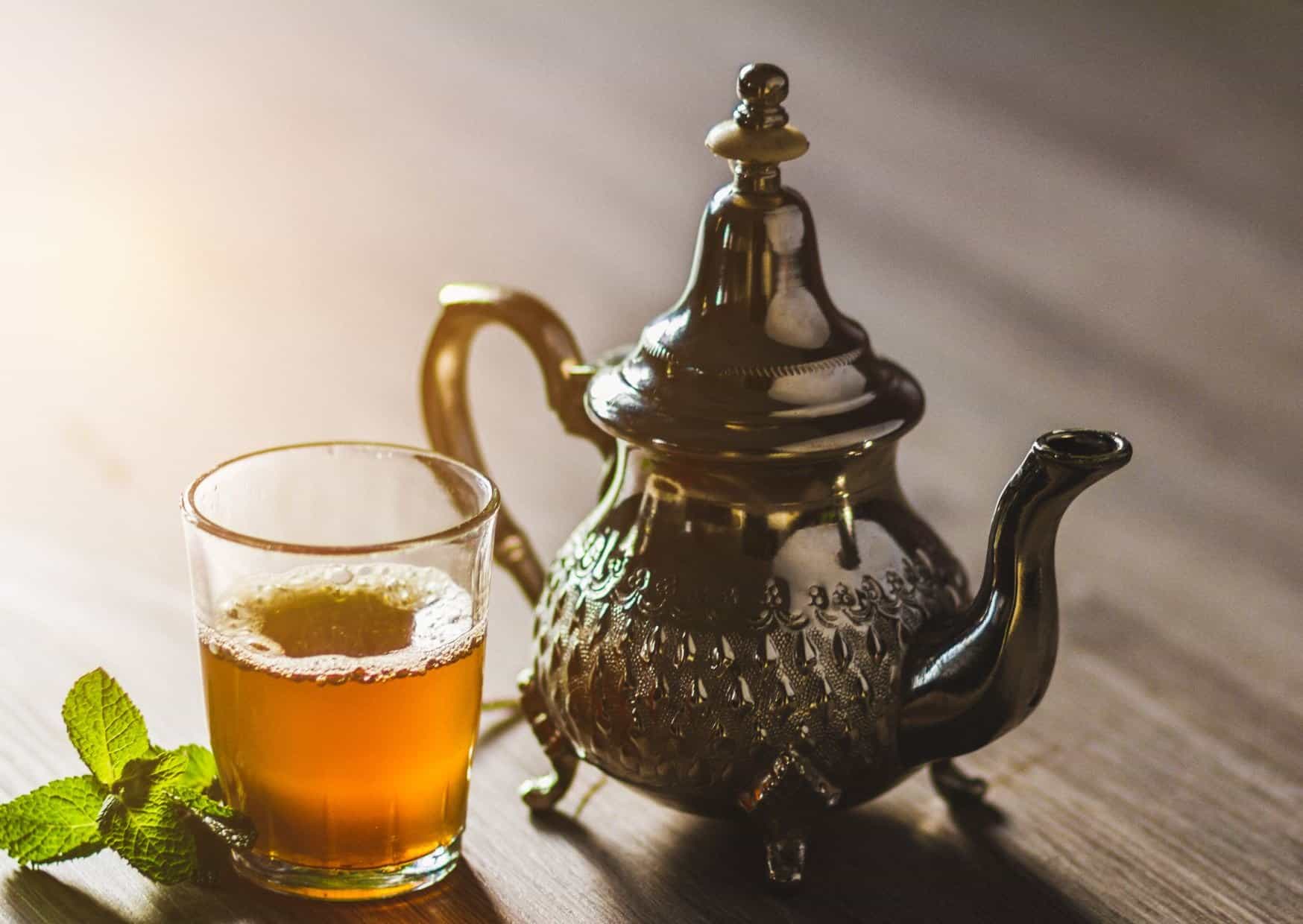
Mint tea is more than a drink in Morocco—it’s a gesture of hospitality. Refusing it can seem dismissive.
What to do:
If offered tea, accept at least a small glass, even if you don’t drink much. It’s part of building trust and friendliness.
4. Avoid Public Displays of Affection
Kissing, hugging, or being physically affectionate in public is frowned upon, especially in traditional or rural areas.
What to do:
Hold hands if you’re a couple (many locals do), but keep other forms of affection private.
5. Haggling Is Expected (But Be Respectful)
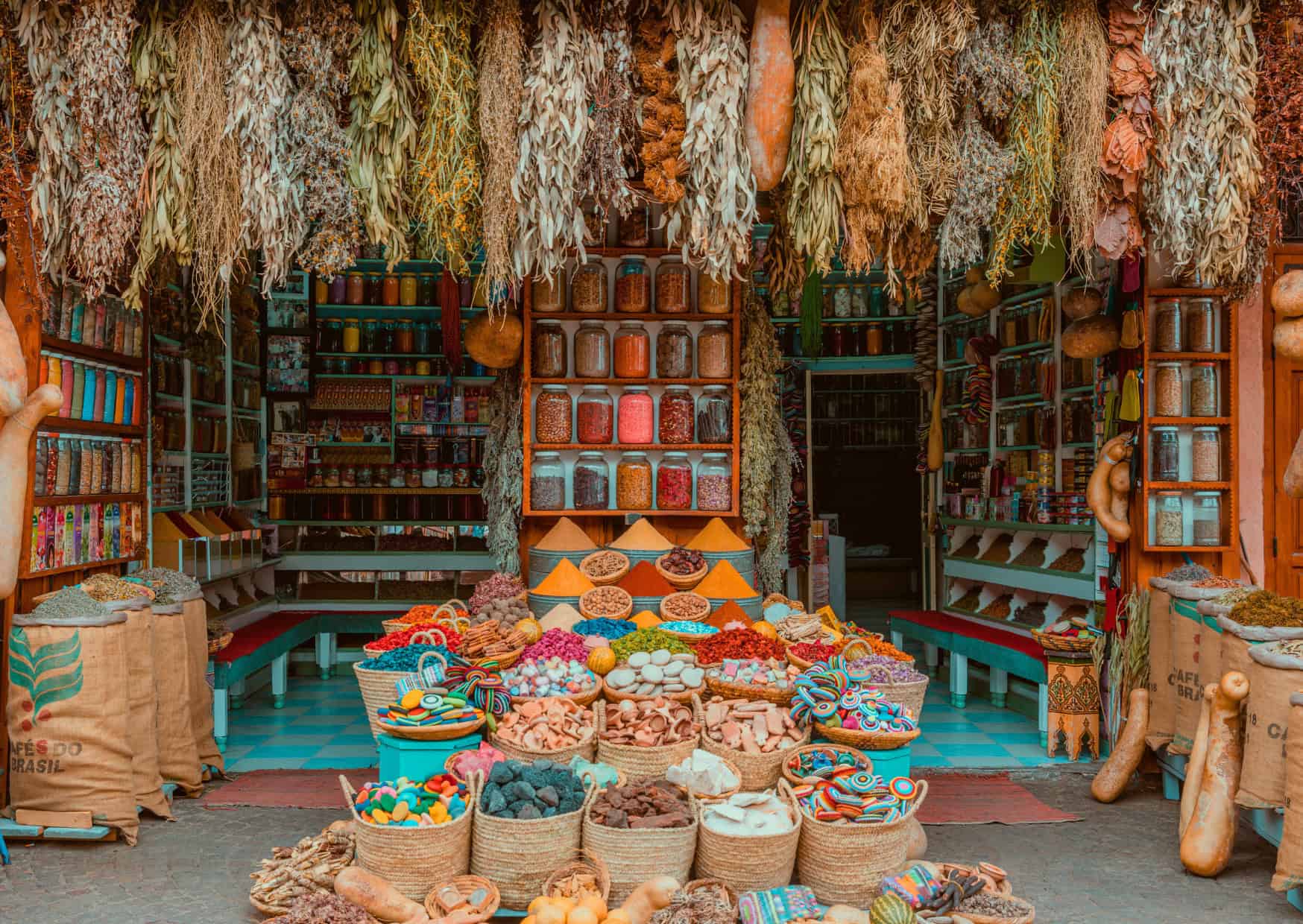
In souks (markets), prices are negotiable, and haggling is part of the experience. But it’s not a game—it’s a respectful exchange.
Tips:
Don’t offer a price if you’re not serious.
Smile, be firm but polite.
Walking away can sometimes get you a better deal.
6. Don’t Take Photos Without Permission
Many Moroccans prefer not to be photographed, especially women and older people. Taking photos of people without asking can offend.
What to do:
Ask permission first—use gestures or simple French/Arabic if needed.
Be cautious around religious sites, police, or government buildings.
7. Use Your Right Hand
The right hand is used for eating, shaking hands, giving, and receiving. The left hand is considered less clean and should be avoided for these tasks.
Why it matters:
Even if you’re left-handed, try to respect this norm in social settings like meals or handshakes.
8. Respect Prayer Time
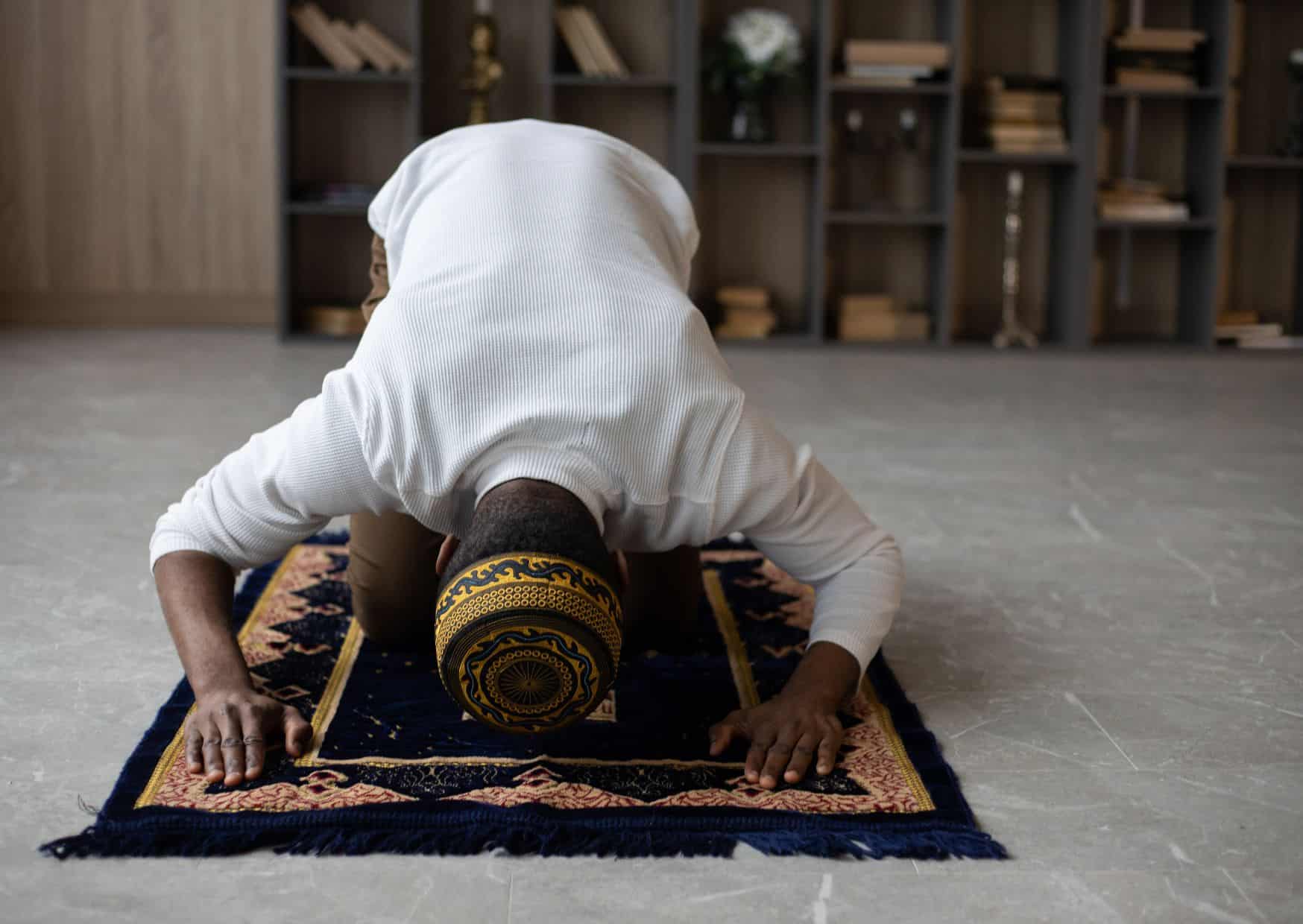
You’ll hear the call to prayer (adhan) five times a day. While you don’t need to participate, it’s a time for quiet and respect, especially near mosques.
What to do:
Don’t enter a mosque unless it’s open to non-Muslims (most are not).
Dress modestly and keep quiet if you’re near a mosque during prayer time.
9. Use “Inshallah” and “Bismillah” Thoughtfully
You may hear people say “Inshallah” (God willing) or “Bismillah” (in the name of God) before meals or plans. It’s not just religious—it’s cultural and conversational.
Tip:
You can say “Inshallah” when talking about future events, even as a visitor. It’s appreciated.
10. Tipping Is Small but Expected
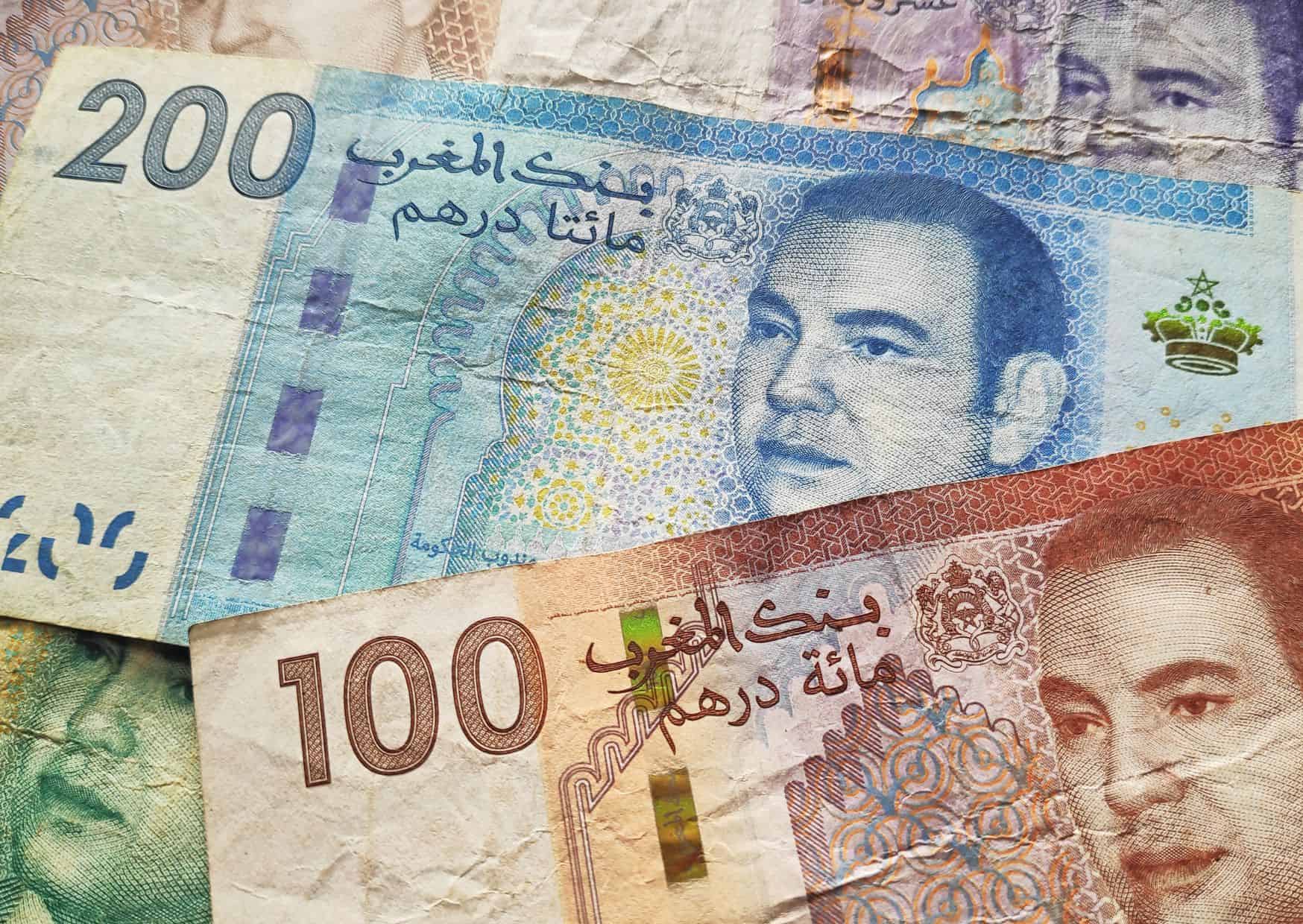
Tipping isn’t mandatory but is common and appreciated in restaurants, taxis, and for services like baggage handling or guided tours.
Suggested Tips:
Restaurants: 5–10%
Taxis: Round up the fare
Hotel staff or helpers: 5–20 dirhams (cash is best)
11. Public Alcohol Use Is Limited
While alcohol is available in some places, drinking in public or showing signs of intoxication is taboo and often illegal.
What to do:
Drink only in licensed establishments.
Avoid alcohol in public spaces or near religious sites.
12. Friday Is a Holy Day
Friday is the Islamic day of rest and prayer, especially around midday (Jumu’ah prayer). Some businesses may open later or close for a while.
What to expect:
Markets and shops may be quieter or closed.
Dress more conservatively out of respect.
13. Be Aware of Gender Norms in Rural Areas
In more traditional towns or villages, men and women may sit separately, and interactions between genders can be more formal.
Tip:
Respect this dynamic when entering homes or local cafés. Follow the lead of your host or guide.
14. Don’t Show the Soles of Your Feet
Pointing your feet at someone or showing the soles of your shoes is considered disrespectful, especially when sitting.
What to do:
Sit cross-legged or with your feet flat—never with your soles facing someone.
Final Thoughts
Morocco is a country that thrives on rich traditions, vibrant culture, and deep respect for social customs. For visitors, understanding its unwritten rules isn’t just polite—it’s essential for experiencing the country authentically and respectfully. By paying attention to these subtle but important cultural cues, travelers can connect more deeply with the people and places they encounter.
What makes Morocco so special is its blend of ancient history and modern life. From bustling souks to serene desert landscapes, every corner has its own rhythm. Embracing that rhythm means moving beyond being a spectator and becoming a mindful guest. Respecting traditions opens doors to warmer interactions and more meaningful experiences.
Ultimately, traveling to Morocco is about more than seeing famous landmarks—it’s about understanding the culture that gives the country its soul. When visitors approach their journey with awareness and respect, the rewards are far greater than any photo can capture.

About the Author: Ruben, co-founder of Gamintraveler.com since 2014, is a seasoned traveler from Spain who has explored over 100 countries since 2009. Known for his extensive travel adventures across South America, Europe, the US, Australia, New Zealand, Asia, and Africa, Ruben combines his passion for adventurous yet sustainable living with his love for cycling, highlighted by his remarkable 5-month bicycle journey from Spain to Norway. He currently resides in Spain, where he continues sharing his travel experiences with his partner, Rachel, and their son, Han.