
Polpette al sugo is one of the most beloved comfort foods in Italian cuisine. Unlike the oversized meatballs often associated with American-Italian cooking, these are small, tender, and simmered gently in a rich tomato sauce. Served in homes across Italy, they are more than just a dish—they’re a tradition passed down through generations.
This recipe represents the essence of Italian cooking: simple ingredients elevated by careful preparation and patience. Families often gather around the table to share polpette, creating meals that linger well past the final bite. The dish embodies warmth, togetherness, and the Italian philosophy that food is meant to be enjoyed slowly.
Making authentic polpette al sugo at home allows you to capture a piece of that tradition. With a few fresh ingredients and the right technique, you can create a dish that’s hearty yet refined, comforting yet elegant, and always memorable.
Read here best Italian food, vegetarian food in Italy, best drinks in Italy and best breakfast in Italy
How to Eat
The classic way to enjoy polpette al sugo is with crusty bread on the side. The bread is used to soak up the flavorful tomato sauce, ensuring nothing goes to waste. This simple pairing is deeply satisfying and highlights the rustic charm of the dish.
Another way Italians enjoy polpette is as part of a multi-course meal. They may serve the meatballs on their own as a second course (secondo piatto), following a pasta or risotto dish. This reflects the traditional structure of Italian dining, where each dish has its place in the meal.
For a heartier option, polpette can also be served over pasta. While not the most traditional Italian approach, it’s a beloved variation abroad. The key is to use pasta shapes that hold sauce well, such as rigatoni or spaghetti, creating a comforting and filling meal.
How to Partner
Polpette al sugo pairs beautifully with simple side dishes. A crisp green salad with olive oil and vinegar balances the richness of the meatballs and sauce. Roasted vegetables, like zucchini or eggplant, provide an earthy complement.
Wine is a natural partner. A medium-bodied red such as Chianti or Montepulciano enhances the tomato base and savory meat. For those who prefer non-alcoholic options, sparkling water with lemon offers a refreshing counterbalance to the dish’s depth.
For a complete Italian-inspired table, consider starting with antipasti like olives, cured meats, and cheeses. Following with polpette al sugo as the centerpiece creates a dining experience that feels both traditional and festive.
One controversy surrounding polpette al sugo is the comparison to American-Italian meatballs. Many Italians argue that oversized meatballs served with pasta misrepresent the authentic dish. While Americans embrace this hearty combination, Italians see it as a distortion of culinary tradition.
Another point of debate is the meat blend. Some insist on using only beef, while others swear by a mixture of beef, pork, and veal for maximum tenderness and flavor. These disagreements highlight how even within Italy, recipes can vary widely depending on regional and family traditions.
Sauce preparation is also contested. Some cooks believe the meatballs should be fried first for extra flavor, while others prefer to simmer them directly in the sauce for tenderness. This debate reflects the broader tension between authenticity and adaptation in traditional cooking.
About the Dish
Unlike American-style spaghetti and meatballs, Italian polpette are typically served without pasta, often as a main course or secondo, accompanied by crusty bread or vegetables. They’re soft, flavorful, and infused with garlic, herbs, and cheese, then gently simmered in a homemade tomato sauce (sugo).
Polpette al Sugo Ingredients (Serves 4–5)

For the Meatballs (Polpette):
1 lb (450g) ground beef (or 50/50 beef & pork for extra flavor)
1/2 cup breadcrumbs
1/4 cup whole milk
1 large egg
1/2 cup grated Parmesan cheese
2 cloves garlic, minced
2 tablespoons fresh parsley, finely chopped
Salt and pepper to taste
Optional: pinch of nutmeg or dried oregano
Olive oil, for frying
For the Tomato Sauce (Sugo):
2 tablespoons olive oil
1 small onion, finely chopped
2 cloves garlic, minced
1 (28 oz / 800g) can crushed tomatoes or passata
Salt and pepper to taste
1/2 teaspoon sugar (to balance acidity)
Handful of basil or parsley, chopped (for finishing)
Polpette al Sugo Step-by-Step Instructions
Soak the Breadcrumbs
In a small bowl, mix breadcrumbs with milk and let them soak for a few minutes until soft.
Make the Meatball Mixture
In a large bowl, combine:
Ground meat
Soaked breadcrumbs
Egg
Parmesan
Garlic
Parsley
Salt, pepper, and optional spices
Mix gently with hands until combined—don’t overmix, or meatballs may become tough.
Shape the Polpette
Roll mixture into small balls (~1.5 inches in diameter). You’ll get about 16–18 meatballs.
Tip: Keep your hands lightly oiled or damp to prevent sticking.
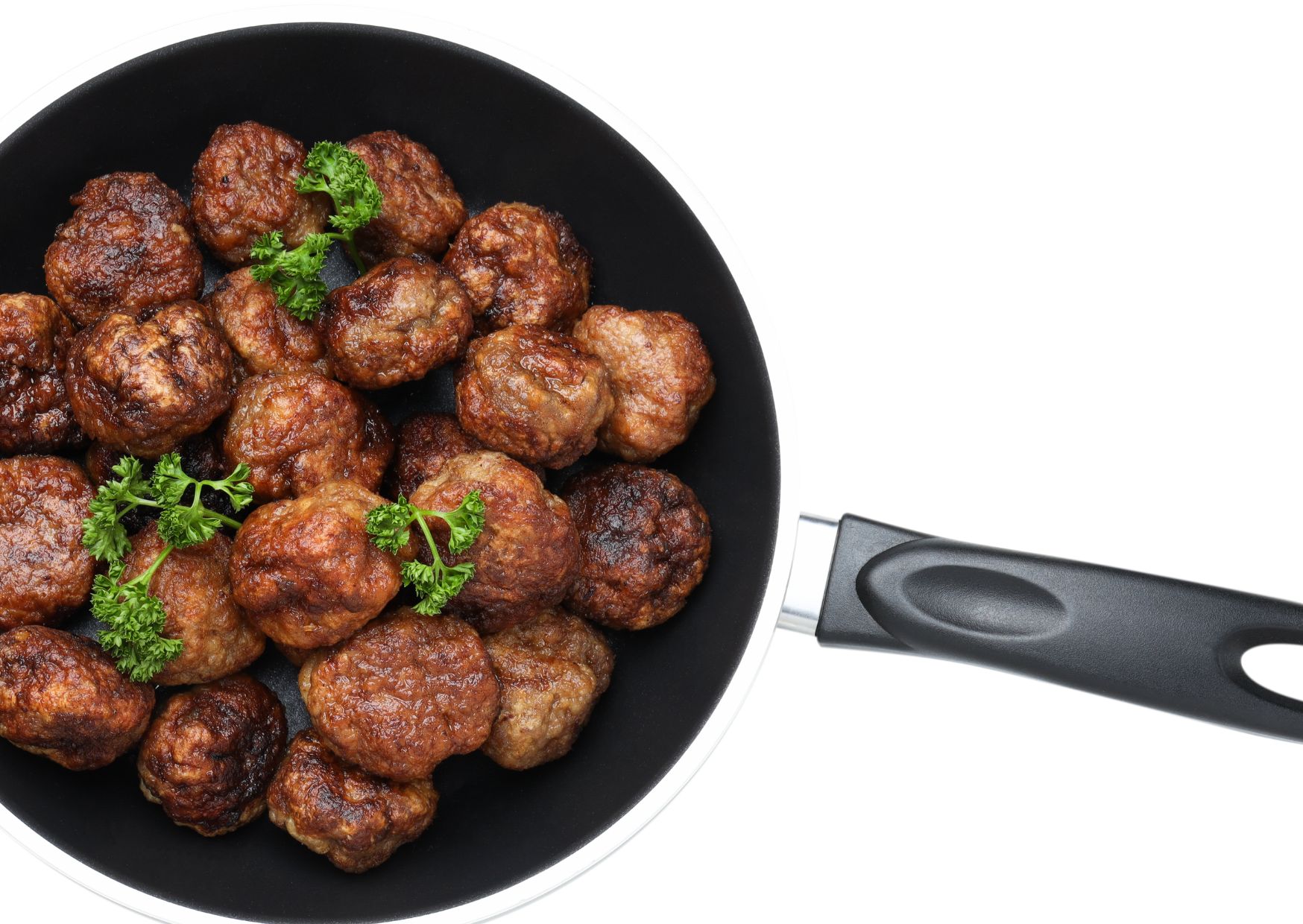
Sear the Meatballs (Optional but flavorful)
Heat olive oil in a large skillet or Dutch oven over medium heat.
Sear meatballs on all sides until golden (about 6–8 minutes total).
Remove and set aside on a plate.
Make the Sauce
In the same pan, add olive oil and sauté onion and garlic until soft and fragrant.
Add crushed tomatoes, salt, pepper, and sugar. Simmer for 10 minutes.
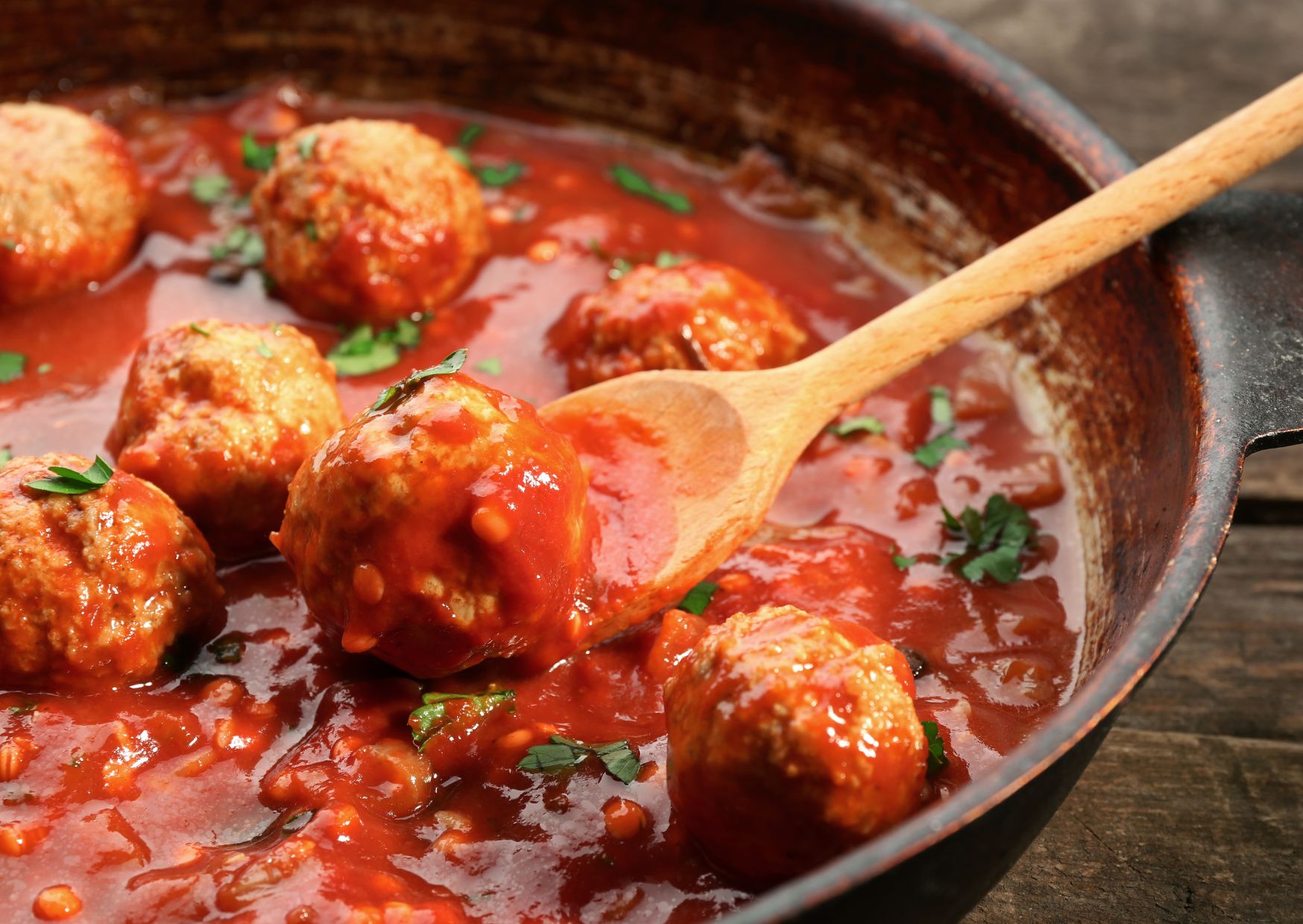
Simmer the Meatballs
Gently add seared meatballs into the sauce.
Cover and simmer on low heat for 25–30 minutes, stirring occasionally.
Add fresh basil or parsley in the final 5 minutes.
Tip: Don’t stir too much early on—meatballs are delicate before fully cooked.
Serve
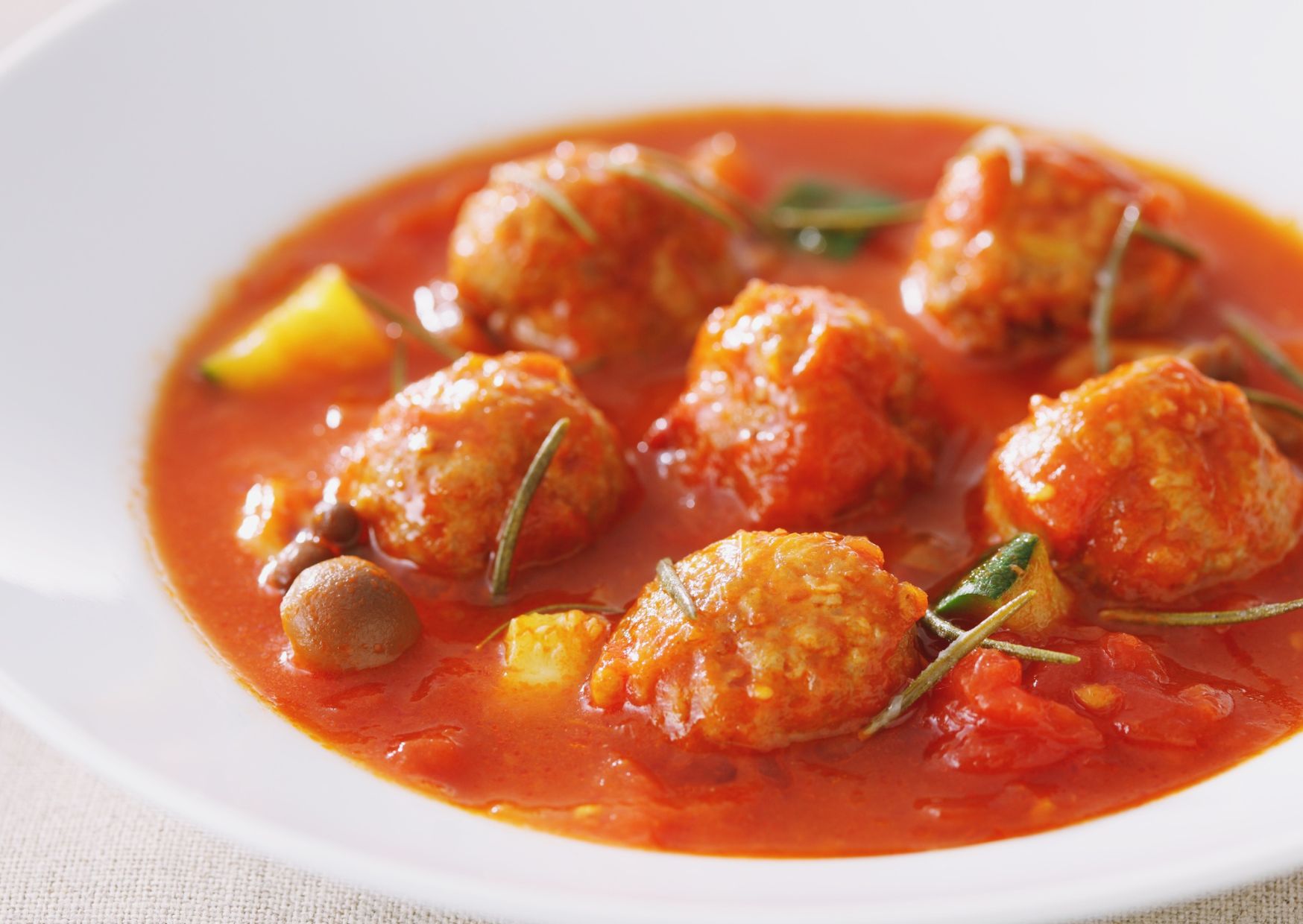
Serve as-is with crusty bread, over creamy polenta, or with simple pasta (optional).
Grate fresh Parmesan over the top if desired.
Tips for Perfect Polpette
Use day-old bread soaked in milk for extra tenderness (instead of dry breadcrumbs).
Add a touch of nutmeg or lemon zest for a flavor lift.
Make a double batch and freeze the extra meatballs (cooked or uncooked).
Let meatballs rest in sauce for 10 minutes before serving—they absorb more flavor.
Variations
Meat-Free: Try lentils, chickpeas, or mushrooms as the base for veggie polpette.
Cheesy Center: Place a small mozzarella cube in the center of each meatball before rolling.
Spicy: Add red pepper flakes to the meat or sauce for a kick.
Polpette al Sugo Nutrition Info (Per Serving – Approx. 4 meatballs with sauce):
Calories: ~400
Protein: 26g
Fat: 26g
Carbs: 14g
Fiber: 2g
Sugar: 4g
Sodium: ~580mg
Wine Pairing
Red: Chianti, Sangiovese, Montepulciano
White: Vermentino or a bold Pinot Grigio (if using pork)
Serving Suggestions
Serve polpette al sugo in a wide, shallow bowl to showcase both the meatballs and the sauce. Garnish with fresh basil or parsley for color and freshness. A sprinkle of Parmigiano-Reggiano at the table allows guests to season to taste.
For casual gatherings, place the pan directly on the table and let guests help themselves. This family-style presentation reflects the convivial spirit of Italian dining and makes the meal feel more interactive.
Leftovers can be repurposed into sandwiches the next day. A crusty roll filled with meatballs and sauce creates a satisfying lunch that keeps the flavors alive beyond dinner.
Final Thoughts
Polpette al sugo represents the heart of Italian home cooking: simple, soulful, and meant to be shared. It’s not just about following a recipe but about embracing a tradition that values family, community, and the joy of food.
The debates over meat blends, cooking methods, and authenticity remind us that food is always evolving. What matters most is preserving the spirit of the dish while adapting it to your own kitchen and taste.
Ultimately, making polpette al sugo is about more than cooking—it’s about connection. Each bite carries with it the flavors of history, culture, and love, making it a dish worth recreating time and again.

About the Author: Ruben, co-founder of Gamintraveler.com since 2014, is a seasoned traveler from Spain who has explored over 100 countries since 2009. Known for his extensive travel adventures across South America, Europe, the US, Australia, New Zealand, Asia, and Africa, Ruben combines his passion for adventurous yet sustainable living with his love for cycling, highlighted by his remarkable 5-month bicycle journey from Spain to Norway. He currently resides in Spain, where he continues sharing his travel experiences with his partner, Rachel, and their son, Han.