
First week in Madrid, I stared at a restaurant chalkboard at 9:42 p.m. Families were still arriving. Kids were awake. I was supposed to eat… now. By the third week, I was doing what locals do: light lunch, real meal at two, late dinner at ten, and a slow walk under streetlights after. Somewhere between olive oil, soup, and those night walks, my blood pressure numbers slid down and stayed there.
I didn’t change who I was. I changed the order of the day. The surprise was that the time on the clock wasn’t the magic. The pattern was. Shift the main meal to the afternoon, keep dinner light, walk after eating, cook like a Mediterranean, and stop letting salt sneak in. The routine looked eccentric on paper. On a blood pressure cuff, it was boring and beautiful.
Below is the clean map: the Spanish-style day I copied, the exact numbers that moved, what actually lowers blood pressure (spoiler: it isn’t the lateness, it’s the food pattern, sodium–potassium balance, and post-meal movement), how to replicate this for 30 days without becoming a new person, and the precise places people trip. If you like structure, there’s a week-by-week script and a simple napkin check so you know if your plate is working.
The Schedule I Copied, And Why It Doesn’t Feel Like Deprivation
My life flipped from “big dinner at 6” to a two-peak day that Spain has run for decades.
- Breakfast: coffee or yogurt at home.
- Real meal at two: soup, a protein (fish, legumes, eggs, chicken), vegetables, olive oil, bread, fruit. This is the heavy hitter.
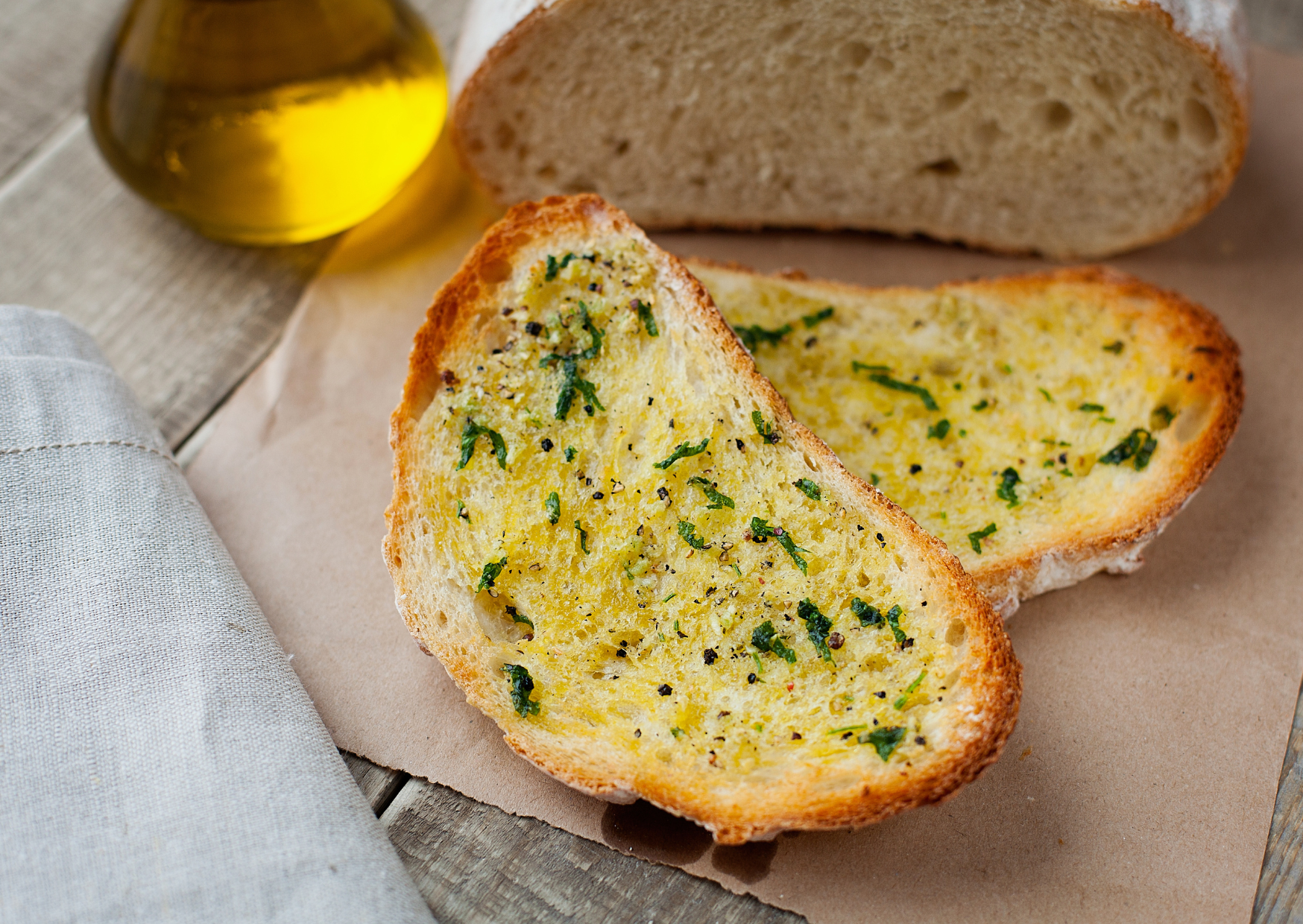
- Late dinner at ~10 p.m.: a small plate (vegetable omelet, salad + tuna, soup, grilled veg + sardines), sometimes just soup and fruit.
- Walk after dinner: 10–20 minutes around the block. Not exercise gear, just shoes.
What felt “late” at first started to feel logical once I moved the big energy demand to the afternoon and shrank the final meal. Spaniards routinely eat late; in many cities 9–10 p.m. is normal. If you plan for it, you’re not fighting hunger at midnight. You’re walking off a light plate and going to bed not full. Late, light, and walked ended up being kinder to my blood pressure than early, heavy, and couch.
Scan this part if you’re busy: the clock doesn’t lower blood pressure. The pattern does. Big mid-day, small late, walk after, low sodium, high potassium, and olive-oil cooking is what mattered.
The Numbers That Moved (So You Can See What “Better” Looks Like)
I tracked morning readings with the same cuff, seated, three minutes rest, two measures averaged.
- Week 0 baseline (U.S. routine, big 6 p.m. dinner): 132/84 average over five mornings.
- Week 2 (Spanish pattern, light 10 p.m. dinner + nightly walk): 127/81 average.
- Week 4: 124/79 average.
- Week 6: 123/78 average; weight down 1.8 kg; resting pulse down 3–4 bpm.
That is not a medical miracle. It is exactly what the literature says should happen when you drop sodium, raise potassium, shift to a Mediterranean plate, and move after meals. Pattern beats willpower, and blood pressure follows the pattern.
What Actually Lowered The Pressure (Not The Sexy Answer)
I wanted it to be the “late dinner trick.” It wasn’t. It was five boring levers that Spanish life nudged into place.
1) A Mediterranean plate most days
The Spanish version of the Med diet leans on extra-virgin olive oil, legumes, fish, nuts, vegetables, fruit, and modest red meat. In long trials, Med-style eating lowers blood pressure modestly and reliably, including 24-hour readings. Olive oil and nuts help; vegetables do the heavy lifting.
2) Salt down, potassium up
Restaurants season well, but home cooking lets you pull sodium fast: swap stock cubes for real broth, rinse canned beans, taste before salting, and season with acidity and herbs. The effect is not theory: sodium reduction lowers BP in days, and more potassium from food (beans, tomatoes, leafy greens, citrus, yogurt) lowers it further. Sodium–potassium is the quiet dial.
3) A walk after eating
Even 10–15 minutes after dinner moves glucose out of the bloodstream and gently reduces post-meal peaks. That won’t replace a prescription, but it stacks with diet. Walk the block; don’t worship the gym.
4) Dinner size, not dinner time
Chrononutrition research is evolving, but the consistent win is earlier heaviest intake, not a blanket ban on late eating. I made dinner smaller, not “forbidden.” The science so far: earlier windows may help some metabolic markers; blood pressure is less timing-sensitive than what and how much you eat, plus movement. Small late beats big late.
5) Alcohol mostly out
I didn’t rely on “wine with dinner” to be Mediterranean. Less alcohol helps blood pressure. If I had wine, it was small and not every night. The plate, not the pour, does the work.
Exactly What I Ate (So You Can Copy Without Guessing)
Keep the 2 p.m. meal hearty and the 10 p.m. one gentle. Cook like a weeknight, not a food show.
Mid-day meal (2 p.m.)
- Lentil-chard soup with olive oil, garlic, cumin.
- Grilled sardines or cod with tomatoes and onions.
- Chickpea salad with peppers, parsley, lemon, and canned tuna.
- Side: two-finger stack of crusty bread, not half a loaf.
- Fruit: orange or peach.
Why it works: fiber + protein + unsaturated fat and potassium-rich plants. Full now, calm later.
Late dinner (~10 p.m.)
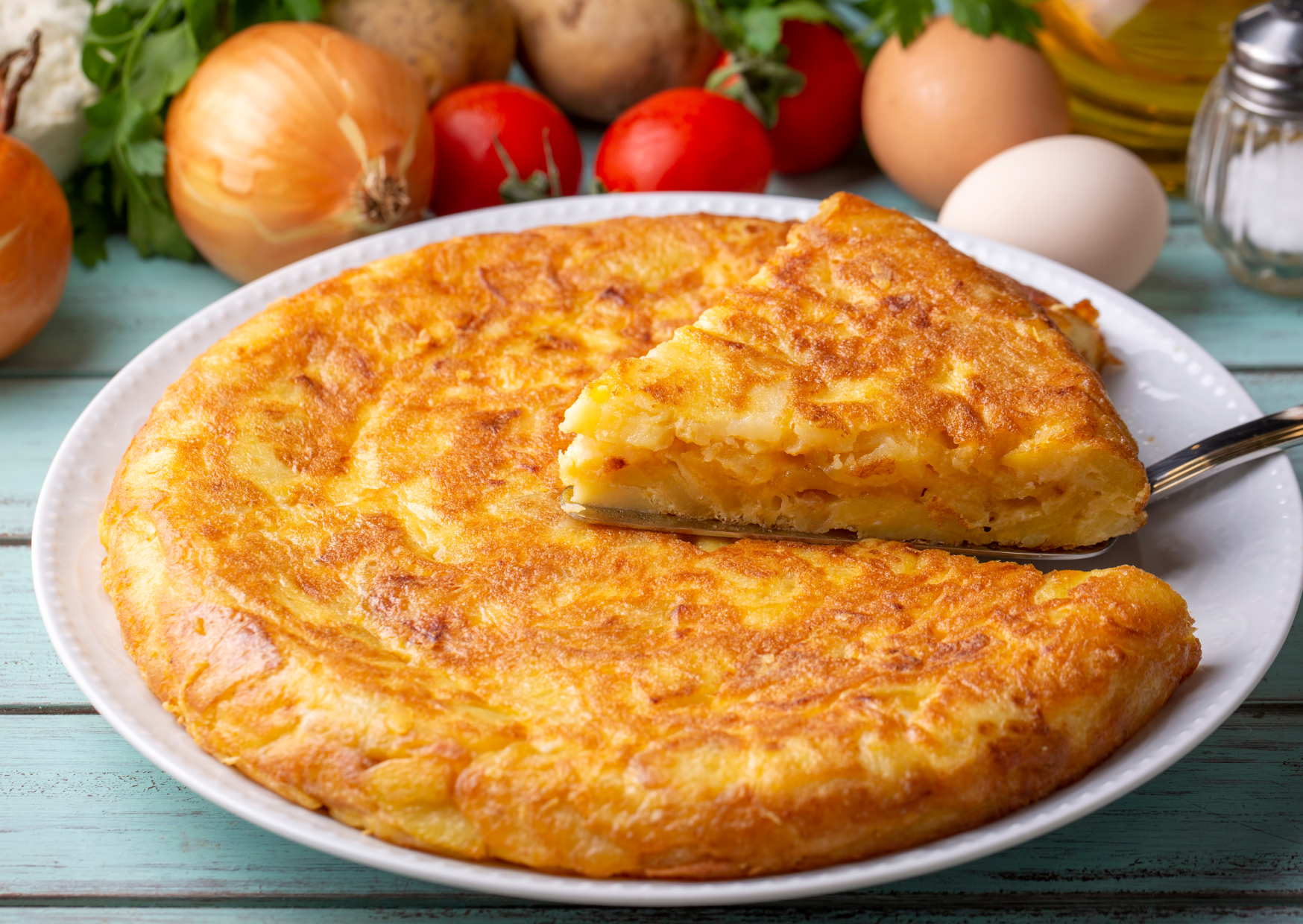
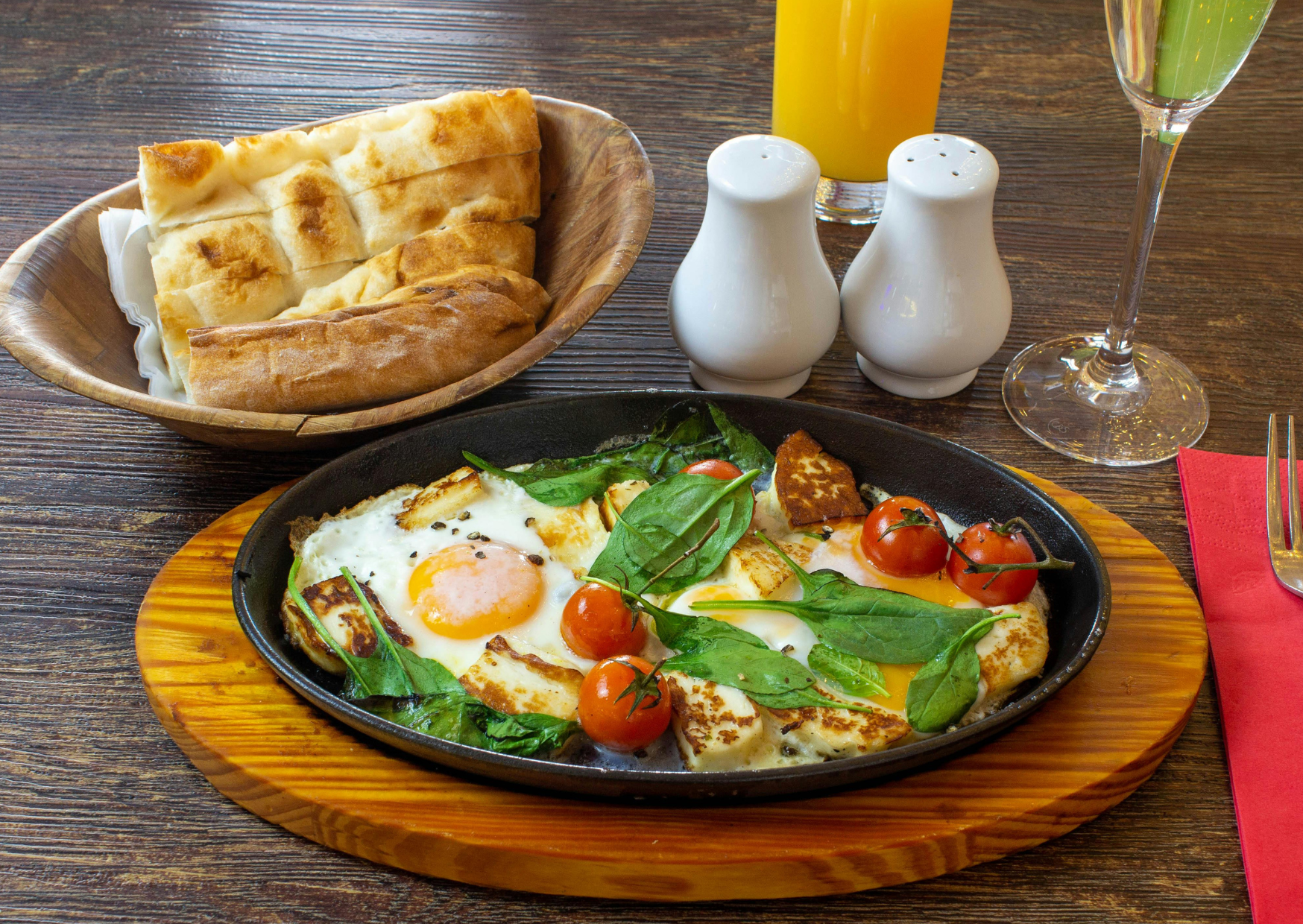
- Tortilla de calabacín (zucchini omelet) + tomato salad.
- Gazpacho in hot months, caldo (light broth) in cool months.
- Leftover veg + egg scramble.
- Fruit or yogurt.
Why it works: small, digestible, low sodium, no heavy starch pile right before sleep.
Cook’s rules
- Olive oil is the default fat.
- Herbs + acids (lemon, sherry vinegar) do salt’s job.
- Beans 3–5 times a week.
- Fish 2–3 times a week.
- Nuts as toppings, not fistfuls.
- Bread appears, but as portion, not centerpiece.
This isn’t “dieting.” It’s the house cuisine of a big slice of Spain—and it overlaps with DASH, the blood-pressure pattern that’s been winning trials since the 1990s. Different words, same physics.
Week-By-Week: How To Try This For 30 Days
You don’t need to move countries. You need to move the big meal and shrink the last one.
Week 1: Build the rails
- Pick four lunches you can repeat (soup + fish, legumes + veg, etc.).
- Pick four late dinners that are “light on autopilot.”
- Buy a blood-pressure cuff if you don’t have one. Take morning readings seated, three minutes rest, average two readings.
- Start post-dinner walks: ten minutes minimum. Consistency beats distance.
Week 2: Salt audit
- Replace stock cubes with homemade broth or low-sodium versions.
- Rinse all canned beans 30 seconds.
- Taste before salting. Aim for flavor from olive oil, garlic, citrus, herbs.
- Swap one processed snack for fruit + nuts.
Week 3: Potassium push
- Add one leafy green and one citrus or tomato each day.
- Two legume lunches this week.
- Keep the late dinner small even if timing slips earlier.
Week 4: Lock the pattern
- Keep walking after dinner.
- Keep lunch as the main.
- Compare your Week-0 average to Week-4. If it’s down a few points, you’re on track. If not, check salt, alcohol, sleep, and weight drift.
If You’re Running The Numbers (Quick Checks That Matter)
Sodium: keep daily intake closer to 1,500–2,000 mg if you’re salt-sensitive; most restaurant meals blow that alone. Home cooking is your leverage.
Potassium: chase 3,500 mg/day from food, not pills. Tomatoes, beans, potatoes, spinach, bananas, citrus, dairy help. Potassium calms pressure.
Meal timing: make mid-day your anchor. Keep dinner light and add a walk. Clock matters less than size and movement.
Weight: even a 1–2 kg nudge down helps BP. Don’t chase it. It shows up when lunch is big and dinner is small.
Alcohol: fewer nights, smaller pours. Pressure thanks you.
Pitfalls Most People Hit (And How To Dodge Them)
Turning late dinner into second lunch.
If you’re eating a second heavy meal, you’ll likely sleep worse and see no BP benefit. Keep late dinner small. Small late beats big late.
Letting salt hide.
Breaded fried foods, jarred sauces, stock cubes, processed meats load sodium back in. Cook simple and season with acid and herbs. Salt is the silent saboteur. Cochrane Library
Skipping the walk.
If you go from table to couch, you miss an easy post-meal glucose and BP win. Ten minutes is enough. Shoes on, loop the block. PMC
Chasing the clock, not the plate.
Moving dinner to 10 p.m. without changing what you eat or how much is just a bedtime problem. Make lunch big, dinner light.
Expecting wine to be medicine.
The Mediterranean effect comes from the plate, not nightly pours. If you drink, small and not nightly.
Receipt Snapshot (What This Actually Cost Me For A Week)
Lisbon supermarket prices, last week of September; cooked at home 6 nights.
- Extra-virgin olive oil (750 ml): €6.49
- Dried lentils (1 kg): €2.19 → four lunches’ worth
- Canned chickpeas (3 × 400 g): €1.95
- Fresh sardines (1 kg): €4.90
- Eggs (12): €2.65
- Tomatoes (1 kg): €2.49
- Leafy greens (spinach/chard): €2.20
- Seasonal fruit: €4.50
- Yogurt (4): €1.49
Total: ~€29–€32 for the core, plus bread and onions I already had. Home Med eats are cheap; flavor comes from olive oil and acidity, not expensive cuts.
Local Words That Make This Easier (If You’re In Spain Or Portugal)
- Comida: the big mid-day meal.
- Cena: the late dinner, often light.
- Sobremesa: the unhurried time after the main meal.
- Gazpacho / Caldo: cold soup / light broth.
- Legumbres: legumes—lentils, chickpeas, beans—the backbone of this pattern.
Use the words once and your grocery list writes itself.
What This Means For You
I didn’t “game” my blood pressure with a hack. I stole a routine that makes it hard to overdo salt at night, easy to walk after eating, and normal to eat like a Mediterranean without fanfare. If you try this for a month, keep three truths in view:
- It’s not the late hour. It’s big mid-day, small late, walk after.
- Sodium-down, potassium-up is the quiet win.
- The Mediterranean plate and DASH-style habits still do what they’ve done in trials for decades.
Give the pattern four weeks. If your morning average moves down a few points and you feel calmer at night, you’ll know it’s working. Keep the ritual, not the stopwatch. The clock is just where Spaniards put their light meal. The pressure drops because the pattern is kind.

About the Author: Ruben, co-founder of Gamintraveler.com since 2014, is a seasoned traveler from Spain who has explored over 100 countries since 2009. Known for his extensive travel adventures across South America, Europe, the US, Australia, New Zealand, Asia, and Africa, Ruben combines his passion for adventurous yet sustainable living with his love for cycling, highlighted by his remarkable 5-month bicycle journey from Spain to Norway. He currently resides in Spain, where he continues sharing his travel experiences with his partner, Rachel, and their son, Han.