
And What That Reveals About Habit, Climate, and a Very Different Definition of “Needs”
Spend a few months living in Spain, and you’ll slowly start noticing what’s missing.
Not in terms of beauty, food, or social life — those are abundant.
But in the everyday habits Americans take for granted, the objects they reflexively buy, the things they assume every household needs.
Many of them simply… don’t exist here.
Ask a Spaniard why, and you won’t get a grand philosophical answer. You’ll get something simpler: “We don’t need it.”
Or: “Why would we buy that?”
In Spain, people tend to be pragmatic. They live closer to the climate, closer to their families, and closer to public systems that work. That changes what they consider worth purchasing — and what they’re more than happy to live without.
Here are nine items Americans often treat as essential — that many Spanish people never buy at all.
Looking for More Travel & Culture Reads?
– They Don’t Work 24/7: 5 Vacation Customs in Europe That Drive Americans Crazy
– 7 Dress Code Shocks Americans Face in Italy
– 9 European Beach Habits That Shock First-Time Tourists
Quick, Easy Tips for Tourists or Expats
Expect fewer gadgets: Don’t assume every home has a dryer, microwave, or large appliances—most Spaniards make do without.
Adapt to the rhythm: Embrace slower household routines like air-drying clothes or cooking fresh daily.
Shop like a local: Buy smaller portions and visit neighborhood markets more often instead of stocking up once a week.
Rethink comfort: The Spanish idea of comfort comes from good company and quality food, not from constant convenience.
Learn the logic: Every missing “essential” has a cultural reason—observe, ask, and you’ll discover the practical wisdom behind it.To American visitors, it can be baffling that many Spanish households don’t own items considered “basic” in the U.S.—things like dryers, garbage disposals, large coffee machines, or even air conditioning. To Spaniards, however, these are often viewed as unnecessary luxuries or wasteful conveniences. In a culture shaped by practicality, shared living spaces, and respect for energy efficiency, owning less doesn’t mean living worse—it means living smarter.
Critics argue that this minimalist approach is outdated and impractical in the modern world. Why hang clothes to dry in 100-degree heat or skip a dryer altogether when technology exists to make life easier? But this perspective overlooks a key point: Spain’s traditions are built around sustainability long before the term became trendy. Energy costs are high, urban homes are compact, and the climate allows for natural solutions that work perfectly well without machines.
There’s also a deeper cultural layer. Spaniards tend to value social connection and leisure over the constant pursuit of convenience. The time Americans spend managing appliances or optimizing chores, many Spaniards spend with friends, family, or enjoying a late-night stroll. In that sense, the absence of “essential” gadgets reflects a cultural choice—not a lack of progress, but a preference for balance.
1. Clothes Dryers
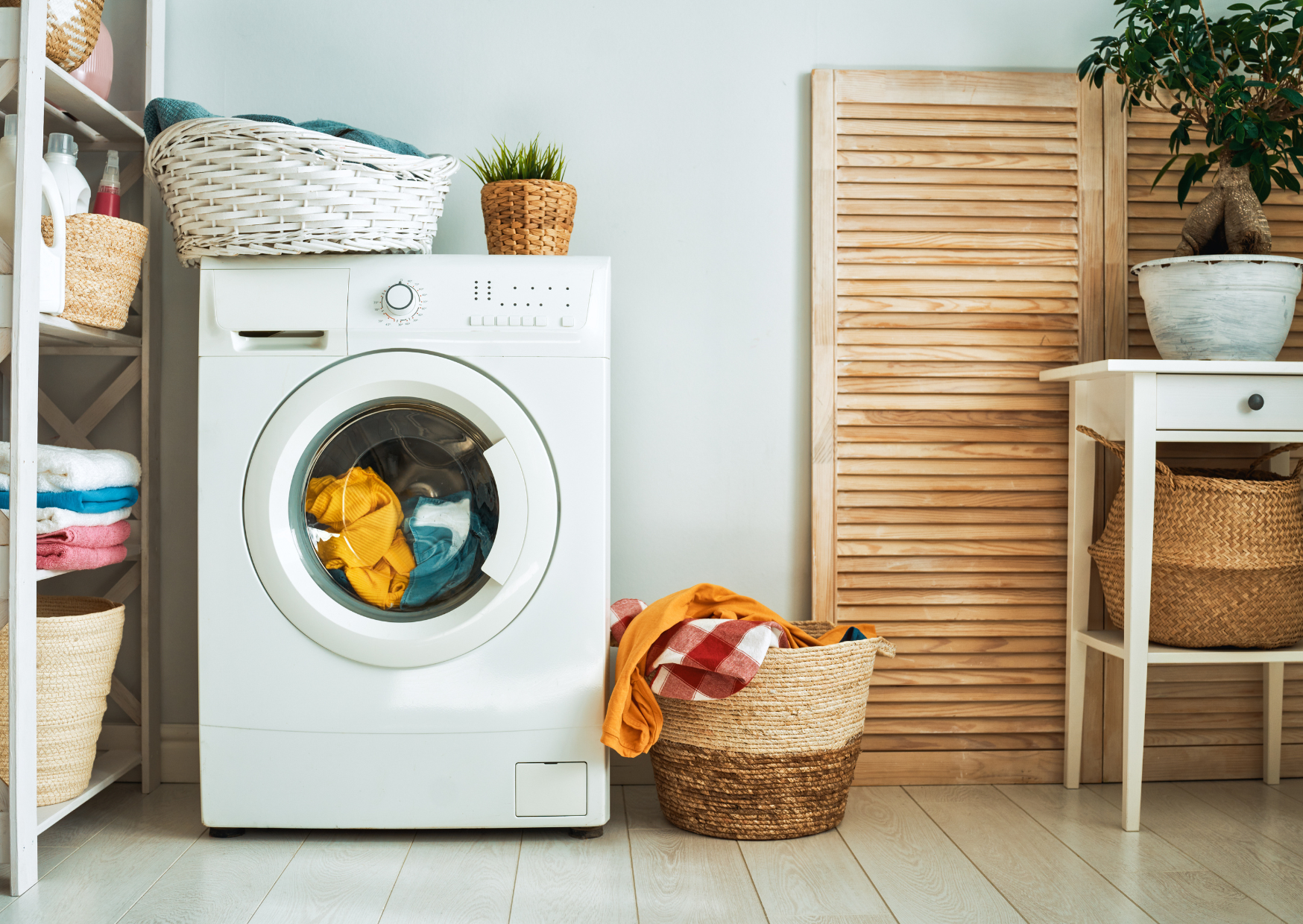
In the U.S., a washer-dryer set is considered standard. Not having a dryer feels like camping. But in Spain, dryers are still uncommon — even in middle-class households.
Why?
Because the sun works better.
Most Spanish homes have outdoor laundry lines, balconies with drying racks, or indoor spaces with excellent ventilation. The dry Mediterranean air does the job, and without the electricity bill.
There’s also no cultural embarrassment about drying clothes in public view. You’ll see socks and sheets fluttering from balconies in Barcelona, Madrid, or Sevilla — not as a sign of poverty, but of practicality.
Americans might find the idea slow. But for Spaniards, it’s normal, effective, and free.
2. Air Conditioning (in Most Rooms)
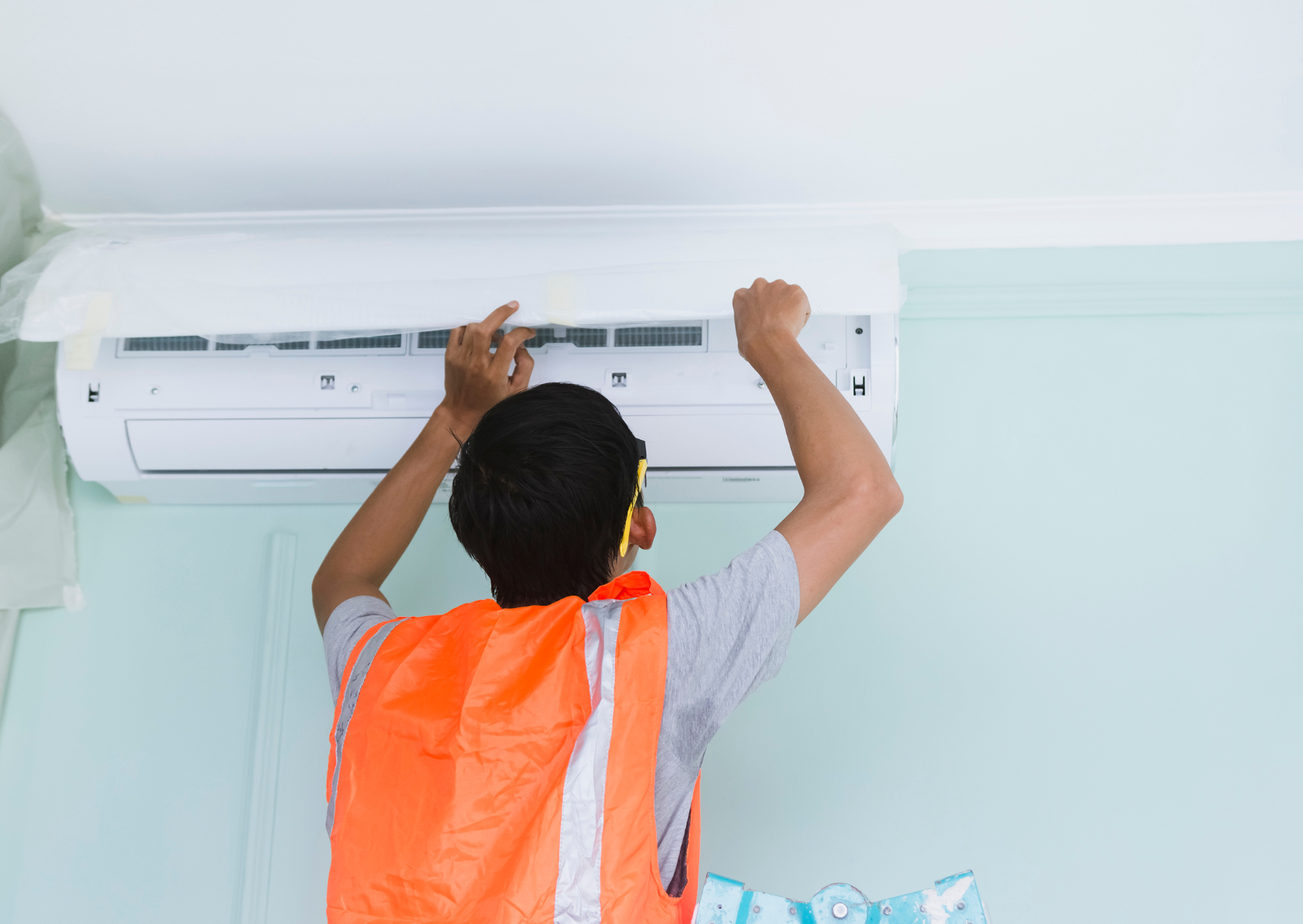
In the U.S., air conditioning is widespread — often running constantly in the summer. Houses are cooled top to bottom. Stores blast it like a badge of luxury.
In Spain, air conditioning is used sparingly — and strategically.
Many older buildings don’t have central AC. Instead, people use:
- Thick shutters to block sun
- Ceiling fans
- Strategic window ventilation
- A/C units in one or two key rooms — and even then, not all day
In some regions, it’s genuinely not needed. In others, people adapt: they wear linen, keep the lights off, and take siestas during the hottest hours.
It’s not about suffering — it’s about living with the heat, not fighting it 24/7.
3. Built-in Closets or Walk-in Wardrobes
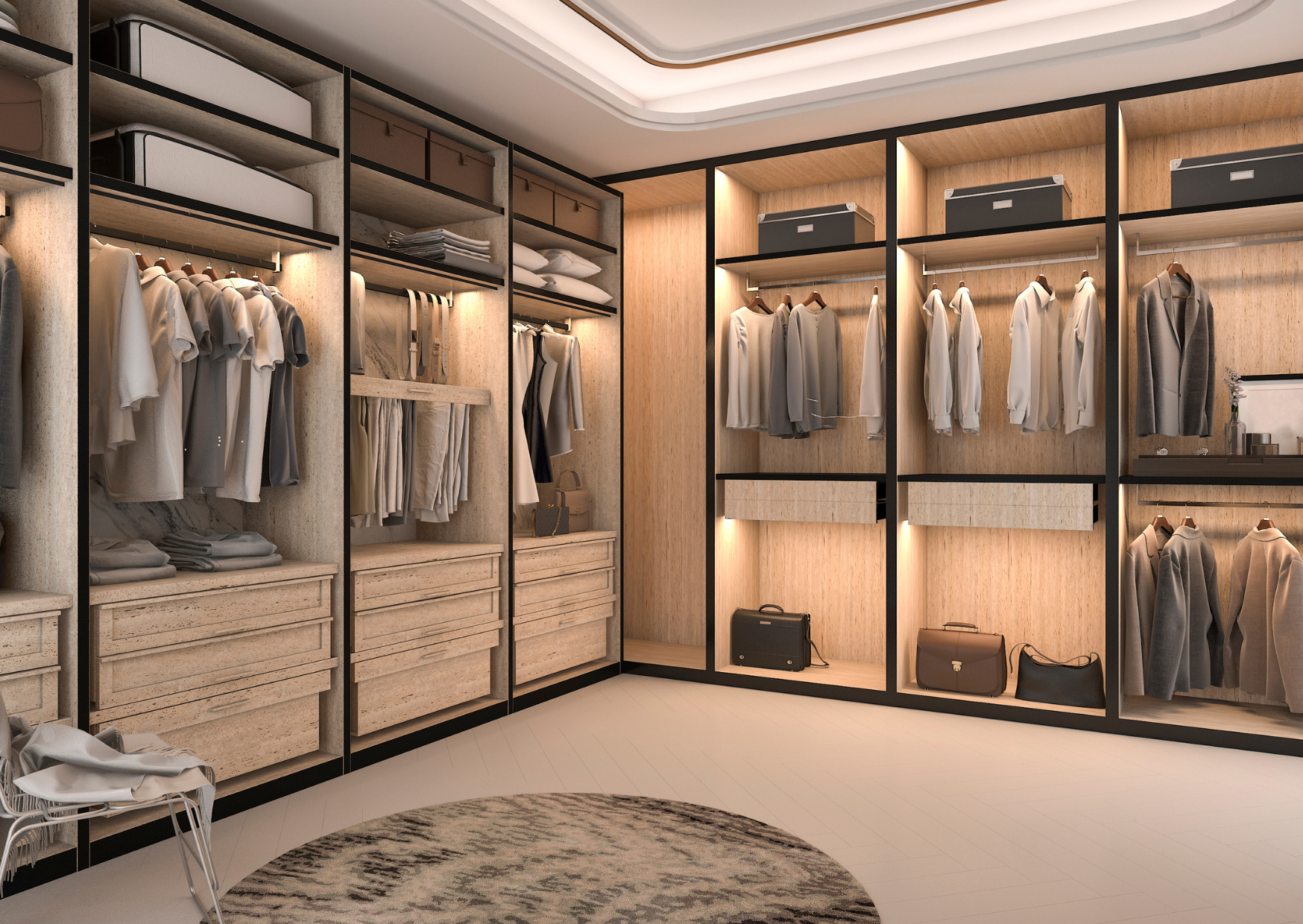
In America, even small homes tend to have closets in every bedroom. Walk-in closets are treated as a basic luxury — a space to accumulate.
In Spain, most homes have wardrobes — not built-in closets.
You buy your storage furniture: a freestanding armoire, a chest of drawers, maybe a modular rack.
Why? Because most buildings weren’t designed with closets. Older apartments have higher ceilings and thicker walls, but no built-in storage.
The result is less stuff.
If your clothing storage is limited, you don’t overbuy.
It’s a quiet kind of minimalist discipline — enforced not by trends, but by architecture.
4. High-End Blenders, Juicers, and Kitchen Gadgets

Americans often fill their kitchens with devices: high-speed blenders, food processors, spiralizers, air fryers, waffle makers. Brands become status symbols. Cooking can quickly become consumerism.
In Spain, kitchen gadgets are kept simple and essential.
Most households rely on:
- A stovetop espresso maker
- A hand blender (for soups and sauces)
- A few sturdy pans
- And not much else
Juicing isn’t a national obsession. Neither is blending powders into wellness shakes. And if someone wants toast, they just use the pan.
It’s not anti-modern. It’s anti-clutter. A reminder that good cooking doesn’t need a new appliance every year.
5. Giant Refrigerators and Freezers
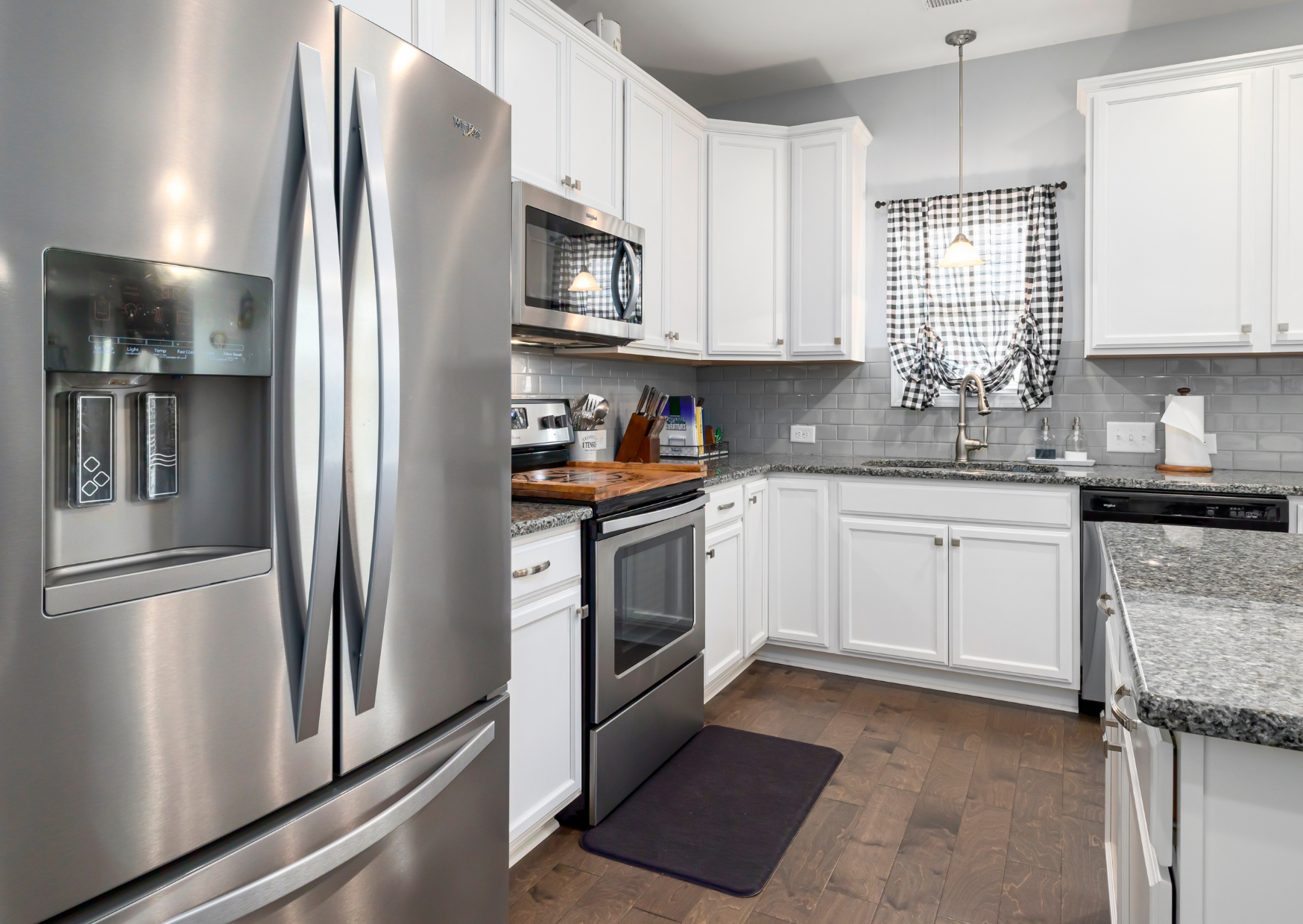
In many American homes, the fridge is a centerpiece. Massive, double-doored, often with a separate deep freezer. It’s stocked for weeks, ready for bulk purchases and family-size everything.
In Spain, most refrigerators are modest. And that’s by design.
Because people shop more frequently, and buy less each time. Produce is fresher. Meals are cooked in smaller quantities. There’s no obsession with frozen food or “stocking up.”
Even in family households, shopping happens several times a week. You buy what you need, eat it, and repeat.
The result: less waste, smaller energy bills, and a kitchen designed for eating — not hoarding.
6. Cars for Every Family Member

In the U.S., a car is a necessity — sometimes more than one. Teenagers often get one at 16. Commuting without one is rare unless you live in a few major cities.
In Spain, many households share one car — or have none at all.
Urban centers have excellent public transport. Buses, metros, and trains run frequently, cleanly, and on time. For many people, daily life doesn’t require driving.
Even outside cities, there’s car-sharing, strong rail networks, and walkable town centers. Gas is expensive. Parking is limited. Owning multiple cars often doesn’t make financial or logistical sense.
And in most cases — it’s simply not necessary.
7. Scented Everything (Candles, Plug-ins, Sprays)
Americans love scent.
Scented candles. Scented garbage bags. Scented laundry detergent. Fabric softeners with seasonal themes. Plug-ins for every room.
In Spain, you’ll find basic cleaning products — but not scented obsession.
People clean with vinegar, lemon, and traditional floor soaps. Homes smell like fresh air and whatever’s cooking — not like “midnight pomegranate” or “linen breeze.”
Candles are used for light or mood, not fragrance. Air fresheners aren’t common in homes. Laundry smells like soap — not artificial “mountain spring.”
It’s not about austerity. It’s just about not needing to perfume the air constantly. Clean is enough.
8. Dry Shampoo, Face Wipes, and “Time-Saving” Products
The American market thrives on speed. Dry shampoo for rushed mornings. Micellar wipes for fast makeup removal. Time-saving gadgets and hacks for everything.
Spain moves at a different pace.
People shower daily, take their time getting ready, and generally build slowness into the day. There’s less pressure to compress routines. Less interest in “hacks.”
Beauty routines are more traditional. A splash of cold water. A bar of soap. Olive oil or pharmacy creams. Fewer products, fewer chemicals, less marketing.
Convenience isn’t the priority — care is.
9. Endless Storage Solutions
Walk into an American Target or The Container Store, and you’ll find hundreds of bins, dividers, racks, and closet hacks. It’s an industry built around having too much — and trying to manage it.
In Spain, people buy less — and store less.
The idea of spending money on systems to organize other things you’ve bought is… puzzling.
If there’s no room for something, the solution isn’t more containers — it’s to own less.
Living spaces are smaller. Closets are tighter. You learn quickly what’s essential — and what’s just taking up space.
Storage isn’t a problem to solve. It’s a reason to reconsider your possessions.
Two Cultures, Two Definitions of “Essential”
In the U.S., essentials often mean convenience. Comfort. Preparedness. The ability to move fast, scale up, and have options.
In Spain, essentials are slower. Lighter. Often invisible.
What’s essential is what gets used. What fits the space. What reflects a rhythm of life that’s communal, present, and not always optimized for speed.
One culture stocks up.
The other shops fresh.
One plugs in devices to scent the house.
The other opens the window.
One buys extra to save time.
The other spends more time, and buys less.
Neither approach is wrong. But when you spend enough time in Spain, you start to wonder:
What if simplicity isn’t about missing out?
What if it’s about having just enough — and letting that be plenty?
In the end, the things you don’t buy can say just as much about your culture as the things you do.
What Americans often interpret as “missing” comforts, Spaniards see as common sense. The Spanish lifestyle thrives on simplicity, tradition, and shared habits passed through generations. Life isn’t measured by how many appliances one owns, but by the rhythm of community and ease woven into daily routines.
This difference offers a quiet challenge to modern consumer culture. It asks whether convenience always equals happiness—or whether slowing down, adapting to the environment, and needing less might lead to a richer way of living. The Spanish home functions not as a showroom of gadgets, but as a living space that breathes with human presence.
Ultimately, what many outsiders view as “lacking” might actually be abundance of another kind: more time, more conversation, and more contentment in the ordinary. Spain’s simplicity isn’t a sign of scarcity—it’s a philosophy of enough.

About the Author: Ruben, co-founder of Gamintraveler.com since 2014, is a seasoned traveler from Spain who has explored over 100 countries since 2009. Known for his extensive travel adventures across South America, Europe, the US, Australia, New Zealand, Asia, and Africa, Ruben combines his passion for adventurous yet sustainable living with his love for cycling, highlighted by his remarkable 5-month bicycle journey from Spain to Norway. He currently resides in Spain, where he continues sharing his travel experiences with his partner, Rachel, and their son, Han.