
Cold mornings, short afternoons, lights flicking on at 4 p.m. In big parts of Europe, winter should wreck moods. Yet you’ll see people eat outside under a grey sky, walk for coffee at lunch, and stock their cupboards with tinned fish like it’s a personality trait. There’s a reason: a boring, repeatable habit that feeds your brain and your daylight in one shot. A €3 midday ritual—a tin of oily fish on bread, then a 20-minute daylight walk—won’t cure clinical illness by itself, but it stacks two levers that research keeps circling back to: bright daytime light and omega-3/vitamin D intake.
The Winter Problem, Without The Drama

Seasonal depression tracks latitude. The farther you are from the equator, the more darkness you get, the more risk rises. Surveys and pooled analyses land European SAD around 2 to 8 percent in the general population, with subsyndromal winter blues much higher. A 2025 analysis even shows risk climbing with each degree of latitude, which fits the lived experience in Dublin, Copenhagen, Stockholm. The physics are simple: when light drops, your circadian system drifts, sleep quality slips, and mood follows. The fix isn’t vibes or hustle. It’s daylight in your eyes and nutrients in your blood. As of October 2025, the cleanest, lowest-friction way to get there is a habit you can do daily without thinking. Make winter lunch do the heavy lifting.
Why this matters: short days are the enemy, not the cold. If you push bright light into the middle of your day and feed your brain fats it can use, you change the slope of winter for cheap.
The €3 Habit Europeans Quietly Use
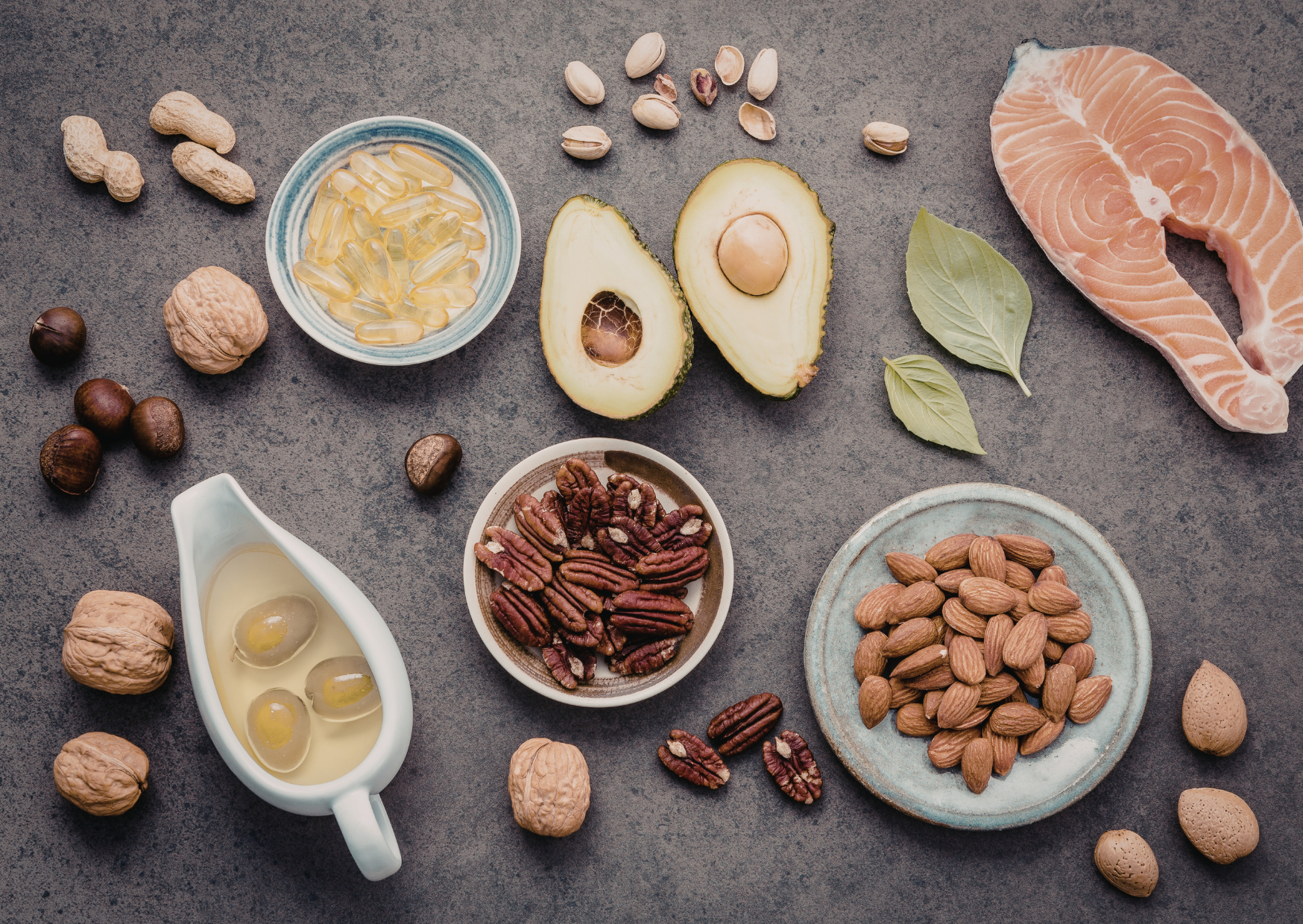
Call it the Tin-and-Walk. It sounds almost too simple, which is why it works.
Step 1: Eat a small tin of sardines, mackerel, or sprats at lunch.
Put it on warm bread with olive oil and lemon, or over a tomato-cucumber salad. You’re buying omega-3s and vitamin D for the price of a bus ticket. A standard 100 g tin of sardines brings meaningful vitamin D and a decent dose of EPA/DHA; mackerel is often higher again. In most EU supermarkets the good stuff lives between €1 and €3 per tin. That’s your €3.
Step 2: Go outside for 20 minutes right after.
Grey winter doesn’t matter. Midday outdoor light on a cloudy day often hits well over 1,000 lux, far above indoor office levels. That daylight signal pushes your circadian clock the right direction, nudges melatonin timing, and makes nighttime sleep come easier. It’s not a gym session. It’s a loop around the block, eyes outside, no sunglasses unless painfully bright.
Why these two, together: light is the primary zeitgeber for your internal clock, and marine fats/vitamin D support brain function and mood biology. You do not have to choose between “nutrition” and “circadian.” Do both at lunch, every day you can.
How Light Actually Helps, Without The Jargon
Think in lux and timing. Office lighting hovers near 300–500 lux. A cloudy winter sky outside can still deliver 1,000–5,000 lux; bright overcast clears more. Dedicated light boxes push 10,000 lux at close distance, but getting real sky into your eyes at noon is the lowest-friction version of the same idea. Trials and reviews keep finding that bright light therapy produces mild to moderate symptom relief for winter depression, and shifting your daylight exposure earlier and brighter improves sleep quality in everyday adults.
What this means for you: if you eat indoors and then scroll under desk lighting, your brain still thinks it’s November at midnight. If you step outside for 20 minutes, you’re telling it this is daytime. Over a week, energy and sleep start to clean up, which makes mood easier to protect.
How The Tin Helps: Omega-3s, Vitamin D, And Why Fish Beats Pills For Most People
Europeans love a food-first fix. Tinned fish is stable, cheap, and quietly nutrient-dense. Here’s the short version:
- Omega-3s (EPA/DHA): linked to mood support in multiple reviews, with the strongest signals around EPA-heavy intakes. The evidence for treating diagnosed depression is mixed but non-trivial, especially as an adjunct; for prevention/maintenance, regular fish intake is a low-risk move with broad health upside.
- Vitamin D: winter blood levels drop at higher latitudes. Meta-analyses through 2025 suggest small but significant improvements in depressive symptoms with supplementation in adults, though SAD-specific data remains inconsistent. Food brings protein, B-vitamins, selenium, iodine alongside D, which matters in real life.
- Why tins: a €2.30 sardine tin in olive oil covers protein, calcium (if you eat the bones), D, and omega-3s for pennies on the gram compared to supplements. It’s also easier to comply with food than pills for most people.
No one is saying a tin cures a disease. We’re saying a tin a day in winter is a cheap, repeatable input that nudges the biology the right way, with zero prep.
Bold anchors: EPA/DHA without a capsule, vitamin D in real food, compliance through taste.
Build Your Winter Plate: 10 Ways To Not Get Bored

You’ll stick with this if it tastes good. Ten easy riffs that keep the €3 habit and change the feel:
- Sardines on toast with lemon, cracked pepper, and parsley. Five minutes, perfect with a hot soup on the side.
- Mackerel salad bowl: cucumbers, tomatoes, red onion, olives, good olive oil, squeeze of citrus.
- Sprats and pickles on rye for a Baltic mood. A teaspoon of mustard wakes it up.
- Warm beans + fish: white beans warmed in a pan with garlic, fold in a tin of mackerel and a handful of spinach.
- Lemon pasta with tinned salmon and capers, finished with olive oil.
- Sardine rice bowl: leftover rice, scallions, soy-lemon, herbs.
- Tuscan-ish cannellini + sardines + rosemary, lots of olive oil.
- Greek village plate: tomato, cucumber, onion, feta crumbs as seasoning, mackerel on top.
- Pan con tomate + sardines. If the tomatoes are sad, use jarred roasted peppers.
- Tuna swap twice a week: not as D-rich as salmon, but variety helps. Keep mercury-wise portions sensible.
Underneath all of these: olive oil generosity and a piece of fruit. Keep lunch salty-bright, not heavy, so the walk feels inviting, not optional.
The Light Part: Exactly What To Do In 20 Minutes
You’re aiming for “as bright as possible, as early as practical, as often as you can.” On workdays, lunch is the lowest-friction window.
- Go outside. Even dim winter sky beats indoor fluorescents by a factor of many.
- Look at the world, not your phone. You want broad-field daylight hitting your eyes.
- Keep sunglasses off unless truly uncomfortable.
- Walk briskly. Mild cardio pairs well with light for afternoon energy and nighttime sleep.
- If you can’t go out: sit by the brightest window you have, as close as possible. Consider a light box for 10–30 minutes in the first half of the day if you’re stuck indoors.
- Repeat daily. One massive Saturday hike won’t beat five small doses Monday to Friday.
You’re not chasing perfection. You’re chasing reliable lux.
The First 14 Days: What You’ll Actually Feel
Most people report two boring wins: steadier energy through the 3 p.m. slump and better sleep onset at night. The fish + beans combo keeps glucose quiet, the walk makes afternoons clearer, and the light tells your brain “this is daytime.” If you track mood, expect small upticks in calm and motivation before any dramatic shift. If you skip two days and feel the fog return, that’s not failure. That’s feedback. The habit works because it’s daily.
Pitfalls Most People Miss

Waiting for sun. Clouds still count. You’re training a biological clock, not taking a postcard.
Eating fish once a week. That’s a nice dinner, not a winter protocol. Daily tins or 3–5 times weekly oily fish keeps levels steady.
Tiny lunches, big dinners. A protein-and-fat lunch plus a walk beats a carb-heavy plate that makes you nap at 2 p.m.
Buying the wrong tins. Olive oil pack beats seed-oil pack for flavor and satiety; bones-in tins add calcium.
Indoor “walks.” A treadmill under 300 lux won’t push circadian timing like sky light will.
Who This Helps, And Where The Line Is
Great fit: people who get winter blahs without severe impairment, folks with late sleep drift, anyone who wants a cheap, structured routine that supports mood.
You still ask for help: if you have major depressive symptoms, can’t function, or feel unsafe, you talk to a clinician. Light boxes and diet can support care, but diagnosis and treatment come first. The Tin-and-Walk is a foundation, not a replacement.
If You’re Running The Numbers
Cost: good sardine tins in EU chains run €1.20 to €3.00; mackerel €1.50 to €3.50; salmon €2.50 to €5.00. Bread and lemon add cents per day. Light is free. Compared to supplements, a 30-day fish habit often lands cheaper per nutrient and brings protein you’d buy anyway.
Dose: aim for one small tin daily on workdays or 3–5 tins weekly minimum in deepest winter. On non-fish days, keep eggs, beans, and yogurt in rotation so protein and micronutrients stay consistent.
Payoff timeline: sleep and daytime energy often shift in 7–10 days with daylight walks; mood follows gradually over 2–4 weeks if you keep frequency high.
A 30-Day Winter Plan You Can Put On The Fridge
Week 1
- Buy 10 tins you actually like. Put lemon, olive oil, pickles on the same shelf.
- Block 12:30–13:00 on your calendar as “Tin + Walk.”
- Log minutes outside, not “feelings.” Give your brain data.
Week 2
- Add beans twice, soup + sardines once.
- Move the walk earlier if your day starts before 8; the earlier the daylight, the bigger the nudge.
- Swap one tin for salmon if you want variety.
Week 3
- Invite a friend to join the walk two days. Social friction keeps you honest.
- If the weather is brutal, sit by the brightest window for 20 minutes and stare at the sky, then do 10 minutes outside later.
Week 4
- Keep the habit through a weekend. Put the tin over hot rice with scallions or on toast with pepperoncini.
- Audit sleep: are you falling asleep faster and waking cleaner. Keep what’s working.
What This Means For You
You don’t need a chalet or a light lab to make winter bend a little. You need a €3 tin, a slice of bread, a squeeze of lemon, and 20 minutes of sky—every workday you can manage. It’s European in the best way: unfussy, cheap, and stubbornly consistent. The grey will still be grey. You’ll just feel more awake in it, sleep more cleanly after it, and carry a mood that’s harder to shake. A small lunch and a short walk are not a cure for everything, but they change the slope of your winter. And when the light returns, you’ll already be outside to see it.

About the Author: Ruben, co-founder of Gamintraveler.com since 2014, is a seasoned traveler from Spain who has explored over 100 countries since 2009. Known for his extensive travel adventures across South America, Europe, the US, Australia, New Zealand, Asia, and Africa, Ruben combines his passion for adventurous yet sustainable living with his love for cycling, highlighted by his remarkable 5-month bicycle journey from Spain to Norway. He currently resides in Spain, where he continues sharing his travel experiences with his partner, Rachel, and their son, Han.