
For many travelers, “tapas” conjure images of small plates, fancy garnishes, and a freewheeling mix of sangria-soaked snacks—something you can find at nearly any “Spanish” restaurant worldwide. But ask a native Spaniard, and they’ll tell you it’s not just about tiny plates. Tapas culture is deeply rooted in local traditions, varying from region to region, and it’s often misunderstood. Here are the top ways tourists get tapas wrong—and how to do it right.
Want More Travel Myths Debunked?
– 10 ‘Mexican’ Dishes Mexicans Never Actually Eat—And What They Do Instead
– Classic French Breakfast Dishes
– 15 Shockingly Normal European Customs Tourists Still Can’t Believe
– Get The Best Travel Insurance for Europe and Beyond
Quick, Easy Tips for Tourists
Start small: Order one or two dishes at a time and share them with your group. Tapas are meant for tasting, not rushing.
Move around: Try several bars in one evening—each has its own specialty and local energy.
Watch the locals: Observe how Spaniards eat, order, and converse. Their pace and style are the real guidebook.
Don’t expect freebies everywhere: Complimentary tapas are regional; in many cities, you’ll order from a menu.
Go local, not fancy: The best tapas are often found in neighborhood bars where locals gather, not in high-end tourist spots.
Many travelers arrive in Spain expecting tapas to be a cheap, endless stream of mini-meals served with every drink. This romanticized image, while partly rooted in truth, often distorts what tapas really are. Outside a few traditional regions, free tapas with every order aren’t the norm—and in cities like Madrid or Barcelona, tapas are often ordered and paid for just like any other dish. Tourists who treat tapas as a buffet experience miss the deeper cultural significance behind them.
Another misconception lies in the idea that tapas are meant to “fill you up.” In reality, they were never intended as a full dinner. The spirit of tapas lies in movement and socializing—hopping from one bar to another, sampling small bites, and connecting through conversation. When visitors settle into one place for hours and treat tapas like a formal meal, they inadvertently shift the ritual from spontaneous social flow to static dining.
Perhaps the most overlooked truth is that tapas are about community, not consumption. They evolved as a way to slow down, talk, and share life. The tapas table is a microcosm of Spanish values: connection, laughter, and presence. To misunderstand tapas is to misunderstand Spain’s philosophy of how food and life intertwine.
1. Mistaking “Tapas” for a Catch-All Menu Section
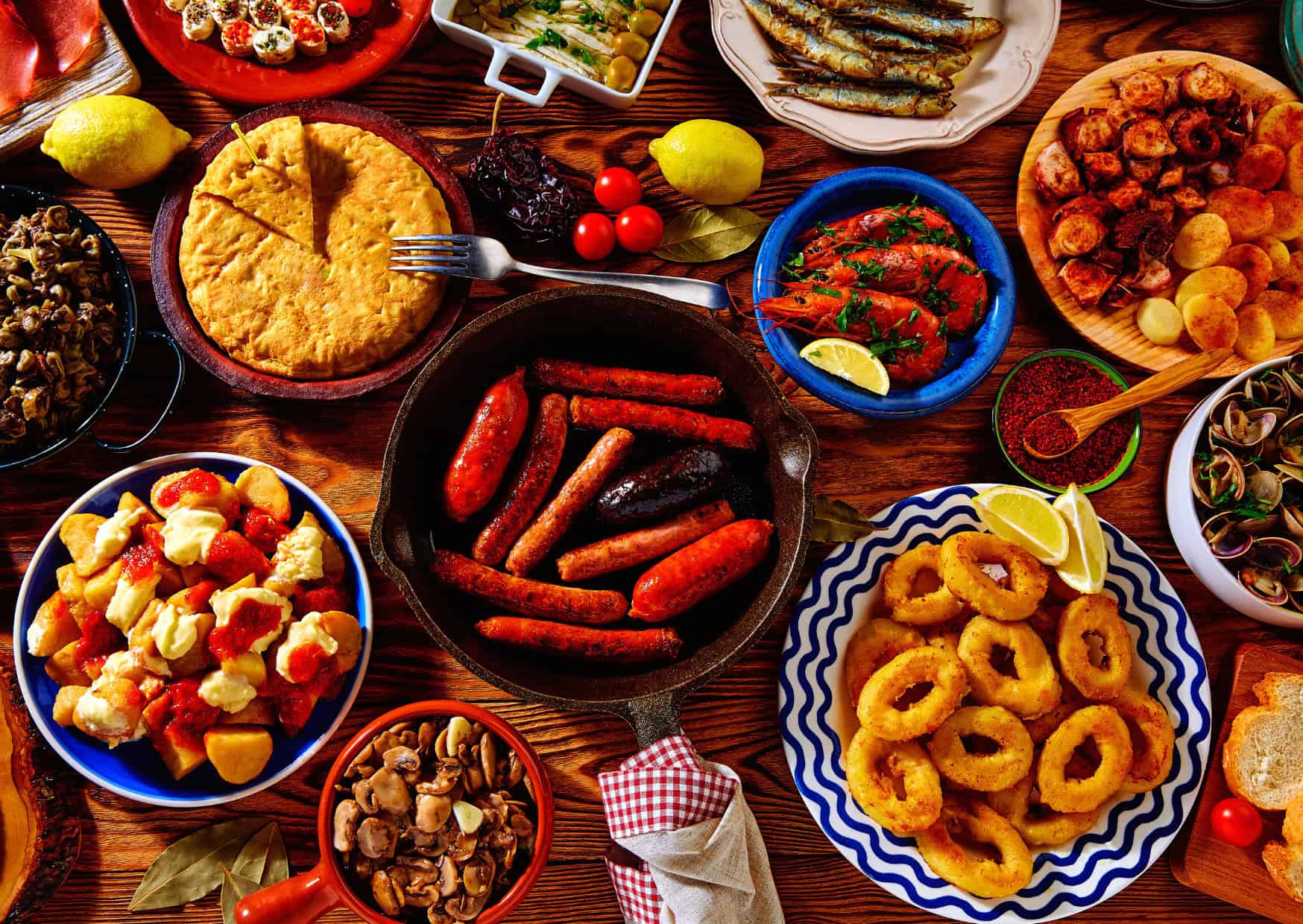
What Tourists Think
- Every small plate on the menu = tapas.
- Anything served in small portions automatically qualifies as “tapas.”
What Locals Actually Do
- In many parts of Spain, “tapas” are not a formal menu category, but rather bar snacks that come free or very cheap with drinks—especially in places like Granada or parts of Andalusia.
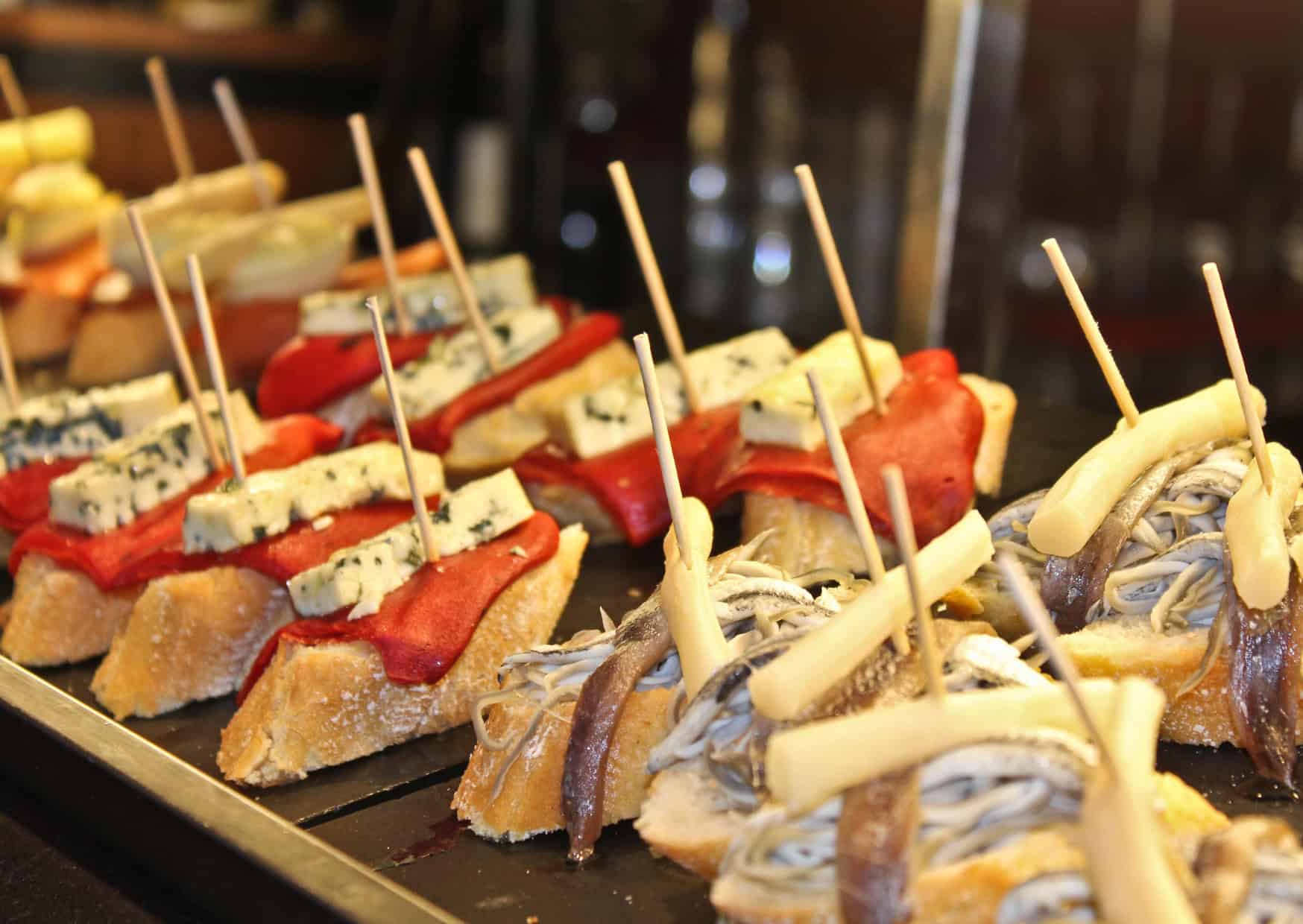
- In other regions (like the Basque Country), you’ll find “pintxos,” not “tapas,” which are small bites often served on bread or skewered, paid for per piece.
Why This Matters
- The concept of small-plate dining for dinner is sometimes an adaptation for tourists. Spaniards might go bar-hopping to nibble on a tapa or pintxo at each stop—rarely do they sit and order 10 plates labeled “tapas” off one menu.
Pro Tip
If you see a separate “Tapas Menu” in big letters, it might be a tourist-oriented spot. Ask a local or the bartender how they serve their snacks—some places bring out a small dish free with your drink, while others list individually priced pintxos or raciones (larger portions).
2. Believing Sangria Is the Only Drink to Pair with Tapas
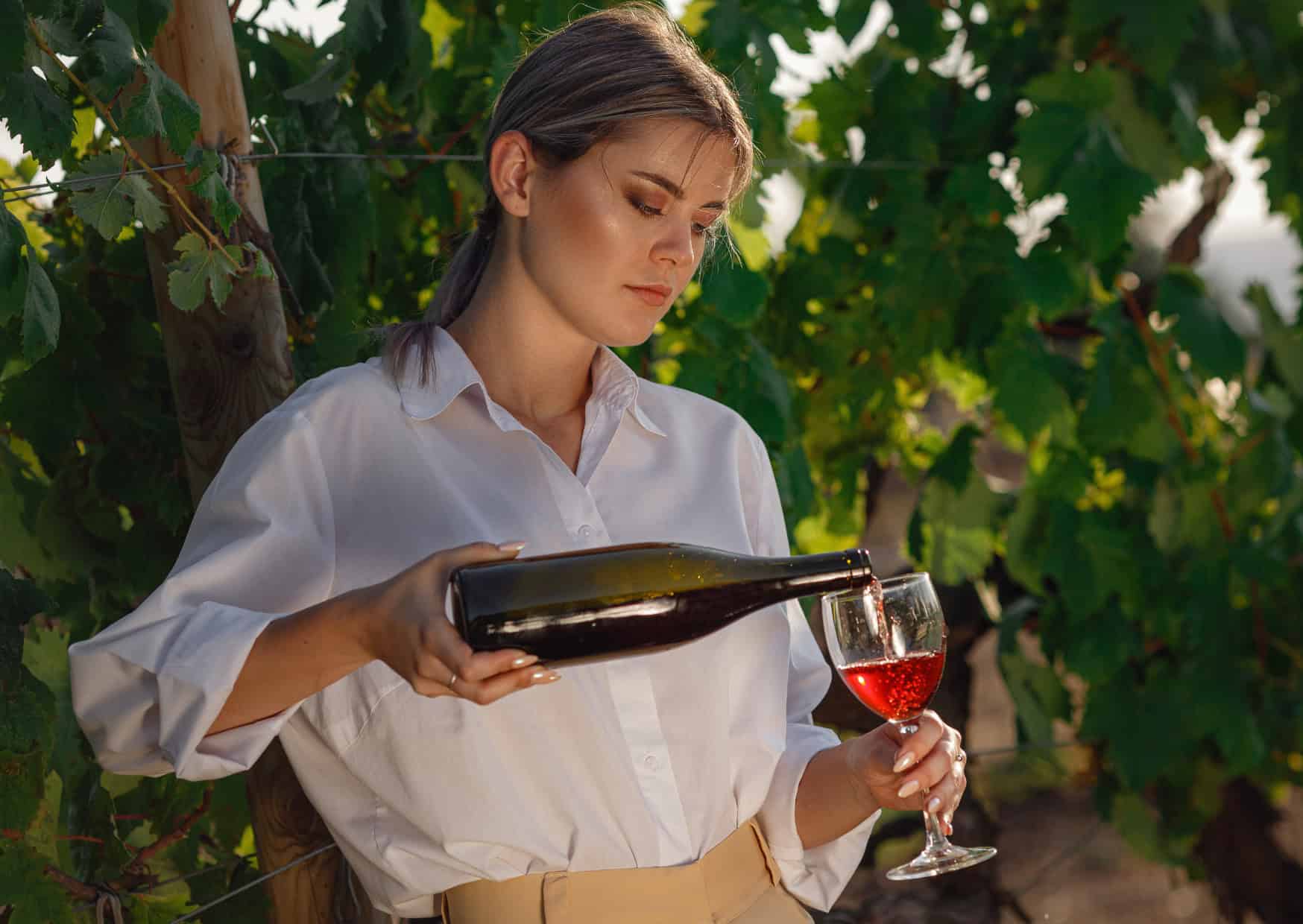
What Tourists Think
- Tapas must be paired with sangria, always.
- If you’re having Spanish food, you should order a jug of sangria for the table.
What Locals Actually Do
- Sure, some Spaniards enjoy sangría—usually in casual, festive settings—but often they choose beer (caña), wine (vino tinto or vino blanco), or a simple tinto de verano (red wine with soda) to accompany tapas.
- In the Basque Country, you might spot txakoli (a light, slightly fizzy white wine) or sidra (cider).
Why This Matters
- Sangria can be overpriced and marketed to tourists who assume it’s a daily Spanish drink. Locals are more likely to order smaller, cheaper drinks that pair well with a variety of quick bites.
Pro Tip
Ask what the local specialty is: caña (draft beer), house wine by the glass, or a regional beverage like vermut. You’ll blend in better and likely save money compared to ordering “turístico” pitchers of sangria.
3. Treating Tapas Bars Like Full-Service Restaurants
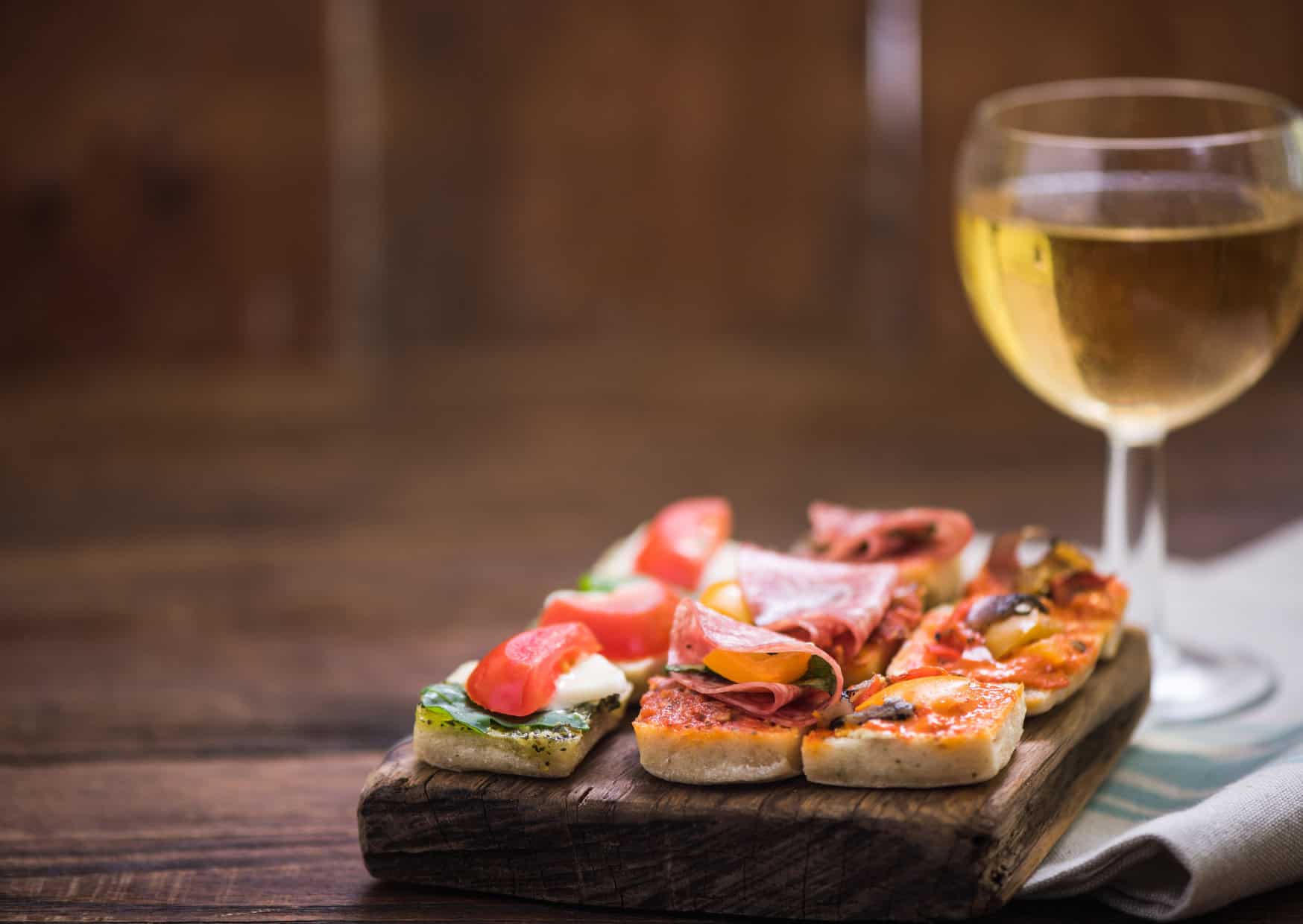
What Tourists Think
- Expecting a server to come and take your order at the table, bring plates one by one, ask “How is everything?” and refill your water.
What Locals Actually Do
- Often stand at the bar (especially in busy city centers), order a drink, and get a free or cheap bite.
- Chat with the bartender, choose from whatever tapas are on display, or ask the staff what’s available that day.
Why This Matters
- Tapas culture is more casual. Crowded bars sometimes have limited seating. People come and go quickly, so formal table service can be minimal.
Pro Tip
Don’t be shy about going up to the bar to order or pay. In some places, each new drink might come with a different tapa—enjoy the spontaneity instead of expecting a multi-course, fully seated meal.
4. Thinking Tapas Always Come Free (or Always Cost)
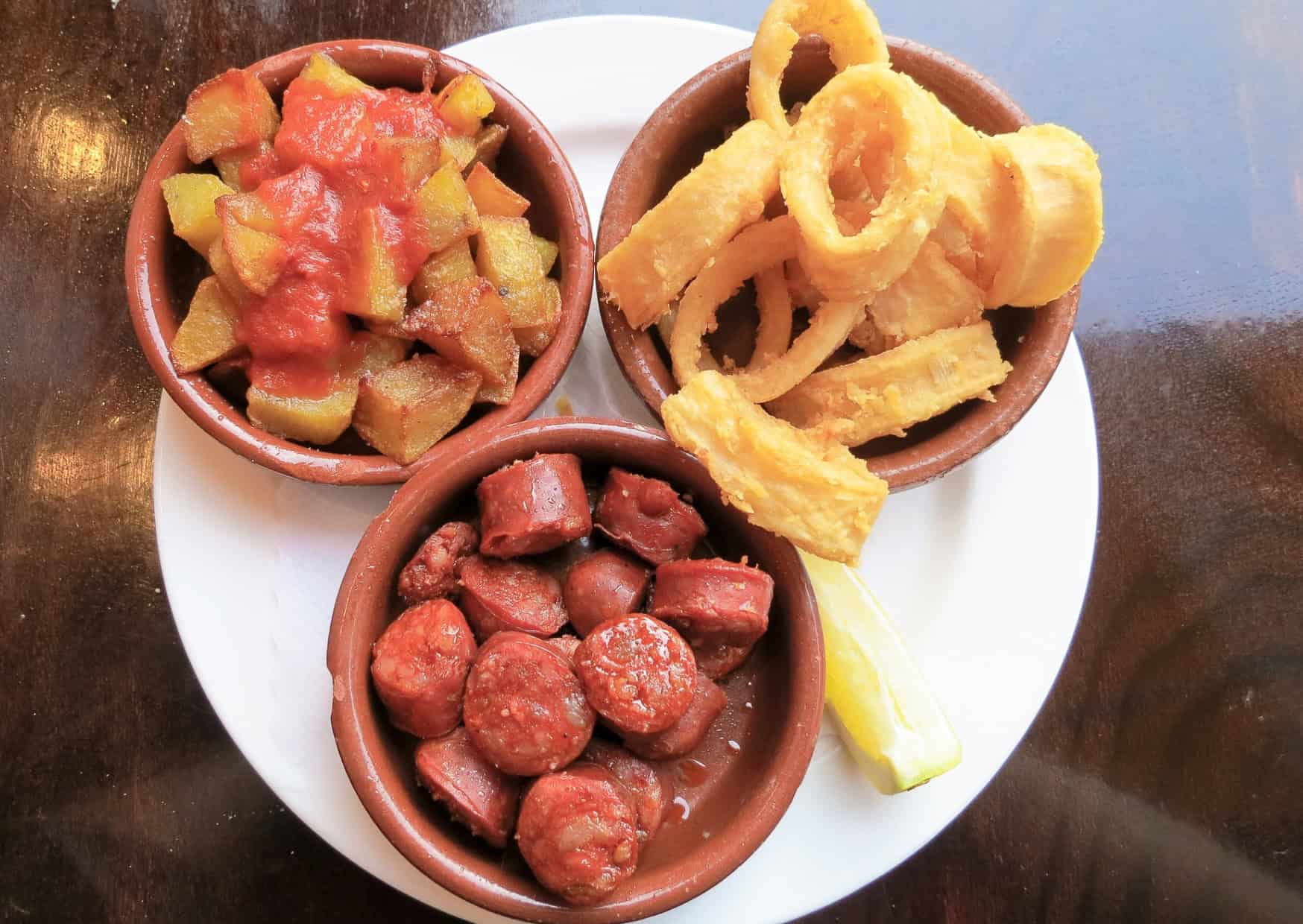
What Tourists Think
- Either “Everywhere in Spain gives free tapas,” or “Tapas are always paid mini-dishes.”
What Locals Actually Do
- It varies by region:
- Granada and parts of Andalusia are famous for free tapas with each drink.
- Madrid has some bars with free tapas, others with paid options.
- Basque Country focuses on paid pintxos, carefully crafted bites you pay for individually.
- Barcelona often has paid tapas or pinchos, though some old-school places might offer a complimentary tidbit.
Why This Matters
- Tourists can get confused or disappointed if they assume all tapas are free or are always listed with prices. A city-to-city approach helps manage expectations.
Pro Tip
Research local norms before you go. In Granada, order a beer or tinto de verano, and you’ll likely get a free tapas surprise. In San Sebastián, be ready to pay per pintxo—and it’s worth it for the quality.
5. Overlooking the Regional Variations
What Tourists Think
- “Tapas” is a single, uniform Spanish concept—like a brand or chain restaurant that’s consistent everywhere.
What Locals Actually Do
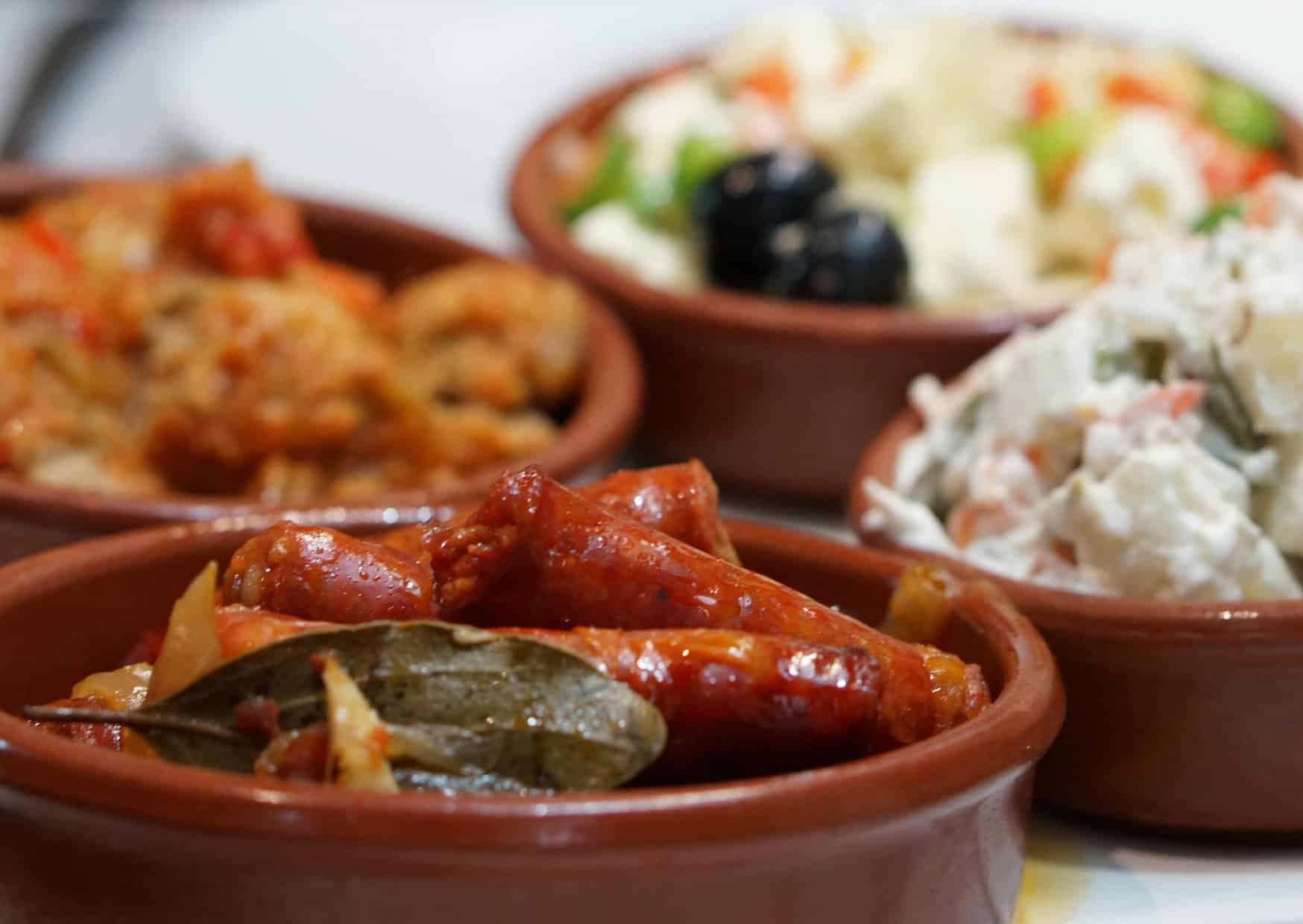
- Each region boasts distinct culinary traditions. In the Basque Country, it’s pintxos; in Andalusia, it’s more traditional free tapas with a beer; in Galicia, you might find fresh seafood bites like pulpo a la gallega.
- Even the word “tapas” might not be used in the same way from city to city.
Why This Matters
- Missing these differences means you might skip local specialties that aren’t labeled “tapas.” For example, cazón en adobo (marinated fried dogfish) in Cádiz or ensaladilla rusa in Madrid bars.
Pro Tip
Read up on the local scene. Don’t just rely on a catch-all phrase. Ask for the region’s signature small plates, and be open to new terminologies (raciones, pintxos, montaditos, cazuelas, etc.).
6. Making Tapas the Main Event Too Early
What Tourists Think
- Tapas time = 6 PM dinner. Let’s get everything done and be in bed by 8 PM.
What Locals Actually Do
- In Spain, dinner typically starts around 9 or 10 PM. Tapas bar-hopping might happen before dinner (as an aperitif) or even replace dinner entirely, but definitely not at 6 PM.
- Spaniards often have a late lunch (2–4 PM) and then a light merienda (snack), meaning they’re not ready for another meal so soon.
Why This Matters
- Showing up at a tapas bar at 6 PM, you might find it empty or not fully operational—some bars close between lunch and dinner.
Pro Tip
Adjust your schedule to local eating times. Tapas bars come alive around 8 or 9 PM, continuing late. If you’re hungry earlier, check if they have an afternoon aperitivo scene, but expect minimal crowds.
7. Sticking to Tourist-Favorite Tapas Without Exploring
What Tourists Think
- Patatas bravas, tortilla española, and jamón ibérico are the only tapas worth trying. Let’s order them everywhere!
What Locals Actually Do
- Sure, those staples are delicious, but local bars also have daily or seasonal creations—like grilled mushrooms (setas), stewed snails (caracoles in Andalusia), or marinated anchovies (boquerones en vinagre).
- Variation keeps the tapas experience exciting, with each bar offering its own spin.
Why This Matters
- Sticking to the same three dishes means missing half the fun. Locals thrive on discovering different specialties, often posted on a chalkboard menu.
Pro Tip
Ask the bartender or server for the house specialty. They might recommend a unique dish that’s off the typical “tourist tapas” list. Don’t be afraid to try something new—like pulpo a la gallega (octopus with paprika) or bacalao (cod) croquettes.
8. Expecting American-Style Service & Checks
What Tourists Think
- Waiters will bring the check immediately after you finish, or they’ll check on you often to see if you need anything else.
What Locals Actually Do
- Tapas culture is laid-back: staff might be juggling multiple small orders and bar requests. They won’t rush you—nor will they chase you with the bill. You usually have to request it (la cuenta, por favor) when you’re ready.
- Sometimes, you’ll pay at the bar, referencing your order or a running tab.
Why This Matters
- Tourists might get frustrated waiting for a check that’s never brought automatically. Locals accept it as normal—enjoy the vibe until you’re done, then approach the staff to pay.
Pro Tip
Patience is key. Wave or politely call for the check when you’re set. If it’s busy and there’s no table service, head to the cashier or the bar. Keep track of what you’ve consumed if it’s a no-tab system.
9. Tipping Like You’re in the U.S.
What Tourists Think
- 15–20% tip is mandatory on top of every meal or drink, including tapas.
What Locals Actually Do
- Spain doesn’t have a strong tipping culture. Some round up the bill slightly or leave a small tip (maybe 5–10% in a nicer restaurant), but it’s nowhere near American standards.
- For tapas, many locals just leave spare change or round up to the nearest euro if service is good.
Why This Matters
- Overtipping can mark you as a tourist. While staff won’t refuse extra money, it’s not expected—and might not even be common practice among locals.
Pro Tip
If you loved the service or had a lengthy meal, sure, leave a bit extra—but don’t feel obligated to replicate a 20% U.S.-style tip. A simple round-up or a couple of euros can suffice for tapas outings.
10. Missing the Social Aspect of Tapas
What Tourists Think
- Tapas are just “small foods” you eat. Once you’ve tried them, you’re done.
- Sometimes tourists stay in one bar the whole night, calling it a day.
What Locals Actually Do
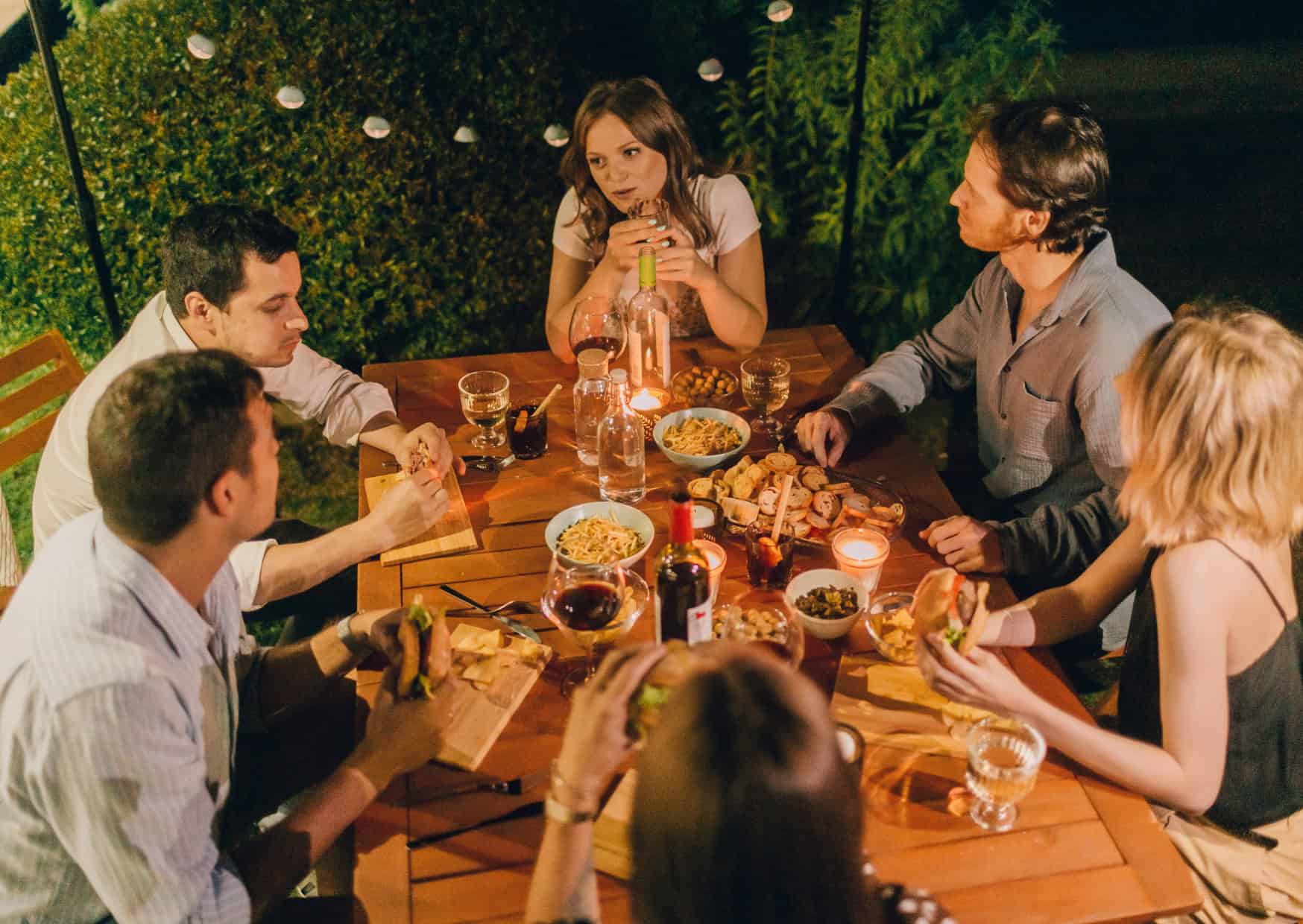
- Tapas are as much about socializing as eating—friends hop from bar to bar, sharing a tapa or two at each stop, chatting with the bartender, meeting new people, and exploring different atmospheres.
- It’s a lively, progressive way of spending an evening rather than a sit-down meal in one spot.
Why This Matters
- Staying put in a single touristy bar means missing the real essence: the communal spirit, the variety, and the city’s nightlife pulse.
Pro Tip
Plan to visit multiple bars (3–4 at least), each with its own specialty. Make a night of it—wander the neighborhood, discover which bar is brimming with locals, and join the convivial crowd.
The Bottom Line
Tapas aren’t just about “smaller dishes”—they’re a whole cultural experience that varies across Spain. From free tapas in Granada to elaborate pintxos in San Sebastián, each region brings its own flair. Rather than thinking of tapas like an à la carte menu, treat them as part of a social ritual, and let curiosity guide you. Embrace local drink choices, be open to daily specials, and bar-hop to soak up the true Spanish nightlife.
Tapas are not just snacks—they are symbols of a lifestyle that celebrates togetherness and unhurried enjoyment. Each small dish tells a story of regional flavors, local pride, and centuries-old customs. The magic isn’t in the food alone, but in the rhythm of conversation that flows around it.
For many Spaniards, tapas are the most democratic form of dining: no one is the host, everyone shares, and time loses its grip. It’s an experience that resists the modern obsession with efficiency and individualism. Instead, it invites us to linger, to talk, and to taste the moment itself.
So when you next find yourself in Spain, resist the urge to “order tapas like a tourist.” Instead, order slowly, share freely, and savor deliberately. You’ll find that the true essence of tapas isn’t what’s on the plate—it’s the people sitting beside it.
Pro Tip
Ask locals or the bartender for recommendations. If the place is bustling and noisy, that’s usually a good sign. Above all, don’t rush—tapas culture is about savoring flavors, good company, and the gentle rhythm of a Spanish evening. ¡Salud!

About the Author: Ruben, co-founder of Gamintraveler.com since 2014, is a seasoned traveler from Spain who has explored over 100 countries since 2009. Known for his extensive travel adventures across South America, Europe, the US, Australia, New Zealand, Asia, and Africa, Ruben combines his passion for adventurous yet sustainable living with his love for cycling, highlighted by his remarkable 5-month bicycle journey from Spain to Norway. He currently resides in Spain, where he continues sharing his travel experiences with his partner, Rachel, and their son, Han.