
If you saw headlines about a Spanish town paying €15,000 plus housing to Americans before December, here’s the accurate version: it isn’t one town, and the €15,000 lives in a regional grant in Extremadura for remote workers, while free or subsidized housing shows up in tiny villages like Griegos (Teruel) on separate local terms. Below is the clean map of what’s real, who qualifies, and how fast you’d need to move.
What’s Actually On The Table In October 2025

Two distinct offers keep getting mashed together online. Separate them and the picture gets simple.
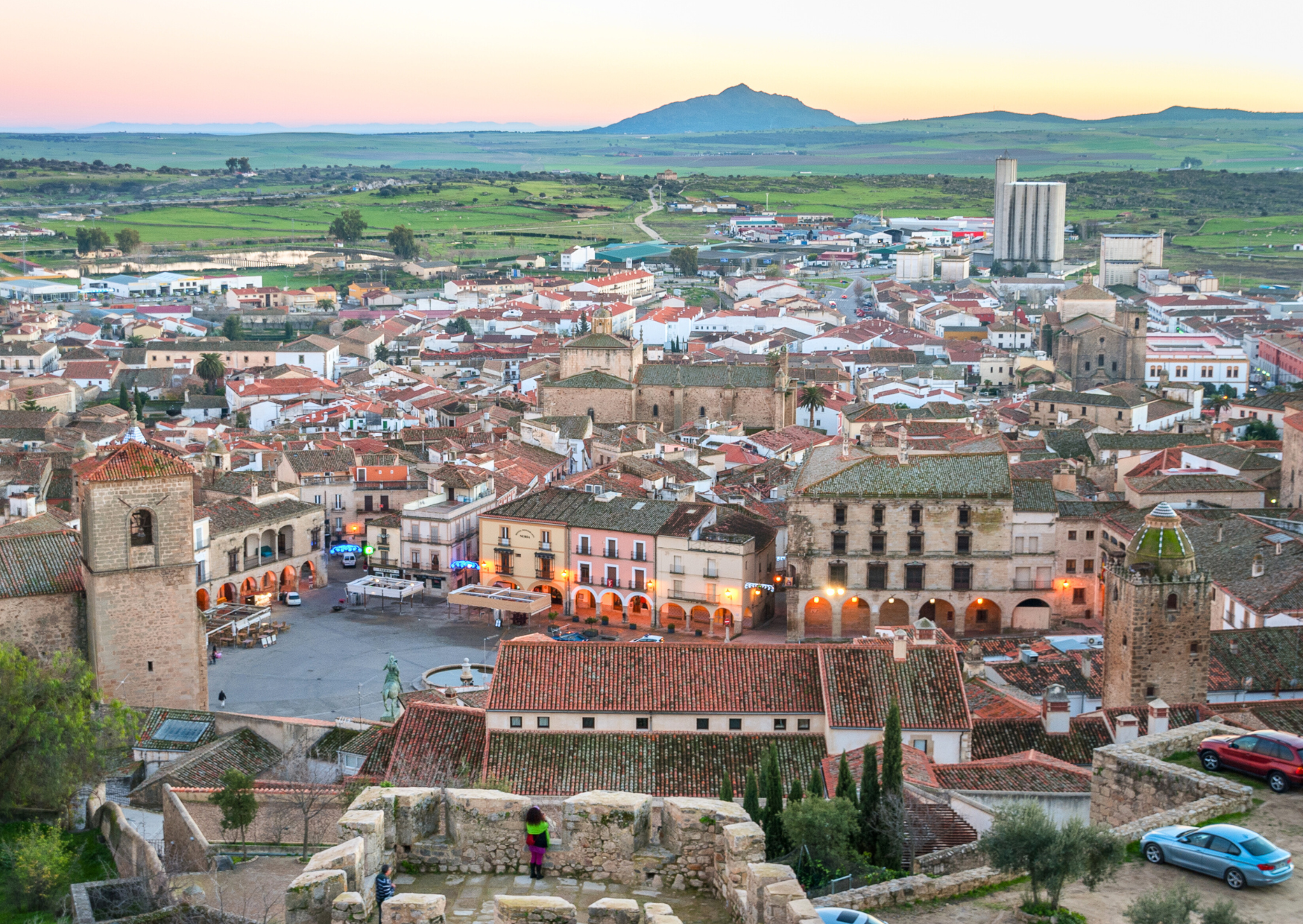
- The €15,000 figure belongs to Extremadura, a regional program designed to lure digital nomads/remote workers to small towns. It pays a first tranche on arrival and a second tranche if you’re still there after two years. It does not include free housing, and it’s not limited to a single village. Americans can apply, but you still need a legal right to live and work (Spain’s Digital Nomad Visa or other status). euronews+2Smithsonian Magazine+2
- Free or subsidized housing exists in specific villages trying to repopulate, the best-known being Griegos (Teruel). Offers have included months of free rent, reduced rent afterward, child bonuses, and help finding jobs—but no €15,000 cash. These are local initiatives that open, pause, or change terms. thinkSPAIN+1
If you want cash, look to Extremadura. If you want housing help, look to micro-towns like Griegos. They are different programs, sometimes compatible with the same visa, but not one package deal.
Bottom line: There isn’t a single Spanish town paying €15,000 plus housing before December. There is a regional €15,000 grant and separate village housing incentives you can target, often on rolling timelines. euronews+2Smithsonian Magazine+2
Extremadura’s €15,000 Grant: How It Works, Who Qualifies, What To Expect

Think of Extremadura’s program as a two-year commitment for remote workers with money in two stages. The intent is population and economic activity in smaller municipalities.
What the money looks like
- Up to €15,000 per applicant. Typical design: an initial payment when you settle, plus a second payment after 24 months if you remain. Priority bonuses have gone to women, under-30s, and people choosing sub-5,000-resident towns. Exact brackets come from each call’s rules. Thrillist
What “remote worker” means here
- You earn elsewhere, you live in Extremadura. The program targets digital nomads or employees who can work online. Local contracts are fine, but the pitch is “bring your salary here.” euronews
Visa reality for Americans
- You’ll need a legal stay that allows you to work remotely from Spain. The Digital Nomad Visa is the typical path for non-EU nationals. Grant cash does not replace visa status. euronews
Where you must live
- The second tranche usually requires you to remain in the region, often in small municipalities the program specifies. Moving away can forfeit the back-end money. Thrillist
Timeline pressure
- These calls are time-boxed and reopened in waves. If a round says documents must be lodged before year-end, assume hard cutoffs for eligibility windows, proof of address, and visa status. Do not plan on last-minute approvals. euronews
Why it exists
- Extremadura ranks low on GDP per capita and faces out-migration. Paying outsiders to live and spend locally is cheaper than losing another decade of young people. euronews
Key risk
- Second-tranche dependence. If you don’t stay the full two years, you lose a chunk of the headline number. Budget assuming you’ll earn the back-end, not just the front-end payment. Thrillist
Griegos (Teruel) And The “Free Housing” Offers: What They Really Promise

Griegos became a symbol of Spain’s repopulation playbook: few hundred residents, cold winters, empty homes, and a town hall willing to subsidize life for new families.
What’s been offered
- Past calls have included free rent for an initial period, reduced rent after, monthly child bonuses, and help matching local jobs, all to get school-age kids back into local classrooms and shops open year-round.
Who they want
- Families with children usually rank highest, sometimes couples willing to take local roles in hospitality, retail, or municipal services. Singles can apply, but priority goes to people who fill community gaps.
Deadlines and churn
- These are municipal (not regional) calls. They open ad hoc and close when a few households sign. Terms change, so you have to watch the town’s channels or regional press. There’s no national directory.
What it is not
- No €15,000 cash injection attached. If you need capital, you pair a housing-support village with a regional cash program elsewhere—or you accept that this path is housing help, not a grant.
Where People Get Misled Online
“One town pays €15,000 and gives you a house.”
That headline fuses Extremadura’s cash with Griegos-style housing. They’re different offers from different levels of government with different rules.
“Americans fast-tracked, apply by December.”
Americans are eligible if they clear Spain’s visa. No town or region can override immigration law. “By December” is usually a grant window, not a visa guarantee.
“Guaranteed jobs.”
Villages may facilitate jobs; they don’t guarantee them for everyone. Extremadura’s grant is about remote income, not local hiring.
How An American Actually Uses These Offers
Path A: Cash-First (Extremadura)
- Eligibility check: your work is remote-capable, you can meet stay requirements in a small municipality.
- Visa first: apply for Spain’s Digital Nomad Visa with your remote-income proof, clean background, and health coverage.
- Grant application: file inside the call window with proof of accommodation, address registration, and any priority criteria you meet.
- Two-year plan: pick a town you’d be happy living in for 24 months, because the back-end €€ depends on it.
Path B: Housing-First (Griegos-type village)
- Watch for a municipal call with clear housing terms.
- Propose what the town needs: kids in school, local service roles, off-season presence.
- Bring a visa that lets you reside. For Americans that’s usually non-lucrative, work, or digital nomad status.
- Expect tradeoffs: remote mountain climate, limited services, deep community integration. The payoff is very low housing cost.
Path C: Mix And Match (When Possible)
- You could win housing in a small town inside Extremadura and also qualify for the regional grant if the rules align. That requires a town in the target region, the right population bracket, and timely approvals. Always confirm current call terms before you bank on stacking.
Costs, Timelines, And Friction Points You Should Budget
Visa lead time
- Digital Nomad Visa adjudication varies. Even when “fast,” it can run weeks to a few months. If a grant window ends this year, file now and assume documents will be checked. euronews
Proof of residence
- Grants typically require a municipal registration (padrón) and lease. Lining these up without overlapping costs is the unglamorous part.
Second-year cliff
- Make sure your income, lease, and lifestyle can survive 24 months where you choose. The second tranche is a big slice of the €15,000 headline. Thrillist
Rural reality
- Healthcare access, schools, transport, and winter heating look different in micro-towns. What you save in rent, you invest in planning.
If You’re Running The Numbers
Two concrete, apples-to-apples sketches help you see how this really lands.
Scenario 1: Remote worker to Extremadura (small town, pop <5,000)
- Front-end grant: €8,000–€10,000 depending on bracket.
- Back-end grant (after 24 months): €4,000–€5,000 if you stay.
- Total: up to €12,000–€15,000 across two years.
- Cash flow reality: treat the second payment as conditional; don’t spend it twice. Visa, lease, utilities, and furnishing a home still cost money. Thrillist
Scenario 2: Family moves to Griegos
- Housing: free first months then reduced rent, sometimes child bonuses monthly.
- Income: either remote or local jobs facilitated by the council.
- Net effect: housing savings can beat a small grant—if the climate, school run, and job reality suit your family. thinkSPAIN+1
Quick Decision Script (Ten Minutes To A Lane)
Is cash the priority, and can you commit to 24 months.
- Yes: Extremadura grant path.
- No: housing-first micro-town path.
Do you need a bigger town or are you happy truly rural.
- Bigger: pick a regional hub within the grant map.
- Truly rural: chase village offers and accept tradeoffs.
Do you already have remote income.
- Yes: grant eligibility looks good.
- No: housing-first villages may fit better while you job-hunt locally.
What This Means For You
If your goal is cash to relocate, Extremadura’s up-to-€15,000 grant is Spain’s headline offer in 2025 for remote workers, with clear two-year strings. If your goal is low-cost housing, watch micro-town calls like Griegos for time-limited housing support. You can’t apply to “the town with €15,000 plus housing” because it doesn’t exist as one package, but you can pick the right lane and build a plan that actually pays without surprises.
Make your move on facts: visa first, program rules second, town fit third. Do that, and the “get paid to move” story turns into a real address, lower monthly burn, and a community that wants you there.

About the Author: Ruben, co-founder of Gamintraveler.com since 2014, is a seasoned traveler from Spain who has explored over 100 countries since 2009. Known for his extensive travel adventures across South America, Europe, the US, Australia, New Zealand, Asia, and Africa, Ruben combines his passion for adventurous yet sustainable living with his love for cycling, highlighted by his remarkable 5-month bicycle journey from Spain to Norway. He currently resides in Spain, where he continues sharing his travel experiences with his partner, Rachel, and their son, Han.