
Walk to the green cross, ask a couple of questions, and leave with a white paper bag that fixes your week without wrecking your budget. That’s the rhythm I fell into in Portugal. I stopped chasing American brand names, trusted the pharmacist at the corner, and watched a monthly cabinet that cost me $400 in the U.S. collapse to €35 in Porto.
A Month At The Counter: What Changed When I Switched Shops

My old routine was expensive and automatic: branded antihistamine, name-brand pain reliever, a proton pump inhibitor for heartburn, and a nasal spray for winter congestion. In a typical U.S. month the receipt hovered near four hundred dollars because I bought big bottles, chased “extra-strength” labels, and paid whatever the pharmacy shelf said.
Portugal reset the script. A pharmacist listened for three minutes, matched each symptom to a generic with the lowest legal price on the shelf, and sent me home with smaller packs that actually fit 30 days. Same outcomes, fewer milligrams, no brand tax, and a final total that made me laugh.
Three big shifts did all the work: I let the pharmacist substitute by molecule, I bought exact pack sizes for the period I needed, and I learned the house names for familiar drugs. When meds live in a system with regulated prices and aggressive generic rules, the math starts leaning your way.
Why this matters: Portuguese community pharmacies operate under price caps and generic-first economics, so the default is the cheaper path that still works. Brand loyalty burns money here.
The U.S. Cabinet, Item By Item, And Its Portuguese Twin
To keep it honest, here’s what I used to buy in the U.S. and what the counter swapped in Portugal. Same active ingredients, different labels, wildly different receipts.
Seasonal allergies
- U.S.: branded cetirizine 10 mg tabs because I trusted the ad campaign.
- Portugal: OTC cetirizine by a local label, same 10 mg, smaller pack sized for a month. The pharmacist reached for the cheapest generic on the rail, because they’re required to show you the lowest-priced option when ingredients match.
- Result: identical relief, fraction of the price. The bill dropped hardest on this line because molecule-for-molecule products compete under a reference-price ceiling.
Headache and muscle aches
- U.S.: acetaminophen in giant bottles plus separate ibuprofen because I buy for “just in case.”
- Portugal: paracetamol (same molecule as acetaminophen) in modest packs, and an ibuprofen sleeve for the gym days. Buying the exact 30-day pack matters more than you think. It cuts waste and impulse up-sizing.
- Result: Better inventory discipline. Less in the cabinet, less on the card.
Heartburn flare-ups
- U.S.: brand-name PPI bought in a rush, often the priciest box on the shelf.
- Portugal: omeprazole 20 mg in a short, OTC box for reflux symptoms, with clear counsel about when to stop and when to see a doctor. Shorter course, lower cost.
- Result: Fewer pills, fewer euros, same calm chest.
Winter congestion
- U.S.: branded combo tabs with decongestant plus antihistamine because it looked “complete.”
- Portugal: simple xylometazoline nasal spray for three evenings, then back to saline. Combo tablets look heavy; the pharmacist’s play is targeted relief, short duration, cheap fix.
- Result: Relief without the kitchen-sink pill—and a lighter total.
What changed for good: I stopped paying for labels and jumbo counts, and I started paying for molecules and days. The difference sounds small. On a register tape, it is not.
The Sticker Math: How A €35 Month Happens

Let’s do a realistic 30-day sketch from a mid-price Portuguese pharmacy. Prices vary by brand and town, but the pattern is what counts.
- Cetirizine 10 mg (20 tabs): €2–€4 for a local OTC box. It’s the same molecule you know, under a generic price rule that keeps it low.
- Paracetamol 500 mg (16–20 tabs): €1–€2 for a house label pack. Buy one, not a bucket.
- Ibuprofen 200 mg (20 tabs): around €1.50–€3.
- Omeprazole 20 mg (14 caps) for a two-week reflux patch: €3–€6 depending on the label.
- Xylometazoline nasal spray for a few nights: €2–€4.
- Saline spray for maintenance: €1.50–€3.
Add a couple of one-off items (plasters, a travel-size antiseptic): €3–€5.
Monthly total: ~€13–€22 for the routine + ~€10–€15 for the heartburn fortnight and sprays. Call it €30–€35 in a normal month.
Compare that with a U.S. cabinet built on brand names, combo pills, and warehouse-sized bottles, plus the time tax of shopping different stores to chase sales. That’s how $400 becomes €35 without feeling like a downgrade.
Why this works here: generic substitution is baked into the rules, prices are approved centrally, and OTC pack sizes are designed for short, targeted use, not for pantries.
“But Is It The Same?” Understanding The Labels Without A Chemistry Degree

What I needed to learn fast was how to translate the box. In Portugal, the label foregrounds the active substance. The pharmacist will steer you to equivalents and, unless you insist otherwise, the cheapest.
Four phrases unlocked the shelf for me:
- “Genérico de [molecule]”: a generic of that active ingredient. It is what you think it is: same molecule and dose, at the lowest allowed price in that pack size.
- “MNSRM”: non-prescription medicine. These are OTCs behind the counter or on specific rails. Ask; they will hand you options.
- Dose + pack count first: pharmacists quote dose and count before brand. It resets your brain to what you need for how long, not who printed the box.
- “Mais barato com a mesma substância?”: “Cheaper with the same substance?” That sentence always gets you to the low-price twin.
Two important realities: many common symptom fixes are OTC in Portugal, and pharmacists are trained for minor-ailment triage. You describe the thing; they match the molecule and ask screening questions. If anything sounds off-path, they tell you to see a doctor. The counter is a gatekeeper, not a shortcut.
Bottom line: when the system is built to surface the cheapest equivalent, your default bill is lower even before you try.
The Three Rules That Dropped My Spend
This was not couponing or hacks. It was behavior inside a regulated market.
Buy the molecule, not the brand
If the box says cetirizine 10 mg, you are done. A different logo is not a different drug. Portugal’s price system and generic policy push you to the cheapest equivalent automatically. Ask for it.
Match pack size to days
I stopped stockpiling. If I needed two weeks of omeprazole, I bought 14. If congestion hit, I bought the one spray to fix three nights. Short courses, low waste.
Let the pharmacist steer dose and duration
The biggest savings came from right-sizing. I used to buy “maximum strength” by habit. In Portugal, the pharmacist sold me the lowest effective dose for the shortest sensible run—and it worked.
Why these work here: the counter is set up to counsel first, sell second, within a framework that caps prices and rewards generics. If you cooperate, the system does the saving for you.
When Portugal Says “Cheaper By Design”

This is where the background rules quietly matter to your wallet.
Prices are approved before boxes hit shelves. Manufacturers file with the regulator and get a maximum retail price before selling. That is why pharmacies in town sit within cents of each other for the same pack. No wild swings.
Generics must undercut their reference drug. By law, a generic’s launch price has to be significantly lower than the originator, and it stays anchored by reference pricing. Pharmacies can substitute within a list of equivalent packs, and they are expected to offer the lowest price first.
Pharmacists are trained to handle minor ailments. The community pharmacy is not just a cash register in Portugal. It is a front door for self-care with screening. That is why a four-question chat about your reflux results in the right box for two weeks and clear guardrails.
Small packs are the norm for OTCs. That design pushes you into using only what you need instead of letting kitchen-sink packs gather dust.
What this means day to day: the floor under prices is already low, equivalents are easy to find, and short courses make sense because pack sizes fit the problem. Your bill falls before you try to be clever.
A One-Bag Starter List For A €35 Month
If you want to copy the shape of my month without playing pharmacist, this is the conversation starter at the counter. Bring symptoms, not brand names. Ask the pharmacist to match these by molecule, lowest price, 30-day use or less.
- Allergies: cetirizine 10 mg or loratadine 10 mg, smallest pack that covers your season. Once daily is usually enough.
- General pain/fever: paracetamol 500 mg for headaches and fever; ibuprofen 200 mg for muscle soreness if tolerated. Don’t double-stack unless your pharmacist says it’s appropriate.
- Heartburn: omeprazole 20 mg for short courses if simple reflux; otherwise ask for alginate/antacid as a meal-time fix.
- Congestion: xylometazoline spray for up to three nights, then saline.
- Basic care: saline spray, plasters, antiseptic wipes.
The point is right-sized packs and singles, not combos. Combos sell a story; singles solve a symptom.
Where People Overspend (And How Portugal Stops You)
Combo tablets that promise everything
They look efficient and price like it. The counter will usually split you into one molecule per symptom, which is safer and cheaper.
“Maximum strength” for mild days
Habit, not need. A lower dose works for most everyday cases. Start smaller, escalate only if it fails.
Buying by brand nostalgia
You are paying for marketing memory. In Portugal, molecule + dose is the language of the shelf. Use it.
Pantry hoarding
Big bottles go stale. Portuguese OTC packs are small on purpose. You can always walk back to the green cross next week.
Ignoring the pharmacist’s stop rules
Short courses are short for a reason. If heartburn keeps returning after a two-week PPI or your spray is still your best friend on day five, the counter sends you to a doctor. That gatekeeping saves money and grief.
A Week In Receipts: How It Looks In Real Life

Monday: spring pollen spikes, cetirizine 10 mg box for €3, enough for 20 days.
Wednesday: gym soreness, paracetamol €1.40 and ibuprofen €2.
Week 2: reflux from bad timing at dinner, omeprazole 20 mg 14-count €4.50, clear instructions to stop after 14 unless the symptoms persist.
Week 3: cold nights, xylometazoline €3 and saline €2.
Week 4: plasters and mini antiseptic, €3.50.
Total: around €30–€35. And because the pack sizes fit the month, there is no medicine graveyard under the sink.
If You’re Running The Numbers
Let’s stack the per-dose view, which is how pharmacists think.
- Cetirizine 10 mg: in Portugal, generics often land at ~€0.10–€0.20 per tablet in small boxes; U.S. brands often run several times higher per unit unless you buy jumbo bottles or hit a sale.
- Paracetamol 500 mg: ~€0.05–€0.10 per tablet in a small pack; large U.S. bottles look cheap per tablet but push you into oversupply and brand premiums.
- Omeprazole 20 mg OTC course: ~€0.30–€0.45 per capsule in a 14-count; U.S. brand banners price higher unless you chase warehouse promos.
- Nasal decongestant: a few euros for a spray that lasts several short uses, versus combo tabs that stack costs.
When the system controls price, size, and substitution, you pay for the relief, not the story.
Edge Cases To Respect (So You Don’t Get Cute With Chemistry)
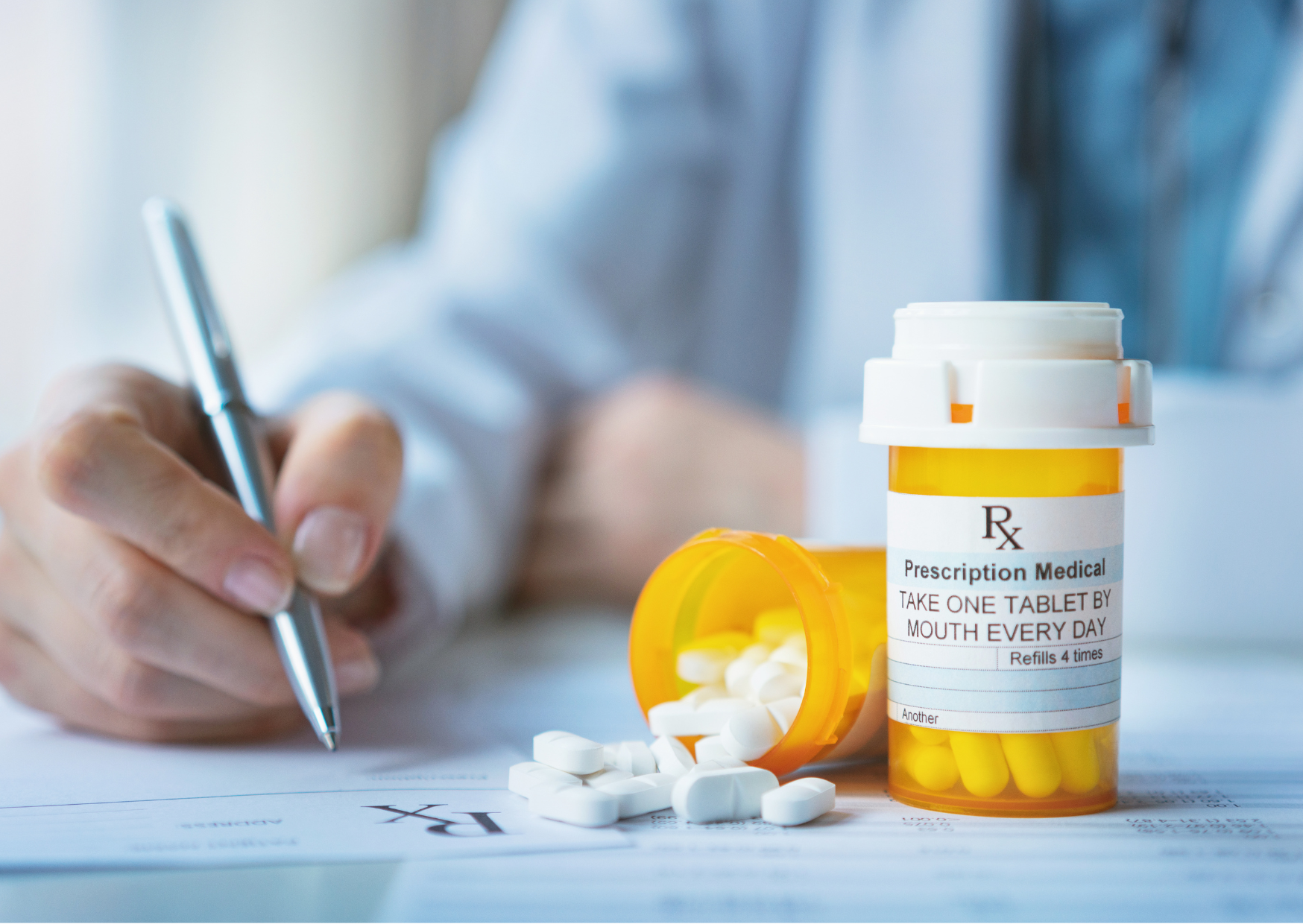
This month was about everyday symptoms, not chronic disease. Portugal is generous with OTC access for common problems, but the pharmacist will draw the line.
- Antibiotics remain prescription-only. No wiggle room.
- Blood pressure, diabetes, thyroid, mental health meds are not an over-the-counter game.
- PPIs like omeprazole are great short-course tools. Repeated, long runs belong to you and your doctor.
- Decongestant sprays are meant for three nights, not seasons.
The counter saves you money by keeping you in bounds. Describe your symptoms, accept the smallest effective plan, and go see a clinician when patterns repeat.
How To Copy The Result In One Visit
Walk into any Portuguese pharmacy and try this exact script:
- Say the symptom, not the brand. “Itchy eyes and sneezing, one tablet that doesn’t make me drowsy.”
- Ask for the molecule, ask for the cheapest. “Cetirizine 10 mg, lowest price you have, one box for a month.”
- Size to the calendar. “Two weeks of omeprazole only, smallest pack.”
- Keep combos on the shelf. “Single decongestant spray for three nights, then I’ll switch to saline.”
- Confirm stop rules. “If this keeps going after the box, should I see a doctor?” You’ll get a clear yes/no with time limits.
Ten minutes later you are out the door with exactly what you need and nothing you don’t.
What I Didn’t Expect
The pharmacist asked more questions than any U.S. retail counter I’ve used. Timing of symptoms, what triggers them, what I already tried, other meds. The sale felt like the last step, not the first. And the shelves were calm: fewer brands, clearer molecules, pack sizes that assume you’ll come back.
The side effect is budget peace. When counsel + substitution + right sizing are the defaults, price stops being a chase and becomes the boring part. Boring is good. Boring is €35.

About the Author: Ruben, co-founder of Gamintraveler.com since 2014, is a seasoned traveler from Spain who has explored over 100 countries since 2009. Known for his extensive travel adventures across South America, Europe, the US, Australia, New Zealand, Asia, and Africa, Ruben combines his passion for adventurous yet sustainable living with his love for cycling, highlighted by his remarkable 5-month bicycle journey from Spain to Norway. He currently resides in Spain, where he continues sharing his travel experiences with his partner, Rachel, and their son, Han.