
Same income, totally different life. In some cities, $2,000 a month buys a bright one-bed, dinners out, weekend trains, and a savings cushion. In others, it evaporates at lease-signing. Here’s a 2025-accurate map of where $2,000 (~€1,730) actually feels upper-middle class, and how to make it feel that way faster.
What “Upper-Middle Class” Means Here
We are talking about a single adult with $2,000 net per month to live on, roughly €1,730 at recent rates. To avoid fuzzy labels, we benchmark against three simple realities.
Your income vs local incomes. If €1,730 sits well above typical local take-home for singles, you live like the upper third. That shows up as choice: better flats, more dining out, travel without anxiety.
Rent share that does not pinch. When a normal one-bed takes under 35 percent of your budget, you have room for life and savings. Cross that line and the “upper-middle” feeling fades.
Price levels that respect your cart. Countries with lower consumer price levels stretch each euro. Groceries, restaurants, and services define every weekday.
This is not about luxury. It is about comfortable surplus after fixed costs, good options, and a monthly savings line you do not need to defend.
The 2025 Shortlist: Cities Where €1,730 Feels Upper-Middle Class
You will notice a pattern. Central and Eastern EU capitals, plus a few Iberian and Baltic hubs, give you low price levels, rent that behaves, and a paycheck that sits above local norms.
Bucharest, Romania

Why it stretches: Low price levels, moderate city rents, and a wide gap between your net and typical local take-home. A decent one-bed in non-touristic districts often sits €400 to €600, which leaves over €1,100 for life, transit, and savings. Public transport is cheap, cafés are fair, and services undercut Western capitals.
Watch for: Imported brands and new builds in hot districts can bend the budget. One metro stop out fixes the math.
Sofia, Bulgaria

Why it stretches: Bulgaria remains among the EU’s most affordable baskets. Many locals net far less than €1,730, so your budget lands comfortably above the norm. One-beds €350 to €550 are common outside the postcard core.
Watch for: Name-brand electronics can price near Western levels. Daily life still sits firmly in your favor.
Kraków or Wrocław, Poland
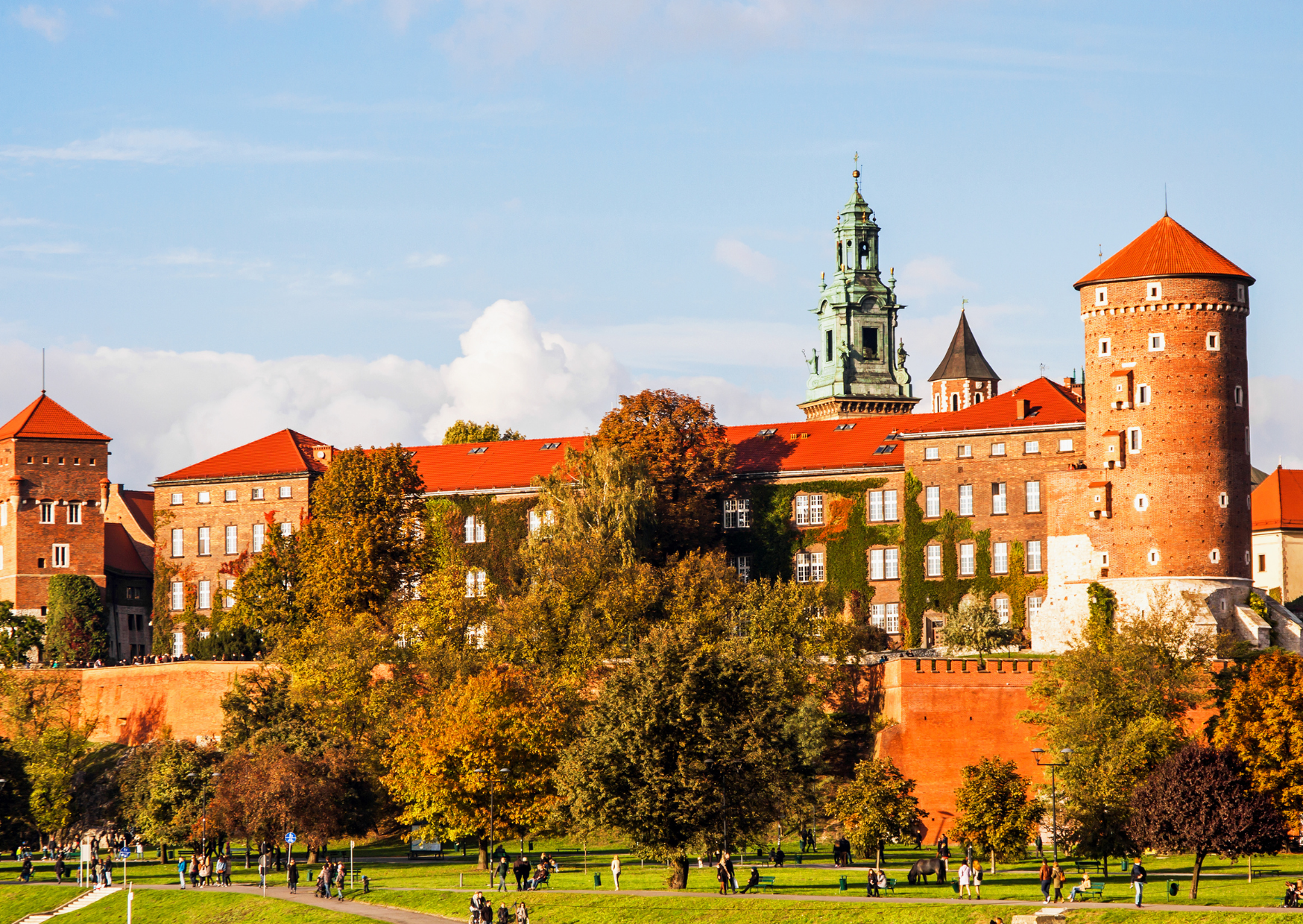
Why it stretches: Poland’s price level sits well below the EU average. With a careful search, one-beds €500 to €700 are real outside the tightest rings. Your leftover funds restaurants, culture, and weekend trains, with savings on top.
Watch for: New builds near the old town and short-let pockets push rents. One tram stop out is the upper-middle sweet spot.
Budapest, Hungary

Why it stretches: Friendly daily prices, excellent transit, and plenty of stock below Western rent levels. A €500 to €800 lease leaves a wide cushion for eating out and travel.
Watch for: Utilities and imported tech can surprise. The overall basket still wins.
Prague, Czechia

Why it stretches (enough): Rents rose, but groceries, transit, and services are gentler than the West. With a lease around €800 to €1,000 in outer districts, €700 to €900 remains for life. That feels upper-middle if you cook half your meals.
Athens, Greece

Why it stretches: Outside the most touristic pockets, one-beds €500 to €800 are common, and the everyday basket stays low. Your budget buys sun, cafés, ferries, and steady savings.
Watch for: Short-let corridors can distort micro-markets. Choose resident blocks.
Valencia, Spain

Why it stretches: Compared with Madrid or Barcelona, rents are friendlier, and the day-to-day basket is sane. With €750 to €950 rent, you keep €700 to €900 for life and savings.
Watch for: Beach adjacency adds a premium. Inner neighborhoods on metro lines give the upper-middle feel without the price spike.
Vilnius and Riga, Baltics
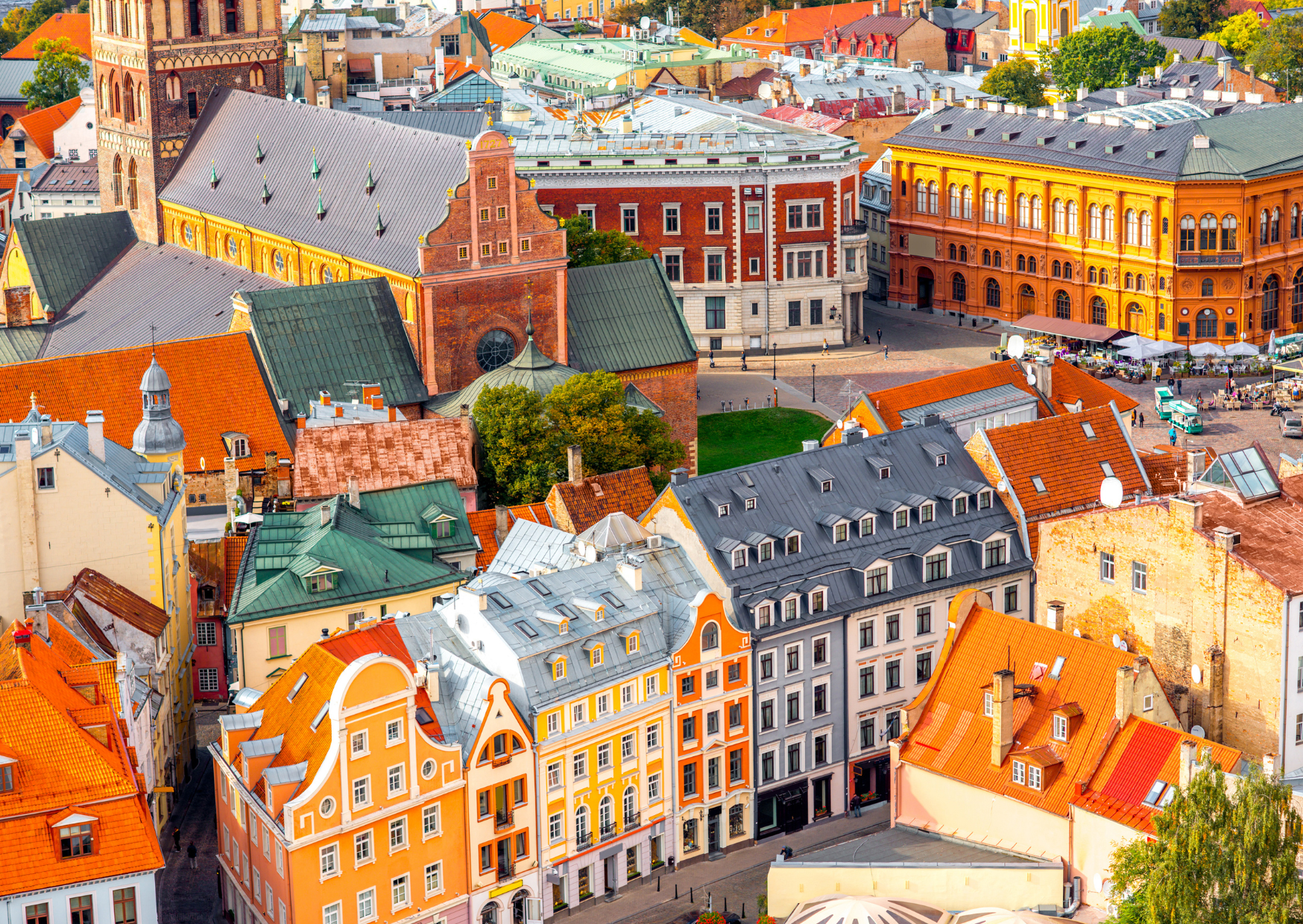
Why they stretch: Moderate rents, well-priced services, and city centers you can live in without losing your cushion. One-beds €600 to €850 keep money for fitness, culture, and flights.
Watch for: Winters drive up heating. Choose insulated stock or a landlord who already replaced windows.
Porto, Portugal
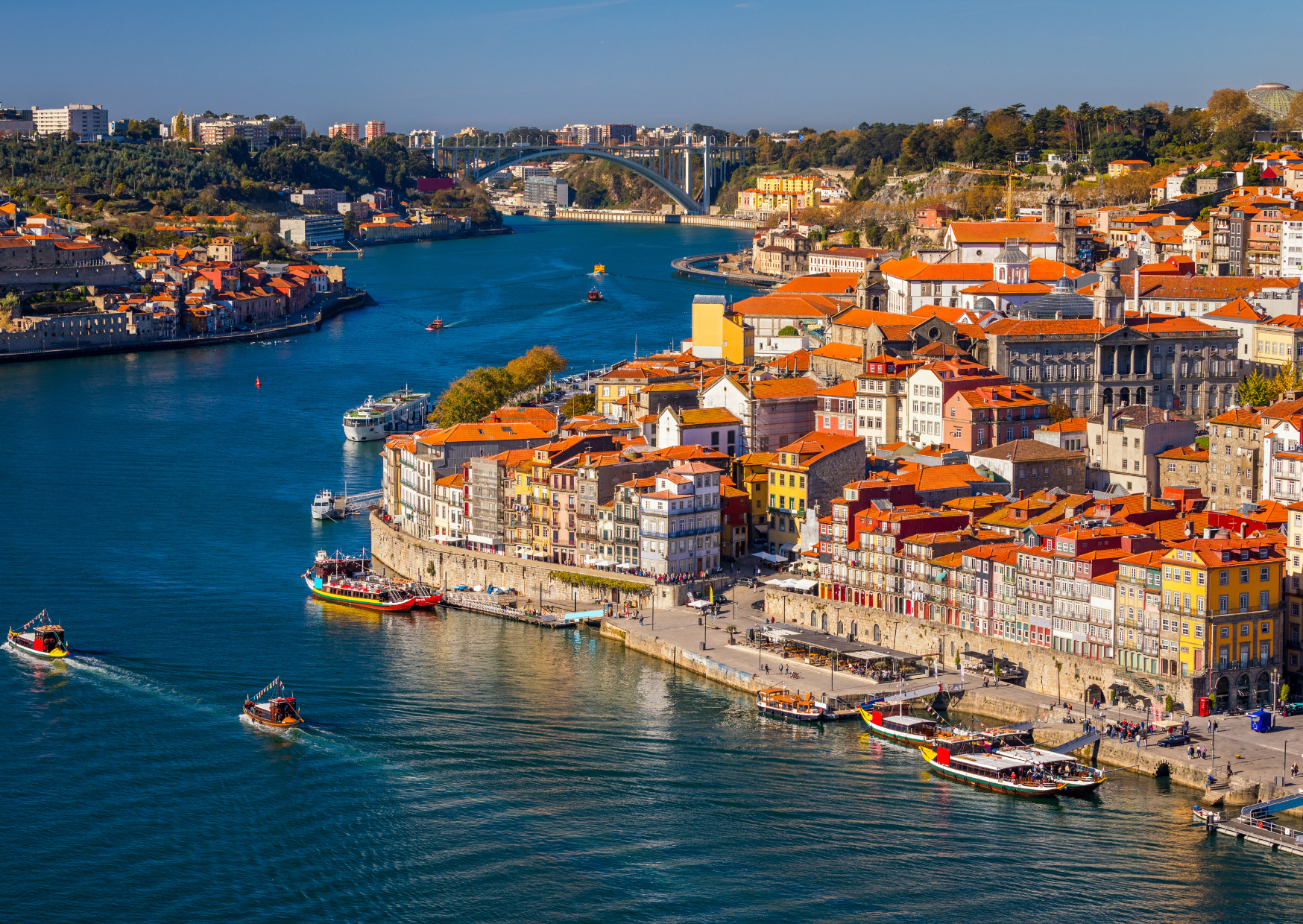
Why it can stretch with the right lease: Rents cooled relative to the 2022–23 surge. Target €800 to €1,000 near metro but off tourist lanes and you retain €600 to €800 for life. Groceries and transit stay fair.
Watch for: Center-hot micro-markets. The one-ring-out strategy is your friend.
Strong Life At €1,730 But Not Quite Upper-Third
These cities are great at this budget, but rent keeps you closer to solid middle unless you score an exceptional lease.
Lisbon, Madrid, Barcelona. With one-beds €1,000 to €1,400 in areas newcomers want, your leftover drops into comfort, not abundance. The fix is one ring out or a regulated lease.
Berlin, Vienna. Tenant protections and transit are superb, but today’s private-market rents put you in middle unless you share or land a protected deal.
Amsterdam, Dublin, Zurich, Paris. One-bed rents can absorb 55 to 80 percent of €1,730. You can live well with roommates or subsidized housing, but solo that budget rarely feels upper-middle.
Real Budgets You Can Taste
Numbers make feelings honest. Here are realistic single-person sketches at €1,730 net.
Sofia
- Rent: €480
- Utilities, internet, phone: €120
- Groceries, household: €220
- Transit pass, taxis: €45, €25
- Eating out, cafés: €220
- Fitness, health, misc: €120
- Leftover: about €520
Why it feels upper-middle: Savings every month without saying no to normal life.
Bucharest
- Rent: €550
- Utilities, internet, phone: €140
- Groceries, household: €240
- Transit, rideshare: €20, €30
- Eating out, cafés: €240
- Fitness, health, misc: €120
- Leftover: about €390
Why it feels upper-middle: Travel or savings monthly without stress.
Kraków
- Rent: €650
- Utilities, internet, phone: €140
- Groceries, household: €260
- Transit: €25
- Eating out, cafés: €240
- Fitness, health, misc: €120
- Leftover: about €295
Why it feels upper-middle: Dinners out, trains, and steady savings fit.
Valencia
- Rent: €850
- Utilities, internet, phone: €140
- Groceries, household: €260
- Transit, bikes: €35
- Eating out, cafés: €240
- Fitness, health, misc: €120
- Leftover: about €85
How it flips to upper-middle: Land €750 to €800 rent or share for a season and the leftover jumps to €185 to €235.
Porto
- Rent: €950
- Utilities, internet, phone: €150
- Groceries, household: €260
- Transit: €40
- Eating out, cafés: €220
- Fitness, health, misc: €120
- Leftover: negative €10 to €50
How to fix: €850 rent target puts you €90 to €140 positive. One metro stop out unlocks it.
The Three Levers That Decide Everything
Rent is the boss. If your lease eats over 35 percent, the rest of your month compresses. Find €800 to €900 rent in affordable countries and the budget opens.
Price levels write your grocery bill. Eurostat’s tables show where every basket costs less. Lower national price levels multiply your wins even if rent is the same.
Your income vs locals. If €1,730 clears the local single median by a lot, you feel upper-middle everywhere you go. That shows up as choice without guilt.
Micro-Maps: Neighborhood Strategies That Work
Bucharest
- Upper-middle move: Tineretului, Dristor, or Basarabia for pricing that undercuts the center while staying fast on the metro.
- Avoid the trap: brand-new towers with hotel pricing and no savings cushion.
Sofia
- Upper-middle move: Obor, Hadzhi Dimitar, parts of Lozenets off the postcard streets.
- Avoid the trap: imported supermarkets for every shop. Use open markets for your main cart.
Kraków
- Upper-middle move: Grzegórzki, Podgórze, and one tram out from Old Town rings.
- Avoid the trap: short-let heavy micro-streets where rents jump each summer.
Budapest
- Upper-middle move: 9th and 13th districts near fast tram lines.
- Avoid the trap: 5th district trophy rentals that erase your buffer.
Prague
- Upper-middle move: Vinohrady edges, Žižkov, Holešovice beyond the busiest blocks.
- Avoid the trap: ultra-compact studios priced like one-beds.
Athens
- Upper-middle move: Koukaki edges, Pagrati, Neos Kosmos on long leases.
- Avoid the trap: nightly rental corridors with sudden winter price resets.
Valencia
- Upper-middle move: Ruzafa periphery, Campanar, Benimaclet, and metro-tight zones.
- Avoid the trap: summer beachfront premiums.
Porto
- Upper-middle move: Campanhã upgrades, Bonfim off the hottest blocks, Ramalde along metro.
- Avoid the trap: single-year tourist-zone contracts with seasonal spikes.
Lease Tactics That Create Surplus
Go long. Ask for 12 to 24 month terms and offer clean paperwork. Predictability earns you better rent.
Choose transit first. A great metro line is worth more than an extra 10 square meters. You save on taxis and time every week.
Accept the B-apartment in the A-location. You can upgrade furniture. You cannot move a building closer to your life.
Hunt outside the portals. Facebook resident groups and local broker WhatsApps often post softer prices before listing sites inflate demand.
Time your move. Off-season moves in tourist cities are cheaper. September and January win far more often than May or June.
What You Can Afford Every Month At This Budget
When the city is right and rent behaves, this is the normal that feels upper-middle.
- Eating out twice a week without flinching.
- Fitness class or gym plus an occasional massage.
- Weekend trains or a short flight every month or two.
- Emergency fund growth of €200 to €500 monthly in the best value cities.
- Quality of life upgrades like a cleaner twice a month or a coworking desk one or two days a week.
That is not luxury. It is abundance without anxiety.
Common Mistakes That Ruin The Feeling
Benchmarking with tourist prices. Historic core menus are not the city. Eat and shop where residents do.
Locking an over-market lease. A beautiful flat at the wrong price converts your month to bill management. Choose location and transport, not marble counters.
Underestimating deposits and brokers. Some markets require two months deposit plus one month fee. Budget it so you are not cash-thin for sixty days.
Shopping like you did at home. Imported favorites add €80 to €150 to your monthly cart. Learn local brands and open markets.
Forgetting energy class. A cheap rent in a leaky building loses the winter. Ask for energy certificates or at least window year and insulation notes.
Ten-Minute Personalization Script
Step 1: Fix your net. Convert $2,000 to euros and sanity-check your actual take-home if your income is mixed currency. Use a simple wedge approximation for your target country if needed.
Step 2: Price your rent. Open current listings for districts you would truly live in. If the median is over €900, that city likely shifts you to middle unless price levels are very low.
Step 3: Anchor the cart. Look up your city’s price level vs EU average and knock 15 to 40 percent off your mental grocery and services bill if you are moving from a high-cost country.
Step 4: Decide on tradeoffs. If the leftovers look thin, choose smaller flat, one ring out, or roommates for six months. One of those three moves flips most cities into upper-middle feel fast.
Seasonal Notes That Change The Math
Summer in tourist cities. July and August distort prices. If you are arriving then, sign short and shop for a long lease in September.
Winter in the Baltics and Central Europe. Heating matters. Insulation and window year move your utilities by €40 to €100 monthly. Ask the landlord for last winter’s bills.
Holiday flight spikes. If travel is part of your lifestyle, use train passes in high-season months and fly shoulder weeks. Savings land in the hundreds.
Festival months. Kraków, Valencia, and Athens have peaks where short lets surge. Sign earlier or arrive after the festival to avoid premiums.
Two Case Paths To Copy
Path A: Upper-middle on day one
- City: Sofia
- Lease: €500, 12 months, transit close
- Monthly leftovers: €520
- Upgrades: cleaner 2x monthly, coworking 1 day weekly, weekend trains monthly
- Savings target: €300 to €350 each month
Why it works: Rent under 30 percent, low price level, steady habits.
Path B: Tight to abundant in 90 days
- City: Porto
- Month 1: temporary €1,050 sublet while you learn neighborhoods
- Month 2: sign €850 in Bonfim off the hot blocks
- New monthly leftover: €140 to €190, plus cheaper cafés and markets
- Month 3: switch groceries to local brands, cut €60 from the cart
Why it works: You buy time, then lock the right lease and localize spending.
What This Means For You
If you want upper-middle comfort on a single $2,000 per month, look first at Sofia, Bucharest, Kraków or Wrocław, Budapest, Prague, Athens, Valencia, Vilnius, Riga, and Porto with the right lease. The method is boring and powerful. Rent under control, low price levels, income above the local norm. Get those three right and your month fills with choice, not compromise. You eat out when you want, you travel when you feel like it, and your savings line stays put.
Do not chase the perfect apartment. Chase the right city and the right lease. The upper-middle feeling is not a kitchen counter. It is the silence in your head when the rent clears and there is plenty left for the life you moved for.

About the Author: Ruben, co-founder of Gamintraveler.com since 2014, is a seasoned traveler from Spain who has explored over 100 countries since 2009. Known for his extensive travel adventures across South America, Europe, the US, Australia, New Zealand, Asia, and Africa, Ruben combines his passion for adventurous yet sustainable living with his love for cycling, highlighted by his remarkable 5-month bicycle journey from Spain to Norway. He currently resides in Spain, where he continues sharing his travel experiences with his partner, Rachel, and their son, Han.