
Two Italian dreams, two very different paths. In Puglia, a small Salento municipality has offered cash grants up to €30,000 to people who buy and live there. In Sicily, more than a dozen towns still list €1 fixer-uppers that look like a cheat code. One route is a funded, rules-heavy grant with limited seats. The other is a cheap door into a renovation that can easily run five figures. If you’re deciding where to put your money and time, here’s the clean, side-by-side map.
What “€30,000 In Puglia” Actually Means
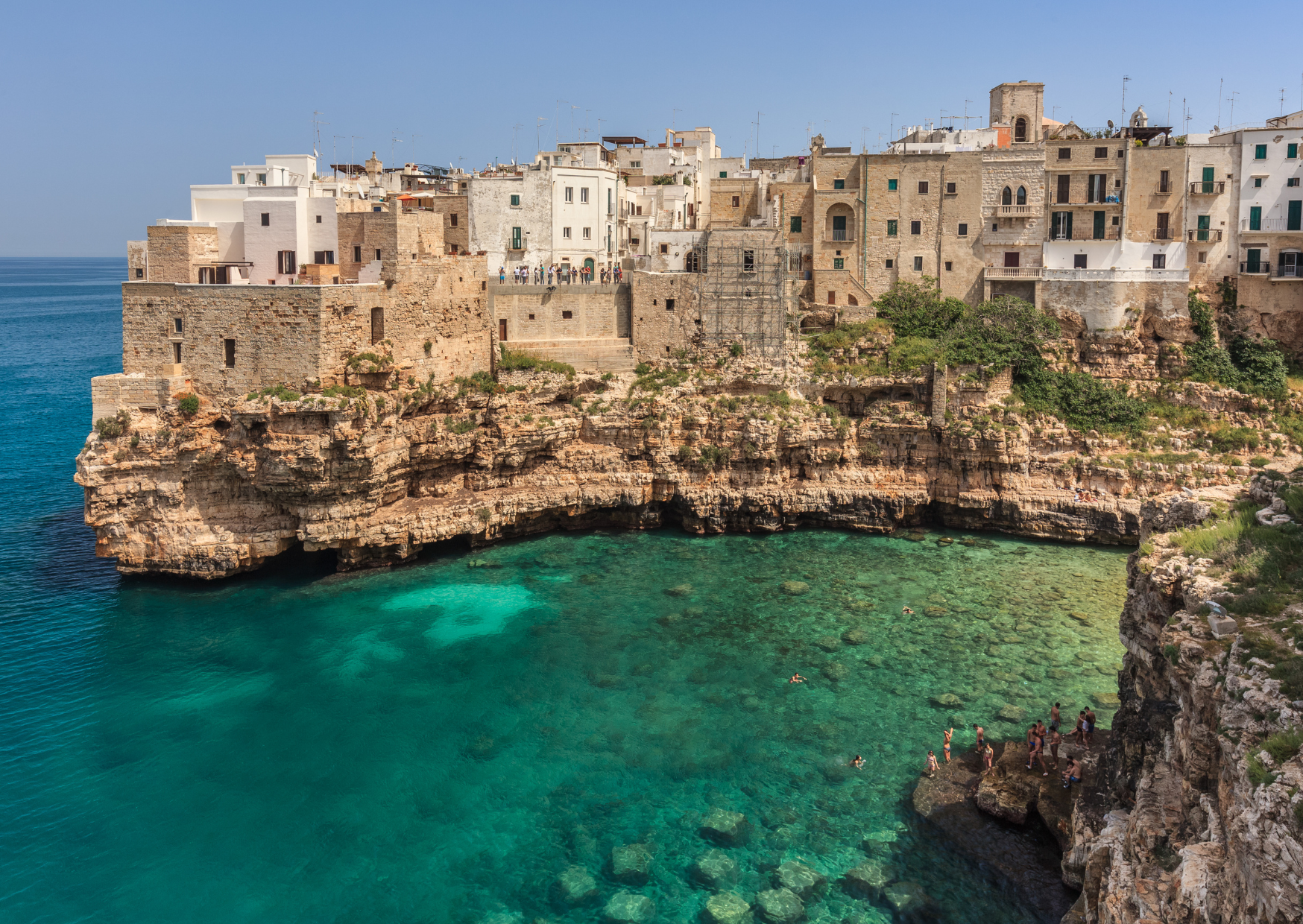
There isn’t a region-wide Puglia stipend. The headline program people quote lives in Presicce-Acquarica, a town in southern Salento that launched the “Benvenuti a Presicce-Acquarica” grant. It offers up to €30,000 toward buying and restoring a home if you move your official residence there and keep it as your primary home for a long stretch.
Three anchor facts shape the decision:
It’s a municipal grant with limited funding. Budgets open and close. Application windows are announced, capped, and sometimes refinanced for new rounds. You can’t assume money is sitting there on demand, so timing matters.
The grant only covers part of your spend. Awards max at 50 percent of eligible purchase and renovation costs up to the €30,000 ceiling. If your project totals €40,000, don’t expect a free house. You’ll still bring €10,000+ of your own cash even in a best-case award.
There’s a long residency commitment. The town asks you to establish and maintain residency (long-term, commonly 10 years in published materials) and make the place your primary home. This isn’t a holiday-home subsidy. It’s a repopulation tool.
When a round is open and funded, the Puglia option can feel predictable: buy modest, renovate cleanly, hit the paperwork, and you have a home in a lived-in town with existing services and neighbors year-round. The trade is rules and timelines for cash you don’t have to repay.
Scan for: limited budgets, residency requirement, 50 percent cap.
How Sicily’s €1 Homes Really Work

Sicily isn’t handing out island-wide grants. It’s a cluster of town-by-town offers (Sambuca, Mussomeli, Gangi, and others) where the municipality brokers abandoned properties for symbolic €1 prices. The deal is designed to revive historic centers, not to deliver instant bargains.
The pattern looks like this:
You pay €1, then sign real obligations. Typical conditions include a renovation plan within a year, works completed within 2–3 years, and a security deposit (often €2,000–€5,000) refunded when works finish. Some towns require architectural approvals consistent with heritage rules. No plan, no keys.
The big bill is the rehab, not the deed. Even a structurally sound shell will usually need new roof segments, wiring, plumbing, windows, insulation, and damp cures. That is €25,000–€80,000+ quickly, especially if access is tight and materials must be craned in. The romantic ruin becomes a construction site with permit choreography.
Not all “€1” listings are equal. Some towns now auction starting at €1 and watch bids climb to €5,000–€25,000 for better-located houses. Others mix €1 shells with ready-to-move stock priced normally. You can still win a symbolic sale, but competition and quality vary by round.
The Sicily route is flexible geographically and high-touch operationally: you pick a town, court the commune, build a local team, and manage a project in a historic lane. Your reward can be a made-to-measure home in a beautiful borgo. The price is time, logistics, and uncertainty.
Scan for: renovation clock, security deposit, heritage approvals.
The Numbers: Purchase, Renovation, And Ongoing Costs
Let’s put both paths on one page so you can see cash needs and time costs clearly. Figures are realistic bands for 2025 small-town purchases.
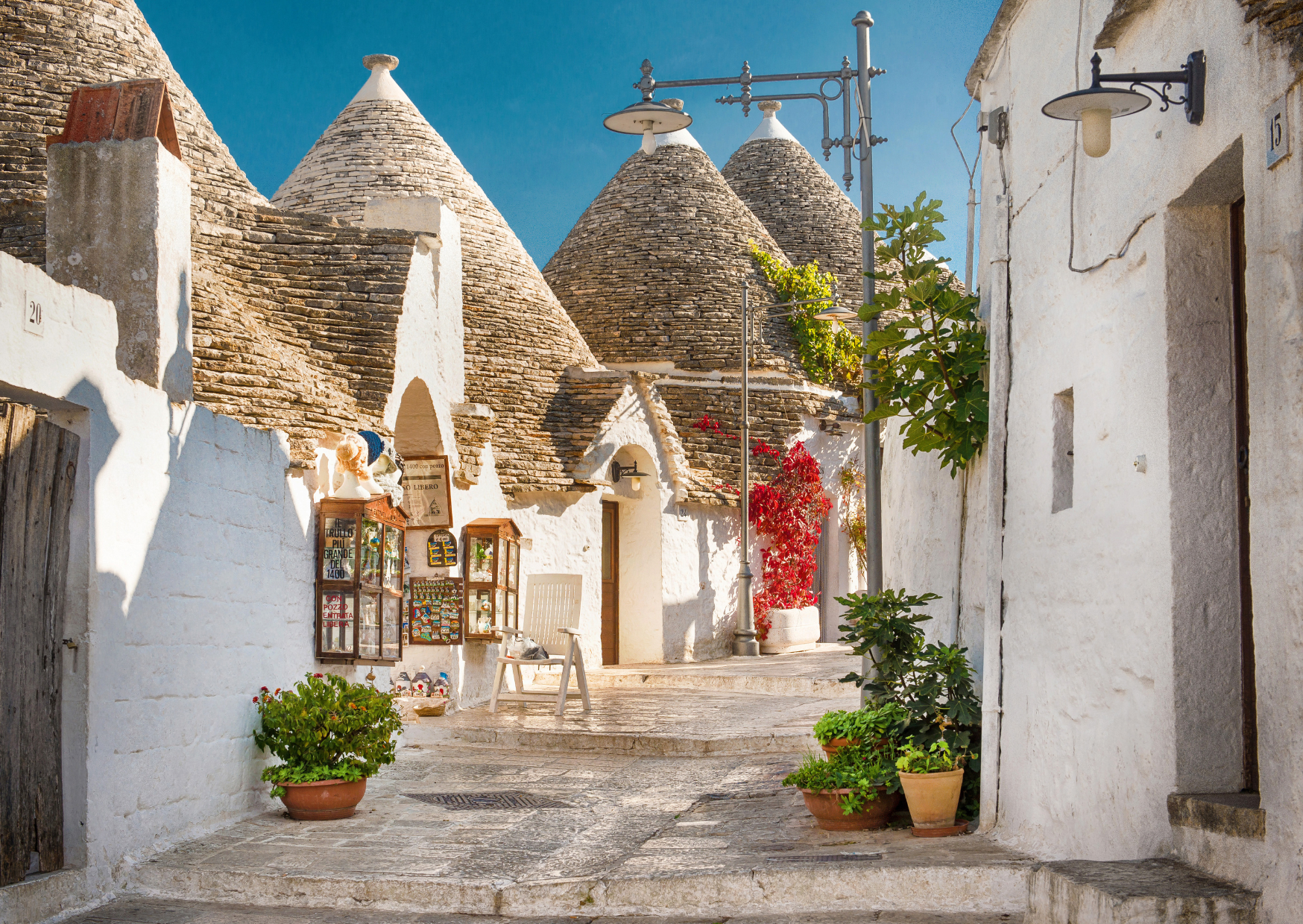
Puglia grant (Presicce-Acquarica style)
- Purchase: liveable 2-bed houses often €45,000–€90,000 depending on size and location.
- Renovation: €10,000–€35,000 for updates, not gut jobs.
- Grant: up to €30,000, capped at 50 percent of eligible spend.
- Net outlay after grant: commonly €25,000–€60,000 plus closing costs.
- Timeline: grant round + purchase + modest works = 6–12 months to settled life.
- Ongoing: IMU/garbage/town fees modest; seasonal AC/heating typical of Salento flats.
Sicily €1 shell
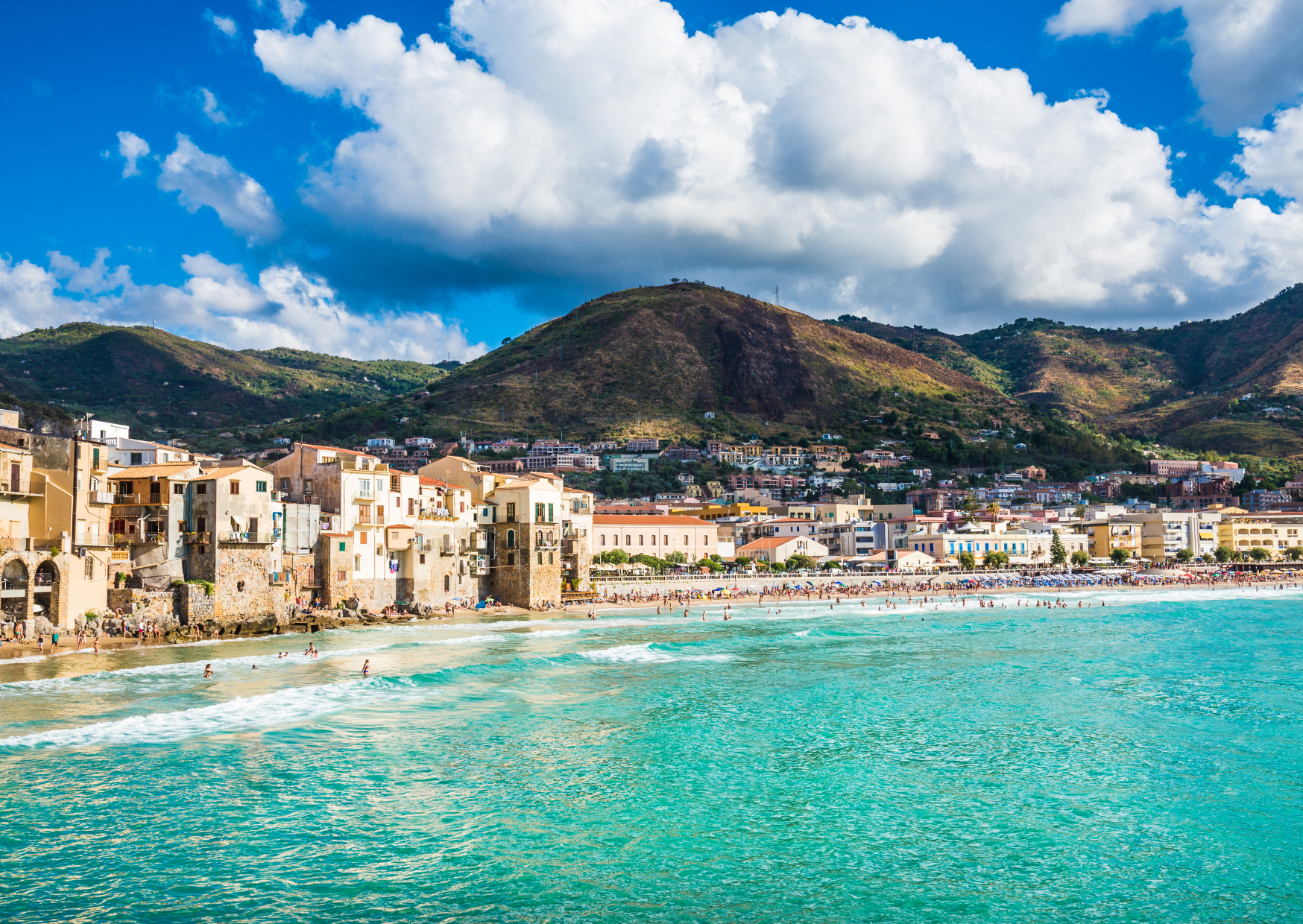
- Purchase: €1–€25,000 (auction outcomes vary); add €2,000–€5,000 deposit.
- Renovation: €35,000–€120,000 depending on structure, roof, utilities, and access.
- Grant: none. You may get minor municipal fee relief, but not cash.
- Net outlay: commonly €50,000–€140,000 all-in when finished.
- Timeline: plan approvals + contractors + heritage checks = 12–36 months.
- Ongoing: similar local taxes; energy bills depend on insulation upgrades you choose.
Why Sicily can still make sense: if you love project work and want a custom historic interior, you can land an asset that would cost 2–3x in a ready-to-move condition. Why Puglia’s grant wins for many: lower variance, cash support up front, faster to a normal life.
Scan for: all-in budgets, realistic timelines, variance vs certainty.
Visas, Residency, And Taxes Americans Miss
The property is the easy part. The right to live in it is separate. Here’s the nutshell many people skip.
Property ≠ visa. Buying a €1 house or qualifying for a local grant does not grant you immigration status. If you’re American and want to stay beyond 90 days in 180, you’ll need a national visa (elective residence, work, study, family, or the newer digital-nomad routes) and then a permesso di soggiorno. The municipal grant’s residency requirement refers to your anagrafe (civil registry address), which presumes lawful stay first.
Grant rules may exclude short-stay owners. Puglia’s grant targets primary residence and typically requires you to move your anagrafe and keep it there for years. Owning as a second home abroad won’t qualify.
Taxes are location-driven. Once you’re fiscally resident, you file in Italy on worldwide income, with U.S. tax coordination via treaties and credits. Even as a non-resident owner, you’ll pay IMU (if the home isn’t your primary anagrafe address) and TARI for garbage service. Sicily’s old shells kept cheap by neglect become normal to maintain once modernized.
Short-term rentals are not a fallback plan by default. Rules for tourist lets vary by region and city, with registration, safety standards, and local taxes. In small towns, supply and demand can make year-round yields low. If your numbers require Airbnb to pencil, model carefully before you buy.
Scan for: visa reality, anagrafe vs visa, IMU/TARI basics, STR rules.
Pitfalls Most Buyers Miss
Assuming the €30,000 is guaranteed
Municipal funding is finite and disbursed in rounds. If your application misses a window or the budget closes, you may wait months for a new allocation. Build a Plan B timeline.
Treating “€1” as the cost of the home
The deed is symbolic; the roof, slab, and systems are not. Add 10–20 percent contingency to your renovation budget, and don’t start without a structural opinion. A cheap ruin that needs micropiles stops being cheap.
Underestimating heritage approvals
Historic centers protect facades, shutters, colors, and window types. Expect a Sovrintendenza loop where your architect defends details. Calendar weeks, not days, for approvals.
Buying before you budget trades
Labor in small Sicilian towns can be scarce in high season. Pricing swings when crews are booked. Get two quotes minimum, line-itemed, and tie them to a schedule.
Overlooking humidity and insulation
Mediterranean stone holds moisture. If you don’t budget for damp cures, ventilation, and insulation, the most Instagram room becomes clammy in winter. Comfort is a spec, not a decorative choice.
Scan for: budget gaps, structural surprises, approval delays, contractor scarcity, moisture control.
Where Each Path Quietly Wins (Lived Reality, Not Brochures)
Puglia grant wins if…
- You want a working town with schools, grocers, mechanics, and life in every month, not just summer.
- Your budget is finite, and the 50 percent cost share meaningfully reduces the barrier to entry.
- You prefer light renovation to a multi-trade build, and you want to move in same year.
- You’re comfortable making the place your true primary home and registering residency.
Sicily €1 wins if…
- You’re energized by design/build and want full control over layout and finishes.
- Your time horizon is long, and you can absorb bureaucratic pacing without stress.
- You’re choosing a town with clear growth drivers (proximity to an airport, coastal access, cultural draw) so the finished home holds value.
- You budget for proper insulation, ventilation, and damp remediation, not just surfaces.
Scan for: year-round fabric, control vs convenience, time horizon, comfort spec.
If You’re Running The Numbers
Two simplified paths, same person, same year.
Scenario A: Presicce-Acquarica grant path
- Buy: €60,000 liveable house.
- Works: €20,000 updates (bath/kitchen/basic efficiency).
- Eligible spend: €80,000.
- Grant: €30,000 (capped at 50 percent of €60,000 eligible renovation/purchase per the call specifics; assume you align invoices to maximize).
- Your cash: €50,000 + closing costs.
- Move-in: Month 8–10 if paperwork and trades flow.
- Monthly carrying: modest; no major rehab loan; energy bills reflect modern windows and systems you already have or just upgraded.
Scenario B: Sicily €1 shell
- Buy: €1 hammer price + €3,000 deposit (refundable at completion).
- Works: €75,000 including roof patch, wiring, plumbing, damp cure, windows, basic insulation, kitchen/bath.
- Professional fees & permits: €7,000–€12,000.
- Your cash: €85,000–€95,000 all-in, released in stages.
- Move-in: Month 16–24 if approvals/crews cooperate.
- Monthly carrying: rental or alternative housing while works continue; utilities during build; higher initial energy if you skimp insulation.
Different math, different life. The grant compresses cash needs now. The €1 route defers cash into construction and buys you customization.
Scan for: stage cash flow, carry costs during build, finish-line certainty.
The Human Angle: Community, Services, And Seasons
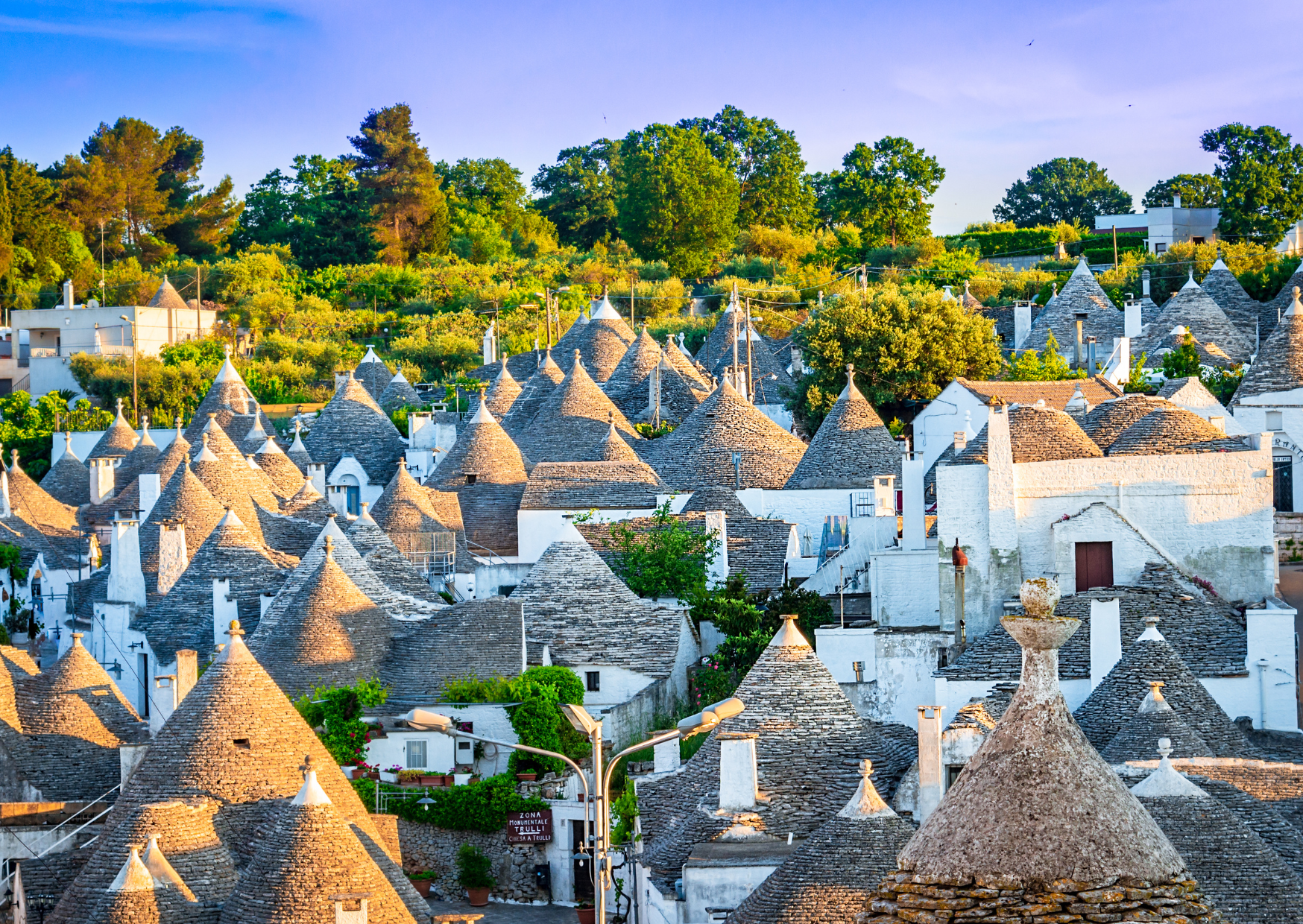
Salento (Puglia) towns like Presicce-Acquarica sit in a dense service web. You’ll have GPs, schools, supermarkets, mechanics, and year-round neighbors. Winter is calmer but not empty. Summer tourism is strong but the town remains lived-in, not theatrical.
Sicilian hill towns can be quieter off-season, with limited hours for shops and services consolidating into larger nearby centers. Coastal communes feel busier and easier year-round. If you love deep quiet and slow rhythms, the interior towns deliver. If you need daily conveniences on foot, pick your Sicilian town carefully.
Scan for: service density, seasonality, nearby hospitals, airport access.
A Clean Decision Script (Pick Your Lane In Ten Minutes)
1) Are you willing to make this your primary home and register residency.
- Yes: Puglia grant path stays open.
- No: Sicily €1 (or a normal Sicilian purchase) is your real lane.
2) Do you want to be living in it within 12 months.
- Yes: target liveable stock plus light works; Puglia grant fits.
- No: Sicily €1 plus a full restoration can be a passion build.
3) Is your hard cap under €60,000 total.
- Yes: Puglia grant + modest house is achievable when a funding round is open.
- No: you can do either; if you value control, Sicily wins.
4) Do you have the temperament for heritage approvals and contractor hunting.
- Yes: Sicily €1 can be joyful.
- No: buy something already habitable in either region.
5) Will you need rental income to justify the spend.
- Yes: model seasonality and permits; Puglia service towns often yield more stable off-season bookings; some Sicilian towns restrict short lets.
- No: choose for lifestyle fit, not spreadsheets.
Scan for: residency promise, move-in horizon, budget hard cap, bureaucracy tolerance, yield realism.
So, Which One Fits You
If you want a faster landing in a functioning Southern Italian town, and a known chunk of money to ease the buy-and-refresh, the Puglia grant path is the realistic, lower-variance choice—when a round is funded and open. If your heart beats for stone lanes, scaffolding, and design decisions, and you can absorb time, approvals, and cost swings, the Sicily €1 route rewards patience with a one-of-a-kind home.
Either way, the winning move is the same: model the whole cost, not the headline, and choose the town first, the deal second. The dream lives in neighbors, markets, clinics, and a square you’ll cross a hundred times each month—not just in a price tag.

About the Author: Ruben, co-founder of Gamintraveler.com since 2014, is a seasoned traveler from Spain who has explored over 100 countries since 2009. Known for his extensive travel adventures across South America, Europe, the US, Australia, New Zealand, Asia, and Africa, Ruben combines his passion for adventurous yet sustainable living with his love for cycling, highlighted by his remarkable 5-month bicycle journey from Spain to Norway. He currently resides in Spain, where he continues sharing his travel experiences with his partner, Rachel, and their son, Han.