
You want the Sunday pot roast you grew up with, but your butcher speaks in rump, silverside, and paleron. The good news is simple: the perfect braise lives in every European counter, it just wears different names. Pick the right collagen-rich cut, give it steady heat and time, and you get fork-tender meat with glossy gravy and vegetables that taste like they were born in stock.
The Butcher Map: Where The Chuck Hides In Europe
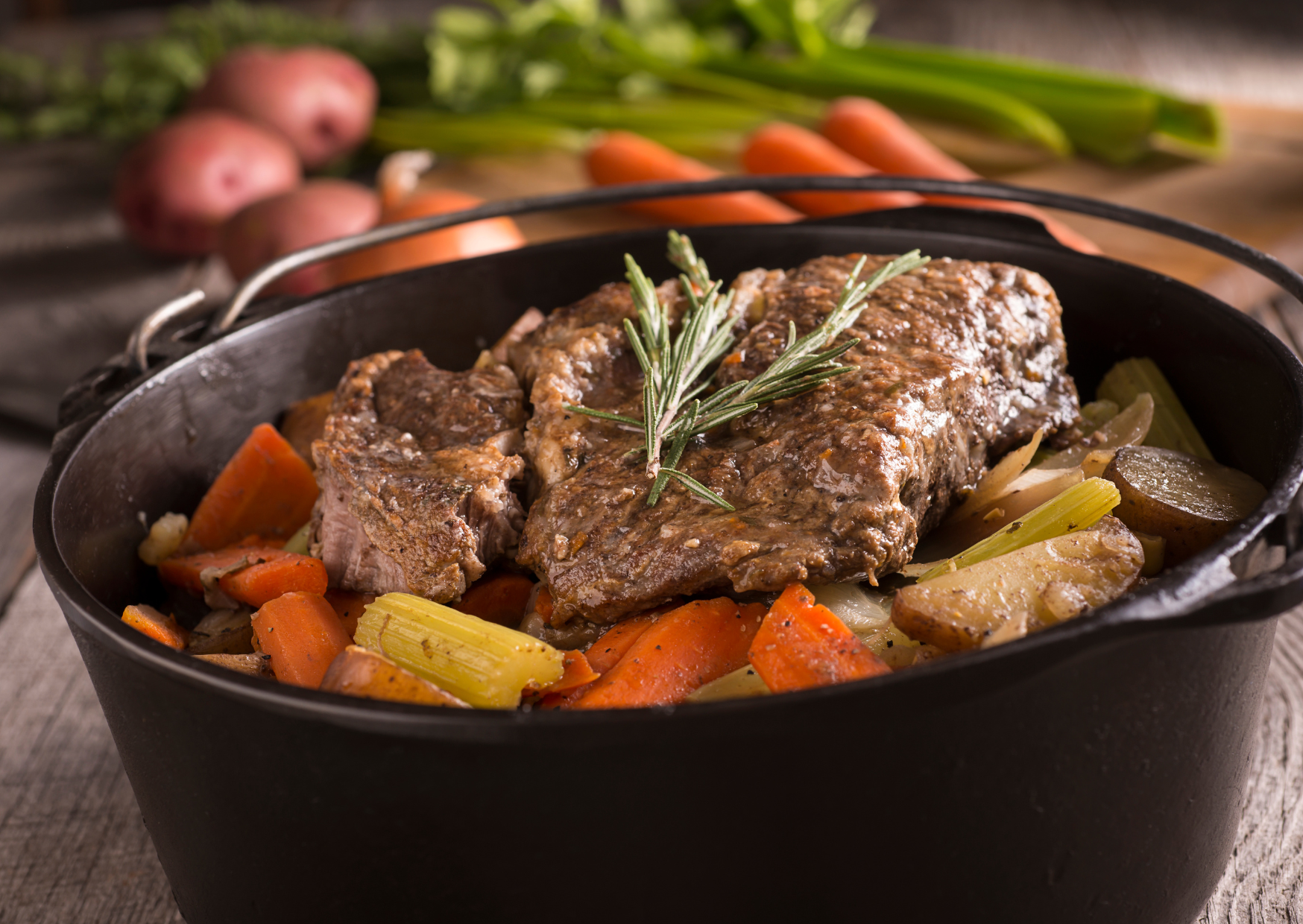
American recipes call for chuck roast or blade. In Europe those names rarely appear, but the muscles exist under other labels. Aim for well worked shoulder or hindquarter muscles, not lean steak or quick-fry cuts. You want connective tissue, because collagen turns to silk in a slow braise.
- France: ask for paleron or macreuse de boeuf. Both live in the shoulder and behave like chuck. For a richer cut with a seam of gelatin, gîte à la noix also braises beautifully. Look for visible sinew, not red uniformity.
- Italy: cappello del prete (literally priest’s hat, from the shoulder) or cappello del collo, sometimes reale. Butchers will nod if you say per brasato, taglio con tessuto connettivo. You want marbling plus silver skin, not fillet smoothness.
- Spain: aguja or espaldilla for shoulder, morcillo for shank if you like extra gelatin. The phrase para guisar, con nervio signals you know what you are doing. Nervio equals flavor.
- Portugal: acém for shoulder, chã de fora for outside round, paínho in some regions. Ask para estufar and point to acém redondo if you see it.
- Germany/Austria: Schaufelstück or Bugstück for shoulder, Hals for neck, Tafelspitz for a leaner but still braise-friendly cut. Choose Schaufelstück if you can, it carries great gelatin.
- UK/Ireland: feather blade, clod, or braising steak. Topside will work with extra care, but feather blade gives you that custardy texture when the seam melts.
The rule that never fails: if a cut looks ultra lean and smooth, keep walking. If it has seams, a little fat, and silver skin, that is your roast.
Choose Your Cut By Outcome
Different muscles give different textures. Decide what you want on the fork, then shop.
- Want big, shreddy hunks that still slice. Choose shoulder: paleron, aguja, Schaufelstück, feather blade. Shoulder equals balance.
- Want gelatin gloss and spoonable edges. Add a piece of shank: jarret, morcillo, Haxe. A 70–30 mix of shoulder and shank gives luxury gravy.
- Want neater slices with less fat. Use topside or silverside, but cook lower and longer and add extra fat to the pot. Lean needs help.
For a classic 6 to 8 serving roast, buy 1.4 to 1.8 kg of shoulder, or 1.2 kg shoulder + 400 g shank. Bigger pieces hold moisture, so buy a roast, not cubes.
The 4-Hour Method, Step By Step
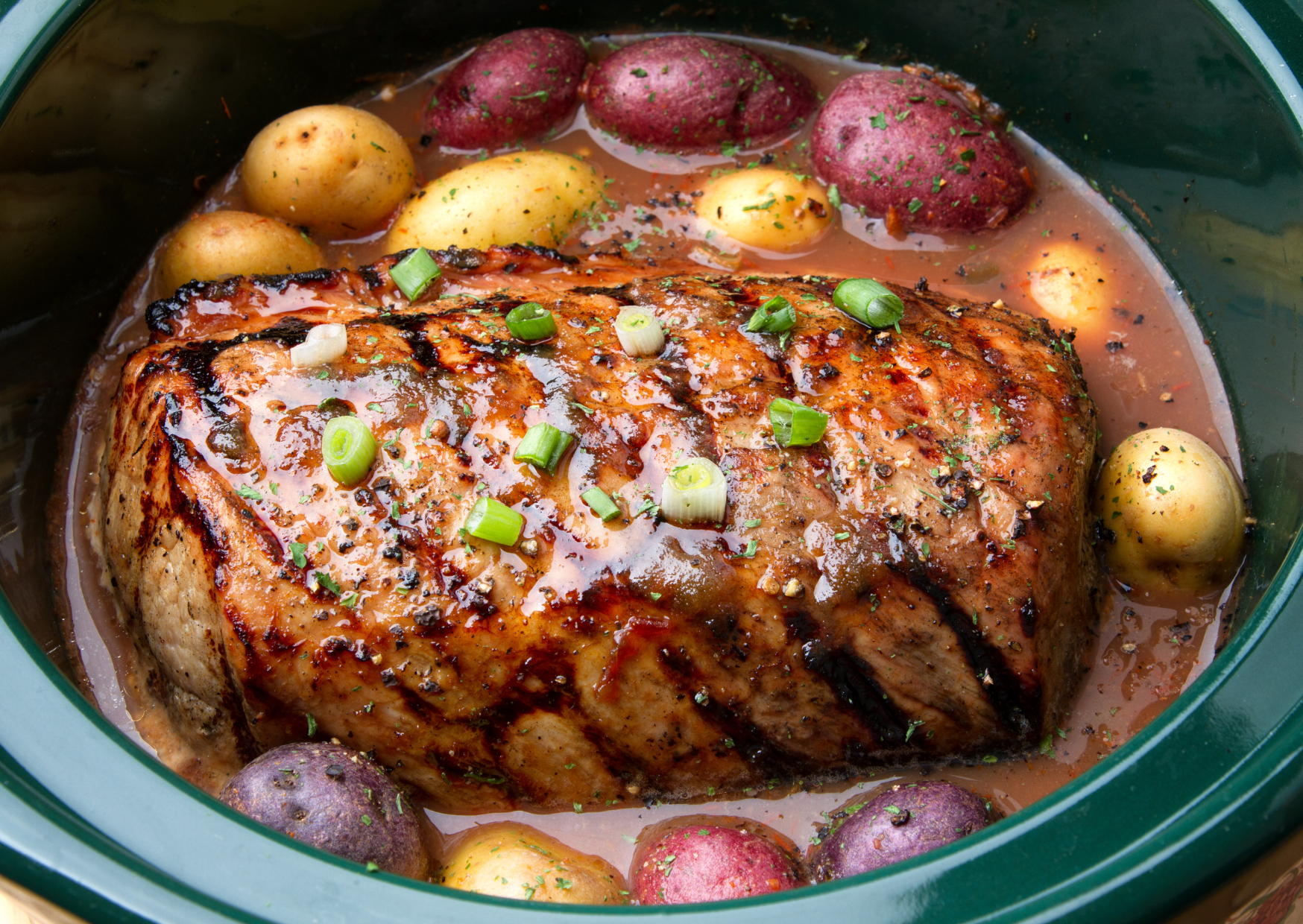
This is the European pantry version: wine optional, stock key, vegetables simple. It scales up or down, and it never argues with your oven.
You will need
- 1.4 to 1.8 kg beef shoulder, tied if loose, or 1.2 kg shoulder plus 400 g shank
- 2 teaspoons fine salt, 1 teaspoon black pepper
- 2 tablespoons oil with a high smoke point
- 2 onions, cut into chunky wedges
- 3 carrots, peeled, cut thick on the bias
- 2 celery stalks, cut thick
- 3 cloves garlic, lightly crushed
- 2 tablespoons tomato paste
- 300 ml dry red wine or additional stock
- 600 ml good beef stock, low salt
- 2 bay leaves, a strip of lemon peel, a sprig of thyme or rosemary
- Optional for body: 1 teaspoon anchovy paste or 1 tablespoon soy sauce
- Optional for gloss: 1 tablespoon cold butter to finish
1) Season and rest
Pat the meat dry. Rub with salt and pepper. Let it sit while the oven heats to 150 C. Seasoning early draws in flavor.
2) Brown in a wide pot
Use a heavy Dutch oven that fits the roast with space around it. Heat oil to shimmering. Brown the meat deeply on all sides, about 10–12 minutes total. Remove to a plate. Browning is non negotiable, it builds the sauce.
3) Build the base
Drop onions, carrots, celery, and garlic into the pot. Cook 8 minutes until the onions take color at the edges. Stir in tomato paste and cook 2 minutes to sweeten. Concentrate those sugars.
4) Deglaze and layer liquid
Pour in wine, scrape the browned bits. Reduce by half. Add stock, bay, lemon peel, herbs, and any optional anchovy or soy. Taste the liquid. It should be seasoned but not salty.
5) Nest and cover
Return the meat, nestling it so one third sits above the liquid. This gives braise and steam at once. Cover tightly with a lid. Slide into the oven at 150 C.
6) Cook to tender, not to time
After 2 hours, flip the roast. After 3 hours, poke with a fork. When a fork twists with little resistance, you are close. Most roasts land between 3 to 3.5 hours. If your cut is leaner, think 4 hours at 140 C. Doneness is a feel, not a clock.
7) Rest and reduce
Lift the meat to a warm plate, tent loosely. Skim fat from the pot. If the sauce needs body, simmer 10–15 minutes to a lightly syrupy consistency. Finish with a knob of cold butter for gloss. Resting keeps juices inside.
8) Serve two ways
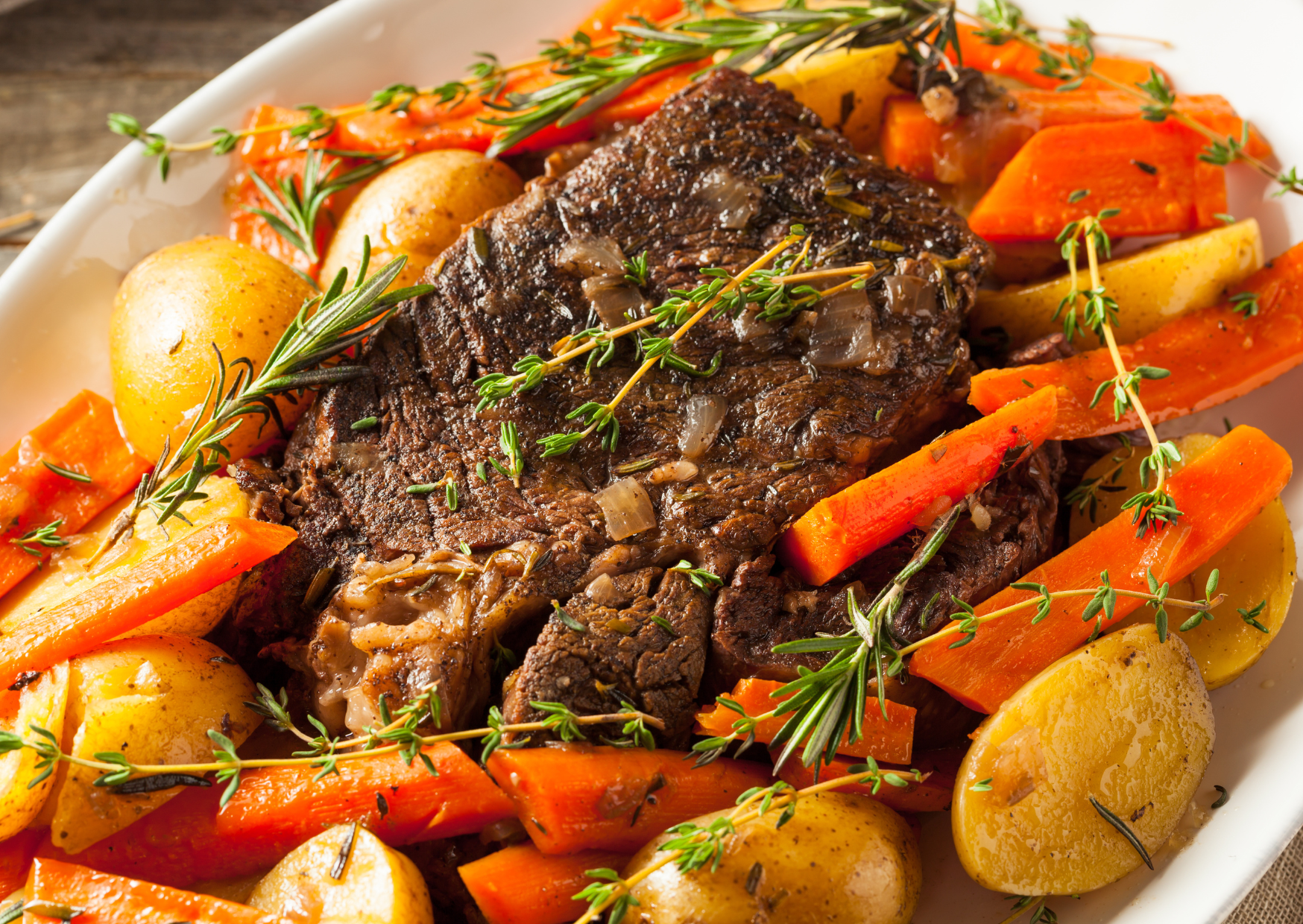
Slice across the grain for slabs, or pull gently into large chunks. Spoon vegetables and sauce over. This roast loves potatoes puréed with olive oil, polenta, or buttered egg noodles.
Why it works: Shoulder muscles carry collagen that melts at braise temperatures. Tomato paste and wine deliver glutamates and acidity, which make beef taste beefier. Lemon peel keeps richness bright, so the last bite feels as lively as the first.
Flavor Builders And Simple Swaps
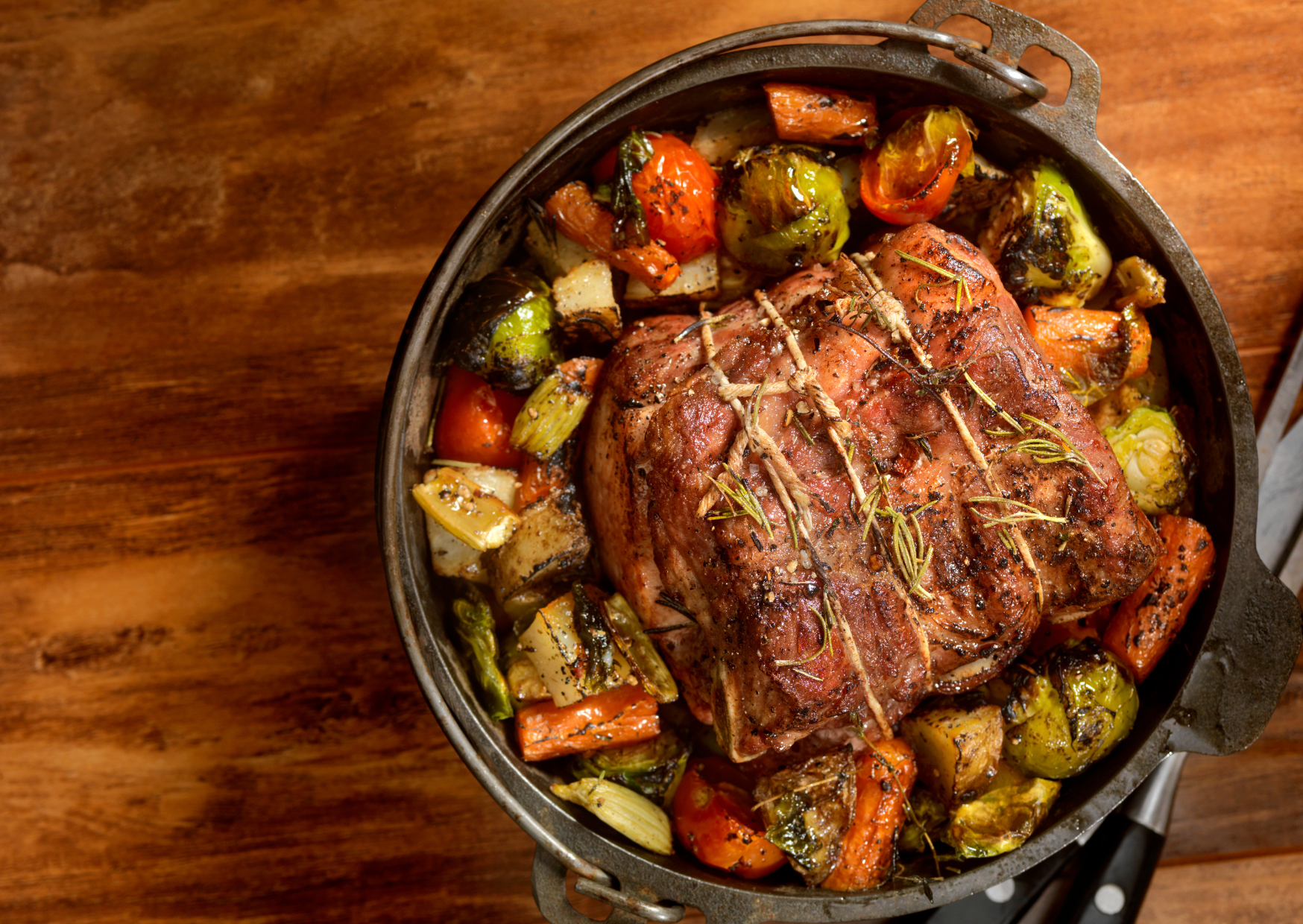
Once you own the base method, you can bend it toward France, Spain, or Italy without changing the science.
- French lane: swap red wine for Bourgogne style light red, add lardons with the onions, and finish with a spoon of Dijon. Use paleron for that custard center seam.
- Italian brasato vibes: use Barbera or Sangiovese, add a sprig of sage, and finish with a splash of aged balsamic instead of butter. Choose cappello del prete and let it go a touch longer for velvet.
- Spanish cocido energy: skip wine, use paprika dulce with the tomato paste, add a slice of jamón rind to the pot, and serve with chickpeas. Aguja plus a little morcillo gives silky broth.
- Portuguese Sunday: season the stock with piri piri and a bay leaf bouquet, serve with batatas boiled in the sauce. Ask for acém para estufar.
- German kitchen: add juniper and a splash of vinegar for a light sauerbraten note, serve with Spätzle. Schaufelstück stays juicy even if you overshoot by ten minutes.
Short on wine, long on stock. Short on stock, long on wine. Keep total liquid around 900 ml for 1.5 kg meat, so the roast braises, not boils.
EU Pantry, US Pantry: Clean Conversions
Cooking across borders is mostly vocabulary. Use this grid when a label confuses you.
- Blade or chuck roast (US) ↔ paleron, macreuse, aguja, Schaufelstück, feather blade
- Top round, bottom round (US) ↔ gîte à la noix, silverside, chã de fora, Tafelspitz
- Beef shank (US) ↔ jarret, morcillo, Haxe, ossobuco without bone
- Braising steak (UK) ↔ shoulder muscles with seams, not minute steak
Stock cubes vs fresh stock: if you use cubes, make them half strength at first, then adjust salt at the end. Over salty broth cannot be rescued.
Tomato paste tubes: European tubes are concentrated and often sweeter than cans. Cook them two minutes before liquid to avoid raw acidity.
Wine: if it is good enough to drink, it is good enough to braise. Avoid heavy oak. Acid keeps sauces bright.
The Science In Plain Words
Understanding what happens in the pot keeps you from second guessing.
- Collagen turns to gelatin between 70 and 90 C inside the meat over hours. That is why low heat plus time beats high heat. Gelatin gives juicy mouthfeel even when fat is low.
- Browning equals Maillard reactions. You create hundreds of flavor compounds at the surface. That is why you must brown hard, then deglaze.
- Acid and aromatics manage richness. Wine, tomato, lemon, and bay do not make things sour, they balance fat and keep the sauce fresh.
- Evaporation concentrates flavor. That is why a pot with one third of the meat above liquid and a tight lid makes a sauce you want to drink. If you drown the roast, you dilute flavor.
Once you trust the science, you stop poking the roast every fifteen minutes. Leave it alone and let time work.
Troubleshooting In Real Kitchens
Pot roasts fail in predictable ways. Fixes are easy when you know the signs.
- Tough after three hours. You are under, not over. Collagen has not finished converting. Add 30–45 minutes at 140–150 C and check again. Tender follows stubborn.
- Stringy and dry. Two causes. Either the meat was too lean or you cooked too hot. Next time choose shoulder and drop the heat. Save this batch by slicing and folding into the reduced sauce.
- Sauce too thin. Remove meat and vegetables, simmer 10–15 minutes to reduce. Whisk in a small cold butter cube off heat. Body returns quickly.
- Sauce too salty. Add 150–200 ml unsalted stock or water and reduce back. Salt dilutes, flavor concentrates.
- Vegetables mushy. Cut them bigger next time or add half at the flip. For today, remove a few soft ones, add a fresh chopped carrot, simmer 10 minutes for texture.
- Greasy top. Chill the pot briefly or drag a paper towel on tongs across the surface. Finish with a squeeze of lemon for lift.
Most problems are solved by lower heat, more time, better cut. Write those three on a sticky note near the oven.
Sides, Leftovers, And Second Life Dinners
A good roast is a two day gift. Plan with intention.
- Day 1: serve with mashed potatoes, polenta, buttered noodles, or crusty bread. Add something green like sautéed kale or a simple salad with sharp vinaigrette.
- Day 2: shred leftover meat into pappardelle ragù, fold into shepherd’s pie, or pile on ciabatta with pickled onions. Thin the sauce with a splash of stock for soup with barley.
- Freezer habit: freeze two ladles of sauce in a labeled bag. It becomes instant pan sauce for pork chops or braising base for beans. Sauce is money.
Leftover discipline is how pot roast becomes a week of easy wins.
Cost And Yield Without Guesswork
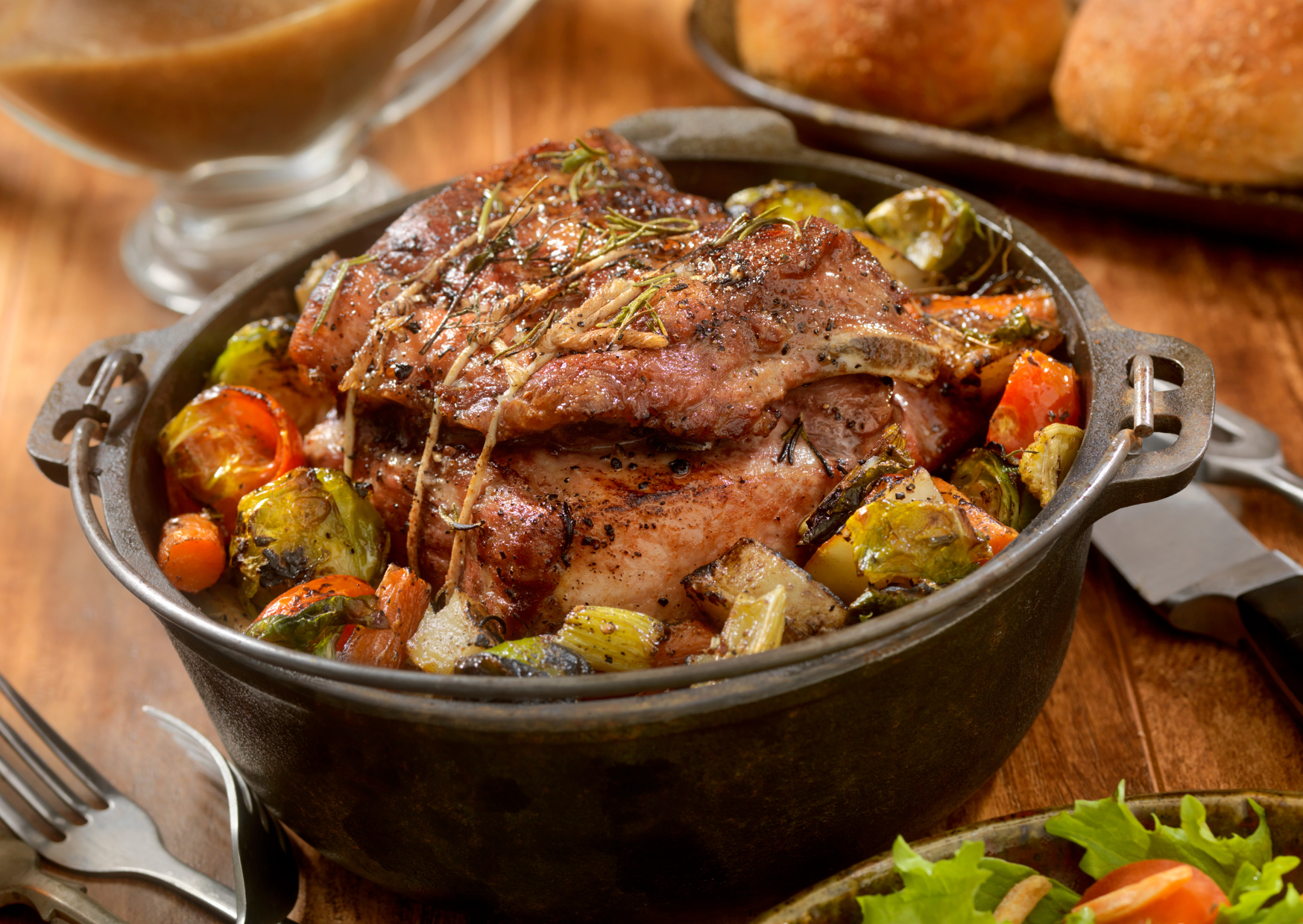
Prices swing by country and butcher, but you can budget like a pro.
- Shoulder cuts often sit in the mid tier per kilo in Europe, cheaper than steaks, pricier than mince. Expect €10–€18 per kg in many markets.
- Shank is often cheaper, €8–€14 per kg, and gives huge gelatin payoff.
- A 1.6 kg roast plus vegetables feeds 6 to 8 generously with leftovers. That is two dinners for a family or three meals for a couple.
- Wine is optional. Stock and aromatics do most of the work. Spend your money on good meat, not bottle labels.
If you like certainty, buy 1.2 kg shoulder + 400 g shank, plan for 8 portions, and watch the math smile back at you.
Simple Add Ons That Make It Foolproof
You do not need gadgets, but a few small things raise the floor.
- Butcher’s twine to keep a loose roast compact, which cooks more evenly.
- Instant read thermometer to check the liquid sits at a lazy simmer around 95 C.
- Wide peeler for thick carrot cuts that hold shape.
- Microplane for that lemon zest strip that wakes the pot.
Each tool enforces the same habits: even shape, gentle heat, bright balance.
What This Means For Your Next Visit To The Counter
Walk up with a plan and the right words. Ask for shoulder for braising by its local name, point to a piece with seams and a little fat, and buy a size that feeds you twice. Brown it well, braise low and slow, keep one third above the liquid, and finish the sauce with a quick reduction. If a recipe calls for chuck and you live in Europe, do not panic. Chuck lives here, it just introduces itself as paleron, aguja, Schaufelstück, cappello del prete, feather blade.
The result is not restaurant fancy. It is Sunday-tender, gravy that clings to a spoon, and a table that goes quiet for a minute because everyone is busy. That is the right kind of perfect.

About the Author: Ruben, co-founder of Gamintraveler.com since 2014, is a seasoned traveler from Spain who has explored over 100 countries since 2009. Known for his extensive travel adventures across South America, Europe, the US, Australia, New Zealand, Asia, and Africa, Ruben combines his passion for adventurous yet sustainable living with his love for cycling, highlighted by his remarkable 5-month bicycle journey from Spain to Norway. He currently resides in Spain, where he continues sharing his travel experiences with his partner, Rachel, and their son, Han.