
Dinner in Utrecht ends the way it always does: someone pays the check, a quiet flurry of taps begins, and within sixty seconds everyone’s share—to the cent—lands in the payer’s account. No drama, no fake reach for the wallet, no “I’ll get you next time.” Just IBANs, instant transfers, and a Tikkie link in the group chat. The evening keeps flowing because the money already moved.
If you grew up with venmo-pay-me-later vibes or credit-card roulette, this looks clinical at first. Give it a week. The Dutch way is not cold. It is clear, fast, and—most surprising to newcomers—deeply considerate. When every bill is split exactly, the social friction disappears. No one overpays to avoid awkwardness. No one quietly subsidizes the table. Friends stay friends because math stays math.
Below is the straight map: how the Dutch actually split in 2025, the tech under the hood (and why it feels instantaneous), the etiquette that keeps it friendly, how this plays out at restaurants, markets, taxis, birthdays, and holidays, plus the phrases and settings you can copy to live here without weirdness. There is even a one-minute setup to make your phone behave like a local’s.
Want More Deep Dives into Everyday European Culture?
– Why Europeans Walk Everywhere (And Americans Should Too)
– How Europeans Actually Afford Living in Cities Without Six-Figure Salaries
– 9 ‘Luxury’ Items in America That Europeans Consider Basic Necessities
How Bills Really Get Split Here
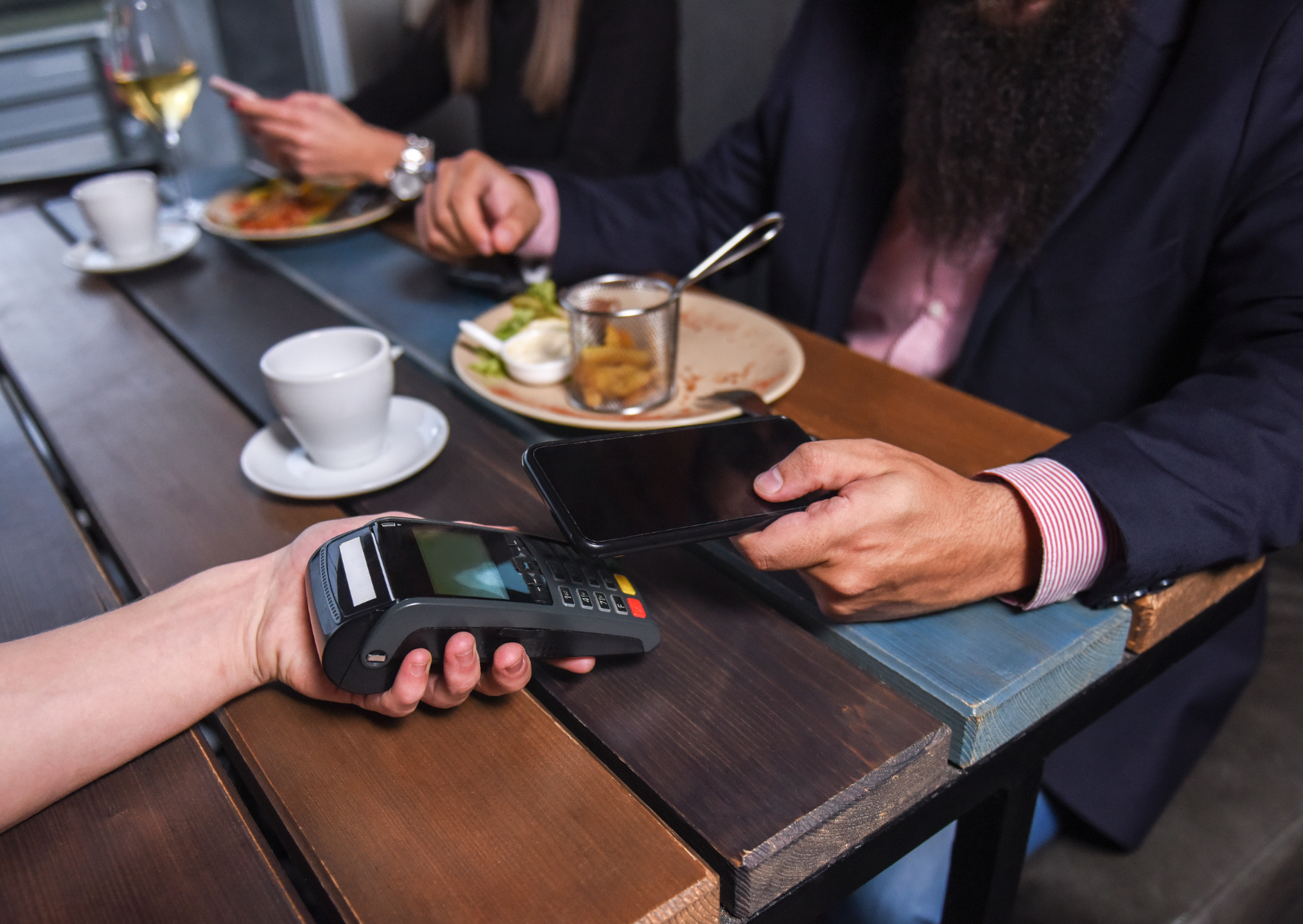
Most nights end with one person paying and everyone else sending their exact share by instant bank transfer or Tikkie. That’s it. No committees, no calculators on the table.
What makes it smooth are three quiet defaults:
Everyone assumes they’ll pay their part.
This isn’t stingy. It’s fair. The unspoken rule is “I pay for me, you pay for you, and we’re happy.” When someone treats, they say so explicitly. No guesswork becomes no resentment.
The payer moves first.
Whoever holds the card pays the bill, then drops a Tikkie link or their IBAN in the group chat. Others tap and move on. The person who can pay fastest should pay first, because they’ll be reimbursed fastest.
Cents matter, feelings don’t.
If your burger was €14.95 and your friend had a €18.50 salad, that is what each of you pays. Precision is politeness. Rounding is optional, not expected.
The result: money moves in seconds, and the conversation never has to detour through awkward math.
The Tech That Makes Dutch Splitting Feel Effortless
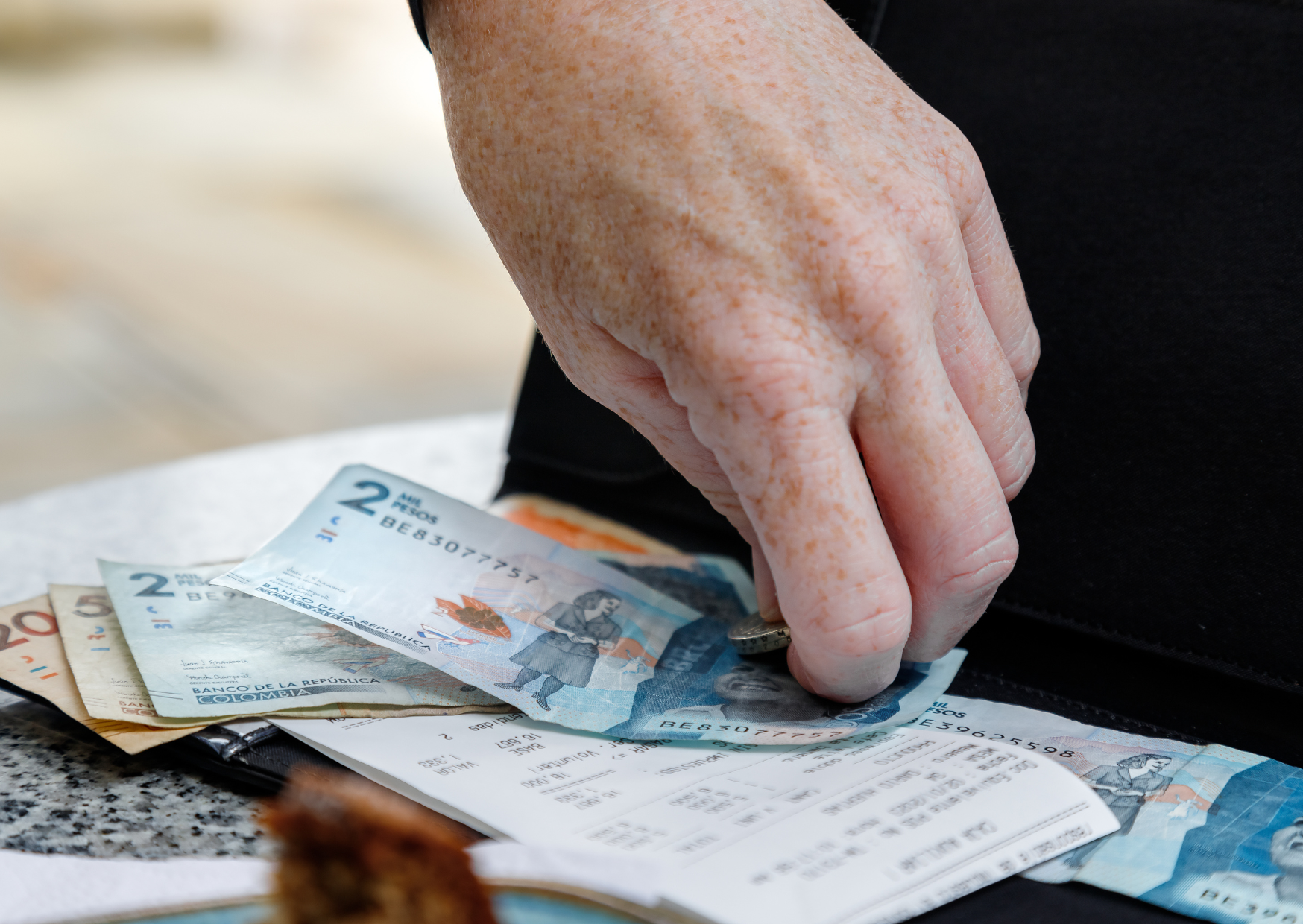
This culture works because the plumbing is excellent. Three pieces matter.
Instant transfers are the default.
Dutch banks implemented SEPA Instant so broadly that instant is now the “de facto” standard for bank-to-bank transfers. Money lands in seconds 24/7, including nights and holidays, so a Tikkie at 23:17 on a Sunday clears before the tram arrives. Speed kills awkward IOUs.
iDEAL is everywhere.
For online payments, iDEAL still dominates Dutch e-commerce and sits behind many “pay by link” flows. If a payment request opens, there’s a good chance you’ll authorize inside an iDEAL flow with your banking app. It feels native because it is.
Tikkie made the request a social gesture.
ABN AMRO’s Tikkie turned “please pay me” into a friendly link with a precise amount, a note, and a one-tap path into your banking app. It processed €7.4 billion across 157 million requests in 2024 and keeps growing, which tells you how normal this is. Asking to settle up is not rude here—it’s a button.
Add one more 2025 footnote: Europe’s new wero wallet is rolling out to absorb iDEAL over the next couple of years, but for now Dutch life still runs on instant transfers + iDEAL + Tikkie. The split won’t change—just the skin on top.
Etiquette: What’s Considerate, What’s Weird
This is the human layer. Copy these norms and you’ll glide.
Say the amount, send the link.
“Tikkie €18,60 incoming” or “IBAN in chat.” Short, cheerful, done. Clarity is kindness. People would rather pay now than remember later.
No one rounds up for charity unless they want to.
Paying exactly €18.60 is not petty; it is normal. If you want to round, round. If you don’t, no one will blink. Precision isn’t a character flaw here.
If you invite, you decide.
Birthday dinner with your name on it? You can pick up the table or split like any other night. Both are fine as long as you say so upfront. The group will follow your lead.
Tipping is quiet and simple.
Tipping in the Netherlands is optional and modest. People often add 5–10 percent or just round a bar tab up a few euros. When you split, each person tips on their part or the payer tips and keeps the tip inside the Tikkie amount. No scenes, no speeches.
Pay now beats “I’ll get you next time.”
Dutch friends do take turns sometimes, but the norm is settle now. “Next time” is for occasional coffees, not five-person dinners. Avoid the ledger of favors.
Emergency exemptions exist.
Card failed? New SIM? Say it. People are relaxed about real life and will float you for the night. Just send your part tomorrow without a nudge.
Real-Life Scenes (So You Can See How It Works)

Restaurant table for six, Amsterdam
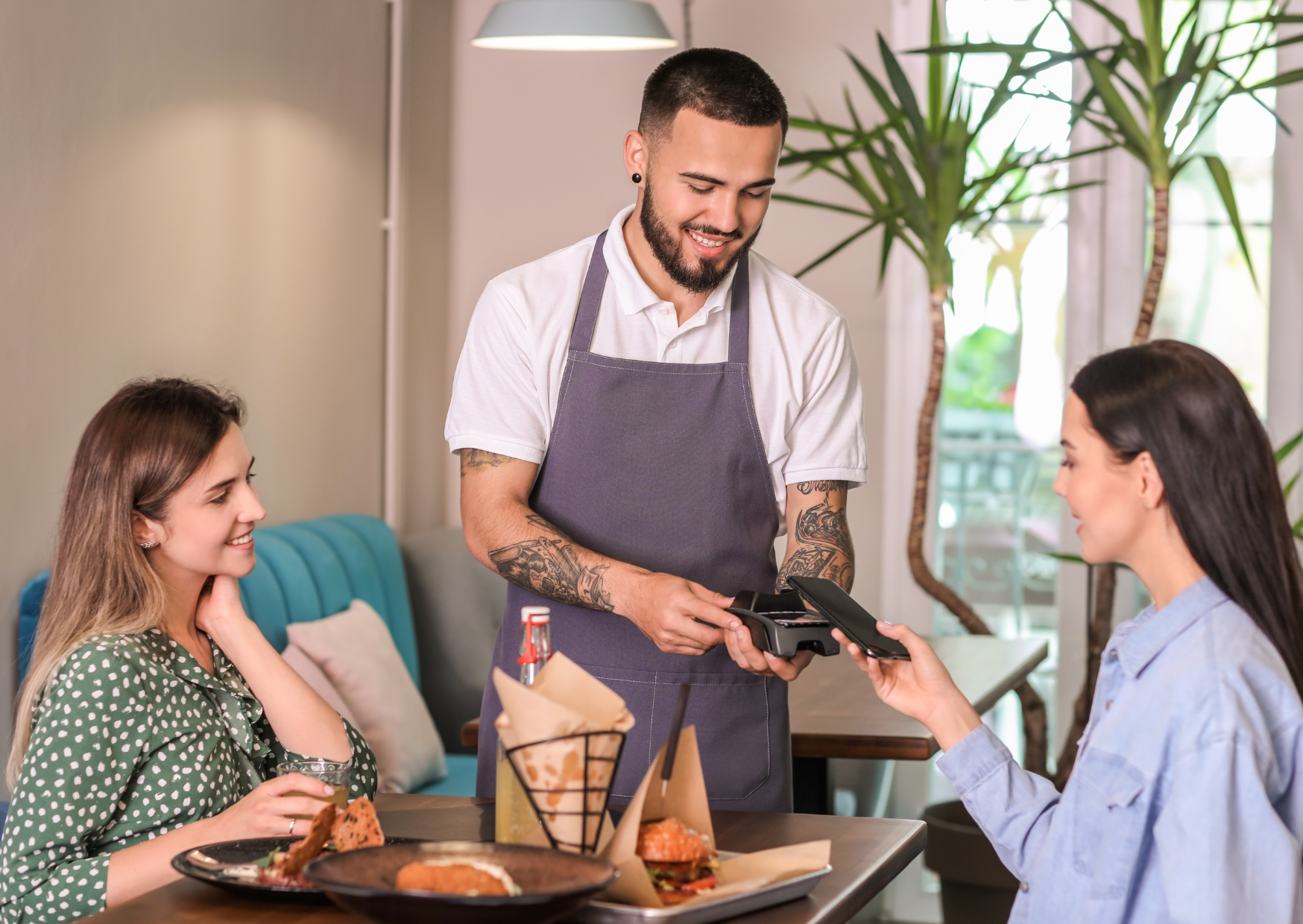
One person hands over a physical card or phone, pays the full check. They immediately drop “Tikkie €23,40 each (I had water).” Two people reply with “betaald” (paid). The others hit the link and pay through their own bank apps. Elapsed time: under a minute. The night continues.
Café round, Rotterdam
You buy three cappuccinos and a mint tea. You could split, but here many people take turns buying rounds. If it’s the last round, you just send a Tikkie to the other three for €3,75 each. No one debates whether mint tea counts as “a full coffee.” It does, to the cent.
Taxi across town
Driver doesn’t split. Your friend pays. They Tikkie you €11,10. You tap pay while stepping out of the car. No “text me your bank later.” Everyone’s home by the time the money arrives.
Market stall and cash
Some stalls are still cash or debit only. If one person fronts €22 for picnic strawberries, cheese, and bread, they’ll request exact shares later that day with a Tikkie and a strawberry emoji. Cash doesn’t block splitting; it just delays the button by a few hours.
Holiday house, Zeeland
Someone books the house on their card and posts the total and the per-person math in the group chat: “House €812 total, €203,00 pp for 4 people; I’ll send Tikkies now.” Later, groceries get split using separate Tikkies for each receipt (or one pooled spreadsheet if you’re that group). Clarity keeps the week sweet.
Why There’s Zero Embarrassment About Cents
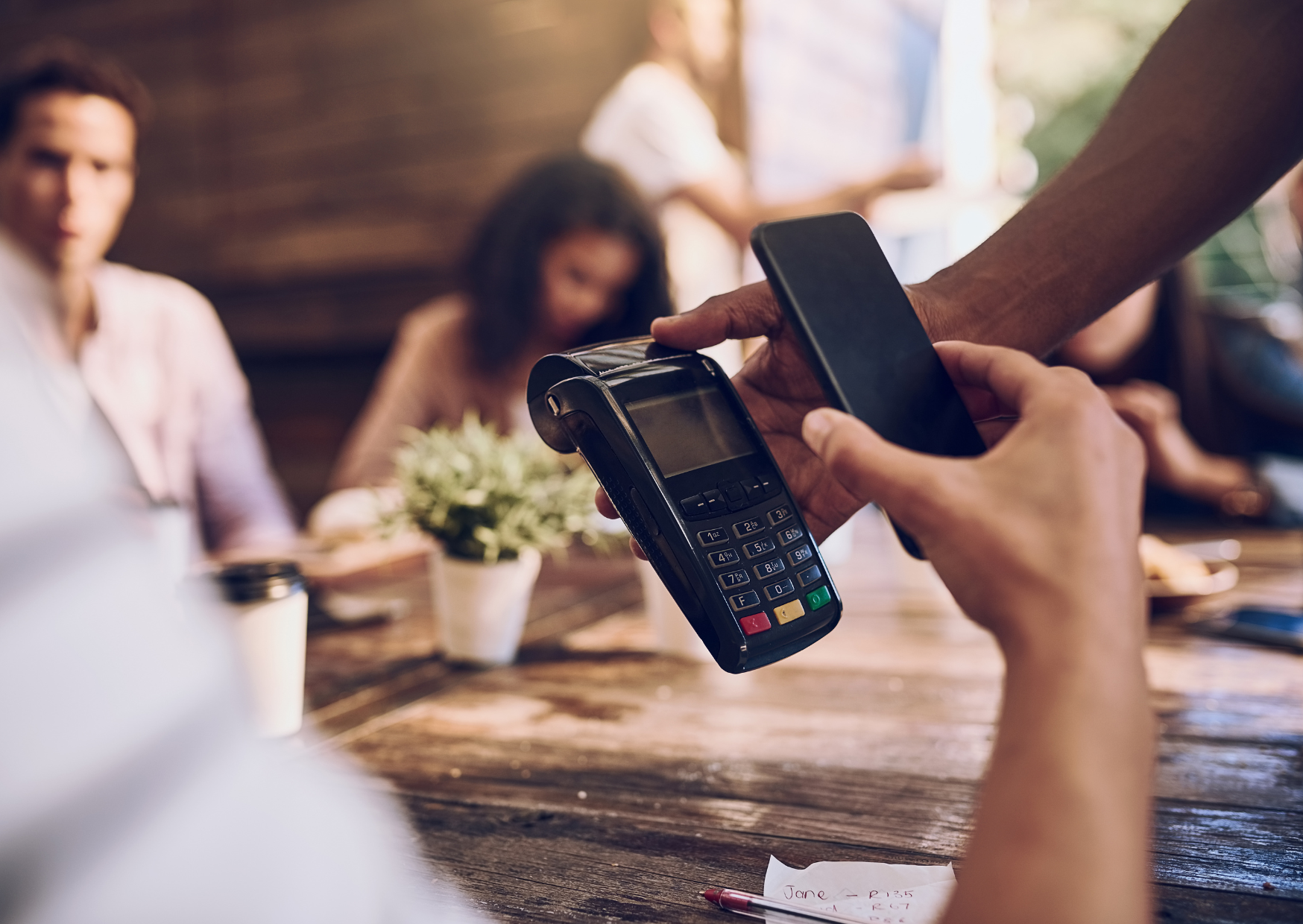
To outsiders, the exactness feels… sharp. Inside the culture, precision is generosity. Here’s why.
Nobody has to overpay to be polite.
In places where splitting is fuzzy, someone pays extra to keep the peace. In the Netherlands, fair shares keep friendships even. No one is “the generous one” by default; generosity becomes a conscious choice.
It ends the mental load.
The person who paid does not spend three days tracking who still owes €6.80. The people who owe don’t carry IOU anxiety. Exact now is peace later.
Percent-level fairness helps mixed budgets.
Students, interns, and senior managers can all share tables because the salad-eater pays for salad, the wine-drinker pays for wine. The table doesn’t drift upward to match the biggest wallet. Equity invites everyone.
The tech removes sting.
A Tikkie feels like a quick task, not a demand. You click, you’re done, nobody hovers. Social grace lives in the UI.
One-Minute Setup To Live Like A Local
Do this once and every split gets easy.
Step 1: Turn on instant transfers in your bank app.
Dutch banks default to instant; if your app offers a toggle, enable it. You want money landing now, not tomorrow.
Step 2: Install Tikkie (or your bank’s pay-by-link feature).
You’ll send and receive payment links without typing long IBANs. Set your name the way friends recognize you.
Step 3: Save your IBAN in your phone’s text replacements.
Create a keyboard shortcut like “iban” → NL.. number. When you don’t want a link, you drop the IBAN and people transfer instantly.
Step 4: Add a “Split” group chat template.
When the bill arrives: “I’ll pay, sending a Tikkie in 1 min.” After you pay: “Tikkie €14,95 pp (tip included).” Two lines. Everyone knows what to do.
Phrases That Actually Work (Copy-Paste Dutch)
Use these and you’ll sound like you belong.
- “Ik betaal wel; ik stuur zo een Tikkie.” I’ll pay; I’ll send a Tikkie in a moment.
- “Mijn IBAN staat in de app.” My IBAN is in the chat.
- “€18,60 pp, fooi zit erin.” €18.60 per person, tip included.
- “Heb je ‘m ontvangen.” Did you receive it.
- “Top, bedankt.” Great, thanks.
You don’t need perfect grammar. You need clear amounts and kind tone.
Edge Cases People Trip On (With Easy Fixes)
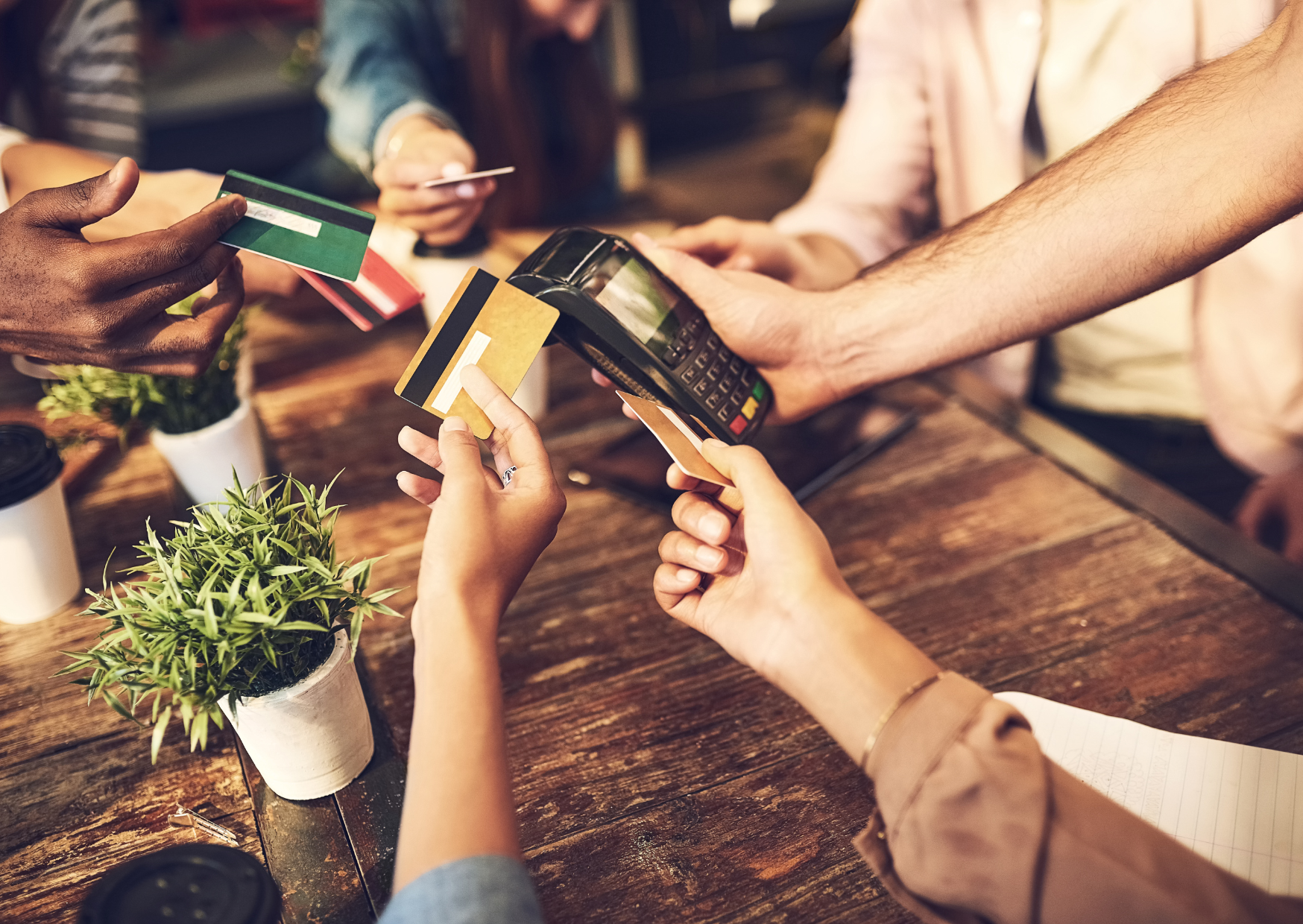
The vegetarian subsidizing the steak.
Fix: itemize. Dutch bills can be split by items on many POS systems, and even when they can’t, people simply eyeball accurately. Say “Ik had alleen de salade en spa rood.” You’ll pay exactly that.
The person who “forgot.”
It happens. The cultural expectation is pay same day. If someone doesn’t, send a friendly Tikkie reminder. If they still don’t, stop fronting for them. Boundaries are normal.
The traveler with a U.S. card.
Fix: ask for their IBAN from a EU account or let them tap your terminal share with Apple/Google Pay and you split with others. Worst case, they cash you and you Tikkie the rest. There’s always a path.
The tip debate.
Fix: the payer picks a tip and includes it in the per-person amount. If someone wants to add extra, they hand coins to the server. The group doesn’t need consensus on generosity.
The person who insists on paying everything.
Hosts do that here too. The polite reply is “zeker” (sure) and a thank you. Next time, split again. There’s room for both styles; the default is just split-and-smile.
Why It Works: Culture Meets Infrastructure
Strip this down and you’ll find two pillars:
Norms of fairness.
The Netherlands has a cultural bias toward evenness. Splitting to the cent isn’t tight-fisted; it’s the social version of cycling rules and punctual trains. The rules keep life smooth.
Payments built for seconds, not days.
Because instant transfers and iDEAL are ubiquitous, the “awkward pending transaction” doesn’t exist. You pay now because now is easy. Apps like Tikkie made the request friendly and the payment one tap. The norm stuck because the friction vanished.
Local Variations (Amsterdam vs. The Rest)
Amsterdam runs on the same rules, just faster. International groups often mix Apple/Google Pay, debit taps, and Tikkie in one sitting. You’ll see more English in the request notes and the same insistence on exact shares.
Student towns like Groningen or Nijmegen lean hard into Tikkie and exact cents because budgets are tight. People are friendly about mistakes but firm about settling.
Smaller villages may still prefer cash for tiny tabs, but the split culture holds. The difference is you pay your exact €2,10 in coins or one person pays and drops a Tikkie later.
A Quick History Note (Why “Going Dutch” Means What It Means)
English speakers have used “going Dutch” since at least the nineteenth century to mean everyone pays their own way, part of a family of “Dutch-” phrases shaped by old Anglo-Dutch rivalries. Whatever the origin, in 2025 the Netherlands simply does what the phrase describes: share fairly, pay promptly, move on.
What This Means For You
If you’re new here, the fastest way to act local is to assume the split, pay precisely, and move money right away. Turn on instant transfers, learn to send a Tikkie without ceremony, and keep your IBAN at your fingertips. You won’t seem cheap. You’ll seem considerate.
The win is bigger than receipts. When money is settled in the moment, friendships stop carrying balance sheets. Nights out end cleaner. Trips happen without spreadsheets. And you will never again sit through the awkward final ten minutes when a table of eight debates whether sparkling water counts as “just water.” In the Netherlands, it counts. So do you. Pay your €18,60, tap betaald, and keep talking.

About the Author: Ruben, co-founder of Gamintraveler.com since 2014, is a seasoned traveler from Spain who has explored over 100 countries since 2009. Known for his extensive travel adventures across South America, Europe, the US, Australia, New Zealand, Asia, and Africa, Ruben combines his passion for adventurous yet sustainable living with his love for cycling, highlighted by his remarkable 5-month bicycle journey from Spain to Norway. He currently resides in Spain, where he continues sharing his travel experiences with his partner, Rachel, and their son, Han.