

Same tooth, same outcome, wildly different bills. Here is exactly why a straightforward root canal in Portugal can cost a few hundred euros while U.S. quotes climb into the thousands, and how to copy the savings without gambling on your smile.
You open two estimates on your phone. One is from a Lisbon clinic: €250 for a simple root canal, X-ray included, paid by card at the desk. The other is from a suburban U.S. practice: $3,200 all-in for a molar, with a strongly worded nudge to add a crown immediately. You are not imagining it. The price gap is real, and it has less to do with mystery materials than with how two systems price time, overhead, and risk.
Portugal is not a dental free-for-all. It is a regulated, competitive market where private clinics publish price lists because patients shop. The U.S. is not a hustle. It is a high-overhead system where many root canals are done by specialists, endodontists, and where the default “full restoration” bundle pushes totals up fast. Below is a clean map of the difference: what a €250–€350 Portuguese invoice actually covers, why U.S. quotes often land between $1,000 and $1,800 for the canal and $800–$1,500 for the crown, and a practical checklist to get safe, modern treatment in Portugal if you want the savings without the stress.
Want More Deep Dives into Everyday European Culture?
– Why Europeans Walk Everywhere (And Americans Should Too)
– How Europeans Actually Afford Living in Cities Without Six-Figure Salaries
– 9 ‘Luxury’ Items in America That Europeans Consider Basic Necessities
The Sticker Shock, With Receipts

When people post “€250 root canal in Porto,” they are usually talking about anterior or premolar teeth with straightforward anatomy, done in one visit by a general dentist trained in endodontics. Price crawlers and clinic lists in 2024–2025 show Portugal root canal quotes clustering in the €200–€350 range, sometimes lower for single-canal teeth, higher for complex molars or microscope-assisted retreatment. Published price lists exist because clinics compete for private-pay patients. Transparent menus keep costs tight.
The U.S. does not lack transparency; it just prices differently. Consumer guides and dentist disclosures put first-time root canals around $600–$1,100 for front teeth, $700–$1,300 for premolars, and $1,000–$1,800 for molars, before you add a crown where indicated. Many dentists bundle a crown into the plan for molars, adding $800–$1,500. That is how a desk quote jumps to $2,000–$3,300 without insurance. Specialist time and the crown push totals north.
Two more realities widen the gap: insurance math and clinic overhead. In the U.S., chair time, admin staff, malpractice premiums, and equipment notes all sit behind the fee schedule. In Portugal, lower labor and facility costs plus cash-friendly billing keep base prices down. Neither is “better” morally. They are different cost structures producing different prices.
What €250–€350 In Portugal Actually Buys
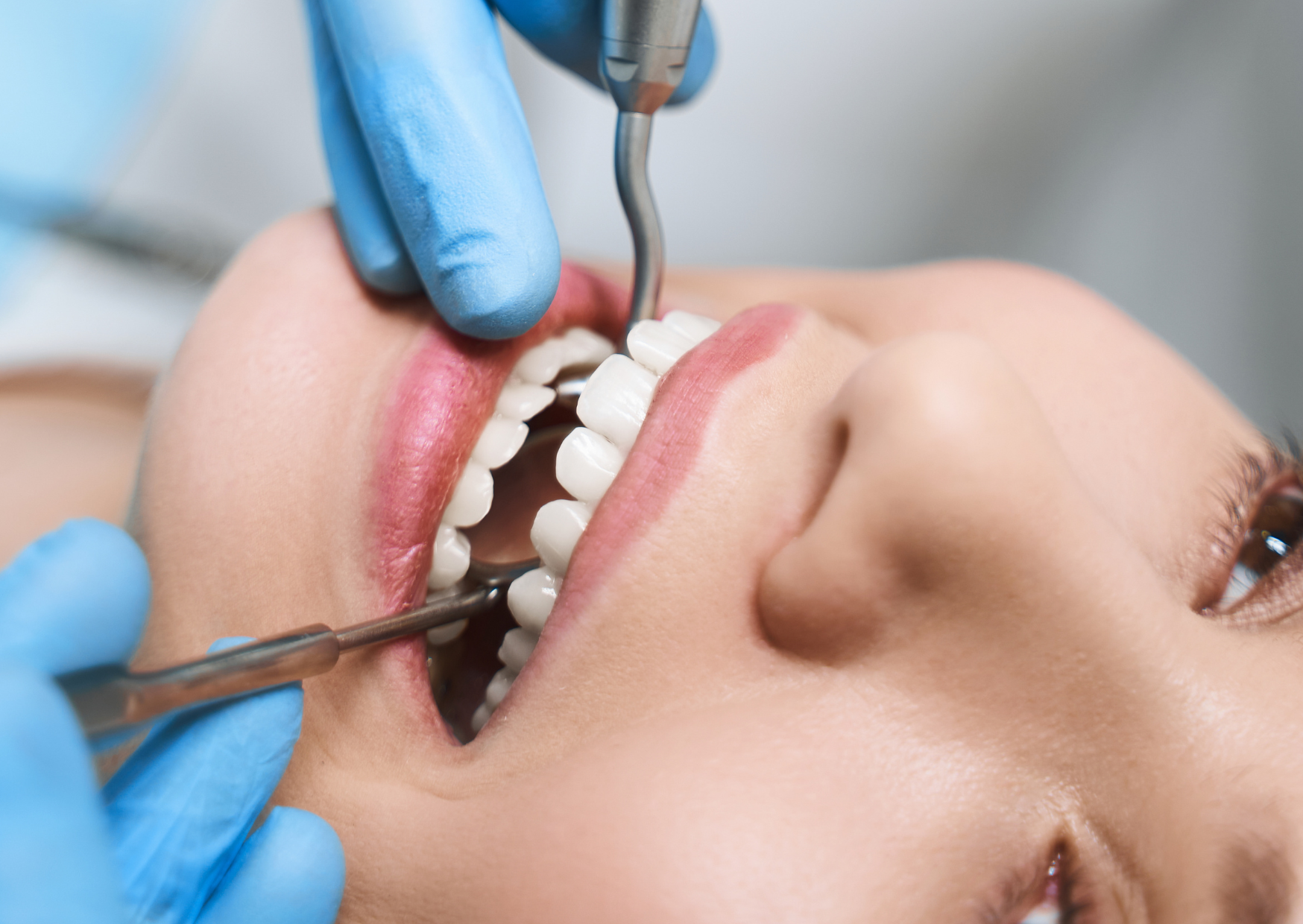
Do not let the low number fool you. Even lean Portuguese clinics are not cutting corners. A typical invoice in that band usually includes: diagnostic X-ray, local anesthesia, canal shaping and irrigation, obturation (filling the canal), and a temporary or permanent composite restoration on non-load-bearing teeth. One to two visits is common; microscope time or retreatment costs more. It is the scope, not the country, that sets the bill.
If you need a molar root canal with curved canals, your Portuguese estimate will rise. If you also need a full coverage crown because the tooth is heavily restored or cracked, you will pay extra in Portugal too, usually €300–€600 for a basic crown at many clinics, more for premium ceramics. Even then, the combined total often undercuts U.S. bundles by thousands. Low base plus fair add-ons is the model.
A note on coverage: Portugal’s public system (SNS) offers limited dental benefits to specific groups via cheque-dentista vouchers. Most adults pay privately, which is why published price lists and same-day quotes are normal. Private pay means posted prices.
Why The U.S. Quote Was $3,200
The American estimate that makes people gasp is almost always a molar plus a crown, often via an endodontist. Three reasons stack the number:
- Specialist setting. Endodontists use operating microscopes, CBCT scans in complex cases, and rubber dams on every case. That expertise and equipment deserve a higher fee. Specialization costs money.
- Restorative standard. U.S. dentists often recommend a crown after molar endo to prevent fracture, especially for teeth with large prior fillings. That is clinically sensible, but it adds $800–$1,500. Protection drives price.
- Overhead and insurance friction. Reception plus billing teams, pre-auths, and write-offs are built into fees. Even uninsured patients pay in a system built for insurance. Back office becomes your line item.
Could a U.S. general dentist do your case for less. Often yes, particularly for front teeth or simple premolars. But many practices triage molars to endodontists, and that is how “$1,200” becomes “$3,200” by checkout. The pathway, not just the procedure, sets the price.
Safety First: How To Choose A Portuguese Clinic Without Guesswork
Low price does not mean low standards. The trick is picking like-for-like care.
- Look for endodontic training and equipment. A clinic that lists endo specialization, dental microscope, and uses rubber dam isolation is signaling modern technique. Many Portuguese practices advertise these openly. Tools and training are your safety net.
- Confirm scope in writing. Ask whether the quote includes X-rays, anesthesia, temporary filling, and final composite if indicated. Note the extra for a crown if the dentist recommends one after evaluation. Clarity prevents add-on shock.
- Ask about retreatment policy. Any dentist can have a case that needs a second pass. Clinics that discount retreatment inside a window are showing confidence and fairness. A policy beats a promise.
- Check language and aftercare. In Porto, Lisbon, Coimbra, and Algarve, English-speaking staff are common. Ask how they handle post-op flares, and whether you can WhatsApp a radiograph if you travel home soon after. Follow-through matters as much as day one.
Portugal’s private market caters to locals and expats; you will not be the first foreigner they treat. That is why many clinics publish English price pages and explain materials and options openly. Transparency is normal here.
What The Price Gap Is — And Is Not
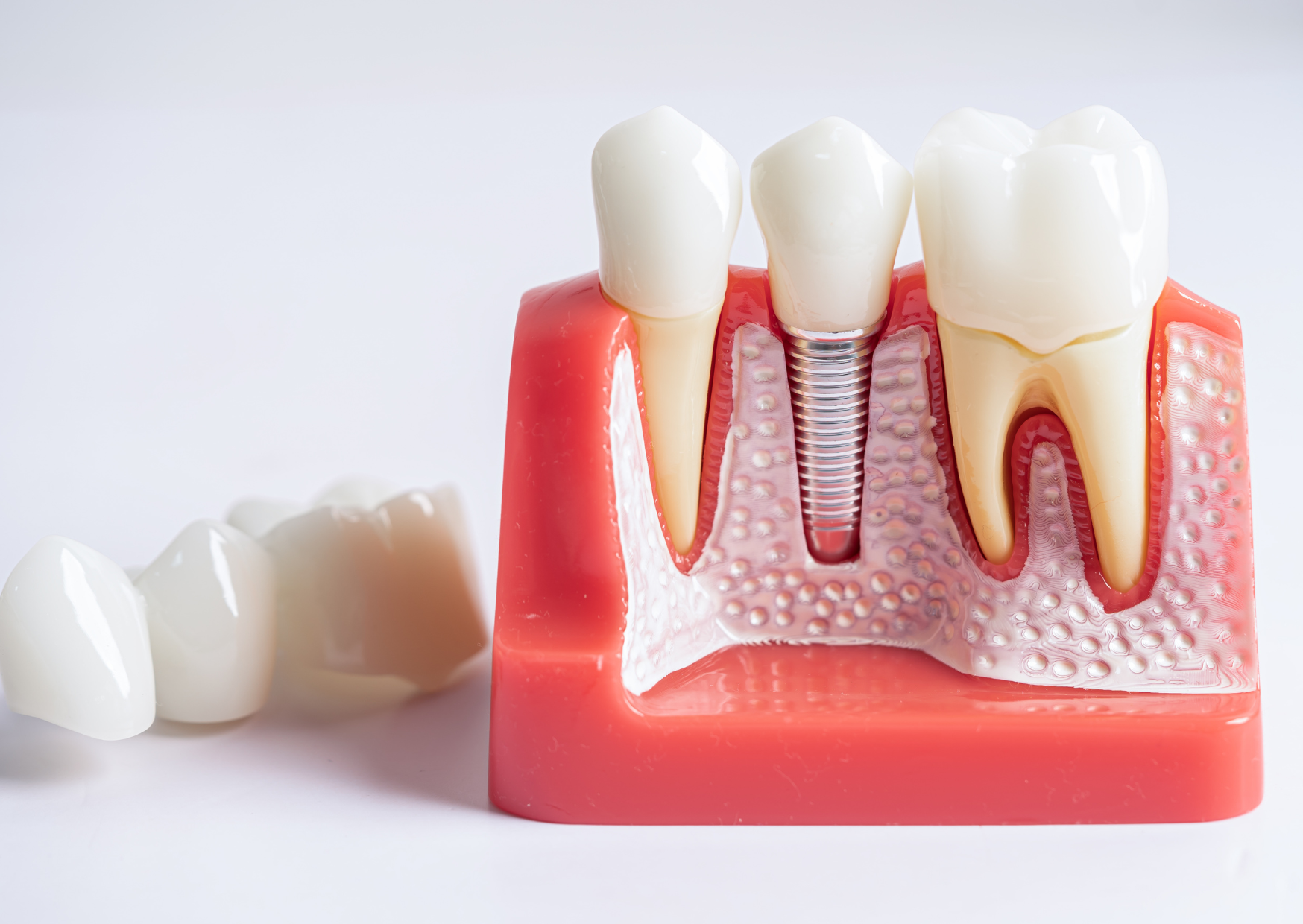
It is not proof that U.S. dentistry is ripping people off, and not proof that Portugal is “cheap” in a way that risks quality. It is a reflection of labor, rent, insurance, and scope norms. Three realities explain most of it:
- Labor and facility costs are meaningfully lower in Portugal, while clinical training standards remain high. Overhead drives fees.
- Shopping pressure is stronger in a cash-centric dental market. Portuguese clinics post menus; U.S. clinics often quote case by case through insurance. Competition compresses prices.
- Restoration culture differs. U.S. practices commonly pair molar endo with full crowns; many Portuguese dentists stage decisions, starting with an onlay or composite when appropriate. Default plans change totals.
Once you compare like complexity to like complexity, Portugal still wins most invoices, but the gap may be hundreds, not thousands, for simple anterior teeth. The huge spreads show up when the U.S. plan includes specialist + crown, and the Portuguese plan covers endo + conservative restoration. Apples-to-apples matters.
A Clean, Copy-Paste Playbook If You Want The Savings
You can have safe treatment and a small bill. Follow the order, not the hype.
1) Diagnose first, decide travel second.
Get a clear radiograph and a tooth number from your home dentist: is it anterior, premolar, or molar; is there curvature; is a crown likely. Complex molars may still be cheaper in Portugal, but knowing the anatomy prevents surprises. Anatomy predicts price.
2) Shortlist clinics by signals, not ads.
Search for practices that list endodontics, rubber dam, and microscope. Skim published price pages to confirm the band for your tooth type. Save three options near a metro stop. Signals beat slogans.
3) Ask the three questions.
Send a single message with: tooth type, X-ray if you have one, and timing. Ask, “Does your quote include X-ray, anesthesia, obturation, temporary/final composite. What is the extra if a crown is required later.” The clinics that answer clearly are the ones you want. Clarity is a competence test.
4) Schedule around aftercare.
Plan to stay in town 48–72 hours after the procedure for a quick review if needed. Pain flares are uncommon with modern technique but happen. Buffer time reduces stress.
5) Keep records portable.
Leave with post-op films and a procedure note you can email your U.S. dentist. If a crown is recommended later, your home dentist can place it without guessing. Paperwork keeps your tooth in one piece.
6) Do the crown math honestly.
If the dentist recommends a crown because the tooth is fragile, do not skip it purely on cost. Consider placing it in Portugal if you can stay a few more days, or schedule it at home. A cracked molar is more expensive than a crown in any country. Strength is part of success.
Realistic Scenarios People Actually Run
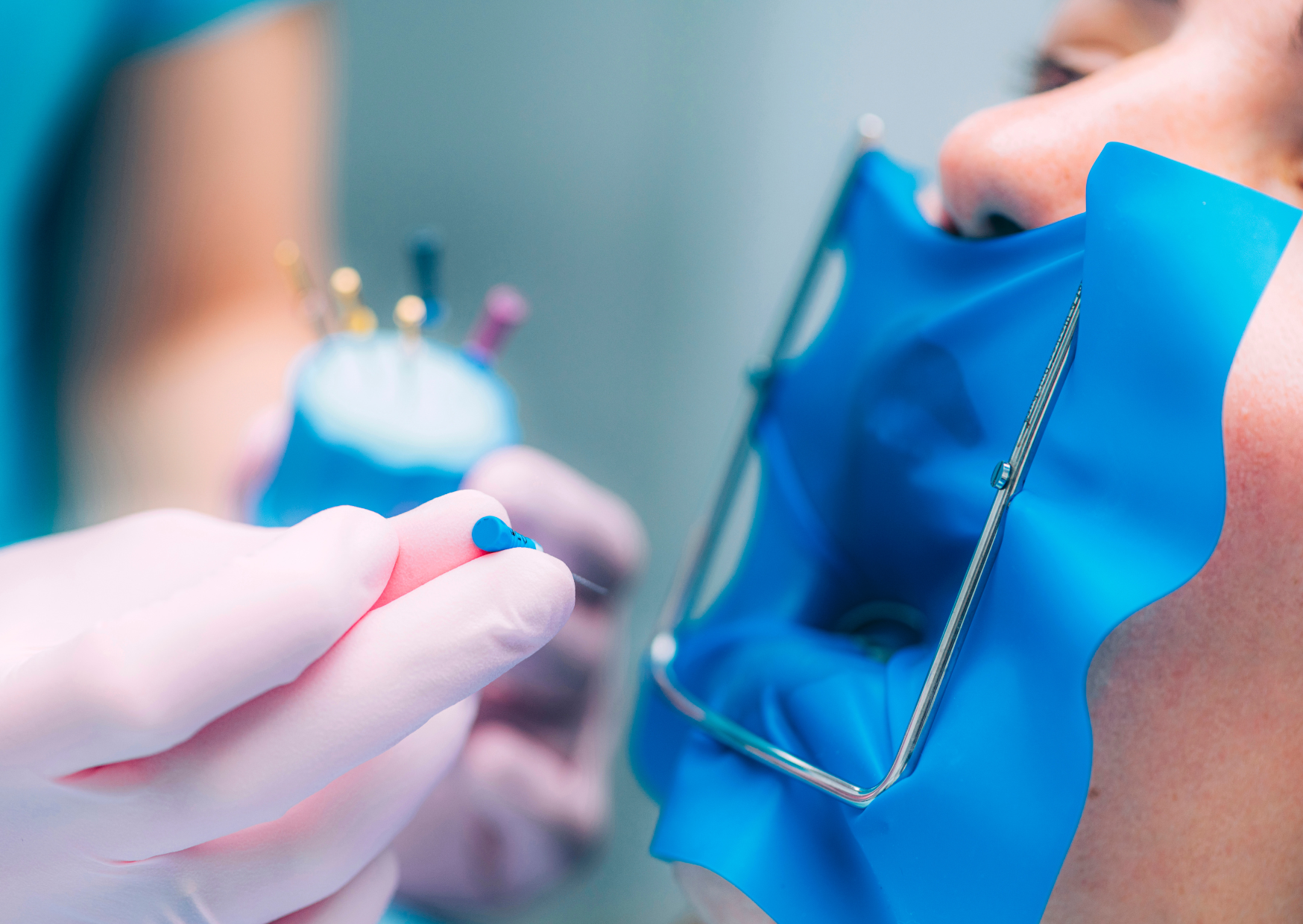
Straightforward front tooth in Coimbra: exam, X-ray, single-canal endo, direct composite on the access. Bill: €220–€300. Fly home with films, no crown needed. Minimal anatomy, minimal bill.
Lower molar in Porto with curved canals: two visits, rubber dam, rotary files, obturation, temporary filling. Dentist advises onlay or crown. Endo €300–€450 depending on clinic, crown later €350–€600 basic ceramic. Complete case €650–€1,050. U.S. equivalent often $2,000–$3,300. Complexity narrows the gap but Portugal still wins.
Retreatment with microscope in Lisbon: previous endo failed, needs retreatment under magnification. Expect €400–€700 depending on canals and time, still commonly below U.S. retreatment quotes. Retreatments are where equipment drives price.
Hidden Costs People Forget To Price
Low dental bills do not cancel travel math. If you are coming from outside Portugal, add:
- Flights and lodging. Off-season airfare and two nights near a clinic can still keep the total below U.S. specialist + crown quotes, especially if you were traveling anyway. Bundle trips when possible.
- Time. Two short, local Portuguese visits may beat one long U.S. specialist day if scheduling is tight. Appointments, not miles, decide convenience.
- Follow-ups. If you skip a crown now, you need a plan with your local dentist. Restoration timing protects the win.
For residents of Portugal or expats already in country, there is no calculus to do: the local price is simply the price. For visitors, smart scheduling keeps the total trip cost attractive. Logistics are part of the bill.
Who This Works Best For
- People with straightforward cases (front teeth and many premolars) who can book a single visit with a qualified GP dentist. Simple anatomy equals simple savings.
- Expats and long-stay visitors already in Portugal who can choose a reputable clinic without plane tickets in the math. Local life unlocks local prices.
- Travelers who pair care with a trip and can stay 2–3 days for follow-up or place a crown before flying. Time is your safety margin.
If you have complex molars, cracked teeth needing crowns, or medical red flags, Portugal can still be a win, but you should price specialist time and definitive restoration into the plan, not just the canal. Complex cases need full-cycle budgets.
Pitfalls Most Patients Miss
Comparing apples to bundles. A €250 canal without a crown is not the same plan as a $3,200 U.S. quote that includes the crown. Match scope before judging price. Scope first, then price.
Skipping the rubber dam and microscope where needed. Cheap is not a win if technique is dated. Ask the clinic how they isolate and whether they use magnification on molars. Technique predicts outcomes.
Traveling without buffer time. Endo is gentle now, but flares happen. A 48-hour cushion beats a frantic airport call. Time is anesthesia for stress.
Assuming public coverage exists. For most adults, dentistry is private-pay in Portugal unless you qualify for cheque-dentista. Plan to pay the invoice yourself. Cash is the model.
Deferring the crown indefinitely. If the tooth is structurally weak, waiting invites a vertical fracture. The cheapest crown is the one you place before it cracks. Protection beats regret.
What This Means For You
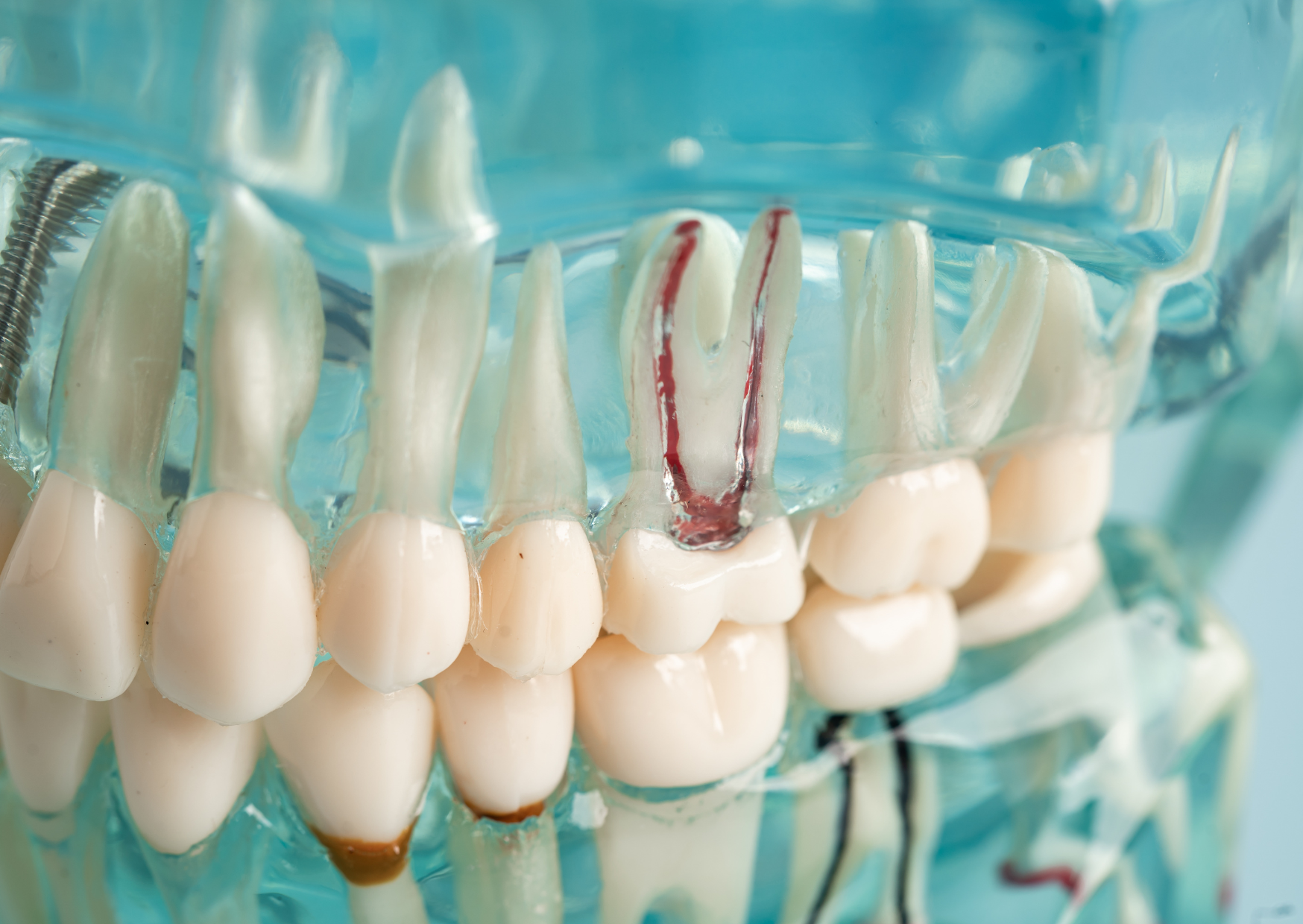
A €250–€350 root canal in Portugal is not a myth; it is a routine invoice for straightforward teeth in a private, regulated market with posted prices. A $3,200 U.S. quote is not a scandal; it is often a molar + endodontist + crown in a system where overhead and restoration standards are higher and bundled. If you match like for like, Portugal is still usually cheaper, and often by a lot.
If you are already in Portugal, you can book confidently at clinics that show modern endo signals and break out crown costs honestly. If you are abroad, build two or three days in your plan, pick a clinic that answers in writing, and carry your films and notes home. The outcome that matters is a quiet tooth and an invoice that did not wreck your month. In Portugal, that combination is surprisingly normal.

About the Author: Ruben, co-founder of Gamintraveler.com since 2014, is a seasoned traveler from Spain who has explored over 100 countries since 2009. Known for his extensive travel adventures across South America, Europe, the US, Australia, New Zealand, Asia, and Africa, Ruben combines his passion for adventurous yet sustainable living with his love for cycling, highlighted by his remarkable 5-month bicycle journey from Spain to Norway. He currently resides in Spain, where he continues sharing his travel experiences with his partner, Rachel, and their son, Han.