
Last updated on February 26th, 2026 at 10:35 am
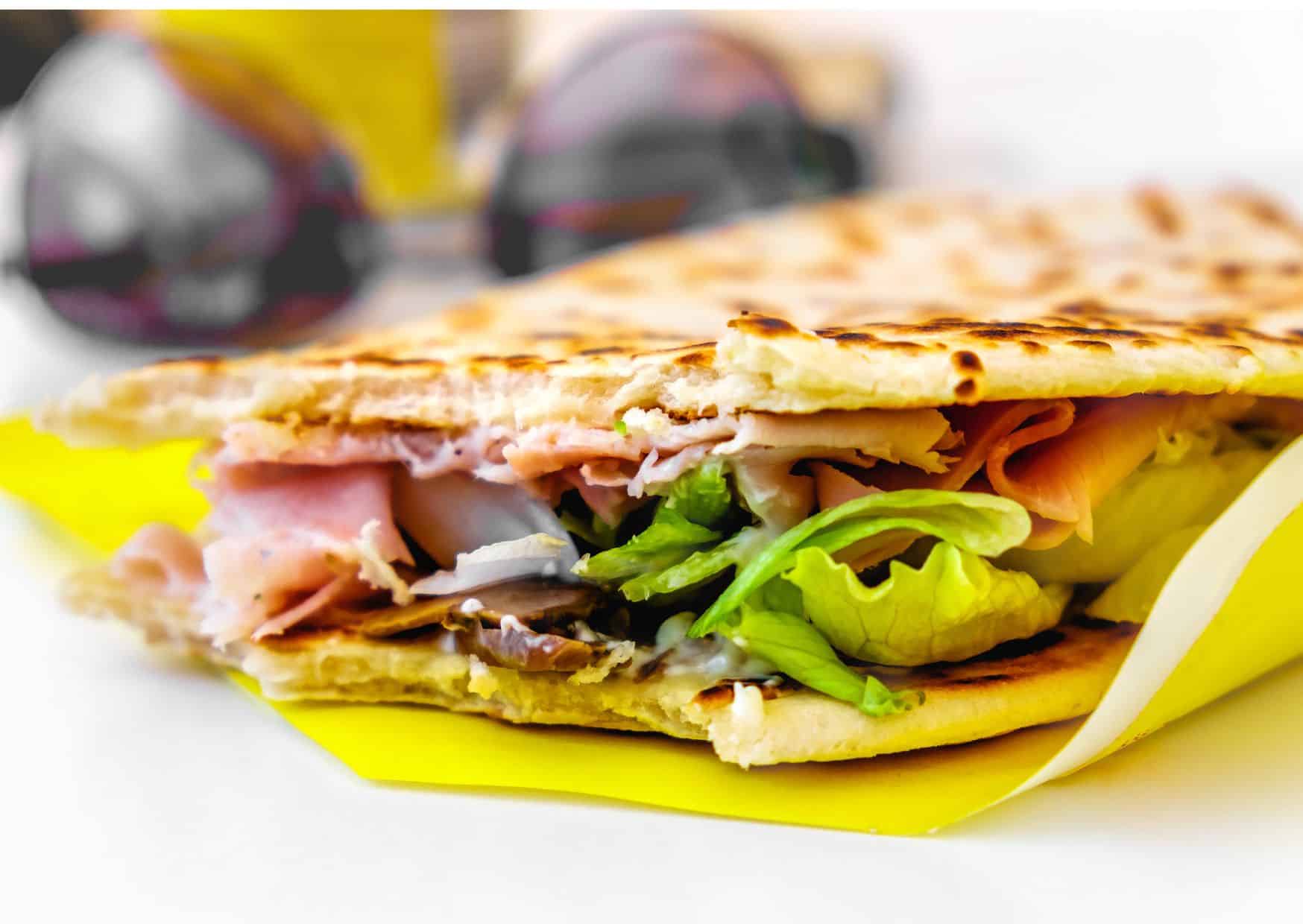
Piadina is a traditional Italian flatbread originating from the Emilia-Romagna region, known for its soft yet slightly crispy texture and simple, comforting flavour. Made with just flour, lard or olive oil, water, and salt, this flatbread is cooked on a hot griddle, resulting in beautifully browned spots and a flexible base perfect for folding or wrapping. In this recipe guide, you’ll learn how to make authentic Italian piadina at home, bringing a taste of Italian street food straight to your kitchen.
What makes piadina so special is its versatility and rustic charm. Traditionally filled with prosciutto, squacquerone cheese, and fresh arugula, it also pairs perfectly with grilled vegetables, creamy spreads, or sweet fillings like Nutella for a quick dessert. Piadina is a beloved staple for Italians seeking a fast yet wholesome meal, often enjoyed freshly made from local piadinerias as a satisfying lunch or dinner on the go.
Whether you’re preparing a light lunch, an appetiser platter for guests, or craving a simple Italian snack, piadina is a perfect choice. It proves that sometimes the best dishes are made with the humblest ingredients, transformed through tradition and technique into something unforgettable.
Read here best Italian food, vegetarian food in Italy, best drinks in Italy and best breakfast in Italy
Read Here Things to know before visiting Italy and how to buy a sim card in Italy
BOOK YOUR TRAVEL INSURANCE
Two of our favorite travel insurance: Heymondo Vs Safetwing cheapest travel Insurance. You can get for $135 USD your Heymondo Travel Insurance with Heymondo discount code valid for 90 days. Read our full comparison of Genki vs Safetywing Travel Insurance Review and the comparison Heymondo vs Genki
Best Time To Eat
Piadina is best enjoyed as a quick lunch, light dinner, or afternoon snack, especially when freshly cooked and filled with your favourite savoury or sweet ingredients for an authentic Italian street food experience.
Best Dishes To Partner
Serve your piadina with thinly sliced prosciutto, fresh mozzarella, arugula, and a drizzle of olive oil, or fill it with grilled vegetables and pesto for a vegetarian option. For drinks, pair it with a chilled glass of Lambrusco or a refreshing sparkling water with lemon to complement its light, rustic flavours.
Piadina is one of Italy’s most beloved street foods soft, chewy, and perfect for wrapping around all kinds of fillings. Originating from the Emilia-Romagna region, it has long been a symbol of rustic, everyday Italian cooking. But as it’s grown more popular around the world, piadina has taken on many new forms, sparking debate over what can truly be called “authentic.”
Traditionalists argue that piadina should be made with just a few humble ingredients: flour, lard or olive oil, water, and salt. They believe that its charm lies in its simplicity, cooked on a hot griddle until golden and pliable. To them, using yeast, overstuffing it with fillings, or turning it into something more like a burrito or pita wrap strays too far from its roots.
Others welcome its evolution. They see piadina’s adaptability as one of its strengths, making it a versatile flatbread for modern kitchens. Whether filled with prosciutto and cheese or piled high with vegetables and spreads, piadina can be traditional or contemporary. This tension between purity and innovation mirrors a larger conversation about preserving culinary heritage while embracing creativity.
How to Make Piadina Italian Flatbread
Piadina Recipe Ingredients
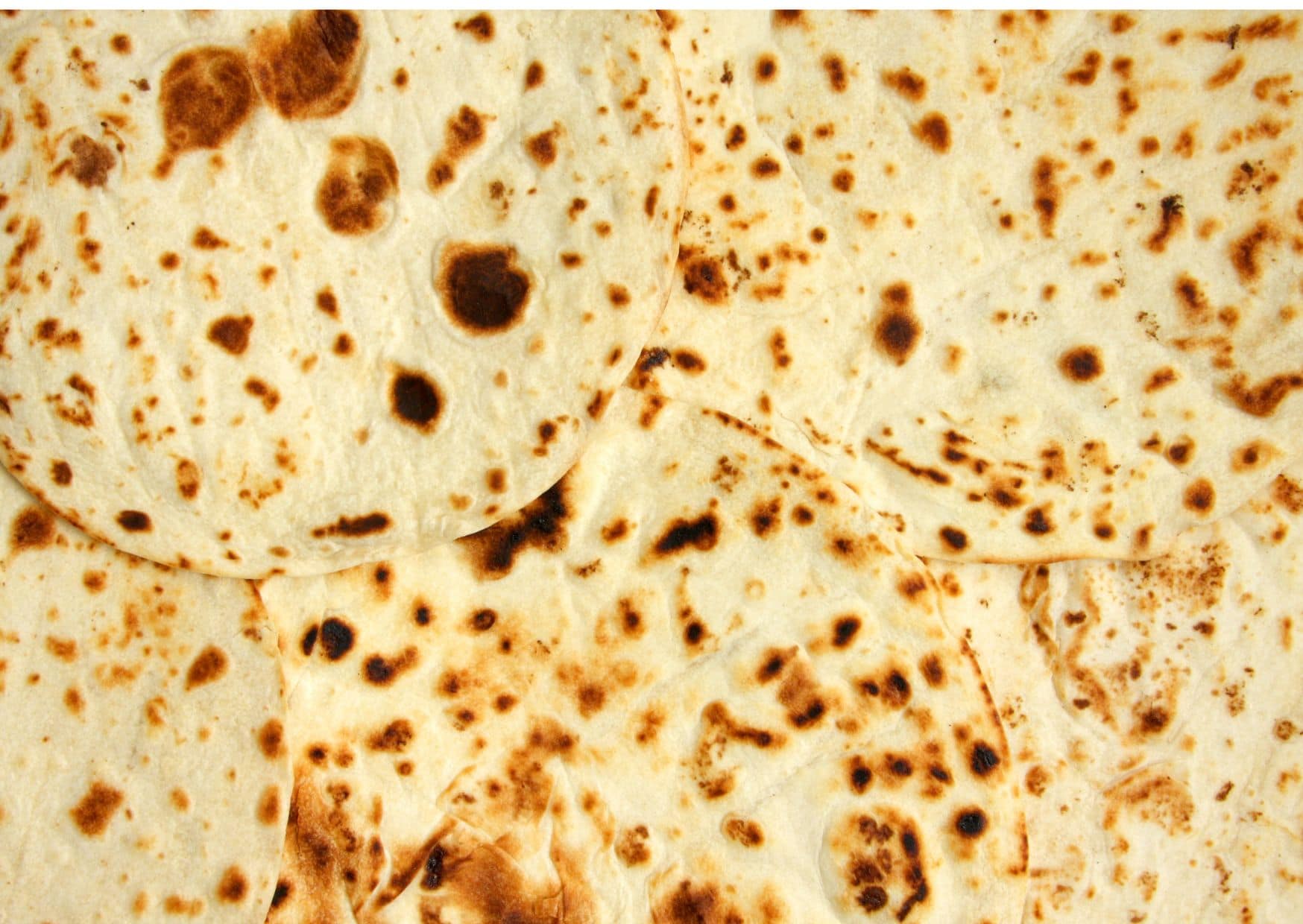
500g (4 cups) all-purpose flour
1 tsp salt
100g (7 tbsp) lard (or substitute with 100ml olive oil for a lighter version)
1 tsp baking powder
200ml (3/4 cup) water (warm)
Optional: 1 tsp sugar (if you prefer a slightly sweeter piadina)
Get the best deals for your home and kitchen needs
Step By Step How to Make Piadina
Mix the Dry Ingredients
In a large bowl, combine the flour, salt, and baking powder. If you’re using sugar, add it in as well. Cut the lard into small pieces and rub it into the flour mixture with your fingers until it forms a crumbly texture. If you’re using olive oil, simply add it to the flour mixture and stir.
Add Water
Slowly add the warm water to the mixture while stirring with a spoon or your hands. Knead the dough until it becomes smooth and elastic, about 5-7 minutes. If the dough is too sticky, add a little more flour.
Rest the Dough
Cover the dough with a clean kitchen towel and let it rest for 30 minutes at room temperature. This helps the dough relax, making it easier to roll out.
Roll Out the Dough
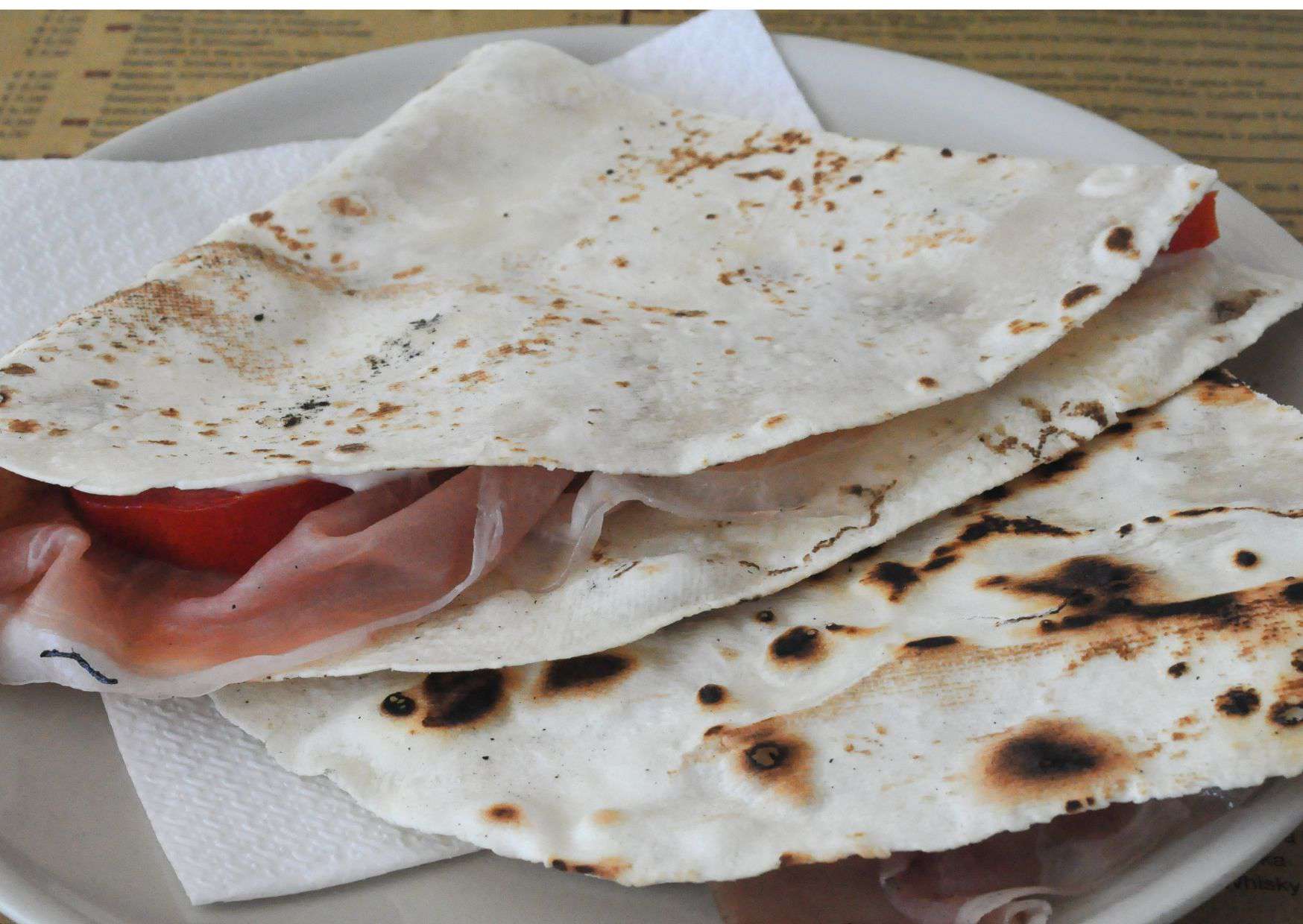
After resting, divide the dough into 6-8 equal portions, depending on how large you want your piadine. Roll each portion into a ball. On a lightly floured surface, roll out each ball into a thin circle (about 2-3mm thick).
Cook the Piadina
Heat a cast iron skillet or a non-stick pan over medium-high heat. Place one rolled-out piadina in the skillet.
Cook for 2-3 minutes on each side, or until you see brown spots and the bread is puffed. Adjust the heat if necessary to avoid burning. Repeat with the remaining dough.
Serving Suggestions
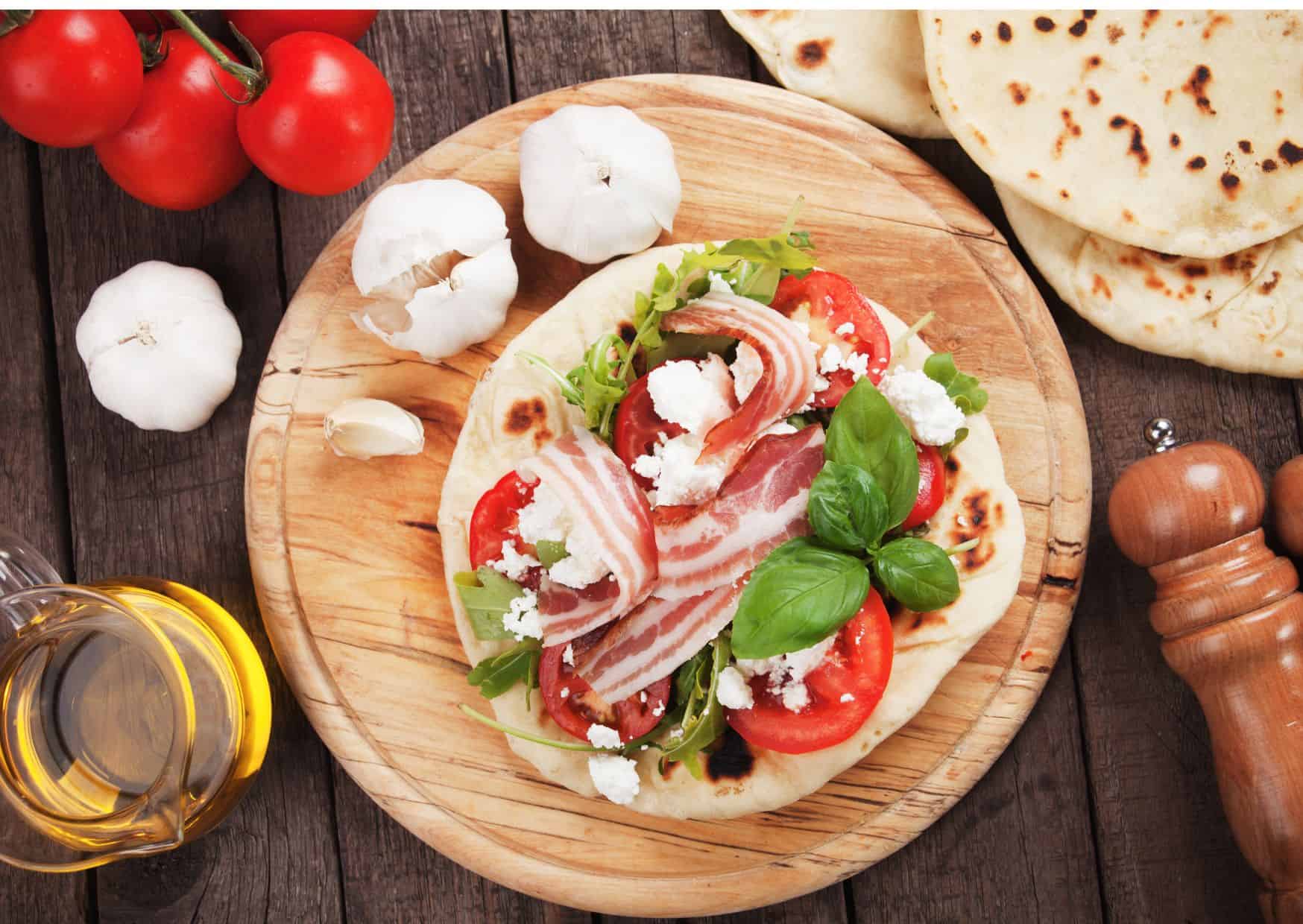
Piadina can be filled with a variety of ingredients. Here are some classic combinations:
Prosciutto, mozzarella, and arugula: A traditional Italian filling with a savory, fresh flavor.
Grilled vegetables and goat cheese: Perfect for vegetarians, with roasted peppers, zucchini, and eggplant.
Nutella: For a sweet version, spread Nutella on the piadina while it’s still warm.
Tips To Make Piadina
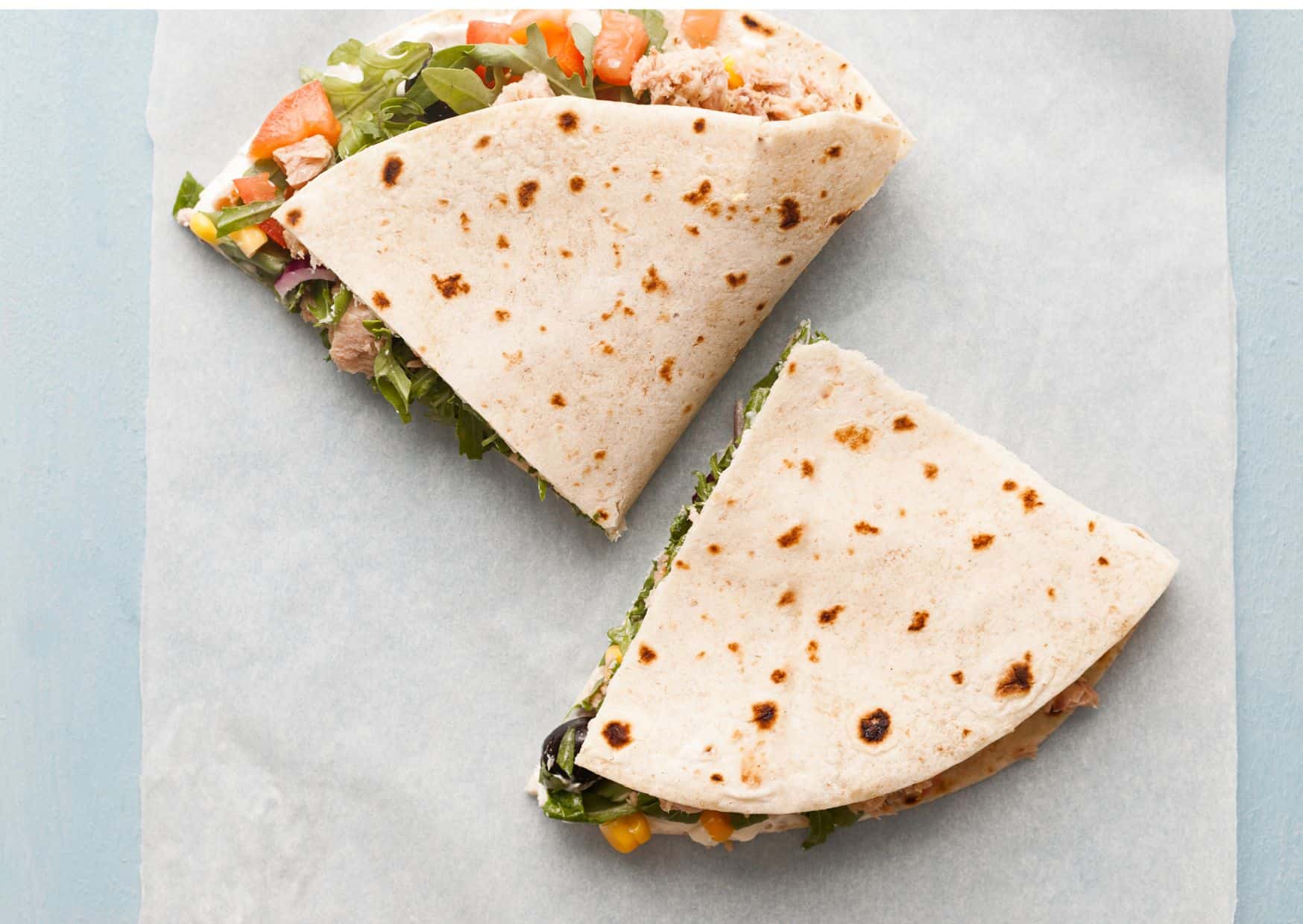
Traditional piadina recipes call for lard, which gives the flatbread a soft, flaky texture. If you prefer a lighter version, olive oil is a great substitute.
Don’t skip the resting step—it helps the dough relax, making it easier to roll out and resulting in a tender piadina. If the pan is too hot, the piadina will burn on the outside while remaining undercooked inside. Medium heat allows for even cooking.
How Many Calories Have Piadina
Approximately 280-320 calories, depending on the size and the use of lard or olive oil.
This is based on a plain piadina. Calories will increase depending on what fillings you choose to add.
How to Eat
Serve warm: Piadina tastes best fresh off the griddle, when it’s still soft and flexible.
Fold or roll: Traditionally, piadina is folded in half with simple fillings inside.
Enjoy simply: A few quality ingredients—like prosciutto and cheese—are all you need.
How to Partner
Pair with cured meats: Prosciutto, mortadella, or salami bring a rich, savory touch.
Add fresh ingredients: Arugula, tomatoes, or grilled vegetables add freshness and balance.
Match with drinks: Light wines or sparkling water complement the flavors without overpowering them.
Origin and History
Piadina is one of Italy’s most beloved yet underrated breads, originating from the Adriatic region of Emilia-Romagna. Long before it appeared on trendy menus, it was a humble staple for rural families who needed something quick, filling, and made from pantry basics. Flour, fat, salt, and water were often all that was required.
Historically, piadina was considered “poor people’s bread” because it did not require yeast or long fermentation. It was cooked quickly on a hot surface, making it practical for households without large ovens. Over time, its convenience and satisfying texture helped it spread beyond farm kitchens into local markets and street stalls.
By the 20th century, piadina had become deeply associated with the Romagna coastline, where it evolved into a popular street food. Vendors began stuffing the warm flatbread with cured meats, soft cheeses, and fresh greens, turning it into a portable meal rather than just a bread accompaniment.
Today, piadina sits at the intersection of tradition and modern convenience. While still strongly tied to its regional roots, it has gained international attention as home cooks discover how easy it is to recreate authentic Italian flatbread without specialized equipment.
One of the biggest debates surrounding piadina is the choice of fat. Traditional recipes from Romagna often use lard, which produces a tender, flavorful flatbread. However, many modern cooks substitute olive oil or butter, sparking ongoing discussion about authenticity versus accessibility.
Another point of contention is thickness. In some parts of Emilia-Romagna, piadina is rolled quite thin and crisp at the edges, while in others it is slightly thicker and softer. Purists from different towns often defend their local version as the “correct” style.
There is also disagreement about fillings. Classic combinations such as prosciutto and soft cheese are widely accepted, but contemporary variations now include everything from grilled vegetables to sweet spreads. Some traditionalists argue that overly creative fillings stray too far from piadina’s roots.
Finally, the rise of commercial packaged piadina has created debate among Italian cooks. While convenient, many believe store-bought versions lack the delicate texture and fresh flavor that make homemade piadina special.
How Long It Takes to Prepare
One of piadina’s greatest strengths is speed. Mixing the dough typically takes about 10 minutes, as the ingredient list is short and the process straightforward. There is no need for yeast activation or complex kneading.
After mixing, the dough usually rests for 15 to 30 minutes. This short pause allows the gluten to relax, making the flatbreads easier to roll thin without springing back. Compared with traditional bread, this is a very brief wait.
Cooking each piadina is fast, usually requiring just 2 to 3 minutes per side on a hot skillet or griddle. Because they cook individually, the total time depends on how many you prepare at once.
From start to finish, most home cooks can produce fresh piadina in about 40 to 60 minutes. This quick turnaround is a major reason the bread has remained popular for generations.
Serving Suggestions
Piadina is most commonly served warm and folded around savory fillings. Classic combinations include prosciutto with soft cheese, arugula with mozzarella, or mortadella with creamy spreads. The warmth of the bread gently melts the fillings, creating a cohesive bite.
For a lighter option, try stuffing piadina with grilled vegetables, fresh tomatoes, and herbs. This approach highlights the bread’s delicate flavor while keeping the meal fresh and balanced.
It also works well as a casual entertaining dish. Serve a stack of warm piadina alongside a platter of meats, cheeses, and vegetables so guests can build their own wraps. This interactive style reflects how the bread is often enjoyed in Italy.
Leftover piadina can be reheated briefly in a dry pan and used for quick lunches the next day. It also makes an excellent alternative to sandwich bread or tortillas in many everyday meals.
Final Thoughts
Piadina proves that great bread does not have to be complicated. With just a few ingredients and minimal time, you can recreate a piece of authentic Italian street food in your kitchen.
Its lasting appeal comes from versatility and simplicity. Whether filled with classic cured meats or modern vegetable combinations, piadina adapts easily to different tastes and occasions.
Another reason to master it is reliability. Once you understand the basic dough and cooking method, the process is forgiving and repeatable, making it ideal for both beginners and experienced cooks.
If you are looking for an approachable way to bring Italian flavor into your home cooking routine, piadina is a strong place to start. Quick, satisfying, and deeply rooted in tradition, it is exactly the kind of recipe that earns a permanent spot in your rotation.

About the Author: Ruben, co-founder of Gamintraveler.com since 2014, is a seasoned traveler from Spain who has explored over 100 countries since 2009. Known for his extensive travel adventures across South America, Europe, the US, Australia, New Zealand, Asia, and Africa, Ruben combines his passion for adventurous yet sustainable living with his love for cycling, highlighted by his remarkable 5-month bicycle journey from Spain to Norway. He currently resides in Spain, where he continues sharing his travel experiences with his partner, Rachel, and their son, Han.