
It starts as a quiet dare: no U.S. push alerts, no “breaking” banners at midnight, no doomscroll in line for coffee. Just shutters up, morning light, a tram, and whatever local headlines fit on a single page. By day seven, your jaw unclenches. By day thirty, your sleep tracks smooth and your blood pressure cuff stops scolding you.
You can live in Portugal without changing your passport, and for a month you can live without the American news cycle. It feels strange for two days. Then something unhooks in your nervous system. Meals are not podcasts with cutaways to catastrophe. Evenings are not bright screens fighting melatonin. Conversations switch from national crisis to whether the bakery sold out of broa. Life gets smaller in the best way.
This is a field guide to that month: what “no American news” actually meant in practice, why the U.S. cycle feels physically stressful, what the science does and does not say about news, doomscrolling, and stress hormones, the Portugal switches that calm your body without you noticing, and a 30-day playbook you can copy without moving continents. The promise is simple: fewer spikes, more sleep, steadier mornings.
Want More Deep Dives into Everyday European Culture?
– Why Europeans Walk Everywhere (And Americans Should Too)
– How Europeans Actually Afford Living in Cities Without Six-Figure Salaries
– 9 ‘Luxury’ Items in America That Europeans Consider Basic Necessities
What “No American News” Actually Looked Like

A clean month only happens if you define your rules up front. This was not a media fast or a vow of ignorance. It was a boundary experiment: less noise, more signal, and local days shaped by light, movement, and routine instead of alert pings.
The three hard switches:
- No U.S. breaking news: turn off all American news notifications, mute U.S. news apps, and remove the little red badges that turn calm into homework. No push alerts means no surprise adrenaline.
- Local news in one sitting: read Portugal’s headlines once in the late afternoon, print or one site, not ten. If it does not fit in a single coffee, it can wait. One dose beats drip feed.
- Doomscroll blockers: set app timers to boot you out after ten minutes of any news or social app and move the icons off your home screen. Friction is your friend.
The soft rhythm that replaced it:
- Shutters up with the sun, coffee outside or at a bright window, and a 10-minute walk to signal “day has started.”
- Work or errands in blocks, phone parked away from reach.
- Meal anchors: lunch that takes more than seven minutes, dinner that ends with a stroll.
- Evening dim, lamps instead of overheads, book or conversation by 9:30, bed in the same hour nightly.
Call it ordinary Portuguese days with American panic removed. Consistency, not heroism, does the work.
Why U.S. News Feels Physically Stressful

There is nothing uniquely evil about American journalism. The stress comes from format and frequency.
Threat salience is the business model. Headlines privilege danger, conflict, and speed because our brains privilege danger, conflict, and speed. That bias keeps us alive in a forest and restless on a sofa. When every hour brandishes new existential stakes, your threat-detection system never cools. Constant urgency reads like constant threat.
Variable rewards hook attention. Open your phone; maybe there is nothing. Open it again; maybe there is a five-alarm update. That slot-machine uncertainty spikes dopamine and trains compulsive checks. You do not want the article; you want the chance of the article. Intermittent rewards wire habits quickly.
Screens fight sleep. Bright evening light pushes melatonin later. Late “breaking” pushes rumination later. A restless midnight feels like news, but it is biology and timing conspiring against you. By morning, you have less sleep, more coffee, and a nervous system tuned to flinch.
Context collapse steals scale. A fire in a different state and a war on another continent share the same rectangle. The body does not know which one you can act on. It only knows threat everywhere. The more you check, the louder the body yells.
You cannot will yourself out of that loop. You can change inputs and timing so the loop never forms.
What The Evidence Actually Says About News, Doomscrolling, And Stress
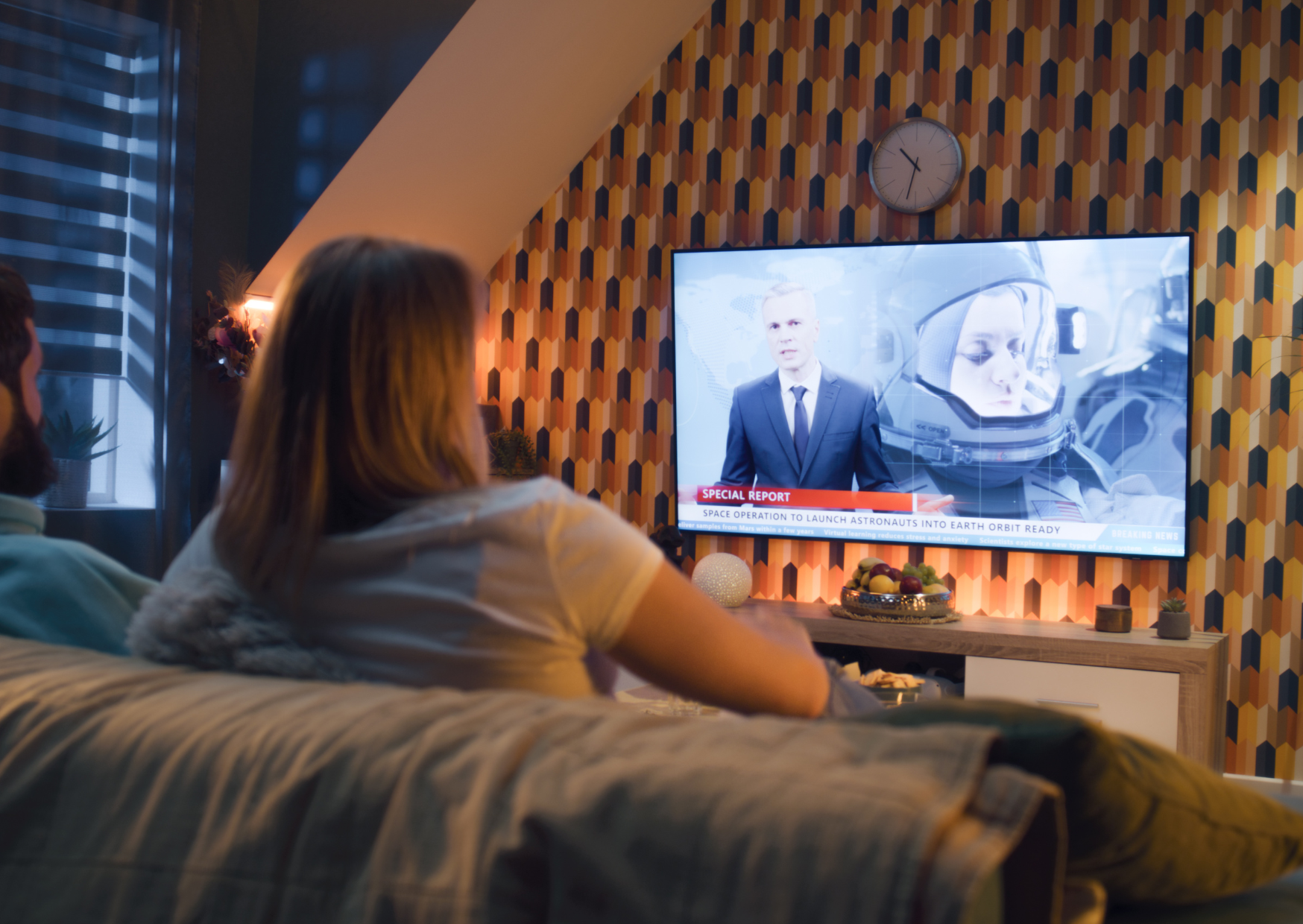
Be precise here. The internet loves sweeping claims. The literature is more nuanced and, frankly, more helpful.
Negative news reliably worsens mood and stress reports. Controlled studies show that consuming negative headlines elevates anxiety and negative affect compared with neutral content. That part is not controversial. What you feel is real.
Cortisol is trickier. A handful of lab studies show little or no immediate cortisol change from a short hit of negative news alone, but some show greater cortisol reactivity when a stressor follows the news exposure. Translation: a headline may not spike the hormone by itself, but it can prime your body to overreact to the next challenge. If your day is already full of micro-stressors, priming matters.
Doomscrolling correlates with worse mental and physical health. Frequent, compulsive consumption of distressing news tracks with higher anxiety, low mood, poor sleep, and somatic complaints across multiple samples. It is not proof of causation for every person, but the association is consistent enough to respect.
Restriction helps. Randomized trials that limit social feeds or screen time windows show modest but reliable improvements in mood and well-being within weeks. Not every biomarker moves, not every study shows big cortisol shifts, but the real-world read is clear: less drip, better days.
Read that again: the argument for this 30-day change does not rest on a single hormone graph. It rests on predictable, human outcomes: calmer mood, better sleep timing, fewer stress cascades after tiny triggers. If you can get that with simple knobs, you turn them.
The Portugal Switches That Quiet Your Body Without Trying

Portugal is not therapy. It is a place where default settings line up with calmer biology. Copy these at home.
Morning light over morning panic. The shutters rise and the room floods with day. You take coffee outside, not into a notification storm. Ten minutes of early light stabilizes your internal clock; the body reads it as a clear “go.” That single habit moves your sleep earlier and makes evenings easier.
Small walks after meals. You see it everywhere: a 10- to 20-minute stroll after lunch or dinner. Those “movement snacks” flatten blood sugar spikes and signal safety to your nervous system. They are portable, free, and more powerful than arguing with your phone.
Meals with edges. Lunch is not Slack. Dinner is not a scroll. When meals have a start and end, your day has pulses. Humans do well with boundaries; the nervous system likes to know what happens next.
Evening dim and late screens tamed. Lamps instead of overheads. A book or conversation in the hour when American cable chyrons go red. Your eyes and brain get the message: night has started. Sleep follows rhythm, not force.
One local news hit, not twenty global alarms. By designing one calm check-in instead of ambient panic, you preserve context. If you can act on a story, you can act. If you cannot, you can let it go without fighting yourself.
These are not hacks. They are environmental defaults that turn vigilance down one click at a time.
The 30-Day Playbook You Can Copy
Start on a Sunday. Put this in your calendar the way you would a flight.
Days 1–3: Set the field
- Kill push alerts from every U.S. news source. Remove the red badges. Log out of the loudest apps. Silence eliminates ambushes.
- Pick one local source you trust for where you live. Read it once daily, late afternoon, not at breakfast. One dose beats a daylong drip.
- Move your icons off the first screen. Add a ten-minute app timer to news and social. Friction forces a choice.
- Morning light + walk: outside by 8:30 if you can, ten minutes minimum, coffee allowed. Light starts the clock.
Days 4–10: Rebuild evenings
- Dim at nine. Lamps on, overheads off, screens to night mode. Put your phone to charge outside the bedroom. Dark wins the melatonin fight.
- Read something printed after 9:30. Ten pages is enough. The point is posture: eyes away from a bright rectangle. Paper calms the loop.
- Short walk after dinner every night you can. Ten to fifteen minutes, no phone in hand. Movement unknots rumination.
Days 11–20: Remove the sneaky checks
- Desktop traps: turn off news widgets, remove live tickers, and set your browser start page to blank. Emptiness beats outrage bait.
- Inbox hygiene: batch newsletters into a single 4 p.m. folder. If you do not read them that day, they expire. Scarcity focuses attention.
- Social rules: unfollow accounts that traffic in catastrophe porn. Follow local, slow accounts that post weekly, not minutely. Diet matters here, too.
Days 21–30: Lock the rhythm
- Pick a sleep window and keep it within 45 minutes, weekend included. Regularity beats heroic catch-up.
- Add one “long calm” each week: a ferry ride, a tram to a beach town, a walk along a river. Nature drags your attention back into your body.
- Note the markers: time to fall asleep, midnight wake-ups, morning energy, and resting pulse if you track it. Data keeps the story honest.
By the last week, you will reach for your phone less because your body is not asking for a jolt. Keep the switches that felt least “discipline-heavy.” Those are the ones that stick.
Pitfalls Most People Miss
Replacing news with other stressors. If you cut headlines but fill the gap with late work email, you just traded logos. You want less arousal at night, not different arousal.
Thinking you need total abstinence. You do not have to become a hermit. The rule is timing and dose: one calm, scheduled check-in beats opportunistic hits.
Letting weekends drift. A two-hour shift in bedtime can erase the week’s gains. Keep your sleep window steady within an hour. Your Monday nervous system will thank you.
Throwing out the phone. You still need maps and messages. You do not need slot-machine alerts. Keep tools; remove triggers.
Treating Portugal like a magic wand. Geography helped because it made different defaults easy. You can get three-quarters of the benefit at home if you change how your day starts, how evenings feel, and how often the rectangle wins.
What Changed By Day 30
Three things stood out.
Sleep got boring in the best way. When mornings start with light and evenings end without sirens, sleep onset becomes predictable. You stop bargaining with yourself at midnight. Waking at the same time feels less like discipline and more like momentum.
Mornings lost the dread. Without overnight catastrophes yelling from your lock screen, waking did not feel like bracing. Coffee became a taste, not a shield. Walks were not a fix; they were just what came next.
Conversations widened. With fewer global alarms in your pockets, you notice more small local ones: the seasonal fruit, the park cleanup, the neighbor’s dog who waits for schoolkids. You still care about the world. You just stopped living in a firehouse.
If you want a single line to remember: lower inputs, higher rhythm. The body takes care of the rest.
Exactly How To Keep The Win Without Moving
You do not need a tram line or azulejos to keep your cortisol quieter. You need defaults that reward calm.
- Permanent push-alert amnesty: no breaking banners, ever. If it is truly urgent for you, someone will call.
- One daily news slot: put it on your calendar after lunch. Never at breakfast, never in bed.
- Hard edges on screens: phone charges outside the bedroom; lamps at nine; night shift on all devices.
- Morning light pact: outside within an hour of waking, even for five minutes on rough days.
- After-meal walks as a rule, not an ambition. Ten minutes counts.
- Social cleanup: unfollow accounts that make your chest tighten; follow three slow, local ones that make you curious.
- Weekend discipline: keep your sleep window within an hour; keep your news slot in the same place both days.
The goal is not ignorance. It is an attention budget that matches what a human nervous system can handle without chronic overdrive.
What This Means For You
You cannot control the world. You can control how often you invite it to shout at you. A month without the American news drip in Portugal did not make life naive. It made the biology of the day line up with the biology we are built for: light early, movement after meals, regular evenings, fewer alarms. The result felt like lower pressure without medication changes, steadier mornings without pep talks, and a mind that could hold news once a day without breaking.
You do not have to move to keep that. Turn down the inputs. Turn up the rhythm. Let your attention be local more often than it is global. The planet will still be there at 4 p.m., and you will be more useful to it when you read it on a full battery.

About the Author: Ruben, co-founder of Gamintraveler.com since 2014, is a seasoned traveler from Spain who has explored over 100 countries since 2009. Known for his extensive travel adventures across South America, Europe, the US, Australia, New Zealand, Asia, and Africa, Ruben combines his passion for adventurous yet sustainable living with his love for cycling, highlighted by his remarkable 5-month bicycle journey from Spain to Norway. He currently resides in Spain, where he continues sharing his travel experiences with his partner, Rachel, and their son, Han.