
Picture an 8:45 p.m. table under warm light, plates clinking, bread basket intact, no one rushing. I ate later, I ate more food by volume, and my jeans got looser. Here is the exact rhythm I copied from Spain, what I cooked, and why the scale still moved down.
You hear it all the time: eat earlier, shut the kitchen at six, fear dinner. Then you land in Spain, sit down when the sun is yawning goodnight, and people look healthy without counting breaths. I tried it for thirty days. Dinner was late, not heavy. Lunch did more work. I walked after meals, dimmed the house at night, and stopped nibbling in between.
The surprise was not weight loss. It was how normal it felt. No punishments, no weird bars, and the only number I tracked was bedtimes. Below is the playbook I used, the meals that kept me full, and the small choices that made more food add up to less me.
Want More Deep Dives into Everyday European Culture?
– Why Europeans Walk Everywhere (And Americans Should Too)
– How Europeans Actually Afford Living in Cities Without Six-Figure Salaries
– 9 ‘Luxury’ Items in America That Europeans Consider Basic Necessities
My “Before Spain” Reality
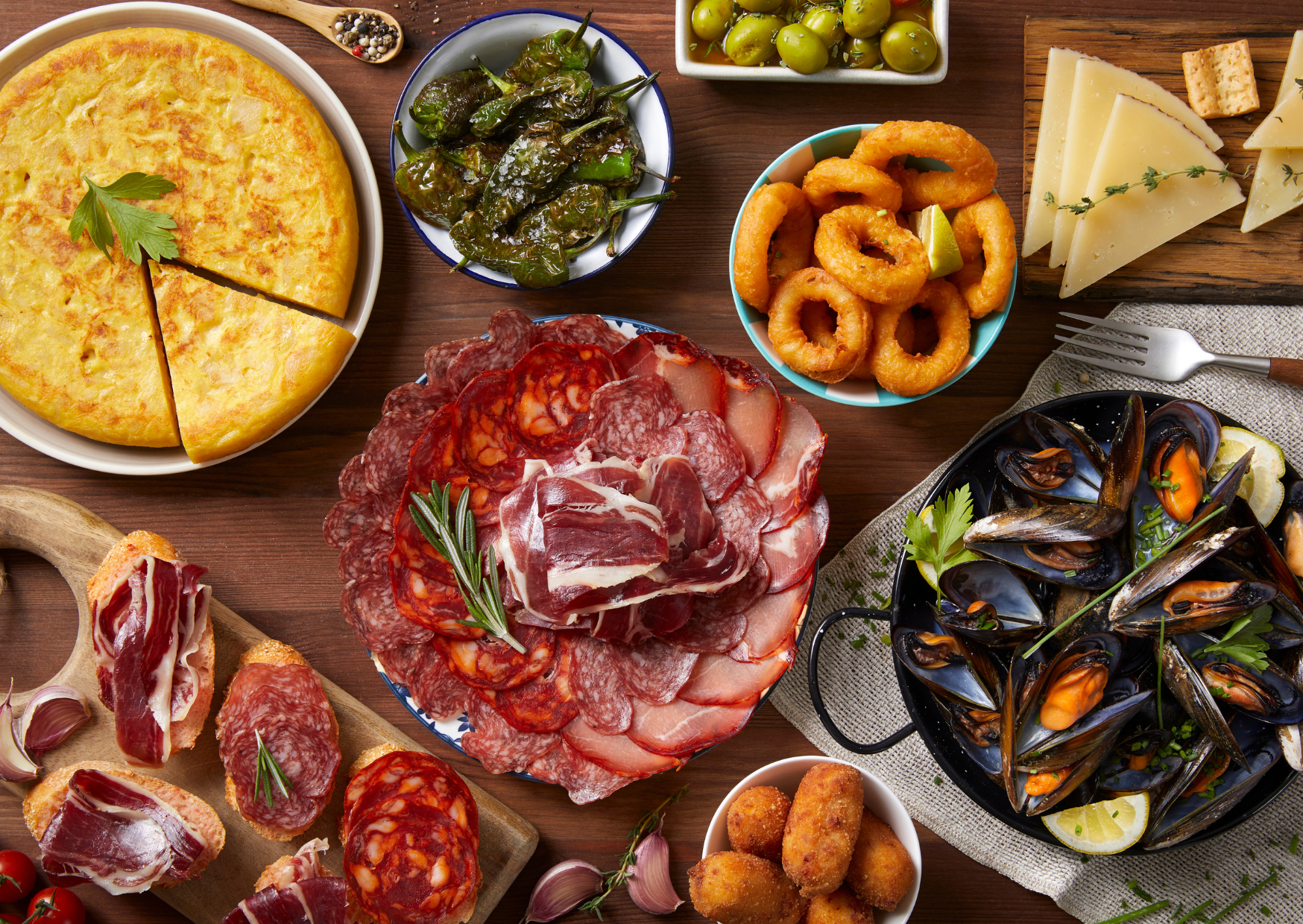
I was the person who ate a big dinner at 6:30, snacked at 9 out of habit, and slept like a raccoon. Lunch was small because work was loud. Breakfast tried to be a hero and failed.
My days looked like this: coffee and a bite while answering emails, a rushed bowl at noon, an afternoon drift that sent me to the kitchen, then a large, comforting dinner with a TV glow and an ice cream chaser. I averaged too many bland nibbles, too little movement after meals, and a bedtime that kept sliding. The scale was steady in a way that felt smug.
What I wanted from Spain was not magic. I wanted structure without spreadsheets, more satisfaction, and a way to fit social dinners without paying for it at the waist.
The Spanish Rhythm I Copied
The Spanish day is not a diet plan. It is a sequence. Copy the sequence and your body notices.
- Early light, small breakfast. Coffee, toast with olive oil, maybe tomato, maybe yogurt. Just enough to start the day, not a hotel buffet.
- Lunch carries protein and plants. This is where the work happens. Beans, fish, eggs, vegetables, and a starch. You step away from the desk, you sit, you chew.
- A short walk after meals. Ten to fifteen minutes, always worth it. Movement after eating is a quiet rule you see everywhere once you look for it.
- Late dinner, lighter dinner. Tapas logic: variety, vegetables, lean protein, and olive oil. Carbs are not banned, just scaled.
- No constant snacking. If you want something between lunch and dinner, it looks like fruit, nuts, or a small sandwich. Not a rolling buffet.
- Evening dim. Lamps, not overheads, screens turned down, and the phone asleep somewhere that is not the pillow. Regular sleep is the invisible diet.
I kept my own job and city. I only changed the defaults.
What I Ate, Week By Week
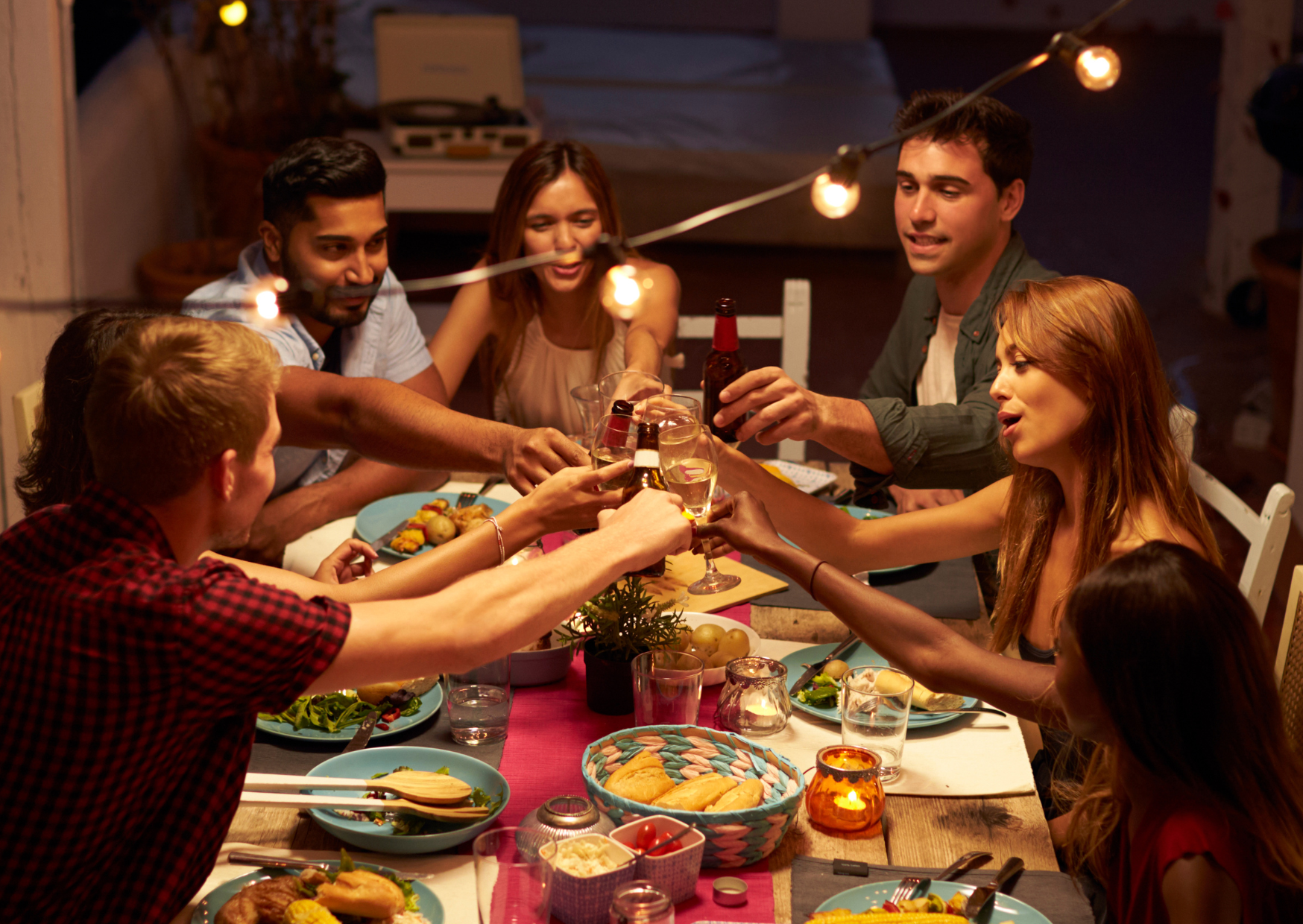
I did not count calories. I planned the plate, not the number. The rule was one big lunch, one modest late dinner, honest snacks, and a walk after at least one meal daily. Here is the map I followed.
Week 1 — Learn the timing
Breakfast, 8:30: toast with olive oil and tomato, or plain yogurt with chopped pear and a pinch of cinnamon. Small, not heroic.
Lunch, 1:30–2:00: big bowl of lentils with onion, carrot, and chorizo crumbs or tuna and chickpea salad with tomato and olives. Always a vegetable side.
Snack, 6:00 if needed: almonds and an orange, or a small bocadillo with jamón and tomato.
Dinner, 9:00–9:30: plate of grilled sardines or chicken, a tomato-cucumber salad, a handful of patatas or a slice of bread. Wine occasionally, water always.
Walks: 10–15 minutes after lunch or dinner. Every day if I could, half the days when I couldn’t.
Bold truths I learned fast: lunch does the heavy lifting, late dinner is lighter, and walking after eating calms your body in ways you can feel.
Week 2 — Make lunch non-negotiable
Lunches leveled up: white beans with clams, Spanish tortilla with side salad, roasted peppers with canned mackerel, paella-style rice with peas and chicken.
Dinners stayed modest: gazpacho and an omelet, grilled vegetables and a few anchovies, shaved zucchini with lemon and parmesan and a piece of bread.
Snacks shrank: fruit most days, cheese and olives once or twice a week.
Walking felt automatic. Ten minutes after dinner became the easiest promise I kept.
Week 3 — Eat more volume, not more junk
I added salad volume to every plate: lettuce with olive oil and vinegar, tomatoes and onions, roasted eggplant, green beans with garlic. Volume that chews slowly and satisfies is the hack.
Proteins moved around: sardines, eggs, yogurt, chicken thighs, lentils, garbanzos.
Dinner stayed late but became even lighter: salmorejo with chopped egg, boquerones, a slice of tortilla. I still felt full because the day had a big middle.
Week 4 — Lock the rhythm
By the last week I had a template, not a plan. The only job was keep the timing, walk after meals, and keep dinner modest. I stopped thinking about it.
Why Eating Later Did Not Backfire
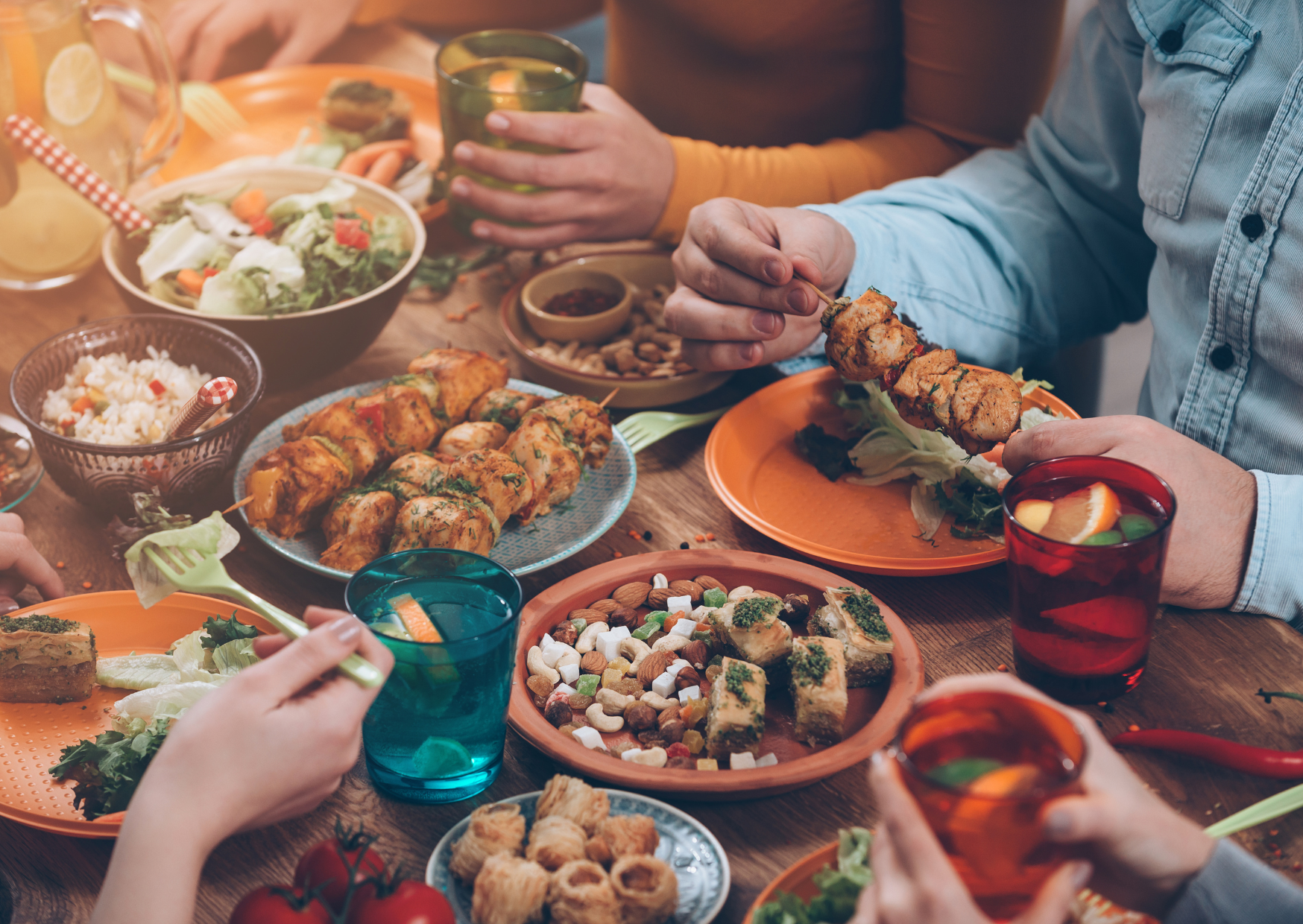
This sounds like heresy if you grew up with “eat early or else.” The Spanish version worked for four reasons.
Lunch did the heavy lifting. In my old life, dinner carried the day. In Spain’s rhythm, midday is where protein and plants are big, so the late meal can be lighter and still feel generous. Big lunch, light dinner is the engine.
Volume came from vegetables, not snacks. I ate more food by volume, but it was vegetables, beans, and broth, not crackers at 9 p.m. High-volume, high-fiber food makes late dinners feel substantial without becoming a calorie bomb.
Movement after meals changed the curve. A 10–15 minute walk after lunch or dinner smoothed the post-meal spike and told my nervous system to stand down. It also nudged me away from dessert-as-default. Walks beat willpower.
Evening was dim and boring. No push alerts, lamps instead of ceiling lights, and a regular bedtime. I did not chase a perfect number of hours. I chased the same hour most nights. Regular sleep is the most underrated weight tool I have ever ignored.
This is not magic. It is sequence and environment.
The Numbers That Actually Moved
I did not measure calories. I did measure habits and clothes.
- Scale: down 2.2 kg over 30 days. Slow, steady, no drama.
- Waist: belt moved one notch by day 23.
- Energy: mornings were less foggy; afternoon slumps shrank.
- Cravings: chocolate went from must to optional. Protein at lunch helped.
- Sleep: bedtime within a 45-minute window five nights a week. Waking before the alarm happened more often.
The wins did not come from a late dinner alone. They came from late dinner plus structure.
Exactly What I Cooked (Copy-Paste Meals)
Here are the plates that kept the month easy. Think simple, salty, satisfying, not perfect.
Lunch heroes
- Lentejas: brown lentils simmered with onion, carrot, bay leaf, a thumb of chorizo for flavor, splash of sherry vinegar.
- Ensaladilla rusa: potatoes, peas, tuna, mayonnaise, roasted peppers on top. Big scoop with lettuce on the side.
- Huevos rotos: potatoes fried in olive oil, eggs cracked on top, jamón strips, side salad.
- Alubias con verduras: white beans with leeks, carrots, spinach, and a spoon of pesto.
- Arroz con pollo: rice, saffron, chicken thighs, peas. Not a mountain, a plate.
Late dinners that work
- Gazpacho with chopped egg and jamón crumbs.
- Tortilla española slice with tomato salad and olives.
- Grilled sardines and blistered green peppers, lemon wedge.
- Tomato-rubbed bread and boquerones with a handful of arugula.
- Salmorejo and asparagus with a poached egg.
Snacks that do not blow the plan
- Apple and almonds.
- Plain yogurt with a drizzle of olive oil and a pinch of salt.
- A small bocadillo: half a baguette with tomato and cheese.
- Orange and a few olives.
Drink choices that matter
- Water all day.
- Coffee earlier. Last caffeinated cup by early afternoon.
- Wine on some nights, but small and with food, not as a second dessert.
- No sweet sodas. They make late nights loud.
Portion guide I used
- Lunch: two fists vegetables, one fist protein, one fist starch, olive oil without fear.
- Dinner: one to two fists vegetables, one palm protein, a small starch or bread the size of your palm.
I never had to argue with a food scale. The plates behaved.
Sneaky Ways This Backfires, And How To Fix It
No plan survives real life. These are the hiccups that derailed me and how I kept the month moving.
You turn tapas into a feast.
Small plates become a parade if you let them. Solution: order two things, not five, add a green side, and share. Variety is not license.
You skip lunch, then attack dinner.
This is the fastest way to hate late dinners. Solution: protect lunch. If days explode, make lentil salad or tuna and chickpeas your default. Big lunch saves the night.
You sit after eating and scroll.
That is how dessert sneaks in. Solution: walk the block before you sit. If weather is bad, walk the hallway while you listen to something. Movement flips the switch.
You snack the whole afternoon.
Spain is not a snack desert, but it is a snack discipline. Solution: set one snack window and stick to fruit or nuts. Windows beat grazing.
You push caffeine too late.
Evening coffee keeps your brain chatty. Solution: last caffeinated cup early afternoon. Keep the ritual with decaf if you love the cup. Timing beats denial.
You confuse late with large.
Dinner is late, not giant. Solution: volume from vegetables, protein modest, starch modest. Late dinner, light dinner is the rule.
How To Try This For 7 Days Before You Commit
Make it a small project. Use your real life, not a fantasy schedule.
Day 1
Pick your sleep window. Put lunch on your calendar. Set a 10-minute walk alarm for after lunch or dinner.
Day 2
Buy olive oil, tomatoes, onions, eggs, chickpeas, sardines or tuna, greens, rice, potatoes. These staples handle a week.
Day 3
Cook lentils or beans in a pot. This becomes lunch base for two days. Double salad volume.
Day 4
Move your last caffeinated drink earlier. Notice how dinner feels at 9 p.m. when hunger is not a beast.
Day 5
Late dinner test: gazpacho and tortilla or fish and peppers. Walk after. Lights down by nine-thirty.
Day 6
Repeat the big lunch and modest dinner. If you want a snack, fruit and nuts. If you want dessert, make it fruit most nights and something sweet once.
Day 7
Check how your clothes fit and how mornings feel. If you are less snacky and sleep is calmer, keep another week. That is the real metric.
The Science In Plain Language
I promised no lab lecture. Here is what matters without equations.
- Walking after meals softens post-meal glucose spikes and helps your body handle dinner better. Ten to fifteen minutes is enough to matter.
- Big daytime meals fit how many people digest best. A protein-forward lunch does more for satiety than a late-night feast.
- Regular sleep makes hunger hormones behave. Going to bed in the same hour most nights helps you eat because you are hungry, not because your brain is buzzing.
- Mediterranean pattern is forgiving. Olive oil, vegetables, legumes, fish. You have heard this forever because it actually works.
None of that requires a passport. The Spanish part is the timing and the walk.
What This Means For You
Late dinner is not the villain. Late, light, and walked is a different animal than early, huge, and Netflixed. If you put protein and plants at lunch, volume from vegetables, a small starch, and a ten-minute walk after at least one meal, you can eat at 9 p.m. and still wake up looser in jeans.
You do not need to move to Madrid. You need to protect lunch, turn down the lights, and walk after you eat. Do it for seven days. If your mornings get calmer and your snacks get quieter, keep going. The belt notch will take care of itself.

About the Author: Ruben, co-founder of Gamintraveler.com since 2014, is a seasoned traveler from Spain who has explored over 100 countries since 2009. Known for his extensive travel adventures across South America, Europe, the US, Australia, New Zealand, Asia, and Africa, Ruben combines his passion for adventurous yet sustainable living with his love for cycling, highlighted by his remarkable 5-month bicycle journey from Spain to Norway. He currently resides in Spain, where he continues sharing his travel experiences with his partner, Rachel, and their son, Han.