
For many Americans, visiting Spain is a dream filled with tapas, flamenco, sunny beaches, and centuries-old cities. But once you arrive, it doesn’t take long to realize that Spanish culture operates on a rhythm—and set of values—that can feel completely different from American life. From mealtimes that stretch into the night to a relaxed view on punctuality, these differences can surprise even seasoned travelers.
What makes Spain so unique isn’t just its history or beauty—it’s the subtle daily habits that shape how people live, work, and connect. Americans might initially see some of these customs as odd, inefficient, or even rude. But with a little perspective, many come to appreciate Spain’s deeply human, connection-focused approach to life.
This post explores 12 of the biggest culture shocks Americans often experience in Spain—from siesta culture and late-night dinners to the way locals communicate and socialize. Whether you’re planning a trip or considering a move, these insights will help you navigate Spanish life with curiosity rather than confusion.
Read Spanish sim card for tourist, Biggest Mistakes when moving to Spain and 30 things you should know before visiting Spain
BOOK YOUR TRAVEL INSURANCE
Two of our favorite travel insurance: Heymondo Vs Safetwing cheapest travel Insurance. You can get for $135 USD your Heymondo Travel Insurance with Heymondo discount code valid for 90 days. Read our full comparison of Genki vs Safetywing Travel Insurance Review and the comparison Heymondo vs Genki
Quick, Easy Tips for Navigating Culture Shock in Spain
Embrace the schedule: Expect later meals, slower mornings, and long social evenings.
Be flexible: Not everything runs on strict American timetables—go with the flow.
Learn basic Spanish: Even a few phrases show respect and make daily interactions smoother.
Respect quiet hours: Loudness at night can be considered rude in many neighborhoods.
Adopt local customs: Join in tapas culture, greet people properly, and respect personal space.
Keep an open mind: What feels strange at first can become part of your favorite memories.
Many Americans experience culture shock not because Spanish customs are difficult, but because they challenge deeply ingrained habits. Something as simple as eating dinner at 10 p.m. or closing shops during the afternoon can feel frustrating to someone used to a 24/7 culture. For locals, these rhythms aren’t inconveniences—they’re essential parts of their lifestyle.
There’s also a growing debate among travelers about whether adapting to a culture should be optional or expected. Some visitors arrive expecting Spain to accommodate their habits, while others believe that embracing local customs is part of respectful travel. This cultural clash can lead to misunderstandings between tourists, expats, and locals.
Ultimately, culture shock isn’t just about the traveler’s experience—it also affects how locals perceive visitors. When travelers resist local norms, it can be seen as disrespectful. But when they engage openly, these same moments become opportunities for genuine cultural exchange.
Culture Shocks for Americans in Spain
1. Different Mealtimes
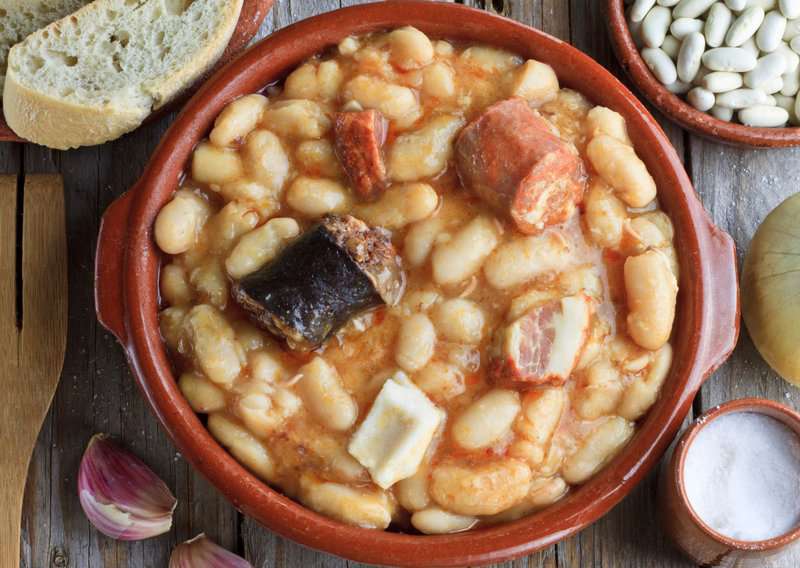
What’s Shocking: Spain operates on a different meal schedule than what Americans are used to. Lunch and dinner are eaten much later in the day.
Lunch (La Comida): In Spain, lunch is the main meal of the day and usually happens between 2:00 PM and 4:00 PM. Many businesses close during this time.
Dinner (La Cena): Dinner is much later, typically between 9:00 PM and 11:00 PM. It’s a lighter meal compared to lunch.
How to Adapt:
Adjust your eating habits by having small snacks (tapas) to bridge the gap between meals.
Embrace the later dinner time and enjoy the relaxed, social nature of Spanish meals, which can often last for hours.
The best Spanish food to try, Breakfast in Spain, and vegetarian food in Spain
2. Siesta Culture (But Not Everywhere)
What’s Shocking: In smaller towns and rural areas, siesta culture still exists, meaning many shops and businesses close for a few hours in the afternoon, usually from 2:00 PM to 5:00 PM. Larger cities like Madrid and Barcelona have largely moved away from this, but it’s still noticeable in smaller areas.
How to Adapt:
Plan your day accordingly by doing your shopping and errands in the morning or early evening.
Use siesta time to rest, have a leisurely lunch, or take a break like the locals.
3. Punctuality Isn’t Strict

What’s Shocking: Spaniards generally have a more relaxed attitude toward time. Punctuality for social gatherings isn’t as strict as it is in the U.S., especially when it comes to casual events. Being a few minutes late isn’t seen as rude.
How to Adapt:
Don’t stress if people are late to meet you for social events like drinks or dinner—it’s normal to arrive 15-30 minutes late for casual get-togethers.
However, for business meetings or appointments, it’s better to be on time or no more than a few minutes late to avoid seeming disrespectful.
4. Spanish Personal Space and Greetings

What’s Shocking: Spaniards tend to have a smaller personal space bubble compared to Americans. It’s normal to greet people with a kiss on both cheeks, even when meeting for the first time (especially in social settings).
Greetings: Instead of a handshake, expect a double kiss (one on each cheek) when meeting someone socially, especially between men and women or between women.
How to Adapt:
Be prepared to greet people with two cheek kisses. Start by leaning in to the left to avoid any awkward moments.
Don’t be alarmed if people stand close to you when talking. It’s part of the culture.
5. Slower Pace of Life
What’s Shocking: Life in Spain, especially outside major cities, follows a slower, more relaxed pace. The emphasis is on enjoying life, which can feel quite different from the fast-paced, productivity-driven American culture.
How to Adapt:
Be patient with longer meal times and slower service in restaurants—it’s part of the Spanish dining experience.
Use the opportunity to unwind and enjoy the moment rather than rush through activities or meals.
6. Tipping Culture
What’s Shocking: Tipping in Spain is much more modest compared to the U.S. where tipping 15-20% is standard. In Spain, tipping isn’t expected in most cases, but a small tip (around 5-10%) is appreciated for excellent service.
How to Adapt:
Round up the bill or leave small change if you’re in a casual setting or café.
In higher-end restaurants, a 5-10% tip is enough if the service was particularly good.
7. Speaking Volume
What’s Shocking: Spaniards tend to speak more loudly than Americans, especially in social settings. You may find that conversations in restaurants or bars are quite animated and loud.
How to Adapt:
Don’t be surprised or take it personally if people raise their voices—it’s not a sign of anger but just part of the expressive communication style in Spain.
Join in the lively conversation! Spanish social settings are typically warm, informal, and full of energy.
8. Smoking Culture
What’s Shocking: Although smoking indoors is banned in most public places, smoking is still quite common in Spain, especially outdoors at cafes, bars, and restaurants. Seeing people smoking while eating or drinking outside may be a shock for some Americans.
How to Adapt:
Expect outdoor smoking at bars and restaurants, especially on terraces. If you want to avoid smoke, try to sit indoors.
Be aware that smoking areas can still be prevalent at events or public spaces.
9. Bureaucracy and Customer Service

What’s Shocking: Spanish bureaucracy can be slow and frustrating, with long waits and complicated processes for things like setting up bank accounts, getting permits, or dealing with public services. Customer service can also seem less urgent compared to the U.S.
How to Adapt:
Be patient and plan ahead for things that require official paperwork.
In stores or restaurants, don’t expect the same level of hustle as in the U.S.—relaxed customer service is part of the laid-back culture.
10. Public Displays of Affection (PDA)
What’s Shocking: In Spain, public displays of affection (PDA) are common and generally accepted. Couples frequently kiss, hug, and hold hands in public spaces without anyone giving it a second thought.
How to Adapt:
Don’t be surprised if you see couples being affectionate in public. It’s a normal part of daily life in Spain.
Feel free to show affection with your partner, but also be mindful of local customs in more conservative settings, such as religious sites.
11. Different Work-Life Balance

What’s Shocking: Spaniards typically have a strong emphasis on work-life balance. People in Spain prioritize time with family and friends, especially during holidays and weekends. Businesses may close earlier than expected, and people tend to take longer vacations.
How to Adapt:
Expect businesses to close during the lunch hour or on Sundays, and plan accordingly.
If you’re working in Spain, embrace the emphasis on quality of life, and don’t be surprised if your colleagues encourage you to take time off and enjoy yourself.
12. Tapas Culture and Sharing Food

What’s Shocking: Spaniards love to share food, and tapas culture encourages ordering multiple small plates for everyone to share. Unlike in the U.S., where meals are typically ordered individually, in Spain, it’s common to have a more communal dining experience.
How to Adapt:
When eating out with friends, embrace the idea of ordering tapas to share. This way, you get to try a variety of dishes.
Don’t be shy about sharing or trying someone else’s dish—it’s all part of the fun of eating in Spain.
Final Thoughts
Culture shock isn’t about right or wrong—it’s about realizing there are many different ways to live well. Spain challenges American norms by showing that productivity doesn’t have to come at the expense of personal joy, family time, or community. It’s not just a different country—it’s a different mindset.
While some culture shocks might be frustrating at first, most Americans find that the very things that confuse them end up being what they miss the most. The slower mornings, the deep conversations over coffee, the habit of being present—it all contributes to Spain’s magnetic lifestyle.
So if you’re heading to Spain soon, bring an open mind and a sense of humor. What starts as a shock might just become the part of Spain you fall in love with most.

About the Author: Ruben, co-founder of Gamintraveler.com since 2014, is a seasoned traveler from Spain who has explored over 100 countries since 2009. Known for his extensive travel adventures across South America, Europe, the US, Australia, New Zealand, Asia, and Africa, Ruben combines his passion for adventurous yet sustainable living with his love for cycling, highlighted by his remarkable 5-month bicycle journey from Spain to Norway. He currently resides in Spain, where he continues sharing his travel experiences with his partner, Rachel, and their son, Han.