
You step off a bus two hours north of Zagreb and the town feels quiet in a way big cities forget how to be: storks on chimneys, a river bend, a square where everyone knows who fixed the clock. By lunchtime, you hear the rumor that pulled you here. “They’ll pay you to move. Ten thousand euros if you’re in by New Year.” The reality is both better and stricter: Croatia’s standout repopulation program is in Legrad, and while the town has paid real money to new residents, the scheme is not a blank check. It’s a set of tenders with conditions, cheap houses for €0.13, and renovation grants that can stack to several thousand—if you qualify and act on time.
Let’s map what is actually on the table in October 2025: the specific place, the exact requirements, what “€10,000” does and doesn’t cover, how the application works in practice, what deadlines matter, and whether this beats rival offers in Italy and Spain. Then we’ll end with a step-by-step guide you can follow this week.
Where The Money Really Is: Legrad’s Offers, Conditions, And The “€10,000” Idea
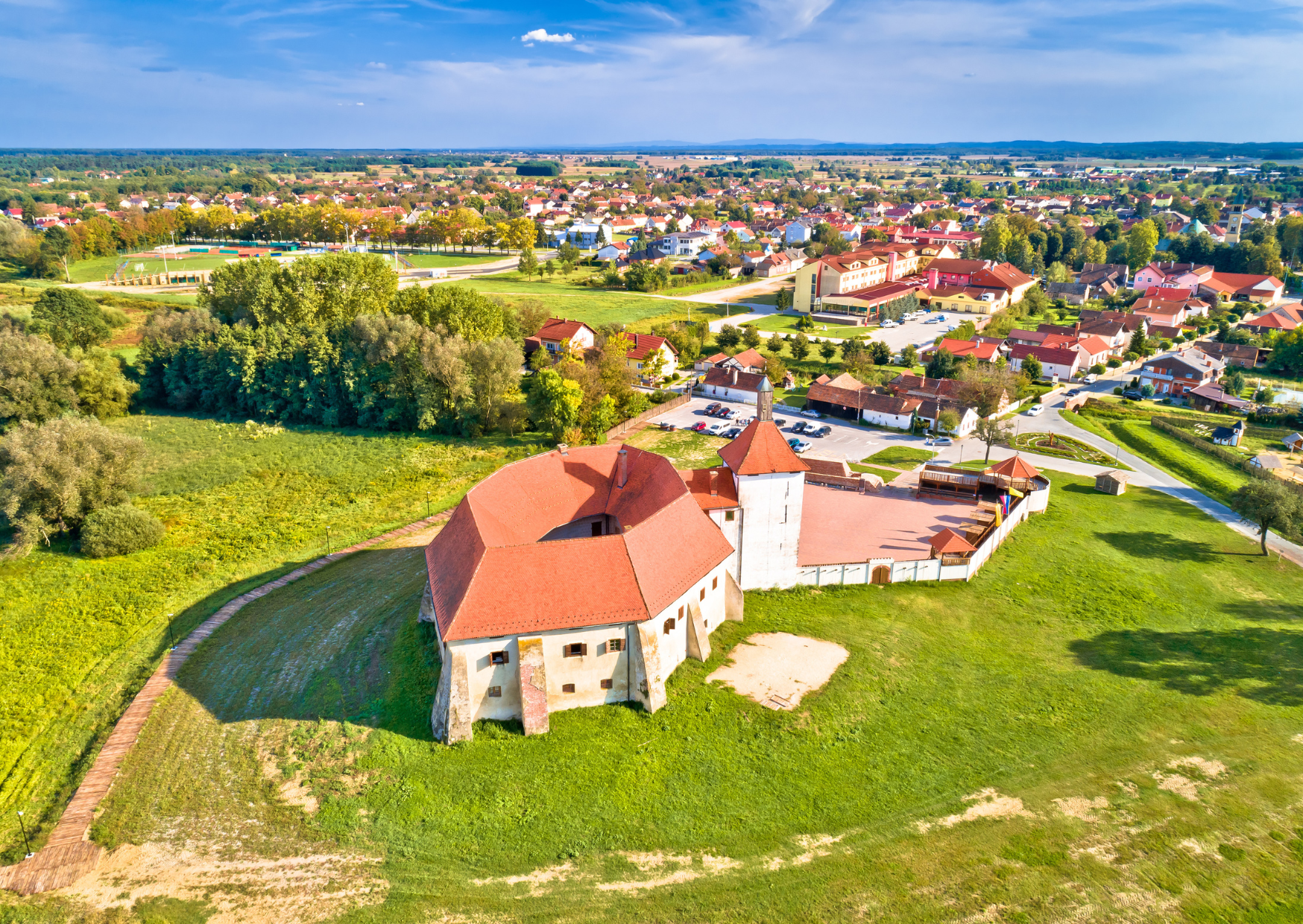
In Croatia, the town that consistently makes global lists is Legrad, a municipality in Koprivnica-Križevci County on the Drava River. Legrad doesn’t hand out suitcases of cash to anyone with a passport. Instead, it runs periodic tenders to sell municipal houses or plots for a symbolic price—historically 1 kuna (now codified as €0.13)—and pairs those with grants for renovation or purchase from private owners. The grants published in recent cycles have ranged from 25,000 kuna to 35,000 kuna in older tenders (about €3,300–€4,600 at historic exchange), with fresh local reporting in 2024–2025 confirming new rounds of €0.13 houses and additional support for young families. Legrad exists, pays something, and the rules are specific.
Why do people say €10,000? Because when you add the symbolic house, the renovation grant, and (in some cases) co-financing on a private purchase up to a cap, the total support can approach five figures in euros—if you hit every requirement and the specific tender round funds your path. It is not a guaranteed cash transfer; it’s a package you build.
Core eligibility has been consistent across rounds:
- Age cap (often under 40–45).
- Married or partnered status (extramarital partnership generally eligible).
- No criminal record and no existing property owned in Croatia.
- Commitment to reside locally for a minimum term (past tenders cited up to 15 years).
- Financial solvency and ability to renovate within set timelines. The town wants residents, not flippers.
What the money can cover:
- If you get a €0.13 municipal house, the town may provide a renovation grant.
- If you buy a private home, Legrad has, in prior rounds, covered a percentage of the price up to a ceiling.
- Funds are tied to the property and residence; you don’t pocket the cash to spend elsewhere. It’s housing policy, not relocation cash.
What it doesn’t cover:
- Your long-term visa/residency (you still must qualify under Croatian law).
- Furniture, car, language classes, or your own timelines if you miss a tender.
- A move on your exact preferred date. This works on municipal cycles, not on demand.
Bottom line: if you’re chasing a clean “€10,000 to move here by December 31,” you won’t find a Croatian city printing that headline in an English brochure. If you’re willing to work inside Legrad’s tender rhythm and eligibility rules, you can land dirt-cheap housing plus several thousand euros of help—enough to make the move real.
What It’s Like To Live There: Housing, Internet, Airports, Winter
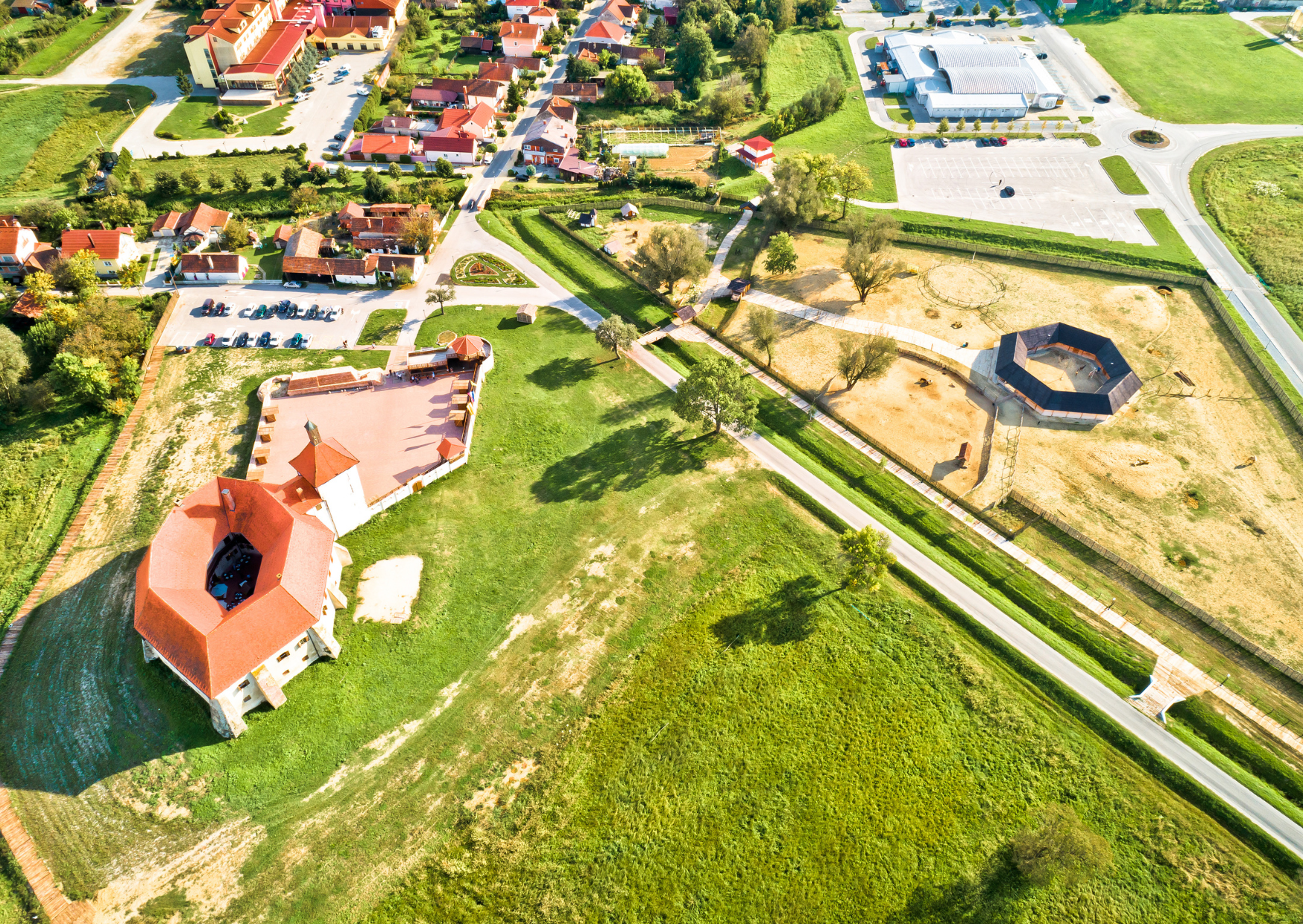
You can get a house for €0.13 and still have a rough first year if you misjudge basics. Here are the practicalities people ask about first, matched to current data.
Housing market snapshot. County-level listing analysis in 2025 puts asking prices across Koprivnica-Križevci at roughly €1,100 per m² on average, with the city of Koprivnica closer to ~€1,900 per m² given demand. That keeps the region below Croatia’s coastal hotspots and Zagreb, but higher than a fantasy of “€300 per m² country houses” often passed around on social media. Renovation budgets still matter.
Renting if you don’t win a tender. Expat-compiled 2025 ranges show small apartments in Koprivnica around €300–€500 per month, depending on location and condition. That is a realistic bridge while you renovate a tender house or shop for a private buy. Budget for deposits and utilities.
Internet quality. Fixed broadband in Croatia is solid mid-tier EU: operator reports for early 2025 show 80–110 Mbps typical download on the better ISPs, with fiber available in many towns and county seats. Expect workable remote-work speeds and decent 4G/5G fallback. You won’t be off the grid.
Airports and access. Legrad sits roughly 110–115 km by road from Zagreb (ZAG). By public transport, budget ~3 hours with transfers. For weekend travel, that’s fine; for weekly hops, plan the commute. You are close enough to an international hub to fly regularly.
Winter reality. This is continental Croatia: January highs near 3–5 °C, lows around −2 to −3 °C, with snow and gray days. If your vision of Croatia is Dubrovnik in June, recalibrate. Winters are cold; summers are warm.
Everyday costs. Groceries and utilities in the region run below Zagreb; heating can be a swing item if you buy a drafty house. Croatia’s 2025 law tweaks (e.g., local tax changes) don’t blow up a modest budget, but you should price in renovation contingencies and car ownership if you settle rurally. The cheap house is the start, not the finish, of budgeting.
How The Application Really Works: Tenders, Paperwork, Timelines
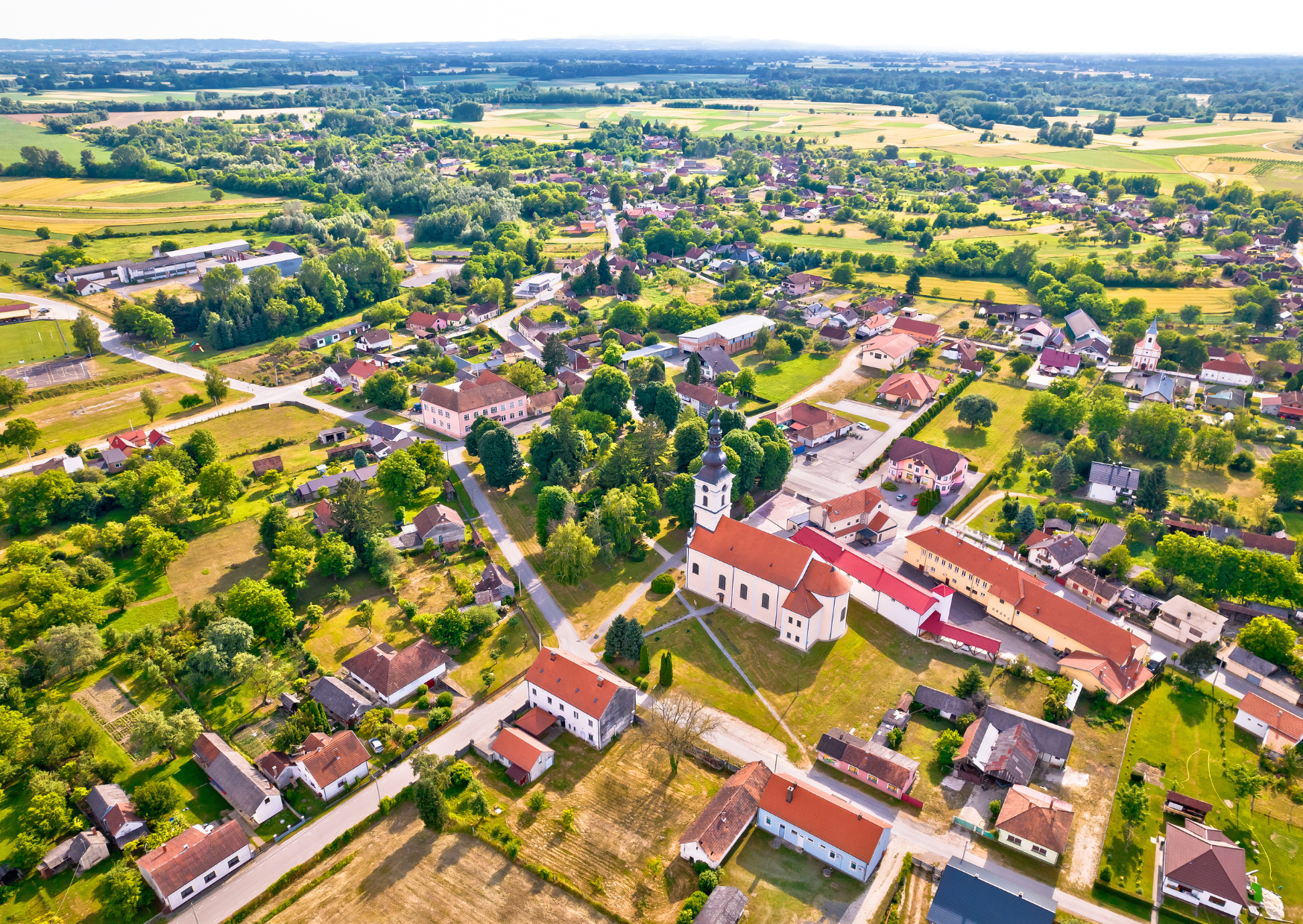
Legrad does not have a perpetual “apply any day” portal for foreigners. It opens rounds where the municipality lists specific houses/plots and grant terms, then invites applications under published criteria.
The rhythm. Rounds have reappeared periodically since 2018, including new press-flagged lots in January 2024 and updates through late 2024 as interest from Latin America and beyond rose. Each round publishes what is for sale, who qualifies, and how to submit. There is no global one-stop application link. You interact with the municipal office for that round. Watch for a tender notice, then move fast.
The eligibility pack. Expect to show:
- Age and civil status (married/partnered).
- No-property declaration and criminal-record extract.
- Proof of funds and a renovation plan for derelict houses.
- A commitment to reside for the required term (older rounds cited up to 15 years). This is a residency project, not a flip.
Visa and residence. Americans are third-country nationals in Croatia. Winning a tender does not give you the right to live in Croatia by itself. You must handle residence status through MUP (Ministry of the Interior) under a qualifying basis (work, family, digital nomad, long-term stay, or other routes), register your temporary residence, and comply with documentation and translation rules. The house helps your life; the law controls your stay.
What a “December 31” deadline means. Municipal rounds sometimes set calendar-year cutoffs for signing purchase contracts or renovation milestones, but there is no national “move by December 31 and we wire €10k” switch. If local officials announce a year-end delivery target for a specific tender, that is the date that matters. Deadlines are municipal, not mythic.
Success patterns. Media spotlights in late 2024 documented families from Chile and Mexico preparing contracts on Legrad houses, reinforcing that non-EU applicants can compete on these tenders if they meet criteria and follow through on residence and renovation. Files that close have one thing in common: paperwork is clean and expectations are realistic.
How This Compares To Italy And Spain Right Now

If your goal is maximum cash, Croatia is not the richest program in Europe. If your goal is a real house plus modest support, Legrad is competitive and credible.
Italy. Regions like Calabria and towns in Molise have offered €20,000–€28,000 over several years to newcomers who start businesses or meet strict settlement rules. Italy also runs €1 homes with hefty renovation obligations. Paperwork is bigger, incentives can be larger, and competition is fierce. Great on marketing; heavy on strings.
Spain. Small towns such as Ponga (Asturias) have offered €3,000 for moving plus €3,000 per child, and new regional initiatives tied to digital-nomad pipelines advertise €8,000–€10,000 in specific communities. The catch is targeted eligibility and staying put. The money is real; the map is narrow.
Croatia’s angle. Legrad’s unique lever is the €0.13 house plus renovation subsidies in a country where inland prices are still humane and EU infrastructure is solid. You may not see a headline “€10,000 wired,” but you can walk into property with help and ownership faster than in many Italian inland villages. Lower glitz, more delivery.
Pitfalls Most Buyers Miss
Tender timing is the real gate. No tender, no purchase, no grant. People build plans around blog posts, then discover the current round is closed. Set alerts and be ready to submit within the window. The calendar, not the rumor, controls your move.
Residency is separate from the house. A deed does not create the right to live in Croatia full-time. You still need legal basis for stay and the MUP process. Many Americans assume property equals residence because that works in other countries. It doesn’t here.
Renovation math. The grant is a boost, not a blanket. Derelict houses can need roof, windows, insulation, heat. Local trades are more affordable than on the coast, but you must stage works and accept winter delays. Line-item your build before you bid.
Transport reality. Without a car, you will live on regional trains and buses. It works, but airport days are a 3-hour choreography. Budget for a reliable used car or ride-share habits. Location trades views for transit.
Income planning. Inland opportunities are local. If your job is remote, test your VPN and upload speeds in a short rental month before buying. If you plan to work locally, study Croatia’s labor and revenue rules; 2025 thresholds for employing non-EU workers have minimum revenue tests for Croatian entities. Structure your income first, then your move.
Local Life Snapshot: What You’ll Notice In Month One

Paper first, hammers second. Municipal staff know their tenders. Be polite, concise, prepared. Bring translated documents and keep duplicates. Paperwork speed buys you credibility.
Neighbors are your best contractor directory. Ask on day two and you’ll hear who can rebuild a roof and who arrives on time. Inland towns run on reputation more than websites.
Internet setup moves fast. Major ISPs cover the county; fiber availability depends on the block. You can live on mobile data for a week while the modem ships. Work won’t die on arrival.
Winter is a project manager. Plan indoor works for January and exterior for shoulder seasons. If you’re from Arizona, buy real coats. Cold is part of the deal.
Zagreb weekends are easy. When you need a dense dose of cafés, galleries, flights, it’s a 1.5–2 hour drive or a train ride. You’ll learn the airport commute rhythm by month two.
Exactly How To Apply: A Week-By-Week Playbook
Week 1 — Reality check and alerts
- Confirm Legrad’s current tender status via municipal announcements and regional news. Save the latest criteria and dates.
- Pull your criminal-record extract and plan certified translations into Croatian.
- If partnered, gather proof of partnership or marriage acceptable to Croatian authorities. You are building an eligibility packet.
Week 2 — On the ground
- Book Koprivnica or Legrad lodging for 7–10 days. Walk the listed properties if a round is open.
- Visit the municipal office during open hours. Ask three things: exact documents, timeline, and renovation compliance milestones if you win. Get names.
Week 3 — File and finance
- Submit the tender application with all attachments.
- Open a Croatian bank account if your status allows; otherwise, prep IBAN options for deposits when your residence route is confirmed.
- Price insurance, utilities, and line up a contractor for a condition report the week you get keys. You are compressing the ramp.
Week 4 — Visa and residence path
- If you’re not EU, select your residence basis (remote worker, family reunification, employment, or other) and start the MUP process in parallel so you don’t win a house you cannot lawfully occupy. House + status = actual move.
When you win
- Sign within the municipal deadline; wire deposits; schedule notary.
- File your renovation permit if needed and lock a timeline for works to meet the grant’s completion checkpoints.
- Move into a cheap rental nearby while the house becomes livable. You will thank yourself in February.
What Happens If You Miss The Window
Tender closed? Two routes remain:
Private purchase + municipal co-financing. In prior cycles, Legrad supported private purchases with a percentage grant up to a cap. Ask whether that line is open this year. Staff will tell you quickly if funds remain.
Parallel programs in Italy/Spain. If your timeline is rigid and you need cash, not a house, look at Calabria or Ponga-style grants. You’ll trade larger incentives for tighter strings and a new set of bureaucracy. Pick your pain.
What This Means For You
If your dream headline is “€10,000 to move by December 31,” Croatia won’t hand you that certificate. If your real goal is owning a home in the EU with municipal help, manageable prices, workable internet, and a town that actually wants you if you commit, Legrad is the move. The €0.13 house gets you on the field. The grant gets you past the first renovation invoices. Your paperwork and timing do the rest.
The formula is simple: watch the tender, arrive prepared, budget for winter, and treat residency as a separate track. Do that, and the “€10,000” rumor turns into something better: a front door you can afford to open.

About the Author: Ruben, co-founder of Gamintraveler.com since 2014, is a seasoned traveler from Spain who has explored over 100 countries since 2009. Known for his extensive travel adventures across South America, Europe, the US, Australia, New Zealand, Asia, and Africa, Ruben combines his passion for adventurous yet sustainable living with his love for cycling, highlighted by his remarkable 5-month bicycle journey from Spain to Norway. He currently resides in Spain, where he continues sharing his travel experiences with his partner, Rachel, and their son, Han.