

Salmorejo is one of Spain’s best-kept culinary secrets—a creamy, chilled tomato soup that hails from Córdoba in the Andalusian region. Often overshadowed by its more famous cousin, gazpacho, salmorejo is thicker, richer, and incredibly satisfying. It’s made with ripe tomatoes, stale bread, garlic, olive oil, and salt—all blended into a velvety smooth consistency that captures the essence of Mediterranean simplicity.
Unlike gazpacho, which tends to be more vegetable-forward and zesty, salmorejo is smooth, indulgent, and served with traditional toppings like diced hard-boiled egg and Spanish jamón (cured ham). It’s a dish that celebrates local ingredients while delivering intense flavor with minimal effort. The balance of creamy texture and refreshing taste makes it a must-try for any fan of authentic Spanish cuisine.
In this recipe guide, you’ll learn how to make traditional Spanish salmorejo at home with simple ingredients and a blender. Whether you’re trying it for the first time or recreating it after a trip to Spain, this dish is a cooling, flavorful way to bring a taste of Andalusia into your kitchen.
The best Spanish food to try, Breakfast in Spain, and vegetarian food in Spain
BOOK YOUR TRAVEL INSURANCE
Two of our favorite travel insurance: Heymondo Vs Safetwing cheapest travel Insurance. You can get for $135 USD your Heymondo Travel Insurance with Heymondo discount code valid for 90 days. Read our full comparison of Genki vs Safetywing Travel Insurance Review and the comparison Heymondo vs Genki
Best Time to Eat & What to Pair It With
Salmorejo is best enjoyed on hot spring or summer days, served chilled as a refreshing first course, a light lunch, or even an elegant appetizer at a dinner party. It’s the perfect dish for al fresco meals, picnics, or whenever you’re craving something cool yet deeply flavorful.
Pair it with a crisp Spanish white wine like Albariño or Verdejo, or even a dry rosé. On the side, a slice of crusty country bread or a small tapa of olives adds a lovely contrast. For an authentic touch, top your bowl with jamón serrano and chopped hard-boiled egg, just like they do in Córdoba.
Light, creamy, and packed with flavor, salmorejo is more than just a soup—it’s a Spanish summer ritual in a bowl.
The debate between Salmorejo and Gazpacho is a never-ending one in Spain. While both are cold tomato soups, Andalusians argue passionately that Salmorejo is the superior version — thicker, creamier, and more satisfying. Traditionalists claim that Salmorejo’s simplicity is what makes it pure, while Gazpacho’s inclusion of cucumber and peppers “waters it down.” This culinary rivalry has sparked countless debates across Spanish kitchens and restaurants.
Another point of contention is how smooth Salmorejo should be. Purists insist that it must be blended until it reaches a perfectly silky texture — no tomato seeds, no chunks, no shortcuts. Others prefer a slightly rustic texture that feels homemade, arguing that too-smooth Salmorejo loses its charm. Even the choice of bread — whether it’s a crusty country loaf or soft white — can divide opinions.
Finally, the toppings themselves can cause arguments. In Córdoba, the birthplace of Salmorejo, jamón serrano and egg are non-negotiable. But modern chefs have begun experimenting, adding avocado, tuna, or roasted peppers. While these twists make for creative presentations, traditionalists see them as a betrayal of one of Spain’s simplest and most authentic dishes.
How to Make Salmorejo
Salmorejo Recipe Ingredients
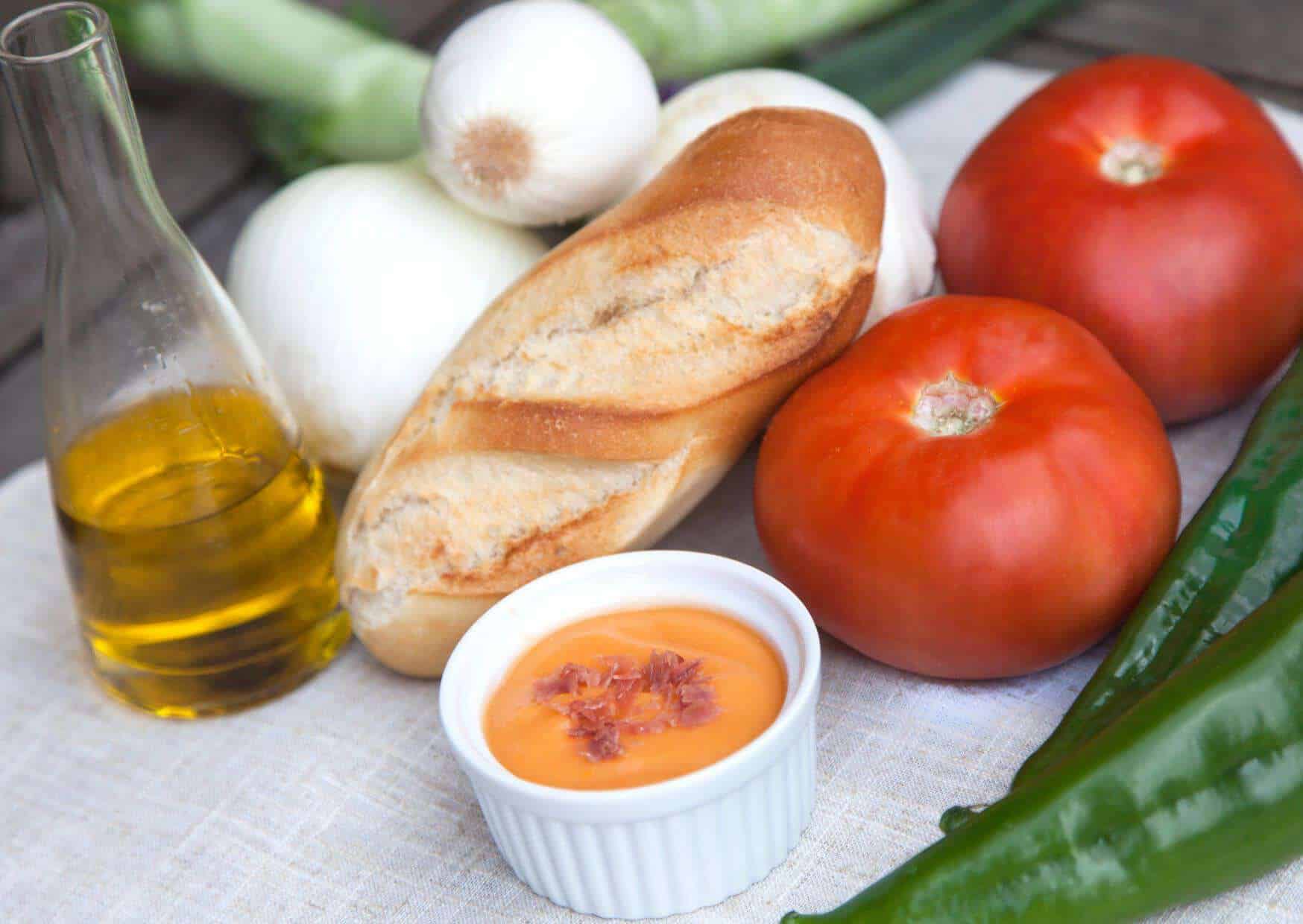
2 lbs ripe tomatoes, cored and chopped
1 clove garlic
1 cup stale bread, crust removed and torn into pieces
1/2 cup extra virgin olive oil
2 tablespoons sherry vinegar
Salt to taste
Hard-boiled eggs, chopped (for garnish)
Jamón serrano, chopped (for garnish)
Get the best deals for your home and kitchen needs
Step By Step How to Make Salmorejo
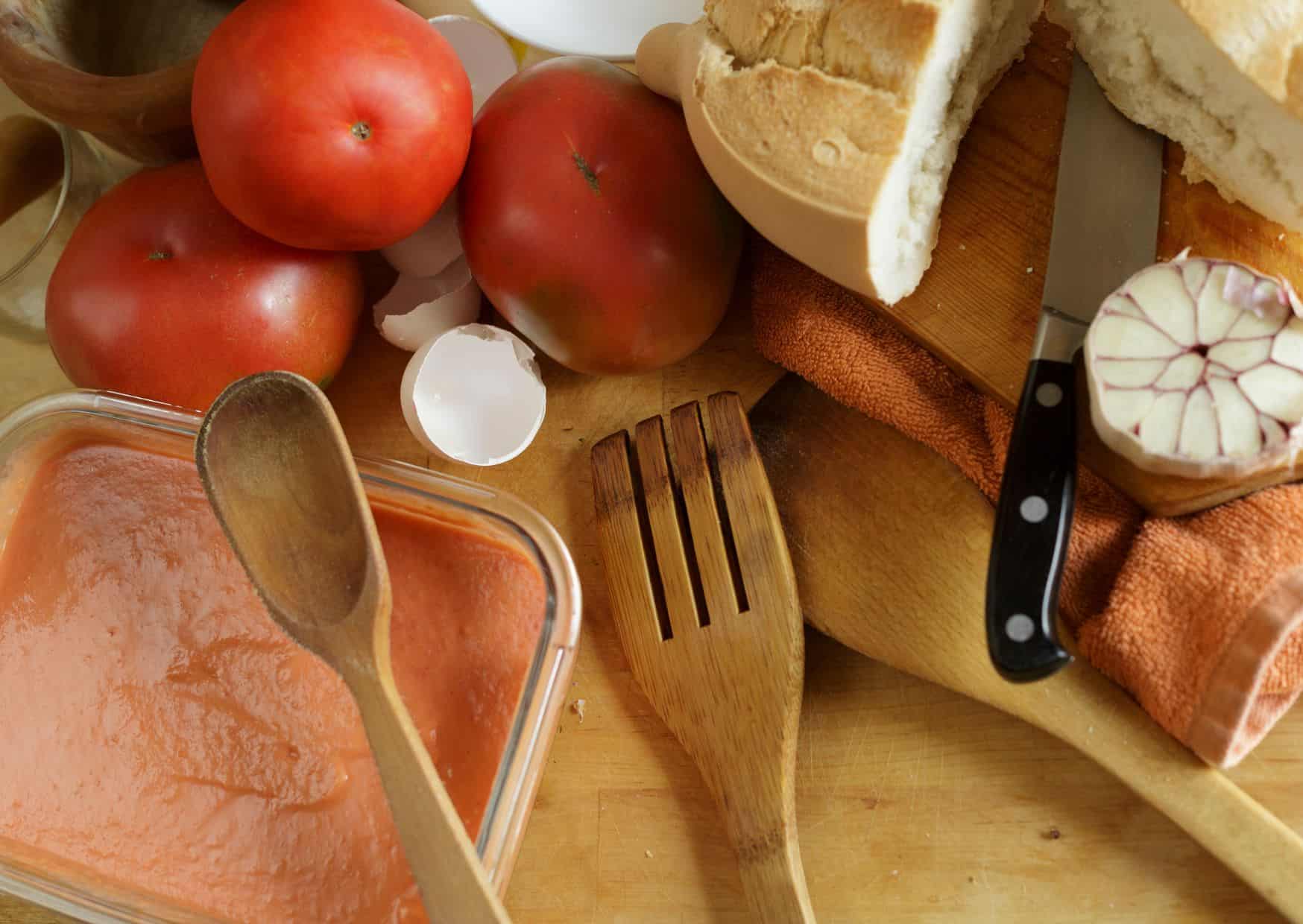
Prepare the Tomatoes
Wash and core the tomatoes. If desired, you can peel them by blanching in boiling water for 30 seconds and then transferring to ice water, but this step is optional. Chop the tomatoes into quarters.
Blend the Ingredients
In a blender, combine the chopped tomatoes, garlic, and torn bread pieces. Blend until smooth.
While the blender is running, slowly add the extra virgin olive oil to emulsify the mixture and achieve a creamy texture.
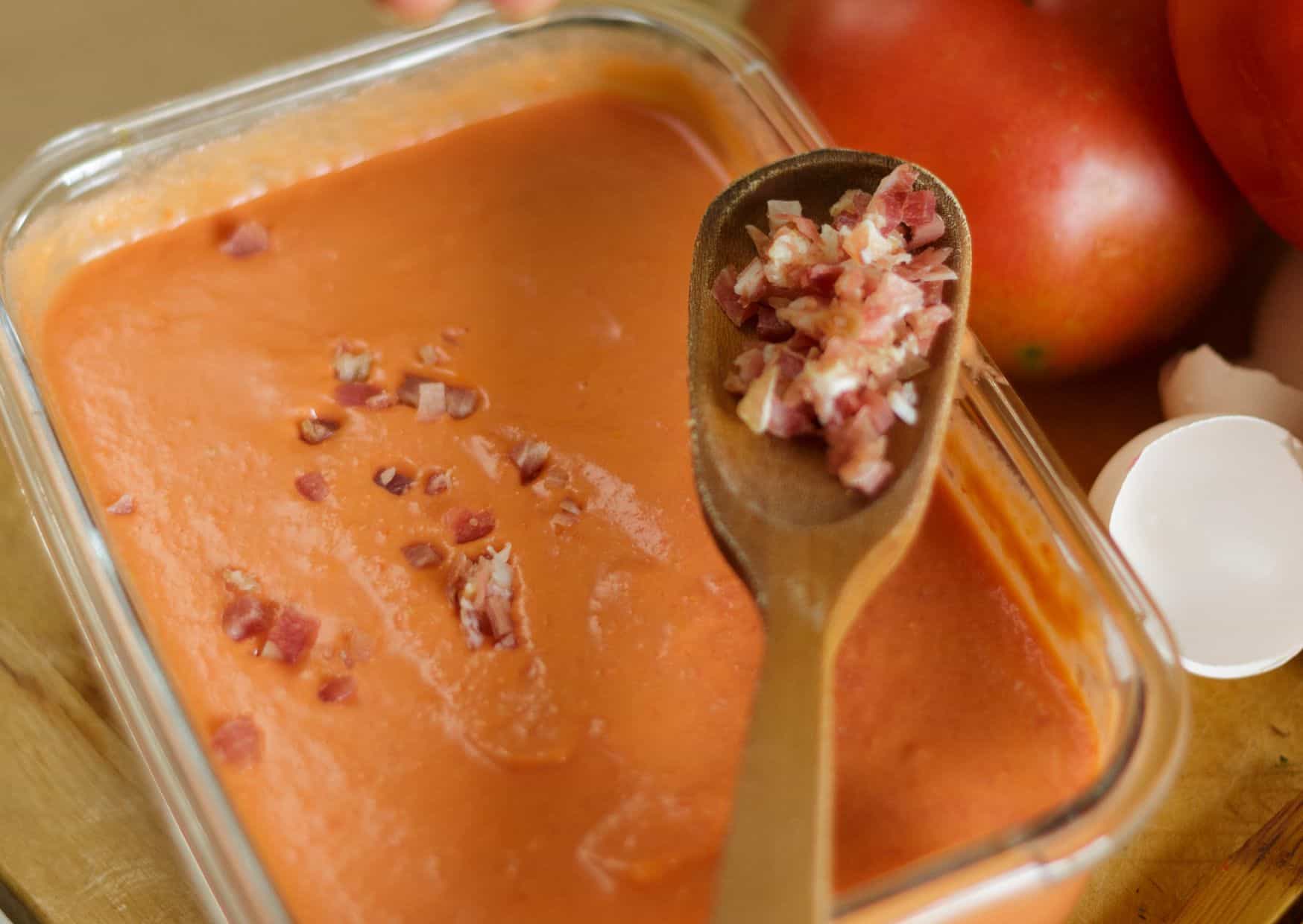
Season and Chill
Add the sherry vinegar and salt to taste. Blend again until fully incorporated. Pour the mixture through a fine-mesh strainer or sieve into a large bowl to remove any remaining seeds or skins. This step ensures a smooth texture.
Chill the soup in the refrigerator for at least 2 hours, or until very cold.
Garnish and Serve
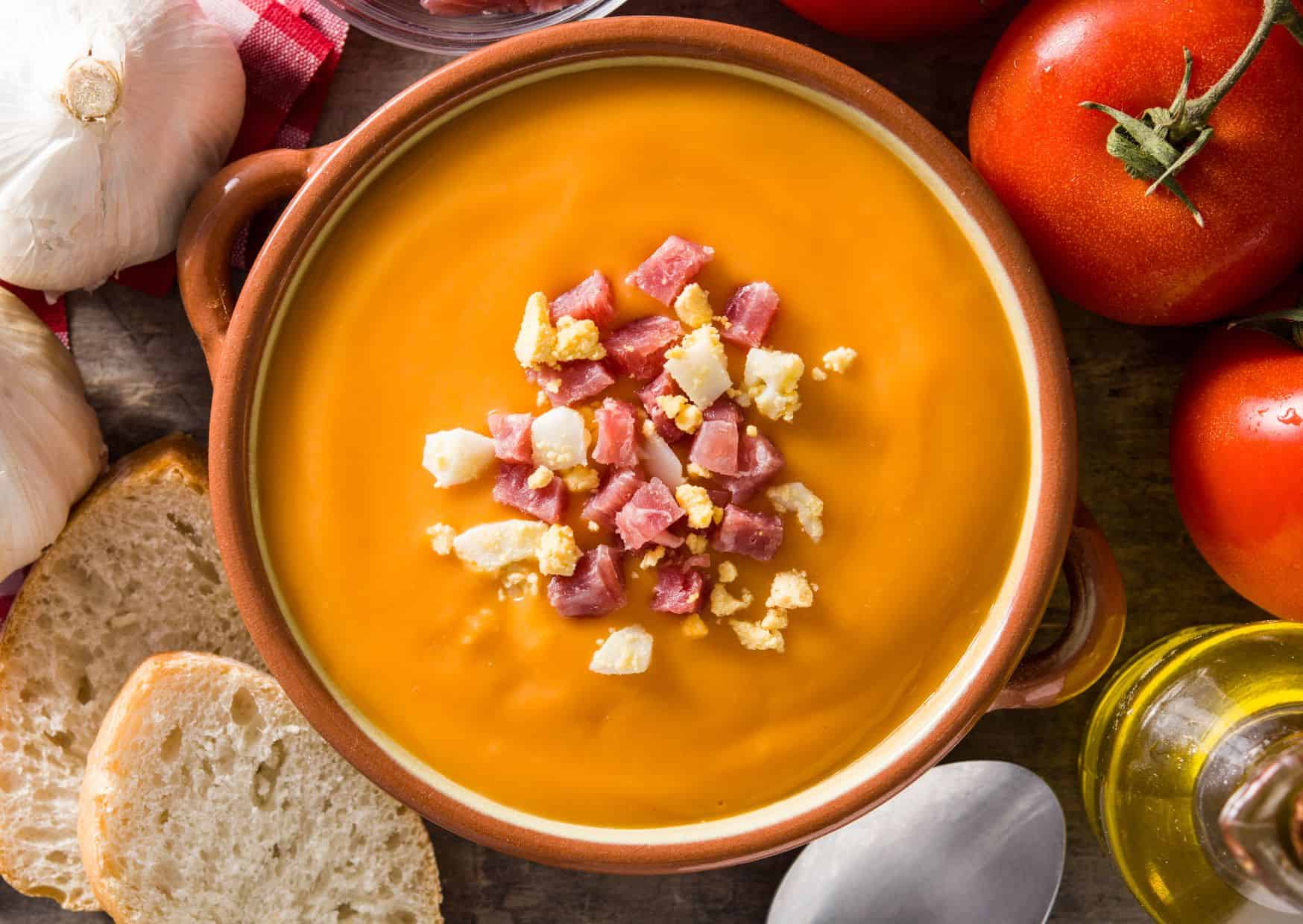
Before serving, chop the hard-boiled eggs and jamón serrano into small pieces. Serve the cold Salmorejo in bowls, garnished with chopped hard-boiled eggs and jamón serrano.
Tips For Making Salmorejo
Use the ripest, juiciest tomatoes you can find for the best flavor. Day-old or stale bread works best as it absorbs the liquid better, giving the soup a creamy texture.
Adding the olive oil slowly while blending helps to emulsify the mixture, resulting in a smoother and creamier soup. Straining the blended mixture removes any remaining tomato skins and seeds, ensuring a velvety consistency. Salmorejo is best served very cold. Make sure to chill it thoroughly before serving.
How Many Calories Have Salmorejo
Tomatoes (2 lbs): Approximately 150 calories
Garlic (1 clove): Approximately 5 calories
Bread (1 cup): Approximately 150 calories
Olive Oil (1/2 cup): Approximately 960 calories
Sherry Vinegar (2 tablespoons): Approximately 10 calories
Hard-Boiled Eggs (1 egg): Approximately 70 calories (35 calories per serving)
Jamón Serrano (1 oz): Approximately 55 calories (about 25 calories per serving)
Total Calories for the Batch: Approximately 1,400 calories
Calories per Serving: Approximately 350 calories
Serving Suggestions
Serve Salmorejo in small bowls, shallow dishes, or even clear glasses for an elegant presentation that showcases its rich orange hue. Before serving, chill it for at least two hours in the refrigerator to achieve the perfect temperature — cool but not icy. When ready, drizzle with extra virgin olive oil and top with finely chopped hard-boiled eggs and jamón serrano.
For a modern touch, garnish with microgreens or a pinch of smoked paprika to add color and aroma. Pair it with slices of rustic bread on the side, allowing guests to dip as they eat. This presentation not only honors the traditional Andalusian style but also creates a visually stunning dish that’s ideal for summer gatherings.
If serving Salmorejo as part of a tapas spread, offer it in small portions alongside other classics like albondigas (Spanish meatballs), croquetas, or patatas bravas. Its cool, creamy texture balances fried or spicy dishes perfectly, making it a refreshing highlight on any Spanish-inspired menu.
Final Thoughts
Salmorejo is more than just a summer dish — it’s a reflection of Spain’s deep connection to simple, seasonal ingredients. Born in the Andalusian heat, it showcases how a few humble items like tomatoes, bread, olive oil, and garlic can come together to create something extraordinary. Its creamy consistency and vibrant flavor capture the essence of Mediterranean living.
Unlike many complicated soups, Salmorejo celebrates minimalism. There’s no cooking, no long simmering, and no expensive ingredients — just balance, quality, and patience. The key lies in using the best possible tomatoes and olive oil, as each plays a starring role in creating its signature texture and taste.
In a world obsessed with over-complicated meals, Salmorejo stands as proof that culinary perfection often comes from simplicity. Whether you’re enjoying it on a sunny afternoon or serving it as part of a Spanish feast, this Andalusian classic brings warmth, flavor, and a touch of tradition to every table.

About the Author: Ruben, co-founder of Gamintraveler.com since 2014, is a seasoned traveler from Spain who has explored over 100 countries since 2009. Known for his extensive travel adventures across South America, Europe, the US, Australia, New Zealand, Asia, and Africa, Ruben combines his passion for adventurous yet sustainable living with his love for cycling, highlighted by his remarkable 5-month bicycle journey from Spain to Norway. He currently resides in Spain, where he continues sharing his travel experiences with his partner, Rachel, and their son, Han.