
Last updated on February 16th, 2026 at 04:05 am
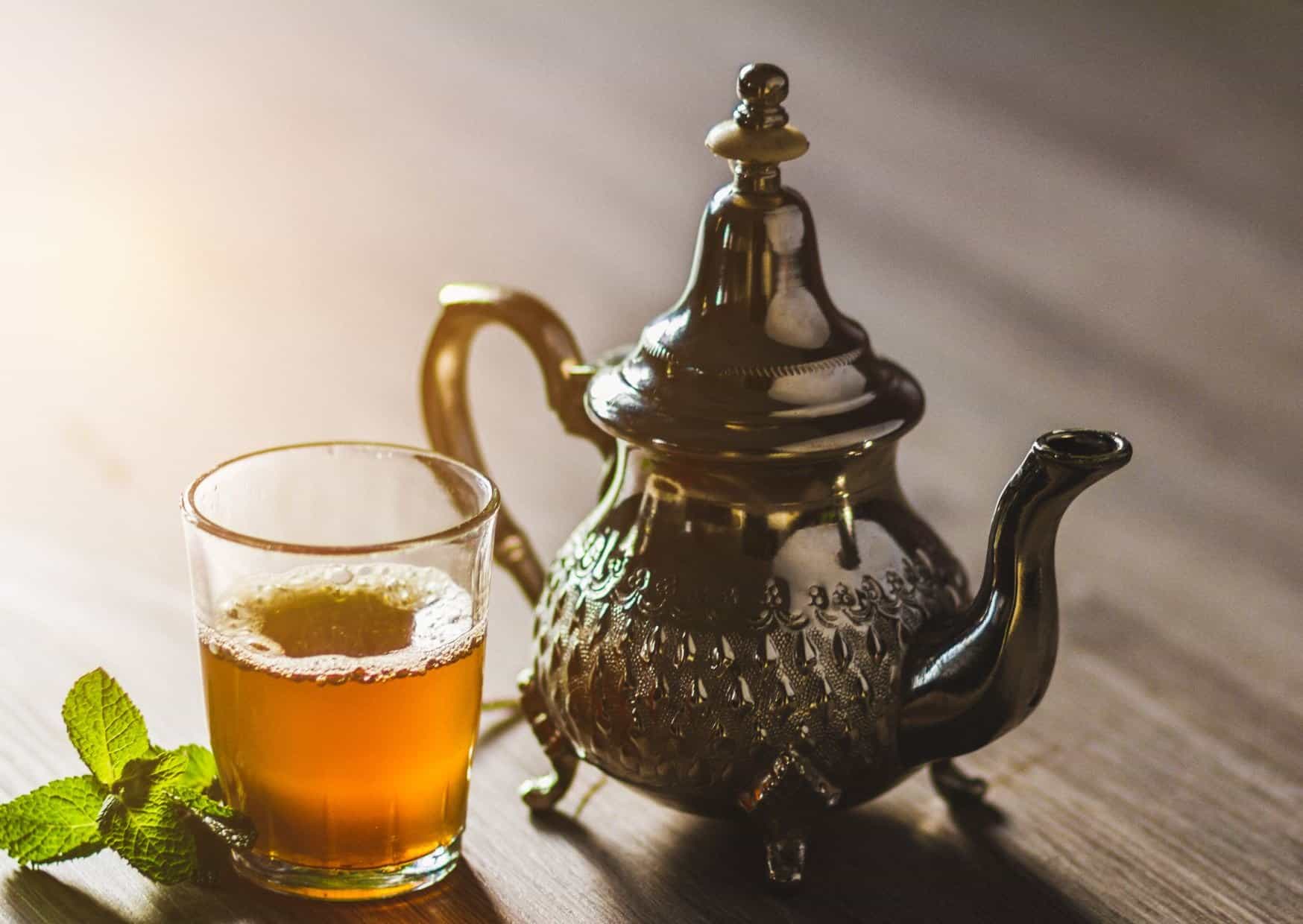
Moroccan mint tea also known as “atay” is far more than just a refreshing drink. It’s a cultural ritual, a symbol of hospitality, and a daily tradition in Morocco. Made from a base of green tea (typically Chinese gunpowder tea), fresh spearmint leaves, and generous amounts of sugar, this fragrant brew is served in ornate glasses and often poured from a height to create its signature frothy top.
In Moroccan homes, mint tea is offered to guests as a gesture of welcome and is often shared multiple times a day. The preparation itself is part art, part ceremony, and the result is a sweet, invigorating drink that is as soothing in winter as it is cooling in the heat of summer. Whether you’re recreating the flavors of a trip to Marrakech or simply craving something different from your usual cup, homemade Moroccan mint tea brings warmth, culture, and comfort into your kitchen.
In this recipe guide, you’ll learn how to brew authentic Moroccan mint tea the traditional way. With just a few ingredients and a bit of technique, you can enjoy a taste of North Africa any time you need a moment of calm or a reason to gather with friends.
Read here Moroccan food, best vegetarian food in Morocco, best Moroccan drinks best breakfast in Morocco
Read here 6 Days Morocco Itinerary, what to wear in Morocco and how to get from Marrakech airport to city center
BOOK YOUR TRAVEL INSURANCE
Two of our favorite travel insurance: Heymondo Vs Safetwing cheapest travel Insurance. You can get for $135 USD your Heymondo Travel Insurance with Heymondo discount code valid for 90 days. Read our full comparison of Genki vs Safetywing Travel Insurance Review and the comparison Heymondo vs Genki
Best Time to Drink and What to Pair It With
Best time to drink:
Moroccan mint tea is wonderfully versatile it can be enjoyed at any time of day, but it’s especially perfect after meals as a digestive or mid-afternoon for a refreshing energy lift.
Perfect pairings:
Sweet bites: Serve with Moroccan pastries like chebakia or ghriba, or even classic almond cookies.
Savory snack: Pair with stuffed flatbreads or bruschetta with goat cheese and honey for a sweet-savory balance.
Mood pairing: Ideal for cozying up with a book, hosting guests, or winding down with loved ones after dinner.
Moroccan mint tea is more than a recipe it’s a moment of connection, steeped in tradition and shared with a smile.
One of the biggest debates around Moroccan mint tea is how much sugar should be added. In Morocco, the traditional recipe calls for generous amounts often far more than most Western palates are used to. Locals argue that without enough sugar, the tea loses its signature balance. Health-conscious drinkers, however, often reduce the sweetness, sparking discussions over authenticity versus adaptation.
Another point of contention lies in the type of mint used. True Moroccan mint tea calls for spearmint, known locally as “nana.” However, outside of Morocco, many substitute it with peppermint or other varieties. While purists claim this changes the tea’s soul, others believe adapting to local ingredients is part of keeping traditions alive globally.
Finally, some argue that Moroccan mint tea has been over-romanticized by tourism, reduced to a photo opportunity rather than a genuine cultural exchange. In truth, its value lies not just in its taste but in what it represents: hospitality, friendship, and the rhythm of everyday life.
How to Make Moroccan Mint Tea
Moroccan Mint Tea Ingredients
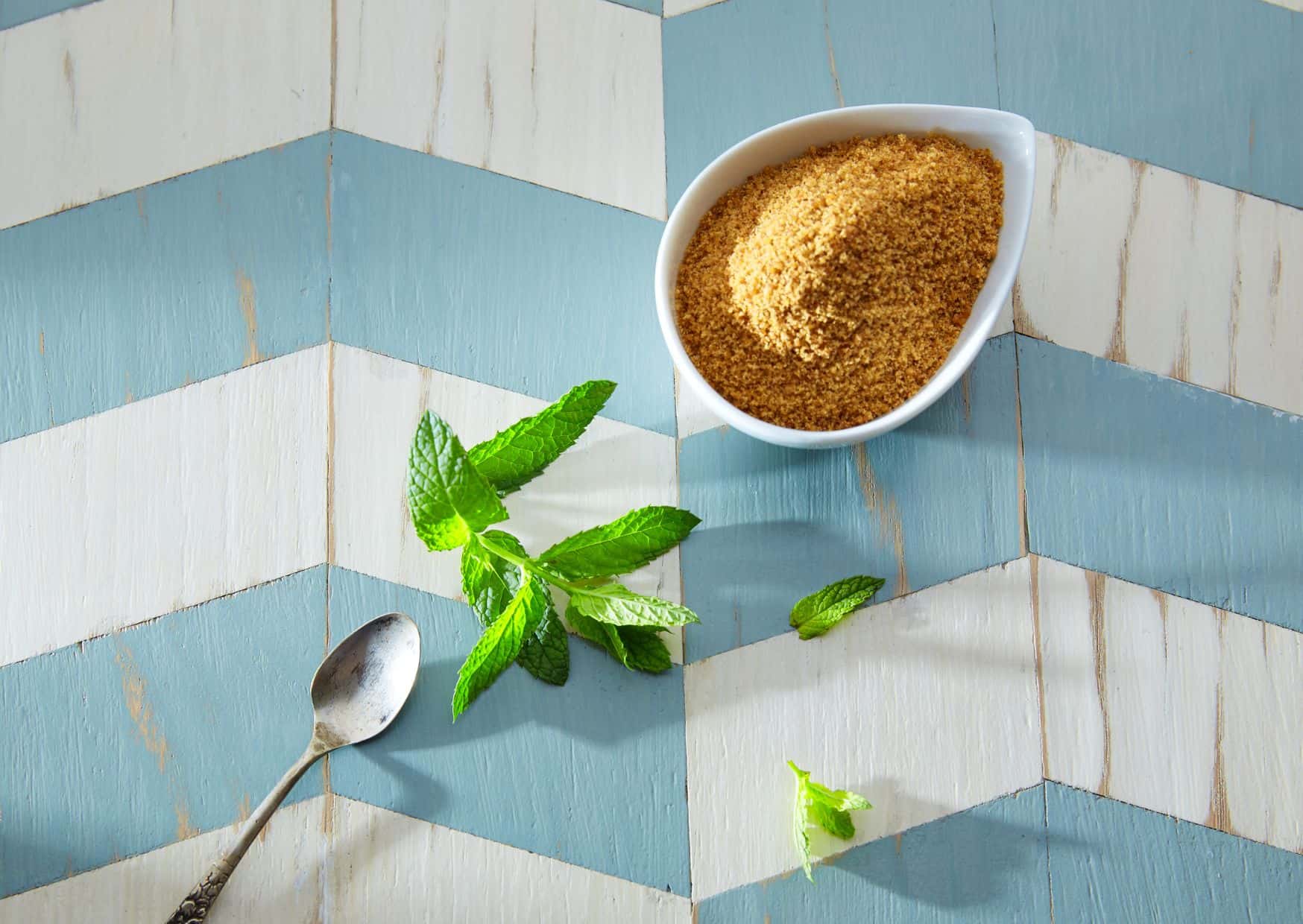
1 tablespoon Chinese gunpowder green tea (loose leaf)
1 large handful of fresh mint leaves (about 10-15 sprigs)
3-4 tablespoons sugar (adjust to taste)
1 liter (4 cups) boiling water
Equipment:
Teapot (preferably a Moroccan teapot)
Tea glasses or small cups
Tea strainer
Step By Step How to Make Moroccan Mint Tea
Prepare the Green Tea
Bring 1 liter of water to a boil. Rinse your teapot with a little bit of the boiling water to warm it up.
Add 1 tablespoon of gunpowder green tea to the teapot.
Pour about 1 cup of boiling water over the tea leaves. Swirl the teapot for a few seconds and then pour out this water. This step helps rinse the tea leaves, removing any bitterness.
Brew the Tea
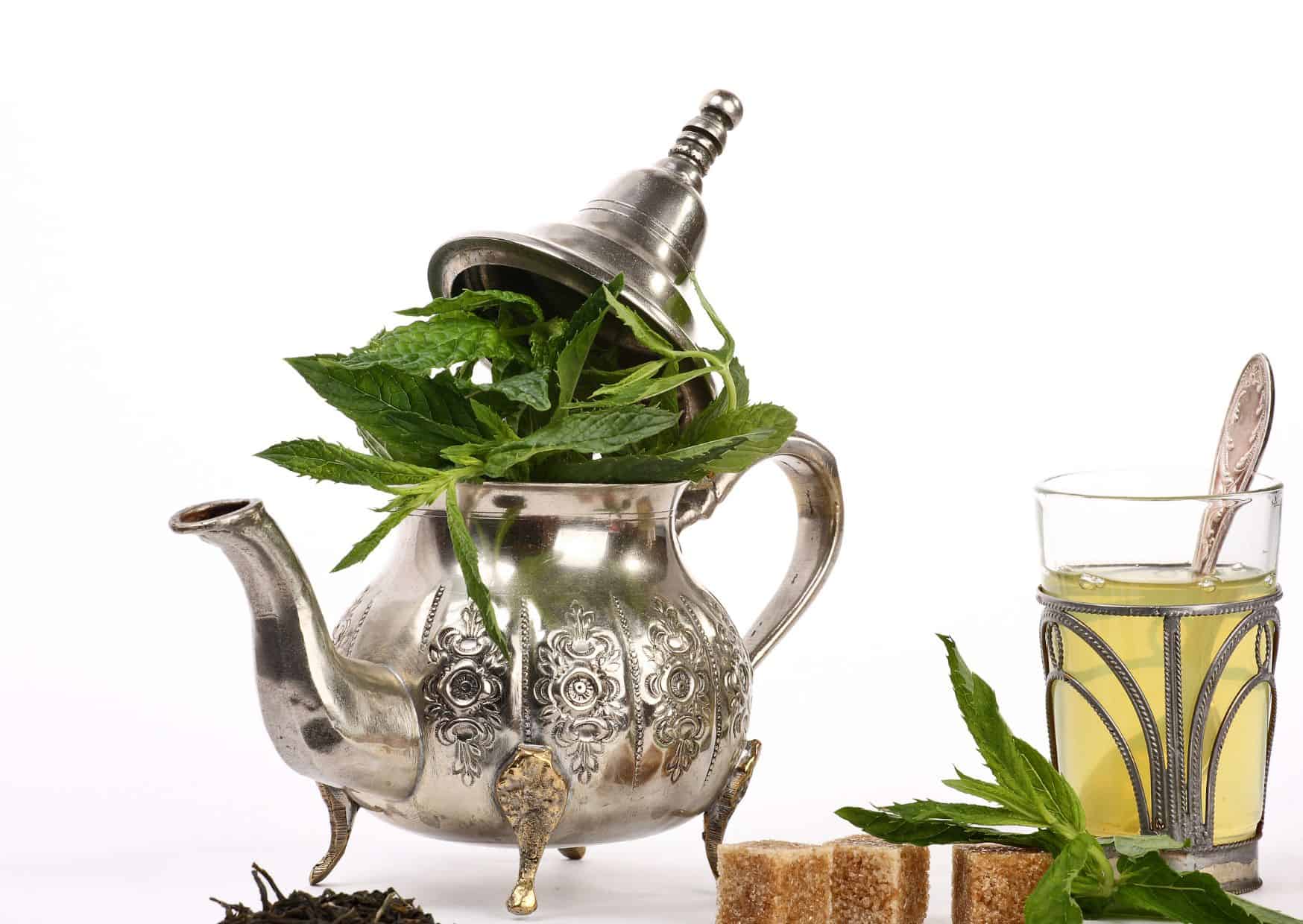
Add the rest of the boiling water to the teapot with the rinsed tea leaves. Let the tea steep for about 2-3 minutes.
Add the fresh mint leaves directly into the teapot.
Add 3-4 tablespoons of sugar, adjusting according to your preference. Stir or, for a traditional method, pour a glass of tea and then pour it back into the teapot. Repeat this several times to mix the tea, mint, and sugar well.
Serve the Tea
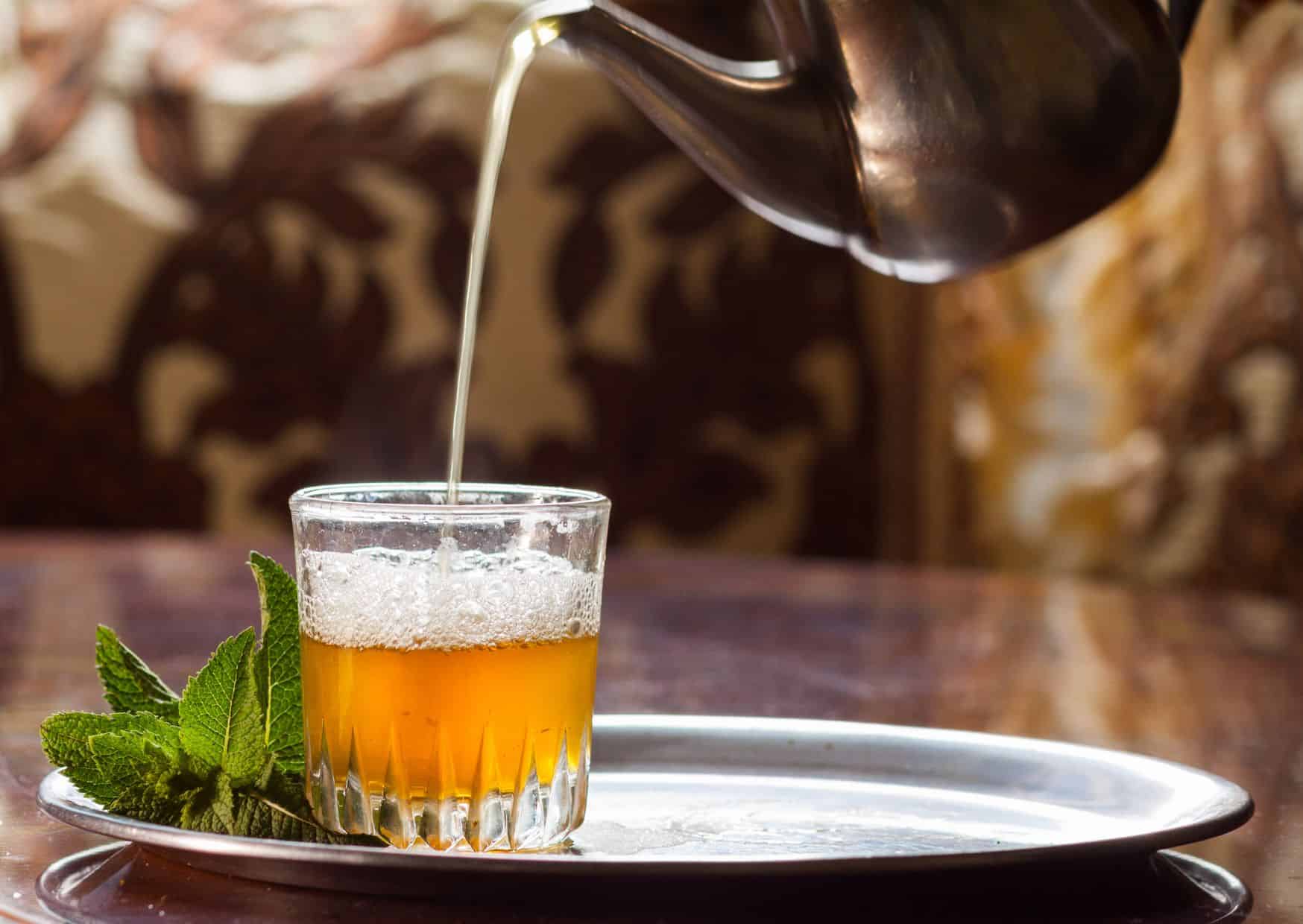
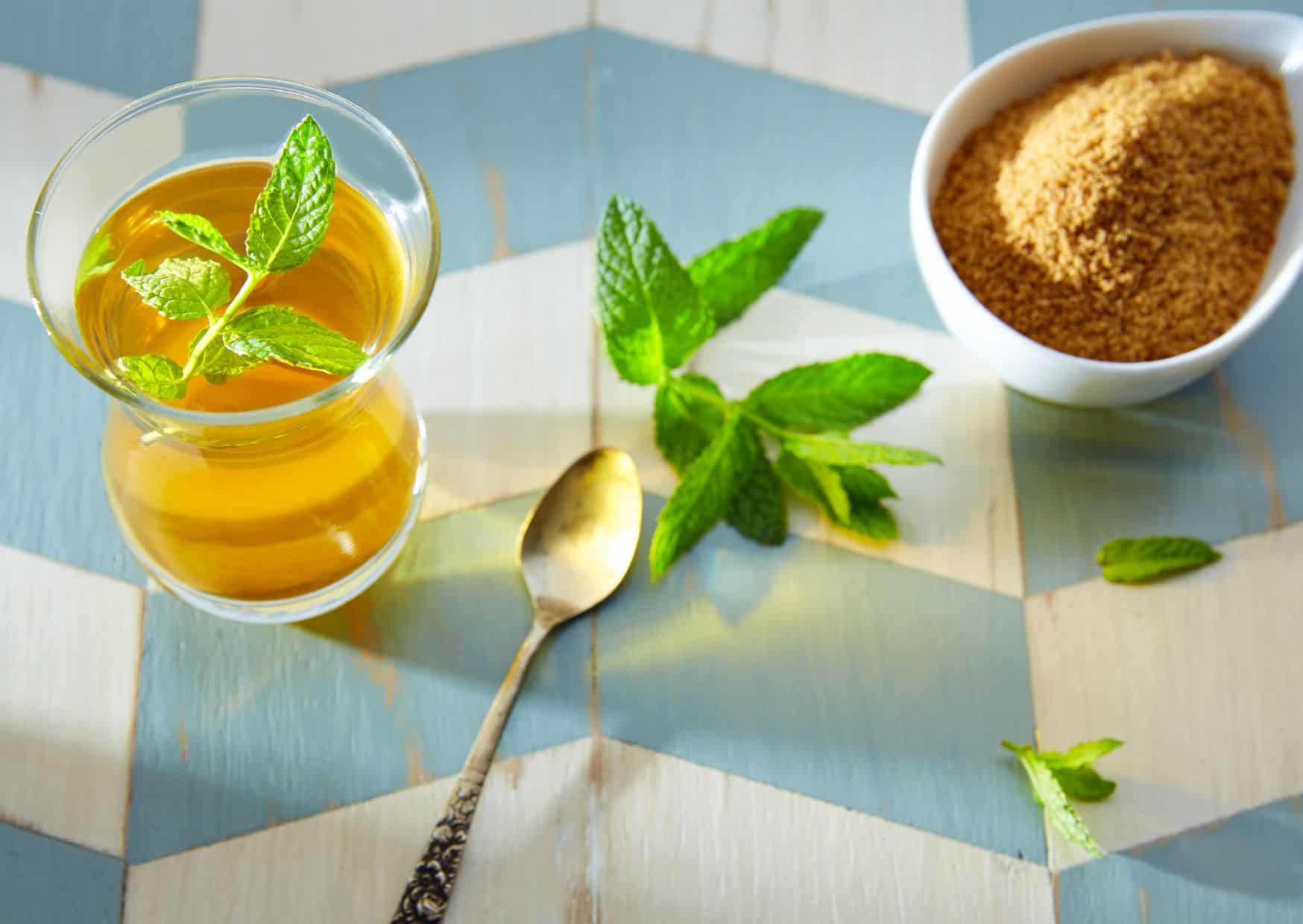
Traditionally, Moroccan mint tea is served by pouring it from a height into small glasses to create a frothy top.
Garnish with additional fresh mint leaves if desired. Serve hot, often with pastries or nuts on the side.
Tips To Make Moroccan Mint Tea
Fresh spearmint (Mentha spicata) is traditionally used, but you can experiment with other types of mint. Moroccan mint tea is typically quite sweet, but you can adjust the sugar to your liking.
The quality of the gunpowder green tea is important. Higher-quality tea will yield a smoother flavor.
How Many Calories Have Moroccan Mint Tea
The calorie content of Moroccan mint tea depends largely on the amount of sugar added. Here’s an approximate breakdown:
Green tea: 0 calories
Mint leaves: 0 calories (negligible)
Sugar (4 tablespoons): 192 calories
Total Calories per Serving (1 cup): Approximately 48-64 calories, depending on the amount of sugar used and the serving size.
Origin and History
Moroccan mint tea holds a central place in daily life across Morocco. More than a beverage, it represents hospitality, welcome, and social connection. Visitors are often greeted with a tray of tea before any conversation begins, reflecting cultural values centered on generosity.
Tea arrived through trade routes during the 18th and 19th centuries when imported green tea became available through coastal ports. Locals blended it with fresh mint grown in the region, creating a refreshing drink suited to warm climates. Sugar was added generously, turning the tea into both refreshment and energy source.
Over time, preparation developed into ritual. The distinctive high pour aerates the liquid and forms a light foam on the surface, considered a sign of proper technique. The act itself became as meaningful as the drink.
Today the tradition remains strong in homes and markets alike. Whether served in quiet households or busy shops, the preparation process communicates respect toward guests and continuity with past generations.
Debate often begins with sweetness. Some insist large amounts of sugar define authenticity, while others reduce it for modern tastes. The question becomes whether tradition should remain unchanged or adapt to health awareness.
Another discussion concerns tea strength. Certain brewers favor a bold infusion, while others dilute it slightly for easier drinking throughout the day. Both methods exist regionally, creating differing expectations of what is correct.
Fresh mint quantity also sparks disagreement. A heavy mint flavor is prized by some, but others prefer a subtler aroma so the tea itself remains noticeable. The balance depends on local habit rather than strict rules.
Finally, the pouring height divides opinion. Some view it purely decorative, while others say it affects flavor through aeration and cooling. The technique carries symbolic importance regardless of measurable impact.
How Long You Take To Prepare
Preparing the tea requires only a few minutes of active work. Rinsing the leaves removes bitterness and prepares them for brewing.
Steeping takes about three to five minutes, allowing the leaves to release flavor without becoming harsh. During this time mint and sugar are added.
Pouring back and forth between glasses mixes ingredients evenly. This step lasts another minute and creates the characteristic foam.
Overall, the entire process takes less than ten minutes, yet it feels deliberate because each step follows a specific order.
Serving Suggestions
Authentic Moroccan mint tea should be served in small, clear glasses, never in mugs or cups. The transparency lets you admire the golden-green hue and the floating mint leaves. It’s customary to pour the tea from a height at least 12 inches to create a light foam on top, a mark of good technique.
Always serve the tea piping hot and freshly brewed. If hosting guests, refill their glasses often; in Moroccan culture, an empty glass is a sign that a host has stopped caring for their guests. Keep a small teapot of hot water nearby to dilute the tea if it becomes too strong.
For presentation, serve the tea on a decorative metal tray with a few side snacks such as dates, nuts, or pastries. Add a sprig of mint to each glass for aroma and freshness. The ritual and visual beauty are as important as the flavor itself.
Final Thoughts
Moroccan mint tea is more than a drink it’s a story told through aroma, warmth, and tradition. Every glass captures the spirit of Morocco’s hospitality, where a simple gesture of pouring tea opens the door to connection. Learning to make it at home isn’t just about following steps; it’s about embracing a mindset of care and slowness.
The first time you prepare Moroccan mint tea, it may not be perfect but that’s part of the charm. Like any art form, it takes practice to master. The key lies in patience, attention, and genuine appreciation for the ritual.
So next time you need a break from life’s rush, brew yourself a pot of Moroccan mint tea. Pour it high, sip it slow, and remember that in Morocco, every cup is an invitation to pause, share, and simply enjoy being present.

About the Author: Ruben, co-founder of Gamintraveler.com since 2014, is a seasoned traveler from Spain who has explored over 100 countries since 2009. Known for his extensive travel adventures across South America, Europe, the US, Australia, New Zealand, Asia, and Africa, Ruben combines his passion for adventurous yet sustainable living with his love for cycling, highlighted by his remarkable 5-month bicycle journey from Spain to Norway. He currently resides in Spain, where he continues sharing his travel experiences with his partner, Rachel, and their son, Han.