
Last updated on February 16th, 2026 at 04:10 am
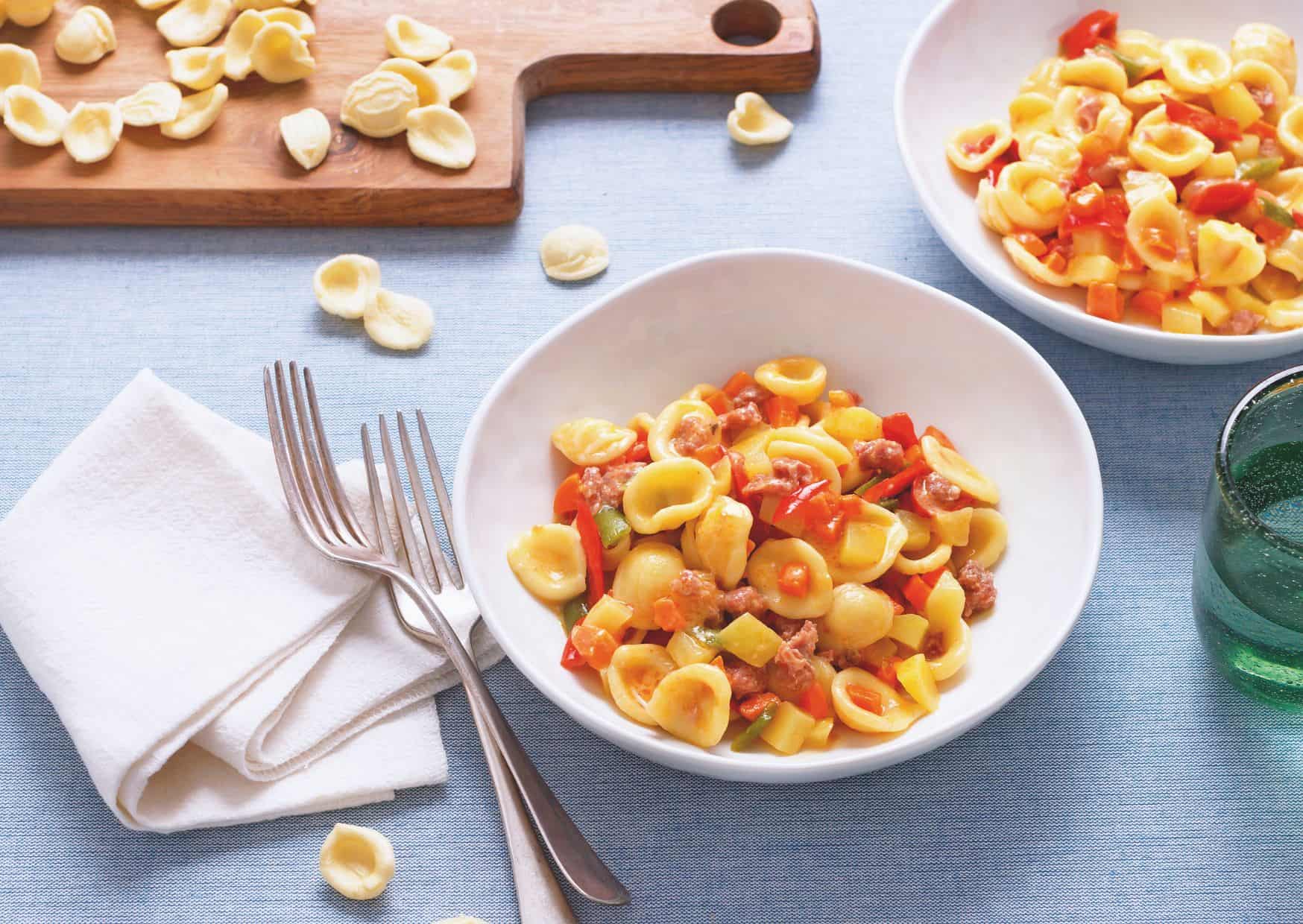
Italy is known for its regional pasta specialties, and one of the most beloved and visually charming is orecchiette, which translates to “little ears” in Italian. Originating from the Puglia region in southern Italy, these small, concave pasta pieces are perfect for capturing chunky sauces and hearty vegetables. Making orecchiette by hand is a cherished tradition in many Italian households, often passed down through generations.
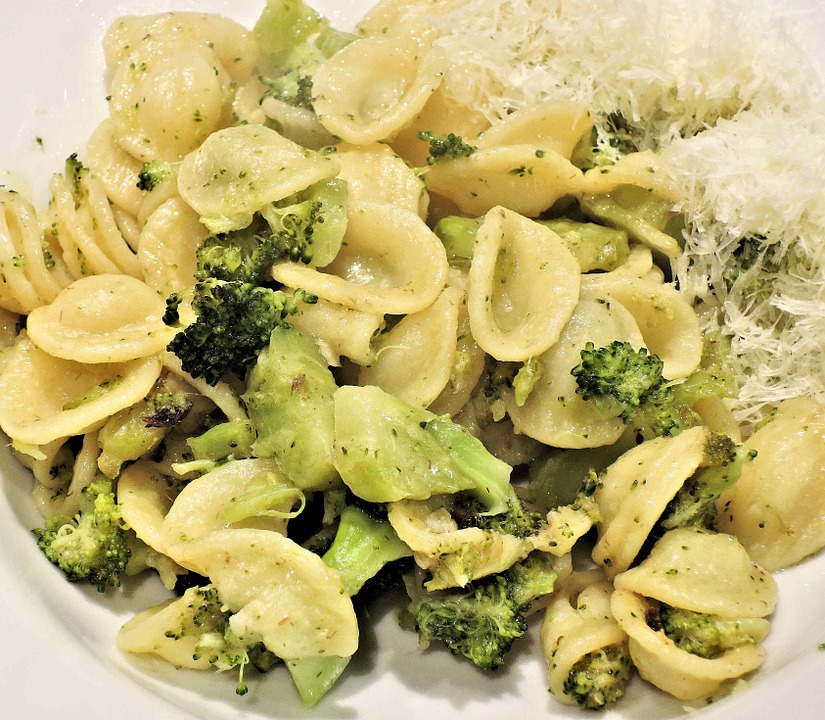
What sets orecchiette apart isn’t just its shape but its texture. Made from just semolina flour and water, this pasta has a slightly firm, chewy bite that pairs beautifully with robust sauces like broccoli rabe and sausage or slow-cooked tomato ragù. While it might seem like a specialty item, making it at home is surprisingly simple and incredibly satisfying no pasta machine required.
In this recipe guide, we’ll walk you through how to make authentic homemade orecchiette, the traditional way. Whether you’re exploring Italian cuisine for the first time or looking to recreate a favorite travel memory, this dish offers a taste of southern Italy straight from your kitchen.
Read here best Italian food, vegetarian food in Italy, best drinks in Italy and best breakfast in Italy
Read Here Things to know before visiting Italy and how to buy a sim card in Italy
BOOK YOUR TRAVEL INSURANCE
Two of our favorite travel insurance: Heymondo Vs Safetwing cheapest travel Insurance. You can get for $135 USD your Heymondo Travel Insurance with Heymondo discount code valid for 90 days. Read our full comparison of Genki vs Safetywing Travel Insurance Review and the comparison Heymondo vs Genki
Best Time to Eat and What to Pair It With
Best time to eat:
Orecchiette is a fantastic dish for lunch or dinner, especially during cozy weekends or when hosting an Italian-themed evening. It’s hearty enough for colder months but light enough to enjoy year-round, depending on the sauce you pair it with.
Perfect pairings:
Drink: Serve with a crisp Italian white like Verdicchio or a light red like Primitivo from Puglia.
Starter: Begin with a simple antipasto platter prosciutto, marinated artichokes, olives, and pecorino.
Dessert: Finish with something classic and indulgent like panna cotta or tiramisu for a well-rounded Italian meal.
Homemade orecchiette isn’t just a recipe it’s an experience that brings the spirit of southern Italy to your plate.
The biggest debate surrounding orecchiette lies in how it should be made by hand or by machine. Purists in Puglia insist that handmade orecchiette has a unique texture that machines can’t replicate, while others argue that modern pasta presses save time without sacrificing quality. To many Italians, though, the process of shaping by hand is part of its soul.
Another controversy revolves around whether to use eggs in the dough. Traditional Puglian orecchiette never includes eggs it’s made only with semolina flour and water. However, some modern chefs add eggs to create a softer texture and a richer flavor. Traditionalists say this changes the authenticity of the dish, while others see it as innovation.
Finally, there’s debate over what sauce truly defines orecchiette. While “cime di rapa” remains the iconic choice in Puglia, other regions of Italy have adapted it with different sauces like tomato, pesto, or seafood. This evolution raises the age-old question: should traditional dishes evolve, or remain untouched?
How to Make Orecchiette
Orecchiette Recipe Ingredients
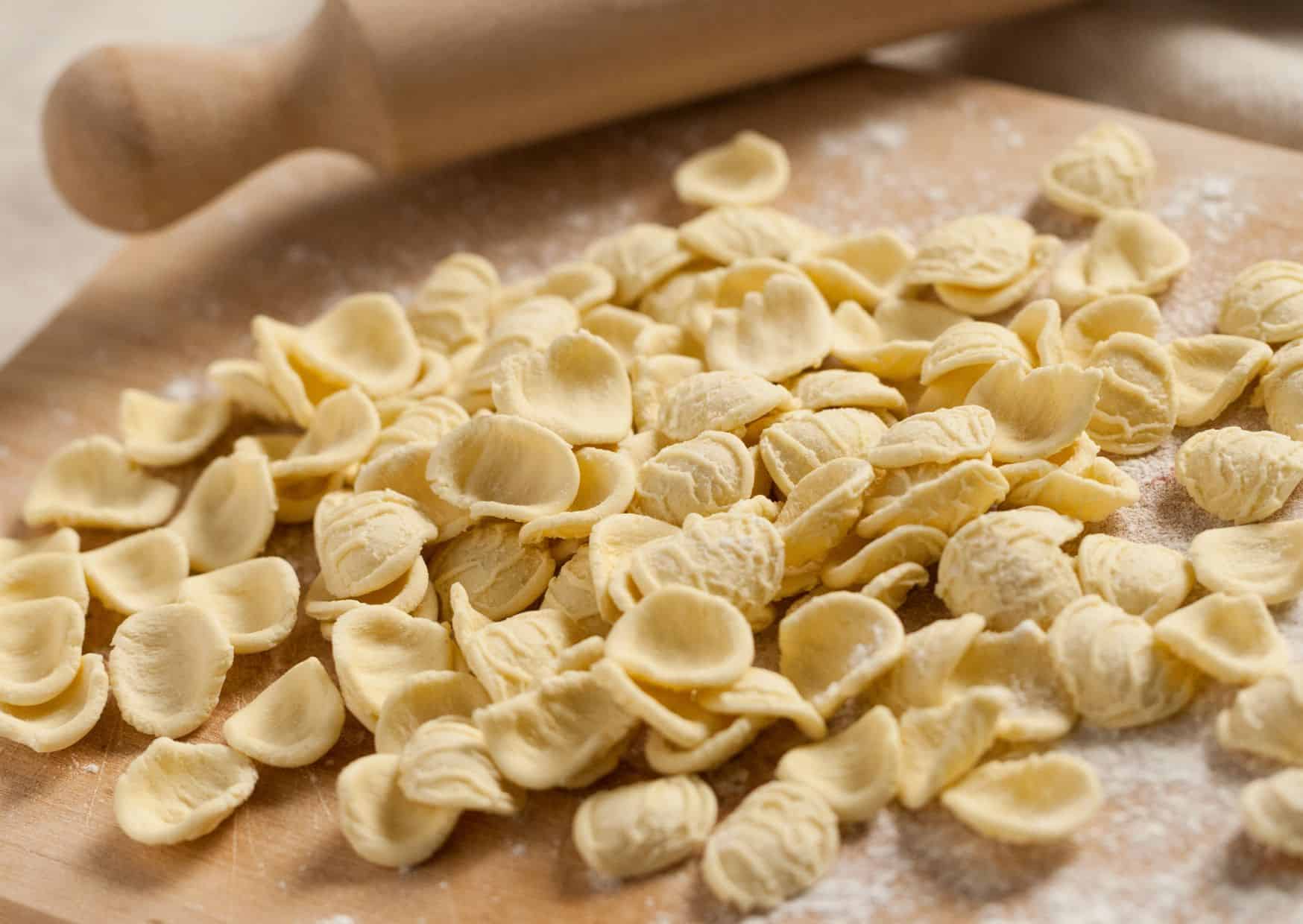
2 cups of semolina flour
1 cup of water (adjust as necessary)
A pinch of salt
Get the best deals for your home and kitchen needs
Step By Step How to Make Orecchiette
Make the Dough
In a large mixing bowl, combine the semolina flour and salt. Gradually add water and mix to form a stiff dough. Begin with a spoon and then use your hands to ensure all the flour is incorporated.
Knead the dough on a clean surface for about 8-10 minutes until it is smooth and elastic. If the dough is too stiff, add a little more water; if too sticky, add a bit more flour.
Rest the Dough
Wrap the dough in plastic wrap and let it rest at room temperature for at least 30 minutes. This resting period helps the gluten relax and makes the dough easier to shape.
Shape the Orecchiette
Cut a small piece of dough and roll it into a thin snake, about 1/4 inch thick. Cut the snake into 1/4 inch pieces.
Using the tip of a knife or a small spatula, press each piece gently against your work surface, then drag it towards you, causing the dough to curl slightly and form a concave shape.
Optionally, you can then flip each piece over your thumb or a wooden dowel to accentuate the “ear” shape, which is the characteristic form of orecchiette.
Let the Orecchiette Dry
Arrange the shaped orecchiette on a baking sheet lined with parchment paper, ensuring they do not touch each other.
Allow them to dry at room temperature for several hours, or until the surface feels dry. This helps them maintain their shape when cooked.
Cook the Orecchiette
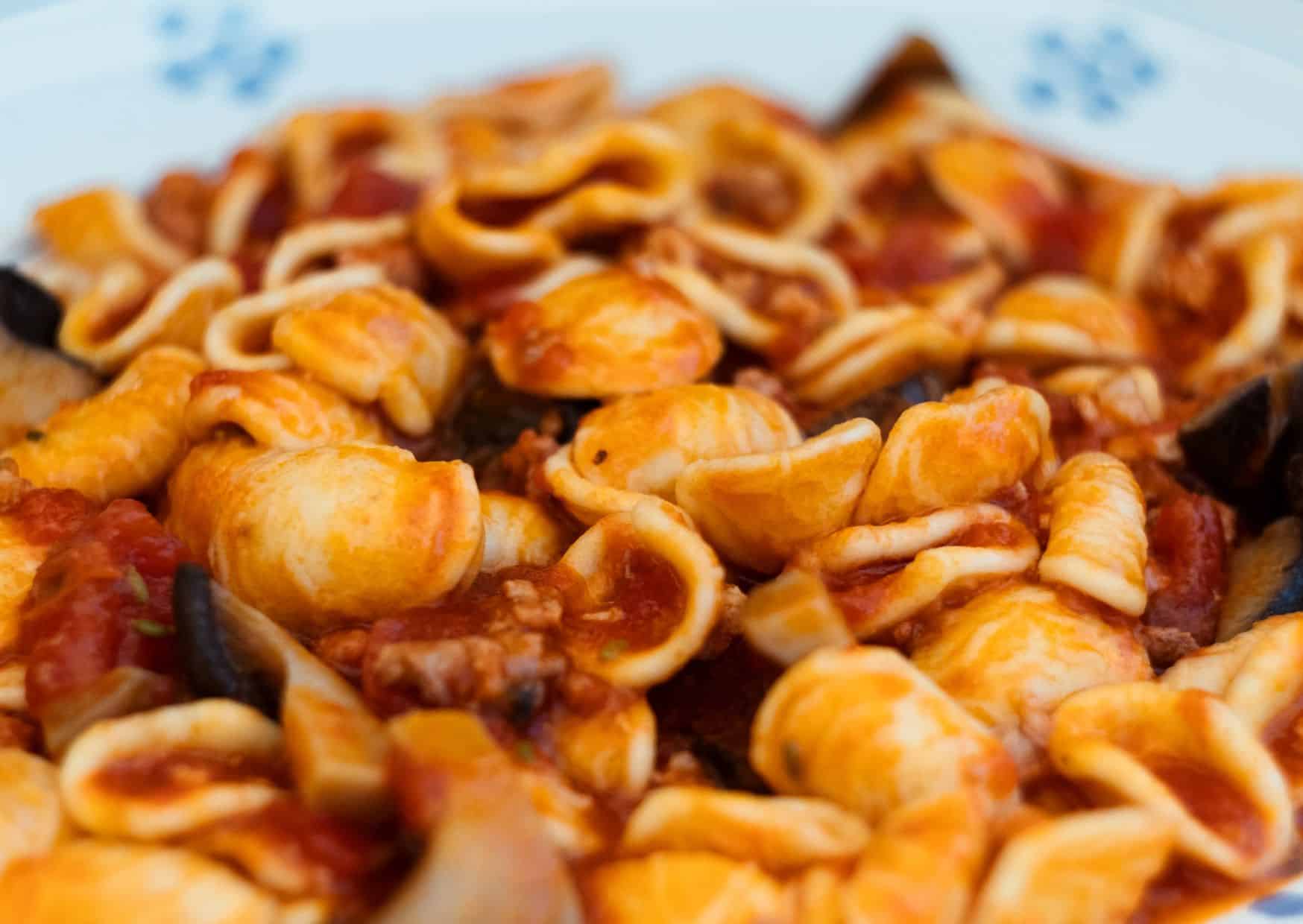
Bring a large pot of salted water to a boil. Add the orecchiette and cook for about 5-7 minutes, or until al dente.
Drain the pasta, reserving some pasta water to help emulsify the sauce you choose to use.
Tips To Make Orecchiette
The key to good orecchiette is the dough consistency, which should be neither too wet nor too dry. Take your time shaping the orecchiette to ensure they form the classic concave shape that holds onto sauces.
Drying the pasta slightly before cooking helps prevent sticking and results in a better texture after cooking.
How Many Calories Have Orecchiette
A typical serving of orecchiette (about 2 ounces or 57 grams of dry pasta) has approximately 200 calories. This count can vary based on the size and thickness of the pasta.
Origin and History
Orecchiette comes from the southern Italian region of Apulia, especially the historic city of Bari. Its name means “little ears,” describing the small concave shape designed to hold sauce in every bite. The pasta developed as a practical household staple because it required only flour, water, and simple tools.
Historically, families made it daily using durum wheat grown locally. The dough needed no eggs, making it ideal in warmer climates where preservation mattered. Women often shaped it outdoors, turning pasta making into both routine work and social activity.
The shape itself served a functional purpose. The thin center and thicker rim allowed even cooking and better sauce adhesion. This thoughtful design reflected generations of refinement rather than decorative intention.
Over time, orecchiette became a regional symbol. Travelers visiting southern Italy associated its handmade texture with authenticity, and the pasta gained recognition far beyond its place of origin while keeping traditional techniques intact.
Debate often begins with flour choice. Some insist only coarse semolina produces proper texture, while others accept finer flour for easier shaping. The difference changes firmness and chew, leading to strong opinions about authenticity.
Another discussion centers on size uniformity. Modern kitchens sometimes aim for identical shapes, but traditional versions vary slightly. Supporters say variation proves handmade quality, while critics see inconsistency.
Sauce pairing creates further disagreement. Certain cooks believe it belongs exclusively with vegetable-based sauces, whereas others use meat ragù. The question becomes whether tradition restricts creativity or simply guides balance.
Finally, tools divide cooks. Some shape pasta with knives, others with fingers alone. Purists claim the hand technique forms the correct texture, while practical cooks prioritize efficiency.
How Long You Take To Prepare
Mixing dough takes about ten minutes. The ingredients combine quickly, forming a firm but workable texture that improves after resting.
Resting requires fifteen to twenty minutes, allowing gluten to relax and shaping to become easier. Skipping this step makes forming the cups more difficult.
Shaping is the longest part. Beginners may spend forty minutes forming a batch, but speed increases with practice as movements become repetitive and rhythmic.
Cooking itself is brief. Fresh pasta boils in four to five minutes, meaning most effort occurs before the pot is even heated.
Serving Suggestions
Serve orecchiette in shallow bowls to highlight its shape and texture. Always toss it directly in the pan with your chosen sauce for a minute before plating this allows the pasta to absorb the flavors rather than just being coated. A light drizzle of olive oil adds shine and enhances the aroma.
Top your orecchiette with freshly grated cheese such as Pecorino Romano or Parmesan, depending on your sauce. Add a sprinkle of red chili flakes or toasted breadcrumbs for an extra layer of crunch and flavor. Italians often prefer the simplicity of texture and taste over heavy toppings.
For presentation, garnish with a sprig of fresh herbs basil for tomato-based sauces or parsley for meat dishes. Serve it warm with a glass of Italian white wine, such as Verdeca or Fiano, to elevate your dining experience.
Final Thoughts
Homemade orecchiette is more than a recipe it’s a tribute to Italy’s culinary roots. In a world that’s constantly rushing, making pasta by hand invites you to slow down, connect with your food, and honor generations of Italian cooks who shaped each piece with care.
This small, unassuming pasta proves that simplicity can be extraordinary. With just flour, water, and patience, you can create a dish that feels luxurious without being complicated. It’s the kind of meal that brings comfort, tradition, and artistry to your table.
So next time you crave authentic Italian flavor, skip the store-bought pasta and make orecchiette from scratch. Each “little ear” carries the taste of southern Italy earthy, genuine, and full of heart.

About the Author: Ruben, co-founder of Gamintraveler.com since 2014, is a seasoned traveler from Spain who has explored over 100 countries since 2009. Known for his extensive travel adventures across South America, Europe, the US, Australia, New Zealand, Asia, and Africa, Ruben combines his passion for adventurous yet sustainable living with his love for cycling, highlighted by his remarkable 5-month bicycle journey from Spain to Norway. He currently resides in Spain, where he continues sharing his travel experiences with his partner, Rachel, and their son, Han.