
The pan goes on first, not the coffee. Two tins of Portuguese sardines hit warm olive oil, lemon wakes up the room, and toasted country bread plays lifeguard for all that briny, silky sauce. By the time your mug is full, you have already done what a $40 bottle of capsules promises and rarely delivers: real EPA and DHA, vitamin D, calcium from bones, protein that keeps you full, and a breakfast you’ll actually crave again tomorrow.
Americans tend to treat omega-3s like a pharmacy errand. Europeans, especially in Portugal, just eat fish. Small fish. Sardines. The difference is practical, not moral. Whole sardines bring EPA + DHA, vitamin D, calcium, and selenium together in one five-minute meal for the price of a metro ticket. Capsules bring isolated oils, gelatin shells, and a calendar reminder to swallow them. If your goal is joint comfort, a calmer heart profile, or simply fewer 11 a.m. snack attacks, breakfast sardines beat supplements on cost, nutrient density, and satisfaction.
Below is the 48-hour switch you can make in 10 minutes tomorrow morning: exactly how to build a Portuguese-style sardine breakfast, why the biology favors the whole fish, how the math beats a bottle, and month-long tweaks if you want better focus, better gut calm, and better grocery bills. No mystique. Just a plate and a tin.
Want More Deep Dives into Everyday European Culture?
– Why Europeans Walk Everywhere (And Americans Should Too)
– How Europeans Actually Afford Living in Cities Without Six-Figure Salaries
– 9 ‘Luxury’ Items in America That Europeans Consider Basic Necessities
Why Whole Sardines Beat Capsules Before 9 A.M.
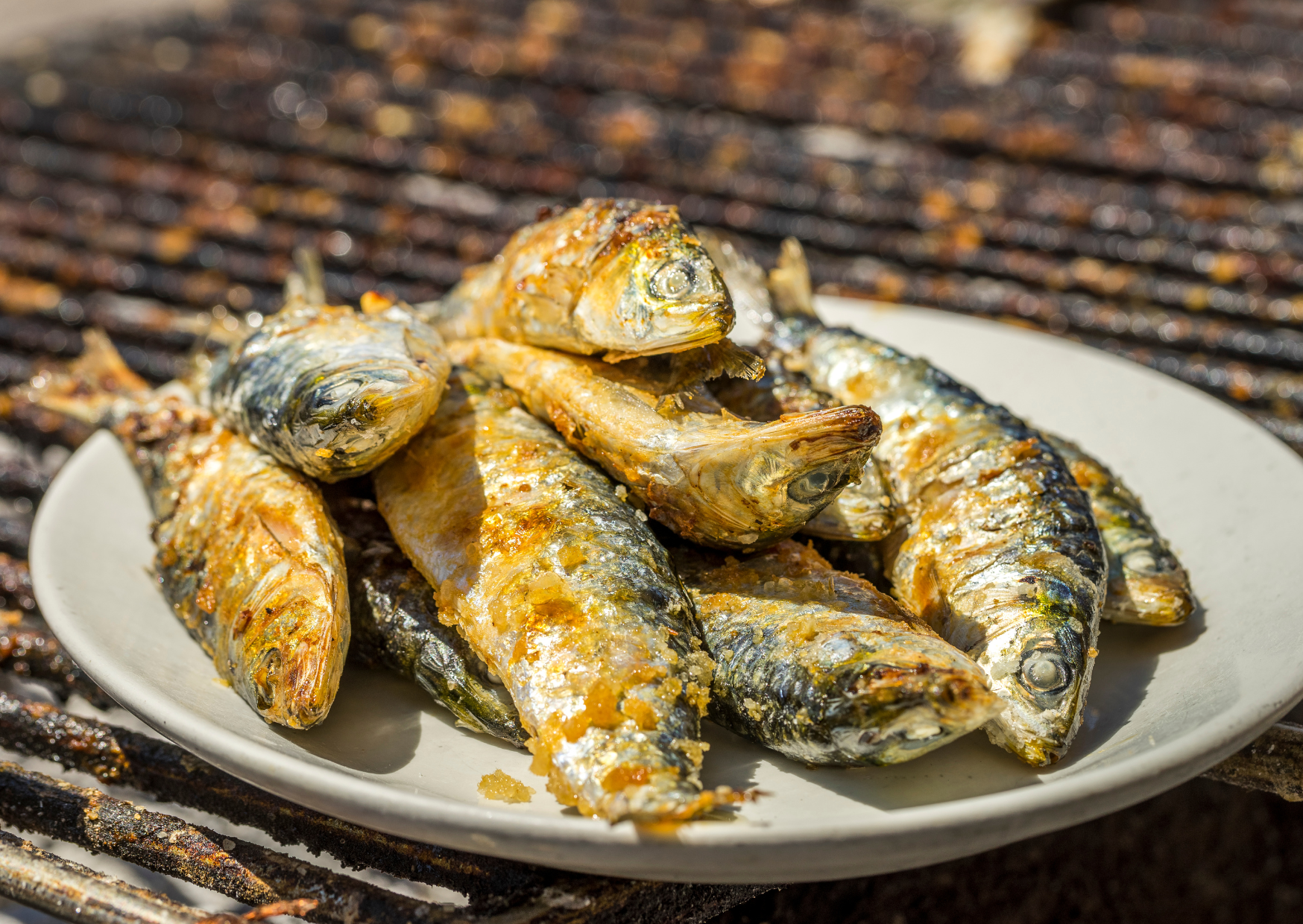
Whole food wins for three reasons that show up in the blood work and on your plate.
First, sardines deliver EPA + DHA in the same molecules you are paying for in a capsule, with typical tins providing around 1.0–1.5 g omega-3 per 100 g (EPA + DHA combined). That is real, measurable intake from breakfast, not hope from marketing copy. Capsules vary wildly, and many mainstream products give ~300–720 mg omega-3 per day at label dose, which means you need multiple softgels to match one tin. If you are aiming for meaningful daily EPA + DHA, one tin often equals three or more capsules.
Second, sardines bring nutrients pills can’t pack together. You get vitamin D in useful amounts, calcium from edible bones, vitamin B12, iron, and selenium alongside the fats. That calcium matters if you do not drink much dairy. You are not just topping up a fatty-acid index; you are building a meal that covers gaps.
Third, sardines are a small, low-mercury fish that Europe now certifies again as sustainably managed on the Iberian coast. You can eat them several times a week without chasing mercury charts, and you support a fishery that Portuguese communities actually live on. Food culture and sustainability line up for once.
If you love numbers: mainstream guidance still points to two servings of seafood a week for general health, and an intake in the hundreds of milligrams per day of EPA + DHA for heart parameters. In plain English, breakfast sardines a few mornings a week comfortably move you in the right direction without counting gels.
The 10-Minute Portuguese Sardine Breakfast (Serves 1–2)
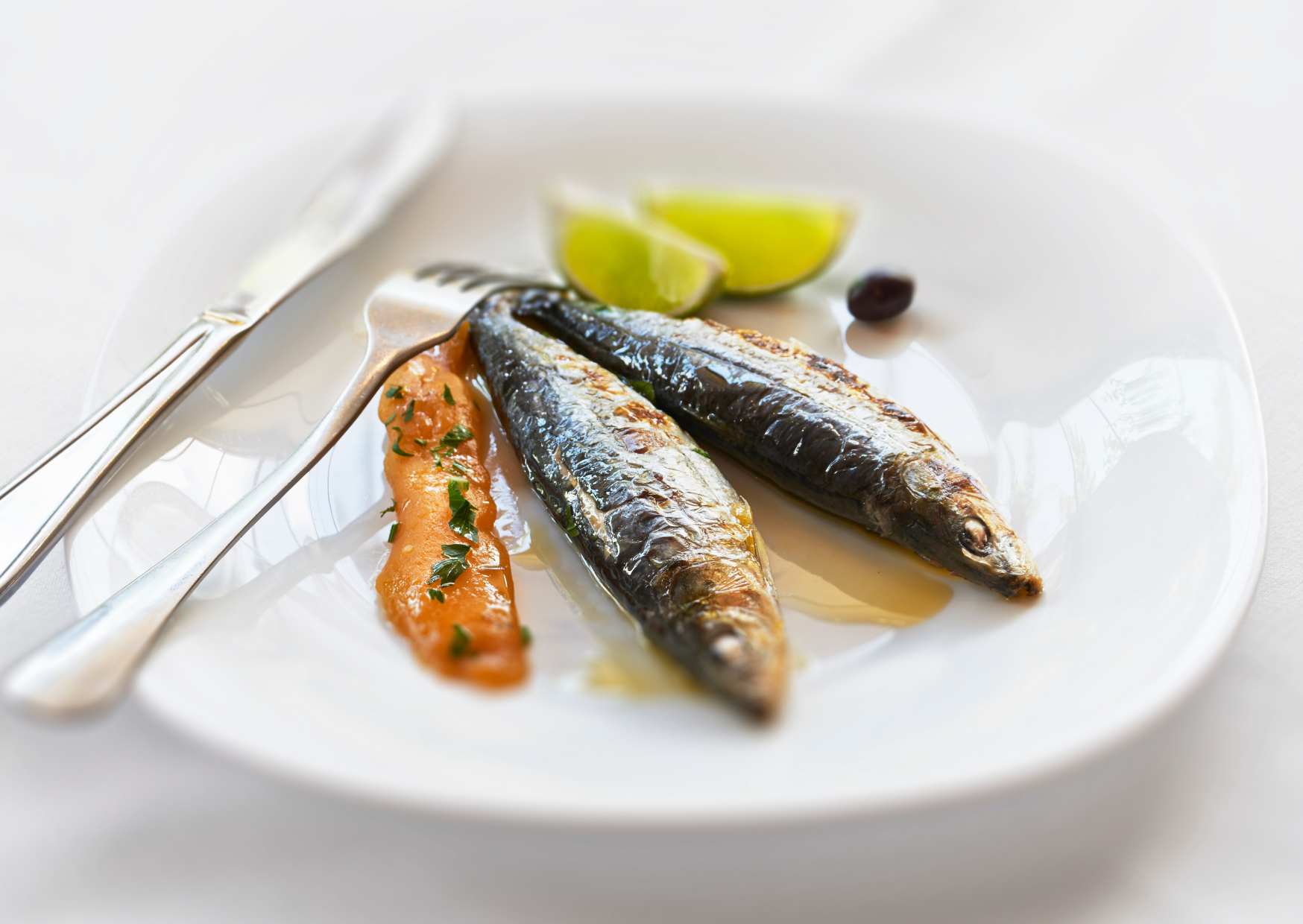
This is everyday Porto, not a food-stylist’s shoot. It is fast, cheap, and ridiculously satisfying.
What you need
- 1 tin Portuguese sardines in olive oil (90–120 g drained weight; brands from Matosinhos, Setúbal, or Algarve are perfect)
- 1 thick slice country bread or two slices of good toast
- 1 small lemon
- A handful of flat-leaf parsley or chives
- Optional: a few thin rounds of red onion, a teaspoon of capers, a pinch of piri-piri flakes if you like heat
- Sea salt and black pepper
5-minute method
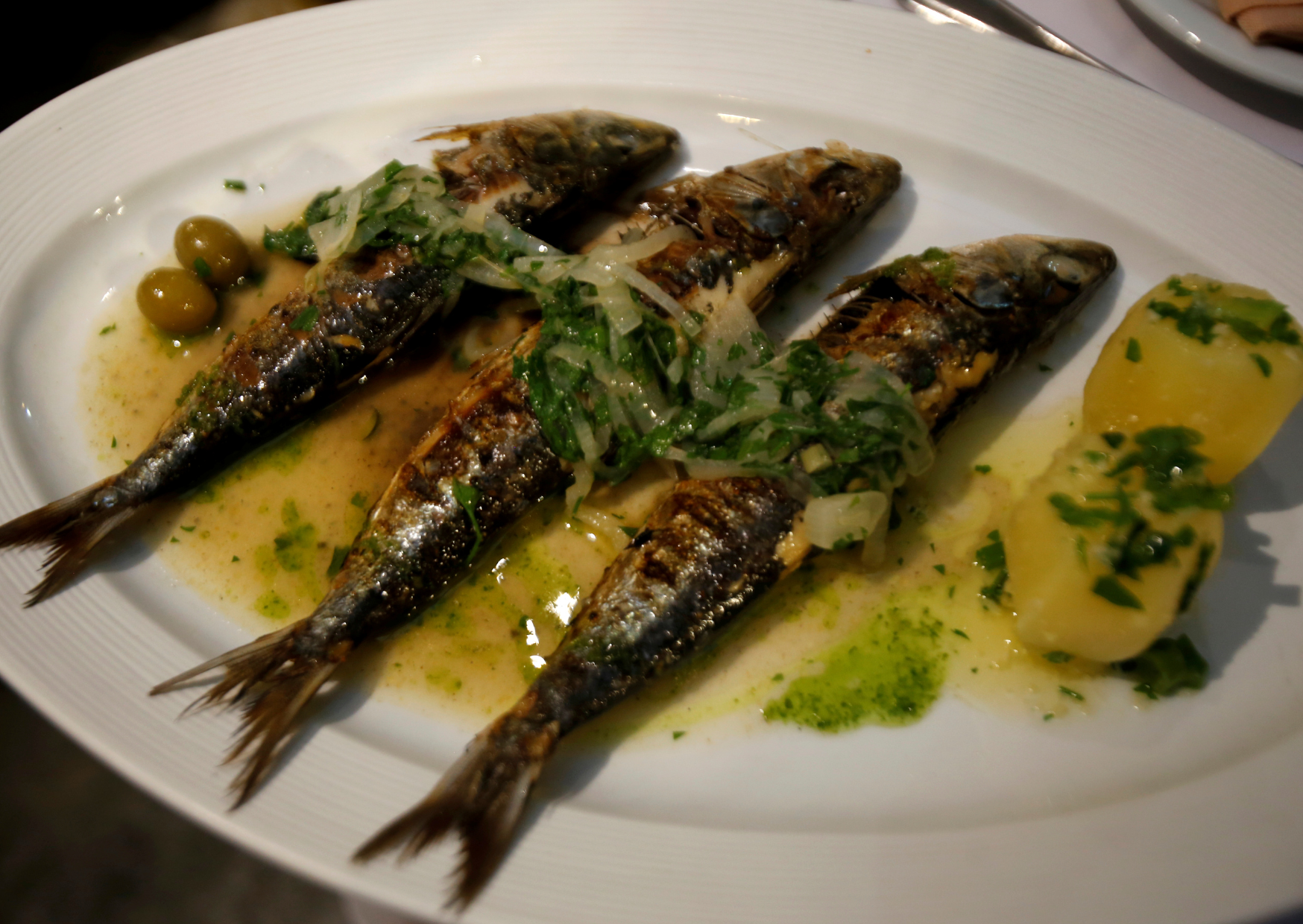
- Warm the oil, not the fish to death. Open the tin and pour the olive oil into a small skillet over gentle heat. Lay the sardines in just to kiss the heat for 60–90 seconds. Warm, don’t fry. This keeps the flesh silky and the omega-3s happy.
- Build your lemon-pan sauce. Squeeze in half a lemon, swirl, and crack a little pepper. If using capers, toss them now. You’ll see the sauce go glossy. Acid + olive oil = instant restaurant.
- Toast and plate. Toast your bread. Spoon a little sauce on the bread, lay the sardines across, scatter parsley and a few onion rings, then spoon the rest of the pan sauce over the top. Finish with another lemon squeeze and a touch of salt.
- Eat with your fingers. Sardines are tidy if you commit. A knife and fork are welcome, but absolutely optional.
Why it works
You kept the sardines intact so bones deliver calcium, the lemon makes the sauce bright, and the toast turns every drop of EPA + DHA-rich olive-fish emulsion into breakfast instead of a paper towel casualty. Pleasure is compliance: you will actually do this three times a week.
Swaps for U.S./EU pantries
- No country bread: use rye, sourdough, or boiled potatoes dressed with the pan sauce.
- No lemon: a splash of white wine vinegar or sherry vinegar.
- No parsley: use celery leaves or dill.
- Low-sodium: choose sardines in water and finish with your own olive oil and lemon.
- Gluten-free: warm cooked rice in the pan after you pull the fish and toss with the sauce.
The Science In Plain Talk: What Your Body Gets
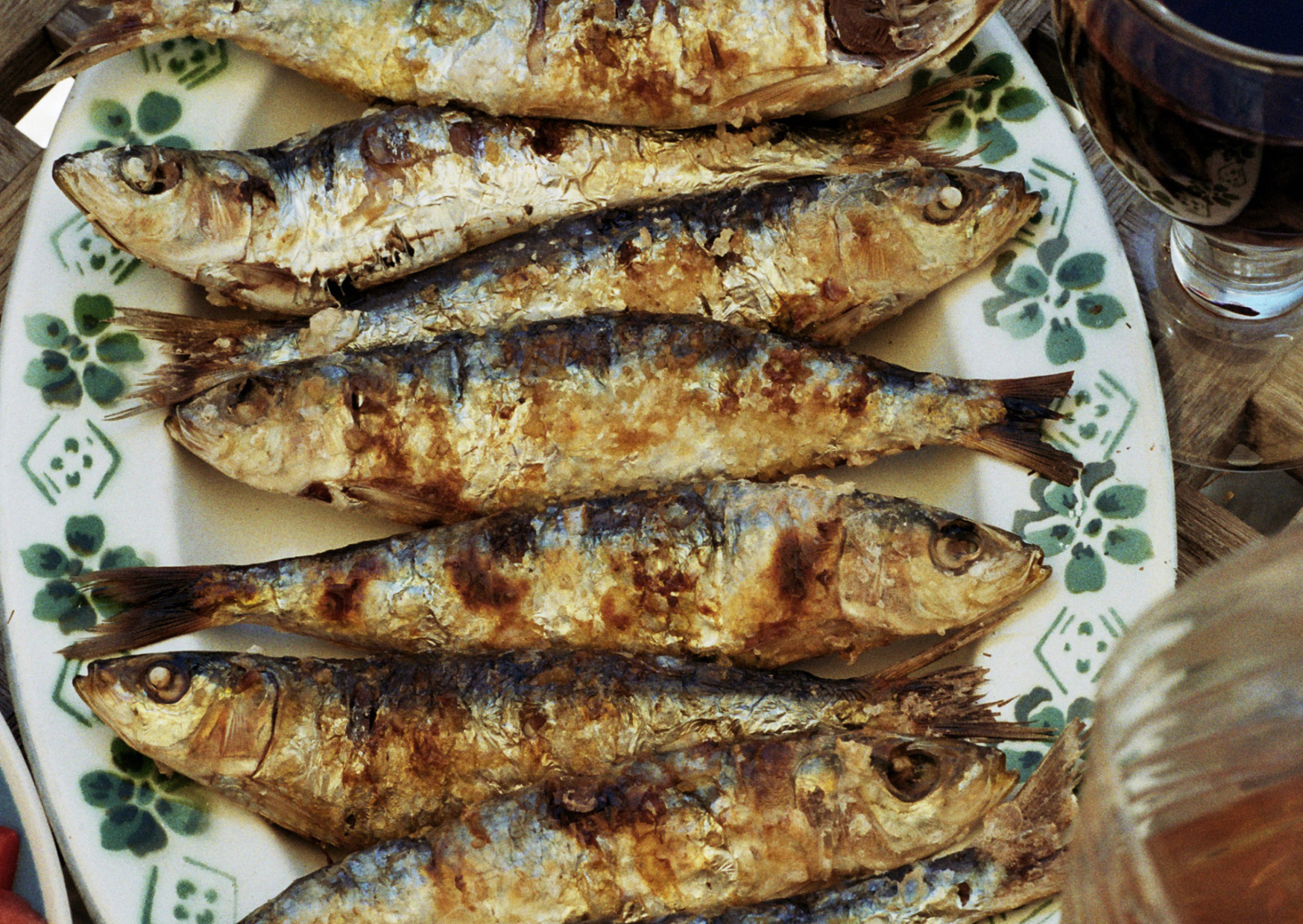
You do not need a biochem degree; you need a few truths that matter.
EPA + DHA are the long-chain omega-3s linked to support for heart, eye, and brain function. Real fish intake raises the omega-3 index over a few months and tends to move blood pressure and triglycerides the right way. Food sources do that with fewer side questions about contaminants, dose drift, or atrial-fibrillation risk at high supplement loads. Eat the fish, get the molecules, collect the wins.
Vitamin D is built in. A 100 g serving of canned sardines routinely provides a meaningful slice of daily vitamin D. That is winter insurance if you live far from the sun or work indoors. You do not have to open another bottle to get it.
Calcium and phosphorus ride in with the edible bones. Sardines are rare in that you get hundreds of milligrams of calcium per 100 g, plus phosphorus, which together support bone remodeling. If you are dairy-light, this matters. Breakfast that feeds bones is rare; take the layup.
Protein with staying power. One tin brings you ~22–25 g protein, which tamps down mid-morning snacking. Combine with toast or boiled potatoes and you have steady energy instead of a pastry crash.
Low-mercury peace of mind. Sardines sit on the low-mercury list, and EU-managed Iberian stocks regained sustainability certification in 2025, so you are not stealing from your grandkids’ lunch. Small fish, big relief.
The € vs $ Math: Why Breakfast Wins The Wallet
Let’s run a sane household comparison. Prices vary, but the pattern holds.
Capsule path
A common U.S. fish-oil product lists 180 mg EPA + 120 mg DHA per softgel. Label dose is typically 2 softgels daily = ~720 mg omega-3. At everyday prices, a bottle that lasts a month runs $15–$40 depending on brand and sales. If you chase ~1 g/day EPA + DHA, you often need 3–4 softgels, nudging cost up. It is a subscription for your gut.
Sardine path
A good Portuguese tin in the U.S. retails around $5–$8; in Portugal €1.50–€3.50 depending on brand and shop. One tin gives you ~1.0–1.5 g omega-3 plus vitamin D, calcium, B12, and 20+ g protein. Add bread, lemon, and parsley and your whole breakfast sits near $6–$9 in the U.S., €2.50–€4.50 in Portugal. Do this breakfast 3 times a week and your monthly cost matches or beats many capsules while replacing another meal’s cost entirely. You are not adding an expense; you are swapping one.
Hidden line items
Sardines also replace ultra-processed breakfasts that leave you hungry. The satiety dividend is hard to price but easy to feel: fewer mid-morning purchases. Full people spend less.
If You Have 30 Days: A Realistic Sardine Month
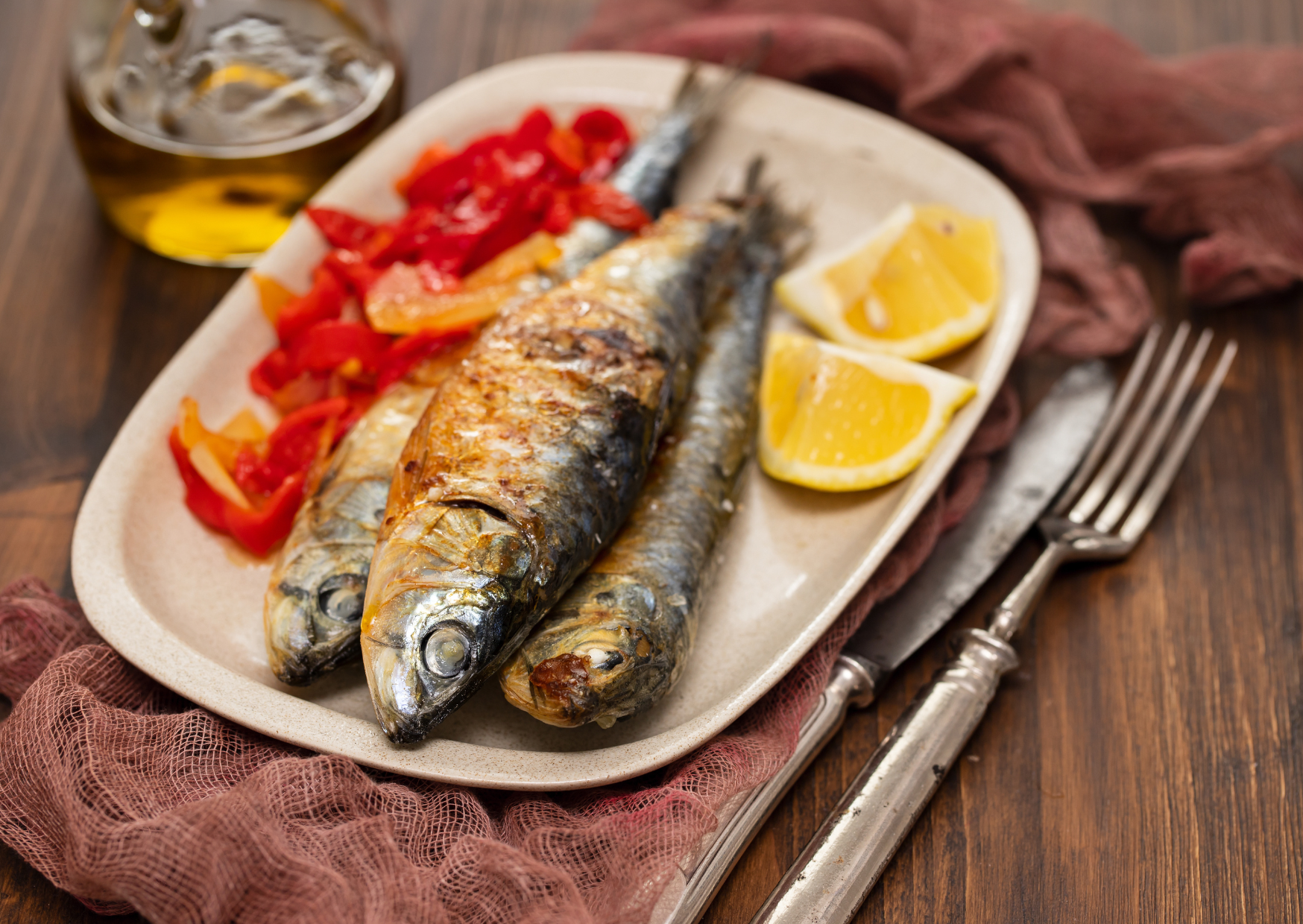
You do not need to go militant. You need consistency and variety.
Week 1: Practice and pallet
Make the breakfast twice. Try one tin in olive oil, one in tomato. Notice which you like on toast, which you prefer over potatoes. The goal is to find a favorite so your brain stops negotiating.
Week 2: Add one lunch
Keep two breakfasts and add one lunch: sardines broken into warm white beans with parsley, lemon, and olive oil. It takes five minutes and tastes like Lisbon. You just added fiber and potassium to the fish story.
Week 3: Focus day
Notice your 11 a.m. energy on sardine mornings. Many people report a steadier focus. If it’s you, schedule deep work on those days.
Week 4: Smarter stacking
Pair sardine breakfasts with walks or light strength. Protein and omega-3s go to work repairing tissue. You are not just eating; you are stacking habits.
By day 30 you will know two things: which tins you love, and whether your skin, joints, or mood feel better. If yes, keep the rhythm. If not, you lost nothing and learned your breakfast personality.
Common Questions Americans Ask In Portugal (And Sensible Answers)
Oil or water. Oil tastes better and carries flavor. If you are watching calories or sodium, pick spring water tins and add your own extra-virgin olive oil and lemon in the pan. Control the finish; keep the benefits.
Bones: eat them or not. Eat them. In quality tins the bones are soft and pleasant. That is where the calcium lives. If texture puts you off, mash the sardines with a fork. Same nutrients, no visuals.
Sodium worries. Tinned fish can be salty. Balance your day: heavy on vegetables, beans, fruit, and watch processed snacks. Choosing water-packed tins helps. Salt is a pattern, not a single bite.
Purines and gout. If you are gout-prone, increase hydration, keep portions moderate, and alternate with mackerel or salmon. Speak to your clinician if sardines are a known trigger for you. Smart rotation beats absolutism.
Are supplements ever useful. Yes. If you cannot or will not eat fish, capsules are a tool. But start with food; the total package is better and the meal replaces a different cost instead of adding one.
Four More Breakfast Variations That Travel Well
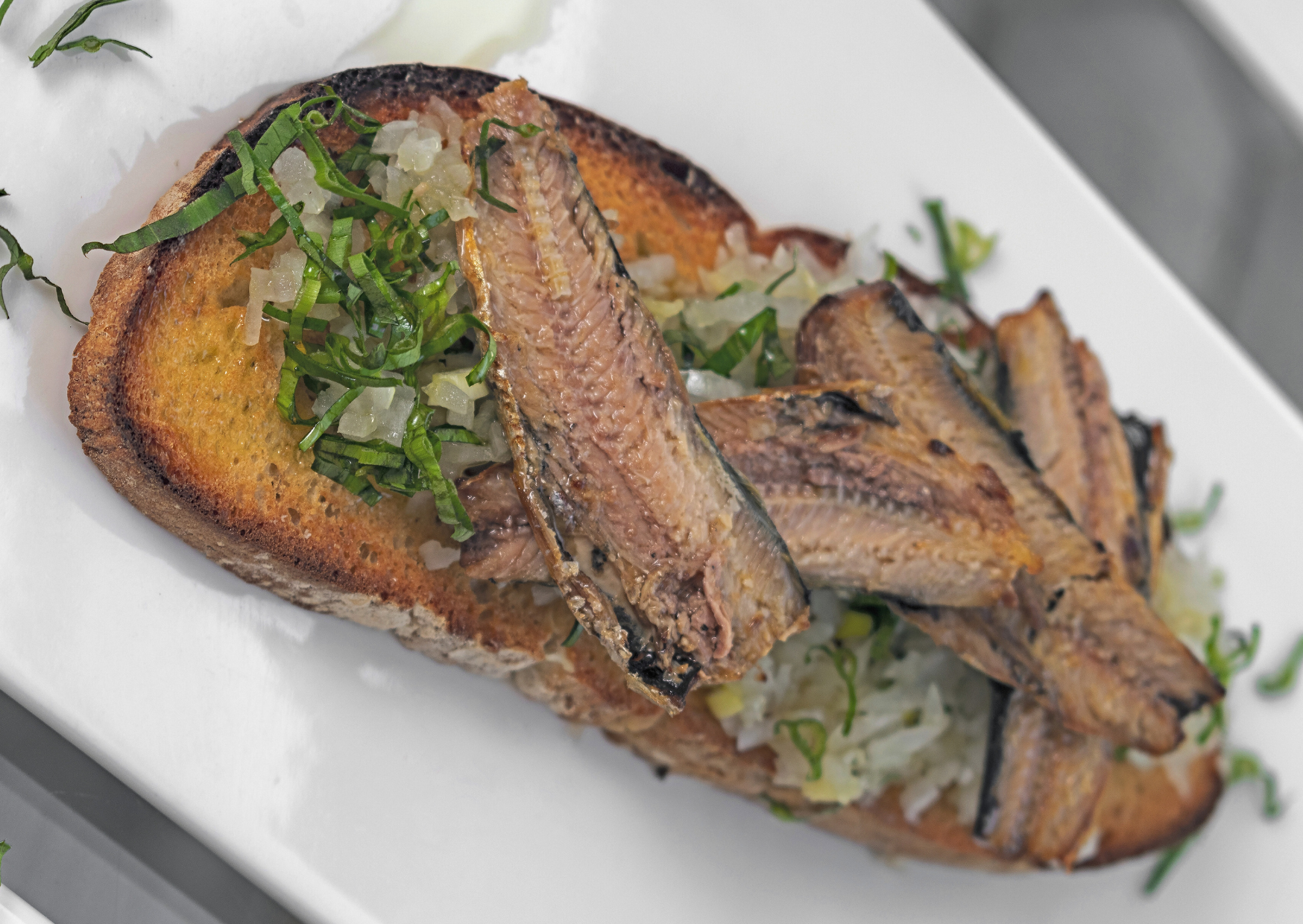
You will not tire of the classic, but variety helps a family stick to the plan.
Azores-style skillet
Sauté onion in olive oil, add cubed potatoes until tender, fold in sardines and chopped tomatoes, finish with parsley and lemon. Serve with a fried egg if you want a heavier morning.
Tomato-chili toast
Rub toast with raw garlic if you tolerate it, spoon on tinned tomato sardines, splash of piri-piri, and a squeeze of lemon. Heat wakes up sleepy palates.
Market salad breakfast
Pile greens, cucumber, herbs, and leftover beans in a bowl. Top with sardines, dress with lemon + pan oil. You just built a Mediterranean plate that runs on pantry items.
Rice bowl
Warm leftover rice in a skillet with a spoon of sardine oil. Flake sardines in, add spring onion, finish with lemon and a few sesame seeds. Five minutes, zero waste.
Troubleshooting: Texture, Smell, And Social Rules
“My kitchen smells fishy.” Warm gently and finish with lemon; harsh heat is what releases strong odors. Opening a window for five minutes does more than scented candles.
“The texture scares me.” Mash with a fork and treat like tuna salad with lemon, parsley, and a little yogurt. Spread on toast. Once you stop seeing fillets, your brain relaxes.
“Are canned Portuguese sardines really sustainable.” Iberian sardines regained MSC certification in 2025 after years of quota management. Buy from houses that publish catch area and season. Your euro supports coastal jobs and a recovered stock.
“What about contamination.” Sardines are low on the food chain, so they carry less mercury than larger predators. Choose reputable brands and rotate species like mackerel and herring for diversity.
If You’re Running The Numbers
Put real prices in these blanks and compare a month.
Capsules
- Label dose per day: __ softgels × __ mg omega-3 = __ mg
- Monthly cost: $15–$40 typical range = $____
- Cost per gram EPA + DHA at your dose: $____
Sardine breakfasts
- Tins per week: __ at $5–$8 each (U.S.) or €1.50–€3.50 (Portugal)
- Bread, lemon, herbs per week: ~$__ / €__
- Total breakfasts replaced: __
- Effective cost per breakfast: $/€
- EPA + DHA per breakfast: ~1.0–1.5 g from one tin
- Vitamin D + calcium + protein: included, not extra
Run it once. The €/$ line stops being theoretical when you see that sardines are a meal, not a supplement bill.
The 5-Day Sardine Starter Plan
Day 1: Classic toast with lemon-pan sauce.
Day 2: Bean bowl lunch with tomato sardines.
Day 3: Rice bowl breakfast, spring onion, lemon.
Day 4: Off day or yogurt + fruit; read your hunger.
Day 5: Classic toast, add piri-piri if you like heat.
Repeat next week, swap brands until you find two tins you love. Consistency beats enthusiasm.
What This Means For You
If you are tired of swallowing softgels and not feeling different, switch one breakfast to sardines and let breakfast do the work. You will get EPA + DHA in real doses, vitamin D for winter mornings, calcium for bones, protein for focus, and a plate that costs less than a barista drink and pastry. Do it three times a week for a month. If you feel steadier, keep it. If not, you still learned a delicious way to feed your day.
The secret is not a supplement. It is saying yes to small fish before your day starts.

About the Author: Ruben, co-founder of Gamintraveler.com since 2014, is a seasoned traveler from Spain who has explored over 100 countries since 2009. Known for his extensive travel adventures across South America, Europe, the US, Australia, New Zealand, Asia, and Africa, Ruben combines his passion for adventurous yet sustainable living with his love for cycling, highlighted by his remarkable 5-month bicycle journey from Spain to Norway. He currently resides in Spain, where he continues sharing his travel experiences with his partner, Rachel, and their son, Han.