
Two retirees step off the train at Campanhã, roll their bags down to Bolhão, and decide by lunchtime: this is the pace they want. Fewer crowds than the capital, ocean light in the afternoons, and a city that still feels small enough to learn by foot.
They had spent a week in Lisbon first. It was beautiful, busy, and hot on the hills. Apartments near the center pushed their budget. Every café table had a wait. In Porto, the rhythm slowed without getting dull. Rentals penciled better. The metro felt easy to read on day one. Specialist doctors were findable without a car. They pulled out a notebook, made a two-column list, and realized they were saying yes to Porto with their pen before they said it out loud.
If you are weighing the same choice in 2025, this is the practical comparison you actually need. What housing math looks like today. How transport passes change your month. What healthcare access feels like for residents. Where costs diverge, where they do not, and how climate and crowds nudge daily life. No hype, just the levers that make retirees lean north.
Want More Deep Dives into Everyday European Culture?
– Why Europeans Walk Everywhere (And Americans Should Too)
– How Europeans Actually Afford Living in Cities Without Six-Figure Salaries
– 9 ‘Luxury’ Items in America That Europeans Consider Basic Necessities
The Housing Math: Where A Lease Feels Livable
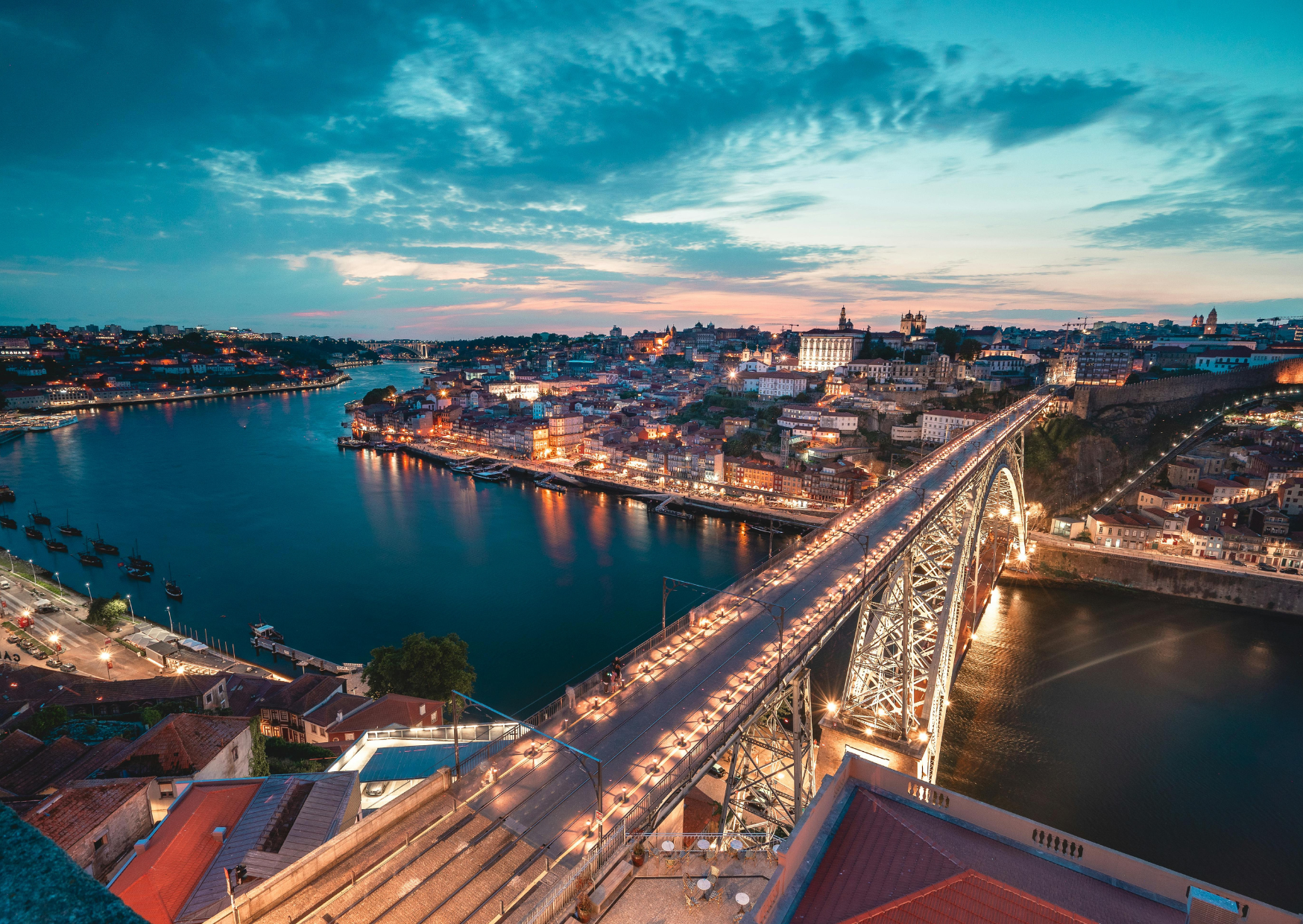
The quickest way to separate Lisbon from Porto is to run the rent line before anything else. Recent listing data shows asking rents at record levels in both cities in 2025, with Lisbon still pricier on most like-for-like apartments and Porto creeping up but with more pockets that price in under a retiree’s fixed income. Asking prices for purchase tell a similar tale: Lisbon remains the national high watermark, while Porto set new peaks this year but still sits lower on average per square meter. That spread matters when pensions and Social Security set a hard ceiling.
What retirees tell us after six months is simple. In Lisbon, the neighborhoods that feel flat, central, and quiet enough to age into often mean higher rent or longer walks from transit. In Porto, parishes like Bonfim, Cedofeita, and Lordelo do Ouro e Massarelos still offer mid-market leases within a ten-minute walk of tram or metro. If you are willing to go one stop beyond the tourist core, you will see better light, more elevator buildings, and fewer weekend party corridors.
Do not chase the absolute cheapest square meter. Stability beats bargains in retirement. A two-year lease at a fair number, in a building that is quiet at night, near a flat walk to shops, is worth more than a place you will move out of every spring. The trade you want is a rent that leaves wiggle room for healthcare, visits from grandkids, and one splurge trip a year. Porto’s market gives more of those tradeoffs in 2025 than Lisbon does.
Getting Around Without A Car: Passes Decide Your Week

The second line to run is transit. In Lisbon, the Navegante Metropolitano monthly pass is 40 euros, or 20 euros if you are over 65 on the senior product. In Porto, the Andante Metropolitano also sits at 40 euros and covers metro, STCP buses, and urban trains across the metropolitan area. Equal price, different feel: Porto’s network is smaller, simpler, and less crowded at peak; Lisbon’s is denser but busier in the historic core. For retirees, simplicity wins most days.
What changes daily life in Porto is how quickly you make the system a habit. Validated once, everywhere is how Andante behaves: one card, one monthly top-up, and you can cross the river to Gaia for lunch, ride out toward Matosinhos for the ocean, or pop two stops to clinics without fiddling with zones. If you are comparing neighborhoods, map the walk to the nearest station, count curb cuts and benches, and make sure your grocery, pharmacy, and a café live on the same flat block. These micro-distances set your aging curve.
For occasional trips to Lisbon, Porto’s Campanhã and São Bento stations make rail painless, and Francisco Sá Carneiro Airport keeps long-haul connections efficient through European hubs. Retirees who do not want the cost or stress of a car can hold mobility steady for years with passes alone. That is a budget superpower in a fixed-income life.
Healthcare Access: Same SNS, Lower Friction
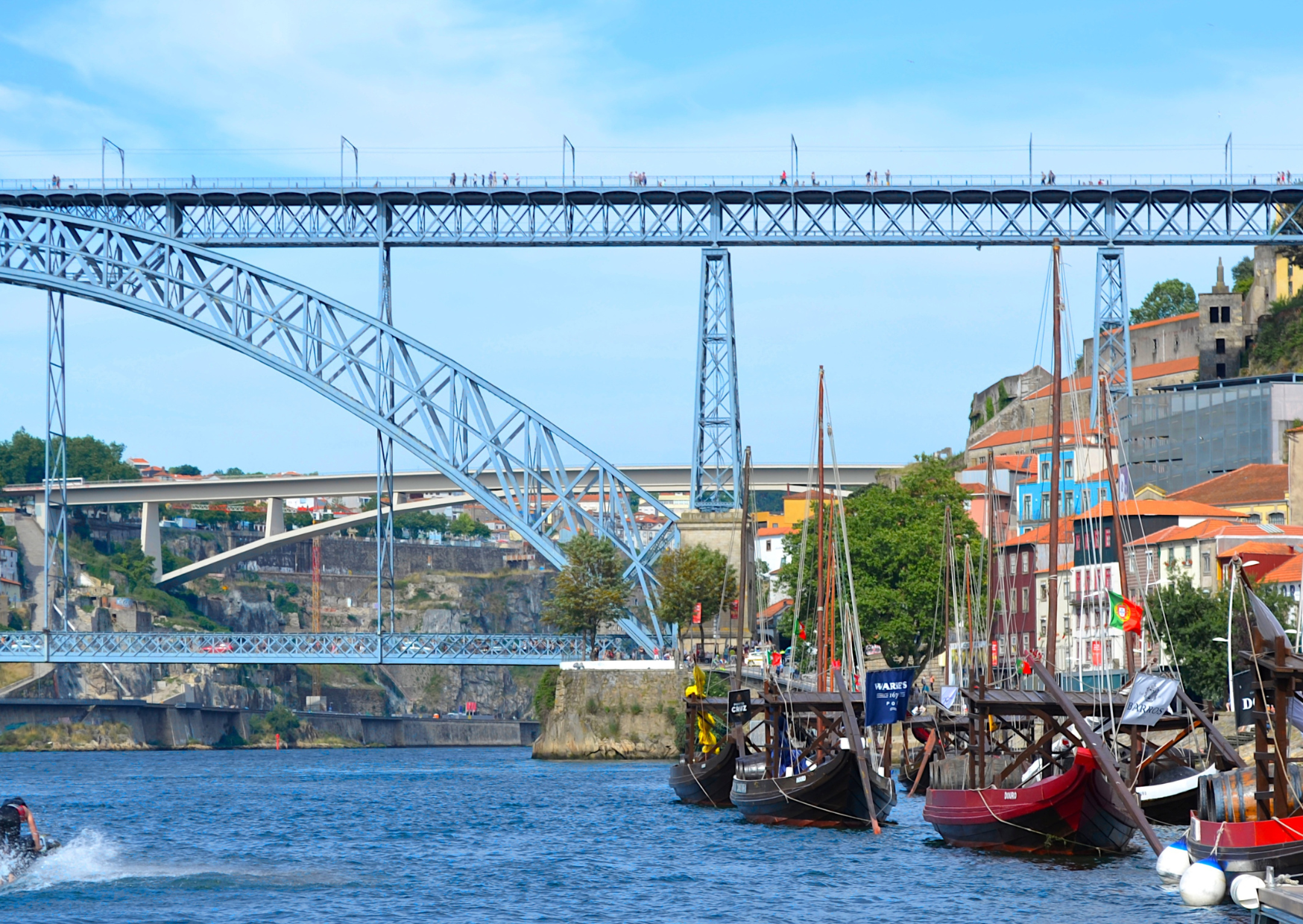
Both cities live under SNS, the national public system, with modest copays and the option to add low-cost private coverage for faster specialists. What retirees report is not a difference in rules, but a difference in friction. Appointments in Porto are often easier to book for non-urgent care, especially outside the absolute center, and private clinics have appointment slots that do not require months of lead time. Less waiting is worth more as you age.
The practical setup looks the same in both cities. Register at your local health center, get assigned to a GP, and use private clinics for quick diagnostics when it is not worth waiting. Most retirees end up with a hybrid: SNS for routine care, vaccinations, and hospital services; a basic private plan for outpatient specialists and imaging. Typical private-plan premiums for seniors are modest by U.S. standards and help you dodge the few backlogs that still pop up. Confidence in getting seen reduces the temptation to buy a car “just in case.”
If you have specific chronic needs, walk the route from your likely apartment to your clinic and pharmacy before you sign a lease. In Porto, flat routes in Baixa, parts of Bonfim, and Foz make this daily loop more pleasant. In Lisbon, flat loops exist but cluster in parishes with higher rents. Ease of care is a location choice, not just a system choice.
Daily Costs: Where Porto Saves You, Where It Doesn’t
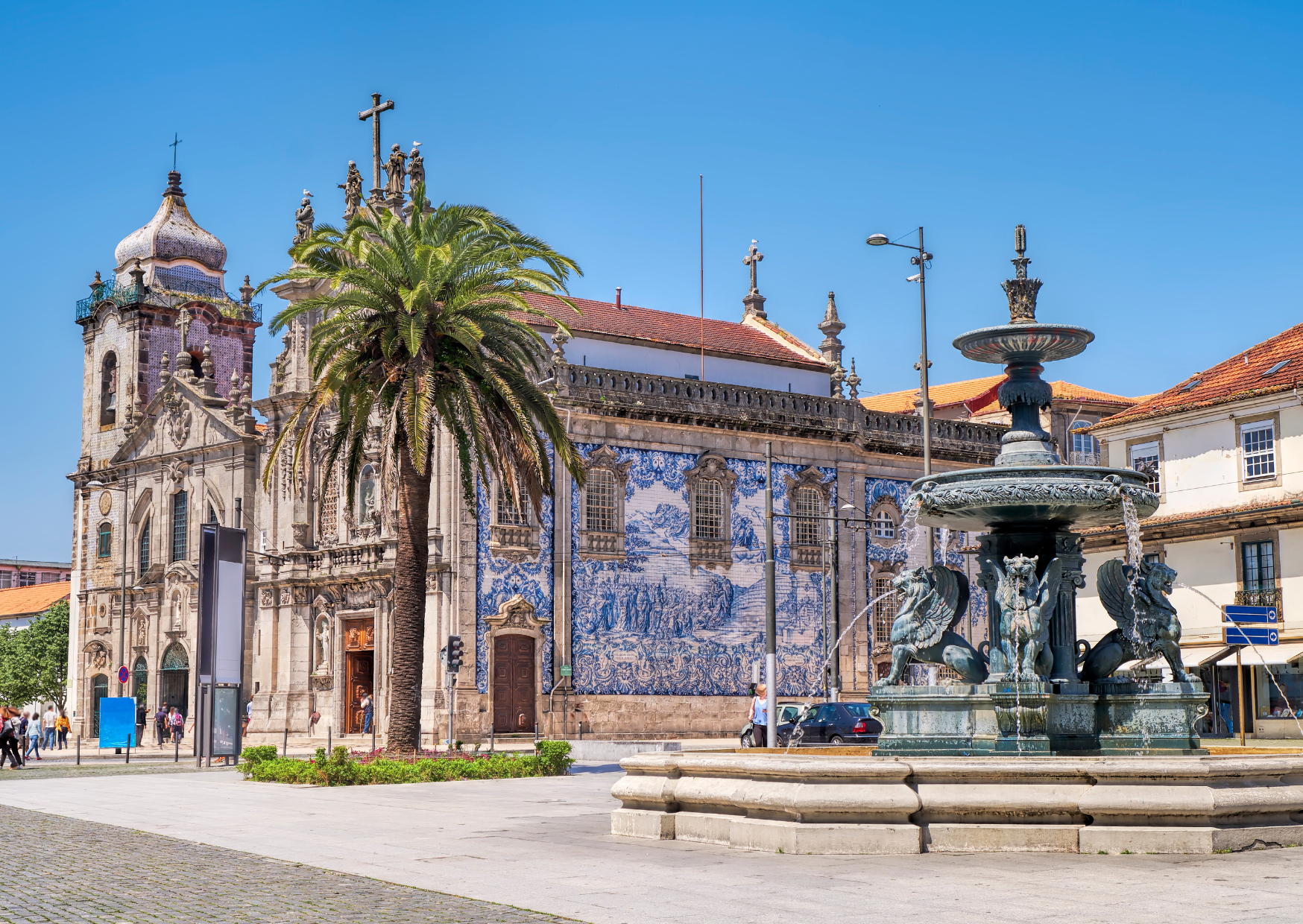
You will read that Porto is “cheaper” than Lisbon. That is directionally true for rent, and often for meals in tourist zones, but the gap narrows on utilities, groceries, and subscriptions. Electricity tariffs moved in 2025 and affect both cities the same. Fiber internet runs about 30 euros for gigabit in either metro. Grocery baskets are similar when you shop large chains and weekly markets. Do not bank on a universal discount. Bank on rent and going-out patterns to drive your month.
Where Porto quietly wins is the “small weekend”. Ocean trams to Matosinhos, a museum afternoon, and a neighborhood dinner cost less than a Lisbon day that starts with rides across town and ends in a pricier tourist strip. Lifestyle gravity is different. Porto offers shorter distances, plenty of free or low-cost parks and river walks, and cafés where you still feel like a regular. Those tiny deltas compound across a year.
On the other side of the ledger, peak-season hotels for visiting family can be tight in Porto’s absolute center, pushing your guests to Gaia or out toward Boavista. In Lisbon, accommodation choice is broader year-round. Plan for those visits or book with miles so you are not subsidizing everyone else’s travel.
Climate And Crowds: Which Summer You Want To Live With
Retirees feel heat and volume more than twenty-somethings. In recent summers, Lisbon’s historic core ran hotter, busier, and louder late at night than Porto’s. Porto gets Atlantic breeze and cooler evenings, plus quick escapes to the shoreline by metro. Lisbon can feel like it holds heat in the hills long after sunset. Neither city is empty in July and August, but Porto’s crowd pattern concentrates in a few blocks you can step around once you learn them.
Shoulders matter. Spring and fall suit both cities, but Porto’s mornings tend to feel crisper, which many retirees prefer for walks. If you or your partner are heat sensitive, this one factor may outweigh everything else. You can adjust budget. You cannot adjust weather. (For precise averages, check the national weather service monthly norms before you decide a lease length.)
Safety, Pace, And The Feel Of The Street
Portugal’s baseline is safe by global standards, with low violent crime and mostly nuisance issues in the busiest tourist zones. Lisbon’s center now carries more pickpocket warnings and nighttime party spillover than it did five years ago. Porto’s center has its crowds too, especially near Clérigos and Ribeira, but many retirees say they feel comfortable walking home after dinner on quiet side streets without dodging club traffic. Safety is similar; the soundtrack is different.
Pace matters as much as statistics. Lisbon pulses. It has the capital’s churn, career energy, and transatlantic buzz. Porto keeps a quieter register: industry roots, university flow, family weekends on the river. Retirees who want less social pressure to be everywhere often exhale in Porto after a week in Lisbon. It is taste, not science, and that is allowed to carry weight at this stage of life.
Paperwork And Taxes: Same Rules, Different Headaches
Visa pathways do not change between cities. The classic retiree route in 2025 is still the D7 resident visa based on passive income, or its close cousins. The old NHR tax regime is closed to new applicants, replaced by a narrower incentive scheme that most retirees will not qualify for. This levels the tax field between Lisbon and Porto. What differs is how offices handle queues and how quickly banks open accounts. Porto’s smaller scale, more expat-savvy branches, and English-capable desks in core neighborhoods mean your first months can feel smoother. Smooth beats theoretical perks you cannot actually access.

On the banking side, large lenders in both cities now run FATCA-aware onboarding for U.S. persons and integrate CRS self-certifications in-app. The practical difference is branch culture. In 2025, Porto branches in expat-heavy quarters aim to win U.S. customers with quick W-9 capture and same-day account activation. That does not make the north special. It makes your first week less frustrating.
Plan taxes the same way in either city. U.S. obligations follow you; Portuguese returns run April through June. Build your October checklist for banking and reporting and you will avoid the freezes and penalties that make any move feel hard. Admin calm is location-agnostic.
Neighborhoods That Work When You Are Done Working
If you picture elevators, flat streets, and a short walk to a café, your Porto short list starts like this:
Bonfim. East of the very center, full-service streets, mid-market rents, and an easy drop to Campanhã for trains. Side streets have quiet buildings with lifts.
Cedofeita. Galleries, groceries, quick metro access, and a balanced day-night feel. You can step into energy then step back to sleep-friendly blocks.
Lordelo do Ouro e Massarelos. River walks, tram and bus options, and a calmer evening soundtrack. Apartments trend brighter. Benches and flat stretches matter here.
Foz do Douro. Pricier, ocean air, long flat promenades, and cafés you will actually use. If budget allows, this is the aging-in-place sweet spot.
Visit with a notebook. Count stairs, curb cuts, crosswalk timing, and how far the pharmacy feels in real shoes. The right block beats the right postcard.
When Lisbon Still Wins
Lisbon is the capital for a reason. If you need international flight density, a larger English-speaking social scene, more cultural programming, or a broader choice of private hospitals in the city proper, Lisbon wins. If your kids and grandkids will visit constantly and you plan to split time with U.S. trips, Lisbon’s aviation schedule makes life easier. If you are a city person who wants constant stimulus, you may feel underfed in Porto after year one. Choosing north is not a value judgment. It is a lifestyle decision.
A Simple Decision Script For Retirees

Put two columns on paper and answer these with real numbers, not hopes.
Housing: Can I lock a two-year lease near a flat daily loop at a rent that leaves 30 percent of income free after utilities. Circle the city that makes this true without gambling on handovers.
Mobility: With a 40-euro pass, can I do my week without a car and still reach clinics, the river or ocean, and friends. The first city where the answer is yes without caveats should lead.
Healthcare: How long are current waits at the closest public clinic, and which private clinic would I actually use. Pick the city where you can get a specialist in under 30 days without a car.
Climate: In July, can I sleep with a window open and walk in the morning without heat stress. Your body answers this on a scouting trip in five minutes.
Noise: Walk your block at 10 p.m. Friday. If the soundtrack says “move,” do not sign the lease, no matter the city.
If Porto ticks three of these five and Lisbon ticks one, you have your answer. If the reverse is true, forgive the hype and stay in the capital.
What This Means For Your First Year
If you choose Porto, work with the city’s size. Use Andante from day one. Shop within a flat four-block loop. Join a language class in your parish, not across town. Book private specialist slots only when you need them. Hold a quiet calendar with one big thing a week. The money you do not spend on cars and emergency taxis becomes your “visit fund” for family and one long rail trip each spring.
If you choose Lisbon, live early and east when you can. Use Navegante, avoid hills at noon, and accept that noise management is part of the budget. You will spend more on going out and see more, faster. That is a valid trade when you want a bigger orbit.
Either way, you will win if you make decisions at street level. The city that fits your feet, meds, and mornings is the city that fits your retirement.

About the Author: Ruben, co-founder of Gamintraveler.com since 2014, is a seasoned traveler from Spain who has explored over 100 countries since 2009. Known for his extensive travel adventures across South America, Europe, the US, Australia, New Zealand, Asia, and Africa, Ruben combines his passion for adventurous yet sustainable living with his love for cycling, highlighted by his remarkable 5-month bicycle journey from Spain to Norway. He currently resides in Spain, where he continues sharing his travel experiences with his partner, Rachel, and their son, Han.