
Marble counter, white coat, a calm set of questions instead of a rushed script. Walk into an Italian farmacia with the jitters and you won’t walk out with Xanax. You will walk out with a plan: what to try first, when to see a doctor, and how to use pharmacy-grade remedies without chasing side effects.
You don’t need perfect Italian. You do need to know how the counter works: what the pharmacist will ask, what you can buy without a prescription, what has evidence behind it, and the lines you shouldn’t cross. This is the straight map, built on how pharmacies actually operate in Italy right now.
Want More Deep Dives into Everyday European Culture?
– Why Europeans Walk Everywhere (And Americans Should Too)
– How Europeans Actually Afford Living in Cities Without Six-Figure Salaries
– 9 ‘Luxury’ Items in America That Europeans Consider Basic Necessities
How Italian Pharmacies Handle Anxiety At The Counter
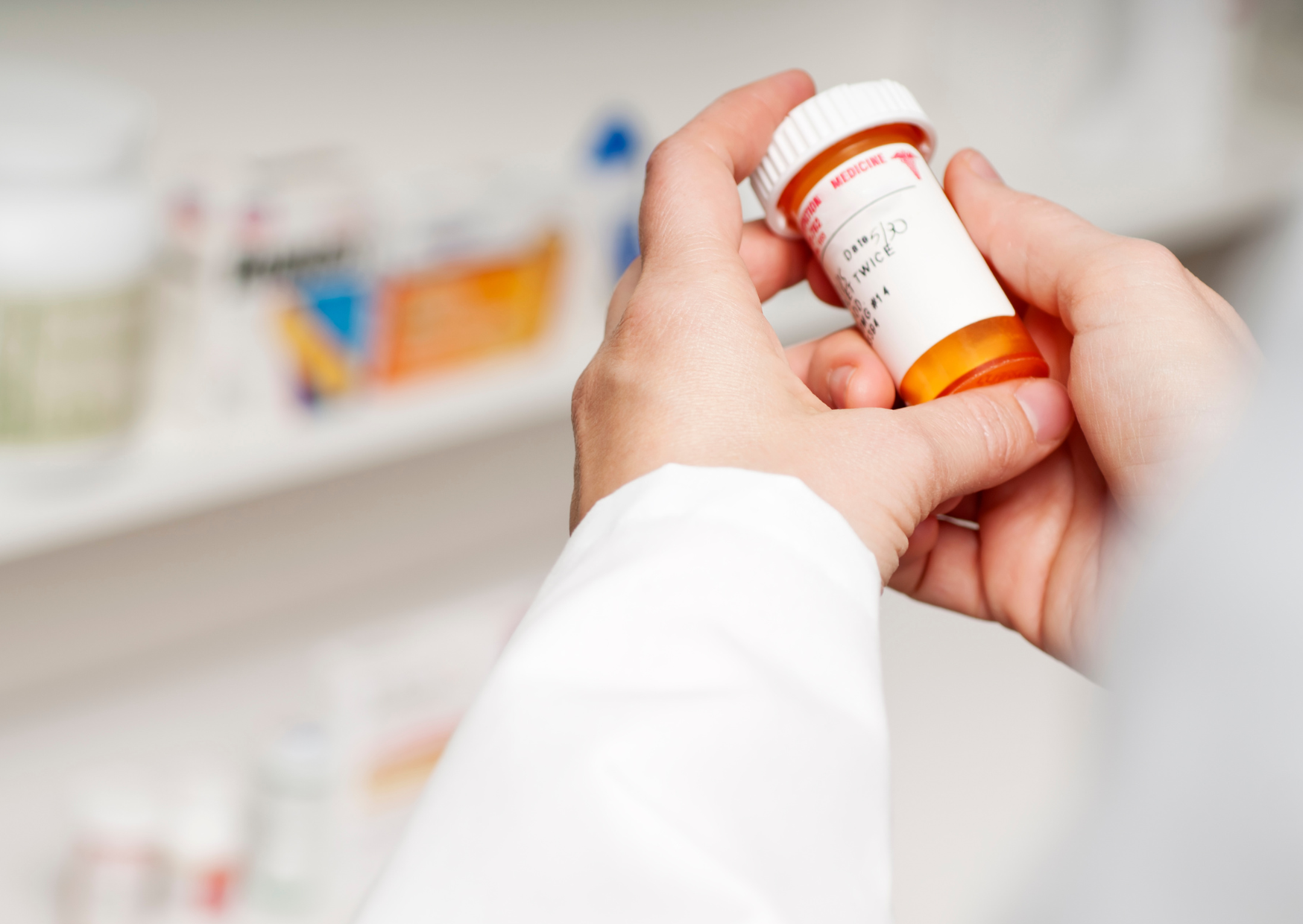
Italian pharmacists are trained to triage mild, short-term symptoms and steer you to OTC or SOP products (the two classes of non-prescription medicines), or to send you to a doctor when red flags show up. They don’t “hand out Xanax.” Alprazolam is a benzodiazepine, prescription-only across the EU, and in Italy many psychotropics still require a paper prescription rather than the electronic version used for other drugs. That’s by design: control, traceability, and safety.
What they can do is ask precise questions, suggest non-sedating options first, help your sleep so daytime symptoms drop, and warn you about interactions. If your answers hint at something bigger than nerves or a rough week, they’ll point you to a doctor instead of a supplement.
The Exact Questions Your Pharmacist Will Ask

Expect a quiet, practical interview that lasts three minutes and tells them most of what they need.
- What does “anxiety” mean for you today. Racing thoughts, chest tightness, stomach flip, irritability, insomnia, panic-like spikes.
- How long has this run. Days and weeks are pharmacy territory. Months, relapses, or fear of harm belong with a clinician.
- Sleep. Falling asleep versus staying asleep. Caffeine and alcohol habits. Night-time scrolling.
- Current meds and conditions. SSRIs/SNRIs, other psych meds, antihistamines, pain meds, thyroid, pregnancy or breastfeeding.
- Work and driving. Anything that sedates can be a problem if you operate machinery or drive regularly.
- Triggers. Caffeine overload, nicotine, energy drinks, cold medicines with stimulants, or recent life stress.
Those answers narrow the safe shelf quickly.
What You Can Buy Without A Prescription (And What It’s For)

You’ll see three buckets behind the counter: OTC medicines, SOP medicines (sold only in pharmacies but still no prescription), and supplements. Here’s how Italian pharmacists typically position them for short-term anxiety-adjacent complaints.
1) Non-prescription medicines that take the edge off
These aren’t “happy pills.” They’re gentle supports for symptoms that often travel with anxiety.
- Antihistamines that cause drowsiness (older-generation H1s) used as occasional night-time sedatives. Pharmacists use them cautiously because of daytime grogginess and driving concerns.
- Gastric soothers/antacids if your “anxiety” is really reflux and chest tightness.
- Simple pain/neck-tension remedies if the cycle is headache → worry → worse headache.
They’ll place these only for short use while you fix the real problem: sleep and arousal.
2) Herbal medicines with the best evidence in Italy
Italian pharmacies lean on fitoterapia because people tolerate it well and the country actually studies it.
- Passiflora incarnata (passionflower). Used for situational anxiety and sleep onset. Several small clinical trials show anxiolytic effects; some head-to-head studies found it comparable to certain benzodiazepines for short periods, with fewer performance side effects. Good bedtime candidate; watch for additive sedation with other sedatives.
- Valeriana officinalis (valerian). A classic for sleep latency and night restlessness; mixed but supportive evidence. Often paired with biancospino (hawthorn) or tiglio (linden) in Italian combos.
- Escolzia (California poppy) and melissa (lemon balm). Common in Italian blends for “nervousness” and light sleep; mild sedative profile.
- Magnesium (especially citrate or bisglycinate). Not an anxiolytic per se, but useful if cramps, twitching, or sleep are part of the picture. Many Italians take an evening dose during high-stress weeks; pharmacists will screen for kidney issues and drug interactions.
These are not one-size cures. They’re first-line, short-term tools while you change sleep, caffeine, and habits that keep your nervous system screaming.
3) The sleep fix that cools daytime anxiety

If nights calm down, days often follow.
- Melatonin for sleep timing (jet lag, late-to-bed patterns). It helps you fall asleep, not stay asleep, and works best if you dim screens and keep a consistent hour.
- Sleep hygiene props: magnesium at night, a herbal blend, and a pharmacist’s strict advice on caffeine cutoffs and light.
None of the above is a substitute for medical care when symptoms are moderate to severe, persistent, or impair work/relationships. Your pharmacist will say that out loud.
The Italian Way To Use These Without Knocking Yourself Out
Pharmacists in Italy have a simple rhythm for mild cases:
- Daytime: non-sedating options only. If you’re groggy at noon, you’ll cancel the plan by day three.
- Evening: treat sleep on purpose. If your brain spins at 2 a.m., they’ll suggest a herbal bedtime combo (passiflora + valerian is common) or melatonin if timing is your issue.
- Two-week window: if nothing changes in two weeks, or if you’re getting worse, they’ll mark that as a stop sign and send you to a doctor.
- No alcohol stacking: combining sedatives (even plant-based ones) with wine is a recipe for grogginess and poor decisions.
Meanwhile, they’ll quietly ask you to quit the two biggest accelerants: afternoon caffeine and evening screens.
Where Italy Draws The Hard Line
Two clear “no’s” at the pharmacy counter:
- Benzodiazepines (alprazolam/Xanax, lorazepam, diazepam) are prescription-only. A pharmacist cannot legally “just give you a few.” Many psychotropics aren’t even allowed on dematerialized e-prescriptions; paper originals are still required. If you need one, you need a doctor, and therapy/SSRI-type approaches are usually preferred for ongoing anxiety.
- Long-term self-treating. If your anxiety has been constant for months, includes panic attacks, suicidal thoughts, substance use, or is tied to other medical problems, pharmacies route you to care. Italy dispenses a lot of benzodiazepines under medical supervision; the counter isn’t where those decisions are made.
The 14-Day Calm Plan You Can Actually Follow (Pharmacy Version)
This is how an Italian pharmacist might structure two weeks for a person with new, mild anxiety and bad sleep.
Days 1–3
- Cut caffeine after lunch.
- Replace late scrolling with a 20-minute walk after dinner.
- Bedtime: take a passiflora-forward herbal capsule or liquid, optionally paired with valerian.
- If sleep timing is the main problem (you can’t fall asleep until 2 a.m.), use low-dose melatonin 60–90 minutes before target bedtime.
Days 4–7
- Keep mornings predictable: wake at the same time, breakfast with protein.
- If muscle tension is noisy, consider evening magnesium (if no contraindications).
- Avoid alcohol on nights you take sedating herbs.
Days 8–10
- Reassess: are you falling asleep faster; are daytime spikes lower.
- If sleep improved but daytime jitters remain, a pharmacist may suggest a daytime, non-sedating plant like lemon balm tea, deep-breathing drills, and a light exercise habit.
Days 11–14
- If your log shows steady improvement, taper the bedtime herbals instead of stopping abruptly.
- If you’re flatlining or worse, press pause on self-treatment and book a medical visit.
This isn’t about permanent supplements. It’s a short reset plus lifestyle changes that lower the baseline.
Costs Nobody Mentions

- Quality differentials. Pharmacy-grade herbals cost more than supermarket versions; many buyers find they work better and you take fewer.
- Combo creep. Don’t layer three sedating products because you’re impatient. You’ll oversleep and feel awful.
- Driving and work. Even plant sedatives can impair reaction time; pharmacists in Italy will warn you, especially with the new road-code debates about psychotropic medications and driving.
When A Pharmacist Will Tell You To See A Doctor
- Anxiety daily for weeks, or severe from the start
- Panic attacks, chest pain, fainting, breathlessness
- Suicidal thoughts, self-harm, or substance misuse
- Pregnancy or breastfeeding with persistent anxiety
- Interfering with work, relationships, or sleep despite two weeks of careful self-care
In those cases, Italian practice leans toward evaluation + non-addictive first-line options (like SSRIs and therapy) and reserves benzodiazepines for short, targeted use under supervision. The pharmacy counter helps you get there safely, not avoid it forever.
How To Talk To An Italian Pharmacist (Even If Your Italian Is Basic)
Keep it simple and clear. You’ll be understood.
- “Ho ansia da qualche giorno, soprattutto la sera. Dormo male.”
- “Niente farmaci con ricetta. Cosa posso provare per due settimane.”
- “Prendo [nome farmaco], niente alcol. Guida/guido per lavoro, non voglio essere assonnata.”
- “Se non miglioro, vado dal medico.”
They’ll meet you there with options, dosing, and the safety speech.
A One-Page Shopping List (Pharmacy-Grade)

- Passiflora bedtime product (capsules or liquid)
- Valerian (if sleep latency is stubborn)
- Lemon balm tea for afternoon nerves
- Magnesium citrate or bisglycinate (evening) if tense or cramp-prone
- Low-dose melatonin if your sleep clock is shifted
- A paper sleep log and a decent eye mask
Keep the receipt, follow the dosing the pharmacist writes on the box, and don’t add alcohol.
What This Gets You
You leave with a plan instead of a guess, a two-week window to test it, and a stop line that keeps you safe. If your symptoms are small and situational, the pharmacy route often gives you relief without turning your brain to mush. If your symptoms are bigger, the counter becomes your bridge to care, not a wall that keeps you from it. That’s the Italian model: conservative up front, precise when needed, and always with an eye on safety and function.

About the Author: Ruben, co-founder of Gamintraveler.com since 2014, is a seasoned traveler from Spain who has explored over 100 countries since 2009. Known for his extensive travel adventures across South America, Europe, the US, Australia, New Zealand, Asia, and Africa, Ruben combines his passion for adventurous yet sustainable living with his love for cycling, highlighted by his remarkable 5-month bicycle journey from Spain to Norway. He currently resides in Spain, where he continues sharing his travel experiences with his partner, Rachel, and their son, Han.