
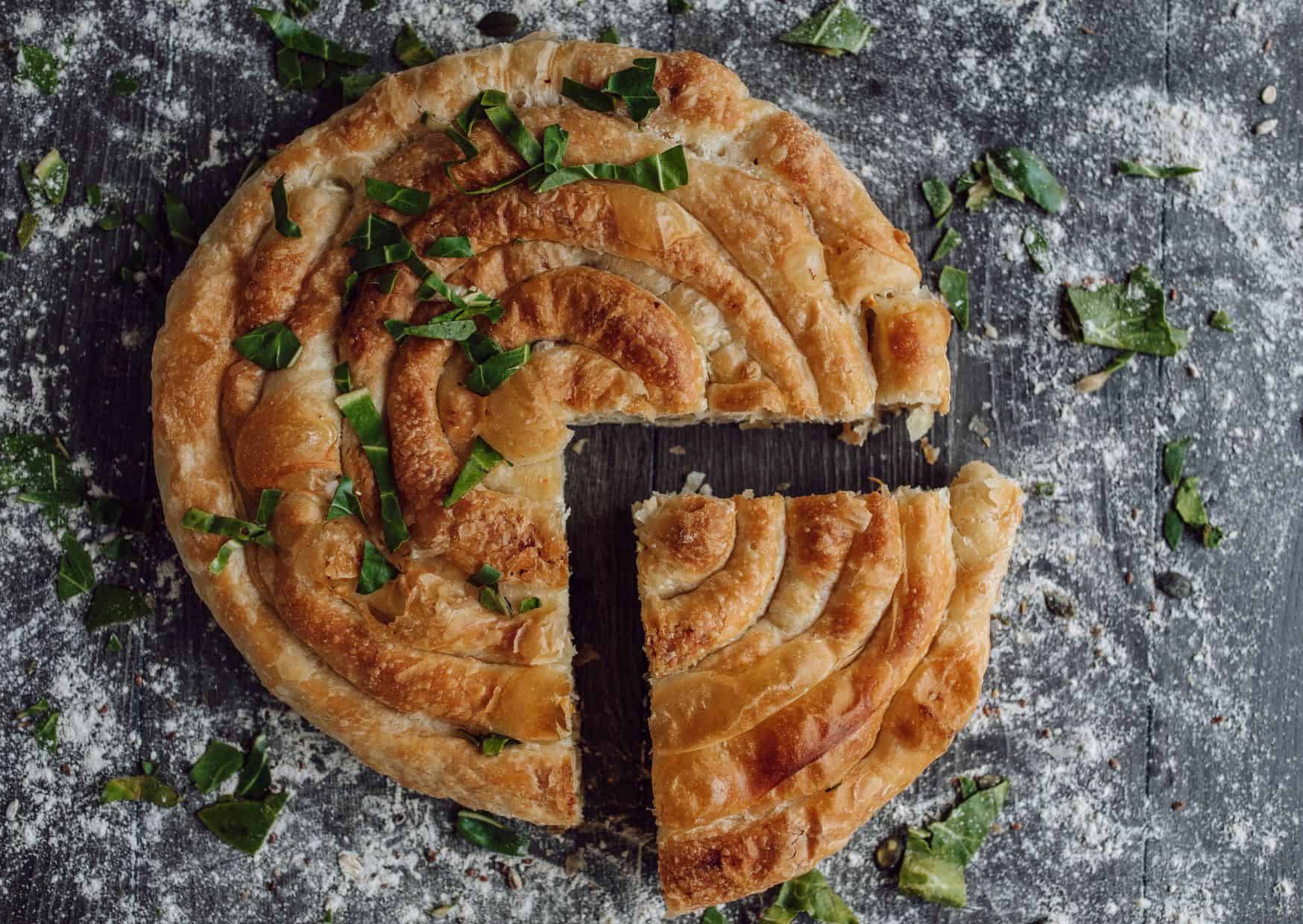
Few foods capture the spirit of the Balkans as perfectly as burek. This golden, flaky pastry stuffed with meat, cheese, or vegetables has been a staple across countries like Bosnia, Serbia, and North Macedonia for centuries. Walk through any Balkan city early in the morning, and you’ll find locals queuing outside bakeries for their daily portion of warm, steaming burek.
At its core, burek is more than just food—it’s a cultural ritual. It’s eaten for breakfast, lunch, or even a late-night snack, making it one of the most versatile dishes in Balkan cuisine. With roots tracing back to the Ottoman Empire, burek has evolved into countless regional variations, each one fiercely defended as the “most authentic.”
Making burek at home allows you to experience that tradition in your own kitchen. While it may look intimidating with its paper-thin layers of dough, the process is rewarding and surprisingly manageable once you master the technique.
Read here best breakfast in Albania and Albanian Dishes to Try
BOOK YOUR TRAVEL INSURANCE
Two of our favorite travel insurance: Heymondo Vs Safetwing cheapest travel Insurance. You can get for $135 USD your Heymondo Travel Insurance with Heymondo discount code valid for 90 days. Read our full comparison of Genki vs Safetywing Travel Insurance Review and the comparison Heymondo vs Genki
How to Eat
Burek is best eaten hot, straight out of the oven, when the pastry is at its crispiest and the filling is piping hot. Tear into it with your hands or slice it into wedges, depending on whether it’s prepared as a rolled spiral or a pie-like tray bake.
Traditionally, it’s paired with a cold glass of yogurt, which balances the richness of the pastry. This combination is so iconic in the Balkans that it’s nearly unthinkable to order one without the other. The tanginess of the yogurt cuts through the savory filling, creating a harmony of flavors.
If you’re new to burek, start simple with a meat or cheese version. Once you’ve tried those, branch out into other varieties—like spinach, potato, or even pumpkin burek—that locals love depending on the season.
How to Partner
Burek pairs beautifully with beverages, especially those that refresh. Yogurt remains the number one choice, but ayran or kefir work just as well for an authentic touch.
For a fuller meal, burek can be served alongside a fresh cucumber and tomato salad dressed with olive oil and vinegar. The acidity and freshness complement the heavy pastry, creating balance.
If you want to impress, consider serving burek at brunch with dips like ajvar (roasted pepper spread) or kajmak (a creamy dairy spread). These accompaniments highlight the Balkan table tradition of abundance and sharing.
One of the biggest controversies surrounding burek is what qualifies as “real” burek. In Bosnia, for example, locals insist that only meat-filled versions count as burek, while cheese or spinach-filled varieties must be called by other names. In Serbia, however, the term is used more broadly to describe all fillings.
Another debate lies in preparation. Purists argue that homemade filo dough, stretched paper-thin by hand, is essential. But modern cooks often rely on store-bought filo to save time. Some see this as sacrilege, while others believe it makes burek accessible to more people around the world.
There’s also the question of authenticity across borders. Since burek has Ottoman roots, many argue it doesn’t “belong” exclusively to one Balkan nation. Yet each country proudly claims its version as the true original, making burek not just a food but also a culinary battleground.
How to Make Burek
Burek Recipe Ingredients
For the Dough (if making from scratch):
4 cups all-purpose flour
1 teaspoon salt
1 1/2 cups lukewarm water
1/4 cup vegetable oil (for brushing)
For the Cheese Filling:
2 cups crumbled feta cheese
1 cup ricotta cheese
1 egg
2 tablespoons chopped fresh parsley (optional)
Salt and pepper to taste
For the Meat Filling (optional):
1 pound ground beef or lamb
1 medium onion, finely chopped
2 cloves garlic, minced
1 teaspoon salt
1/2 teaspoon black pepper
1 teaspoon paprika
1/2 teaspoon ground cumin (optional)
2 tablespoons olive oil
For Assembly:
1 package phyllo dough (if not making dough from scratch)
1/2 cup melted butter or olive oil (for brushing)
1 egg (for egg wash)
Sesame seeds or nigella seeds (optional, for garnish)
Get the best deals for your home and kitchen needs
Step By Step How to Make Burek
Prepare the Dough (if making from scratch)
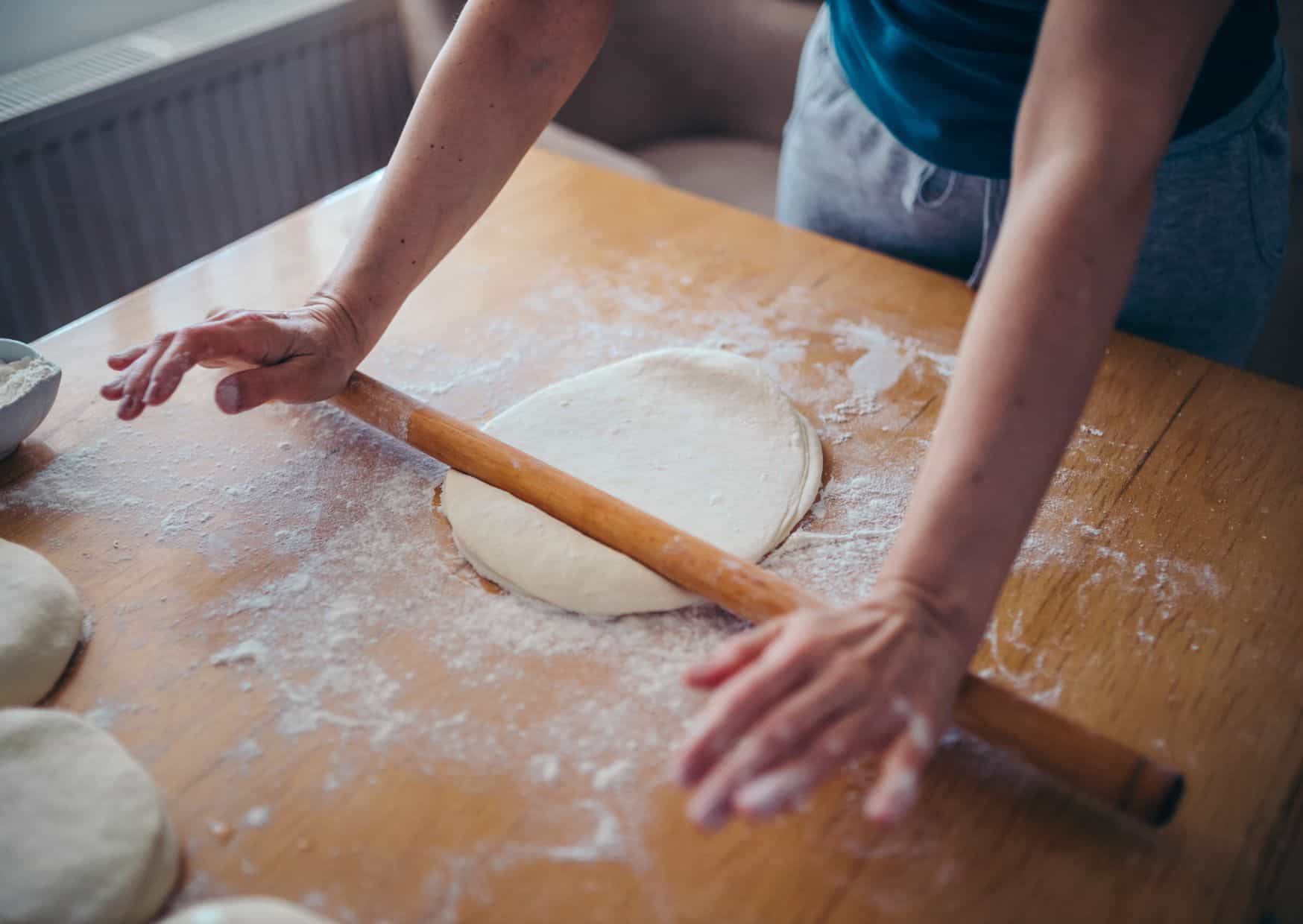
In a large bowl, combine the flour and salt. Gradually add lukewarm water, mixing until a dough forms. Knead the dough on a floured surface for about 10 minutes until it becomes smooth and elastic.
Divide the dough into 4 equal pieces, shape them into balls, and coat with a bit of oil. Cover and let rest for at least 30 minutes.
Prepare the Cheese Filling
In a medium bowl, mix the crumbled feta cheese, ricotta cheese, egg, parsley (if using), salt, and pepper until well combined.
Prepare the Meat Filling (if using)
In a skillet, heat olive oil over medium heat. Add the chopped onion and garlic and cook until softened.
Add the ground meat, salt, pepper, paprika, and cumin (if using). Cook until the meat is browned and fully cooked. Drain excess fat and let it cool slightly.
Roll Out the Dough
If using homemade dough, roll each ball out on a floured surface into a very thin, large circle (as thin as you can without tearing). Alternatively, use pre-made phyllo dough. Brush each layer of dough with melted butter or olive oil.
Assemble the Burek
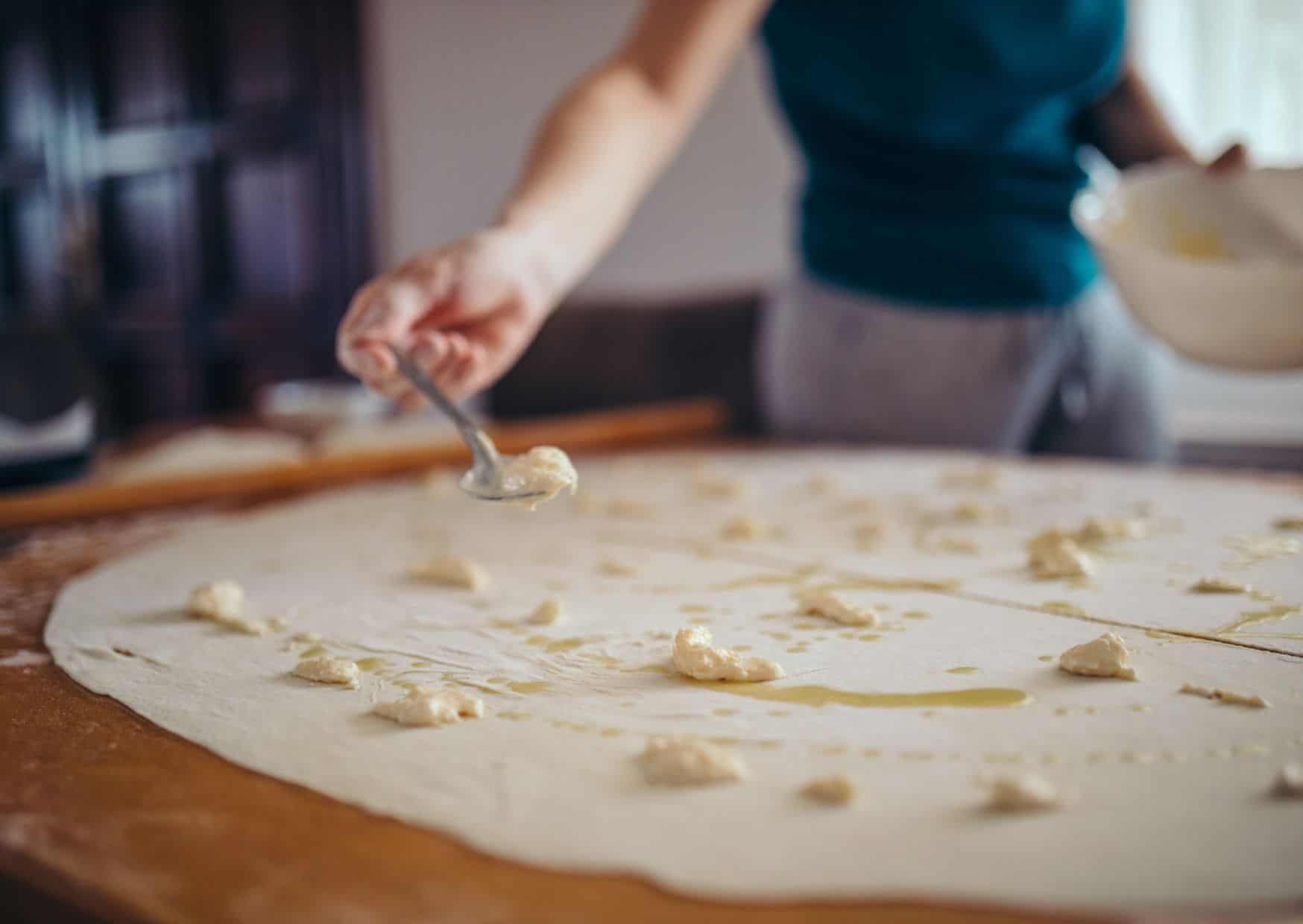
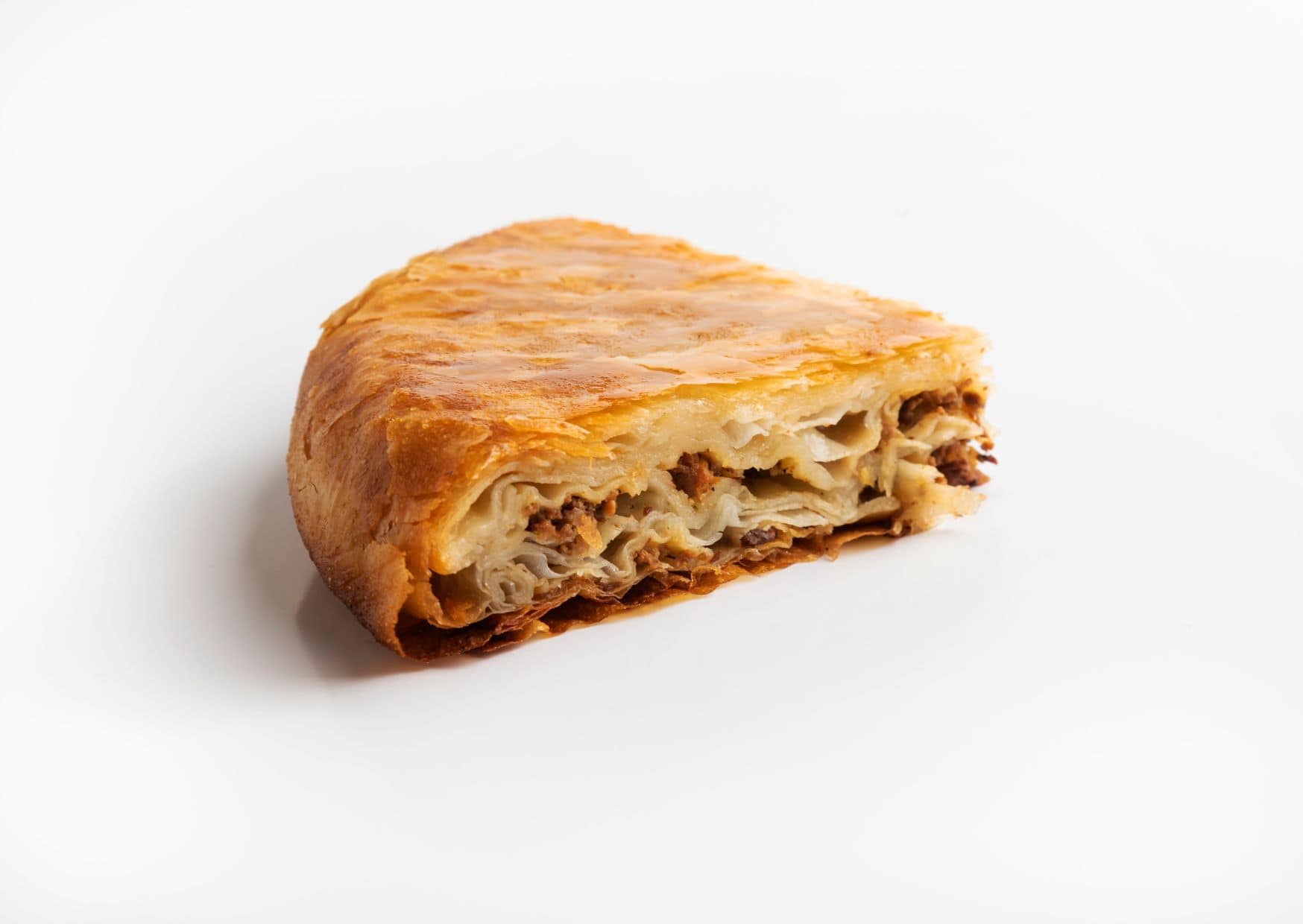
If using phyllo dough, layer 3-4 sheets of dough, brushing each layer with butter or oil. Spread the filling of your choice (cheese or meat) evenly over the dough. Roll the dough into a log or fold it into a spiral shape. Repeat with remaining dough and filling.
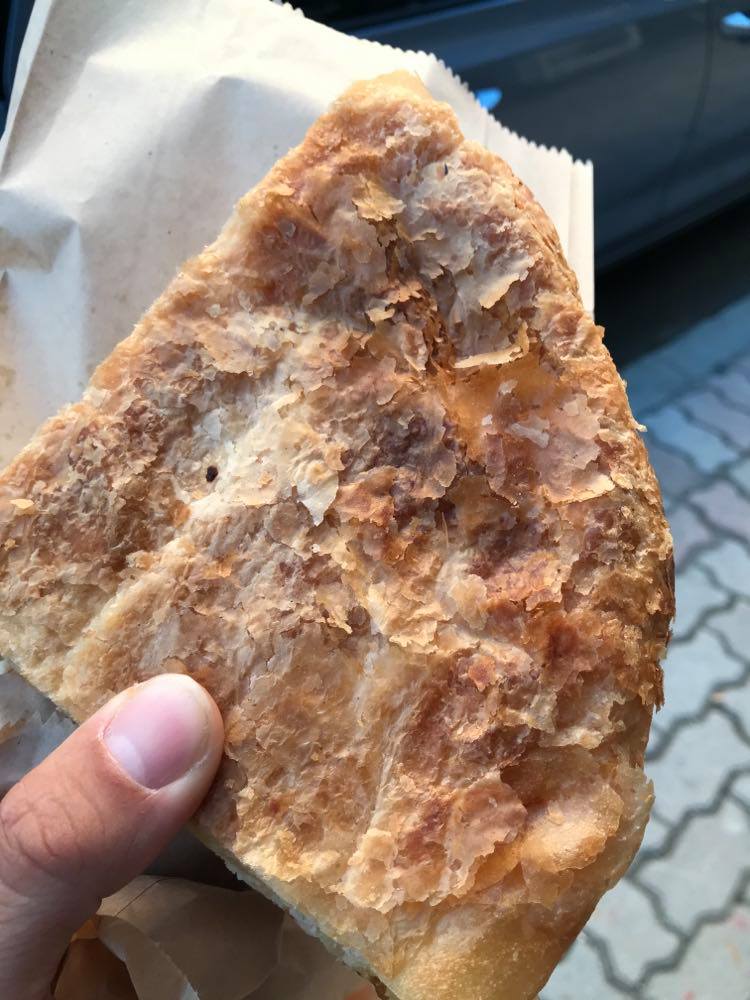
Bake the Burek
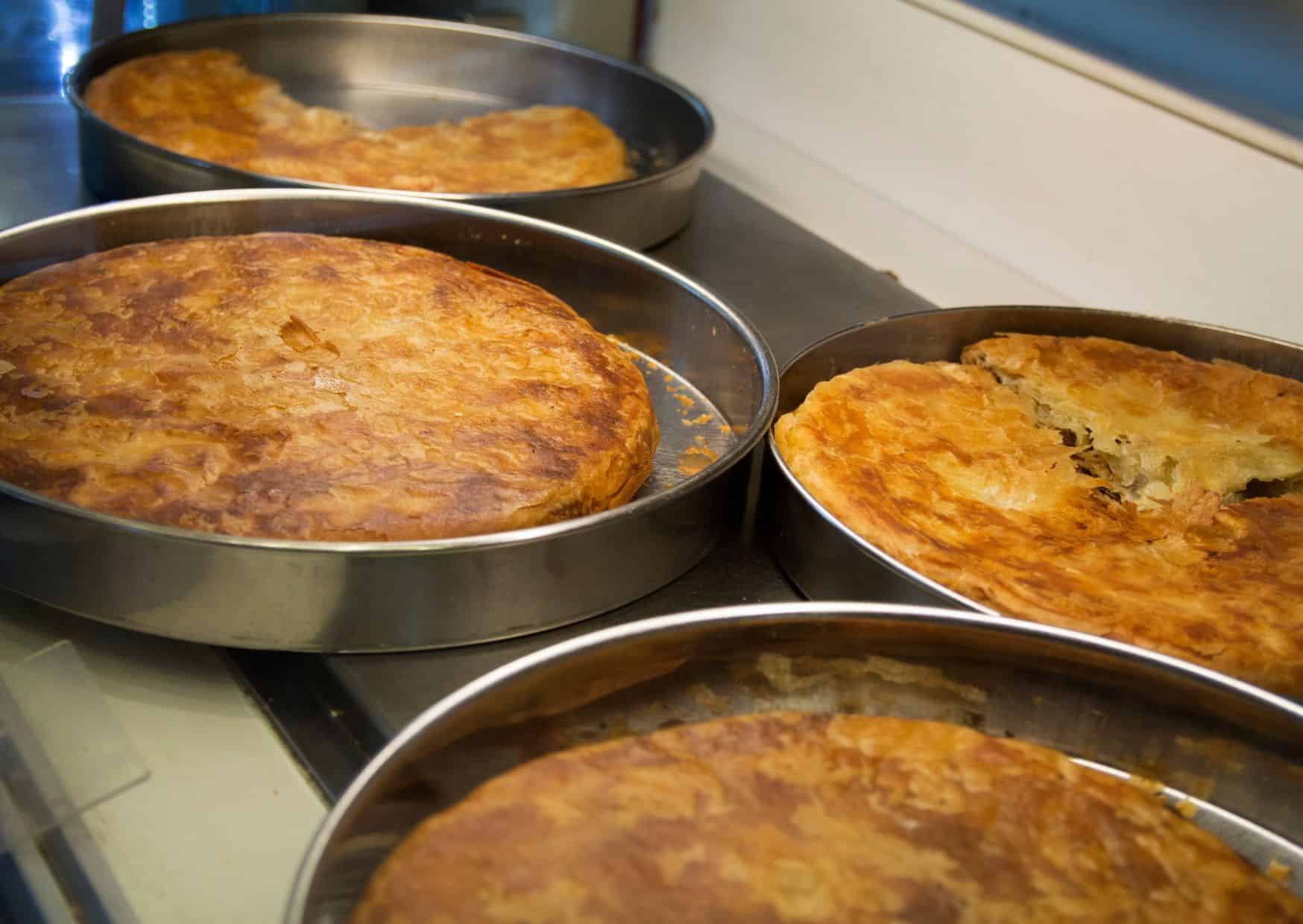
Preheat your oven to 375°F (190°C). Place the assembled burek on a baking sheet lined with parchment paper. Brush the top with an egg wash (beaten egg) and sprinkle with sesame or nigella seeds if desired. Bake for 30-40 minutes, or until golden brown and crispy.
Serve
Let the burek cool slightly before slicing and serving. Enjoy warm or at room temperature.
Tips To Make Burek
If making dough from scratch, aim for paper-thin layers. It helps to stretch the dough with your hands gently after rolling.
Keep phyllo dough covered with a damp cloth while working to prevent it from drying out. Experiment with different fillings such as spinach and feta, potato, or mixed vegetables.
Burek can be frozen before baking. Assemble and freeze on a baking sheet, then transfer to a freezer bag. Bake directly from frozen, adding a few extra minutes to the baking time.
How Many Calories Have Burek
Cheese Burek:
Feta Cheese (2 cups): 800 calories
Ricotta Cheese (1 cup): 300 calories
Egg (1): 70 calories
Phyllo Dough (1 package): 1,000 calories
Butter (1/2 cup): 800 calories
Total Calories per Serving: Approximately 371 calories
Meat Burek:
Ground Beef or Lamb (1 pound): 800 calories
Onion (1 medium): 50 calories
Garlic (2 cloves): 10 calories
Olive Oil (2 tablespoons): 240 calories
Phyllo Dough (1 package): 1,000 calories
Butter (1/2 cup): 800 calories
Total Calories per Serving: Approximately 363 calories
Serving Suggestions
Serve burek warm as the centerpiece of a breakfast or brunch spread. Pair it with yogurt or kefir, and add fresh fruit or vegetables for balance.
For lunch or dinner, burek works well with a simple side salad or a light soup. Because it’s hearty and filling, you don’t need much else to complete the meal.
If serving for a crowd, prepare multiple fillings—meat, cheese, and spinach—and cut them into small portions so everyone can sample different flavors. This approach reflects the communal spirit of Balkan dining.
Final Thoughts
Burek is more than just pastry; it’s a story of history, migration, and identity woven into flaky layers. From the Ottoman kitchens to Balkan bakeries, it has remained a comfort food that unites communities while sparking playful rivalries.
For home cooks, burek offers an exciting opportunity to step outside the ordinary and into a tradition that values patience and craftsmanship. Whether you make the dough from scratch or use filo, the result will be deeply satisfying.
By learning to make burek, you’re not just preparing a meal—you’re participating in a centuries-old tradition that continues to thrive. It’s proof that some of the world’s greatest dishes are born from simple ingredients elevated through care and culture.

About the Author: Ruben, co-founder of Gamintraveler.com since 2014, is a seasoned traveler from Spain who has explored over 100 countries since 2009. Known for his extensive travel adventures across South America, Europe, the US, Australia, New Zealand, Asia, and Africa, Ruben combines his passion for adventurous yet sustainable living with his love for cycling, highlighted by his remarkable 5-month bicycle journey from Spain to Norway. He currently resides in Spain, where he continues sharing his travel experiences with his partner, Rachel, and their son, Han.