
Why Bother Understanding These Differences?
Picture it: you’ve just landed in Europe, excited to immerse yourself in old-world charm and meet friendly locals. Yet after a day or two, you notice small interactions that puzzle—or even offend—you. Maybe a store clerk barely acknowledges you. Or someone on the subway brushes past without apologizing. Or a friend refuses your tip. Don’t jump to the conclusion that Europeans are rude! Often, these “rude” behaviors, through an American lens, are in fact perfectly normal or even respectful by local standards.
Below, we’ll dive into nine surprising behaviors across Europe—spanning greetings, personal space, mealtime etiquette, and more—that might clash with American expectations. Recognizing these nuances can help you avoid awkward misunderstandings and even cultivate deeper connections. After all, etiquette is all about context. What’s insulting in one place may be a sign of authenticity or politeness in another.
Looking for More Travel & Culture Reads?
– They Don’t Work 24/7: 5 Vacation Customs in Europe That Drive Americans Crazy
– 7 Dress Code Shocks Americans Face in Italy
– 9 European Beach Habits That Shock First-Time Tourists
– 7 Beach Behaviors That Make Locals Avoid You in Italy
Quick, Easy Tips for Tourists
Greet first, always: A simple “Bonjour,” “Guten Tag,” or “Buongiorno” before any request is essential.
Avoid excessive small talk: Europeans prefer brief, meaningful exchanges over constant chatter.
Don’t take bluntness personally: Directness signals honesty, not hostility.
Respect personal space: Avoid touching or standing too close in casual interactions.
Be sincere: Empty compliments or exaggerated friendliness can feel disingenuous.
Travelers often judge politeness through the lens of their own culture, but in Europe, many social behaviors that seem rude to outsiders are actually signs of courtesy or sincerity. For instance, not smiling at strangers, speaking bluntly, or declining small talk may seem cold to Americans, yet in much of Europe, these habits reflect authenticity and respect for personal space. To many Europeans, excessive friendliness feels superficial; honesty, even when direct, is the real form of respect.
This cultural gap often leads to misunderstanding. Tourists might feel slighted when a server doesn’t hover over their table, or when someone answers a question with sharp precision instead of friendly fluff. Yet those same moments represent a culture that values efficiency, equality, and truth over performance. In places like Germany, France, and the Netherlands, clear communication means you’re being taken seriously—not dismissed.
Critics of European manners sometimes label this communication style as unfriendly or elitist. But many Europeans would argue that constant smiles and apologies dilute sincerity. In their view, politeness shouldn’t mask reality—it should express honesty with composure. Understanding this mindset can transform awkward encounters into moments of insight about how respect is defined differently around the world.
1. Not Smiling at Strangers on the Street

The Behavior
In many European cities—especially in parts of Central or Eastern Europe—locals don’t typically smile or make direct eye contact with strangers passing by. Americans might interpret a neutral or serious expression as standoffish, even rude.
Why It’s Actually Respectful
- Privacy & Reserve: In some cultures, a random smile at someone you don’t know can be taken as intrusive or flirtatious. Keeping a neutral face allows personal space in public.
- Avoiding Empty Formalities: People save warm smiles for actual acquaintances. A big grin at a total stranger might seem superficial to them.
Pro Tip: If you flash your usual wide American smile and don’t get one back, don’t take offense. They’re not necessarily upset with you; it’s just not the norm to grin at passersby. Wait until you’re introduced or in a more personal setting—then you’ll likely see genuine warmth emerge.
2. Kissing Cheeks or Getting “Into Your Personal Space” to Greet

The Behavior
In France, Italy, Spain, and parts of Eastern Europe, a greeting might involve a cheek kiss—sometimes one on each side, occasionally even three or more (like in parts of Belgium). Americans can find it invasive, especially if they’re used to a handshake or personal space.
Why It’s Actually Respectful
- Close Bonds: Cheek-kissing is a sign of affection and friendship, not an attempt to violate your bubble. If a local greets you this way, it means they see you as part of their circle.
- Shared Tradition: It’s a universal norm in many regions, bridging formalities with warmth. Refusing can seem standoffish or even insulting.
Pro Tip: If you’re uncomfortable, you can gently offer a handshake first or lightly go along with the cheek air-kiss. They’ll often appreciate you trying to adapt to their courtesy gesture. A quick “Which side first?” question might prevent comedic collisions.
3. Minimal Small Talk at Shops or Cafés

The Behavior
Americans might expect a chatty cashier or a barista who asks, “How’s your day going?” In many European cities, service staff often keep interactions brief and to the point—no personal questions, no big smiles.
Why It’s Actually Respectful
- Time & Efficiency: Locals see the transaction as purely functional. It’s not about being cold; it’s about respecting your time and theirs. Nobody wants to hold up the line with idle chatter.
- Privacy & Boundaries: Unsolicited personal queries from a stranger can seem intrusive. By staying formal, staff show courtesy in letting you be.
Pro Tip: Don’t assume they’re unfriendly or upset. If you want a slightly friendlier exchange, greet them with a polite “Buongiorno,” “Bonjour,” or “Guten Tag,” but don’t be offended by a short response. They see it as politely professional, not rude.
4. Reluctance to Accept (Big) Tips
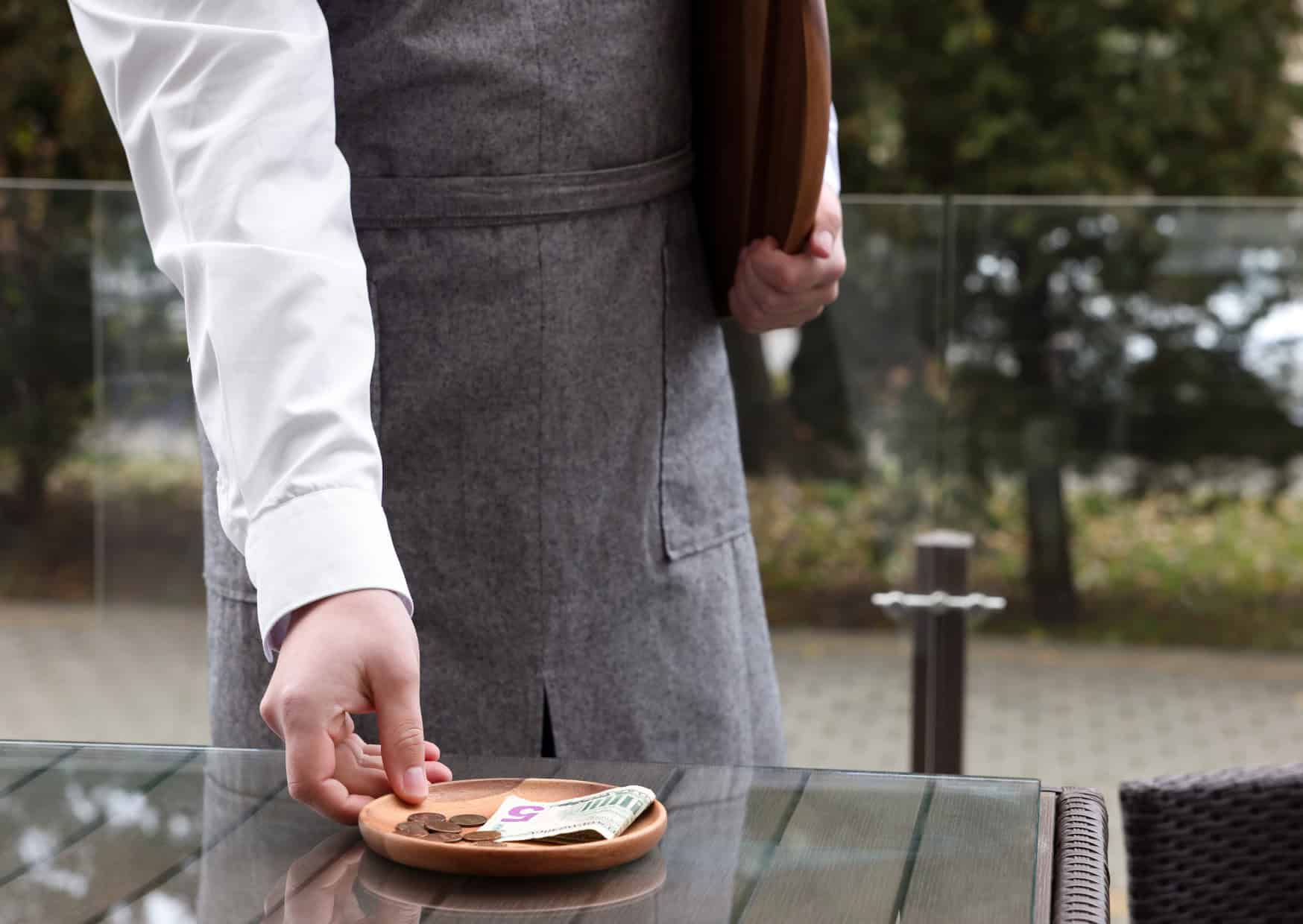
The Behavior
In restaurants or taxis, Americans often tip 15–20% or more. But in many European countries, service charges or taxes are included in the bill. Some staff may politely refuse large additional tips or look perplexed if you offer them.
Why It’s Actually Respectful
- Fair Wages: Many European servers or bartenders earn a stable wage, so tipping heavily is less expected. They interpret an over-the-top tip as either confusion or “pity.”
- Cultural Norm: A small rounding up—like leaving an extra euro on a coffee or 5–10% on a meal if service was great—feels appropriate. But huge sums can be seen as flaunting wealth.
Pro Tip: Check if a service charge is on the receipt. If so, a euro or two on top might suffice for good service. In some places (like the UK or Germany), leaving all your spare change is often enough. Too big a tip can make them uncomfortable.
5. Direct, Blunt Language in Conversation

The Behavior
Southern Europeans might exclaim, “That shirt looks weird on you!” or “You’ve gained weight!” Central or Northern Europeans may correct you bluntly if they think you’re wrong. Americans can find such directness abrupt or tactless.
Why It’s Actually Respectful
- Honesty as Courtesy: In some cultures, offering direct feedback is normal. They consider sugarcoating or “white lies” more disrespectful, as if you can’t handle the truth.
- No Beating Around the Bush: Efficiency in conversation is appreciated. They see it as sincerity, not rudeness.
Pro Tip: If someone comments on your appearance or knowledge in a seemingly harsh way, try not to take it personally. They might be offering helpful feedback or just their candid opinion. You can respond politely, or if it’s truly offensive, calmly let them know. They may not realize it’s crossing your American norm.
6. Pushing or Nudging in Crowds (No “Excuse Me”)
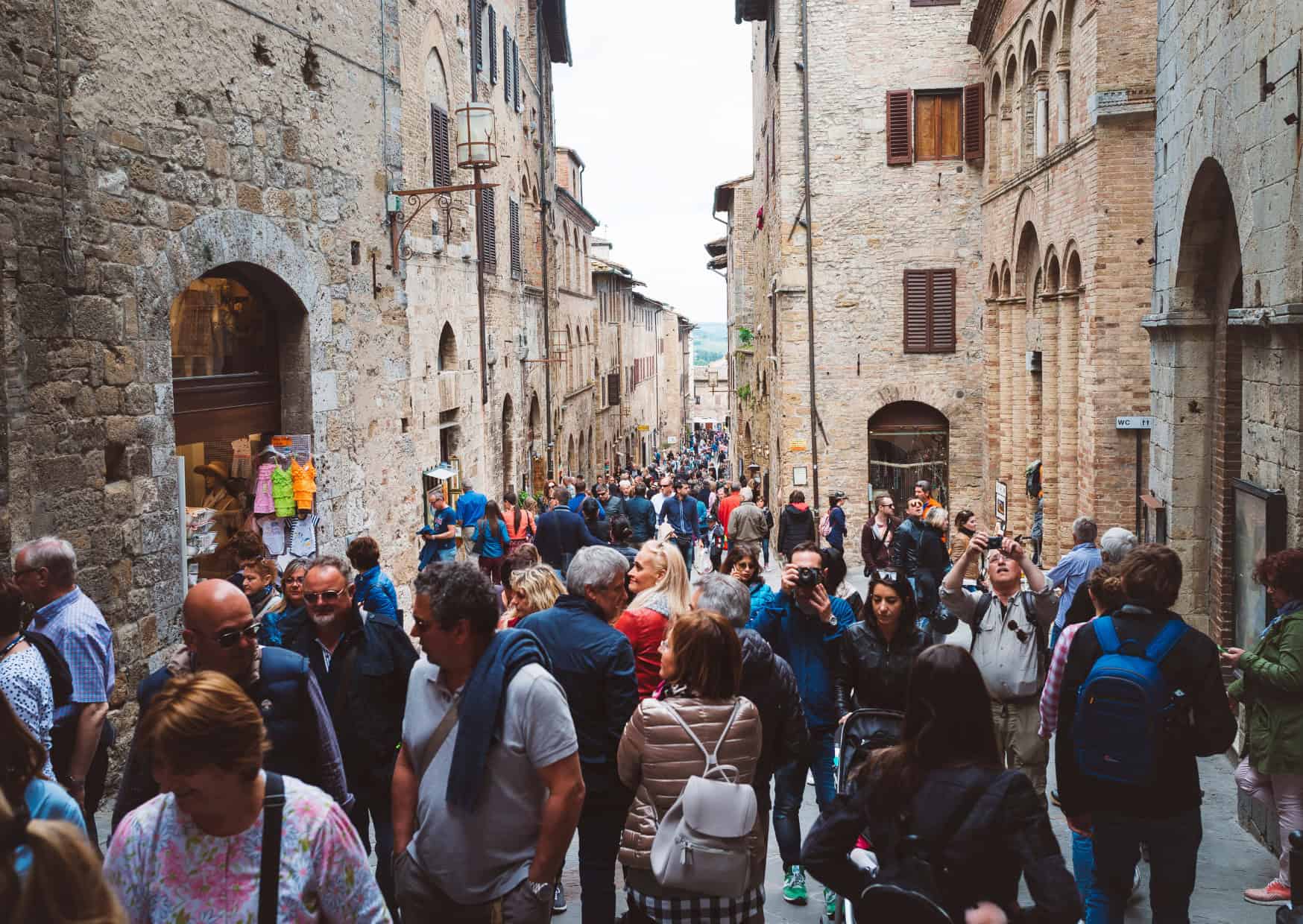
The Behavior
In some busy European metros or markets, you might experience light jostles or nudges from locals weaving through the crowd, with minimal “excuse me” or apology. It can feel rude if you’re used to Americans politely saying “sorry” or “pardon me” for even slight bumps.
Why It’s Actually Respectful
- Accepted Norm in Packed Spaces: If everyone said “excuse me” each time in a jam-packed environment, it’d be an endless chorus. The norm is to move efficiently, trusting that small contact is normal.
- Personal Boundaries: People assume a certain mutual understanding of “no harm done” for these minor touches. Constant apologizing might be seen as overly formal or slower.
Pro Tip: If you want to pass, a quick “Permesso” (Italian), “Pardon” (French), or gentle tap can help. Don’t read too much into slight body contact; it’s typical in tight city spaces. Just stay aware of pickpockets in overly crowded tourist spots.
7. Not Sweating Over Tiny Delays or “Being Late” by 10 Minutes

The Behavior
Many Americans see timeliness as a virtue—arriving 10 minutes early to a meeting is standard. Meanwhile, in certain European cultures, showing up 5–15 minutes after the arranged time is normal, even expected, especially in social or casual contexts.
Why It’s Actually Respectful
- Flexible Time: Cultures like in Spain or southern Italy operate on a looser sense of scheduling for social events. Being overly punctual can be taken as rigid or pushy.
- No Rush: They value letting the conversation or previous engagement finish naturally, rather than abruptly leaving to beat a clock.
Pro Tip: If you’re meeting local friends for a dinner, don’t freak out if they’re 10 minutes past. That’s typical. For official business or train departures, be sure to clarify local norms—some countries (like Germany or Switzerland) do prize punctuality. But you’ll find others where a short delay is nonchalant, not disrespectful.
8. Interrupting or Talking Over Each Other in Group Conversations

The Behavior
In certain Mediterranean cultures (e.g., Italy, parts of Spain), group conversations can be lively, with multiple people talking at once, finishing each other’s sentences, or raising their voices to be heard. Americans might see this as chaotic or rude.
Why It’s Actually Respectful
- Sign of Engagement: Jumping into the conversation enthusiastically shows you’re invested. Silence might be interpreted as disinterest.
- Collective Energy: Rather than taking turns politely, the group dynamic is about everyone contributing spontaneously.
- Passionate Expression: “Arguing” or loud interjection can be a sign of healthy debate, not anger.
Pro Tip: If you find it overwhelming, try to adapt. Insert your thoughts with confidence, or politely signal you’d like to speak. The group might appreciate your input more than you think, once they realize you’re comfortable with the lively style.
9. Not Offering “Service with a Smile” in Restaurants or Shops
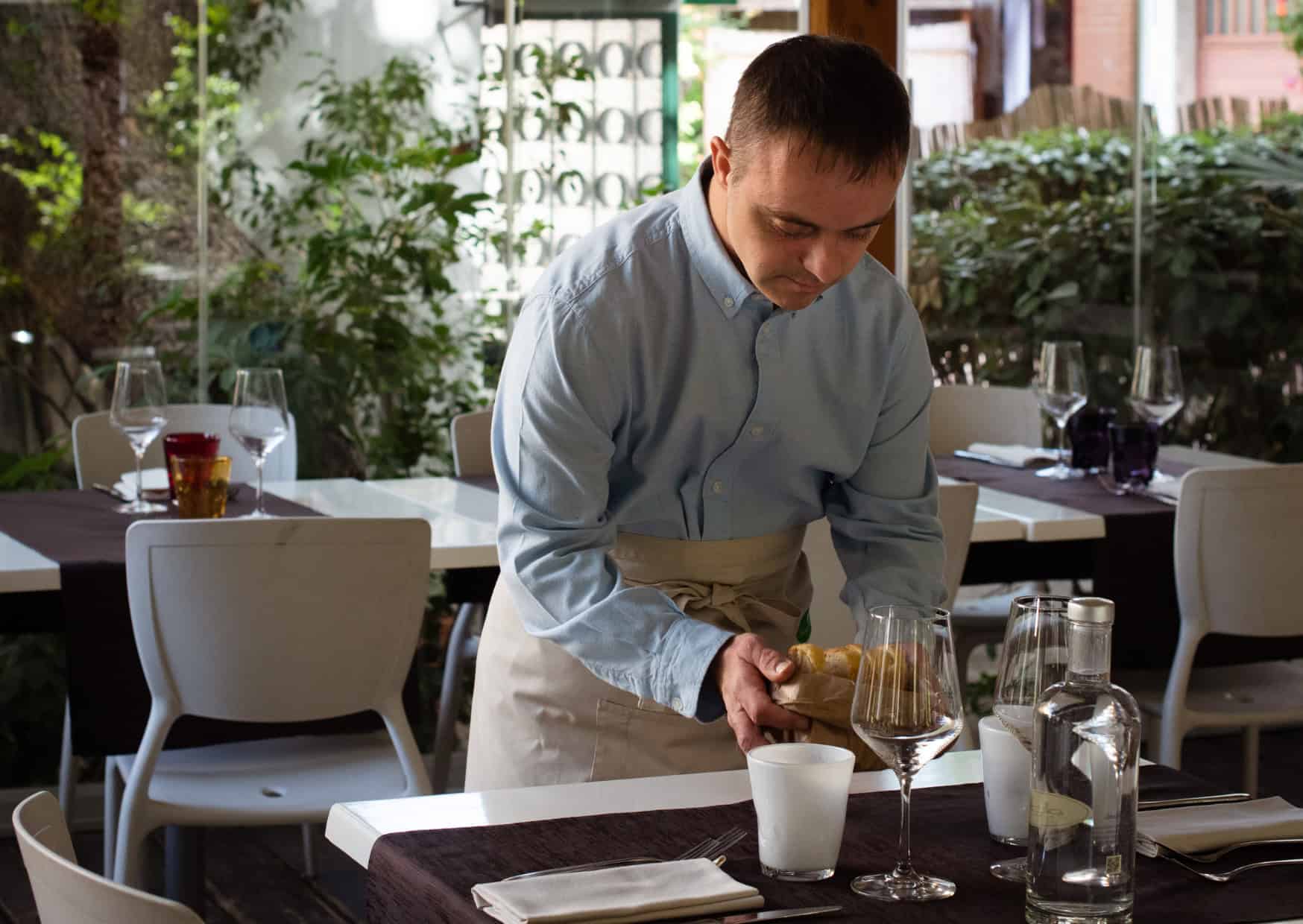
The Behavior
In the U.S., we’re used to waiters or clerks constantly checking on us, smiling, and being chatty. In many European eateries or shops, staff might:
- Seem Distant or Reserved: They serve your food efficiently but don’t engage in extensive small talk.
- Give You Space: After bringing your meal, they might not return unless you signal. Or they might not do multiple “Is everything okay?” check-ins.
Why It’s Actually Respectful
- Non-Intrusive Hospitality: Staff respect your private dining experience. Hovering around or repeatedly interrupting can be seen as pushy.
- Professional Formality: They consider a constant grin or forced positivity inauthentic. A polite but neutral approach is more genuine.
Pro Tip: If you need something, call the server with a small gesture or phrase (“Scusi,” “Pardon,” “Per favore”). Don’t wait for them to spontaneously check in. They assume “no news = you’re content.” This might feel odd, but it’s their way of giving you a calm dining environment.
Conclusion: Cultural Context Shapes Politeness and “Rudeness”
Though these 9 “rude” behaviors might raise American eyebrows, they can hold deeper significance in Europe—demonstrating respect, warmth, or authenticity in their own contexts. Local traditions, historical city structures, and values around personal space or privacy shape how people greet, dress, or interact in public. By understanding these norms, you’re less likely to misinterpret a stoic face or minimal small talk as coldness. Instead, you can appreciate the subtle ways that “rude” might actually be “respectful”—or at least normal—on the other side of the Atlantic.
As a traveler, you needn’t adopt every local habit if it feels uncomfortable. But you can approach each scenario with open-mindedness. The next time a French cashier quietly rings up your purchase, or an Italian friend kisses your cheeks upon greeting, or a Spanish acquaintance is late by 15 minutes, see it as an invitation to discover new cultural rhythms. In time, you might discover that what initially felt off is actually a sign of courtesy and tradition—or at least a different worldview around personal space, time management, and interpersonal warmth.
Buon viaggio and enjoy these cross-cultural insights! The more you dig into local norms, the richer your connections and experiences become. And who knows? Maybe you’ll pick up a new greeting style or sense of timing that resonates long after you’ve flown home.
Pro Tip: If you’re venturing across multiple European countries, do a little reading on local etiquette—like how to greet someone in Germany vs. Spain, or how to handle a restaurant bill in France vs. Denmark. Each region has its own quirks, and acknowledging them often leads to smoother interactions. Enjoy the journey and the differences that make travel so eye-opening!

About the Author: Ruben, co-founder of Gamintraveler.com since 2014, is a seasoned traveler from Spain who has explored over 100 countries since 2009. Known for his extensive travel adventures across South America, Europe, the US, Australia, New Zealand, Asia, and Africa, Ruben combines his passion for adventurous yet sustainable living with his love for cycling, highlighted by his remarkable 5-month bicycle journey from Spain to Norway. He currently resides in Spain, where he continues sharing his travel experiences with his partner, Rachel, and their son, Han.