
You breeze into a Lisbon gym with your tripod, hit record, and drop a barbell for the finale. Heads turn. A manager appears with a polite smile that is not an invitation. In much of Europe, the rules are different: privacy first, quiet floors, and hygiene you can measure in clean benches. Here is the playbook so you can lift hard without getting bounced.
American gym culture travels well until it doesn’t. The gap is not about strength or seriousness. It is about what the room is for. European clubs design for shared use and minimal friction: fewer hazards, fewer messes, fewer strangers on camera. That translates into five habits that routinely get newcomers warned, fined, or escorted outside.
Below is the list you actually need. What is banned or restricted, why it is policed, and how to get the same training effect inside European norms. Short version: you can keep your progress, your numbers, and your dignity. You just lose the noise, the dust, and the bystanders in your videos.
Want More Deep Dives into Everyday European Culture?
– Why Europeans Walk Everywhere (And Americans Should Too)
– How Europeans Actually Afford Living in Cities Without Six-Figure Salaries
– 9 ‘Luxury’ Items in America That Europeans Consider Basic Necessities
1) Filming Workouts Without Clear Consent
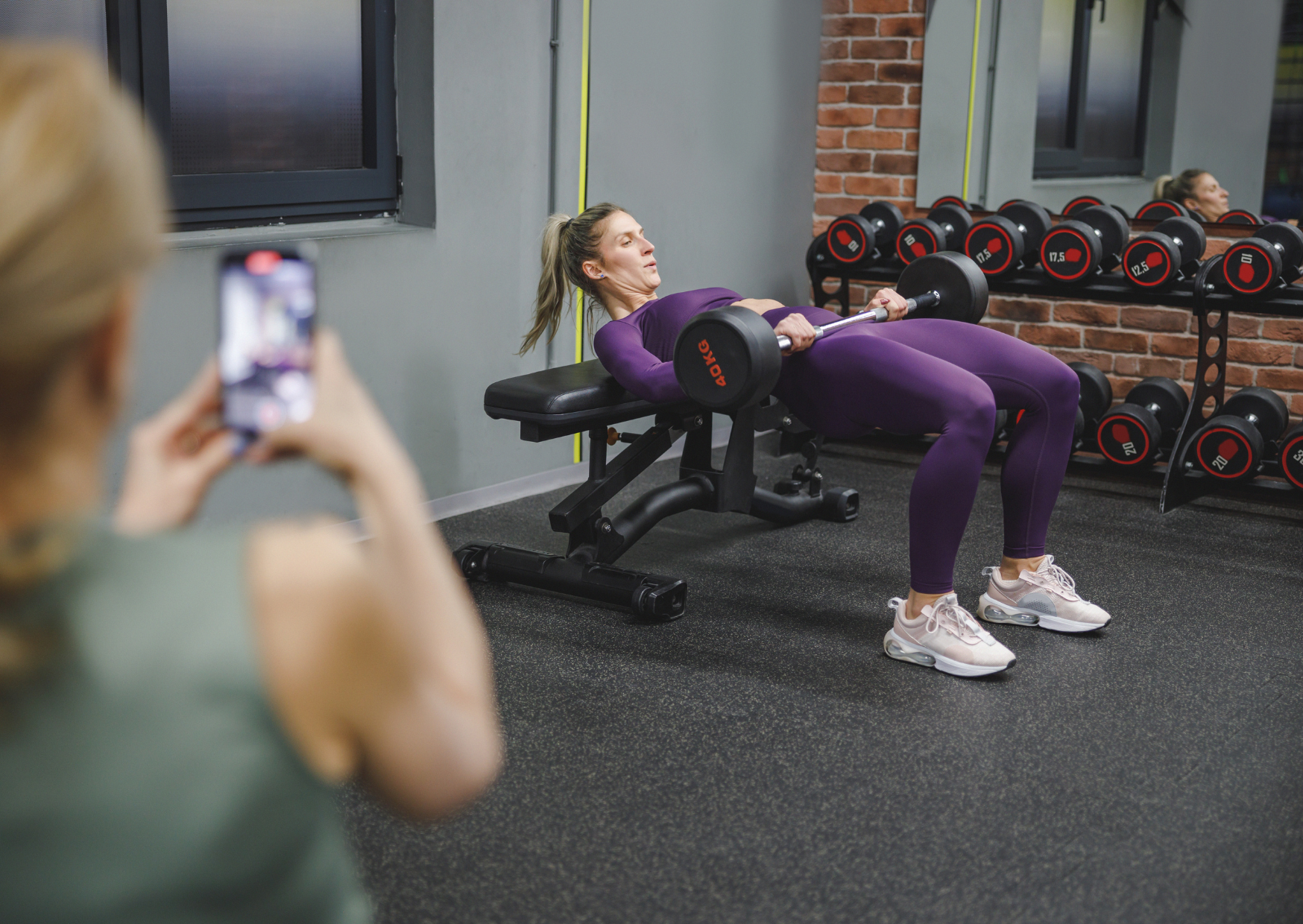
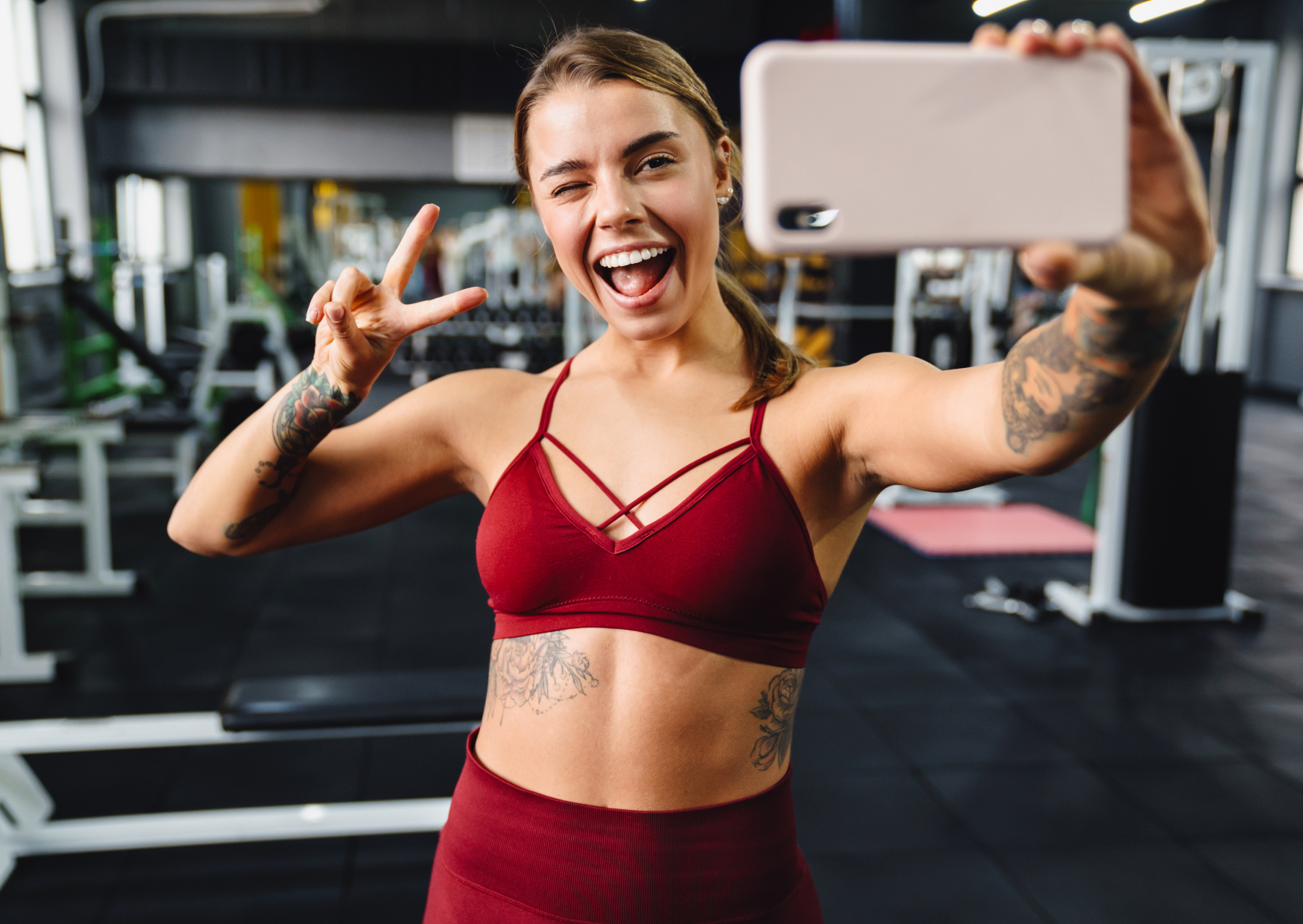
The quickest way to collide with staff is to wave a phone around like a press pass. In many European chains, filming is restricted, and you are expected to get permission before you record anything that could identify another member. Some brands ban tripods entirely. The reason is not popularity politics. It is privacy and data protection.
Europe treats identifiable footage as personal data when it can point to a living person. Gyms respond with house rules that limit or forbid recording on the floor, and they are not shy about enforcing them. You will see signs near reception, short lines in the membership contract, or a manager who quotes the rule as soon as your selfie stick opens. Consent matters, and the default answer is no unless the club says yes.
How to train the same way:
If you need form checks, ask about designated filming zones or off-peak windows. Some clubs allow recording at empty racks if you angle away from others and keep the clip offline. Otherwise, hire a floor coach for ten minutes to spot and correct, or record form at home with a broomstick and transfer cues under the bar at the gym. You will keep good mechanics, avoid accidental GDPR headaches, and move on with your day.
Why this is enforced:
Managers do not want complaints from members who appear in your video, especially when it lands on social media. Privacy culture is stronger, and gym rules track that culture. It is normal here.
2) Wearing Outdoor Shoes On The Gym Floor
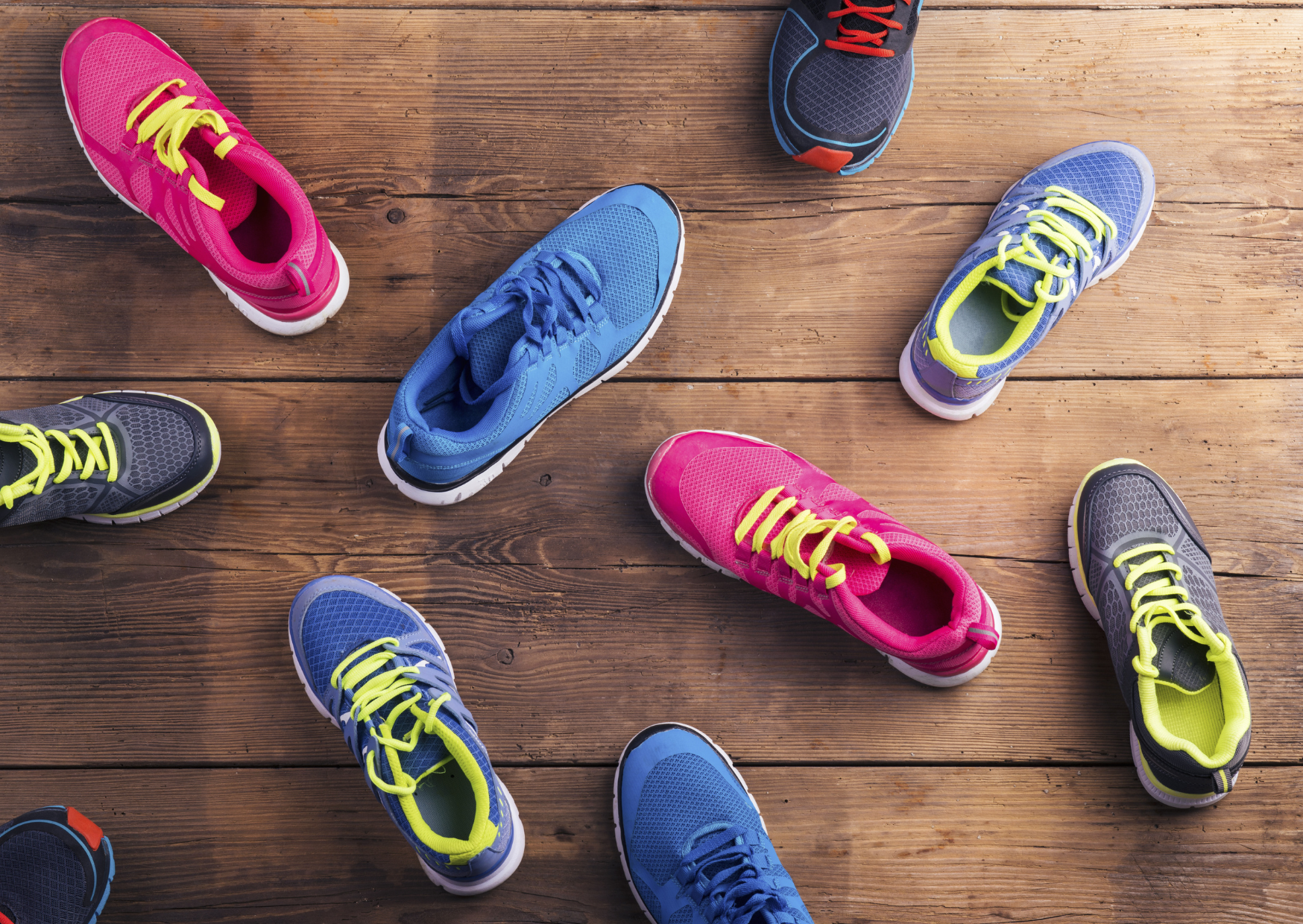
In a lot of European facilities, the shoes you wore on the street are not welcome on the platform. House rules often require clean, indoor-only trainers on the training floor. Staff are not being precious. Dirt and grit on soles chew up pads and belts, leave black marks on floors, and track sand into bearings and pulleys. If you try to train in travel sneakers you wore across the city, expect a friendly stop at reception.
Chains put it in writing. You will see phrases like “clean sports shoes mandatory”, sometimes paired with a towel rule in the same sentence. In the Netherlands and Germany, it is common to see people carry a pair in their bag, swap at the lockers, and tie the outdoor pair to the backpack until they leave. Hygiene and equipment life are the point, not fashion.
How to train the same way:
Bring two pairs. Keep indoor trainers in a shoe bag and change in the locker room. If you lift heavy, add your flat-soled lifters or a stable cross-trainer to the rotation. For deadlifts, some gyms allow socks only on deadlift platforms during coached sessions, but do not assume. Ask. You will get a nod if there is a policy. You will get a towel and a pointer to reception if there isn’t.
Why this is enforced:
Clean floors limit slip risk, reduce machine wear, and keep the environment ready for classes, seniors, and high-traffic hours. Staff can see the difference on Monday mornings. So can you.
3) Dropping Weights And Performing Loud, Repeated “PR Theater”
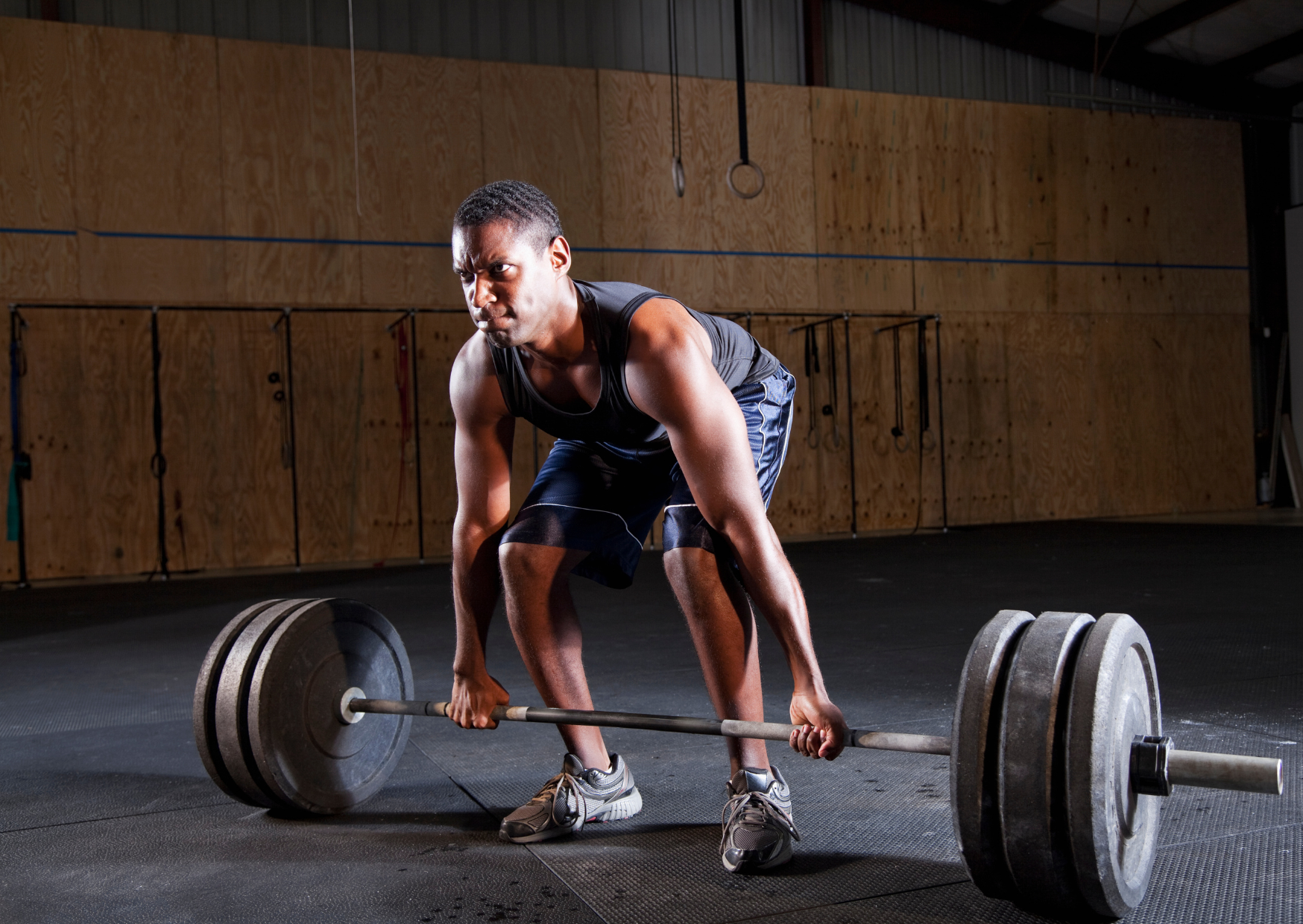
Olympic lifting platforms exist for a reason, and dropping bumper plates on rubber in a purpose-built zone is normal in gyms that support it. The friction starts when the same behavior spills into commercial floors not engineered for impacts. Many European clubs treat dropped dumbbells and barbells on general floors as damage and nuisance, not intensity. You will also see rules against excessive grunting or shouting outside heavy platforms. Noise travels through older buildings and bothers neighbors in mixed-use blocks.
Clubs write it plainly: do not drop the weights, re-rack quietly, keep noise down. This protects equipment and acoustics in spaces that rarely have the warehouse floors or isolation slabs you see in dedicated weightlifting boxes. It also protects the club from noise complaints that jeopardize leases. Staff are judged on complaints avoided, not PRs witnessed.
How to train the same way:
Train heavy by controlling the eccentric and lowering to dead-stop. Use rubberized plates where provided. If your final rep demands a drop, you are in the wrong area. Ask for the platform room or the box affiliated with the club, where drops are expected. Turn loud exhales into tight bracing and short, quiet breaths. If you cannot imagine lifting without a yell, choose a time and space where culture matches your volume. In Europe, context is part of form.
Why this is enforced:
Noise and vibration break neighbors’ patience and owner relationships faster than anything else. Clubs that want to keep a lease keep the floor quiet unless it is engineered for noise.
4) Using Loose Chalk That Dusts The Room
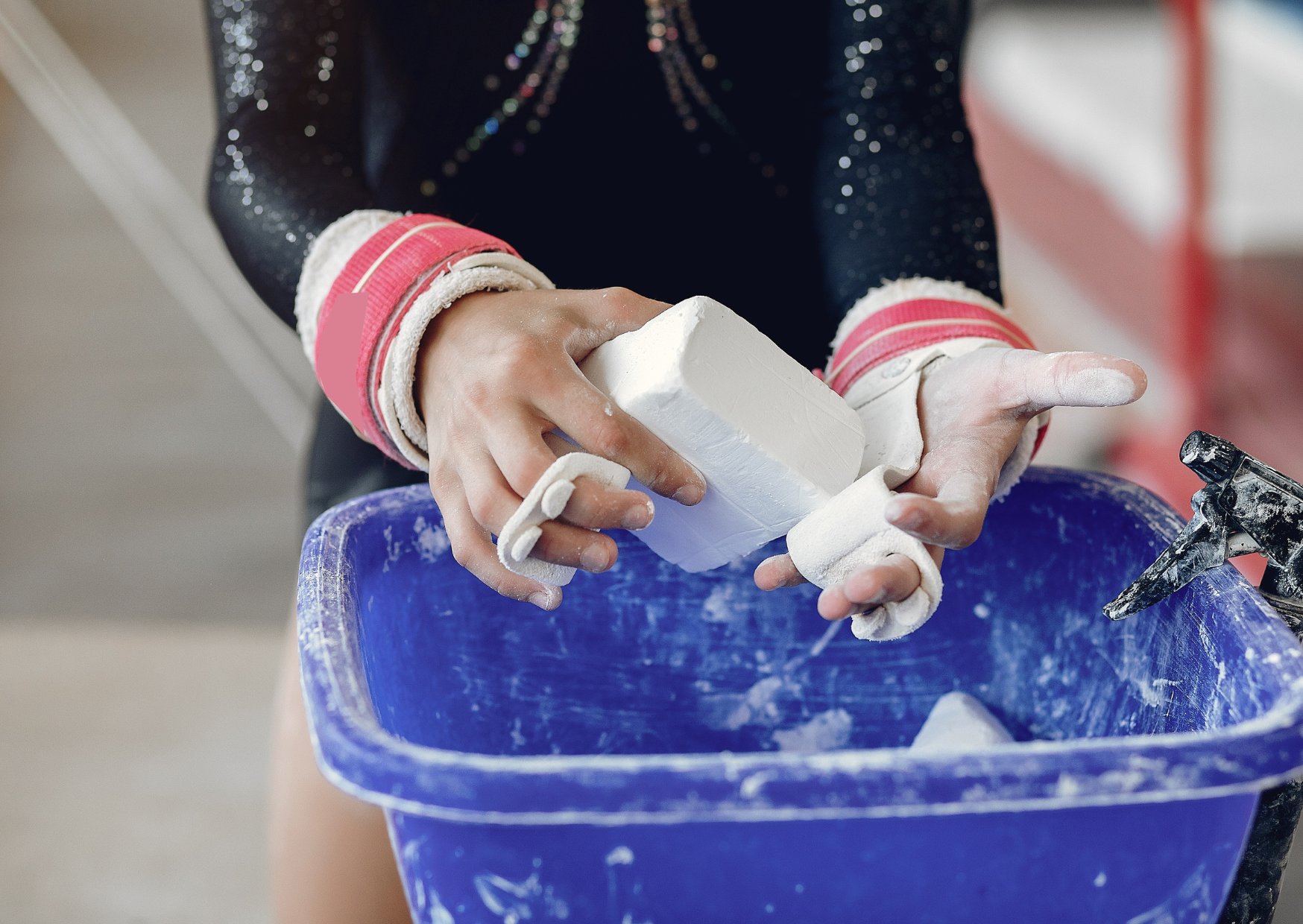
You chalk your hands, clap, and a white cloud floats across a mirror line. In many European gyms and climbing walls, that cloud is the reason loose chalk is banned. It pollutes the air, coats holds and knurling in residue, and adds hours to cleaning. You will see signs for liquid chalk only, or you will be told to keep chalk in a bag and use it sparingly.
This is not anti-performance. It is air quality and shared surfaces. Staff are not paid to polish chalk paste out of textured grips every night. Other members do not like breathing particles while they row. Where chalk is allowed, it is often liquid and applied in a corner before you step to the bar.
How to train the same way:
Switch to liquid chalk for the main set, then wipe the bar after. If you require a chalk ball, keep it sealed between sets and load only what you will use. Train your grip with timed holds and farmers carries so chalk becomes a tool, not a crutch. Your pull will not suffer, and you will avoid the side-eye from the cleaner who knows exactly which bay you used.
Why this is enforced:
Fine dust raises cleaning costs, triggers complaints, and shortens the life of coatings and holds. Liquid chalk handles grip without turning the place into a quarry.
5) Skipping The Towel And Wipe-Down

American newcomers are used to spray bottles and paper towels at every turn. In much of Europe, the baseline is bring a towel, put it down before you sit or lie, and wipe the surfaces when you are done. Many chains put both in one sentence of their house rules, with fines or an escort to the door for repeat offenders. The expectation is simple: no one should meet your sweat.
This is the rule that feels fussy until you switch sides. A small towel in your bag and a quick wipe after a bench press become automatic in two sessions. Trainers will thank you with their eyes, and the person waiting will sit without scanning for puddles. If you forget your towel, some clubs sell one at reception or provide loaners for a small fee. Refuse the towel and you may be asked to train on cardio only that day.
How to train the same way:
Pack a light microfiber towel and keep it in the same pouch as your lock. Place it where your skin meets vinyl, not under plates. Wipe the touch points when you rack the last rep: pad, handles, seat, and adjustment pins. Thirty seconds keeps the peace.
Why this is enforced:
It is hygiene you can verify at a glance. Busy clubs rely on member behavior to keep equipment usable between staff cleaning rounds. Towels and wipes are how that works.
The Habits Behind The Bans
If you map the five bans to a single idea, it is shared space. European gyms are designed for many kinds of users to move through the same hour without stepping on each other’s experience. That means the baseline privileges quiet, clean, and anonymous over loud, messy, and performative.
A few practical differences flow from that idea:
Consent over content. If your camera captures a stranger’s face doing lunges behind you, that is a worse outcome here than your missing clip is to you. The gym protects the stranger.
Floors are for everyone, not just lifters. If your deadlift routine shakes a Pilates class next door, your routine moves, not theirs.
Clean wins over personal preference. Your chalk habit is not being measured against your grip strength. It is measured against the cleaner’s shift length and the next person’s lungs.
Hygiene and equipment life trump convenience. A towel and indoor shoes extend the life of surfaces that thousands of people touch. Staff see that in repair invoices. They act accordingly.
How To Lift Heavy And Stay In Bounds
None of this asks you to soften your training. It asks you to target intensity into approved channels.
Ask about zones. Most gyms have quiet and loud areas. Platforms are for lifts you might need to bail. General floors are for controlled eccentrics and soft landings.
Train at off-peak. If you must film or do complex barbell cycles, ask for the emptiest windows. Early afternoons on weekdays are often open. The answer changes your day from tense to easy.
Carry a micro-kit. Put a towel, liquid chalk, indoor shoes, and a short resistance band in a small bag. You will meet every rule and fix every warm-up in six seconds.
Swap noise for structure. Use breathing, bracing, and tempo to create intensity. A strict two-second lower on squats does more for your legs than a yell does for your neighbors.
Leave the floor cleaner than you found it. Wipe, re-rack, and coil cables. Trainers love you. Managers love you. People will share racks with you in busy hours because you make the room better.
The Edge Cases Americans Ask About
You will hear stories. Here is the grounded version.
“Can I use chalk if I keep it neat.” Often yes, if it is liquid and you wipe the bar. Loose chalk is where trouble starts. Climbing walls go stricter. Expect liquid-only signs and enforcement.
“Are phones banned.” Phones are not banned as objects. Recording people without consent is the problem, and some chains forbid filming entirely except at staff discretion. Locker rooms are always a no.
“What about grunting.” Context decides. In an Olympic lifting gym, intensity sounds normal. In a hotel fitness room, the same sound is a complaint. If staff glance over, you are too loud for that room.
“Do I really need separate shoes.” In many places, yes. It is the quickest way to look like you belong. The moment you change shoes, you will watch the staff relax.
“Is sauna culture strict.” It depends on the country and whether the sauna sits in a gym versus a spa area, but expect rules about towels, silence, no phones, and sometimes no swimwear in specific regions. Read the sign at the door and copy what locals do.
A One-Bag Checklist For European Gyms
Pack small. Hit every rule.
- Clean indoor shoes in a shoe bag.
- Microfiber towel that covers a pad.
- Liquid chalk bottle if you pull heavy.
- Cable lock and a 1 euro coin or token for lockers.
- Short band for warm-ups so you are not roaming.
- Slim phone tripod only if the club says it is allowed. If not, skip it.
Sample Week That Hits Your Numbers, Not The Front Desk
Here is what a heavy week looks like inside typical house rules.
Monday, lower body, platform room.
Warm up with bands. Squat 5×5 with controlled returns. Deadlift triples on rubber plates. Liquid chalk only. If you miss the last rep, you are on the right floor for a safe drop. Wipe bars.
Wednesday, upper body, general floor.
Bench 5×5 with a two-count pause. Dumbbell rows with quiet placements. Shoulder accessories with shared cables. Towel down first. Re-rack by weight order. Quiet room happy.
Friday, power, mixed environment.
Hang cleans on platform. No tripod. Ask a coach for two form checks. Finish with farmer’s carries in a lane. Chalk hands once, rub thoroughly, then wipe handles when done.
You will leave sweaty, stronger, and invisible to the manager, which is the goal.
Why This Style Might Make You Better
Restrictions force focus. A no-drop floor builds eccentric strength. Liquid chalk teaches efficient grip. Towel and re-rack cycles become active recovery between sets. No filming means you spend more minutes under the bar and fewer in the caption editor. The room stays calm, your session stays fast, and everyone gets what they came for.
The rule of thumb is simple: if a habit adds friction for ten strangers, expect it to be restricted. If a habit removes friction for ten strangers, expect it to be required. Align with that and you will train harder than you do at home, while getting invited back tomorrow.

About the Author: Ruben, co-founder of Gamintraveler.com since 2014, is a seasoned traveler from Spain who has explored over 100 countries since 2009. Known for his extensive travel adventures across South America, Europe, the US, Australia, New Zealand, Asia, and Africa, Ruben combines his passion for adventurous yet sustainable living with his love for cycling, highlighted by his remarkable 5-month bicycle journey from Spain to Norway. He currently resides in Spain, where he continues sharing his travel experiences with his partner, Rachel, and their son, Han.