

Grocery receipt on the counter, bike by the door, quiet confidence from a paid bill. I borrowed a handful of Dutch habits for one month: pay by card, split costs instantly, bike first, meal plan like a realist, buy used by default, and move money into labeled buckets before it could disappear. Thirty days later my bank app showed $1,402 in the black compared with my normal month, and I never felt punished.
I did not go full austerity. I still met friends. I still had coffee and the odd beer. I just ran the month on rules that Dutch families use all the time: clarity, small frictions that steer better choices, and a bias for simple systems over heroic willpower. The feeling was not deprivation. It was relief.
This is the exact 30-day map I followed, what I cut and what I kept, the numbers that moved, and a practical checklist you can run this week without spreadsheets, side hustles, or a personality transplant.
My Reality Before
My money life was tidy on paper and leaky in practice. Automatic payments everywhere, a car that solved every errand, delivery apps that turned hunger into fees, and subscriptions that behaved like houseplants I forgot to water but kept paying for anyway. I saved, but only what was left. Some months, “what was left” meant a shrug.
A normal month looked like this:
- Groceries and food out blurred together. I shopped without a list, then still ordered at least five deliveries.
- Transport was a reflex. I drove short hops because it felt faster. Parking and fuel added up quietly.
- Subscriptions hid in plain sight. Music, storage, a couple of fitness apps, a streaming bundle I barely used.
- Social spending happened in vague rounds. Whoever grabbed the check first did the math later, if ever.
- Savings was a backstop, not a plan. If a month ran hot, savings shrank. If it went quiet, savings grew. The direction felt random.
That was the baseline. I did not want a second job to fix it. I wanted a few levers that would not care whether I was tired.
The Dutch Discovery
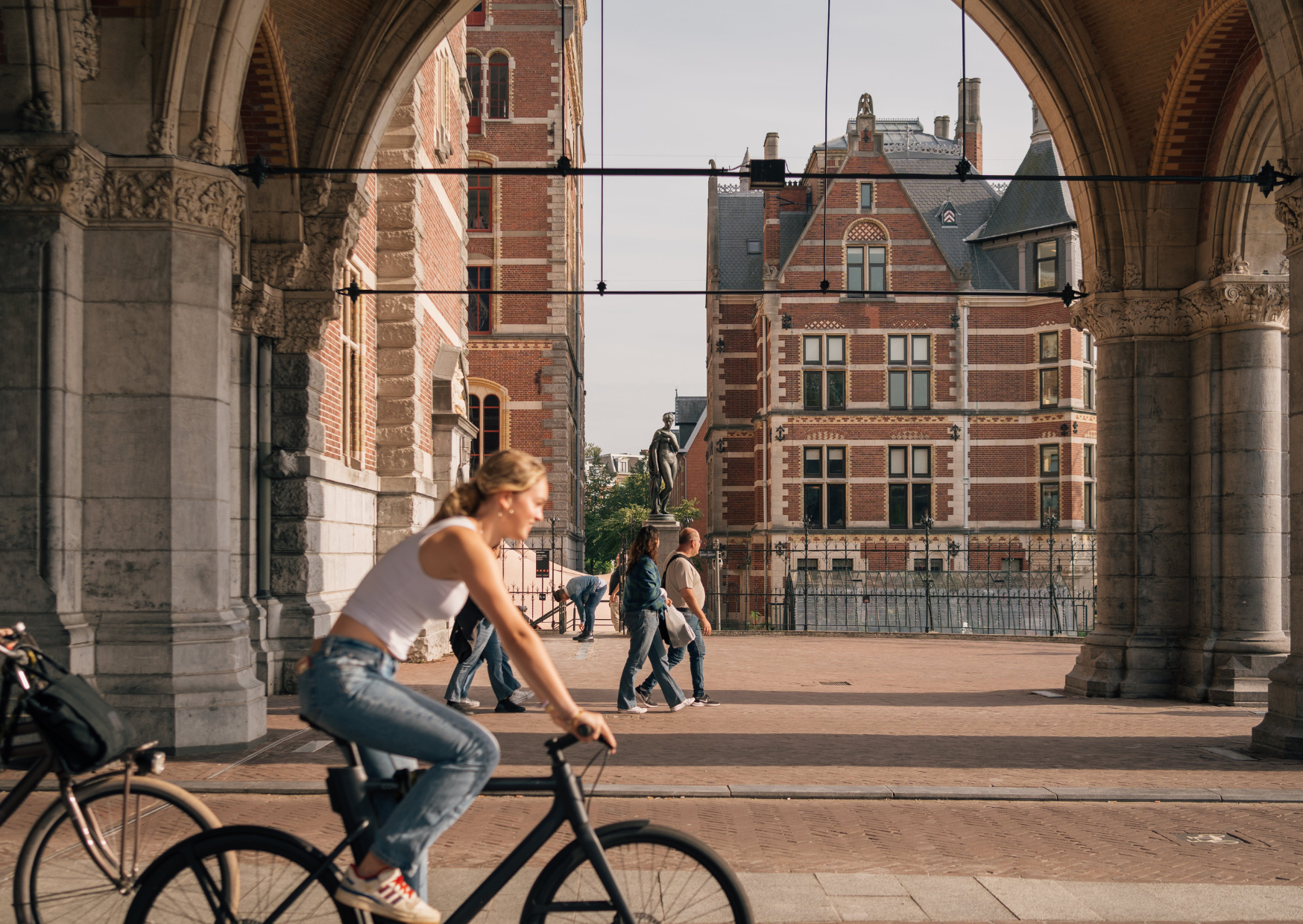
The rules I borrowed were not hacks. They were the ordinary rails that make Dutch budgets hum.
Pin, not cash. Almost every purchase runs through a card or phone, which means a receipt in an app, not a pile of coins. Clarity is free.
Tikkie culture. You split group costs the second they happen. A link goes out, everyone taps, nobody chases. The month ends without mystery IOUs.
Bike first. If a trip is under 5 km, you ride. That single choice thins fuel, parking, and impulse purchases around the car.
Meal plan, but minimal. One smart shop a week. Two or three default dinners. Leftovers by design. Delivery is a plan, not a panic.
Used market first. You check the second-hand listing before you buy new. A kettle, a chair, a bike light. The small things are where big differences happen.
Named buckets. Money moves into labeled pots the day you get paid: fixed bills, groceries, transport, fun, and a buffer. When a pot is empty, the month has spoken.
No tipping treadmill. You can still tip for great service, but you are not carrying a 20 percent reflex on every coffee. Rounds at the bar are modest and precise.
Small pleasures, not constant upgrades. Coffee at home, bakery bread sometimes, a museum once a month. The baseline is satisfying and inexpensive. You do not have to buy your mood daily.
I turned this into a one-page rule sheet, put it on the fridge, and set my banking app to match.
My First 30 Days
Week 1: The setup that does most of the work
- I made four labeled accounts in my banking app: Bills, Groceries, Transport, Fun, plus a Buffer.
- On payday, I pushed fixed amounts into each pot. Bills covered rent, utilities, phone, insurance, internet. Groceries and Fun were weekly numbers. Transport got a small number. Buffer got an even smaller one.
- I set my card to draw from Groceries at supermarkets and from Fun at cafes and restaurants. My car fuel card drew from Transport. The point was to feel each category in real time.
- I deleted delivery apps for the month and kept one cafe I love. If I wanted takeout, I walked for it.
- I pumped bike tires, checked lights, and wrote “under 5 km, bike” on the note.
- I made a group chat rule: every shared cost gets a Tikkie request in ten minutes. Not later, not tomorrow.
Week 2: The food experiment that didn’t feel like one
- I shopped once, list in hand. Lidl for basics, a local market for greens and eggs.
- I cooked three default dinners: sheet-pan chicken and vegetables, lentil soup with crusty bread, pasta with tomatoes and olive oil. I scaled each to create lunch the next day.
- I made a cafe rule: one coffee and a small pastry equals a full lunch. Not both.
- I said yes to a friend dinner, split the bill with a link, paid within a minute, and watched Fun dip in the app. It felt clean, not tight.
Week 3: The bike and used market pay off
- I sold two things I never use. A monitor arm and a barely worn jacket. The proceeds went into Buffer.
- I bought a used kettle for half price and felt weirdly proud every time it clicked on.
- I biked to a concert. The ticket was my splurge. The parking, fuel, and late-night fast food never materialized because I was on two wheels and went home.
Week 4: The quiet pleasure of enough
- Groceries still had money. Fun was not gasping. Transport had barely moved. Buffer had grown by a few unexpected gifts: the sold items, a small energy bill credit, and a refund on a subscription I canceled on day one.
- I felt richer, not because I made more, but because I finally knew where the money went before it left.
The Numbers That Shocked Me
I compared this 30-day run to my last ordinary month and wrote down every difference that mattered.
- Food out and delivery: 5 deliveries to 1, 6 cafe lunches to 2, 3 dinners out held steady at 3 but split precisely. Saved $420.
- Groceries: a planned shop plus two tiny top-ups vs six random shops. Waste dropped. Saved $95.
- Transport: short trips on a bike, one rideshare night down to zero, no paid parking. Saved $210.
- Subscriptions: canceled three, paused one for a quarter. Saved $56 this month, $39 ongoing.
- Used market: bought a kettle and a lamp second-hand, sold two items. Net +$72 after purchases.
- Energy habits: line-dry, off-peak laundry, lights off by habit, sealed a draft. Bill dropped modestly. Saved $28 for the month.
- Rounding and tipping drift: fewer unplanned tips and rounds because I sat, ordered, and paid my share. Saved $40 without feeling stingy.
- Bank fees and FX: I stopped paying foreign transaction fees on small things by using the right card. Saved $22.
- Buffer wins: a refund and a small marketplace sale landed. +$459.
Add it up: $1,402 better off than my baseline month. No overtime. No radical frugality.
The Dutch Rules, Translated To One Page
Write these on paper where you will see them daily.
- Pay by card. Every purchase lands in the app with a category. No guessing.
- Split instantly. Send a money request the second a shared bill hits the table.
- Bike under 5 km. Set your life up for short rides.
- One shop, two repeats. Plan one weekly shop and cook two dinners that create lunch.
- Used first. Check a local second-hand listing before buying new.
- Buckets on payday. Bills, Groceries, Transport, Fun, Buffer. Move money on day one.
- Delivery is a plan. If you want it, walk to get it or schedule it on a set night.
- Small treats, not constant upgrades. Coffee at home, bakery bread sometimes, museum once a month.
- Clear tips. Tip for great service, not by reflex on every coffee.
- A buffer is sacred. Even €10. Even $10. It proves to you that future-you counts.
Exactly How You Can Do This
Day 1: Set your buckets
Open your banking app. Rename sub-accounts or create spaces. Bills, Groceries, Transport, Fun, Buffer. Move money in now. Bills equals your fixed costs. Groceries equals a realistic weekly number. Transport equals fuel plus transit. Fun equals eating out, coffee, drinks, tickets. Buffer equals anything left over.
Day 2: Bike and transit check
Pump tires, check lights, put a lock by the door. If you have no bike, borrow one for a week or grab a city bike plan. Load your transit card with a modest amount.
Day 3: Inventory and list
Open the fridge and pantry. Write what you have. Plan two dinners that will make lunch. Build a list for a single shop. Add fruit and a treat you like so you do not rebound later.
Day 4: Group pay rule
Tell your friends. “I am doing money like the Dutch this month. I am going to send requests right after we pay.” People love clarity when the bill arrives.
Day 5: Kill two subscriptions
Open your app store and your bank statements. Cancel one thing you never use. Pause one thing you sometimes use. That is it.
Day 6: Sell one item
Pick a thing you do not use. Post it. Price it to move. Put proceeds in Buffer. The point is momentum, not profit maximization.
Day 7: Look once, not all day
Open the banking app, scan the categories, and put the phone down. The buckets are steering now.
Weeks 2–4 repeat this cycle: one shop, bike first, split instantly, check the used market before you buy, and add any refunds or sales to Buffer.
Costs Nobody Warns You About
- Impulse fees live around the car. Parking and last-minute drive-throughs cost as much as the destination. On a bike, you simply go home.
- Delivery fees hide in the small print. Service, delivery, tips, and higher menu prices combine. Cooking one extra portion yesterday is future magic.
- Subscription creep is real. Bundles are designed to feel like value and behave like glue. Pausing beats arguing with yourself.
- Cheap gear is expensive twice. A good lock, decent lights, and a serviceable rain layer are cheaper than quitting the bike in week two.
- Marketplaces take a cut. Assume a modest fee when you sell. Price accordingly and move on.
Common Mistakes
They cut everything joyful and bounce back by week two.
They keep delivery apps on the home screen “just in case.”
They try new recipes every night instead of repeating two winners.
They split bills later, which means never.
They underfund Fun and then raid Groceries.
They forget to schedule Buffer first, then call it impossible.
My Monthly Budget Breakdown
I wrote my categories with blunt numbers. Dollars or euros, the shape matters more than the currency.
- Bills: fixed, paid from the Bills pot on autopay.
- Groceries: weekly amount set by last month’s reality, trimmed by planning.
- Transport: fuel, transit loads, a tiny budget for maintenance.
- Fun: cafes, dinners out, drinks, tickets. A real number, not a hope.
- Buffer: small but automatic. Found money goes here too.
That view changed my posture. Money was not a fog. It was five jars.
If You’re Running The Numbers
You do not need a spreadsheet. Take last month’s totals and compare them to a Dutch-style month.
- American baseline:
Food out + delivery: $450–$700
Groceries: $400–$650 (with waste)
Transport short trips: $120–$220
Subscriptions: $45–$85
Random tips and rounds: $40–$90
Found money: $0–$50 - Dutch rules month:
Food out + delivery: $220–$350 (fewer deliveries, clearer splits)
Groceries: $380–$520 (planned, low waste)
Transport short trips: $20–$70 (bike first)
Subscriptions: $0–$40 (two gone, one paused)
Random tips and rounds: $15–$40 (clear choices)
Found money: $100–$400 (sales, refunds, energy credit)
Your numbers will land differently. The direction will rhyme.
Why This Works Behind The Scenes
It is friction and clarity. Paying by card routes every purchase into a ledger you do not have to build. Buckets ring-fence money before you can talk yourself into spending it. Biking removes whole categories of micro-spend around the car. Splitting instantly turns social costs into exact math instead of guesswork. Meal planning and used-first choices lower the frequency and price of decisions without lowering quality. None of these require more willpower. They require fewer unplanned choices.
What I Would Do Differently Next Time
I would pre-cook one extra dinner on Sundays because weeknights are honest. I would carry a light lock so quick stops stay on the bike. I would audit my utilities on day one, not in week three, because switching a tariff takes time. I would set a small “gifts and giving” pot so generosity stays part of the plan, not a surprise.
Socially, I would announce the split rule the moment I sit down, not at the end of a meal. It keeps everything friendly and normal.
Quick FAQ
Do I have to live in the Netherlands for this to work?
No. These are behaviors, not passports. Any bank app that allows labeled pots or sub-accounts can replicate the buckets.
What if I cannot bike?
Walk for short trips, or batch errands by transit. The point is to remove the car reflex for under-5-km trips.
What about tipping culture where I live?
Tip well for service. Remove casual tipping drift on counter service where it is optional. The savings come from clarity, not stinginess.
Can I still travel or eat out?
Yes. Put the ticket in Fun, split the meal precisely, and bike or walk to the venue when you can.
Next Steps This Week
- Make five money buckets and fund them on payday.
- Delete delivery apps for one month.
- Set a rule: bike or walk under 5 km.
- Plan two repeat dinners that make lunch.
- Cancel one subscription and pause one more.
- Send instant pay requests after every shared bill.
- Sell one item and send the cash to Buffer.
- On day 30, compare this month to last month. Keep what worked.
You will feel the shift in your shoulders as much as in your account. Dutch money rules do not make you a different person. They make you the same person on better rails.

About the Author: Ruben, co-founder of Gamintraveler.com since 2014, is a seasoned traveler from Spain who has explored over 100 countries since 2009. Known for his extensive travel adventures across South America, Europe, the US, Australia, New Zealand, Asia, and Africa, Ruben combines his passion for adventurous yet sustainable living with his love for cycling, highlighted by his remarkable 5-month bicycle journey from Spain to Norway. He currently resides in Spain, where he continues sharing his travel experiences with his partner, Rachel, and their son, Han.