
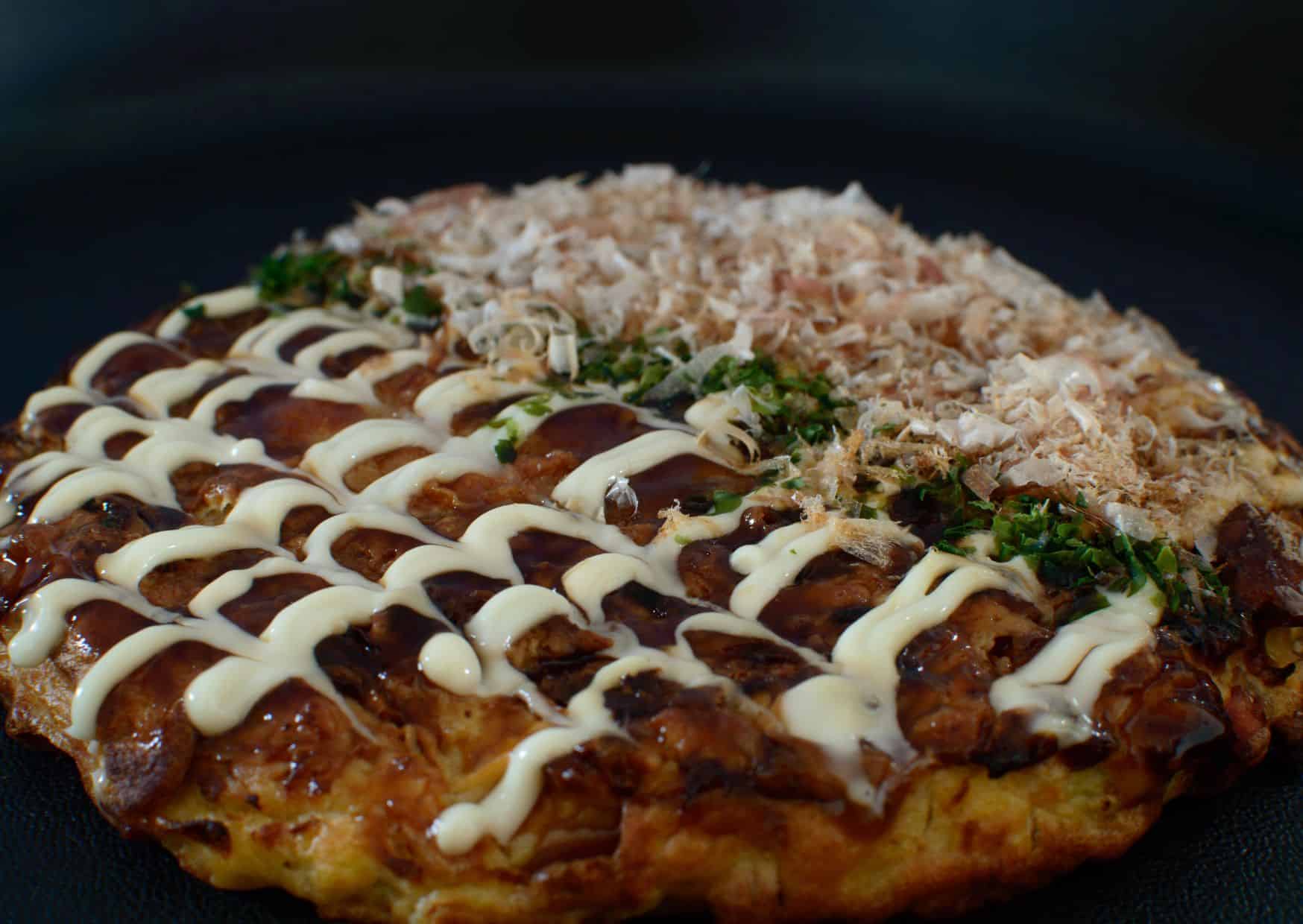
Few Japanese dishes capture the fun, flavor, and personality of the country’s food culture like okonomiyaki, the savory pancake loved from Osaka to Hiroshima. Often called “Japanese pizza” or “Japanese pancake,” this dish is a delicious mix of cabbage, flour, eggs, and your choice of meat or seafood, all topped with a drizzle of okonomiyaki sauce and creamy mayonnaise.
The name itself translates to “grill what you like,” which reflects the playful spirit of this dish. Every household, region, and street vendor has their own version—some prefer pork belly, others fill it with squid, shrimp, or even noodles. It’s comfort food with endless customization, a dish that thrives on creativity and community.
Making okonomiyaki at home is surprisingly easy and deeply rewarding. It’s a meal that combines the joy of cooking with the excitement of flavor-building, transforming humble ingredients into something rich, filling, and uniquely Japanese.
Read here Japan Vegan Snacks and Breakfast in Japan
Read Here a guide to buy your JR Pass, Things to know before visiting Japan and Best Japan Sim Card
BOOK YOUR TRAVEL INSURANCE
Two of our favorite travel insurance: Heymondo Vs Safetwing cheapest travel Insurance. You can get for $135 USD your Heymondo Travel Insurance with Heymondo discount code valid for 90 days. Read our full comparison of Genki vs Safetywing Travel Insurance Review and the comparison Heymondo vs Genki
How to Eat
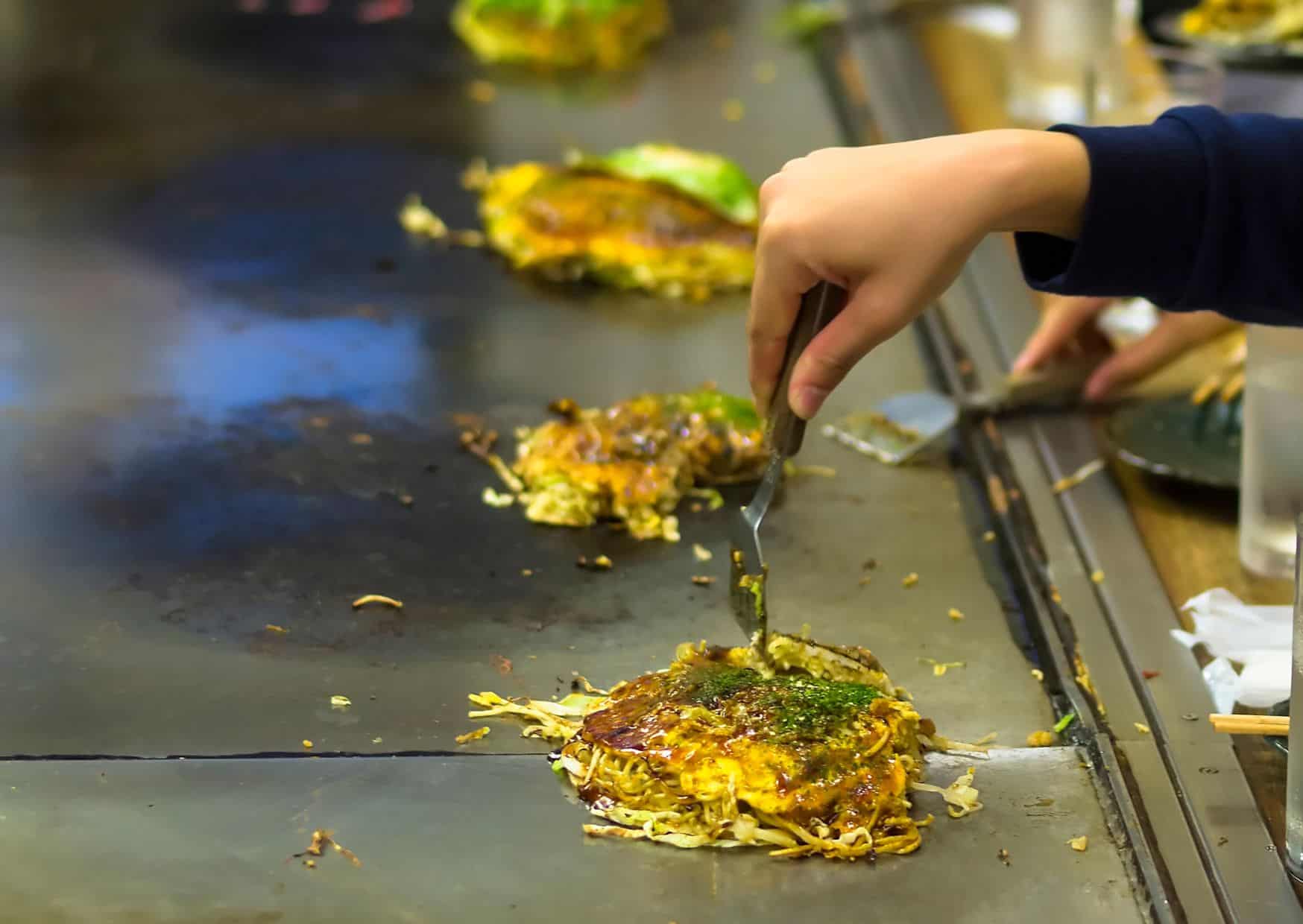
Okonomiyaki is best enjoyed hot off the griddle. Traditionally, it’s cooked at the table on a teppan (flat grill), where diners gather to watch it sizzle and brown to perfection. The crispy edges contrast beautifully with the soft, savory center, creating a perfect bite that’s both hearty and satisfying.
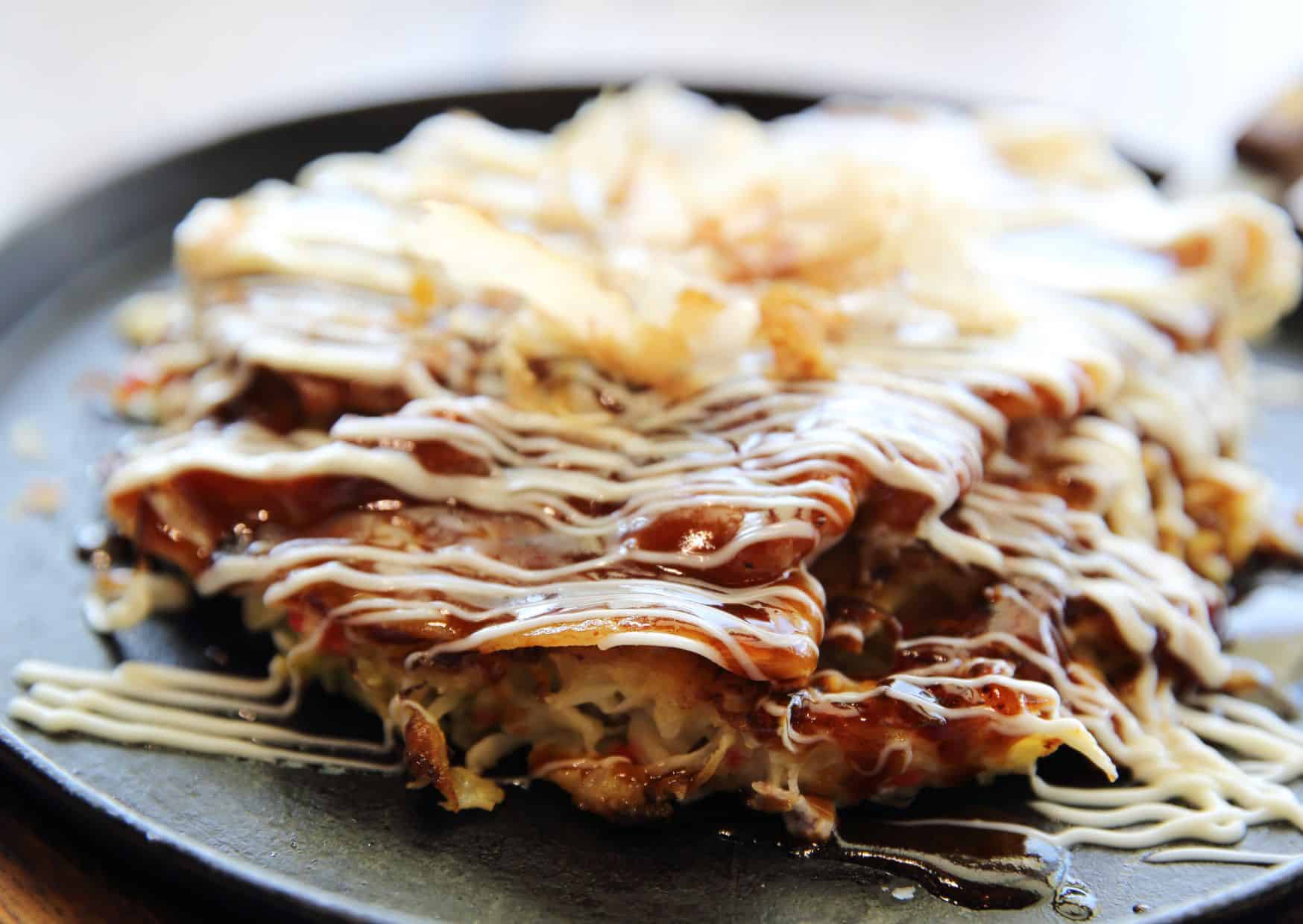
Once cooked, the pancake is brushed with okonomiyaki sauce—a sweet and tangy blend similar to Worcestershire—then topped with Japanese mayo, dried seaweed flakes (aonori), and bonito flakes that dance in the steam. The combination of sauces and toppings adds layers of umami flavor that keep you coming back for more.
In Japan, okonomiyaki is often eaten with small metal spatulas called kote, which diners use to slice the pancake directly from the grill. It’s a social experience, meant to be shared, where every bite feels like a small celebration.
How to Partner
Okonomiyaki pairs wonderfully with other simple Japanese sides. A bowl of miso soup balances the richness of the pancake, while a light cucumber salad or pickled daikon adds freshness and crunch. Together, they create a balanced meal that satisfies without feeling heavy.
For drinks, cold Japanese beer or sake complements the savory-sweet profile of the dish beautifully. The carbonation of beer helps cut through the richness of the batter and sauce, while sake brings a smooth, delicate sweetness that enhances the umami flavors.
If you prefer non-alcoholic options, a cup of iced green tea or barley tea (mugicha) works perfectly. Both have subtle bitterness that refreshes the palate between bites, making each mouthful of okonomiyaki even more enjoyable.
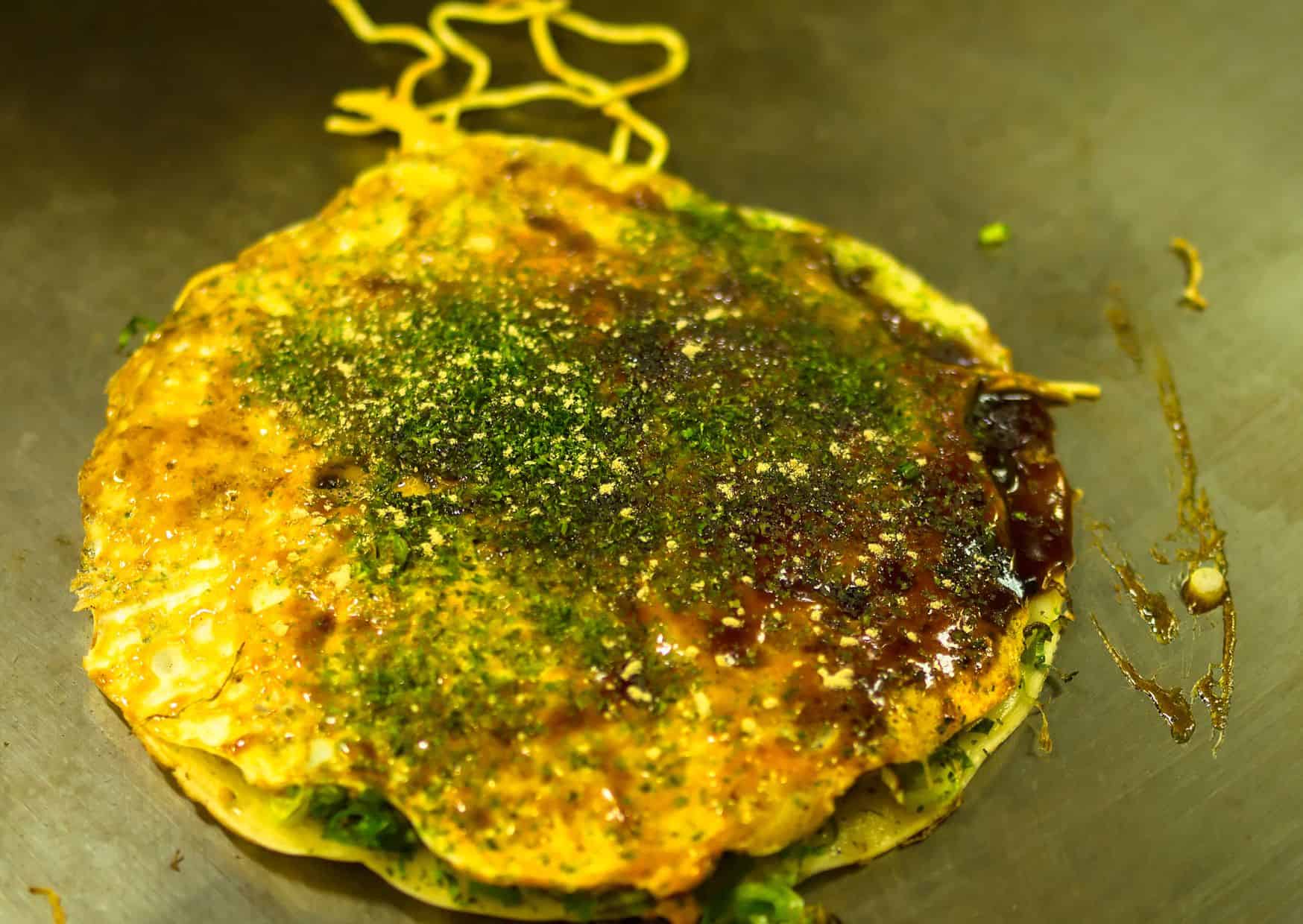
The debate over where okonomiyaki truly originated remains one of Japan’s most passionate food rivalries. Osaka claims to be its birthplace, emphasizing a thick, doughy pancake mixed with ingredients before cooking. Hiroshima, however, insists on its version, which layers the batter, cabbage, and noodles instead of mixing them. Both regions swear theirs is the “authentic” style, leading to friendly but fiery competition.
Another cultural debate centers on its classification—is okonomiyaki a meal or a snack? In Japan, it’s often enjoyed as a main dish, but many Western diners treat it as an appetizer. Purists argue that this misrepresents the dish’s cultural identity, reducing something deeply communal and traditional into a novelty item.
Lastly, some Western adaptations have taken liberties—adding cheese, bacon, or fusion toppings—which, while delicious, blur the line between creativity and cultural authenticity. Japanese chefs often view these reinventions as both flattering and frustrating, reminding us how easily global dishes can lose their roots when adapted abroad.
How to Make Okonomiyaki Pancake
Recipe Ingredients Okonomiyaki Pancake
1 cup all-purpose flour
3/4 cup water
1 egg
2 cups finely shredded cabbage
1/4 cup green onions, chopped
1/2 cup cooked, chopped seafood or meat (e.g., shrimp, octopus, bacon, or pork belly)
Okonomiyaki sauce (commercially available or homemade)
Mayonnaise
Pickled ginger, chopped (optional)
Dried seaweed flakes (Aonori)
Dried bonito flakes (Katsuobushi)
Get the best deals for your home and kitchen needs
Step By Step How to Make Okonomiyaki Pancake
Prepare the Batter
In a large bowl, mix the flour and water until smooth. Add the egg and mix until well combined. Stir in the shredded cabbage and green onions, ensuring the vegetables are evenly coated with the batter.
If using bacon or pork belly, lay the slices on the pan first before adding the batter mix in step 4. For other meats or seafood, mix them directly into the batter.
Cook the Pancake
Heat a large skillet or flat grill over medium heat and lightly oil it. Pour the batter mixture onto the skillet, forming a pancake about 1/2 inch thick and 8 inches in diameter.
Cook for about 3-5 minutes on one side until the bottom starts to brown and then carefully flip it over. If you started with bacon or pork belly, it should now be on top.
Cover with a lid and let it cook for another 4-5 minutes, or until the pancake is fully cooked through and the meat is crispy. Flip one more time to crisp up the meat side before taking it off the heat.
Brush the okonomiyaki with okonomiyaki sauce, then drizzle with mayonnaise in a crisscross pattern. Sprinkle with pickled ginger, dried seaweed flakes, and bonito flakes.
Serve
Serve hot right from the skillet. Okonomiyaki is best enjoyed fresh and warm.
Tips To Make Okonomiyaki Pancake
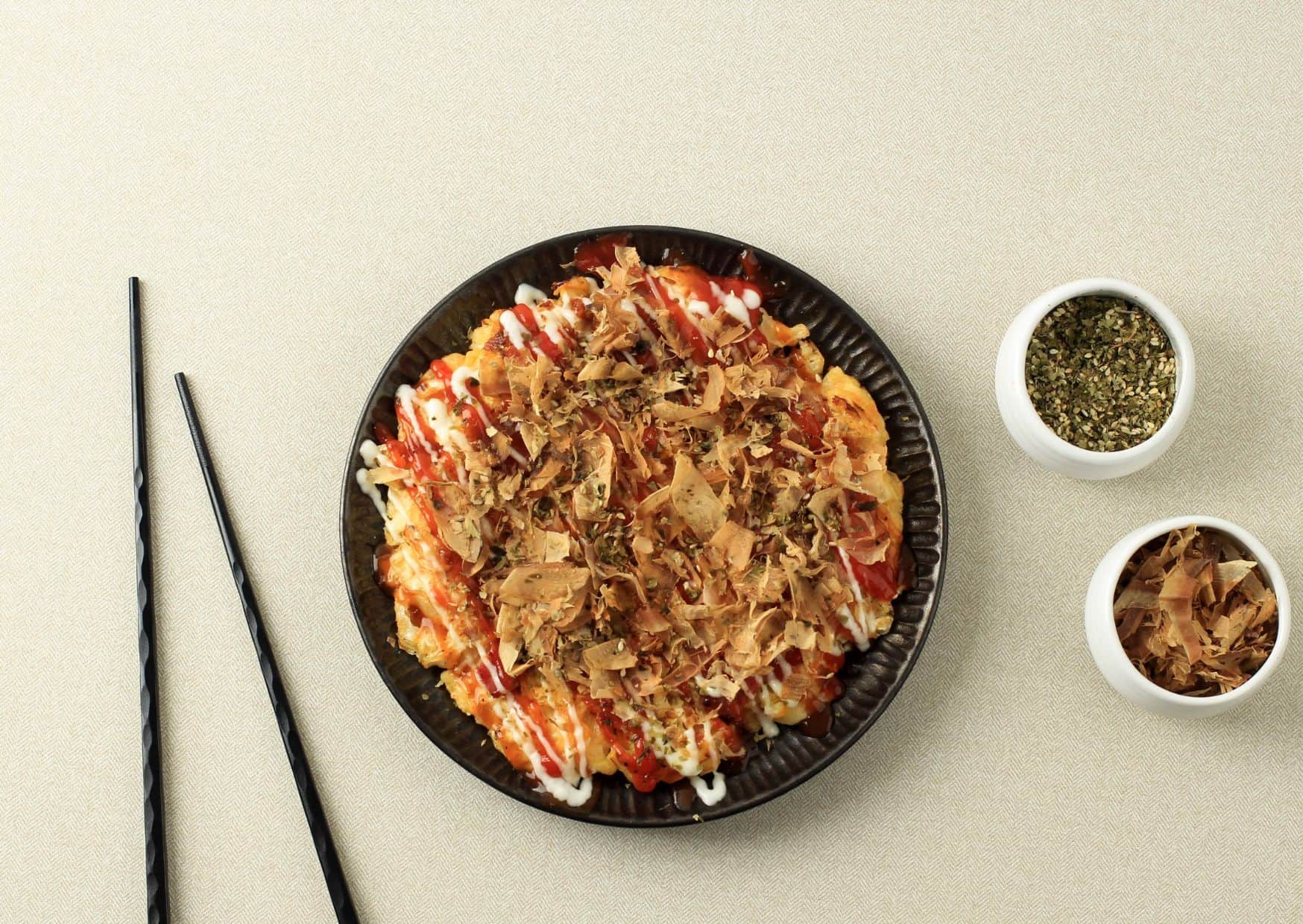
The batter should be thick enough to hold the ingredients together but not too dry. Adjust the amount of water or flour as needed. Cook on medium heat to ensure the inside cooks thoroughly without burning the outside.
Use two spatulas if needed to flip the okonomiyaki safely without breaking it. The beauty of okonomiyaki is its versatility. Feel free to add other vegetables like bell peppers, zucchini, or ingredients like cheese for different flavors.
How Many Calories Have Okonomiyaki Pancake
A single serving of okonomiyaki can vary in calories based on the fillings and toppings but generally ranges from 300 to 500 calories per pancake, making it a filling and flavorful meal option.
Serving Suggestions
Okonomiyaki is best served hot, straight from the pan to your plate. For a traditional touch, garnish with a drizzle of okonomiyaki sauce, a swirl of Kewpie mayonnaise, and a sprinkle of bonito flakes that wave gently with the heat. These toppings don’t just add visual appeal—they elevate every bite with texture and flavor.
If you’re cooking for a crowd, consider setting up a DIY okonomiyaki bar. Let guests choose their fillings—shrimp, pork, tofu, or even kimchi—and cook their pancakes to order. It’s interactive dining at its best, and a guaranteed hit at any dinner party.
Leftovers can be reheated in a pan to bring back the crisp edges, or even packed for lunch the next day. Pair them with rice or a light salad to turn the dish into a well-rounded meal.
Final Thoughts
Okonomiyaki embodies everything wonderful about Japanese cuisine—balance, creativity, and the joy of sharing. It’s a dish that proves great cooking doesn’t have to be complicated, just thoughtful and flavorful.
Whether you prefer Osaka’s mixed version or Hiroshima’s layered take, making okonomiyaki at home connects you to a culinary tradition that celebrates individuality and community in equal measure. It’s a meal that invites experimentation without losing its roots.
So, the next time you’re craving comfort food, skip the takeout and fire up your skillet. With a few ingredients and an open mind, you’ll discover why okonomiyaki has captured hearts and taste buds around the world.

About the Author: Ruben, co-founder of Gamintraveler.com since 2014, is a seasoned traveler from Spain who has explored over 100 countries since 2009. Known for his extensive travel adventures across South America, Europe, the US, Australia, New Zealand, Asia, and Africa, Ruben combines his passion for adventurous yet sustainable living with his love for cycling, highlighted by his remarkable 5-month bicycle journey from Spain to Norway. He currently resides in Spain, where he continues sharing his travel experiences with his partner, Rachel, and their son, Han.