
On this Azores island, the morning coffee chat is more likely in English than Portuguese, and locals have mixed feelings.
A summer morning in Ponta Delgada and the café line hums in English. Oat milk, cold brew, where to hike after Sete Cidades. The waiter answers in Portuguese, then glides into perfect English for the next order. At the market across the square, a vendor explains limpets to a couple from Boston while a family from Porto waits behind them, amused and slightly impatient.
The island is São Miguel, the largest and most populated in the Azores. No, Americans do not literally outnumber residents on the census rolls here. They do, for long stretches of peak season, outnumber locals in the queue at bakeries, on trailheads, in car hire offices, and along certain streets where visitors concentrate. That seasonal majority changes how the island sounds, how businesses price, and how neighbors feel about the pace of change.
This is the map of what is happening in 2025. When English rises above Portuguese in public space. How direct flights and Instagram fed the surge. What the numbers actually say about visitors versus residents. Where budgets collide. The opportunities islanders welcome, the pressure they push back on, and what may happen next if another record summer arrives.
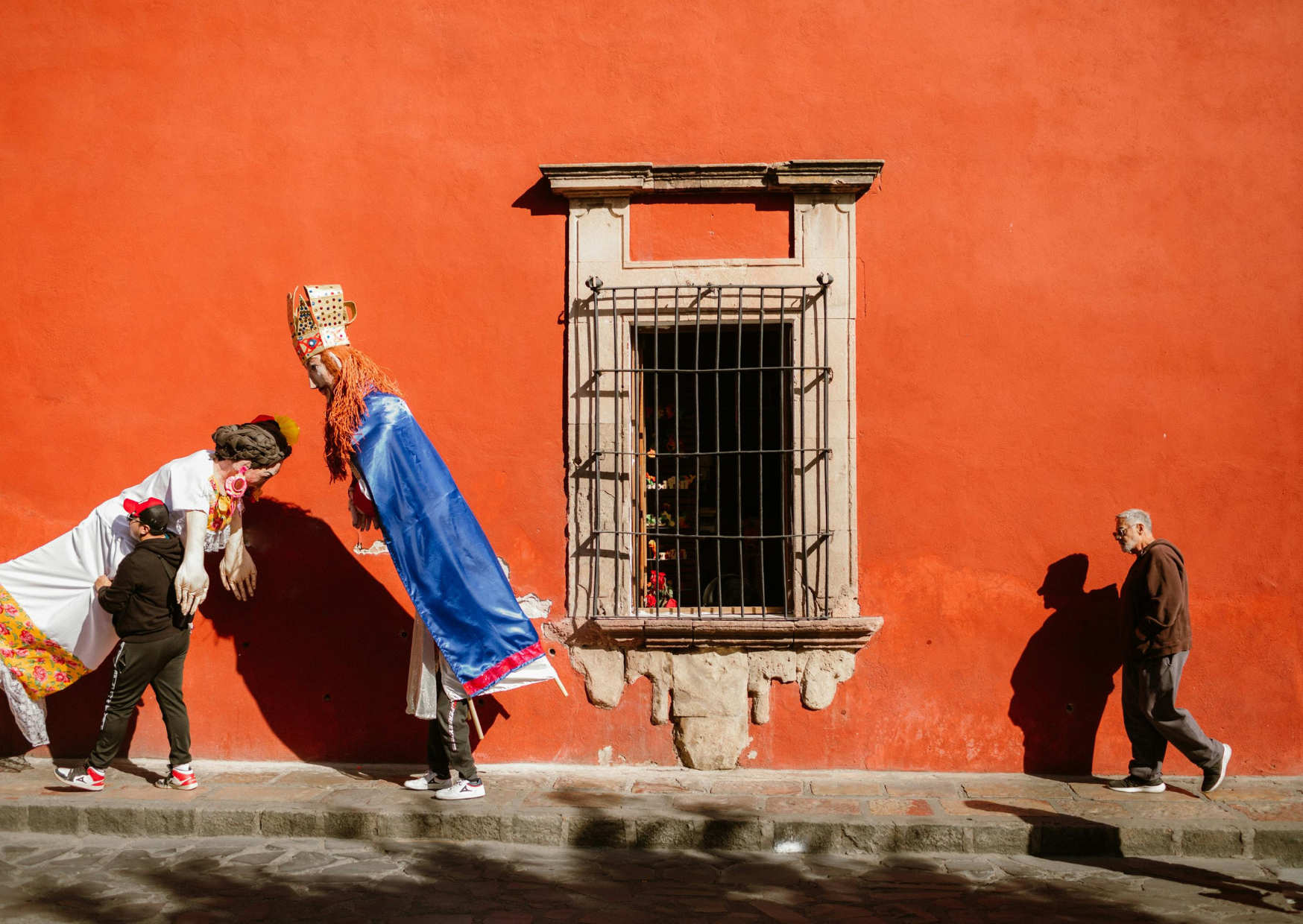
How São Miguel Became A Summer Of American Voices
The Azores were not a secret to emigrant families or adventurous hikers, but the volume changed after the pandemic. A few clear drivers stacked up. First, air links. Seasonal nonstops from Boston to Ponta Delgada became a regular summer fixture, and Newark joined the party with its own window of direct service, which made a faraway archipelago feel one flight away instead of two. Second, social media. The blue crater lakes, green tea terraces, and thermal pools matched what travel feeds want to show, and the photos looked different from the mainland’s tiled streets. Third, the spillover effect. As Lisbon’s prices rose and Madeira grabbed headlines, Americans looked for a version of Portugal that felt quieter, cooler, cheaper, and more wild. São Miguel checked all three boxes.
A timeline emerges when you talk to hoteliers and guides. Pre-2019, summer was busy but manageable. In 2023 and 2024, U.S. guests start appearing as the largest foreign market on some months. By 2025, in May, June, July, and August, many businesses report that Americans are the loudest accent in the room and sometimes the majority of customers on any given day. That does not make Americans the majority of residents. It does make them the majority of customers in the places where visitors naturally cluster.
Pico and Terceira feel a gentler version of the same pattern. São Miguel carries most of the flights, most of the beds, and most of the foot traffic. When a cruise ship calls or multiple flights arrive within an hour, English briefly dominates entire blocks.
The Numbers Behind The Shift
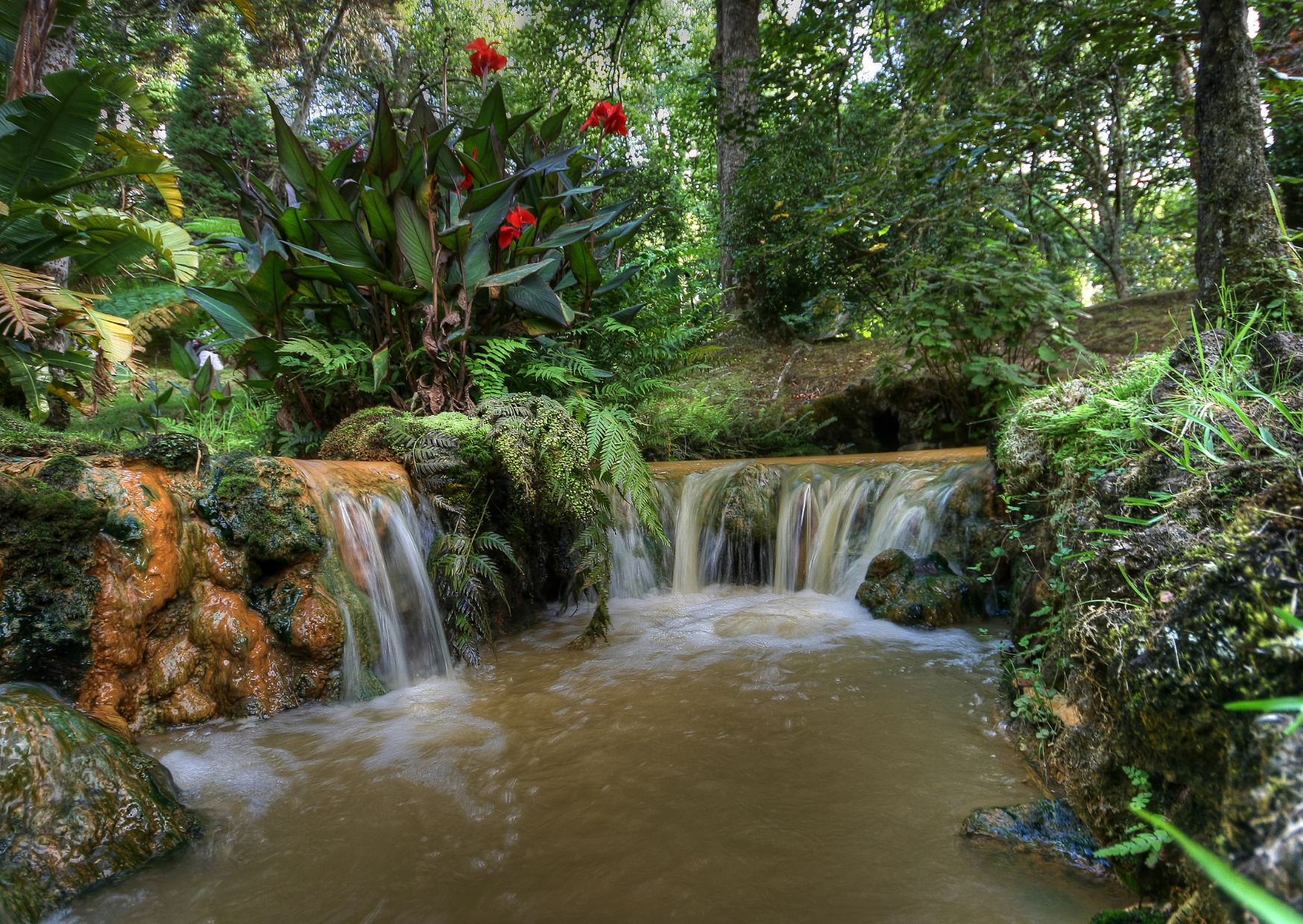
Start with residents. The Azores counted roughly 236,000 people in the 2021 census, and São Miguel held about 133,000 of them. Pico’s population sits near 14,000. Those figures anchor the conversation, because any claim that a foreign group outnumbers locals must live against them. The numbers say otherwise for residents.
Tourism is different. The regional statistics office tracks overnights and market shares by country of origin. Through 2024 and into 2025 the United States becomes the single largest foreign market on several peak months, often around a fifth of all foreign overnights. That is enough to change what a café sounds like and who a menu is priced for during the season. When you layer domestic tourists from mainland Portugal and other EU guests on top, English does not take the island. It does take certain streets.
Pull the lens tighter and the day feels different again. In June and July, São Miguel can register nearly half a million tourist overnights in a single month across hotels, local lodging, and rural stays. Even if those beds turn over every few days, there are thousands of additional people in town on any given morning. Concentrate them in Ponta Delgada, Ribeira Grande, Furnas, and the Sete Cidades loop, and Americans can be the visible majority at peak hours in public spaces. That is the outnumbering locals describe.
What Americans Pay Versus What Islanders Earn
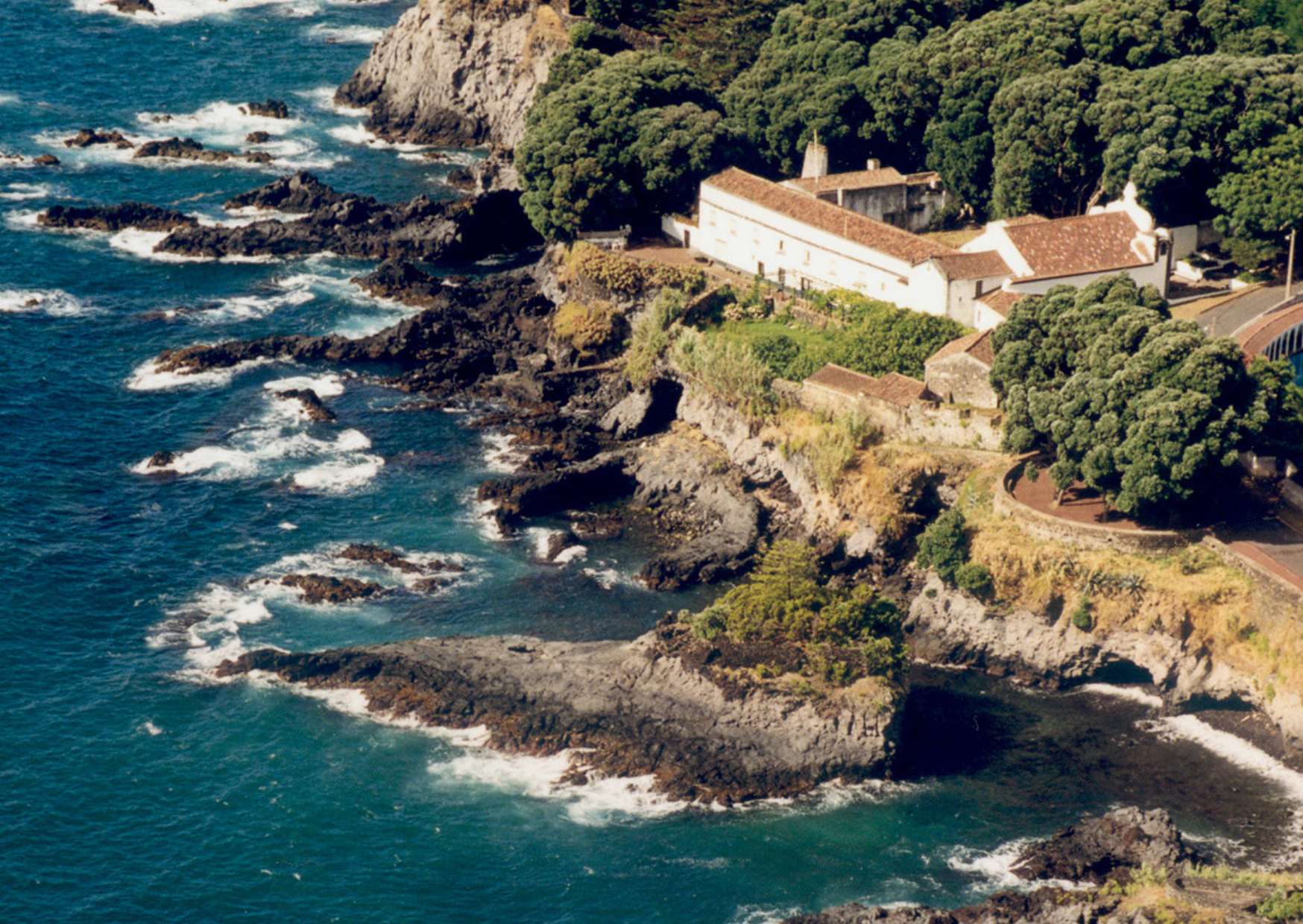
On paper, the Azores remain less expensive than Lisbon. On the ground, the island economy has two numbers that do not want to meet. Many local salaries cluster well below mainland Portuguese averages. The tourist budgets arriving from the U.S. sit far higher. An American couple spending 150 to 250 euros a day outside of lodging is not extravagant by their standards. For a café that paid wages based on a quieter economy, that spend reshapes the menu fast.
Look at housing. Island home prices and long term rents rose between 2019 and 2025, with São Miguel capturing most of the increases. Some of that is post-pandemic inflation and supply. Some is demand from non-resident buyers and short-term lets that pull stock out of year-long leases. A landlord who can earn a summer’s income in six weeks will not always choose a twelve-month tenant. The island has responded with licensing, data gathering, and local debates over how many visitor beds a parish can hold before the neighborhood flips.
The result on a family budget is simple. A young islander earning a modest salary faces rents that track visitor demand more than local wages. A visiting American working remotely for a U.S. paycheck can absorb those prices easily. That tilt is why the queue for long term rentals feels more competitive than it did five years ago.
The Two-Speed Economy You Can Feel In July
Walk down Rua dos Mercadores on a Saturday. One café has a new espresso machine, branded takeaway cups, staff in crisp T-shirts, and a line of English speakers ordering confidently. Two doors down, a traditional snack counter serves stewed favas to a family that has been coming since before any of this. Both businesses are busy. Only one doubles staff for summer. Only one hires extra English speakers. Only one raises prices twice between May and August.
That split repeats across the island. Whale-watching operators, rental car counters, and adventure guides thrive. Bakers, mechanics, and small groceries navigate higher input costs and workforce pressure without the same speed of revenue growth. The airport strains on certain days. Waste management crews work longer hours in July. Trails feel loved to death in popular loops while lesser known paths stay as quiet as ever. The seasonality is stark. In February, the island breathes.
Labor tells the same story. Restaurants and hotels struggle to fill shifts at wages that made sense before 2020. Younger locals look at the math and leave for mainland jobs or Europe. Employers respond with wage bumps, housing help for seasonal staff, or by shrinking hours. That solves a shift today. It does not solve the pipeline of people leaving tomorrow.
Locals Speak: The Good And The Complicated
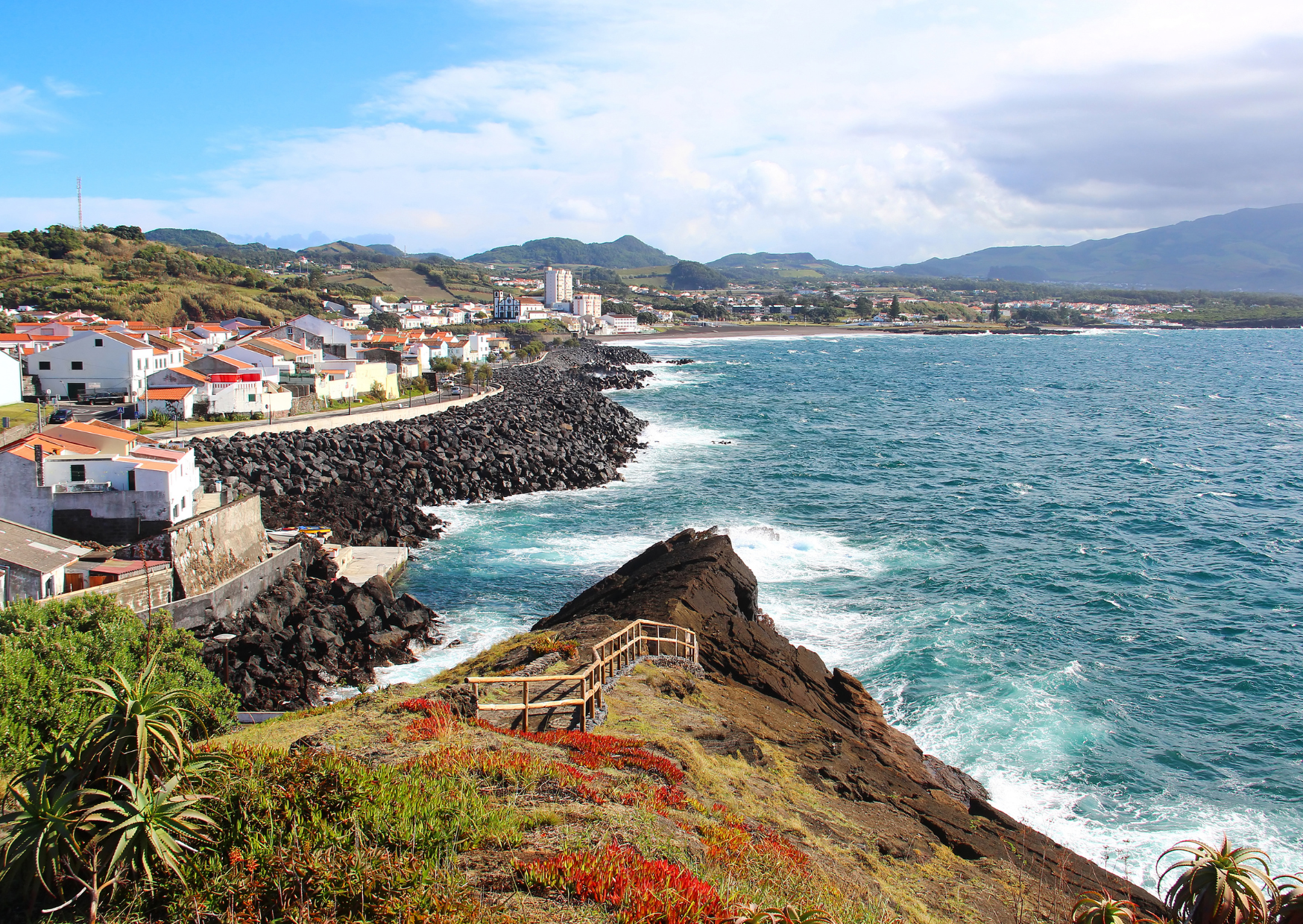
A restaurant owner in Ribeira Grande says the surge saved his business. He kept staff through winter because he could bank a summer cushion. He also worries about rent for his cooks. Two left for Lisbon because they could not find anything within their budget near the restaurant.
A twenty-something from Lagoa wants to stay. She works two jobs in summer, saves, then watches most of it go to rent. She likes the energy of the season and the feeling that the island matters globally. She does not like walking past her old building and seeing it on a booking site.
An elder in Furnas sits outside a grocery and smiles at visitors who stop to ask about directions to the thermal pools. He remembers when the street was quiet in winter for weeks at a time. He is glad the island is alive. He also misses the pace that let him chat with every neighbor without dodging selfie sticks.
A municipal official in Ponta Delgada pulls out charts. Overnight numbers. Flight schedules. Waste collection by month. He talks about balancing prosperity with sanity. More flights help jobs and hurt sleep. More beds mean investment and pressure. The island wants visitors who come for nature, eat locally, stay longer, leave lighter footprints, and come back without telling a hundred new friends to arrive next week.
An American remote worker in São Miguel is frank. He came for a slower life, ocean air, and access to Europe. He likes that he can buy organic greens and fresh fish and walk everywhere. He knows his rent outbids locals. He started volunteering twice a month and switched his favorite café to one that keeps prices friendly year round. He says he is not solving anything. He is at least paying attention.
Where The Flight Schedule Meets The Sidewalk
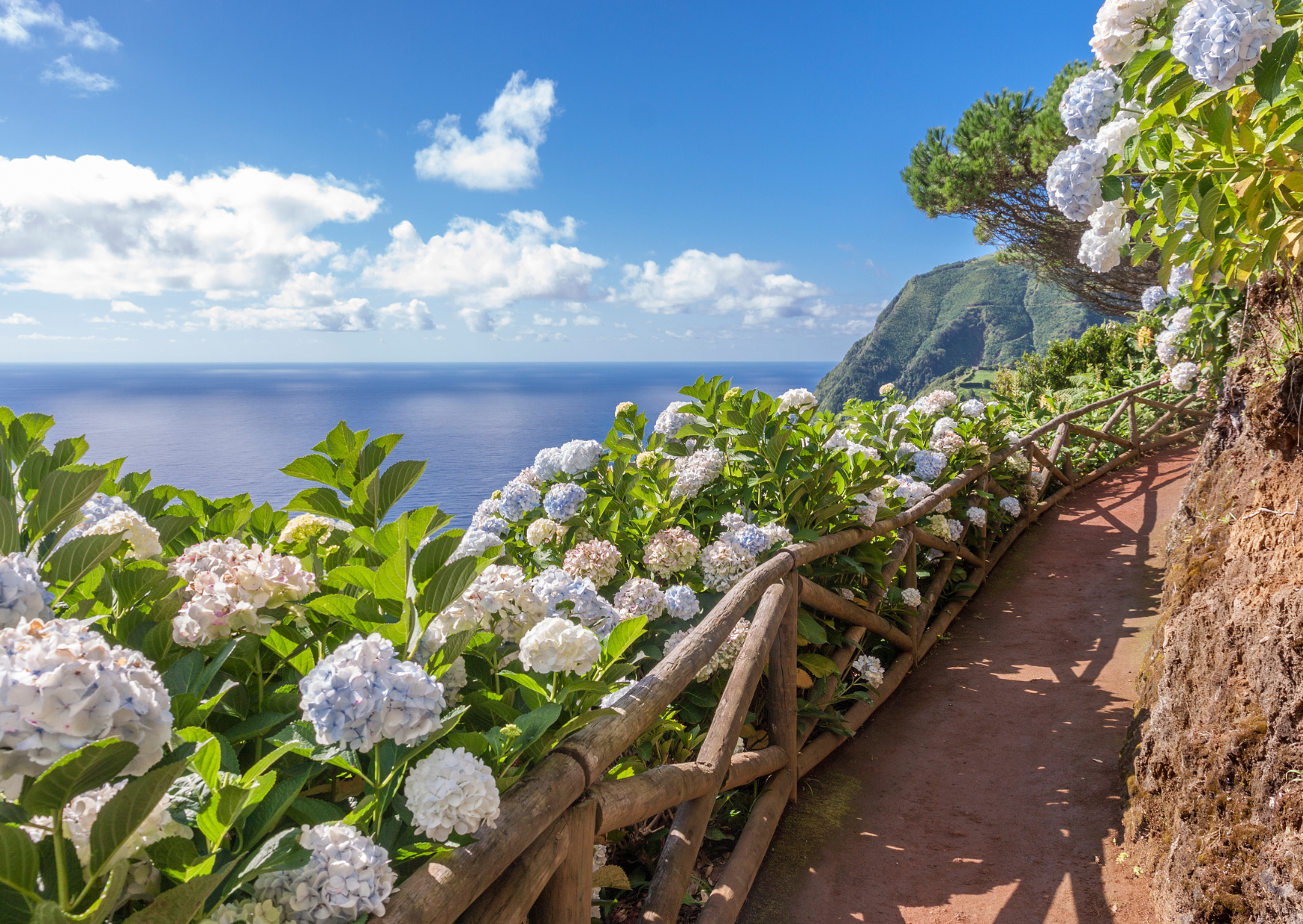
Airlines and tourism boards love strong summers. The island does too, until a good thing becomes too much of the same thing. The schedule from Boston and Newark concentrates arrivals in blocks, which helps people who live on islands with limited ferry frequency, and also pours waves into narrow streets. When the flights bunch up and the cruise calendar adds a call, the island’s scale shows.
Infrastructure is catching up. The airport processes peaks better than before, but roads around major sights back up. Parking near popular trailheads fills, then spills into sensitive areas. The region has been measuring, tweaking signage, and adjusting staffing. The next step is not just moving lines faster. It is moving people differently.
A Practical Path Forward That Locals Are Trying
Several simple ideas have early traction. Spread visitors across time and space instead of chasing ever larger peaks. Promote shoulder season harder, with guides and operators offering nature experiences in months when weather is gentler and crowds are thinner. Push itineraries that lead people to the east and to lesser known trails, then protect those trails from becoming the next Sete Cidades. Encourage stays of a week or more with pricing and programming that reward longer trips. Visitors who stay longer tend to spend more locally, learn a few words of Portuguese, and strain infrastructure less per day than those rushing to check every viewpoint in forty-eight hours.
On housing, local debates continue. More transparent data on local accommodation has already informed licensing choices. Incentives that pull homes back into long term rentals for residents are on the table, even if not yet fully implemented. The region’s demographic challenge is real. A future where more young people can afford to stay depends on choices made now, not in a decade.
On language and integration, some communities are building small bridges that matter. Conversation nights at cafés where locals and visitors trade Portuguese and English. Volunteer beach cleanups that double as introductions. Small, regular rituals create a sense that visitors are guests of a neighborhood, not consumers of it.
The Economics Underneath The Feelings
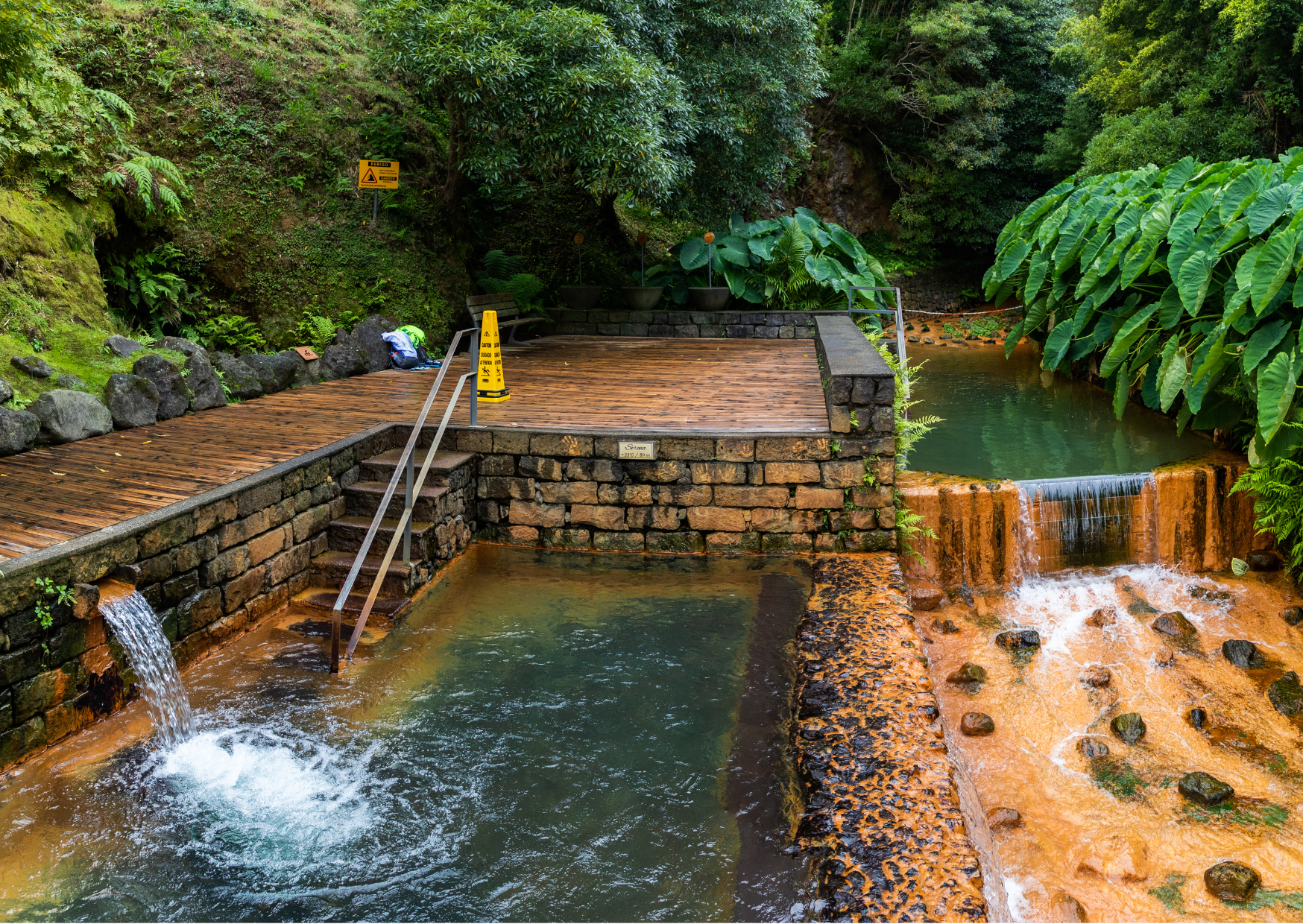
The data argues that tourism keeps the Azores growing faster than it otherwise would. The island earns more per day than pre-pandemic, and unemployment is low. It also argues that a model built too tightly around short peaks can backfire. If young workers leave because housing is impossible, the very service economy that summer depends on will thin. If trails and thermal areas feel overwhelmed, the brand promise fades. The idea is not fewer visitors. It is a better pattern of visits and a better match between wages and the cost of living.
There is a global lesson tucked inside an Atlantic island. A place can welcome guests and still set rules that protect itself. It can ask airlines to space schedules in ways that towns can absorb. It can report openly on what tourism means in euros and in rents. It can put a ceiling on certain uses in the most sensitive places and a floor under wages in the businesses that rely on seasonality.
What Happens Next If Another Record Summer Arrives
If 2026 repeats 2025 with higher peaks, the island will face a clear choice. Tighten rules on short lets in certain parishes and grow shoulder season more aggressively, or risk a tipping point where locals feel crowded out of their own spaces. Visitors who come for nature will still come. They will be happier if the trails are not jammed and if the baker has staff who can afford to live nearby.
The most hopeful signs are small. A café in Ribeira Grande that kept prices steady and partnered with a culinary school. A whale-watching operator that limits boats per sighting and educates guests on codes of conduct. A village council that piloted resident parking near a popular viewpoint and added a shuttle for visitors, with better signage in Portuguese and English. These tweaks do not announce themselves loudly. They work.
São Miguel will still sound like English on July mornings in Ponta Delgada next year. It can also sound like Portuguese in the evenings on a side street where neighbors talk long after the rush. Balance is not a slogan here. It is a set of choices that lets an island stay itself while welcoming the world.

About the Author: Ruben, co-founder of Gamintraveler.com since 2014, is a seasoned traveler from Spain who has explored over 100 countries since 2009. Known for his extensive travel adventures across South America, Europe, the US, Australia, New Zealand, Asia, and Africa, Ruben combines his passion for adventurous yet sustainable living with his love for cycling, highlighted by his remarkable 5-month bicycle journey from Spain to Norway. He currently resides in Spain, where he continues sharing his travel experiences with his partner, Rachel, and their son, Han.