
And what it reveals about bitterness, balance, and why one culture trusts flavor while the other fears it
In Sicilian kitchens, tomato sauce simmers slowly. It’s never rushed, never overly sweetened, and always grounded in balance. One of its most unexpected ingredients? A single, glossy lemon leaf—tossed whole into the pot.
Not lemon zest. Not juice. The leaf.
To Sicilian nonnas, the leaf adds something vital: a touch of bitterness and oil that balances acidity and deepens the flavor. But to American cooks, it sounds unorthodox—even risky. Citrus leaves aren’t a common pantry item, and many assume they’re unsafe. They’re not. In Sicily, they’re just part of the sauce.
This isn’t culinary showmanship. It’s quiet tradition—one that values subtlety over sweetness, and trusts the tongue to recognize what the recipe won’t explain.
1. Why bitterness matters in Sicilian sauce
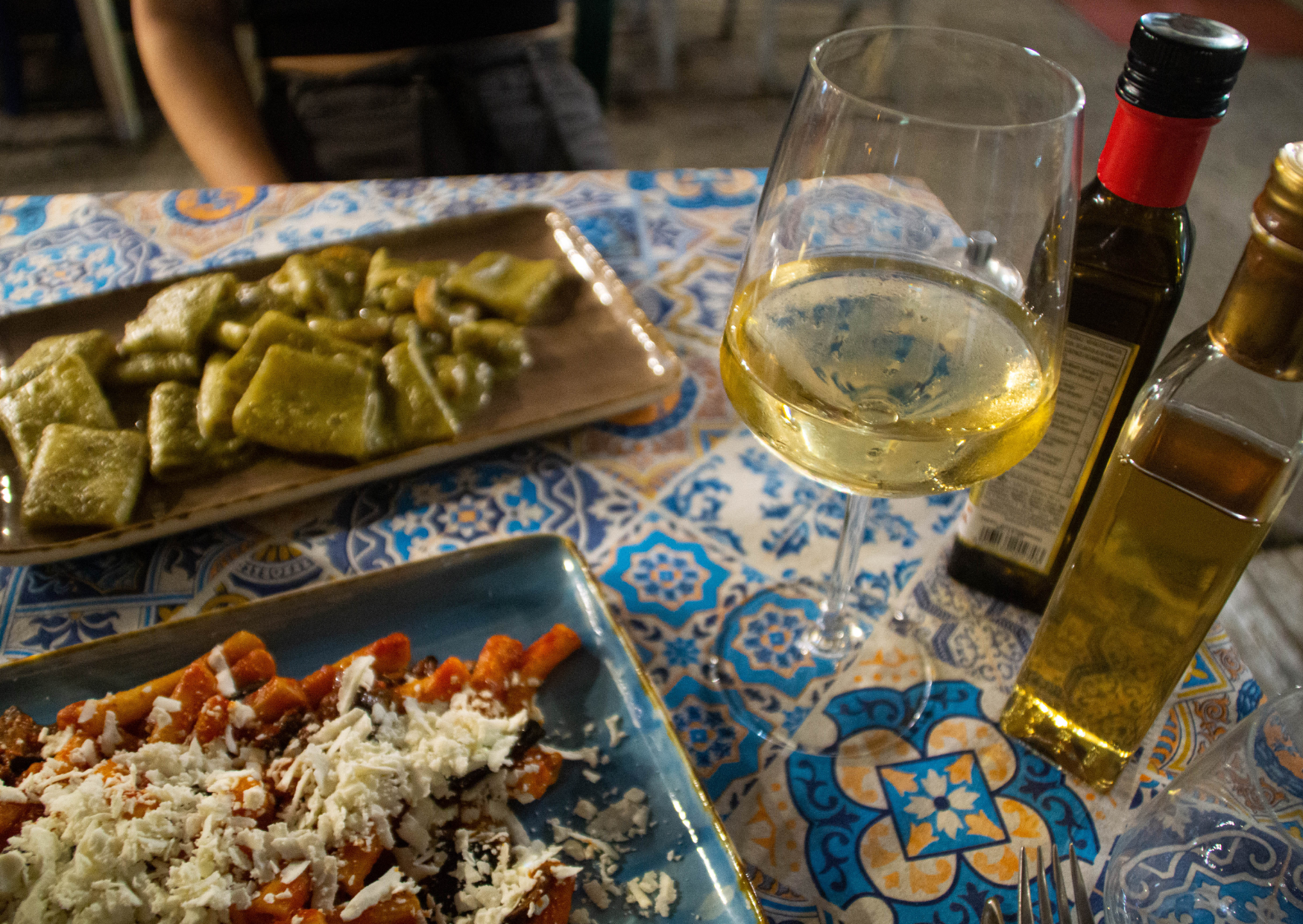
Sicilian food embraces contrast. Tomatoes are sweet, so the sauce must push back. Garlic brings warmth, olive oil adds roundness, and the lemon leaf cuts through with bitterness so slight it’s hard to name. But it’s felt.
You won’t taste lemon. The leaf is added whole, usually one per pot. It doesn’t perfume the sauce—it shapes it. Its essential oils mingle gently during the long simmer. Then it’s removed.
Without it, the sauce can taste bright but flat. With it, there’s structure. The bitterness isn’t aggressive—it just makes everything else more grounded. In a meal meant to carry pasta, cheese, or braised meat, that balance matters.
In Sicily, bitter doesn’t mean bad. It means depth.
2. Ingredients
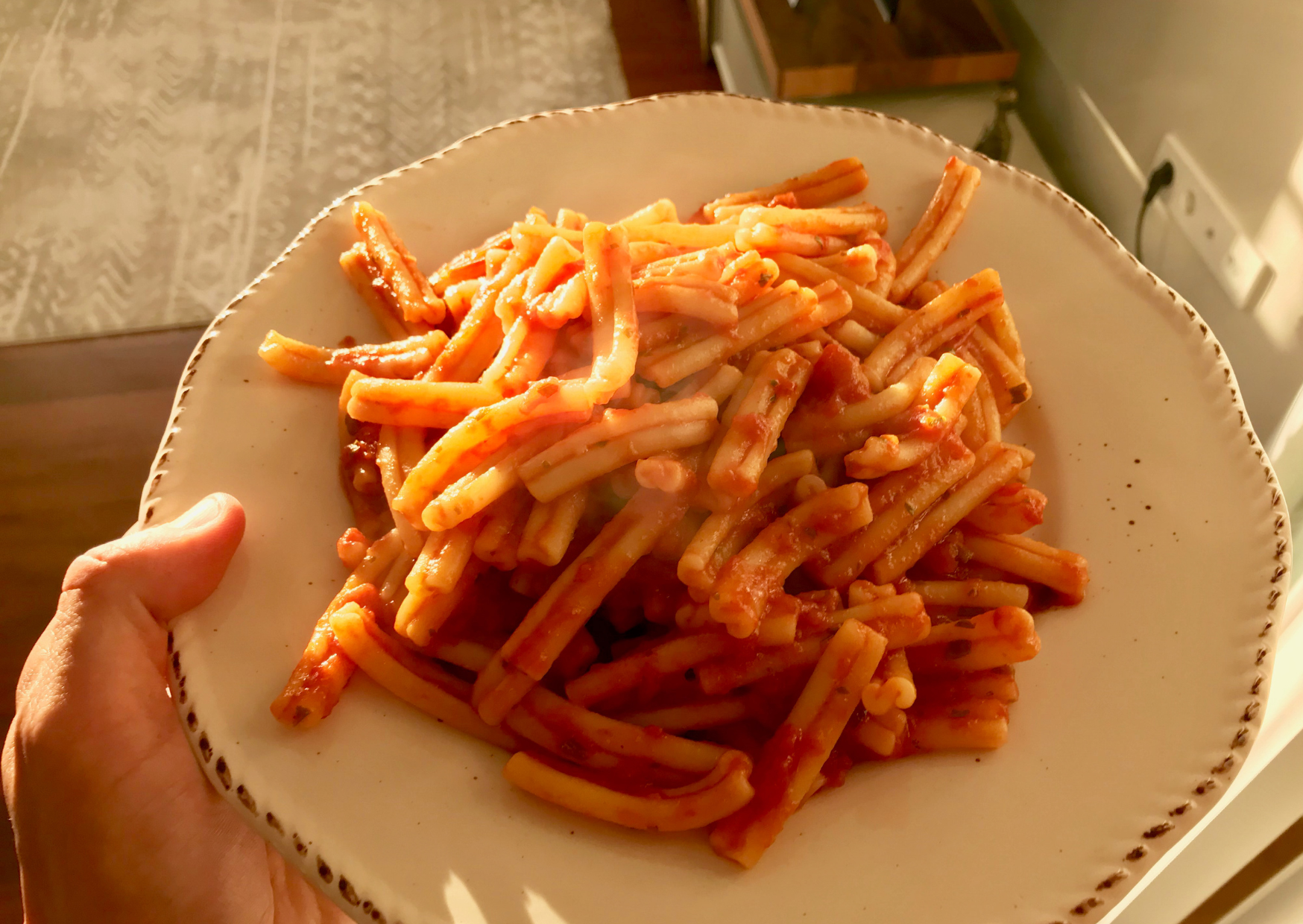
This version reflects what you’d find in a home kitchen in Palermo:
- 2 tablespoons extra virgin olive oil
- 2–3 cloves garlic, sliced
- 800g (28 oz) whole peeled tomatoes (or fresh, peeled if in season)
- 1–2 lemon leaves, whole, rinsed
- Salt to taste
- A pinch of sugar (optional)
- Fresh basil leaves, added at the end
Optional: 1 anchovy, a bay leaf, or a splash of red wine—depending on the cook and the day.
The lemon leaf must be untreated and from an edible lemon variety—preferably picked fresh. Never use leaves from grocery-store lemons, which are usually waxed or sprayed.
3. Method
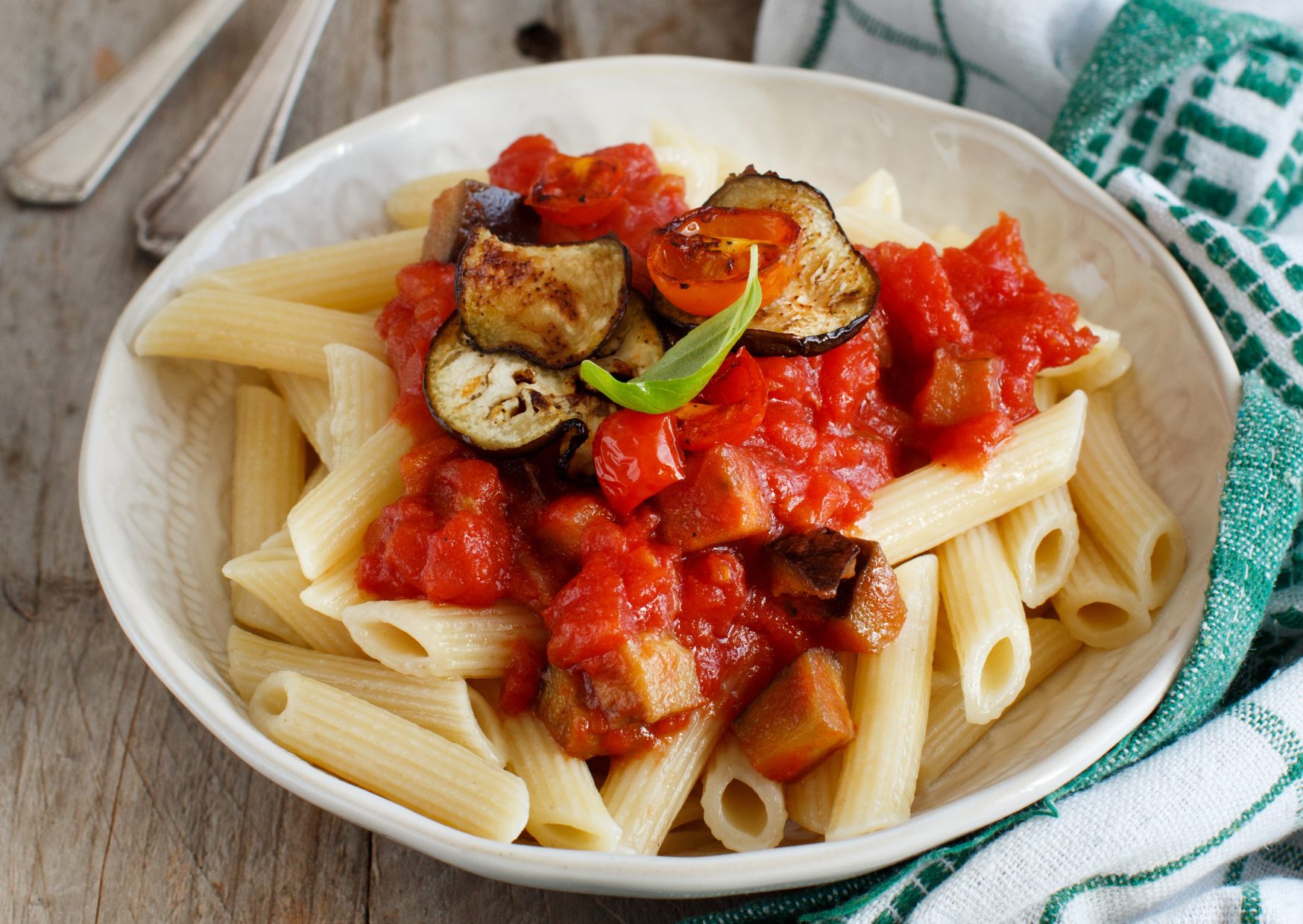
- In a heavy saucepan, warm the olive oil over low heat.
- Add the sliced garlic and sauté until just golden—not browned.
- Add tomatoes, crushing them with your hands or a spoon. Stir in salt, and sugar if your tomatoes are very acidic.
- Nestle the lemon leaf into the sauce.
- Simmer uncovered for 45–90 minutes, stirring occasionally.
- Add basil in the last 5 minutes.
- Remove the lemon leaf before serving.
That’s it. No measuring spoons beyond intuition. No heavy seasoning. Just slow time and quiet contrast.
4. Can you skip the leaf?
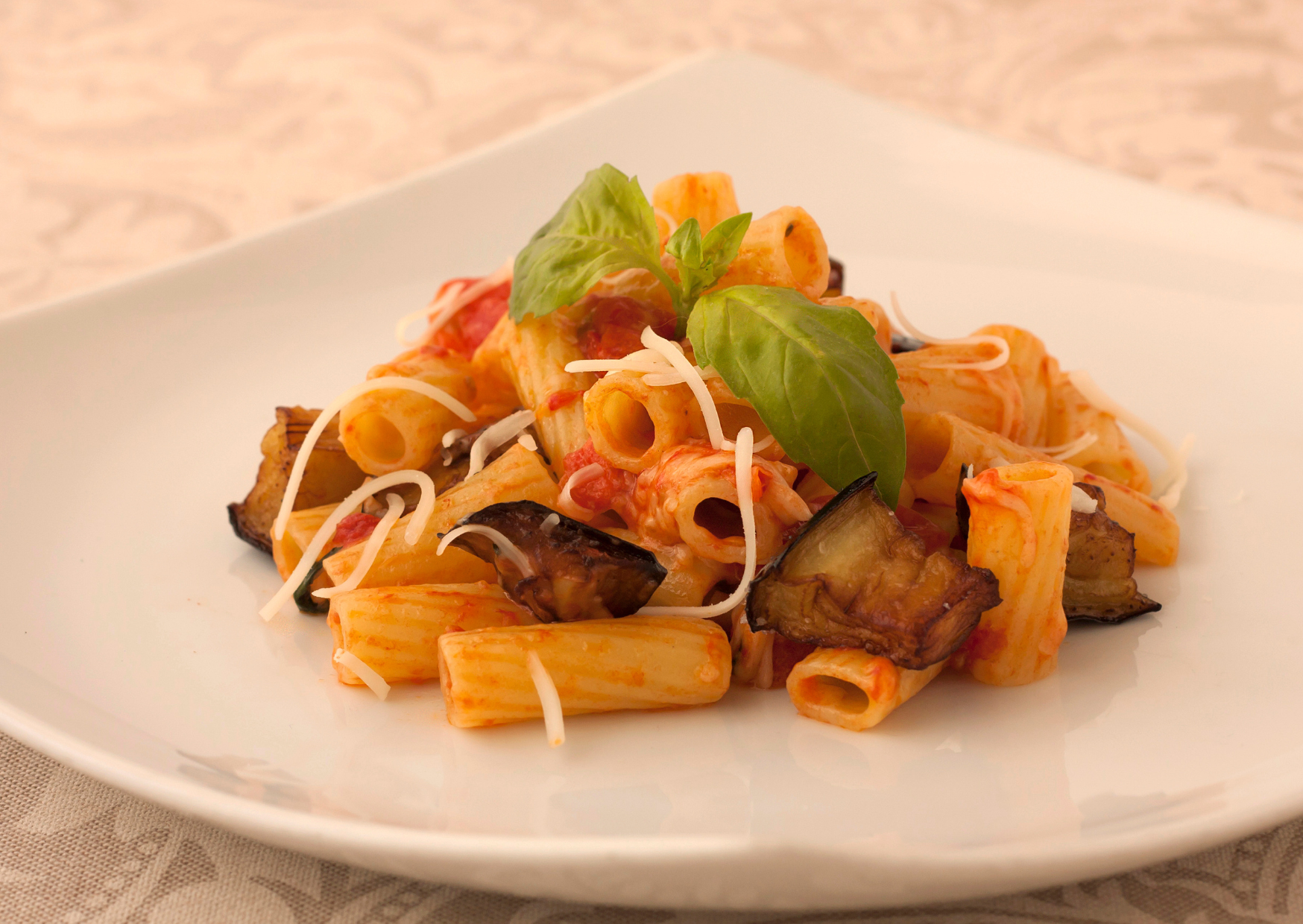
Of course. The sauce will still work. But it might miss something—a shape, a contour, a flicker of grounding bitterness. It will be smooth and sweet, but not dimensional.
If you can’t find a lemon leaf, a sliver of zest (added early and removed) can provide a trace of that effect. But it won’t be the same. The leaf brings flavor through oil, not acid.
This is the kind of ingredient that disappears into the pot but leaves a trace behind. If you know it’s there, you’ll notice. If you don’t, you’ll sense something’s missing.
5. Why nonnas never wrote it down
Sicilian recipes often live in memory, not print. You were expected to watch. To smell. To remember. No one listed the lemon leaf. But if you left it out, a nonna might say, “The sauce is fine. But next time, add a leaf.”
No lecture. No measurements. Just a reminder that the pot isn’t complete without its most overlooked guest.
It’s not there to impress. It’s there to balance.
6. What it tastes like—and what it doesn’t
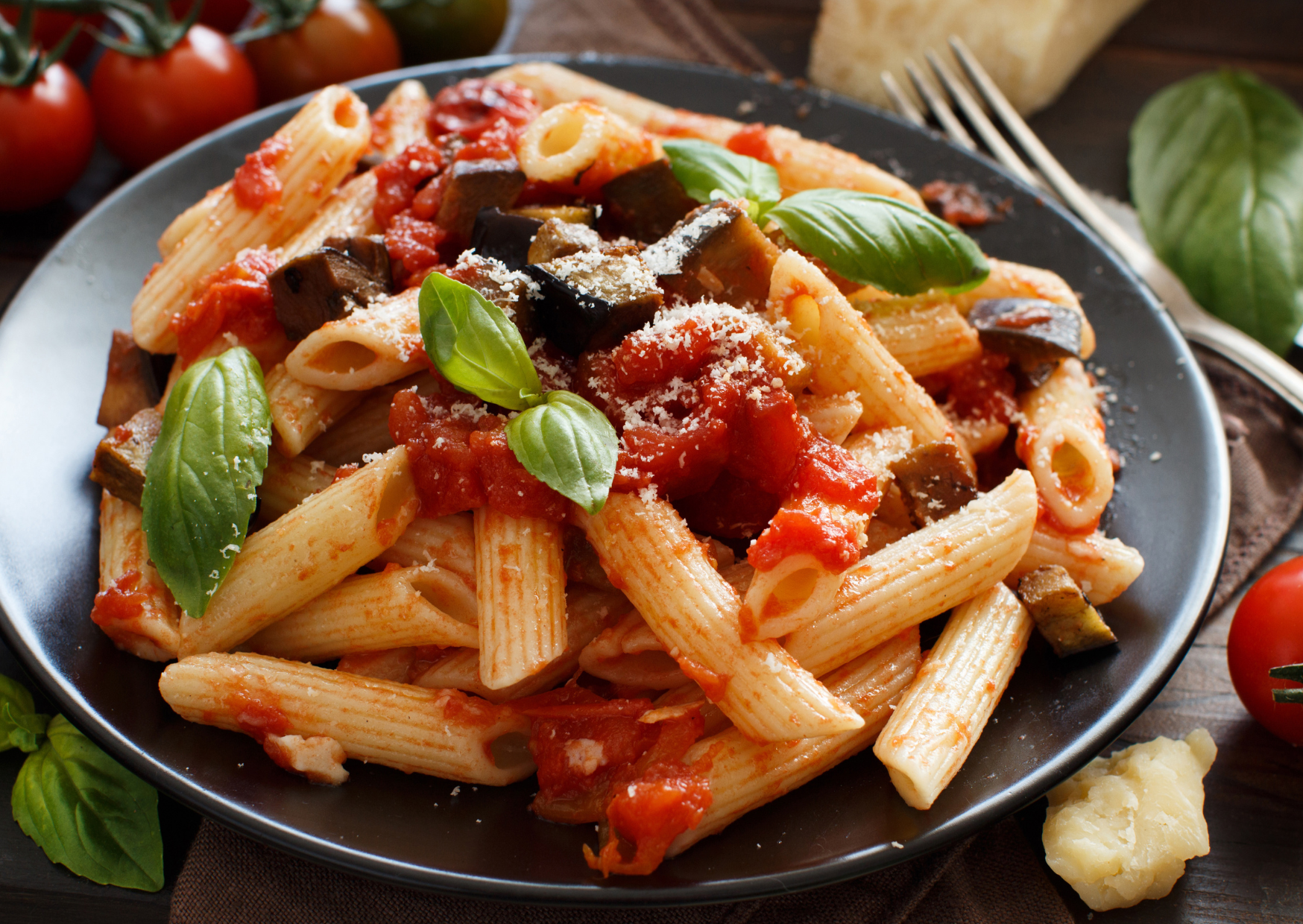
The lemon leaf doesn’t make the sauce taste like lemon. There’s no citrus bite, no tangy aroma, no obvious presence. That’s why it works. It doesn’t compete. It deepens the profile without introducing a new note.
What you might notice is a slight bitterness—not in the finish, but in the mid-palate. It keeps the sauce from drifting into sweetness. It makes the garlic sharper, the tomato more dimensional. But only if you know what to look for.
What it doesn’t do is overwhelm. There’s no risk of soapiness, no perfumed aftertaste. The bitterness is structural, not expressive. It holds everything together.
Most Americans expect a flavor punch. The leaf doesn’t give one. It gives a frame.
7. Where else Sicilians use lemon leaves
This isn’t a one-use tradition. Lemon leaves show up in Sicilian cooking beyond tomato sauce. They’re used to line pans for baked fish. They’re wrapped around small pieces of pork or cheese for grilling. They show up under desserts as aromatic bedding.
In some regions, they’re used as infusers in tea or even to wrap ricotta-stuffed sweets. The bitterness works as a balance to richness, whether savory or sweet. And in every case, the leaf is used whole—not chopped or blended.
They also appear in family traditions around feast days, when food is presented more ceremonially. A grilled dish served on lemon leaves isn’t about visual effect—it’s about layering subtle presence beneath flavor.
The idea is the same: let the leaf work quietly. Let it season from underneath.
8. Why American cooking resists ingredients like this
American food culture is built on clarity. Recipes are expected to name what’s there, to explain every step, and to deliver consistent results. A leaf with no flavor description, no measurable change, and no standard substitution feels suspicious.
Bitterness, especially, is treated with caution. Foods must be appealing, satisfying, or at least pleasant. Anything that feels medicinal or complex is packaged with disclaimers. Ingredient trust is built through familiarity—not intuition.
That’s why something as subtle as a lemon leaf feels like a risk in an American kitchen. It’s not just unfamiliar. It’s unaccounted for. There’s no taste payoff, no aroma, no moment of revelation. Just a better sauce.
Sicilian cooks don’t need that justification. They don’t fear the unknown if it’s been handed down. That difference—the need to understand versus the willingness to believe—is why the leaf is missing from most American pots. Let me know if you’d like a printable recipe card or a photo-based variation to pair with this. This version now reflects your updated recipe article format: culturally grounded, narrative-light, and instruction-forward.
Origin and History
Sicilian cooking is a treasure chest of traditions, many of which carry stories passed down through generations. Among the most surprising is the use of ingredients that outsiders sometimes question, like anchovies. To Sicilian nonnas, anchovies are not only safe but essential, adding a deep, savory backbone to tomato sauces that no jarred product could ever replicate.
This practice has roots in Sicily’s long history as a crossroads of Mediterranean cultures. Anchovies were abundant, affordable, and preserved easily, making them a staple in everyday meals. Over centuries, their strong, salty flavor became a secret weapon in kitchens across the island, blending seamlessly into sauces where their taste isn’t fishy but profoundly rich.
For Sicilians, this ingredient isn’t controversial—it’s tradition. The skepticism often comes from outsiders, especially Americans, who assume anything too salty or too pungent must be harmful, when in reality it’s part of what makes Sicilian sauces unique.
How Long You Take to Prepare
Making a proper Sicilian sauce with anchovies isn’t rushed. While the ingredient itself melts into the oil in minutes, the sauce it supports usually takes hours to reach perfection. The process begins with gently sautéing garlic and onions, then melting anchovy fillets into the base until they disappear completely, leaving behind layers of umami.
The tomatoes, often fresh and peeled, simmer slowly for three to four hours, allowing the flavors to develop. The anchovy’s presence isn’t overt; instead, it enhances the natural sweetness of the tomatoes, creating a sauce that feels both hearty and refined.
The patience required may seem excessive in modern kitchens, but Sicilian nonnas know that time is as important an ingredient as anything else. It’s this slow process that transforms a simple sauce into something extraordinary.
Serving Suggestions
This sauce is best paired with long pastas like spaghetti or linguine, which allow the rich tomato base to cling to every strand. A dusting of Pecorino Romano or Parmesan adds another layer of salty sharpness, complementing the anchovy’s subtle undertone.
It also works beautifully as a base for baked dishes, such as pasta al forno or stuffed eggplants, where the sauce binds all the flavors together. Even meat and seafood stews benefit from its depth, proving its versatility far beyond pasta.
For the full Sicilian experience, serve it with a rustic loaf of bread and a glass of local red wine, like Nero d’Avola. The bread isn’t optional—it’s necessary for soaking up every last drop of sauce from the plate.
Final Thoughts
What Americans might dismiss as “poison” is, in fact, the heart of Sicilian flavor. Anchovies in sauce represent the brilliance of using humble, accessible ingredients to elevate a dish into something timeless. They disappear into the background, not to overpower but to enhance, teaching a lesson in subtlety and balance.
This tradition also highlights a cultural difference: where some see risk or excess, Sicilians see richness and heritage. It’s a reminder that food should not be judged at face value but by the depth it adds to the table.
Ultimately, the secret ingredient isn’t just anchovies—it’s patience, tradition, and a willingness to trust generations of wisdom. For anyone brave enough to try it, the result is a sauce that lingers not only on the palate but also in memory.

About the Author: Ruben, co-founder of Gamintraveler.com since 2014, is a seasoned traveler from Spain who has explored over 100 countries since 2009. Known for his extensive travel adventures across South America, Europe, the US, Australia, New Zealand, Asia, and Africa, Ruben combines his passion for adventurous yet sustainable living with his love for cycling, highlighted by his remarkable 5-month bicycle journey from Spain to Norway. He currently resides in Spain, where he continues sharing his travel experiences with his partner, Rachel, and their son, Han.