
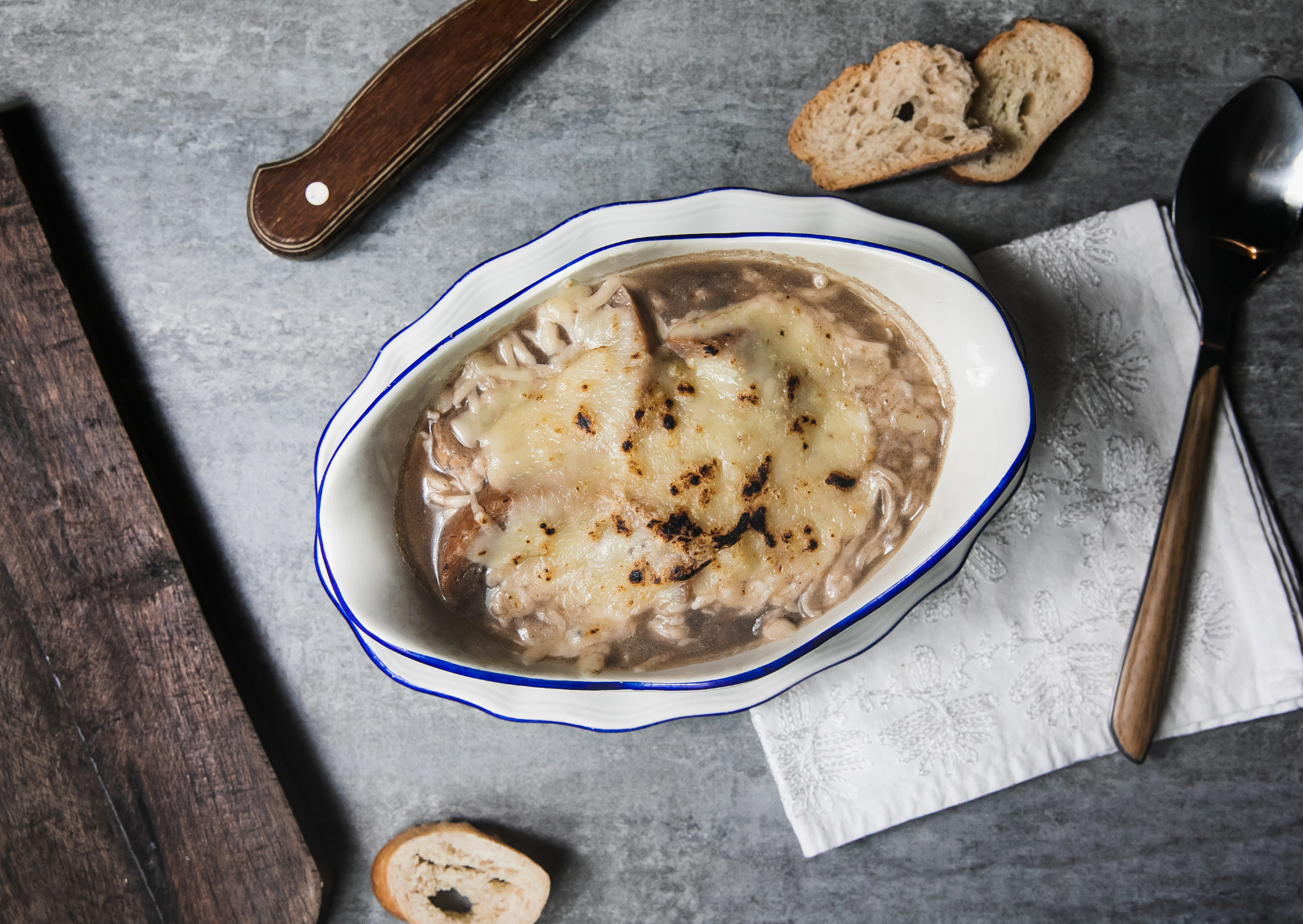
And what it reveals about humility, rural invention, and the kind of flavor you can’t fake with foam or flowers
In a small village outside Carcassonne, a soup made of onions, water, stale bread, and a few ladles of duck fat once carried a family through winter. It wasn’t meant for guests. It wasn’t plated. It was ladled straight from the pot. The grandmother who made it didn’t write it down. But someone remembered.
Years later, a version of that soup appeared on a fine dining menu in Lyon. Then in Paris. Then in Tokyo. The ingredients were altered—now a consommé, now served with shavings of truffle—but the idea stayed the same: slow onion base, bread as body, and fat as memory. The original was never credited. But its voice was there.
This is how traditional recipes travel. Not through copyright, but through adaptation. And sometimes appropriation. Because what Michelin chefs chase—layered flavor, restrained richness, unexpected depth—has always lived in the hands of grand-mères who cooked for function, not attention.
Here’s how a peasant soup became haute cuisine—and why the original version still holds more weight than the polished ones served under glass domes.
1. The flavor wasn’t the point—it was the survival
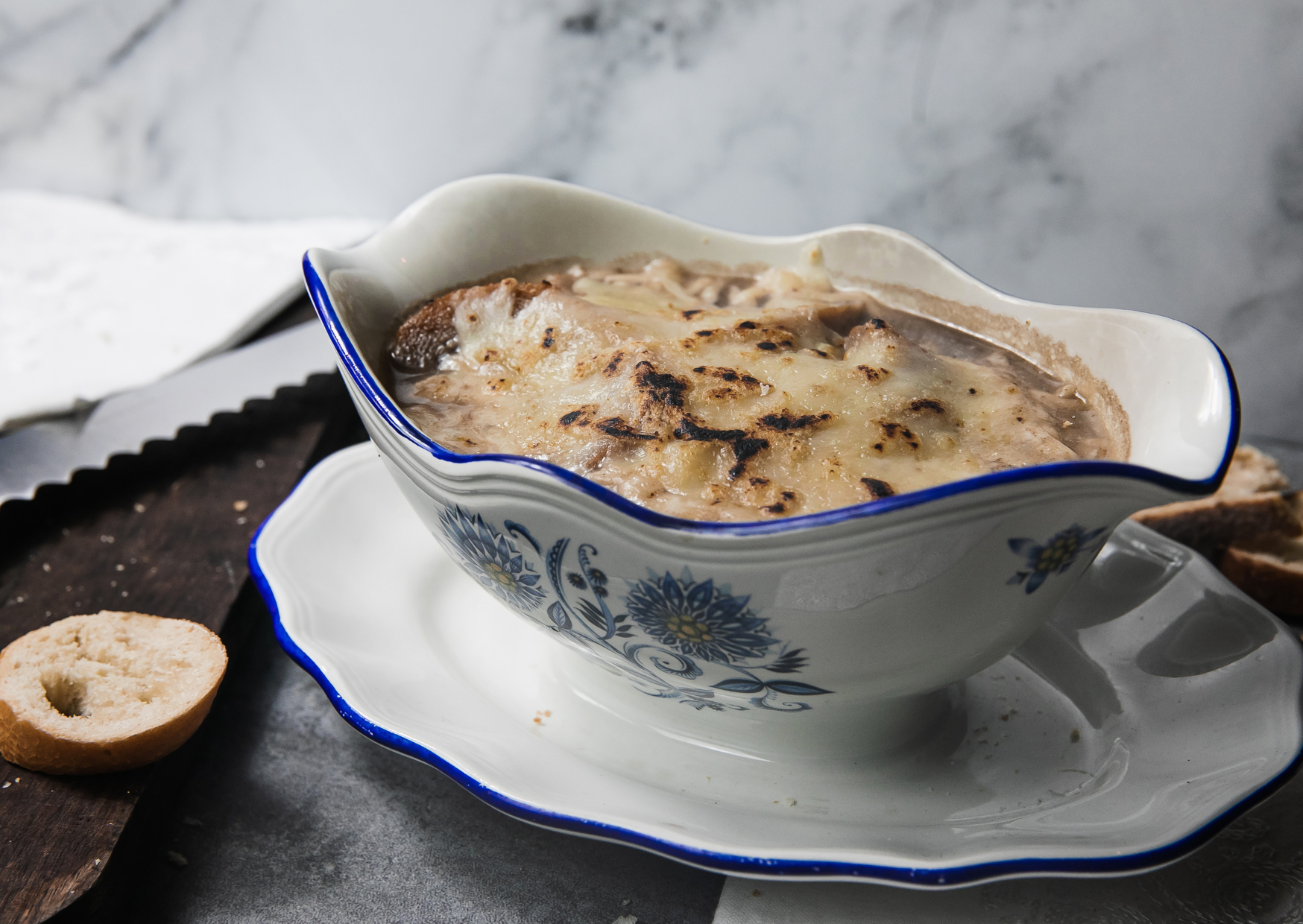
The original soup wasn’t invented. It was what remained. Onions that were too soft to store. Water from the well. Bread that had gone hard. Duck fat skimmed from confit pots. There was no stock, no bouquet garni, no garnish.
But when simmered slowly, the onions collapsed into sweetness. The bread dissolved into body. The fat coated the mouth just enough to make the meal feel like more than it was. It didn’t taste expensive. It tasted enough.
French grand-mères never called this invention. They called it Tuesday. Or January. Or whatever day it was when the pantry felt small. But that unspoken confidence—knowing how to make richness from scraps—was the origin of flavor structure that high-end chefs now try to reverse engineer.
And they do so by watching people who never wrote recipes, only remembered gestures.
2. The ingredients (in their honest form)
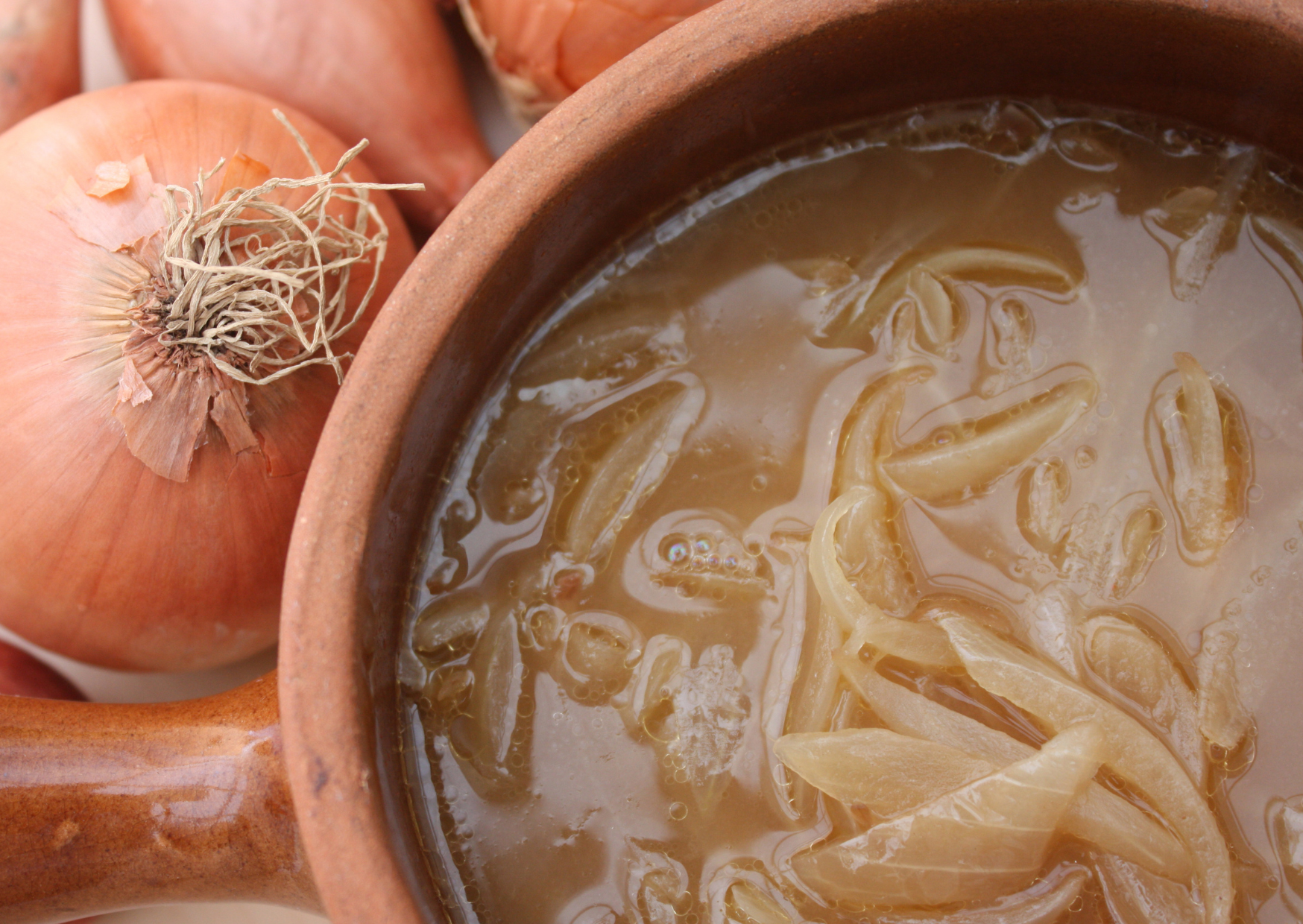
There is no official version, but this is what a traditional pot would likely contain:
- 3 tablespoons duck fat (or goose fat, depending on the region)
- 4–5 yellow onions, thinly sliced
- 1 clove garlic, smashed
- 5–6 cups water (not stock)
- A handful of stale bread, torn into chunks
- Salt and black pepper
No wine. No thyme. No cream. The flavor doesn’t come from layering—it comes from patience and breakdown.
In some villages, a bit of grated cheese might be added at the end—not as a topping, but stirred in for salt. But in most kitchens, the soup was finished when it felt thick enough to slow a spoon.
3. Method
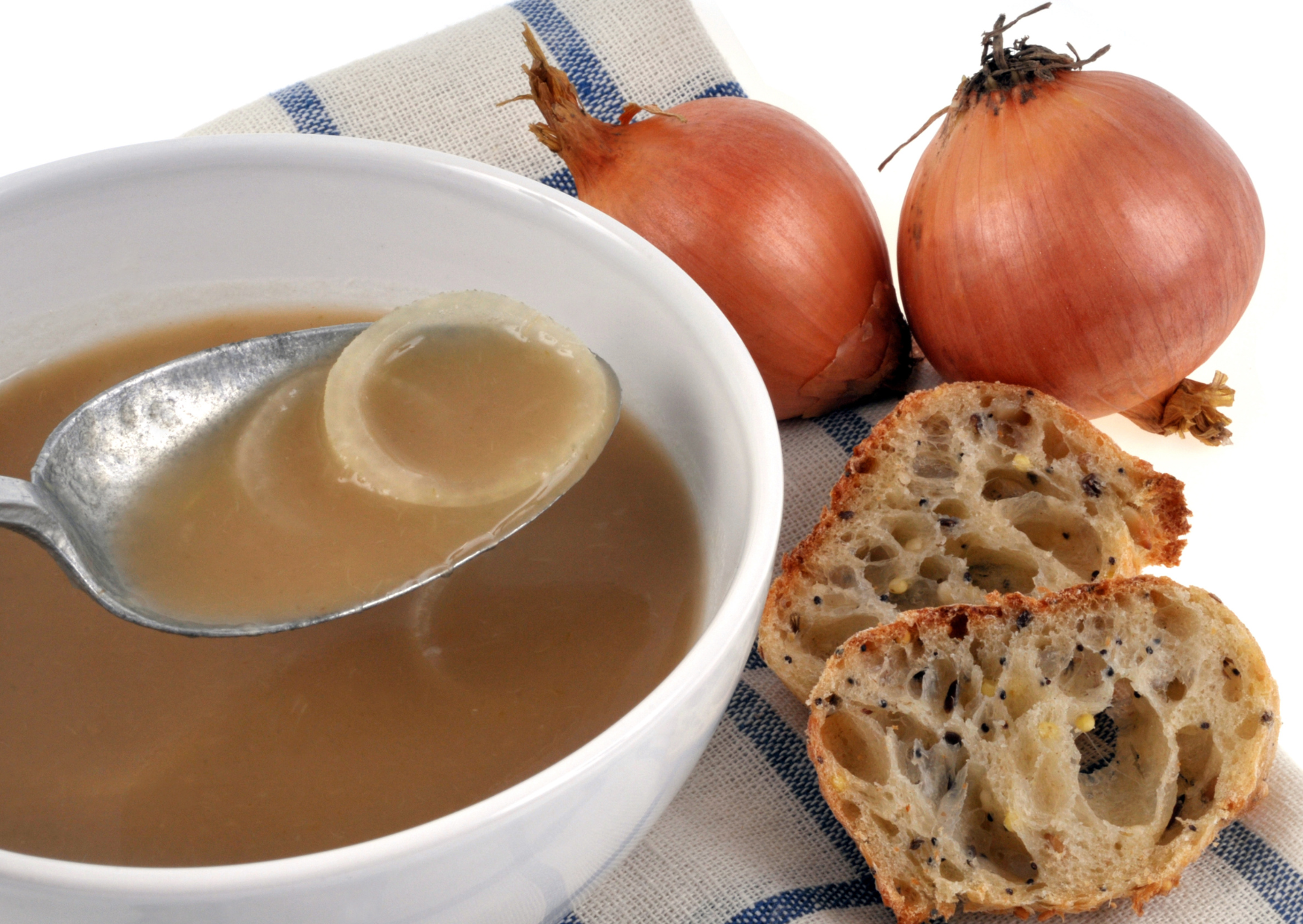
- Warm the duck fat over low heat in a large pot.
- Add onions and garlic. Stir slowly for 30–40 minutes until the onions turn gold and collapse. Do not rush.
- Add water and bring to a simmer.
- Add bread. Stir occasionally, breaking it up as it softens.
- Let the soup simmer gently for another 30 minutes.
- Taste for salt. Add pepper. Stir once more.
The soup is done when the onions and bread are indistinguishable and the liquid no longer separates. It won’t be beautiful. It will be complete.
4. Why Michelin chefs stole it
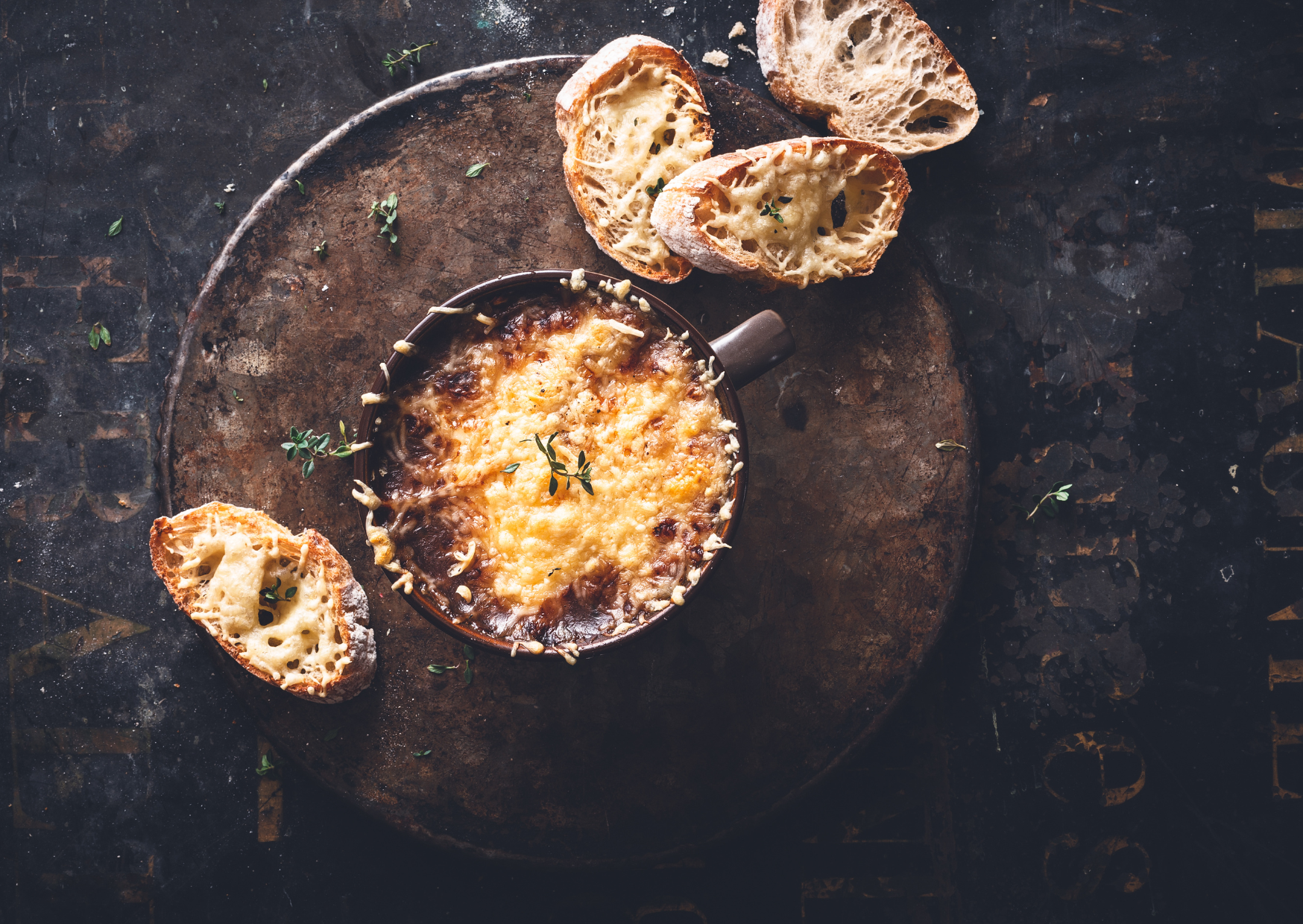
Because it works. Because it surprises. Because it’s quietly layered without decoration. Because the texture is rich without butter. Because the onion doesn’t need balsamic or reduction. Because the fat is part of the memory, not an afterthought.
In fine dining, this kind of simplicity is rare. Chefs chase it because it feels ancient and modern at once. But when they remake it, they add. A quenelle. A crisp. A drizzle. And in doing so, they often miss the point: the original didn’t need anything else.
This isn’t to shame the reinvention. Only to say that the grandmother knew what she was doing. And that maybe, once in a while, it’s okay to let her soup speak in its own dialect.
Origin and History
In rural France, soup was never just a meal—it was a lifeline. French grand-mères (grandmothers) perfected hearty broths using whatever was available from the farm or market. With root vegetables, fresh herbs from the garden, and a touch of meat or bone stock, these soups became staples of the household. They were warming, filling, and made with an instinctive knowledge of balance that no written recipe could capture.
Over time, the humble peasant soup became an anchor of French family life. It was served at long wooden tables after a day in the fields, or quietly ladled to children in the evenings. While the dishes varied from region to region, the principle remained the same: resourcefulness, simplicity, and flavor that came from patience.
As haute cuisine developed in Paris and beyond, Michelin chefs discovered the depth hidden in these seemingly rustic soups. They began borrowing, adapting, and refining these family recipes, elevating them into fine dining menus while keeping the heart of the grand-mère’s kitchen intact.
How Long You Take to Prepare
The beauty of a traditional French grandmother’s soup lies in its slow preparation. While some versions can be done in under an hour, the most authentic renditions often simmer for two to three hours. This extended cooking time allows the flavors of vegetables, herbs, and stock to meld together into a rich, comforting broth.
Active prep, however, is surprisingly short. Chopping vegetables, browning onions, or adding herbs rarely takes more than 20 minutes. The rest of the process is passive—letting the pot do the work as it gently bubbles on the stove.
For modern kitchens, time doesn’t have to be a barrier. Many cooks speed things up using pressure cookers or by prepping vegetables in advance. Yet, those who linger with the slow simmer discover that waiting is part of the magic: the patience itself infuses the dish with depth.
Serving Suggestions
Traditionally, this soup is served with nothing more than a slice of crusty baguette and perhaps a wedge of cheese on the side. It’s a reminder of French countryside life, where bread and soup formed the backbone of simple evening meals.
In fine dining contexts, however, Michelin chefs reimagine this soup with delicate garnishes: a drizzle of herb-infused oil, paper-thin shavings of truffle, or freshly cracked pepper. This transforms the dish from rustic simplicity into a statement of elegance.
For home cooks, the balance can be found in between. Serve the soup in deep bowls, perhaps topped with fresh parsley or a dollop of crème fraîche, and let it shine as the centerpiece of a weeknight dinner. Pair it with a glass of French wine, and the meal becomes a celebration of both heritage and comfort.
Final Thoughts
What makes this soup extraordinary isn’t its complexity—it’s its honesty. Passed down through generations, it carries the wisdom of grandmothers who learned to transform the simplest of ingredients into nourishment for both body and soul.
The fact that Michelin chefs borrowed from these recipes is not surprising. Even at the highest levels of culinary prestige, there’s no substitute for authenticity. What began in rustic kitchens with wood-fired stoves has now found its way into white-tablecloth restaurants, proving the timelessness of good food.
When you prepare this soup at home, you’re not just cooking—you’re carrying forward a piece of French heritage. It’s a dish that reminds us that elegance often begins with simplicity, and that the most profound flavors come from recipes written in memory, not on paper.

About the Author: Ruben, co-founder of Gamintraveler.com since 2014, is a seasoned traveler from Spain who has explored over 100 countries since 2009. Known for his extensive travel adventures across South America, Europe, the US, Australia, New Zealand, Asia, and Africa, Ruben combines his passion for adventurous yet sustainable living with his love for cycling, highlighted by his remarkable 5-month bicycle journey from Spain to Norway. He currently resides in Spain, where he continues sharing his travel experiences with his partner, Rachel, and their son, Han.