
Sun on limestone, a key that sticks, a doorway that could be beautiful. As of October 2025, Sicily still runs ultra cheap house schemes that make headlines, from €1 to €3 to “free.” The real question is not if the price tag is true. It is whether you can get from auction day to a livable home without blowing your budget or your patience.
You do not need to speak perfect Italian or be a builder. You do need a clear map. There are deposits, deadlines, permits, taxes, and a renovation that costs real money. The play here is not to pay the least. It is to buy the right ruin, on the right street, in a town that actually supports newcomers, then move through the paperwork in a rhythm that works.
This is the straight guide. How the €3 auctions and “free” homes actually work, what that first year really costs, which permits unlock which works, how to avoid the slow traps, and a simple 30 day plan that gets you from fantasy to file number.
What “€3” And “Free” Really Mean In 2025
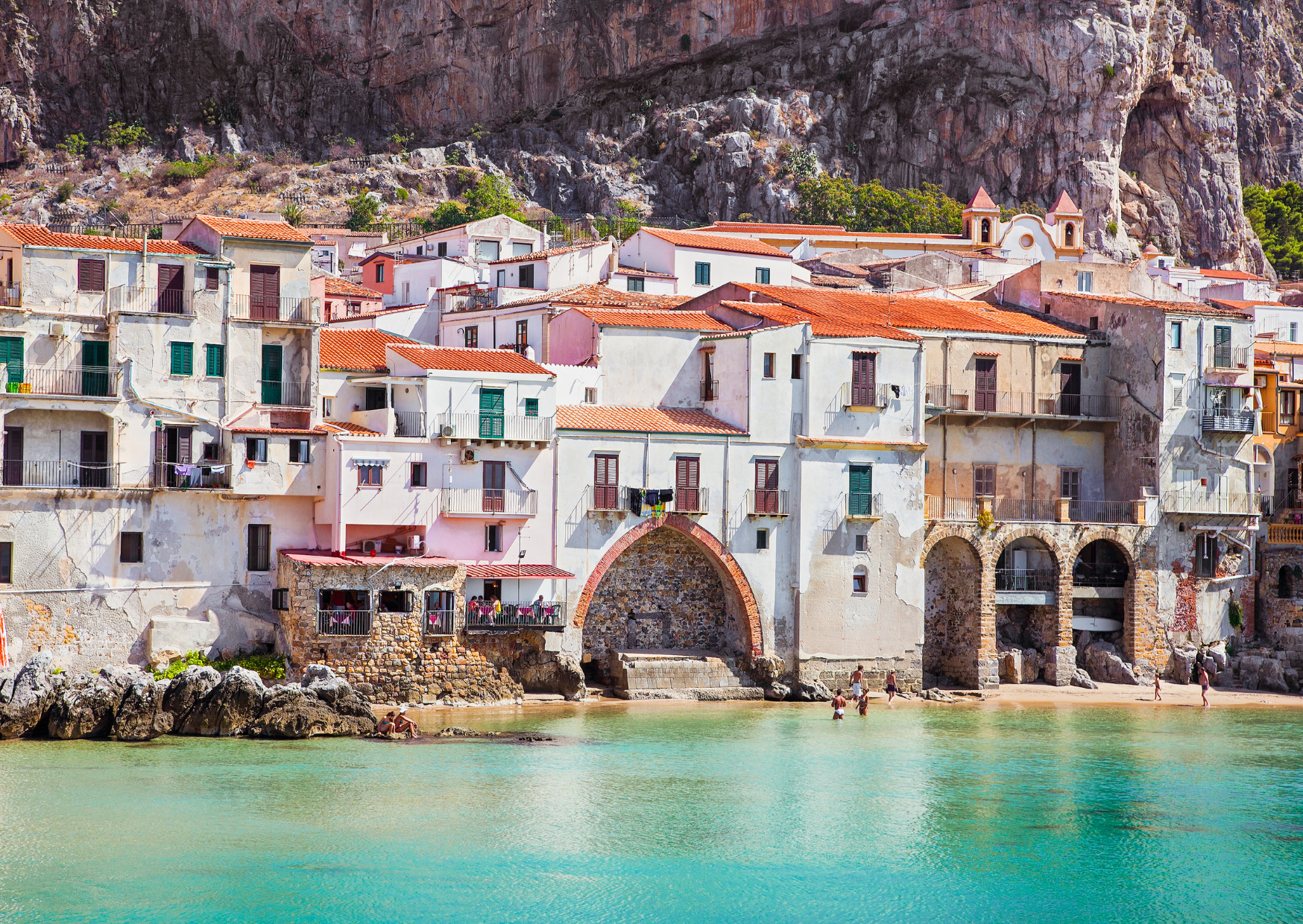
The headline is a hook. The contract is the truth. Towns do this in two main ways.
Municipal auctions at symbolic prices. Sambuca di Sicilia is the clean example. The town owns a batch of abandoned properties and auctions them with a symbolic starting price, often €3 in recent rounds. You lodge a small deposit to bid, you show an ID and tax code, and if you win you commit in writing to renovate within a stated period, usually three years, with a project filed soon after the deed. The deposit is returned when you finish or if you lose the auction. The property is as is. The deadline is real. The town publishes the houses and the tender calendar openly. It feels like a municipal version of eBay with masonry.
“Free” houses with a restoration obligation. Cammarata has run a variant for years. Owners donate derelict houses to the municipality, which assigns them for a symbolic price. In exchange, you sign to present a restoration plan within months and complete within roughly three years. Some cycles required no deposit, others asked for guarantees. Either way, you pay all purchase, notary, and renovation costs. “Free” means no purchase price, not no cash needed.
A third lane pops up in the news, but the shape is different.
Small grants tied to historic centers. Troina in Sicily has offered time limited incentives. The current notice accepts applications from 29 September to 28 December 2025 for a first home in the centro storico, with a grant up to 50 percent of the price capped at €8,000. That is a nudge, not a renovation budget, and it is not the same thing as a €30,000 restoration grant. If you see big numbers, read the date and the actual bando.
Bottom line. You can still buy a ruin for a coin. You cannot live in it for a coin. The program gives you the door. You bring the house back.
How The Auctions And Assignments Actually Work
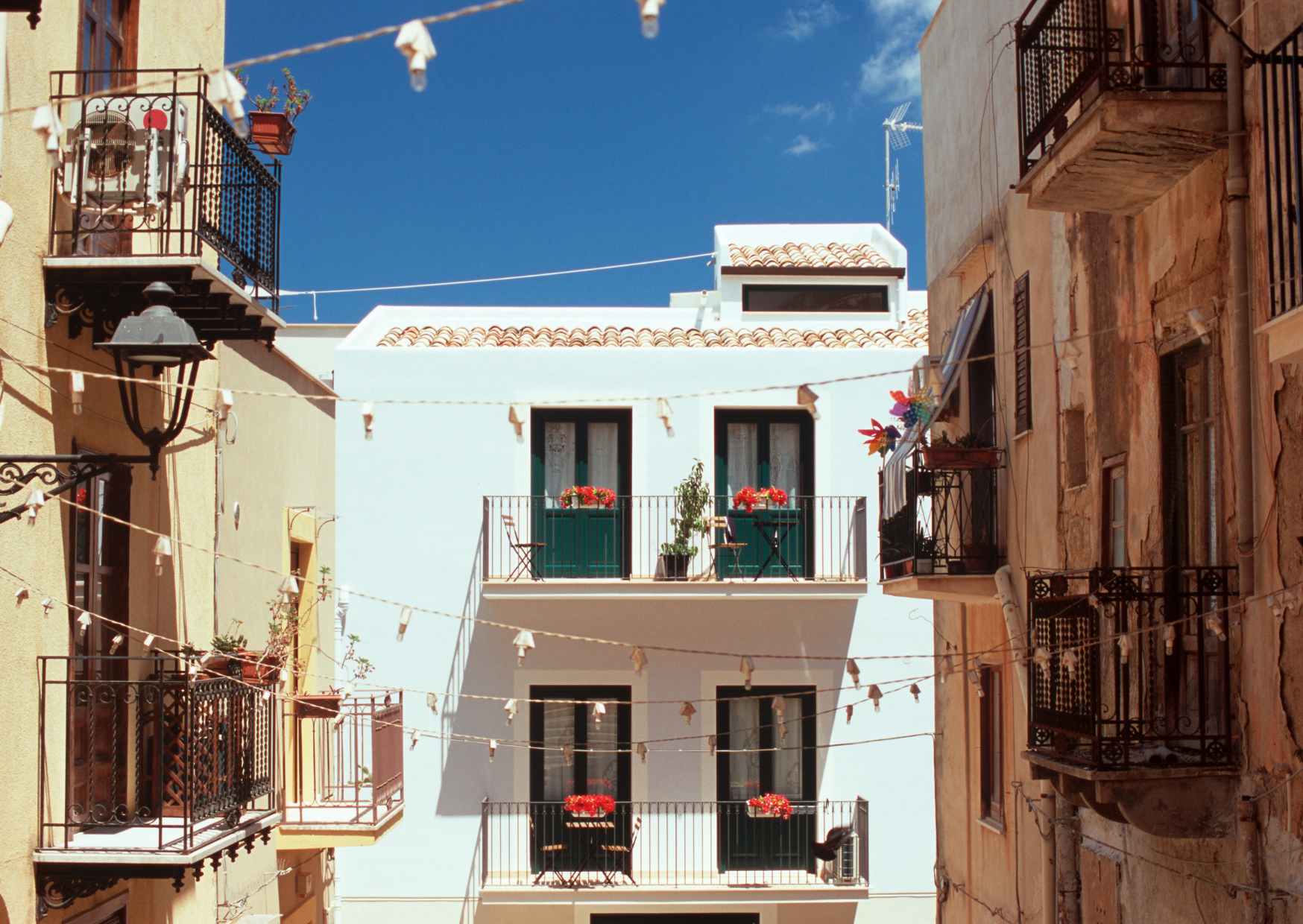
Every town has its own paperwork, but the beats repeat.
1. The town publishes the batch. Sambuca posts the list of addresses, photos, floor areas, and the tender notice with the deadline, submission method, and deposit rules. Read the whole notice, not the press summary. The notice spells out the renovation deadlines and the minimum you must do to stabilize the building.
2. You get a Codice Fiscale and assemble your file. Foreign buyers need an Italian tax code. You add a copy of your ID, proof of deposit payment if required, and the bid form. If you intend to claim first home tax benefits later, do not guess. Decide before you sign. Those benefits change your purchase taxes.
3. You bid and wait for adjudication. Auctions can be in person or sealed. Symbolic starting price does not mean symbolic final price. Some houses jump. Others do not move at all. If you do not win, your deposit is returned. If you win, the town issues a verbale di aggiudicazione and a timeline.
4. You sign with a notary. The atto di compravendita is the deed. You pay the notary, registration taxes, and any fixed cadastral and mortgage taxes due. Even if your purchase price is €3, there is a floor to the transaction costs. Most buyers should budget thousands for the closing alone.
5. You file your project and start the clock. Programs require a project submission within a set window, often 60 to 90 days, then completion within three years. The permit you use depends on the work. If you are moving internal walls without structural changes, a CILA may do. If you touch structure, openings, volume, or the facade, you are likely in SCIA or full building permit territory. Your geometra or architect leads here.
6. You renovate and provide progress updates. Towns can ask for status reports or inspections. Miss milestones and you risk forfeiting your deposit or the assignment. Finish on time and the deposit, where required, is returned.
That is the skeleton. Now the money.
The Real Budget: From €3 To Move In
Buyers talk about their €3 win and their €60,000 surprise. The surprise is avoidable if you price the whole path. Use this as a sanity check.
Acquisition costs you cannot dodge
- Notary and legal services. Typical combined range is roughly 2 to 4 percent of the declared price, with a sensible minimum that often lands in the low thousands even for tiny values. If the deed value is nearly zero, expect a minimum fee quote rather than a percentage.
- Registration tax and fixed taxes. Buying from a private seller with first home benefits uses a 2 percent registration tax on cadastral value plus fixed cadastral and mortgage taxes. Second homes pay 9 percent. New builds from developers use VAT instead. Your notary will tell you which box you are in.
- Technical surveys. Pay a professional to crawl the building before you sign the deed, even if the town allows you to inspect only from the street. A structural look and a utility feasibility check save heartbreak.
Renovation bands people actually hit
- Stabilization and roof. Old timber, local stone, and post earthquake repairs are common. A simple roof replacement on a small footprint can eat €15,000 to €25,000 quickly.
- Utilities. New electric, water, and waste connections plus internal runs add up. Historic centers can require careful routing.
- Windows, doors, plaster, floors. The pretty stuff shows last.
- Professional fees and permits. Your geometra or architect, structural calculations if needed, permit filings, safety coordinator if trades are on site.
A modest two level shell that needs roof, utilities, and interior can rationally land between €40,000 and €90,000 depending on scope, finishes, and surprises. Bigger, fragile buildings go higher. When you hear people say the “free” house cost them €70,000 before furniture, this is what they mean.
Annuals and running costs to model now
- IMU. Italy’s municipal property tax does not apply to your main home in most non luxury cases, but it does apply to second homes. Rates center on a base 0.86 percent of the uplifted cadastral value, with municipalities allowed to set within a band. If this will be a second home, assume an annual IMU bill.
- TARI. The waste tax is set by each municipality. Sicily’s 2025 updates show wide variation by city and increases in some areas. Even if your number is a few hundred a year, it belongs in the plan.
- Ordinary maintenance. Historic centers are beautiful and tight. Scaffolding access, alley deliveries, and damp management cost time and money.
Short version
A €3 or €1 deed can turn into a €60,000 to €120,000 all in project without any extravagance. Insert the real taxes, fees, and a 10 to 15 percent contingency before you fall in love.
Permits In Plain Language
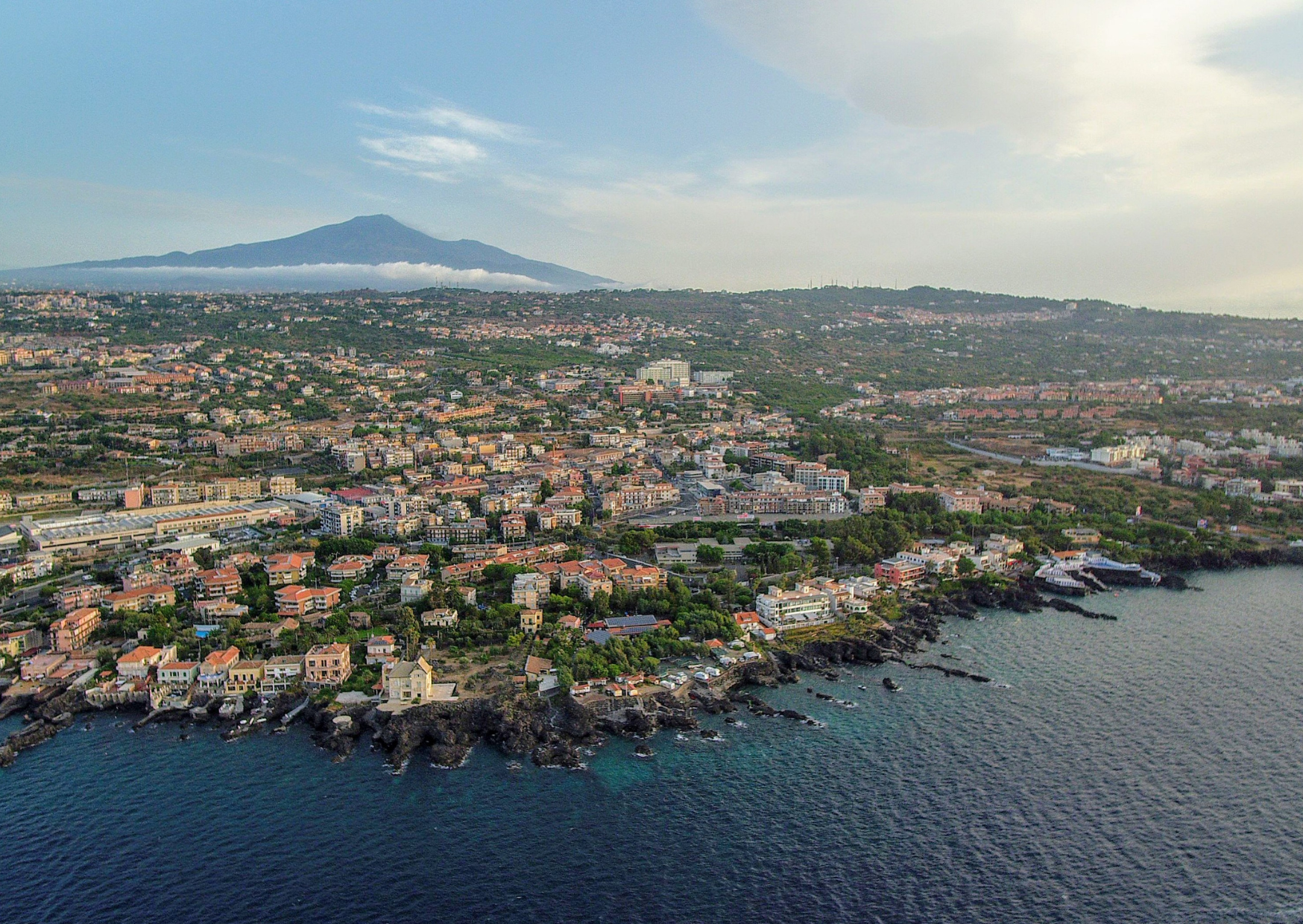
Italy has three letters for almost everything. For renovations, these are the ones that matter.
CILA
This is a certified notice for minor works by a qualified technician. Internal non structural changes, reconfiguring rooms, replacing fixtures without touching the envelope, and similar light works often sit here. You file, and you can generally start immediately. Your technician signs that everything complies.
SCIA
This is a certified notice for more substantial works. If you touch structural elements, alter openings, or affect safety and energy performance in defined ways, you go up a rung. SCIA comes with stricter technical filings and often includes structural sign off.
Permesso di Costruire
This is a full building permit for major works, additions, or substantial reconstruction. Expect formal municipal review and longer timelines.
Your town hall and your technician tell you which path you need. The trick is to scope the work with the permit in mind rather than designing a dream that requires the heaviest permit for a small house.
Pitfalls Most Buyers Miss
You priced the house, not the alley. Narrow streets and stairs change everything. If a truck cannot reach your door, plan for hand carry or micro machinery. Access logistics can add thousands and months.
You guessed on utilities. Running a new sewer line or upgrading power in the historic core can be straight, or it can be a tour. Get written feasibility and a cost range before you sign.
You assumed first home tax benefits. First home rules have conditions on residency and other holdings. If you do not meet them, your registration tax jumps. Decide before the deed, not after.
You waited to hire a technician. The program clock starts fast. The project filing window can be 60 to 90 days. Start with a geometra or architect during the auction phase so you can file on time.
You renovated like a guest, not a neighbor. Do not over modernize the facade or fight the climate. Ventilation, shade, and local stone behave differently than drywall and air conditioning in a suburb.
You forgot the waste tax and IMU. Second homes pay IMU. All occupied homes pay TARI. They are small compared with a renovation. They are not zero.
Regional Rhythms You Will Feel
Sicily is friendly and procedural at the same time. Offices keep posted hours. Summer can slow public desks. Earthquake history influences building rules in some valleys. Historic cores protect their look. Translation: plan for municipal timing, not your calendar, and choose patience as a strategy. Newcomers who pair a local technician with a plain Italian phrase book move faster than fluent buyers who do everything by email.
If you are choosing between towns, ask three questions in person. How quickly do your offices schedule deeds and protocol project filings. Where do you publish building and street closure notices. Who are three local firms that have delivered on time for recent foreign buyers. Each answer teaches you something about the town.
The 30 Day Playbook
You can get from idea to a credible bid file in one clean month. Use this timeline as a reference.
Days 1 to 3
Pick two towns only. Read the last full tender notice on the municipal site. If you cannot find the page where the town posts the bando, pick a different town. For Sambuca, the page lists the €3 batch, the forms, and the adjudication records. For “free” houses, Cammarata maintains a program page with regulation and forms.
Days 4 to 7
Get your Codice Fiscale. Choose a local technician in each town. Ask for a fixed fee for pre bid checks and a separate fee for project and filings. Ask for one recent reference from a foreign buyer. Do an initial video walk through if allowed.
Days 8 to 12
Walk the streets in person. Stand in front of the houses in the batch if addresses are public. If they are not, learn the blocks. Listen for bars and traffic at night, check for damp marks at base of walls, look for recent scaffolding nearby.
Days 13 to 16
Price your whole stack. Use conservative fees and taxes, not wish numbers. Add a 15 percent contingency. If the total scares you, reduce scope or switch to a smaller property.
Days 17 to 20
Decide your tax posture. First home or not. Cash or mortgage. If you will rent later, read up on cedolare rates for the kind of tenancy you intend. Do not promise yourself income under rules you have not read.
Days 21 to 24
Assemble the file. ID, tax code, deposit proof if the bando requires it, bid form in the format the notice demands, and any declarations the town lists. Practice writing your name the same way every time. It matters.
Days 25 to 27
Choose a notary and ask for a quote range and needed deed inputs. If the auction lands your way, you want a notary ready. If the program assigns a notary, note that too.
Days 28 to 30
Submit on time. Then breathe. If you win, your technician is already queued to file the CILA or SCIA on the timetable. If you lose, your deposit returns and your learning stays.
Build Your Sicily Budget In 5 Minutes
Write the highest numbers you can live with, not the lowest you hope for.
Acquisition
- Notary and legal services: €________
- Registration tax and fixed taxes: €________
- Technician pre bid checks: €________
Renovation
- Roof and structure: €________
- Utilities and connections: €________
- Windows, doors, floors: €________
- Professional fees and permits: €________
- Contingency 15 percent: €________
Annuals
- IMU if second home: €________
- TARI waste tax: €________
- Insurance and routine maintenance: €________
Math
Acquisition + Renovation + Annuals for year one = €________
If this number makes you nervous, shrink the house, not the contingency. The contingency is what keeps you sane.
Exactly How To Avoid The Painful Mistakes
- Choose a town that owns the properties it auctions. Municipal ownership simplifies title and timelines. Sambuca is the model many report as smoother because of this legal structure.
- Use the town’s last adjudication record to see how bids actually landed. If the top bids were modest, you can budget more for the build. If everything spiked, prioritize cheaper lots or a different town.
- Get a written utility feasibility from your technician before you sign the deed. Electricity upgrades and sewer routing inside medieval cores can turn cheap houses into expensive puzzles.
- File the lightest permit that safely fits your scope. CILA moves fastest for non structural works. If your dream needs SCIA or a full permit, plan time and money accordingly.
- Do not rely on outdated incentives. The old 110 percent Superbonus headlines are over. Price your project without tax credits. If a current bonus applies, treat it as a win, not a plan.
- Respect the clock. Programs often require a project filing within 60 to 90 days and completion within three years. Put those dates on a wall calendar now.
What This Gets You If You Do It Right
You end up with a small house that breathes in summer and holds heat in winter, on a street where neighbors know your name, at a price that can still be lower than a basic apartment in a big city. More important, you get there without panic, because you priced the alley, the deposit, the notary, the waste tax, and the three trips to the hardware store that nobody mentions in their Instagram caption.
If you do it wrong, you buy a photo and inherit a project you cannot move. The difference is not luck. It is the order in which you ask your questions.

About the Author: Ruben, co-founder of Gamintraveler.com since 2014, is a seasoned traveler from Spain who has explored over 100 countries since 2009. Known for his extensive travel adventures across South America, Europe, the US, Australia, New Zealand, Asia, and Africa, Ruben combines his passion for adventurous yet sustainable living with his love for cycling, highlighted by his remarkable 5-month bicycle journey from Spain to Norway. He currently resides in Spain, where he continues sharing his travel experiences with his partner, Rachel, and their son, Han.