
Dining in Europe isn’t just about eating—it’s a cultural ritual. From slow-paced meals to table etiquette, restaurants across the continent operate with customs and expectations that can feel completely foreign to Americans. While U.S. dining culture tends to emphasize speed, convenience, and customer-centric service, European establishments often prioritize atmosphere, tradition, and mutual respect between diner and staff. This difference in mindset can create awkward moments when American habits don’t quite translate.
Whether it’s asking for substitutions, rushing through a meal, or expecting endless free refills, American diners sometimes bring habits to European tables that unintentionally come off as rude or out of place. Locals often notice these behaviors immediately—not necessarily because they’re offensive, but because they stand in stark contrast to the slower, more communal way Europeans approach food and dining.
This guide breaks down nine of the most common restaurant habits Americans bring to Europe that tend to raise eyebrows—or even offend. Recognizing these cultural differences can help you not only avoid embarrassment but also enjoy more authentic, respectful dining experiences while traveling abroad.
If you’re heading to Europe and want to avoid the “tourist” stamp at every meal, here are the most cringe-worthy restaurant habits Americans bring to Europe—and what to do instead.
Read Here European Things that terrify Americans and American Habits that make Europeans Cringe
Read here how to pack for Europe and Best eSIM for Europe
BOOK YOUR TRAVEL INSURANCE
Two of our favorite travel insurance: Heymondo Vs Safetwing cheapest travel Insurance. You can get for $135 USD your Heymondo Travel Insurance with Heymondo discount code valid for 90 days. Read our full comparison of Genki vs Safetywing Travel Insurance Review and the comparison Heymondo vs Genki
Quick & Easy Tips for Dining in Europe
Don’t rush the experience—expect meals to take longer and enjoy the slower pace.
Avoid splitting the bill unless absolutely necessary—many restaurants don’t do it.
Don’t expect free tap water—ask politely and be prepared to pay for bottled water.
Tipping is appreciated, not expected—rounding up is usually enough.
Wait to be seated—don’t seat yourself unless it’s clearly self-service.
Use “please” and “thank you” generously—politeness is highly valued.
Avoid making substitutions or special requests—menus are curated, not customized.
Don’t expect constant check-ins—you may need to flag your server when needed.
Keep your voice down—many European restaurants value a quieter dining environment.
Cultural differences in restaurants often spark heated debates, especially around tipping. Many Americans see tipping as essential to good service, while Europeans view it as unnecessary or even insulting since service is included in the bill. This clash in expectations creates tension and confusion on both sides.
Another controversial point is meal pacing. Americans often prefer fast service and quick table turnover, while Europeans take pride in long, drawn-out meals that can last hours. Some argue this leisurely pace is impractical, while others see it as the essence of dining culture.
Finally, there’s the question of substitutions and menu changes. In the U.S., customizing a dish is standard, but in many European restaurants, it’s frowned upon or outright refused. Some travelers see this as inflexible, while locals believe it protects the integrity of the cuisine. These clashes highlight how food is not just nourishment—it’s an expression of identity and pride.
1. Tipping Like It’s the U.S.
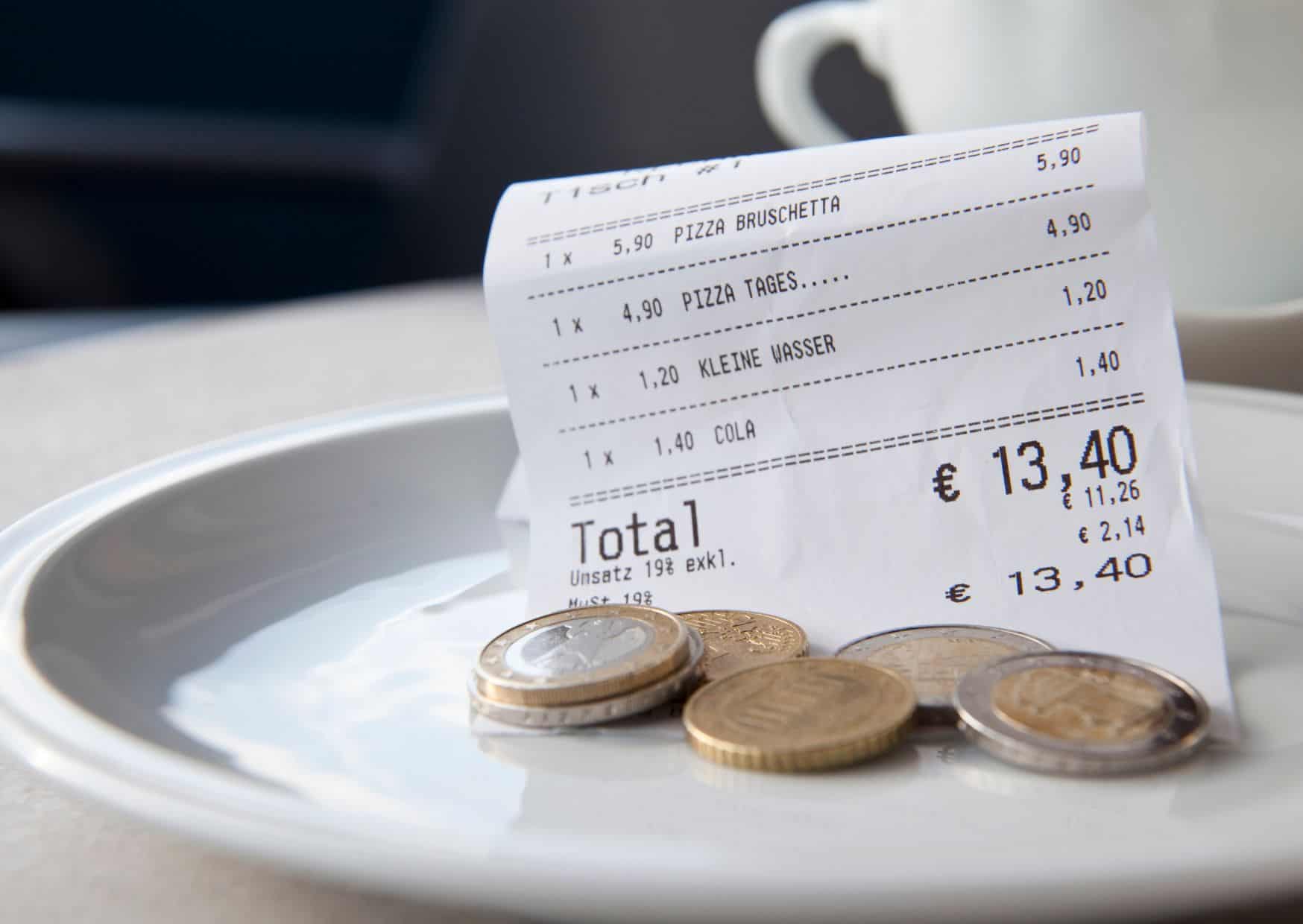
What Americans do: Drop 20% automatically, even when a service charge is already on the bill. Or worse—ask loudly, “How much are we supposed to tip here?”
Why it’s cringe: In most European countries, tipping is minimal or already included. Overtipping can be seen as showing off, or worse, as not understanding the culture.
Do this instead: Round up the bill or leave a couple of euros if service was excellent—but check if servizio incluso or service compris is already listed.
2. Expecting Ice-Cold Everything (With Free Refills)

What Americans do: Order a soft drink or water and act surprised when it comes with no ice and no refill.
Why it’s cringe: Europeans typically drink beverages at room temp or lightly chilled. Refills are rare and often cost extra.
Do this instead: Accept the smaller, single-serving format—and if you must have ice, ask nicely, knowing you may only get a cube or two.
3. Ordering “To Go” in a Sit-Down Café
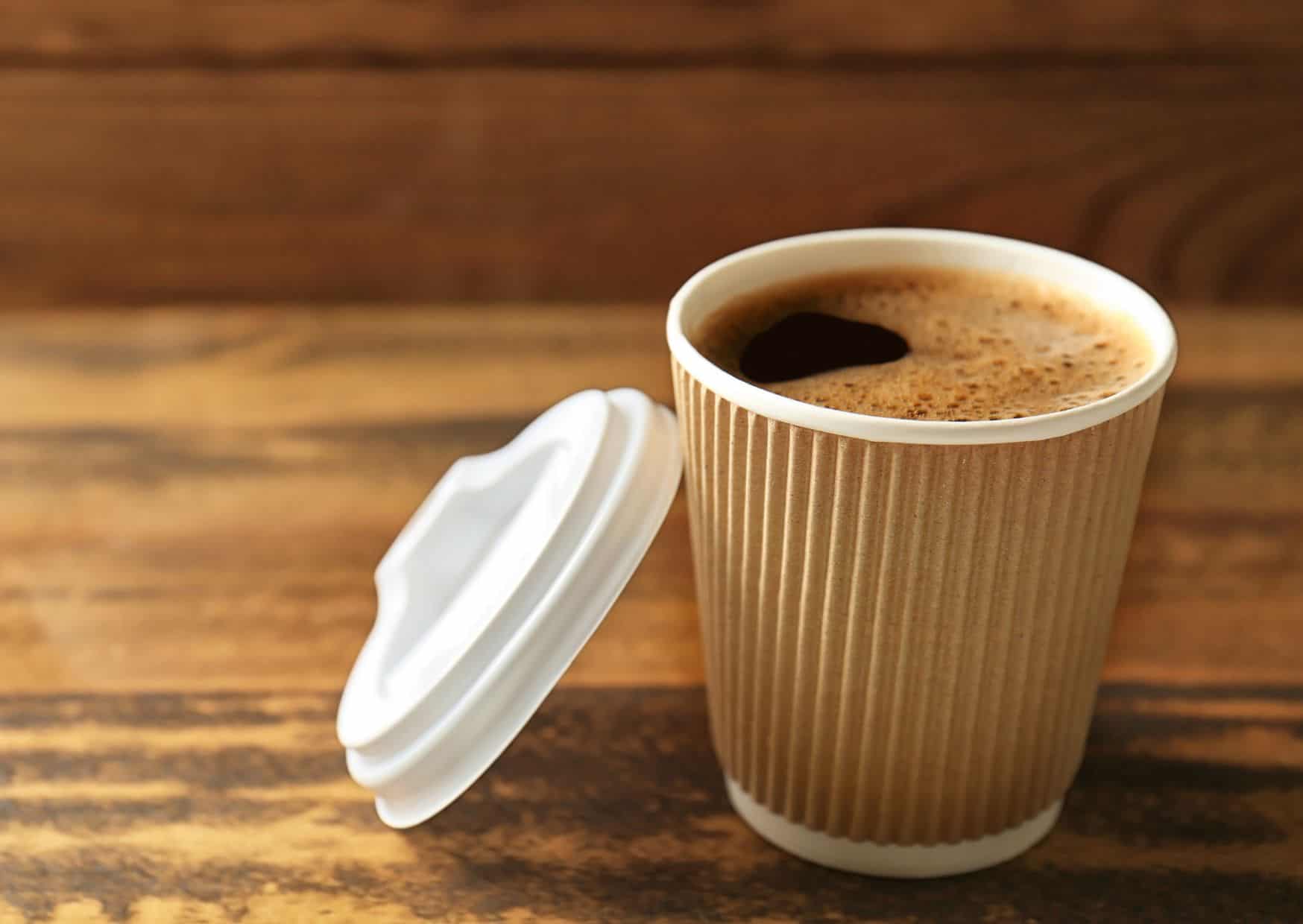
What Americans do: Order coffee and walk out with it—or worse, try to carry out food from a restaurant with proper table service.
Why it’s cringe: In many countries, especially Italy and France, coffee and meals are meant to be enjoyed seated, not rushed or on-the-go.
Do this instead: Sit, sip, relax. It’s not just a coffee—it’s a moment.
4. Complaining About the Slow Service

What Americans do: Get visibly annoyed when the server doesn’t come by constantly or when the check doesn’t appear automatically.
Why it’s cringe: What feels like “bad service” is actually the norm—servers are trained to give space, not hover.
Do this instead: Signal when you need something and ask for the bill when you’re ready. No one’s trying to ignore you—they’re just letting you enjoy your meal in peace.
5. Rewriting the Menu
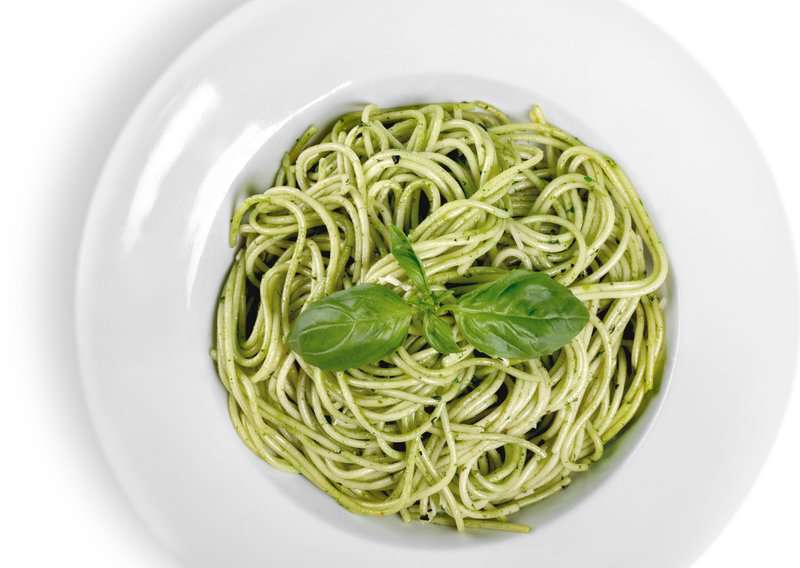
What Americans do: “Can I get that with no cheese, dressing on the side, and gluten-free pasta instead of regular?” Sound familiar?
Why it’s cringe: In many European countries, the menu is the chef’s vision—not a list of suggestions. Customizing everything is considered rude or high-maintenance.
Do this instead: Order dishes as they’re presented. If you have dietary restrictions, politely ask what’s available rather than modifying every item.
6. Being Loud (Without Realizing It)
What Americans do: Talk with booming voices, laugh loudly, or FaceTime at the table.
Why it’s cringe: Many European restaurants—especially small or mid-range spots—are much quieter. Loud voices disturb the ambiance.
Do this instead: Match the volume of the room. Keep phones on silent and conversations at a respectful tone.
7. Wearing Gym Clothes to Dinner

What Americans do: Show up in shorts, athletic wear, or flip-flops—sometimes straight from sightseeing.
Why it’s cringe: Even at casual restaurants, Europeans often dress more thoughtfully. Showing up in beachwear or sneakers can feel disrespectful.
Do this instead: No need to be formal, but opt for clean, neat clothing—especially at dinner. A little effort goes a long way.
8. Snapping Photos of Everything
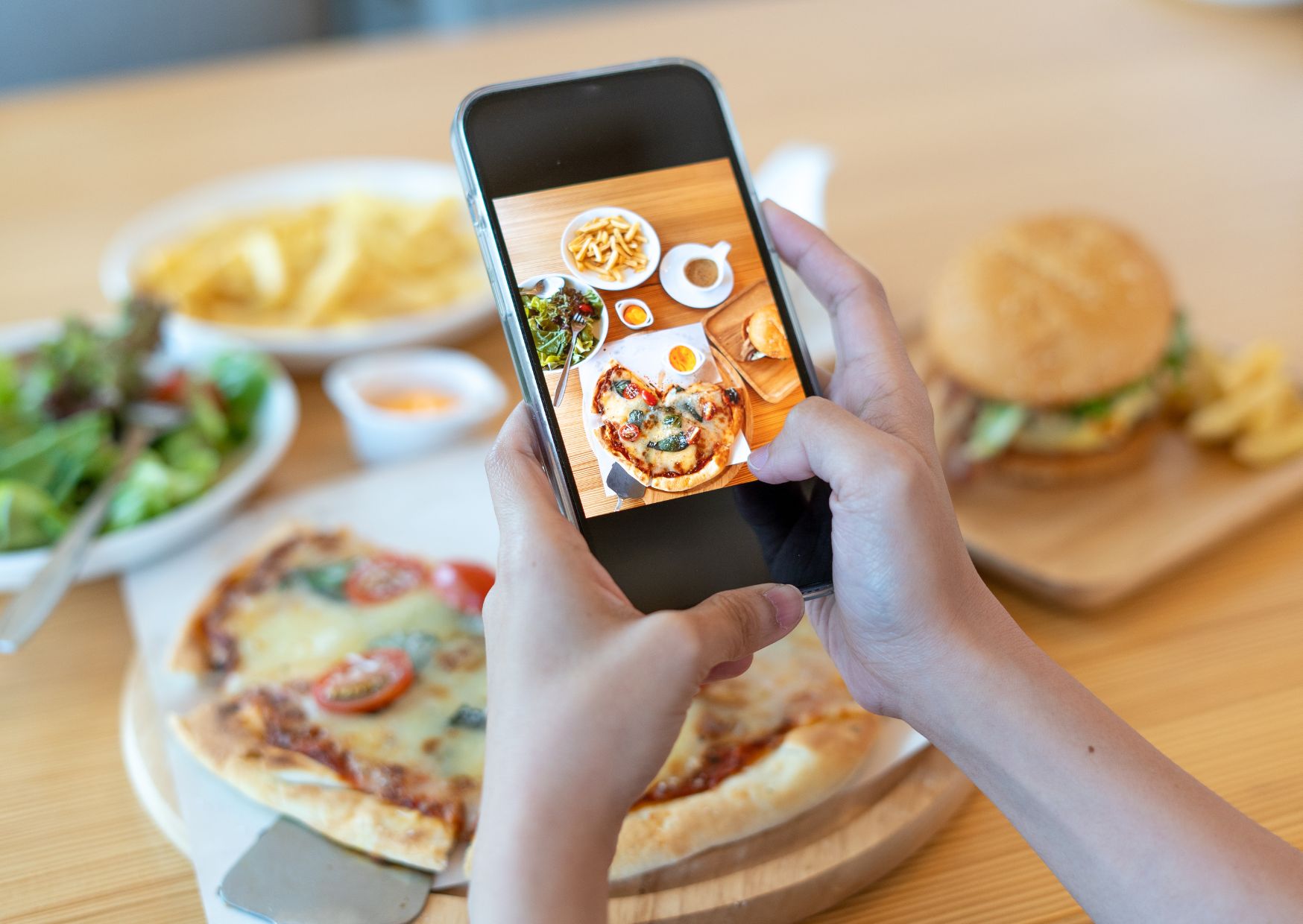
What Americans do: Photograph every plate, every corner of the restaurant, and maybe even the staff—often with flash.
Why it’s cringe: While taking a photo of your food is common now, doing it loudly, excessively, or disrupting others crosses the line.
Do this instead: Take a discreet photo or two if you must, then put your phone away and enjoy the experience.
9. Getting Hangry at Dinner Opening Hours
What Americans do: Show up at 5 PM looking for dinner—and get frustrated when nothing’s open.
Why it’s cringe: In much of Europe, especially Spain, Italy, and France, dinner service doesn’t start until 7:30 PM or later.
Do this instead: Embrace the later rhythm. Grab a snack or enjoy apéro (a pre-dinner drink and nibble) while you wait.
Final Thoughts
Traveling is about more than seeing landmarks—it’s about understanding how other people live, eat, and relate to one another. Dining in Europe gives travelers the unique opportunity to slow down and appreciate meals as shared moments rather than just fuel stops. But this only works if you’re willing to adjust your habits and respect the cultural norms of the place you’re visiting.
American travelers don’t need to abandon their identity, but being a thoughtful guest means adapting to local customs—even at the dinner table. When you approach European dining with humility and curiosity, you’ll not only avoid awkward moments but also build better rapport with locals, discover hidden culinary gems, and experience meals that feel less transactional and more soulful.
In the end, letting go of fast-paced, high-expectation dining habits can lead to a richer travel experience. Meals become memories, and connections grow over shared bread and good wine. By embracing the unspoken rules of European restaurants, you don’t just avoid cringe-worthy mistakes—you get closer to the heart of what travel is really about.

About the Author: Ruben, co-founder of Gamintraveler.com since 2014, is a seasoned traveler from Spain who has explored over 100 countries since 2009. Known for his extensive travel adventures across South America, Europe, the US, Australia, New Zealand, Asia, and Africa, Ruben combines his passion for adventurous yet sustainable living with his love for cycling, highlighted by his remarkable 5-month bicycle journey from Spain to Norway. He currently resides in Spain, where he continues sharing his travel experiences with his partner, Rachel, and their son, Han.