
We often dream of Europe’s most iconic cities—Paris, Rome, Barcelona—as glamorous destinations full of romance, history, and culture. And while tourists continue to flock to these global hotspots, many Europeans are quietly heading in the opposite direction. Rising costs, overcrowding, and quality-of-life concerns are making locals rethink whether these places are truly livable anymore.
Once-charming neighborhoods are now overwhelmed by short-term rentals, skyrocketing rents, and tourist congestion. What used to be hidden gems have become Instagram-famous and, as a result, unrecognizable to the people who once called them home. In cities like Venice and Amsterdam, locals increasingly feel like outsiders in their own communities.
In this post, we’ll explore 15 famous European cities where residents are packing up and leaving—and why. We’ll also look at where they’re moving instead, and what it means for travelers who want a more authentic experience beyond the tourist brochure.
Read Here European Things that terrify Americans and American Habits that make Europeans Cringe
Read here how to pack for Europe and Best eSIM for Europe
BOOK YOUR TRAVEL INSURANCE
Two of our favorite travel insurance: Heymondo Vs Safetwing cheapest travel Insurance. You can get for $135 USD your Heymondo Travel Insurance with Heymondo discount code valid for 90 days. Read our full comparison of Genki vs Safetywing Travel Insurance Review and the comparison Heymondo vs Genki
Key Reasons for the Exodus
Overtourism: Crowds disrupt daily life and erode local culture.
Skyrocketing Housing Costs: Short-term rentals and gentrification make city centers unaffordable.
Infrastructure Strain: Roads, public transport, and services can’t keep up with the growing demand.
Quality of Life: Noise, pollution, and loss of community drive locals to seek quieter, more affordable places.
Visit shoulder seasons (spring and fall) to avoid crowds and reduce pressure on local infrastructure.
Stay outside the city center to experience more local neighborhoods and reduce your tourist footprint.
Use public transport instead of rideshares or taxis to reduce traffic congestion.
Shop and dine local—support businesses that cater to residents, not just tourists.
Travel mid-week rather than weekends, when cities are busiest with both tourists and locals.
Be mindful of noise and behavior—especially in residential areas affected by tourism fatigue.
Many travelers romanticize cities like Florence or Dubrovnik, unaware of the growing frustration among locals. While tourism brings economic benefits, it also contributes to rent inflation, the loss of neighborhood identity, and daily inconveniences. Entire blocks are turning into Airbnb zones, pushing out residents and turning communities into tourist museums.
This quiet exodus of locals isn’t just about gentrification—it’s about survival. Teachers, service workers, and artists can no longer afford to live in cities that now cater primarily to wealthy foreigners and short-term visitors. In some places, long lines, noise pollution, and overtourism have pushed residents to the breaking point.
It’s also creating cultural erosion. As traditional bakeries, bookstores, and mom-and-pop shops disappear in favor of souvenir stalls and luxury boutiques, cities lose the very authenticity that made them attractive in the first place. Ironically, in trying to preserve their postcard-perfect appeal, these cities are becoming hollowed out.
1. Venice, Italy
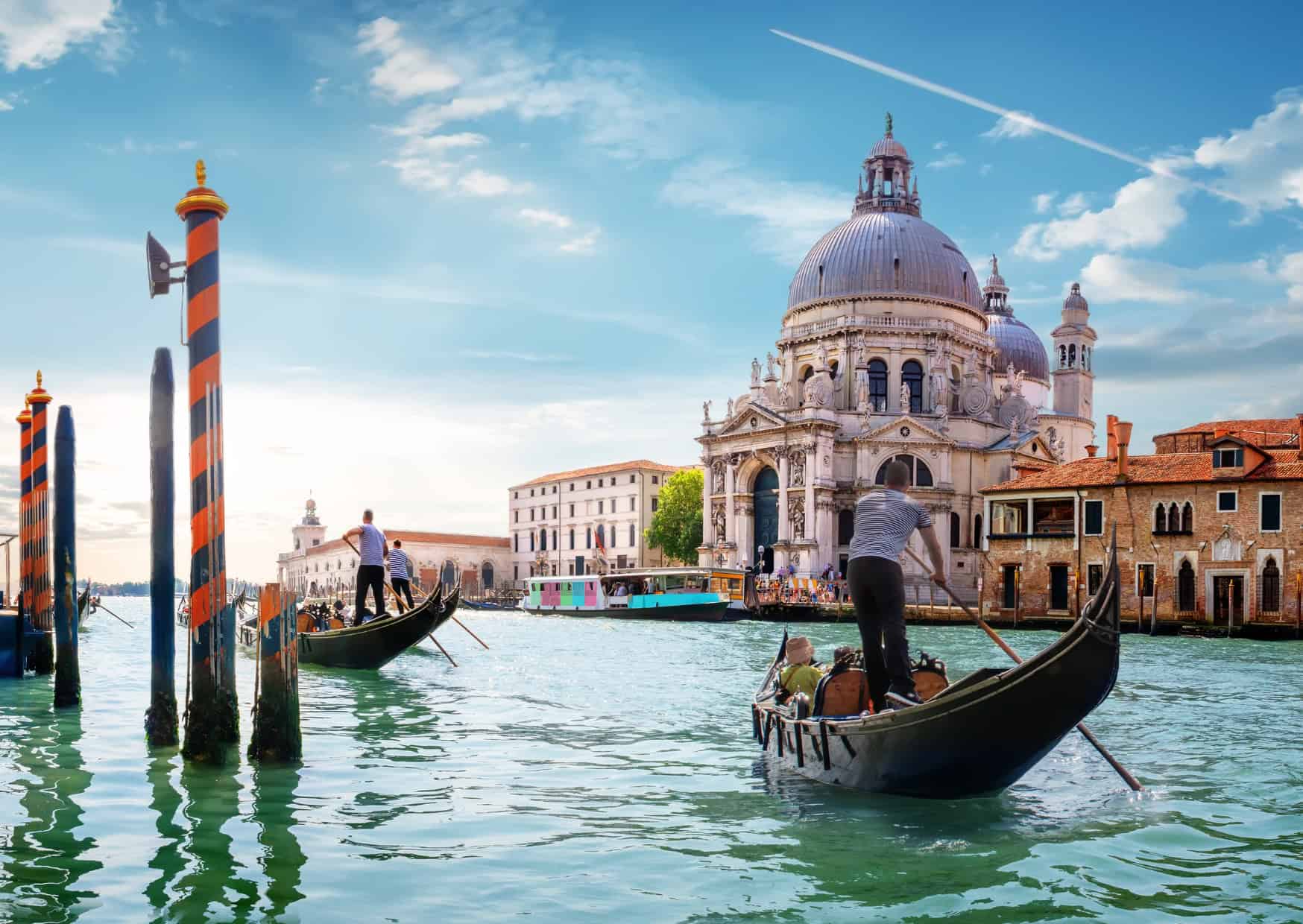
Overtourism has overwhelmed the city, with daily crowds outnumbering residents.
Rising sea levels and flooding make life increasingly challenging.
The cost of living and housing prices have soared due to short-term rental platforms like Airbnb.
Impact:
Venice’s local population has been steadily declining for decades, turning it into a “museum city.”
2. Barcelona, Spain
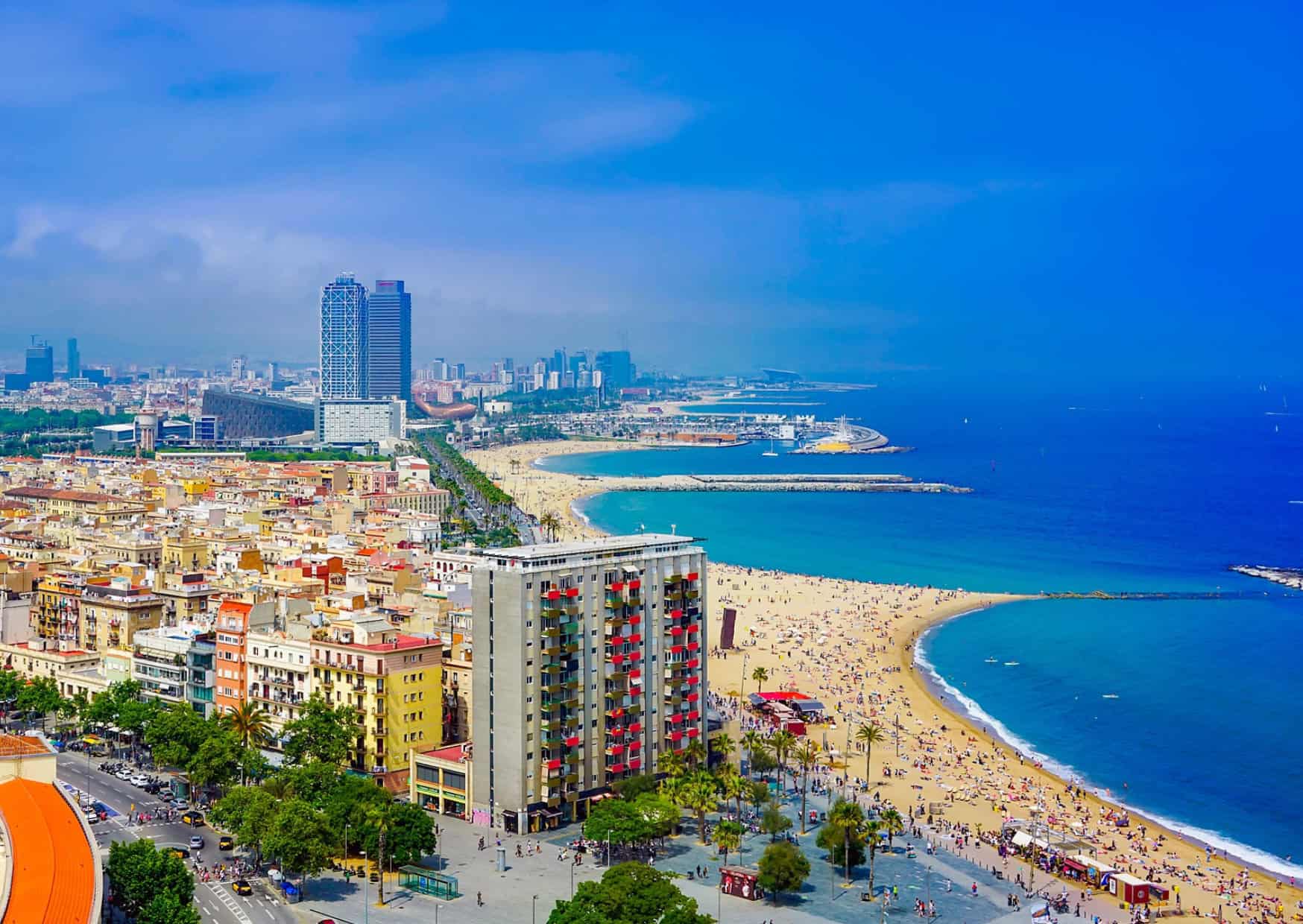
Overtourism leads to overcrowded streets and noise pollution, especially in areas like Las Ramblas.
Rising rent prices have pushed residents out to the suburbs.
Local businesses are replaced by tourist-centric establishments, eroding community life.
Impact:
Residents frequently protest against mass tourism and gentrification.
3. Paris, France
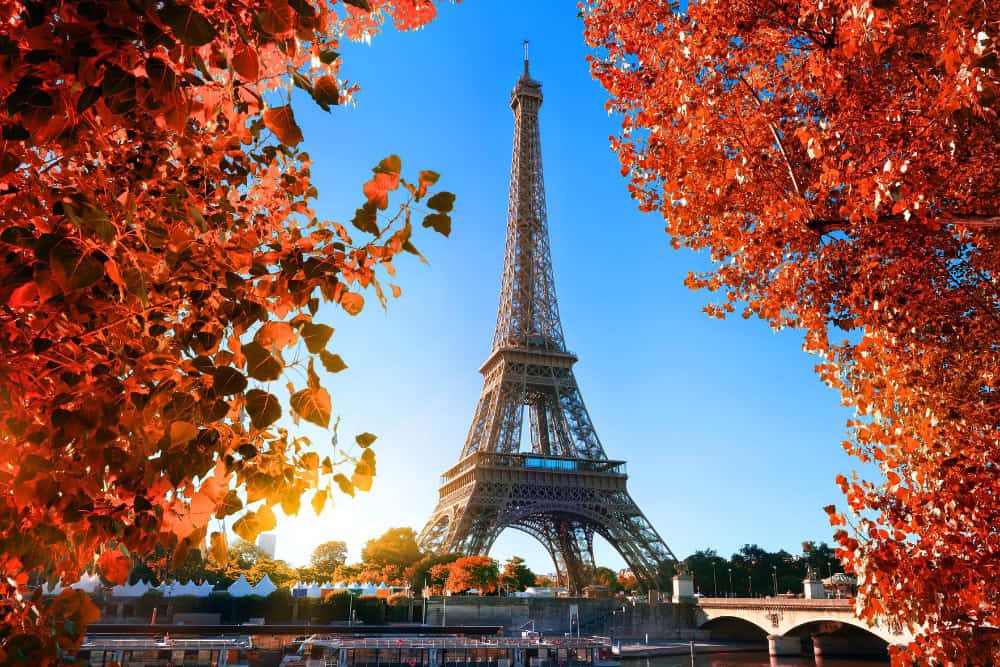
High housing costs, especially in central Paris, make it unaffordable for many locals.
Noise and pollution from constant construction and traffic congestion.
The influx of tourists makes everyday errands inconvenient in popular neighborhoods.
Impact:
Many Parisians move to suburban areas like Île-de-France, seeking better quality of life.
4. Amsterdam, Netherlands
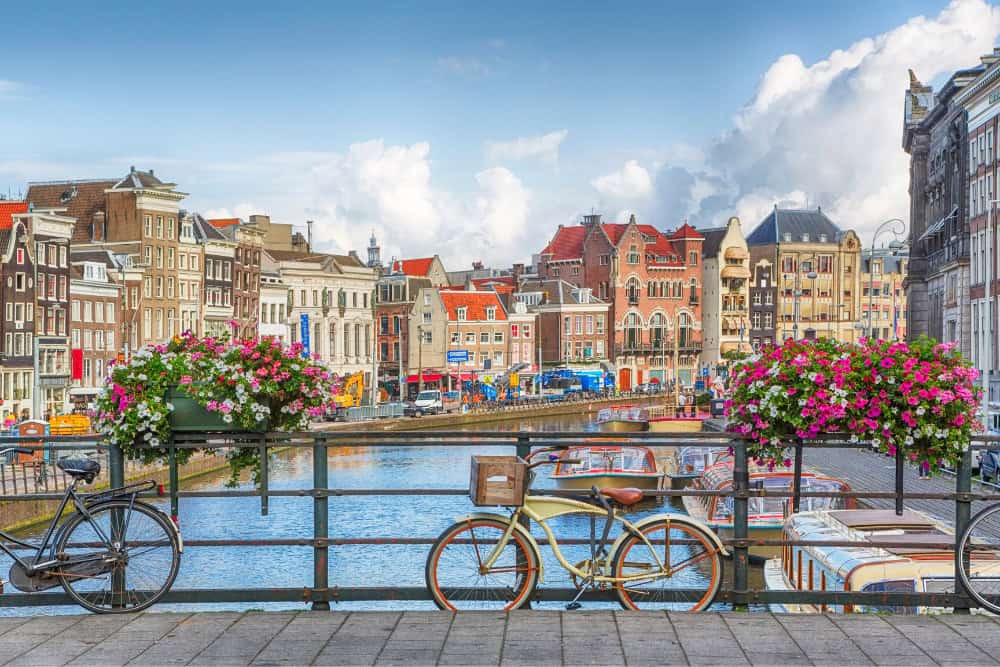
Overtourism has transformed neighborhoods like the Red Light District into chaotic zones.
Housing shortages and high rents push out middle-class families.
Locals feel their way of life is disrupted by rowdy tourists.
Impact:
Amsterdam has implemented measures to curb tourism, such as banning guided tours in certain areas.
5. London, United Kingdom
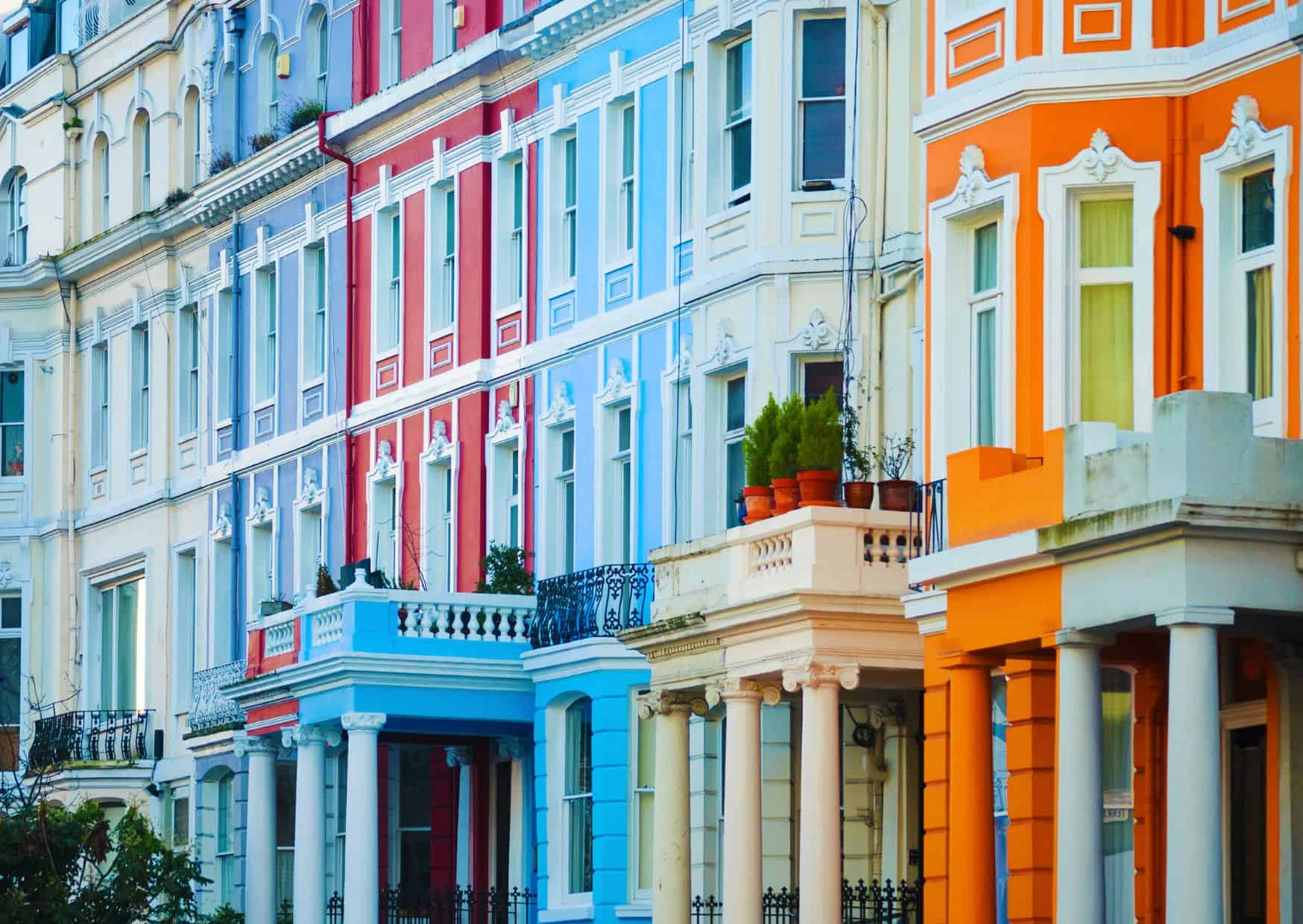
The cost of living in London, from housing to everyday expenses, is among the highest in Europe.
Traffic congestion and air pollution worsen quality of life.
Many young professionals and families are relocating to more affordable cities in the UK.
Impact:
London’s skyline continues to grow with luxury developments, but many remain unaffordable for locals.
6. Rome, Italy
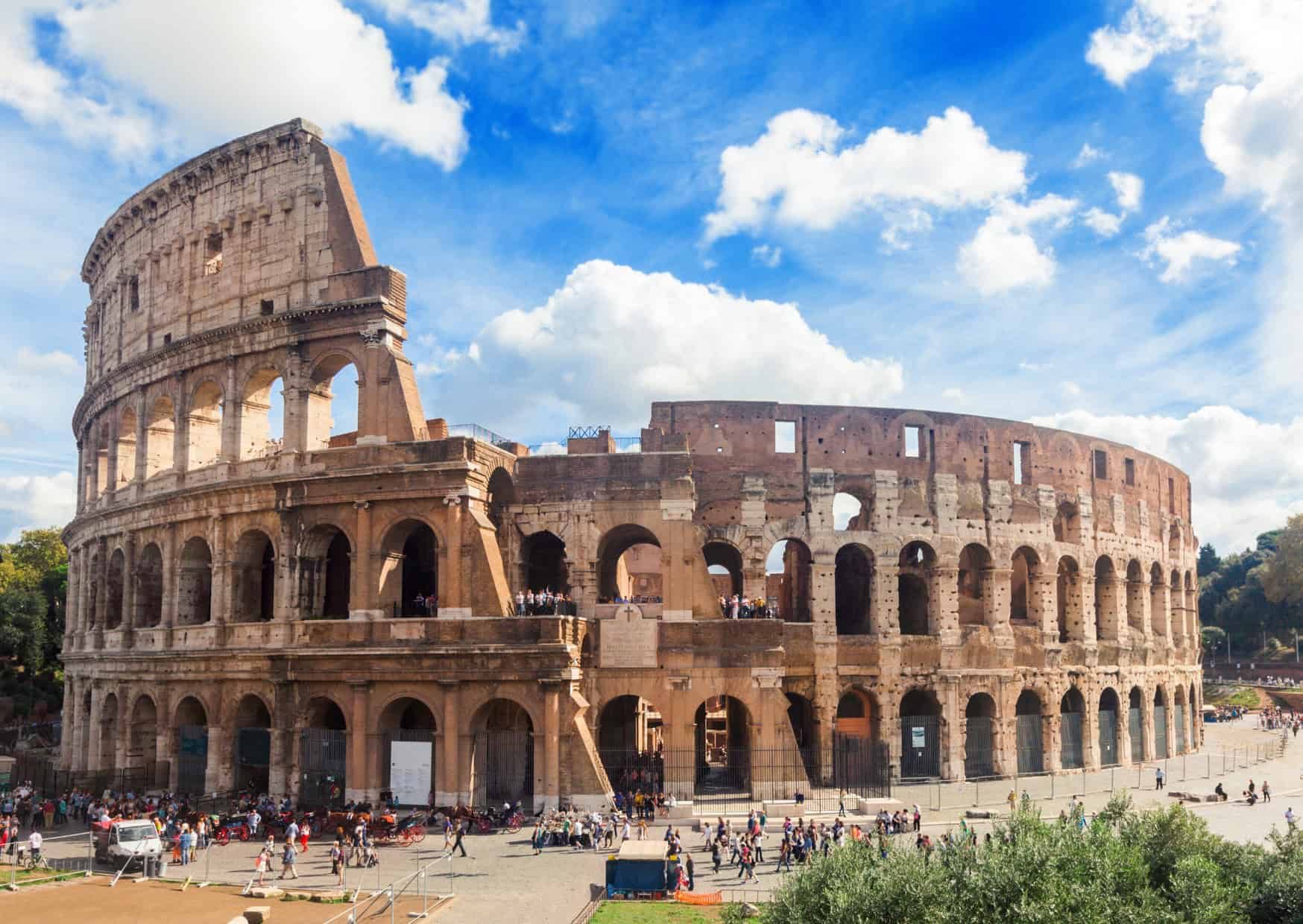
Aging infrastructure and unreliable public services frustrate residents.
Overtourism crowds the city’s historic landmarks, making daily life inconvenient.
Rising property prices and short-term rentals displace locals.
Impact:
Rome’s charm is increasingly reserved for tourists, while locals seek more modern and affordable suburbs.
7. Prague, Czech Republic
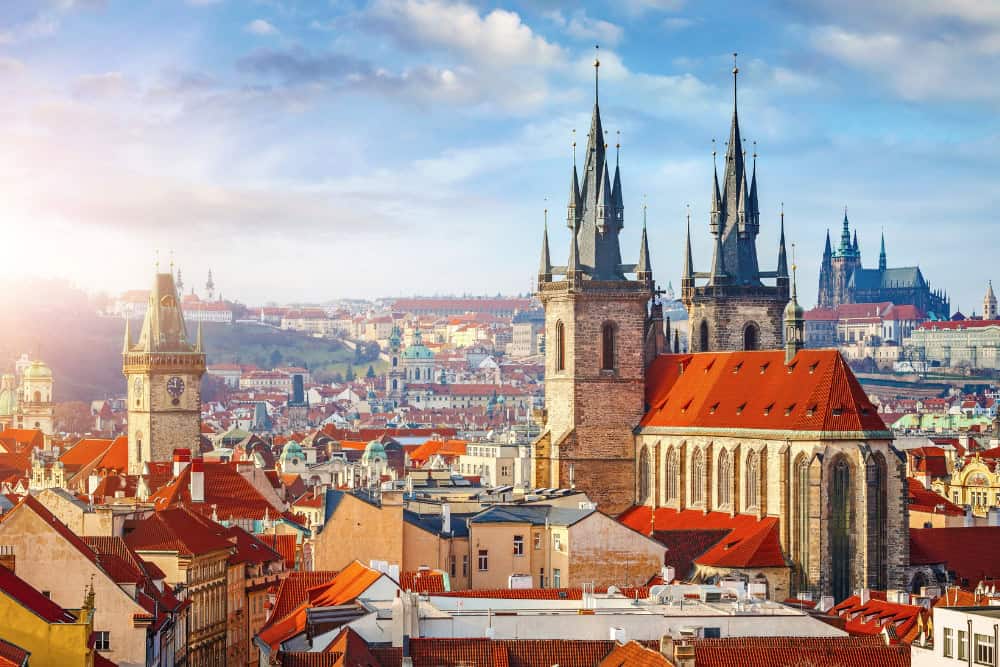
Tourism-focused development has driven up housing costs in the city center.
Crowds around Old Town Square and Charles Bridge disrupt daily life.
Rising prices for goods and services cater more to tourists than locals.
Impact:
Many Prague residents are moving to smaller towns or the outskirts of the city.
8. Dubrovnik, Croatia
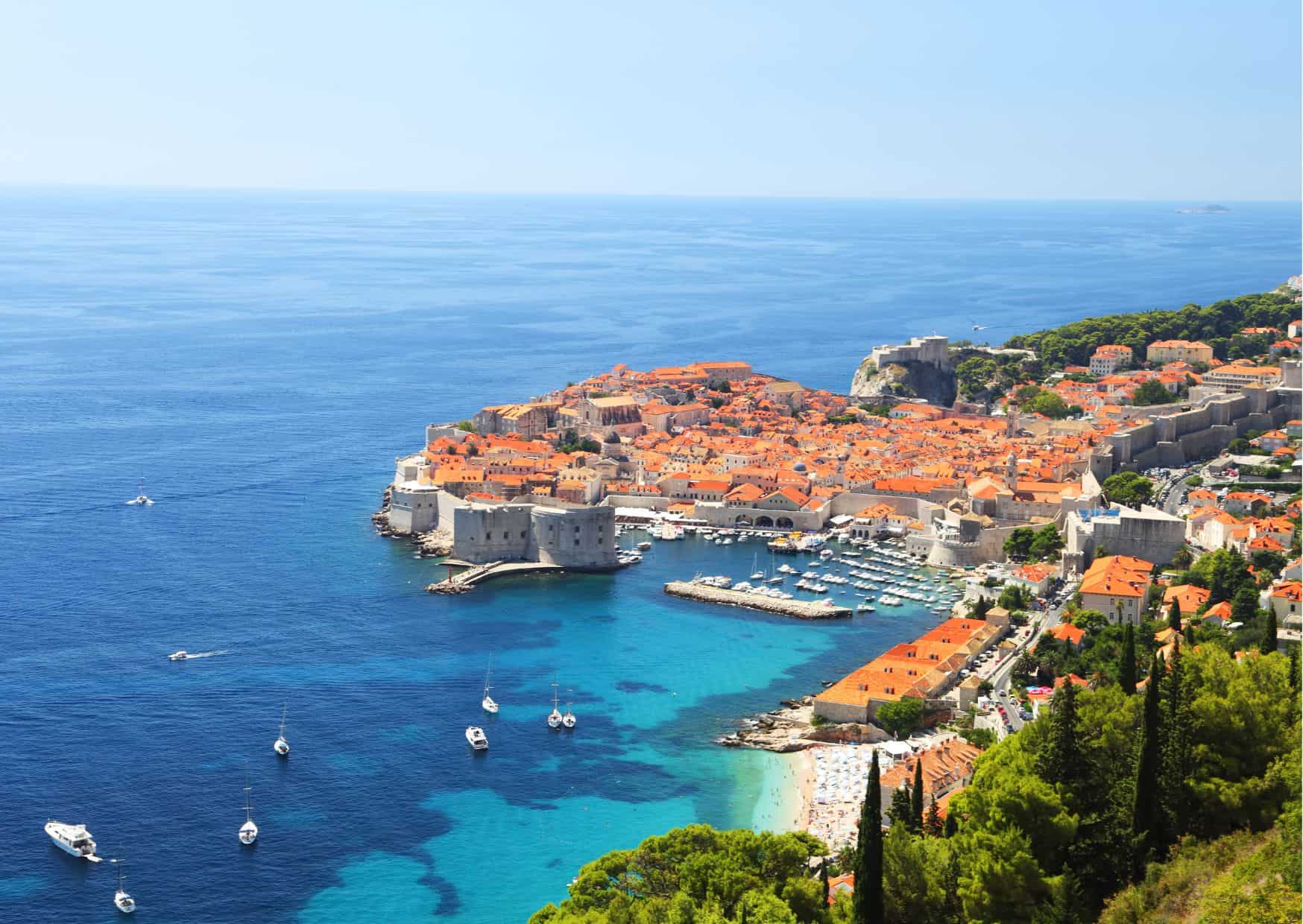
Dubrovnik has become a poster child for overtourism, partly due to its role in Game of Thrones.
High housing costs and noise pollution drive locals away.
The infrastructure is strained by massive cruise ship arrivals.
Impact:
The local government has limited tourist access to reduce the strain on residents.
9. Berlin, Germany
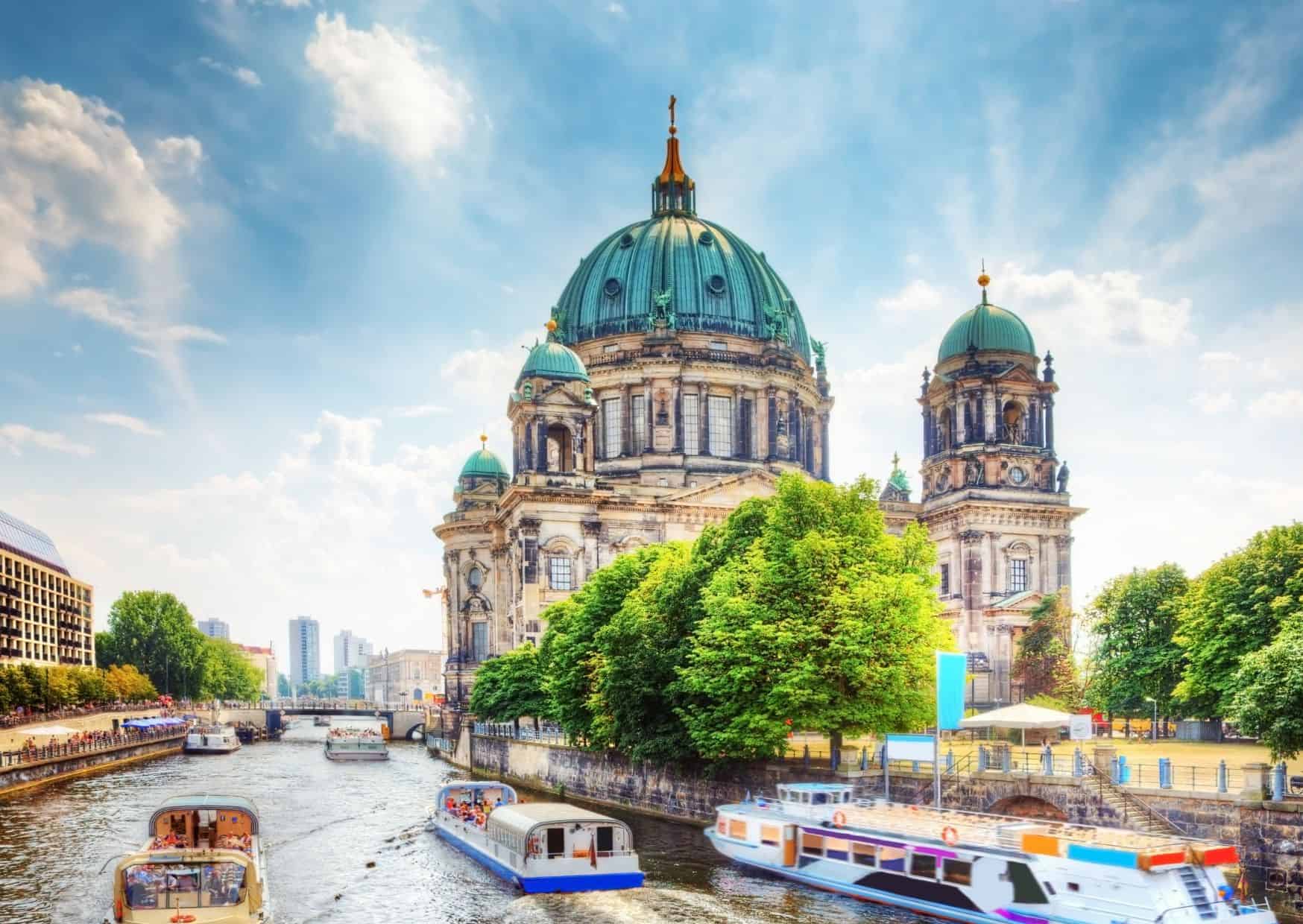
Gentrification has caused a dramatic rise in rental prices.
The once-affordable city is now struggling with housing shortages.
Expats and tech startups contribute to a cultural shift that some locals dislike.
Impact:
Long-term Berliners are moving to smaller German cities for more affordable housing.
10. Lisbon, Portugal
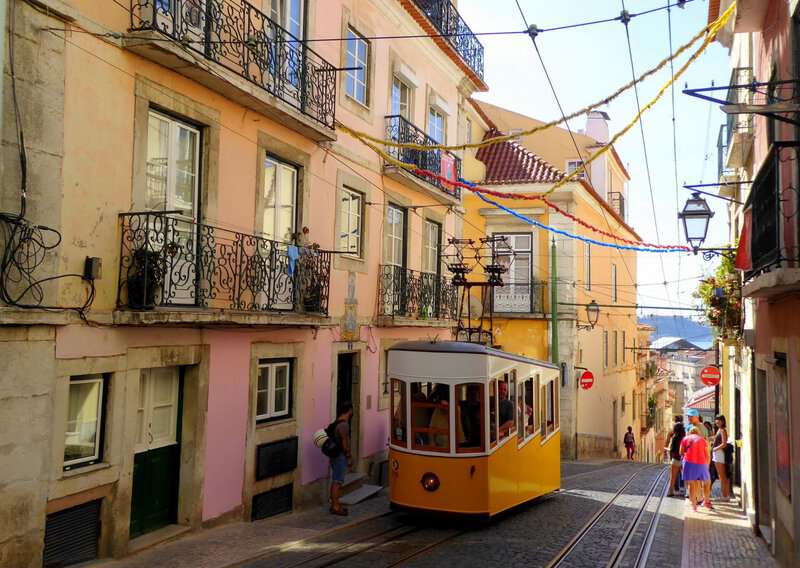
Expats and digital nomads are driving up housing costs, making it hard for locals to compete.
Short-term rentals are replacing long-term housing.
Rising tourism disrupts the traditional way of life in historic neighborhoods.
Impact:
Lisbon residents are increasingly vocal about the city’s housing crisis.
11. Florence, Italy
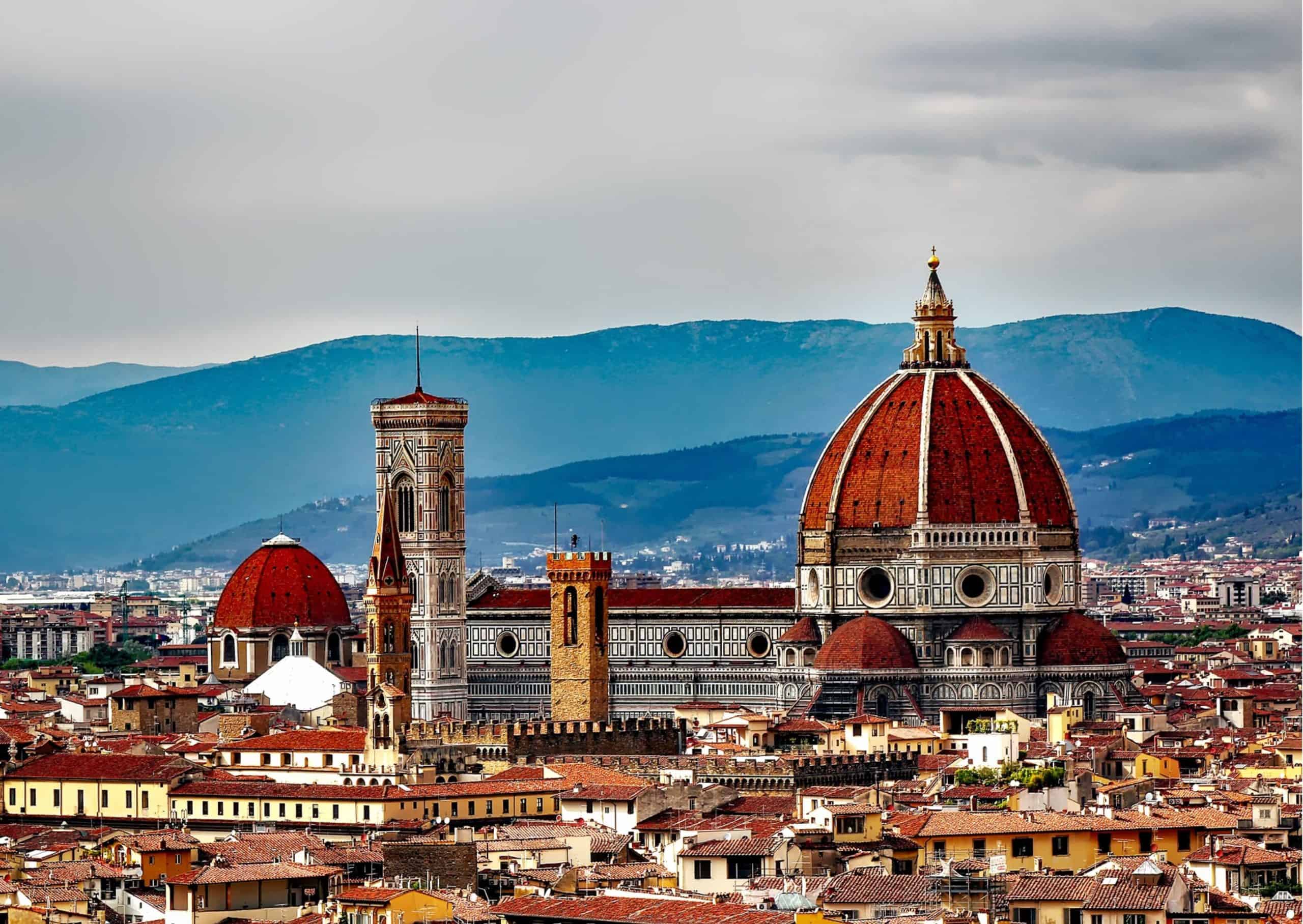
The historic center has become a tourist hub, pushing residents to the outskirts.
High costs of living and limited space for locals in the city center.
Overtourism erodes the quality of life for long-term residents.
Impact:
Florence risks losing its local community, especially in its central areas.
12. Santorini, Greece
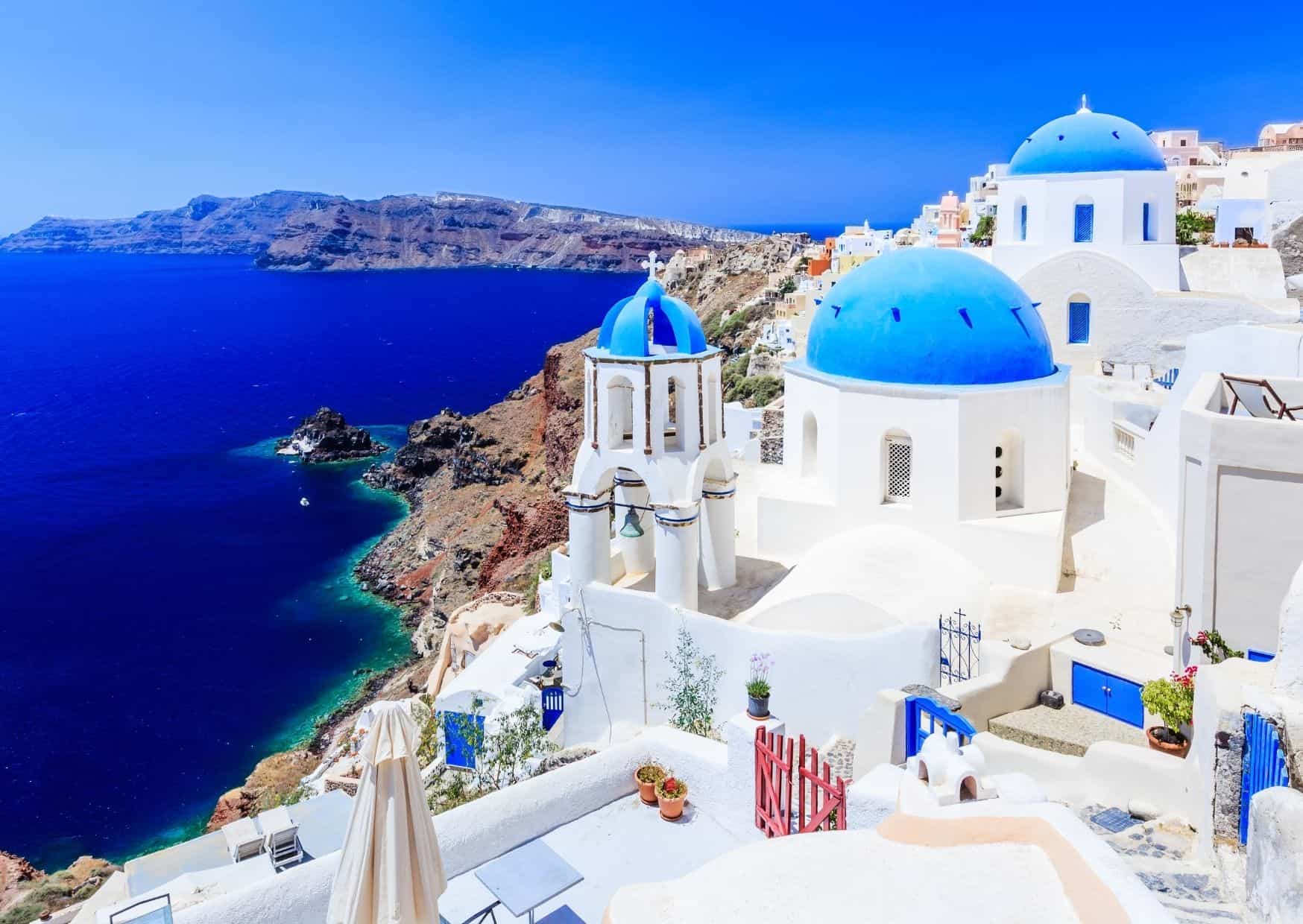
The small island struggles to accommodate its overwhelming number of tourists.
High housing costs and infrastructure stress make it less livable.
Jobs focus almost exclusively on tourism, leaving fewer options for locals.
Impact:
Many Santorini locals are moving to mainland Greece for better opportunities.
13. Reykjavik, Iceland
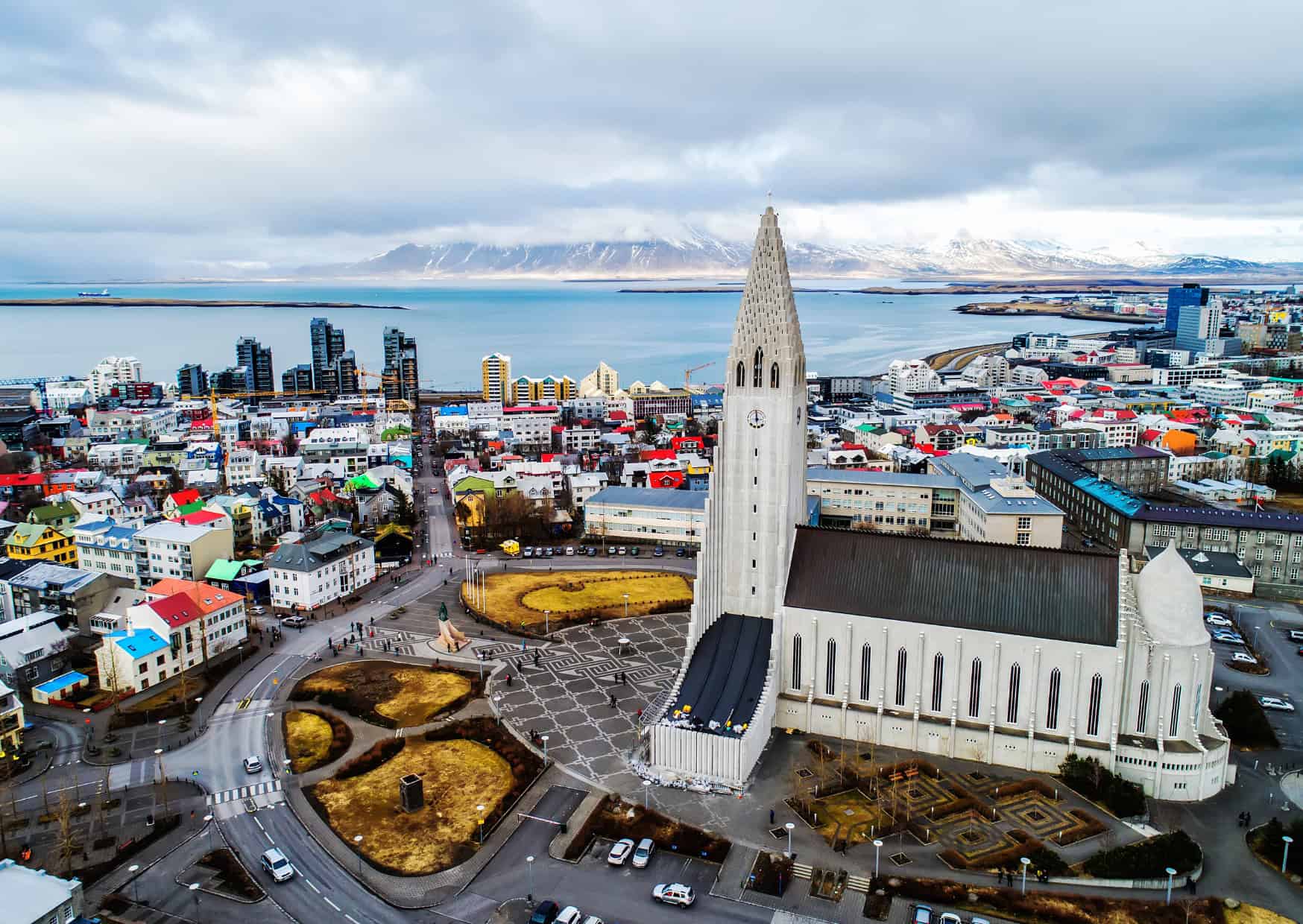
A surge in tourism has made housing unaffordable.
Infrastructure strains under the growing demand from visitors.
Rising costs of living push residents to smaller towns or rural areas.
Impact:
Reykjavik faces challenges maintaining a balance between locals and tourism-driven growth.
14. Edinburgh, Scotland
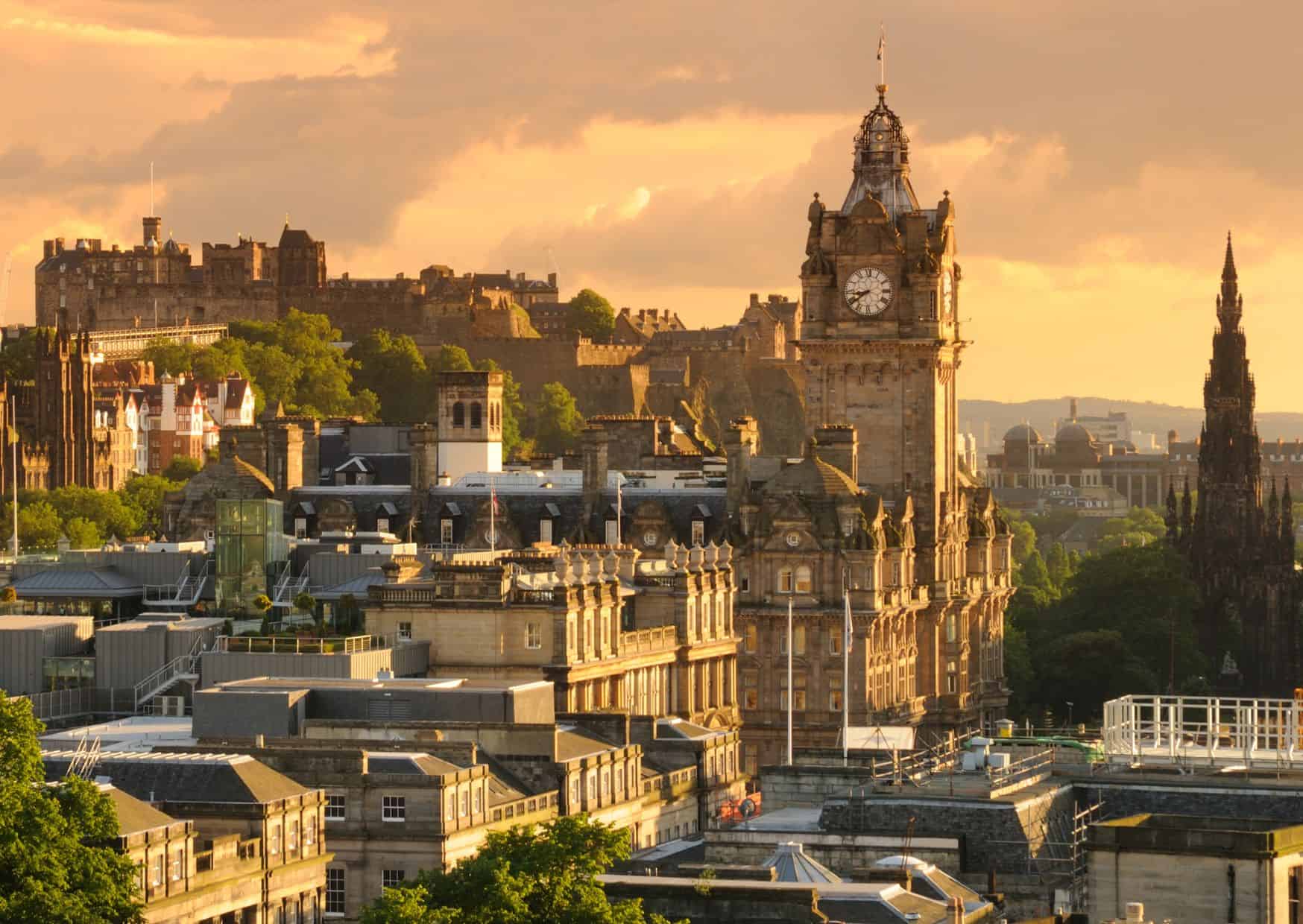
Festivals like the Edinburgh Fringe and year-round tourism strain housing and public services.
Short-term rentals like Airbnbs outcompete local housing options.
Rising costs force locals to seek more affordable areas.
Impact:
Edinburgh’s historic center is becoming more of a tourist attraction than a lived-in community.
15. Vienna, Austria
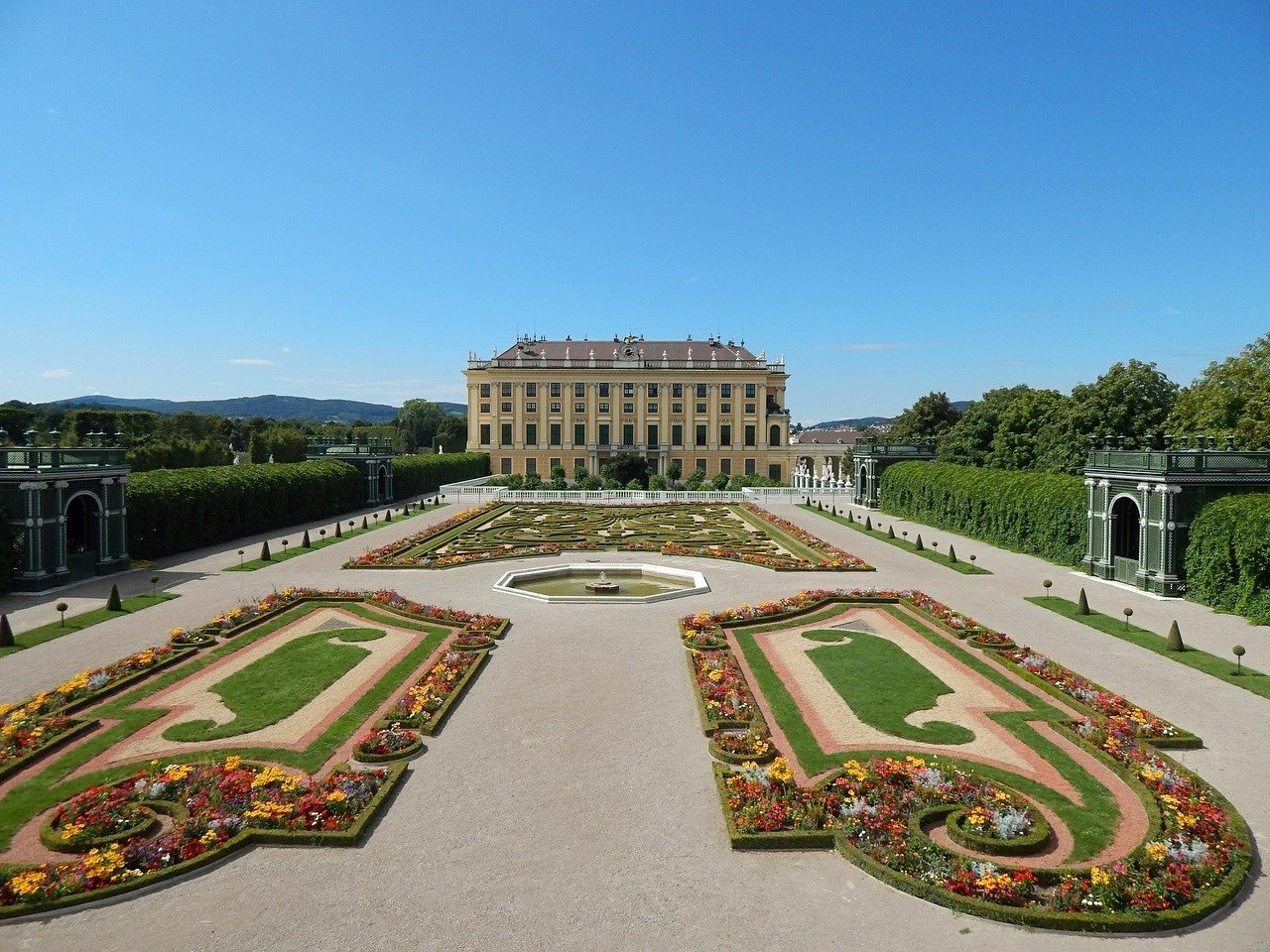
While not as overwhelmed by tourism as others, Vienna faces rising housing costs due to increased international interest.
Many locals are moving to suburban areas for larger living spaces and better affordability.
Impact:
Vienna’s outskirts are becoming more populated as families leave the city center.
Final Thoughts
If you truly want to experience Europe beyond the crowds, it’s time to look where the locals are going—not where the guidebooks tell you to go. Smaller towns, emerging second cities, and countryside escapes are increasingly becoming the real heart of European culture. And they come with a bonus: fewer crowds, better prices, and more meaningful interactions.
As travelers, we hold more power than we think. Choosing less-traveled destinations can help relieve pressure on overstressed cities and shift tourism in a more sustainable direction. Instead of flooding the same plazas and photo ops, seek out places that still feel lived-in, where your visit contributes rather than consumes.
In the end, travel should be about discovery—not repetition. So next time you plan a European adventure, ask yourself: do I want to visit a place everyone’s already seen—or find the places people are moving to, not from? That’s where the real magic still lives.

About the Author: Ruben, co-founder of Gamintraveler.com since 2014, is a seasoned traveler from Spain who has explored over 100 countries since 2009. Known for his extensive travel adventures across South America, Europe, the US, Australia, New Zealand, Asia, and Africa, Ruben combines his passion for adventurous yet sustainable living with his love for cycling, highlighted by his remarkable 5-month bicycle journey from Spain to Norway. He currently resides in Spain, where he continues sharing his travel experiences with his partner, Rachel, and their son, Han.