
Marble counter, copper pan, a scale that never leaves the bench. I borrowed the quiet rules French pastry chefs use to keep desserts elegant, controlled, and satisfying. Thirty days later, the way I eat sugar is different, my afternoons are calmer, and dessert finally feels like part of a meal instead of a mood.
I did not quit sugar. I quit chaos. No random cookies, no bottomless sweet drinks, no guessing. I ate dessert like a pastry chef makes dessert: measured, timed, and built for flavor that does not need a cup of sugar to land.
If you want the quick version, it is this. Smaller portions. Sweetness balanced with acid, bitterness, fat, and salt. Dessert after a meal, not on an empty stomach. No liquid sugar. A kitchen scale, not a handful. One dessert a day, planned, enjoyed, done. Below is exactly how I ran the month, the recipe that carried me on repeat, and what changed in my numbers and in my head.
My Reality Before
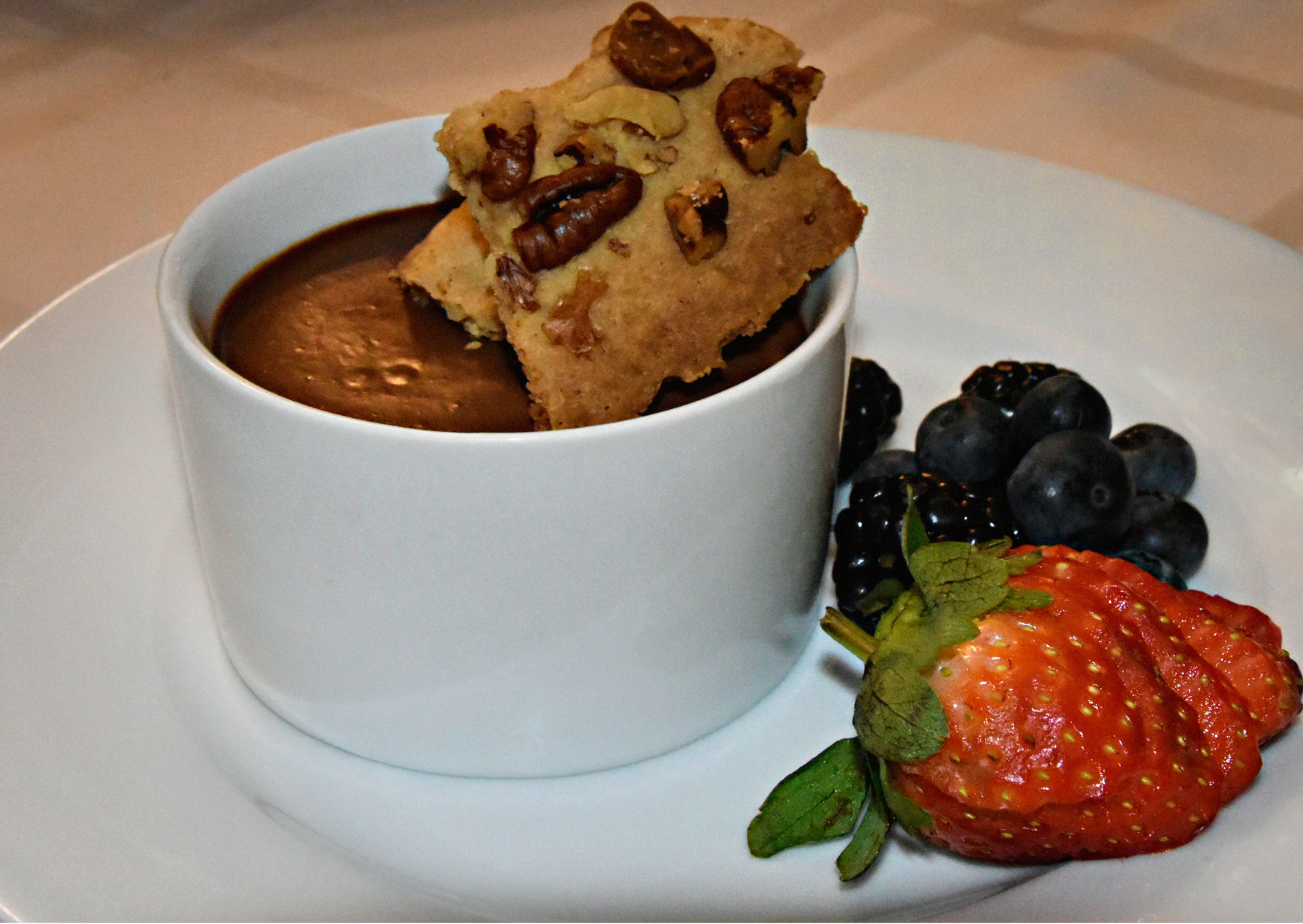
My sugar life was accidental. Coffee with a sweet flavored creamer, a “healthy” bar at 11 a.m., a soda if the day went sideways, then a sweet finish at night because the day deserved a trophy. I was not eating bakery cake every day, but my calendar was studded with sugar sneak attacks. I rarely measured anything, I rarely planned dessert, and I regularly ended up full but not satisfied.
Afternoons were the worst. A 3 p.m. slide, a grab for something sweet and crunchy, a spike of focus, then a hollow thud. I told myself I did not eat much dessert. My recycling bin told a different story about drinks and snacks.
That was the posture I wrote down on day zero. Not a sugar villain, just a person without a pastry plan.
The French Pastry Rules I Borrowed
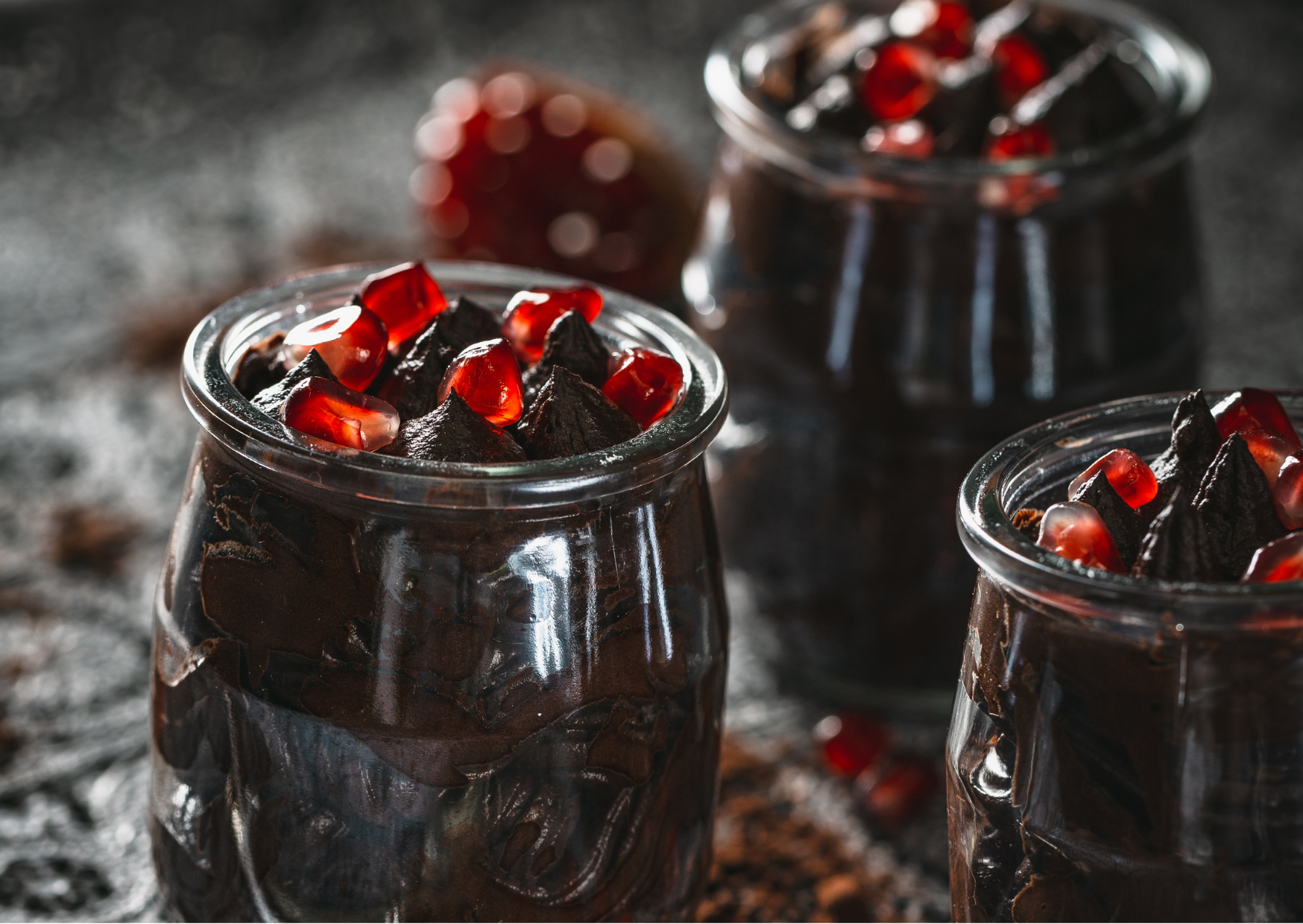
Chefs in French kitchens talk about balance and structure a lot. I turned the way they build desserts into the way I would eat them.
Rule one, portion beats pledge. A dessert that fits in the palm of your hand is normal in Paris. I decided dessert would live in that footprint. If I wanted more, the answer was no, or tomorrow.
Rule two, sweetness is a chord, not a solo. I chased brightness from citrus, bitterness from cocoa and coffee, aroma from vanilla and orange zest, salt to wake everything up, fat from cream and butter to make a small bite carry. When flavor is layered, sugar steps back.
Rule three, dessert is part of a meal. I stopped free styling at 3 p.m. and ate dessert after lunch or after dinner. A mixed plate of protein, fat, and fiber blunts the way a sweet hits. Dessert on an empty stomach is a jump scare.
Rule four, liquid sugar is not dessert. No sweet drinks, no juices, no syrups in coffee. If I wanted sweet, I chewed it slowly with a spoon or a fork.
Rule five, the scale is the law. I weighed sugar like a pastry chef weighs sugar. Half a recipe’s sweetness disappears when you eyeball.
Rule six, one is a ritual. One planned dessert a day, enjoyed sitting down, plate and spoon, no screens, no refills. The rest of the day belonged to real food.
None of this was heroic. It was pastry logic applied to a month of ordinary days.
My First 30 Days
Week one was about setups. I put a scale on the counter and left it there. I made a small batch of dark chocolate pots de crème, lemon curd in a jar for fruit, a tray of roasted pears, and I bought a bar of high-cacao chocolate. I wrote down five house desserts that would cover every mood: chocolate, fruit, custard, crunch, and cold.
Breakfast and lunch did the heavy lifting. Oats or eggs in the morning, something with protein and vegetables at lunch, water all day. When 3 p.m. arrived, I reminded myself that dessert lives after a meal. That single sentence saved me every afternoon.
Week two got easier. I learned that a bitter edge makes a small bite feel complete. Espresso with a square of 85 percent chocolate hits like a grown up. A roasted pear with a spoon of thick yogurt needs nothing else. A lemon tart built on real lemon tastes sweet at lower sugar because the acidity does the lifting.
Week three was suspiciously calm. I was still eating dessert, I just had rules. I went to dinner with friends and ordered the mousse to share, then savored my spoonfuls. I left happy. The old reflex to chase more sweetness after I was done started to fade.
Week four felt normal. I was not avoiding sugar. I was practicing pastry.
The Recipe That Carried Me
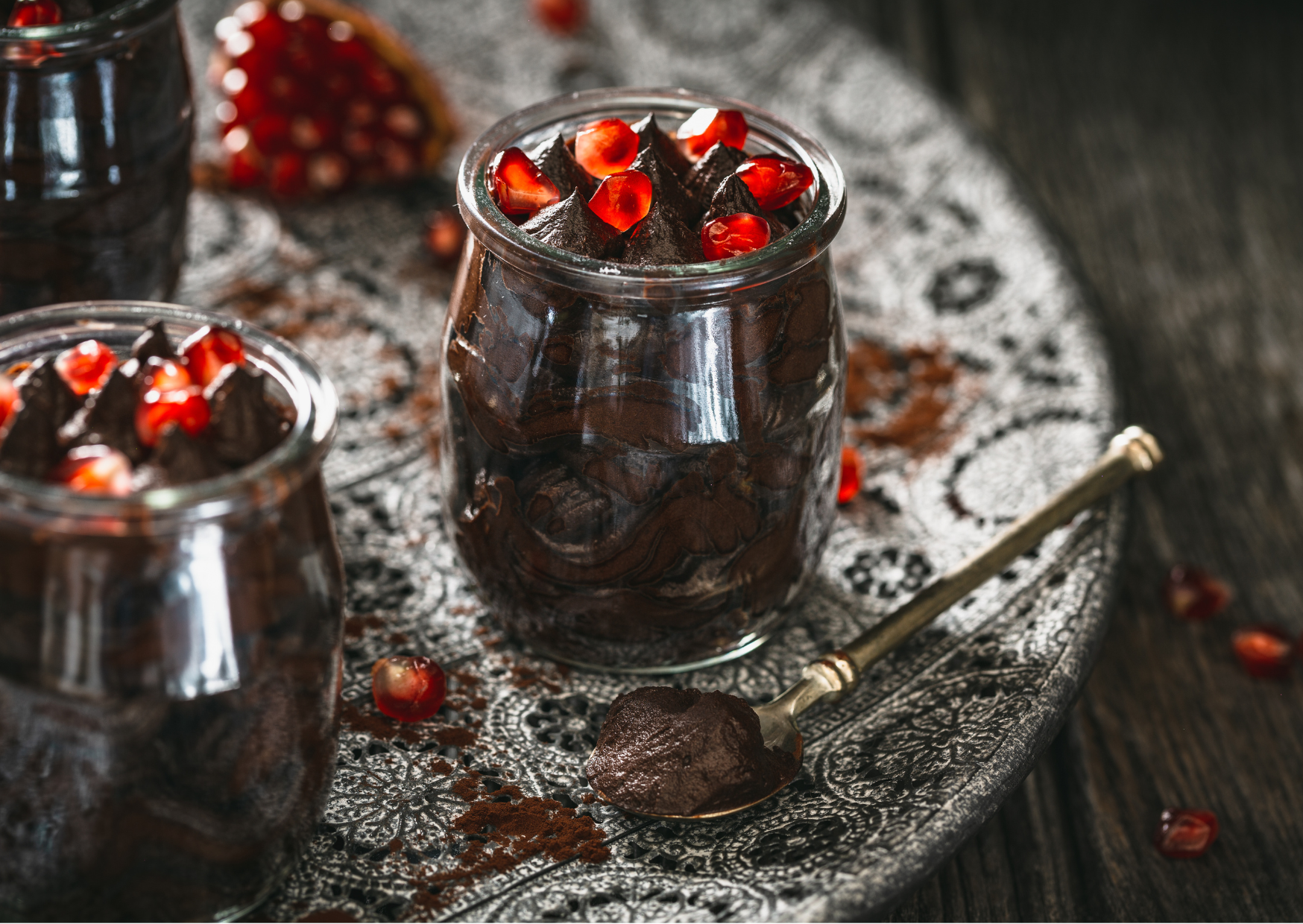
This is the one I reached for most nights because it behaves like a restaurant dessert and keeps beautifully in the fridge.
Bittersweet Pots De Crème, Salted Citrus Cream
Makes: 6 small cups
Hands on: 15 minutes, plus chilling
Ingredients
- 170 g bittersweet chocolate, 70 to 85 percent, chopped
- 300 ml whole milk
- 200 ml heavy cream, plus 60 ml for topping
- 40 g fine sugar
- 3 large egg yolks
- Pinch of fine salt
- 1 tsp vanilla extract
- Finely grated zest of 1 small orange or ½ lemon
- Flaky salt for serving
Method
Heat oven gently. Bring milk and 200 ml cream just to a simmer in a small pot. In a bowl, whisk sugar, yolks, salt. Pour hot dairy into yolks slowly, whisking. Return to the pot and cook over low heat, stirring with a spatula, until the custard lightly coats the back of the spoon. Do not boil.
Off the heat, add chopped chocolate and vanilla, let sit one minute, then stir until smooth. Strain into a jug. Divide into six small heatproof cups.
Set cups in a shallow baking pan. Pour hot water around them to halfway up the sides. Bake at a low, steady heat until edges are set and centers tremble when nudged, about 20 to 25 minutes. Cool, cover, chill at least two hours.
Whip the remaining 60 ml cream just to soft peaks with a pinch of salt and the citrus zest. Top each pot with a spoon of citrus cream and a grain or two of flaky salt.
Why it reads as sweet with less sugar
High-cacao chocolate brings bitterness and aroma, salt sharpens flavor, citrus zest tricks your nose into tasting sweetness, fat carries flavor so a small spoonful feels complete. Each cup is small by design. It hits, then it is over.
Approximate cost per cup
Chocolate 0.80 to 1.10, dairy 0.60, eggs 0.30, sugar and pantry 0.10. Roughly 1.80 to 2.10 per serving depending on chocolate quality and season.
The Numbers That Shocked Me
I tracked simple metrics. No continuous monitor, just a notebook and a wearable.
Afternoon crashes: from five days a week to one or none by week three.
Night wakeups: cut in half by the end of the month.
Resting heart rate: down about 3 beats per minute on my weekly average.
Waist: down 2.5 cm, which I felt more than I saw.
Cravings: harder to measure, easier to notice. The urge to snack after dessert dropped off.
On paper this sounds small. In a body, it felt like solid ground.
Why This Works Behind The Scenes
This is not magic, it is mechanics.
Mixed meals change the curve. When you eat dessert after protein, fiber, and fat, digestion slows and the sugar in that dessert arrives gradually. You feel dessert, but you do not ride the same spike and crash you get from a pastry on an empty stomach. Studies show that mixed macronutrients and even simple acids like vinegar can flatten post meal glucose and insulin responses compared with isolated carbohydrate. That is one reason a spoon of citrus curd after fish and vegetables feels different from a muffin at 3 p.m.
Portion size is a culture, not a punishment. French portions in restaurants and cookbooks are smaller than American counterparts, which means a classic dessert can live on the table without swallowing your daily sugar budget. Shrinking a slice by design changes totals without drama.
Flavor balance lowers the sugar you need. Bitterness from cocoa and coffee, acidity from citrus and cultured dairy, aroma from vanilla and zest, and a pinch of salt make sweetness register more vividly. When a dessert sings in harmony, sweetness can step back a few notches and the bite still feels complete.
Liquid sugar is a quiet saboteur. Drinks do not fill you up the way a plated dessert does. Removing sweet beverages takes out large, fast sugar doses and gives that sugar budget back to real dessert.
None of this guarantees perfect markers, and it does not abolish risk. It simply stacks the deck in favor of steadier days.
Exactly How You Can Do This
Set one daily dessert window. After lunch or after dinner. Pick one and protect it.
Park liquid sugar. Water, unsweetened tea, coffee without syrups. If you want sweet, chew it.
Put a scale on the counter. Measure sugar and chocolate once, taste your dessert, and stop editing with your heart.
Choose five house desserts. One chocolate, one fruit, one custard, one crunchy, one cold. Make small batches, share, freeze, or use tiny molds.
Balance every dessert. Add an acid, a bitter edge, a pinch of salt, and an aroma you love. Vanilla and orange zest are affordable superheroes.
Keep dessert at the table. Plate it. Sit down. Talk about it. Then be done. The ritual makes a line in the day.
Shop like a pastry chef. High-cacao chocolate, real butter, fresh eggs, cream, citrus, seasonal fruit, a small jar of jam, nuts, a little espresso powder, a knuckle of vanilla. Nothing fancy, everything classic.
Common Mistakes
They remove all dessert, then rebound hard.
They keep sweet drinks and wonder why the plan feels flat.
They eat dessert before lunch because it is there.
They eyeball sugar and slowly ratchet it up.
They pick low quality chocolate and chase sweetness to compensate.
They make a sheet pan for twelve, then eat it like it expires tonight.
Numbers In The Wild
To keep myself honest, I wrote one simple comparison for a typical week.
- American dessert habit: a can of soda most days, a candy bar here and there, a coffee drink with syrup once or twice, and a big slice of cake on Friday.
- Pastry chef pattern: water, an espresso, one small plated dessert after dinner most nights.
The first is sugar on an empty stomach, lots of liquid sugar, and few satiety signals. The second is a small portion after a meal with fat and protein, plus flavor scaffolding that lets you keep sugar low. It is not that pastry chefs avoid sugar. It is that they do not waste it.
The Backup Desserts That Saved Me
You need two emergency options or the plan breaks.
Quick lemon yogurt. Thick yogurt with a spoon of lemon curd and a pinch of salt, topped with toasted almonds. The salt matters. It wakes everything up.
Roasted pears or apples. Halve fruit, tuck in a small square of butter, sprinkle with cinnamon and a teaspoon of sugar across the whole tray, roast until soft. Serve warm with a spoon of crème fraîche. A teaspoon spread thin is different from a tablespoon in a cup.
These are five minute setups. They are also how you keep dessert from turning into a project you skip until you binge.
What I Would Do Differently Next Time
I would buy smaller cups, tiny tart rings, and short spoons. Tools define portions. I would plan for dinner out by eating a slightly more savory main, then splitting a dessert. I would put a square of chocolate and a jar of toasted nuts in my bag for travel days so airport sugar did not pick me.
And I would say yes to cake when cake mattered. A birthday slice counts as a ritual. It is not an excuse to lose a whole month.
Next Steps This Week
Pick your dessert window and write it where you will see it.
Move a scale to the counter and leave it there.
Make one batch of pots de crème or roast a tray of pears.
Buy a bar of 85 percent chocolate and a few citrus fruits.
Drink water. When you want sweet, sit down and chew it.
On day seven, measure a few numbers you care about, then let dessert be dessert.
A month later, you will not be eating less joy. You will be eating dessert like a person who learned to think like a pastry chef.

About the Author: Ruben, co-founder of Gamintraveler.com since 2014, is a seasoned traveler from Spain who has explored over 100 countries since 2009. Known for his extensive travel adventures across South America, Europe, the US, Australia, New Zealand, Asia, and Africa, Ruben combines his passion for adventurous yet sustainable living with his love for cycling, highlighted by his remarkable 5-month bicycle journey from Spain to Norway. He currently resides in Spain, where he continues sharing his travel experiences with his partner, Rachel, and their son, Han.