
You wake up puffy and foggy, coffee fixes your mood, not your bloat. I ran a clean 30-day experiment the Nordic way: whole grains like rye and oats, oily fish, brassicas, pulses, berries, and ferments, while cutting common triggers and every ultra-processed shortcut. No heroics, just a tight plan and a slow, careful re-introduction after day 30.
The promise I made myself was simple. Eat Nordic staples, track symptoms every night, and test one food at a time when the month ended. Week one felt loud, week two got boring, week three was suspiciously calm. By day 30 the notebook and the mirror were finally in agreement.
This is exactly what I did, the recipe that carried me on autopilot, what changed by the numbers, and how you can run the same month without guesswork.
My Baseline Before
My day was a collage of convenience. Protein bar in the car, desk salad with a dressing I could not pronounce, afternoon candy from the office jar, takeout two or three nights a week. I averaged two pieces of fruit on a good day and almost no fermented food. Fiber floated around 15 to 18 grams. Most weeks had more added sugar than I wanted to admit.
Afternoons were the worst. A 3 p.m. slump, salty cravings, and an end-of-day bloat that made dinner feel like a chore. Sleep was fine in theory, but shallow. My wearable said my resting heart rate hovered around 62. My jeans said my waist had crept up by a belt notch.
That was the baseline I wrote down before I changed a single thing. I did not aim for a lab makeover or a perfect score. I wanted simple food that loved me back and a plan that survived a crowded calendar.
The Nordic Discovery
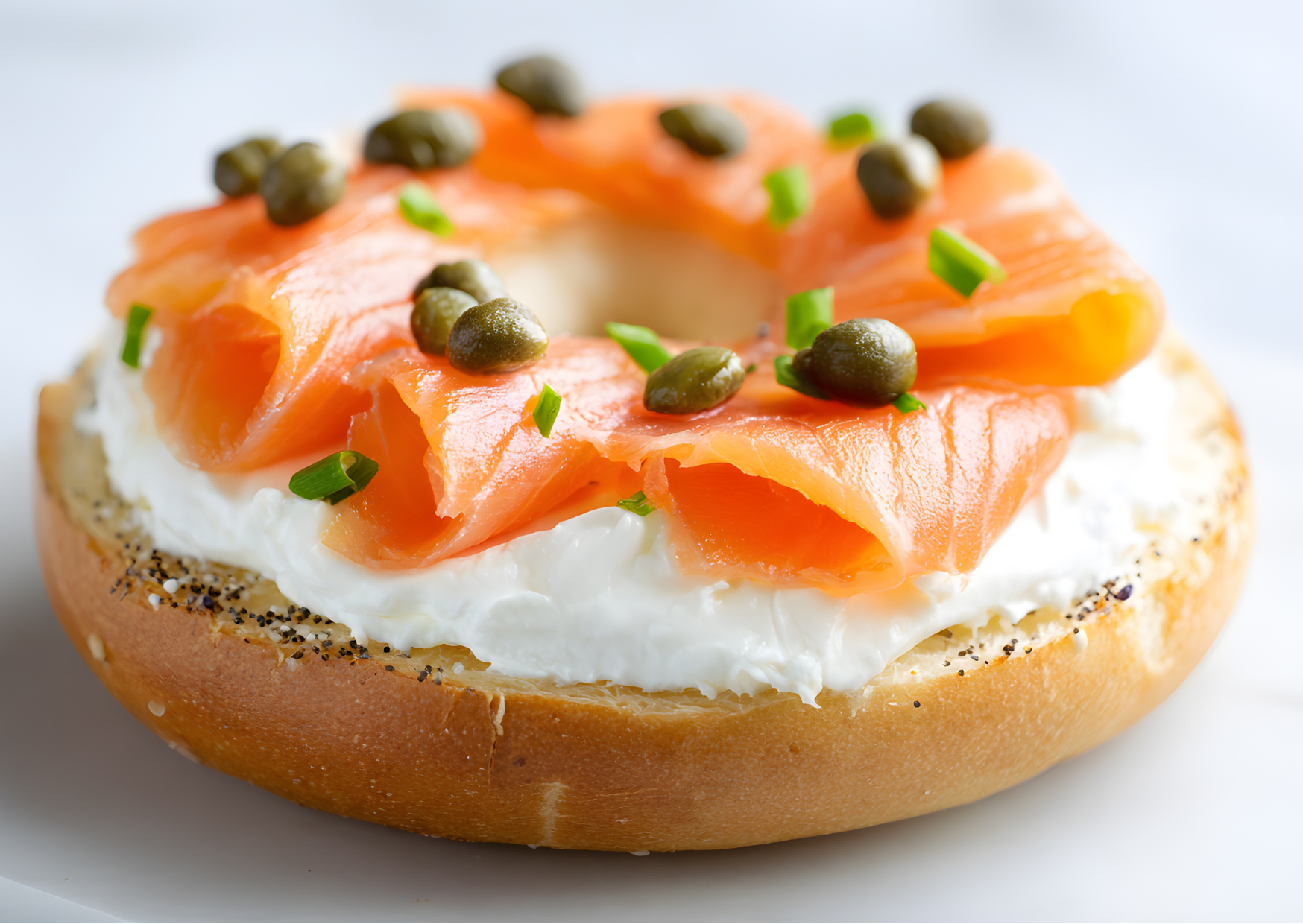
The pattern that clicked for me was Scandinavian on purpose. It is built on foods you recognize without a label: rye and oats and barley, peas and beans and lentils, oily fish like salmon, mackerel, and herring, dairy in modest amounts, rapeseed oil in the pan, piles of brassicas, and berries whenever you can find them. The core move is generous fiber and omega-3s with very little added sugar or industrial snack food.
I used that as my elimination frame. For 30 days I ate only from that Nordic list and pushed every common irritant out of the cart. That meant no added sugar, no ultra-processed snacks, no refined wheat, no alcohol, and no baffling dressings. I parked cow’s milk during the month and kept fermented dairy like skyr and kefir for protein and live cultures. Coffee stayed, once in the morning with a splash of oat milk.
Why it felt sane: I did not count calories, I counted patterns. Whole grains over flour, fish over cold cuts, brassicas at most dinners, something fermented every day, berries like medicine. Meals repeated on purpose so the plan did not fall apart on a Tuesday.
My First 30 Days
The work was front loaded. I stocked the kitchen once, then let a few defaults do the heavy lifting.
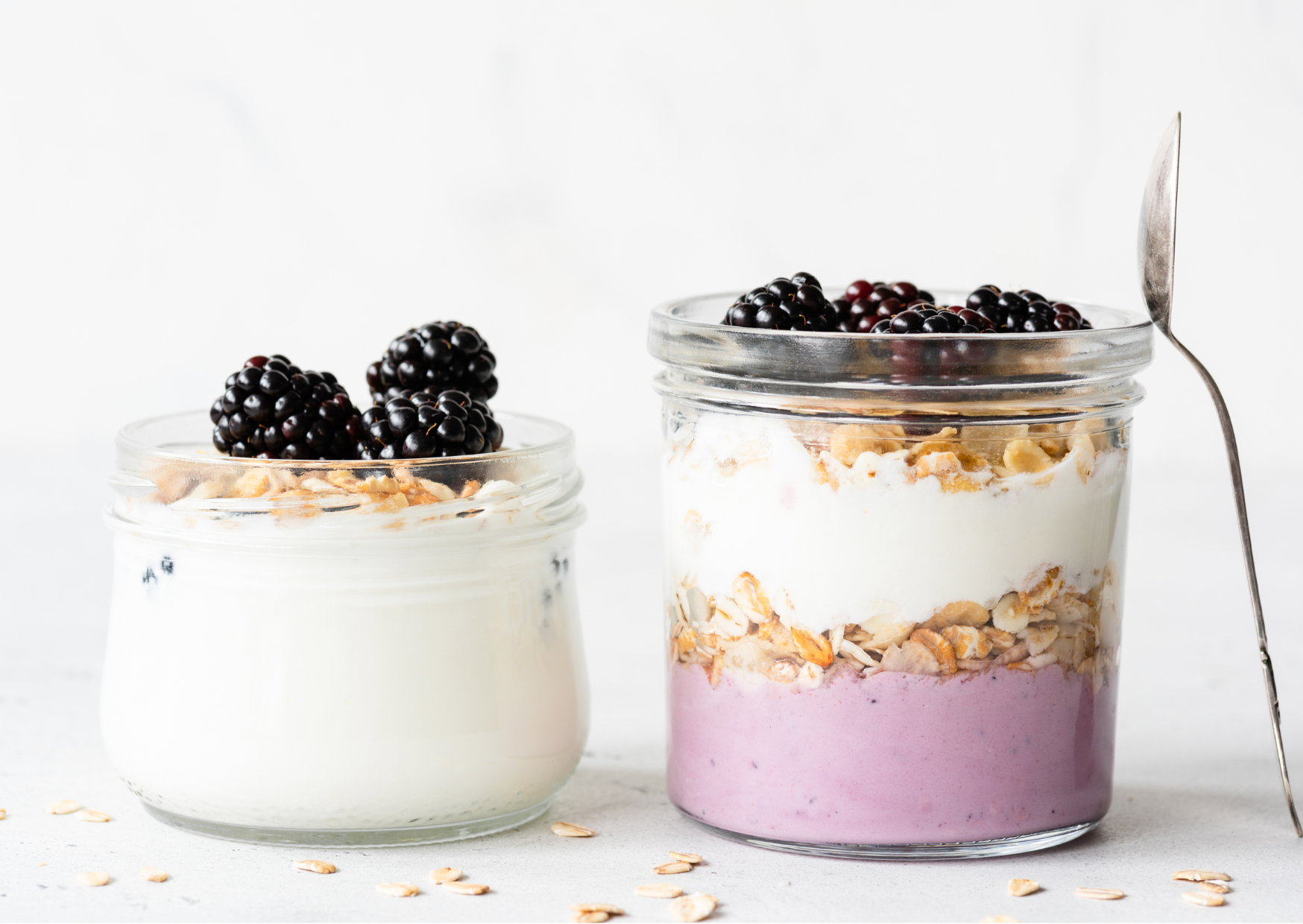
Breakfast rotation. Two anchors carried the month. Overnight rye oats with skyr and berries. Or warm steel-cut oats with grated apple, cinnamon, and a spoon of ground flax. Both took three minutes to assemble. Both traveled in a jar.
Default lunch. A big bowl formula I never had to think about: cooked barley or rye berries, a can of beans, chopped brassicas or a bag of slaw, a fist of herbs, pickled cucumber for crunch, skyr on top, and a spoon of rapeseed oil with mustard and lemon. Salt and pepper like a normal person.
Dinner templates. Three repeaters kept me honest. Sheet-pan salmon with roasted carrots and broccoli. Lentil stew with barley and dill. Rye-crumb fishcakes with a cucumber yogurt. If I ate out, I picked fish, potatoes, and a salad without sweet dressings and left the bread basket alone.
Snacks. Berries, an apple, a handful of nuts, or leftover cabbage slaw with a fork from the fridge. If I needed something salty, I reached for rye crispbread with a swipe of skyr and chives.
Restaurant script. You are probably thinking this is impossible with friends. I kept one sentence in my pocket: fish and potatoes, salad on the side, no sweet sauces. It worked at bistros, sushi bars, and even a pub.
By day seven the fiber ramp stopped shouting. By day twelve my afternoon crash was milder. By day twenty my belt notch started moving the other way. I was not chasing a miracle. I was letting boring food do its job.
The Recipe I Kept On Repeat
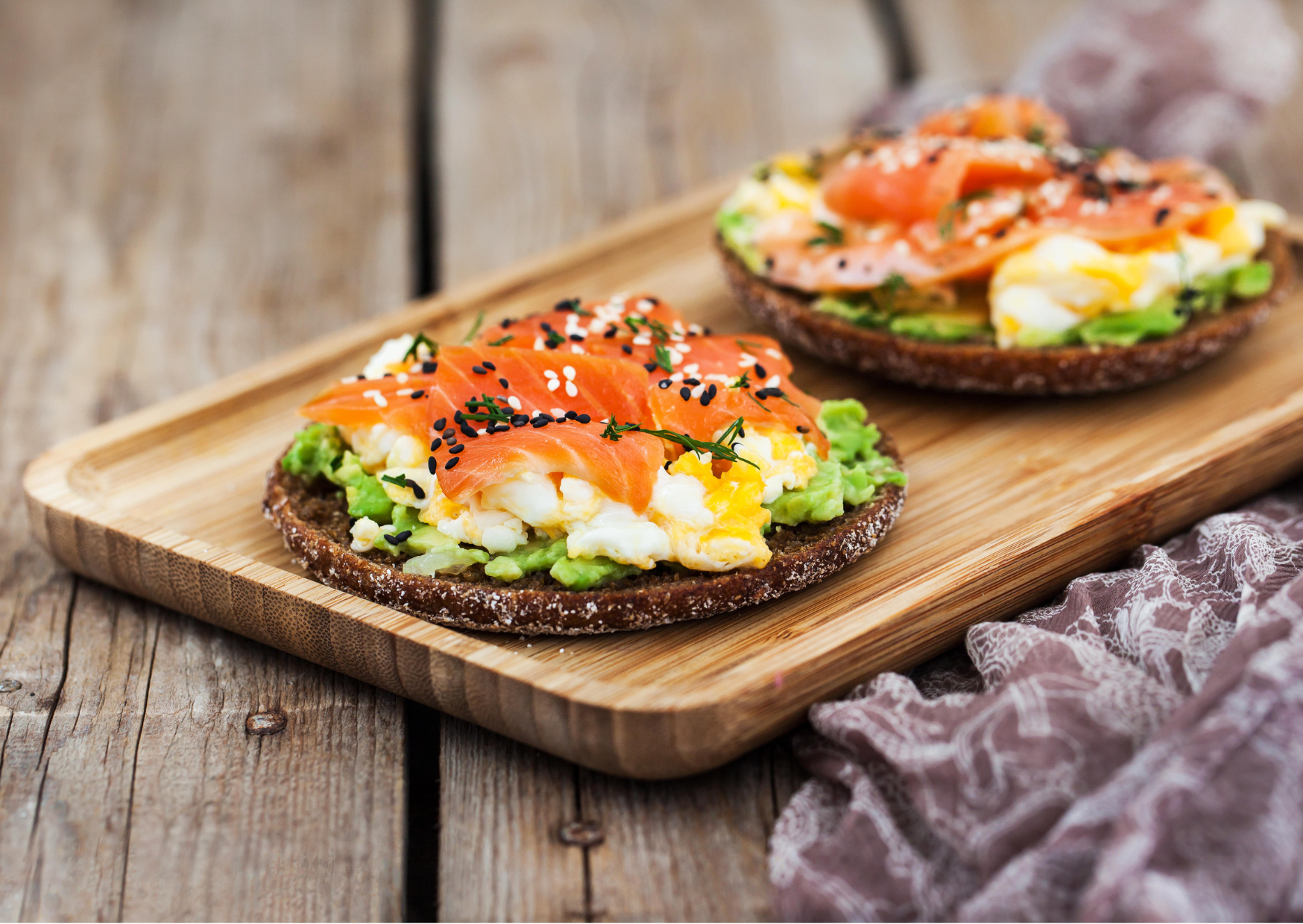
I promised a recipe before the halfway mark. This bowl did the most heavy lifting because it took 15 minutes and lived happily in the fridge.
Nordic Salmon And Rye Bowl With Dill Skyr
Serves: 2 generous bowls
Hands-on time: 15 minutes if your grain is cooked
Ingredients
- 2 salmon fillets, about 120 g each
- 2 cups cooked rye berries or barley
- 2 cups finely chopped cabbage or bagged slaw
- 1 cup steamed broccoli florets
- 1 small cucumber, diced
- 1 small red onion, thinly sliced
- 1 handful fresh dill, chopped
- 1 lemon, half zested and juiced, half cut in wedges
- 2 heaped spoonfuls plain skyr or thick yogurt
- 2 tbsp cold-pressed rapeseed oil
- 2 tsp Dijon mustard
- Salt and pepper
Method
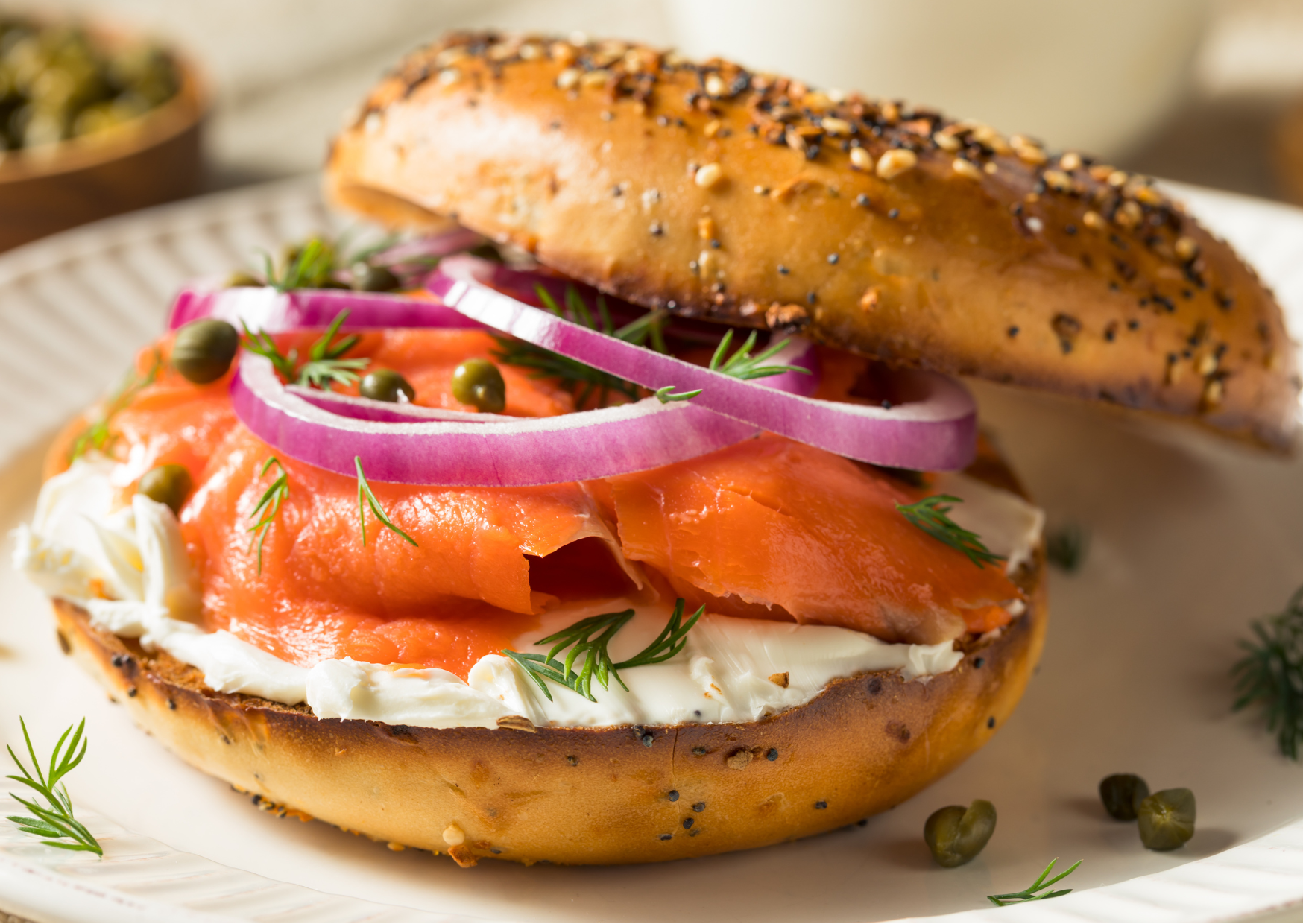
Heat the oven to a medium-high setting. Season salmon with salt, pepper, and a drizzle of oil. Roast on a tray until just opaque, about 8 to 10 minutes depending on thickness.
In a large bowl, toss warm rye or barley with chopped cabbage, broccoli, cucumber, onion, half the dill, lemon zest, and a pinch of salt. Whisk rapeseed oil with mustard and lemon juice, season, and fold through the grain and vegetables.
Divide into bowls. Top with salmon, a generous spoon of skyr, the rest of the dill, and lemon wedges. Eat warm or room temperature.
Why it works in a busy week
The grain cooks once. Everything else is a chop and a whisk. Leftovers become tomorrow’s lunch. The bowl ticks fiber, omega-3, and ferment boxes in one hit.
Approximate cost per serving
Grain 0.30 to 0.50, vegetables 1.00, skyr 0.60, salmon 3.00 to 4.00, pantry items 0.30. A bowl lands roughly between 5.20 and 6.40 depending on salmon price and season.
The Numbers That Moved For Me

I did not turn this into a lab project. I tracked simple numbers and one wearable.
Weight: down 3.1 kg by day 30.
Waist: down 4 cm, measured on the same hole of a cloth tape Sunday mornings.
Resting heart rate: from an average of 62 to 57 by the fourth week.
Sleep: up roughly 35 to 45 minutes a night on average, with fewer middle-of-the-night wake ups.
Bloat episodes: from five or six a week to one, sometimes none.
Afternoon crash: from a daily event to something I noticed twice a week.
You do not need my numbers to make this work. You need a notebook and something to compare against. I wrote one line every night and circled any day that felt different. The circles got closer together.
Exactly How You Can Do This
Set your month. Pick any 30-day window and write the rules on a note you will see every morning. Nordic staples in, common triggers out.
What to eat freely. Rye, oats, barley, potatoes, peas, beans, lentils, brassicas, leafy greens, onions, carrots, beets, mushrooms, tomatoes, herbs, berries, nuts, seeds, skyr and kefir, rapeseed oil in modest amounts, salmon, herring, mackerel, and white fish. Coffee in the morning only if it loves you back. Tea whenever you like.
What to remove for 30 days. Refined wheat bread and pastries, added sugars and sweet drinks, alcohol, ultra-processed snacks, mystery dressings, processed meats, and anything your body has fought about before. If dairy bothers you, park fluid milk and test fermented dairy only if it sits well.
Shop once. Buy a big bag of rye or barley, a tray of salmon, a stack of brassicas and carrots, a tub of skyr, two bags of frozen berries, onions, lemons, mustard, dill, and rapeseed oil. If it is not in the house, it will not call your name at 9 p.m.
Build your autopilot. Choose one breakfast, one lunch bowl, and two dinners you could make tired. Eat them on repeat. Boredom is your friend for 30 days.
Ferment or buy a ferment. A jar of sauerkraut, kimchi, kefir, or skyr shows up on my plate daily now. If you want to make a quick jar, salt sliced cabbage at two percent by weight, pack it in a jar, press until it releases brine, and leave it at room temperature for a few days before moving it to the fridge.
Re-introduction days 31 to 45. Add foods back one at a time for two or three days each. I tested in this order: wheat, alcohol, richer dairy, refined sweets, and then the gray areas like seed-laden granola bars. If something rumbles, remove it and retest later. Write it down.
Simple timeline of what often happens
Week 1: your gut notices the fiber change, water follows the fiber, energy starts to even out.
Week 2: bloat settles, sleep deepens, cravings start losing their edge.
Week 3: the plan gets easy because your defaults are doing the work.
Week 4: data and mirror finally agree, and you learn which foods and habits you miss, and which you never needed.
Why This Works, In Plain Science
The blueprint here is not a trend, it is a region’s normal plate. A Nordic pattern leans hard on whole grains, pulses, vegetables, berries, and fish, with minimal added sugar and very little ultra-processed food. That mix raises daily fiber, especially the beta-glucans and arabinoxylans in rye and barley. It tilts fat quality toward omega-3s from oily fish and alpha-linolenic acid from rapeseed oil. It adds fermented foods that bring live microbes and acids that help certain meals digest more gently.
Fiber feeds your gut microbes and helps short-chain fatty acids show up, which tend to calm the gut environment. Fermented foods can nudge microbial diversity in a good direction and have been linked to lower levels of certain inflammatory proteins. Rye, in particular, has a knack for lowering the insulin response to a meal compared with wheat in many people, which is one reason a rye breakfast often feels steady until lunch. Oily fish supplies EPA and DHA, the omega-3 fats that consistently help bring down high triglycerides and are part of most anti-inflammatory patterns. None of this requires perfection. It requires building your plate from foods that have worked for northern Europeans for a very long time.
What I Would Do Differently Next Time
I would plan the first five days like I was feeding guests. That much fiber, that fast, is an adjustment. Soaked oats, cooked brassicas, and soups were kinder than raw salads at the start. I would freeze two sheet pans of salmon in individual portions so there was no panic on late nights. I would label my leftovers so 10 p.m. me could make a good decision with the door open.
Socially, I would be clearer with friends. One short text helped: I am not drinking this month, please do not order dessert for me, fish and potatoes is perfect. People who like you will like that.
Common Mistakes
They treat it like punishment instead of a month of clean defaults.
They chase novelty and fall off, instead of using three repeatable meals.
They add a new protein bar because the label says protein.
They do the fiber ramp cold and blame the cabbage.
They reintroduce five foods at once and learn nothing.
They forget salt, lemon, herbs, and a little rapeseed oil and call it bland.
Next Steps This Week
Pick your month and write your rules.
Stock your kitchen once with grains, fish, brassicas, berries, and a ferment.
Choose one breakfast, one lunch bowl, two dinners, and stick to them.
Print a one-page log and circle any day that feels different.
On day 31, reintroduce one thing at a time. Keep the pieces that love you back.
You do not need a new identity to eat this way for a month. You need a grocery list, a boring plan, and a pen. The rest is just dinner.

About the Author: Ruben, co-founder of Gamintraveler.com since 2014, is a seasoned traveler from Spain who has explored over 100 countries since 2009. Known for his extensive travel adventures across South America, Europe, the US, Australia, New Zealand, Asia, and Africa, Ruben combines his passion for adventurous yet sustainable living with his love for cycling, highlighted by his remarkable 5-month bicycle journey from Spain to Norway. He currently resides in Spain, where he continues sharing his travel experiences with his partner, Rachel, and their son, Han.