
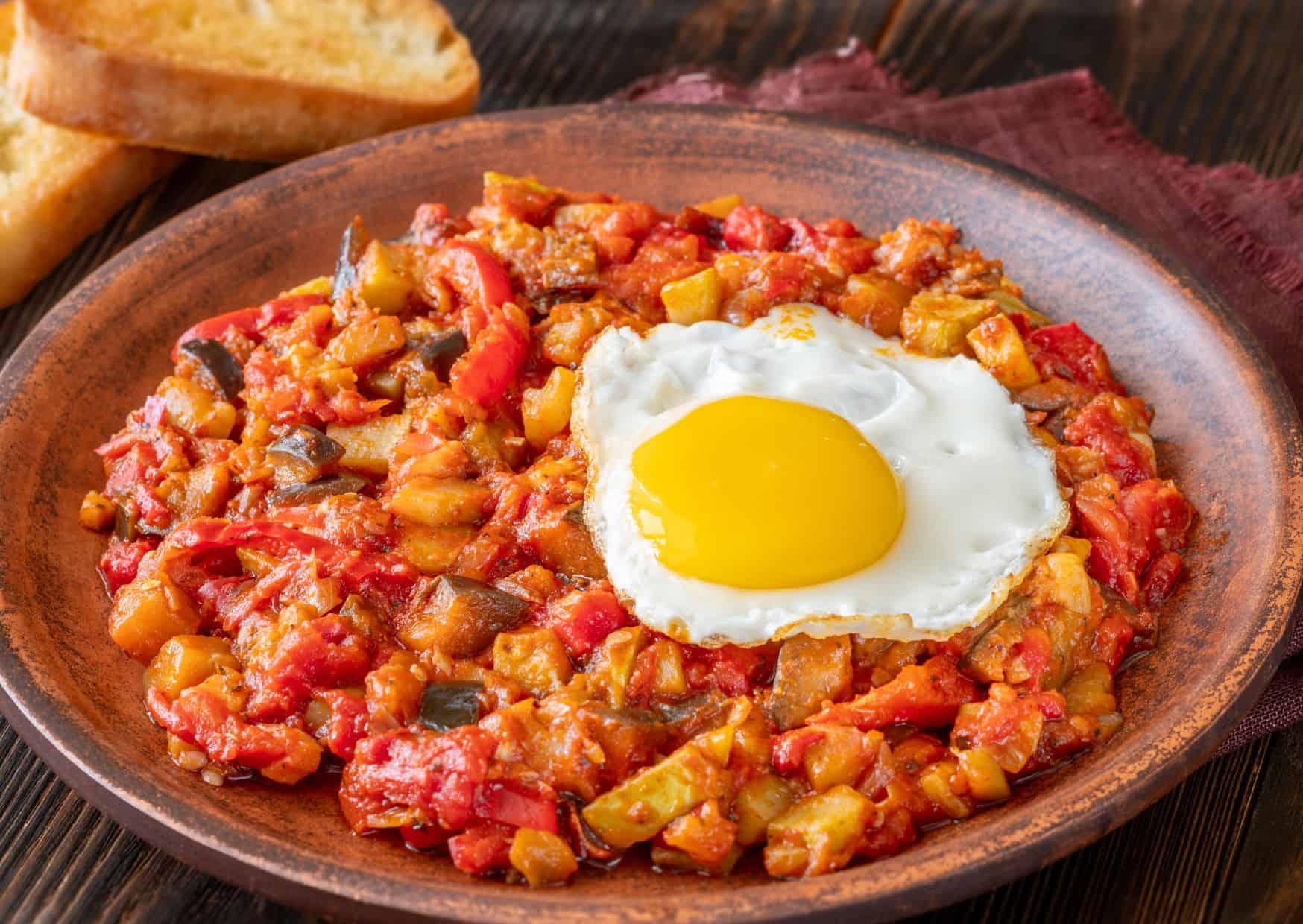
Spain’s culinary treasures extend far beyond tapas and paella, and one of the country’s most beloved hidden gems is pisto, often called the Spanish version of ratatouille. This humble vegetable stew has been enjoyed for centuries in the heart of La Mancha and across Spain, representing a marriage of Mediterranean flavors and simple cooking traditions. With its rich base of tomatoes, peppers, zucchini, and onions simmered slowly in olive oil, pisto is comfort food at its finest.
Unlike many elaborate Spanish dishes, pisto is a straightforward recipe that proves great food doesn’t have to be complicated. It’s a dish that thrives on fresh ingredients, patience, and the balance of sweet, savory, and earthy notes. Every Spanish grandmother has her own version, and no two pistos are exactly alike, which is part of its charm.
Beyond being delicious, pisto reflects the Spanish lifestyle—seasonal, affordable, and best enjoyed with family and friends. It’s the type of dish that warms not just the stomach but also the soul, connecting you to centuries of culinary tradition.
The best Spanish food to try, Breakfast in Spain, and vegetarian food in Spain
BOOK YOUR TRAVEL INSURANCE
Two of our favorite travel insurance: Heymondo Vs Safetwing cheapest travel Insurance. You can get for $135 USD your Heymondo Travel Insurance with Heymondo discount code valid for 90 days. Read our full comparison of Genki vs Safetywing Travel Insurance Review and the comparison Heymondo vs Genki
How to Eat Pisto
Pisto can be eaten as a main dish, often topped with a fried egg to add creaminess and protein. The runny yolk mixes beautifully with the rich vegetable stew, creating a hearty, satisfying bite that turns simple vegetables into a complete meal.
It also works wonderfully as a side dish alongside grilled meats, fish, or roasted chicken. Its versatility makes it one of the best companions to heartier proteins, helping to balance out richer flavors with its light, vegetable-forward profile.
For casual dining, Spaniards enjoy spreading pisto over crusty bread or using it as a filling for empanadas and savory pastries. This makes it a favorite at gatherings, as it transitions effortlessly from a family dinner to a shared appetizer at a festive table.
How to Partner Pisto
Pairing pisto with the right drink enhances the experience. A glass of young Spanish red wine, such as Tempranillo, brings out the natural sweetness of the vegetables while adding depth. For a lighter touch, crisp white wines like Verdejo or Albariño balance the dish perfectly.
If you prefer non-alcoholic options, sparkling water with a slice of lemon or a lightly flavored soda can refresh the palate. This helps balance the richness of the olive oil and the intensity of slow-cooked vegetables.
Pisto also pairs beautifully with other Spanish classics. Serve it alongside manchego cheese, jamón serrano, or even simple olives to create a well-rounded tapas spread. The combinations highlight the dish’s versatility and its ability to adapt to different flavors and contexts.
One of the biggest debates around pisto is whether it should be compared to French ratatouille at all. Purists argue that pisto deserves its own identity, not as Spain’s answer to a French dish, but as a unique cultural staple with roots in Spanish soil. Others embrace the comparison, using it as a way to introduce international food lovers to pisto.
Another controversy lies in preparation. Traditionalists insist on cooking each vegetable separately to preserve its texture before combining them, while modern cooks often throw everything into one pot for convenience. This divide sparks heated debates in Spanish kitchens, especially among older generations who value authenticity.
Lastly, there’s the question of eggs. Some Spaniards say pisto is incomplete without a fried egg, while others argue it’s perfect as a purely vegetarian dish. This seemingly small detail highlights how food traditions can become points of pride, identity, and even conflict.
How to Make Pisto
Pisto Recipe Ingredients
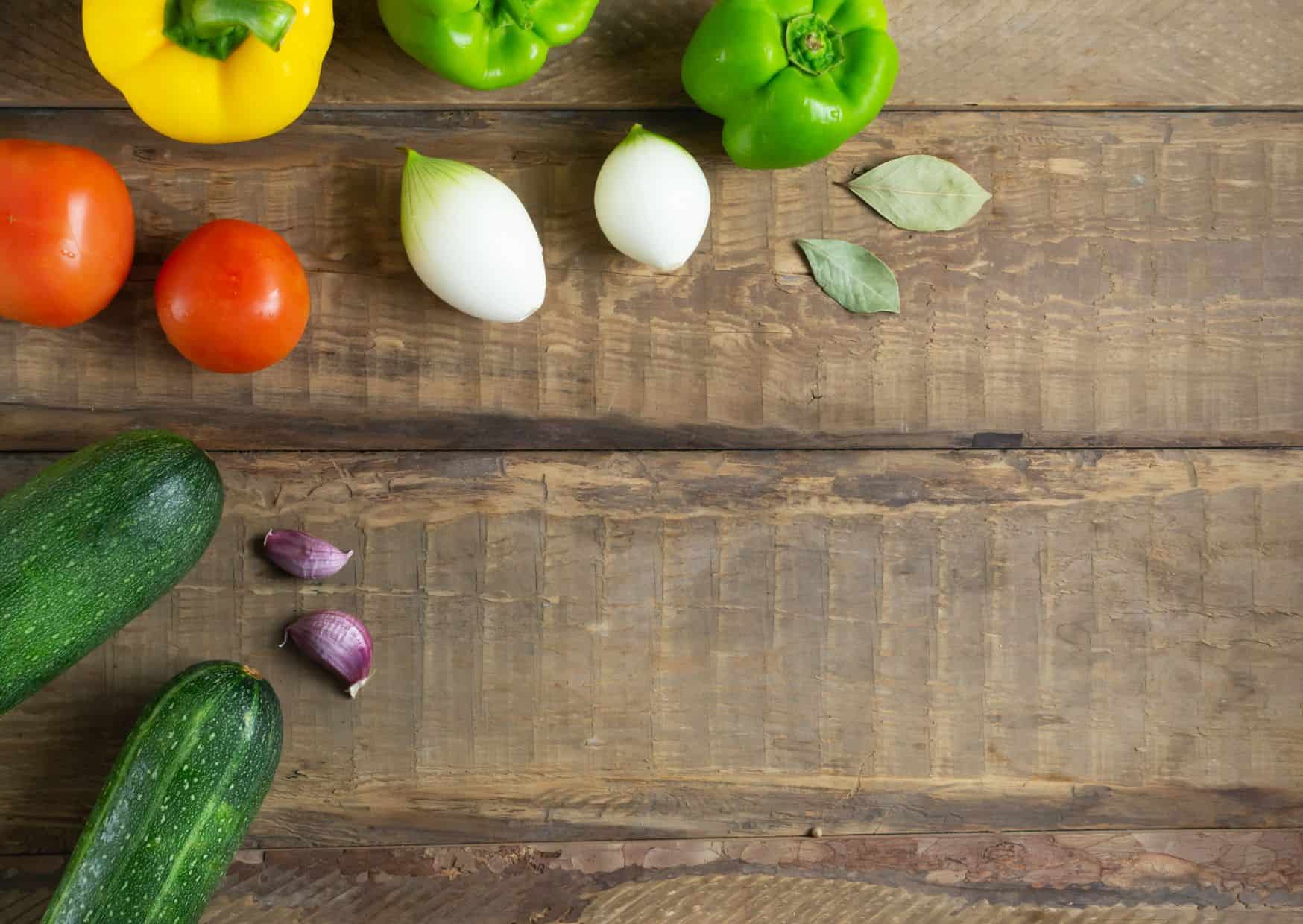
2 medium zucchinis, diced
1 large eggplant, diced
1 red bell pepper, diced
1 green bell pepper, diced
1 large onion, finely chopped
3 cloves garlic, minced
4 ripe tomatoes, diced (or 1 can of diced tomatoes)
1/4 cup olive oil
Salt and pepper to taste
Fresh parsley or basil (for garnish, optional)
4 eggs (optional, for serving)
Get the best deals for your home and kitchen needs
Step By Step How to Make Pisto
Prepare the Vegetables
Dice the zucchinis, eggplant, bell peppers, and tomatoes into similar-sized pieces. Finely chop the onion and garlic.
Cook the Onions and Garlic
Heat the olive oil in a large pan over medium heat. Add the chopped onion and garlic, and sauté until the onion becomes soft and translucent.
Add the Bell Peppers
Add the red and green bell peppers to the pan and cook for another 5-7 minutes until they start to soften.
Cook the Eggplant and Zucchini
Add the diced eggplant and zucchini to the pan. Cook for about 10 minutes, stirring occasionally, until they begin to soften.
Add the Tomatoes
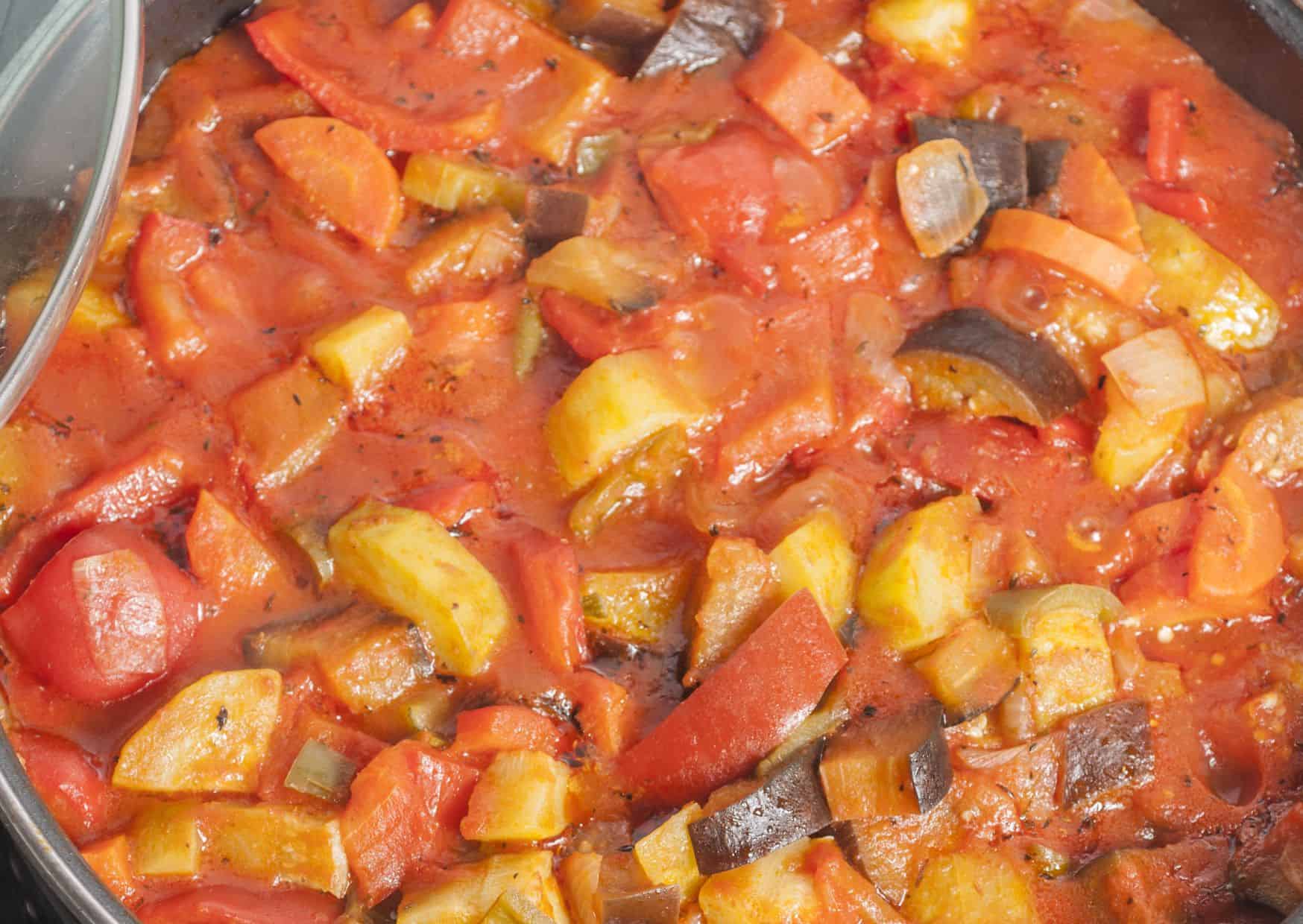
Add the diced tomatoes (or canned tomatoes) to the pan. Stir to combine all the vegetables. Season with salt and pepper to taste.
Simmer
Reduce the heat to low, cover the pan, and let the mixture simmer for about 20-30 minutes, or until all the vegetables are tender and the flavors are well combined. Stir occasionally to prevent sticking.
Optional: Cook the Eggs
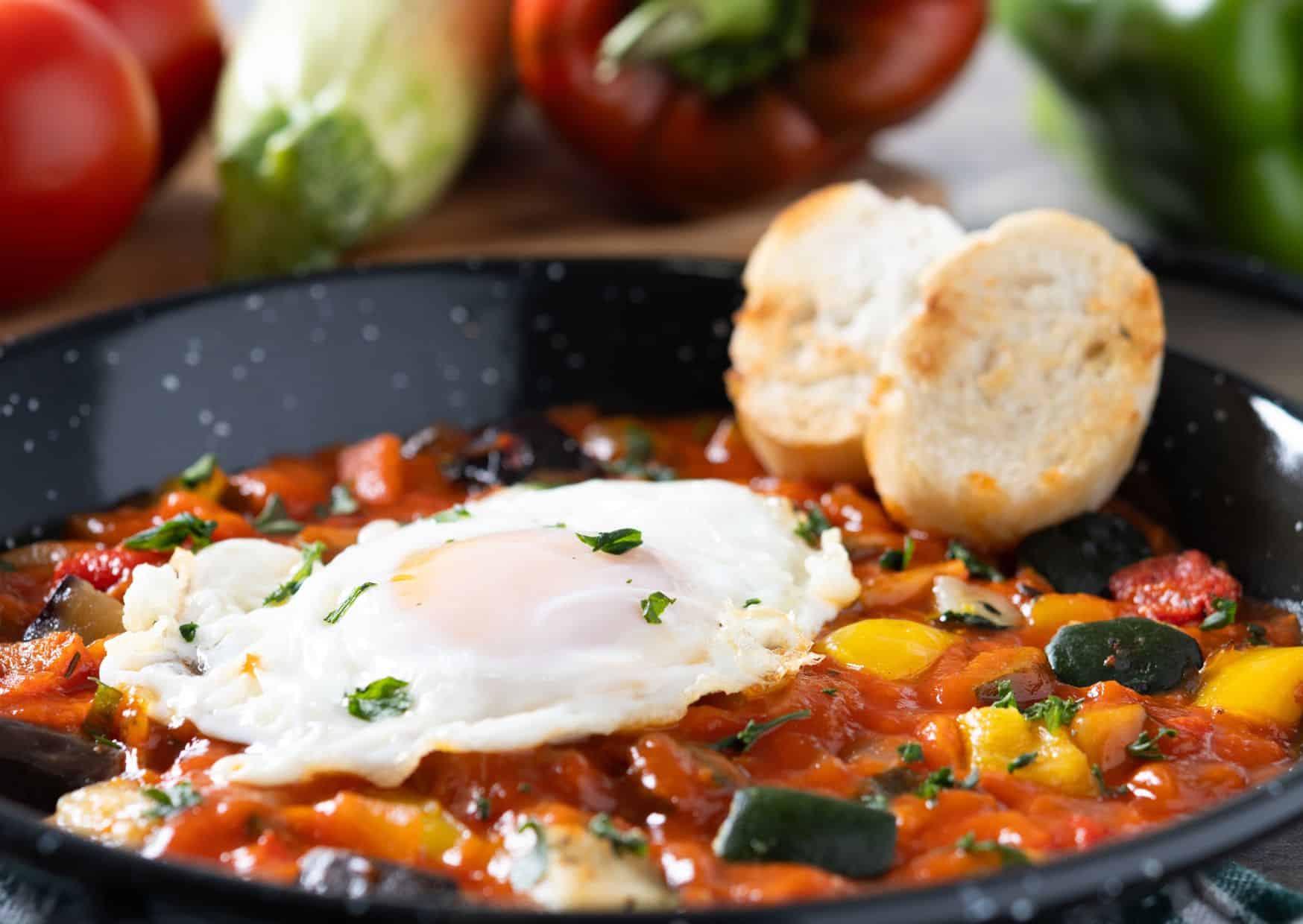
If serving with eggs, you can poach or fry the eggs separately, or create small wells in the Pisto mixture and crack the eggs into the wells. Cover and cook until the eggs are done to your liking.
Serve
Serve the Pisto warm, garnished with fresh parsley or basil if desired. It can be served as a main dish or as a side, often with crusty bread.
Tips For Making Pisto
Cut the vegetables into similar-sized pieces for even cooking. Allow the Pisto to simmer long enough for the vegetables to become tender and the flavors to meld together.
Serve with crusty bread, as a topping for toast, or with a poached or fried egg on top for a more substantial meal.
How Many Calories Have Pisto
Calories: Approximately 180-220 calories per serving (assuming 4 servings)
Zucchini (2 medium): Approximately 66 calories
Eggplant (1 large): Approximately 110 calories
Bell Peppers (2): Approximately 50 calories
Onion (1 large): Approximately 60 calories
Garlic (3 cloves): Approximately 15 calories
Tomatoes (4 ripe): Approximately 100 calories (or 1 can of diced tomatoes: approximately 90 calories)
Olive Oil (1/4 cup): Approximately 480 calories
Eggs (optional, 4): Approximately 280 calories (70 calories each)
Serving Suggestions
Serve pisto hot with fried eggs for a rustic and filling main course that captures the essence of Spanish comfort food. This is the most traditional way, and one that never disappoints.
For gatherings, prepare pisto as a shared dish on a tapas table. Guests can scoop it onto bread or crackers, creating bite-sized portions that highlight the stew’s flavor. Adding manchego cheese shavings on top makes it even more indulgent.
Another option is to use pisto as a pasta or rice topping. Its saucy consistency makes it a natural companion for grains, adding Mediterranean flair to simple staples and turning them into complete, flavorful meals.
Final Thoughts
Pisto is proof that simplicity often leads to the most memorable meals. With nothing more than vegetables, olive oil, and time, you can create a dish that has stood the test of centuries. It’s a reminder that food doesn’t have to be extravagant to be extraordinary.
It also represents the soul of Spanish cuisine: fresh, seasonal, and deeply tied to tradition. By making pisto at home, you’re not just cooking—you’re experiencing a slice of Spanish culture and lifestyle.
Whether you enjoy it with eggs, bread, or as part of a larger feast, pisto offers comfort and flavor in every spoonful. If you’ve been searching for a way to bring authentic Spanish warmth into your kitchen, this dish may just become your new go-to recipe.

About the Author: Ruben, co-founder of Gamintraveler.com since 2014, is a seasoned traveler from Spain who has explored over 100 countries since 2009. Known for his extensive travel adventures across South America, Europe, the US, Australia, New Zealand, Asia, and Africa, Ruben combines his passion for adventurous yet sustainable living with his love for cycling, highlighted by his remarkable 5-month bicycle journey from Spain to Norway. He currently resides in Spain, where he continues sharing his travel experiences with his partner, Rachel, and their son, Han.