
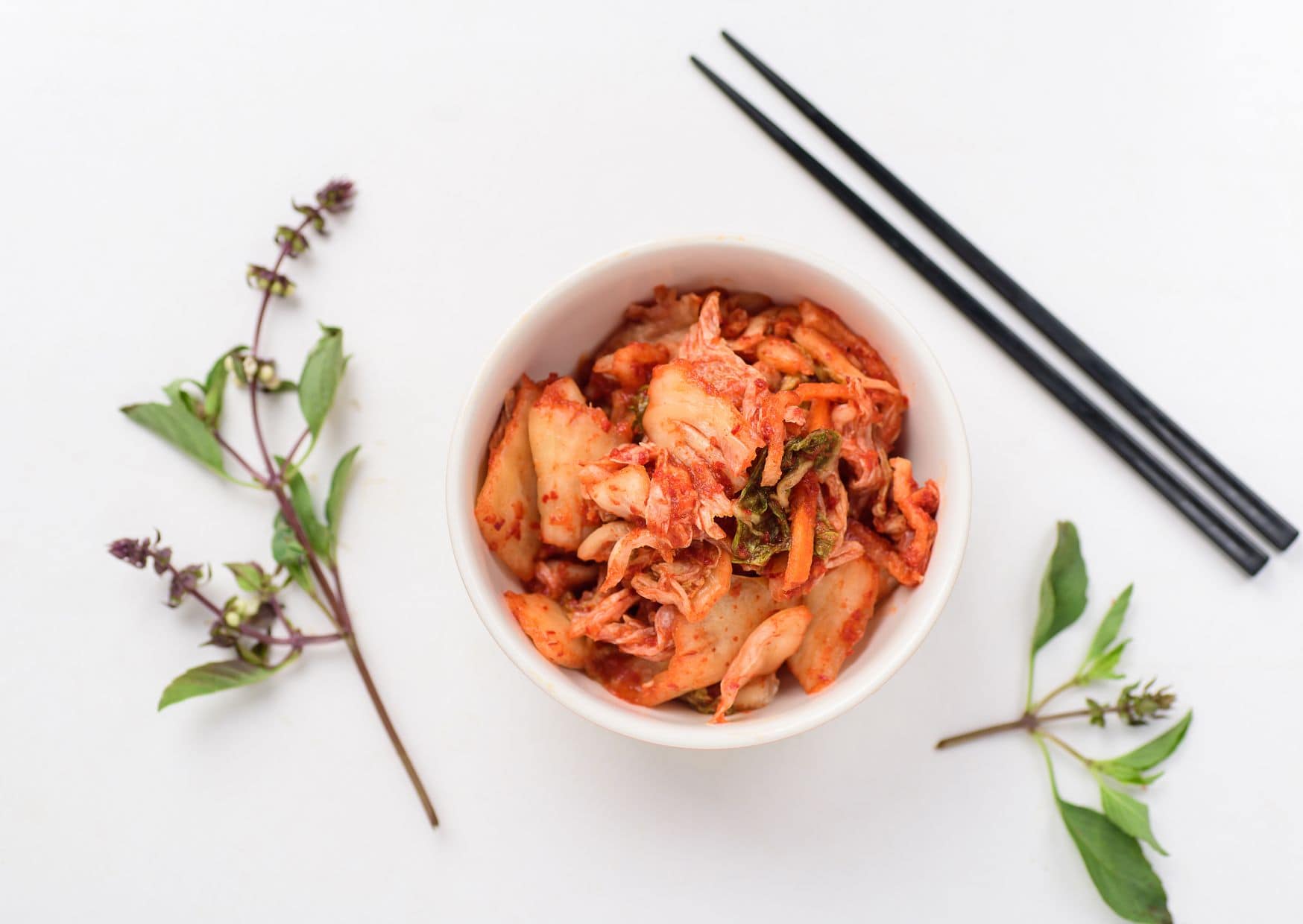
Kimchi jjigae, often referred to as Korea’s ultimate comfort food, is a fiery, tangy, and hearty stew that showcases the country’s most iconic ingredient: kimchi. This dish is more than just a meal—it’s a symbol of Korean resilience, frugality, and the creative use of fermented foods to create something nourishing and bold.
Found in homes, humble eateries, and high-end restaurants alike, kimchi jjigae bridges generations of Korean cooking traditions. The stew usually combines aged kimchi, pork or tofu, garlic, gochugaru (Korean chili flakes), and gochujang (chili paste) for a deep, layered flavor that balances spice, sourness, and umami.
For first-time tasters, kimchi jjigae can feel intense, but once you lean into its complexity, it quickly becomes addictive. Making it at home not only connects you to Korean culinary culture but also offers a deeply satisfying meal that’s surprisingly simple to prepare.
Read here best South Korean Breakfast and Things to know before visiting Korea
BOOK YOUR TRAVEL INSURANCE
Two of our favorite travel insurance: Heymondo Vs Safetwing cheapest travel Insurance. You can get for $135 USD your Heymondo Travel Insurance with Heymondo discount code valid for 90 days. Read our full comparison of Genki vs Safetywing Travel Insurance Review and the comparison Heymondo vs Genki
How to Eat
Kimchi jjigae is best enjoyed piping hot, often served bubbling in a stone pot that keeps it warm throughout the meal. Traditionally, it’s eaten with a bowl of steamed white rice, which balances the spicy, tangy broth and provides a comforting contrast.
Koreans often use their spoon to alternate between scooping stew and rice, creating a perfect combination of flavors in every bite. It’s also common to enjoy jjigae with side dishes (banchan), which add variety and texture to the experience.
While it may seem intimidating to newcomers, the joy of eating kimchi jjigae lies in embracing its intensity. The bold spice and sour kimchi flavor open up your palate, making every bite memorable and deeply comforting.
How to Partner
Kimchi jjigae pairs naturally with steamed rice, but it also goes beautifully with Korean barbecue dishes like bulgogi or galbi. The richness of grilled meats is cut by the stew’s acidity, creating a balanced dining experience.
Vegetarians often enjoy it with tofu or mushroom-based sides, which echo the stew’s hearty qualities without overpowering its bold flavors. Adding a Korean pancake (pajeon or kimchi jeon) makes the meal even more authentic and filling.
For drinks, a light lager or makgeolli (a slightly sweet Korean rice wine) works wonderfully to soften the heat of the stew. These pairings create a rounded experience, whether for casual family meals or gatherings with friends.
One debate surrounding kimchi jjigae is whether it should always contain meat. Traditionalists argue that pork adds depth and umami, while others believe tofu-based versions are equally authentic and better suited for vegetarians. This debate reflects the dish’s versatility but also sparks passionate disagreements in Korean households.
Another controversy lies in the level of spice. While many Koreans enjoy their jjigae extremely spicy, some argue that overly fiery broths overshadow the tangy flavor of the kimchi itself. Restaurants often walk a fine line between catering to locals who crave intensity and tourists who may struggle with the heat.
Finally, authenticity is questioned when shortcuts are used—like replacing gochugaru with generic chili powder or kimchi with Westernized versions. Many Koreans argue that these substitutions dilute the soul of the dish, turning it into something less than true kimchi jjigae.
How to Make Korean Kimchi Jjigae
Korean Kimchi Jjigae Recipe Ingredients
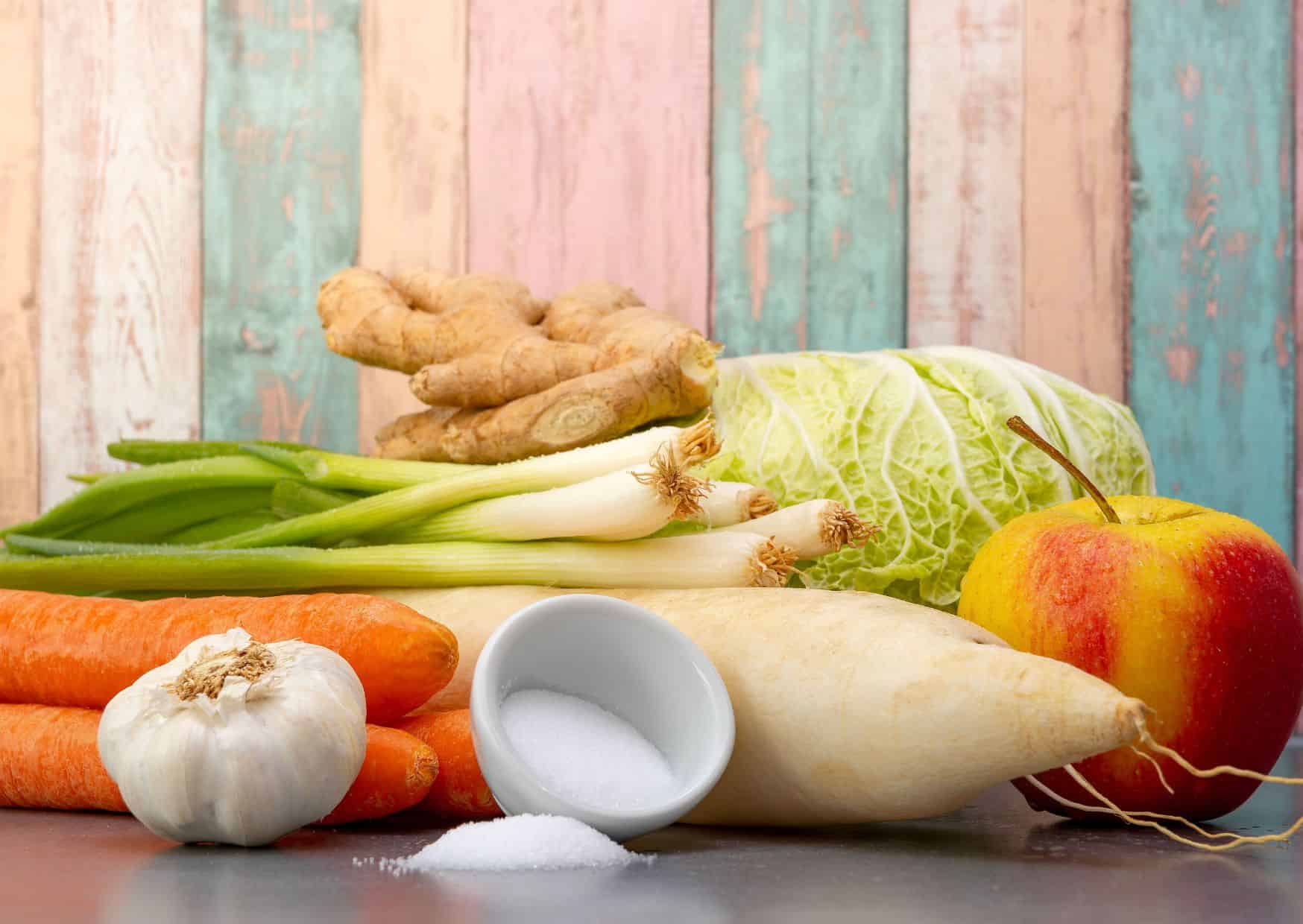
For the Stew:
2 cups well-fermented kimchi, chopped
1/2 cup kimchi juice
1/2 pound pork belly or pork shoulder, thinly sliced
1 block (14 ounces) firm tofu, cut into cubes
1 small onion, thinly sliced
2 green onions, chopped
3 cloves garlic, minced
1 tablespoon gochugaru (Korean red pepper flakes)
1 tablespoon gochujang (Korean red pepper paste)
1 tablespoon soy sauce
1 teaspoon sugar
3 cups water or anchovy broth
1 tablespoon sesame oil
Salt and pepper, to taste
For Serving:
Cooked white rice
Sliced green onions (for garnish)
Sesame seeds (for garnish)
Get the best deals for your home and kitchen needs
Step By Step How to Make Korean Kimchi Jjigae
Prepare the Ingredients
Chop the kimchi into bite-sized pieces if it is not already chopped. Slice the pork belly or pork shoulder thinly.
Cut the tofu into bite-sized cubes. Thinly slice the onion and chop the green onions.
Cook the Pork
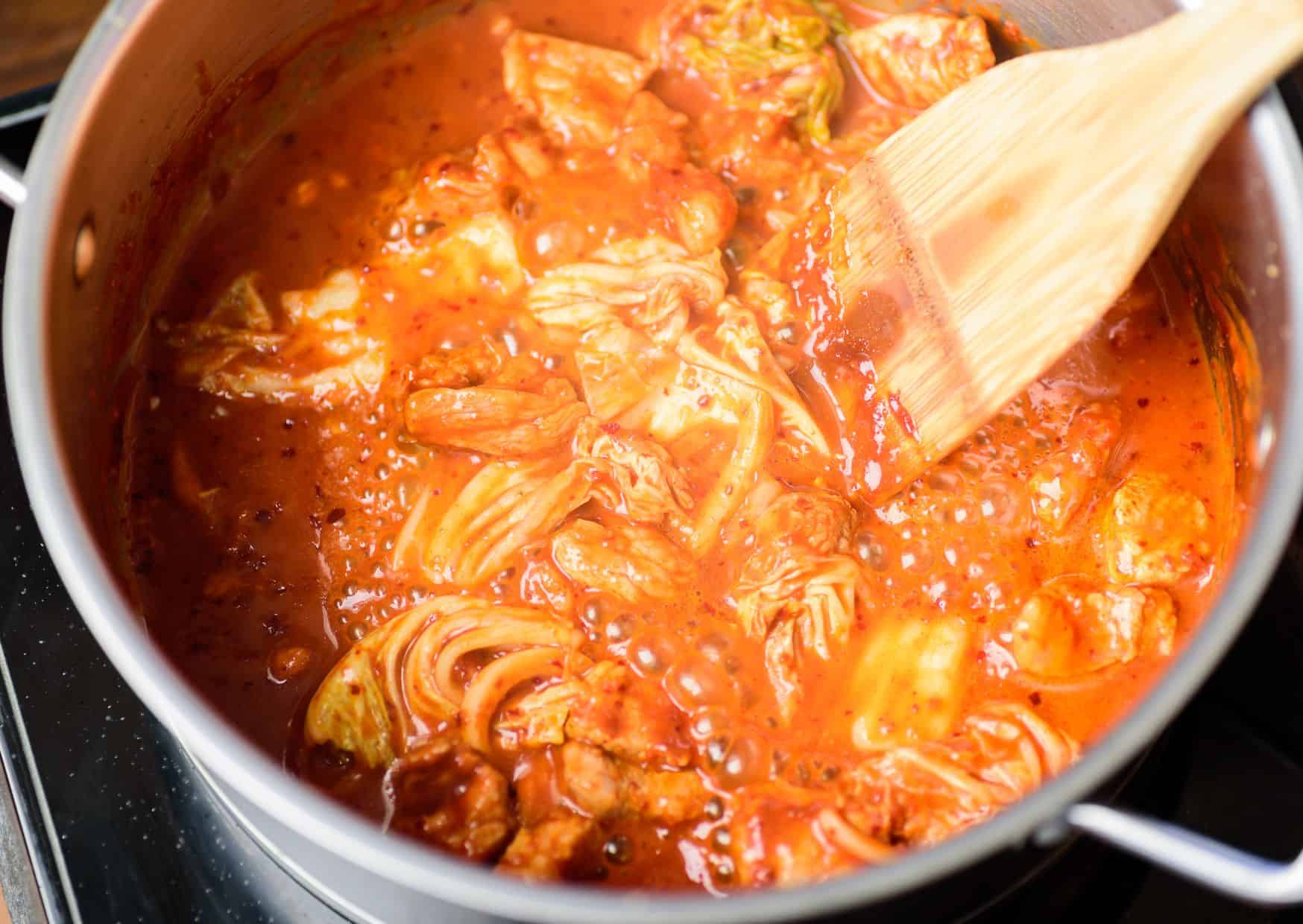
In a large pot or Dutch oven, heat the sesame oil over medium heat. Add the sliced pork and cook until browned, about 3-4 minutes. Add the Kimchi and Aromatics:
Add the chopped kimchi, minced garlic, and sliced onion to the pot with the pork. Cook, stirring occasionally, for about 5 minutes until the kimchi is softened and fragrant.
Add the Spices and Liquids
Stir in the gochugaru, gochujang, soy sauce, and sugar. Pour in the water or anchovy broth and kimchi juice. Stir to combine.
Simmer the Stew
Bring the mixture to a boil, then reduce the heat to low and simmer for about 20-30 minutes. Taste and season with salt and pepper as needed.
Add the Tofu
Gently add the tofu cubes to the pot, being careful not to break them. Simmer for an additional 10 minutes to allow the tofu to absorb the flavors.
Finish and Serve
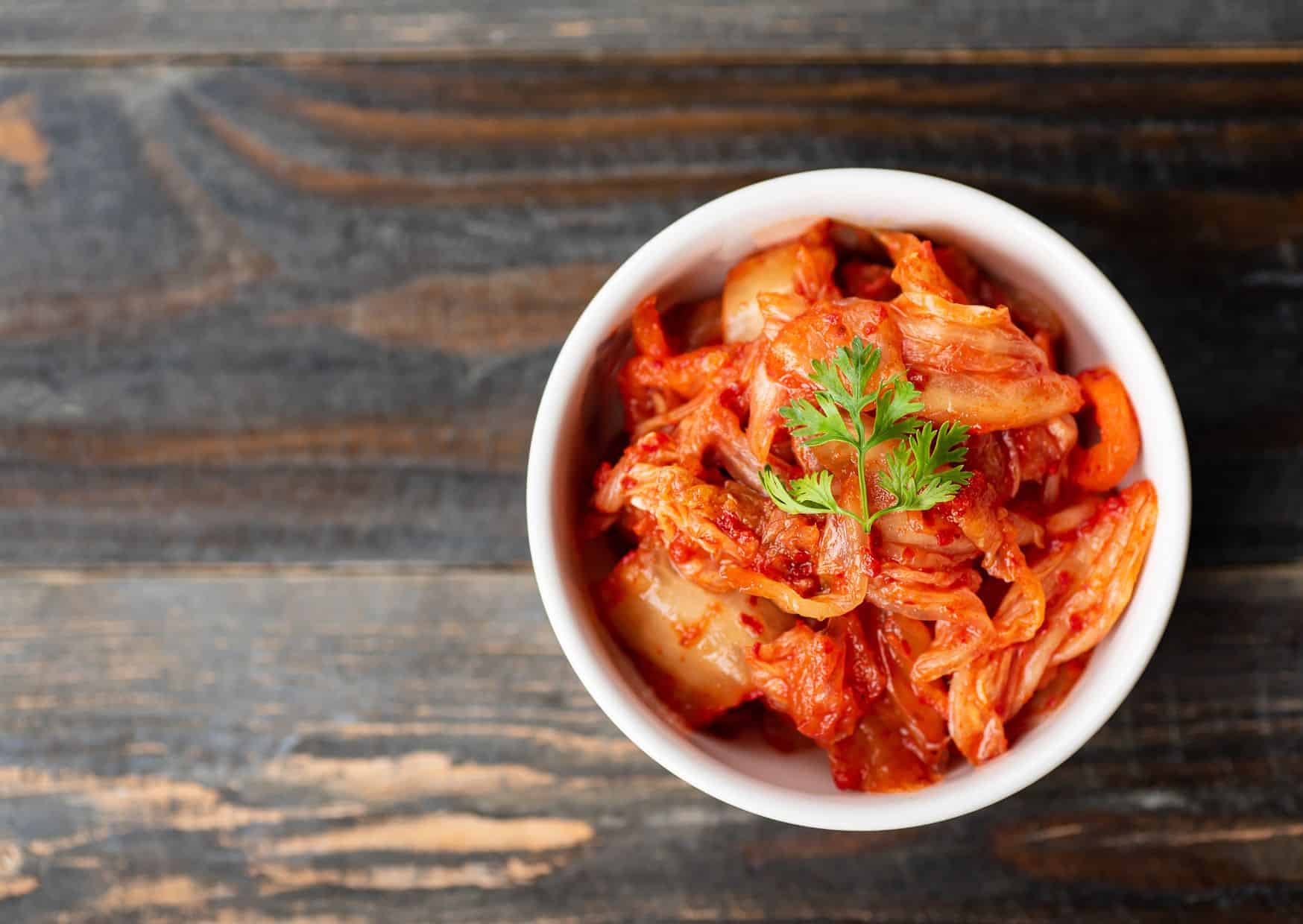
Stir in the chopped green onions and let them wilt slightly in the hot stew. Serve the Kimchi Jjigae hot, garnished with additional sliced green onions and sesame seeds if desired. Accompany with steamed white rice.
Tips To Make Korean Kimchi Jjigae
Using well-fermented kimchi is key to achieving the best flavor. The longer the kimchi has been fermented, the more flavorful the stew will be.
Pork belly adds richness, but you can use pork shoulder or even beef if preferred. For a vegetarian version, omit the meat and use vegetable broth.
Adjust the amount of gochugaru and gochujang to control the spiciness of the stew. Anchovy broth adds depth of flavor, but water or chicken broth can be used as substitutes.
How Many Calories Have Korean Kimchi Jjigae
Pork Belly (4 ounces): Approximately 250 calories
Tofu (3.5 ounces): Approximately 70 calories
Kimchi (1/2 cup): Approximately 20 calories
Other Ingredients (onions, garlic, etc.): Approximately 50 calories
Total Calories per Serving: Approximately 390-450 calories
Serving Suggestions
Serve kimchi jjigae in a traditional earthenware pot (ttukbaegi) to keep it hot and authentic. Place it at the center of the table so everyone can share, in true Korean family-style dining.
Complement the stew with an array of banchan, from pickled radishes to seasoned spinach, to enhance the meal with different flavors and textures. Steamed rice is essential, but you can also serve with barley rice for a healthier, nutty option.
If you’re hosting a dinner party, pair kimchi jjigae with Korean barbecue dishes or a spread of small tapas-style bites. The stew’s boldness anchors the meal, while the sides make it feel festive and varied.
Final Thoughts
Kimchi jjigae is more than a dish—it’s an expression of Korean culture, resilience, and creativity. Its fiery broth and deep flavors showcase how something as simple as leftover kimchi can be transformed into a comforting and iconic meal.
Cooking kimchi jjigae at home allows you to experiment with spice levels, protein choices, and side dishes, making it versatile for every palate. Whether you prefer it fiery with pork or mild with tofu, the stew adapts to personal taste while staying true to its roots.
Ultimately, the power of kimchi jjigae lies in its ability to bring people together. Shared at the family table or with friends, it captures the warmth, boldness, and generosity of Korean dining culture in every bubbling spoonful.

About the Author: Ruben, co-founder of Gamintraveler.com since 2014, is a seasoned traveler from Spain who has explored over 100 countries since 2009. Known for his extensive travel adventures across South America, Europe, the US, Australia, New Zealand, Asia, and Africa, Ruben combines his passion for adventurous yet sustainable living with his love for cycling, highlighted by his remarkable 5-month bicycle journey from Spain to Norway. He currently resides in Spain, where he continues sharing his travel experiences with his partner, Rachel, and their son, Han.