
You sit down in a company canteen, water and bread already on the table, and then the server asks a simple question: still, sparkling, or a small carafe of house red. As of September 2025, the reason many Italian office lunches casually include wine is not a secret line item in HR’s ledger. It is the way lunch benefits, canteens, and fixed-price menus are structured, plus a culture that treats a measured glass with food as ordinary rather than exceptional.
You do not need to imagine an HR director allocating pinot by department. The reality is plainer. Italian employers typically fund lunch in three ways: an in-house canteen, a contracted caterer, or meal vouchers. Each route points workers toward places that price lunch as a package. The package often includes water, bread, coffee, and in many regions a small pour of wine. That inclusion lives in the menu price, not as a separate alcohol perk.
There is a second truth that fits right alongside the first. Workplace safety rules are strict for high-risk roles, and many employers apply alcohol-free policies across the board during working hours. The result is not contradiction. It is a system where the option exists, the price already assumes it, and the responsibility remains with the worker and the company to use judgment.
This is your clear map. How Italian lunch benefits actually work. Why a glass shows up without fanfare. What HR really budgets. Where safety rules draw hard lines. How the prices pencil out. A practical guide for Americans working with Italian partners or building a local team so you can match the cultural comfort with clean compliance.
The Setup Most Companies Use For Lunch
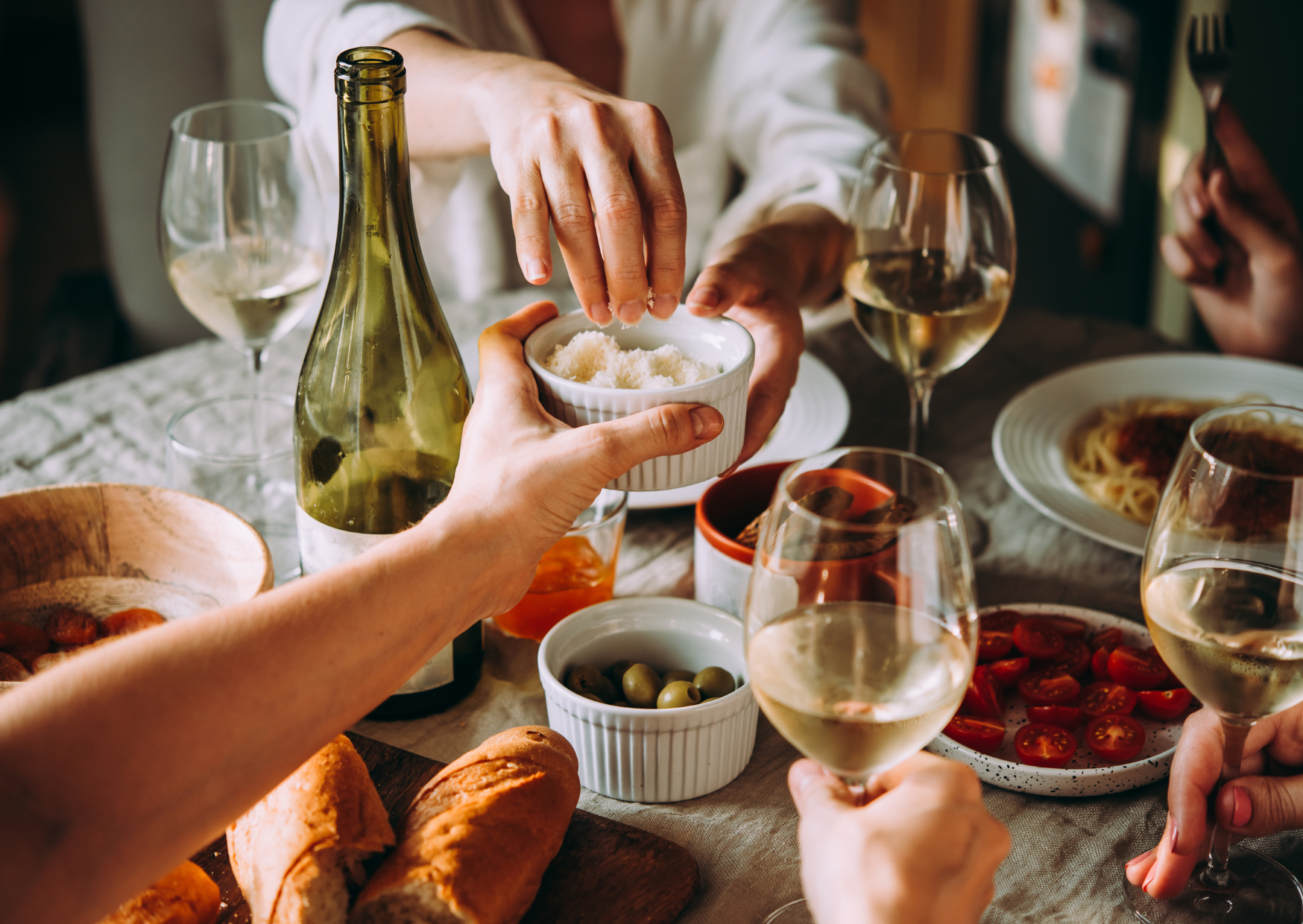
Italian employers rarely hand out a cash per-diem for lunch. They fund a meal in kind. You will see one of three structures.
Company canteen. Larger sites keep an in-house refectory or outsource the kitchen to a caterer. Staff eat on site, often choosing among a first course, a second, sides, and desserts. The per-head budget is negotiated in the contract and appears on HR’s cost sheet as food service, not as reimbursed meals.
Catered or “diffused” canteen. Some firms skip a physical canteen and instead contract nearby restaurants to feed employees at a fixed per-meal price during a defined window. It looks like a network of partner trattorie where your badge or a code buys a preset lunch.
Meal vouchers. When a canteen is impractical, many employers issue daily vouchers that are tax-advantaged within set limits. Workers pay with vouchers at restaurants, bars, and supermarkets that accept them. Vouchers are not cash. They are a benefit dedicated to buying food, usually limited in number per transaction, and tax-free for the employee up to a ceiling that favors electronic cards.
Each path funnels workers toward places that price lunch as a bundle. That bundle is the key to understanding why a glass of wine might be present without anyone making a separate decision to fund alcohol.
What HR Actually Budgets

HR budgets lunch as a per-meal allowance, a canteen contract, or a voucher face value. The budget does not separate bread from water from coffee from a quarter-liter of house wine. The vendor sets a “menu di lavoro” price that includes the usual items. HR pays the price. That is the whole move.
If your team uses a canteen, the unit price sits inside the catering contract. If your team uses partner restaurants, HR and the provider agree on a ceiling and the restaurant offers a set menu that fits. If your team uses vouchers, HR pays the issuer and the issuer handles the merchant network. In all three cases, the line in the ledger is one amount per lunch. The content of the meal is a restaurant decision inside the price, not a tray where HR itemizes liquids.
That said, HR still writes the policy that governs how employees behave on working time. In most offices that means no alcohol if you return to operate a machine, drive a vehicle, or handle safety critical tasks, and clear limits on what is appropriate for ordinary desk roles. The budget enables a menu. The policy governs the person.
How Italian Lunch Menus Embed The Glass
Walk into a neighborhood place at noon and ask for the fixed-price lunch. You will often hear a simple script: first and second course, a side, bread, water, coffee. In many regions there is also a mention of wine by the glass or a small carafe. The server does not pause to upsell. The menu is the menu. You can decline wine and pay the same, or accept a small pour that is priced into the bundle.
There are thousands of versions of this in the wild. Factory towns on the plains publish chalkboard lunches around 12 to 17 euro with water and coffee included, sometimes wine. Coastal canteens and seafood chains in the Adriatic belt have menus at 15 euro that include water and wine on tap with a multi-course plate. Family trattorie in city belts print a 12 to 15 euro workday menu and note explicitly that it includes a quarter-liter of wine. Other places skip wine entirely and keep water and coffee as the standard liquids. The pattern is not universal, but it is common enough that locals stop noticing it.
The canteen version is similar. An employer pays a fixed contract, and the caterer designs a balanced lunch. If the operator allows a small pour, it happens in the refectory during the meal window, not at desks. Where a company runs a stricter policy, the refectory pours water only and the alcohol option simply does not appear.
Meal Vouchers, And Why They Are Not A Wine Coupon
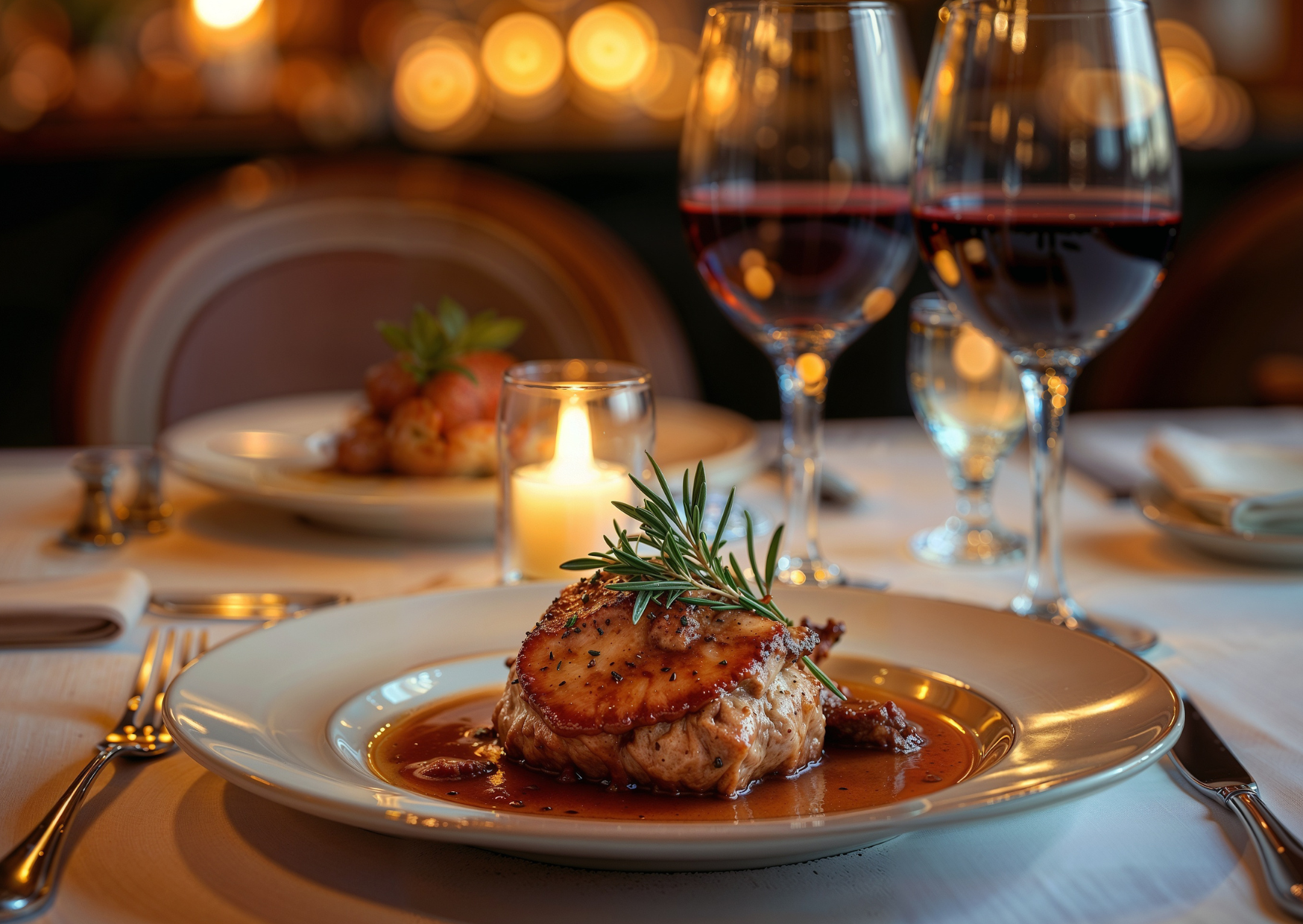
Vouchers are a lunch instrument, not a pocket stipend to stock a bar. At restaurants, they pay for prepared food as part of a meal. At supermarkets, issuers state clearly that vouchers are for groceries in the food category, and many explicitly exclude alcohol from voucher payments. Even where a merchant’s point-of-sale system does not technically block a bottle of wine, company policy and voucher terms can forbid it.
In other words, the fixed-price menu that includes a small pour is a restaurant construct. The voucher lets the employee eat there. The voucher is not designed to buy alcoholic beverages on their own. This is why HR people who work with voucher programs roll their eyes at the idea of a “wine budget.” They budget a face value and the employee chooses a lunch that adheres to the issuer’s rules and the employer’s policy.
Safety And Compliance Without Drama
Two things are true at once. Italian lunch culture is relaxed, and workplace safety obligations are strict. The law imposes a clear ban on consuming alcohol during work for high-risk tasks and allows medical checks for those roles. Many employers extend alcohol-free rules to everyone during working hours to keep policies simple. Office teams that do not touch safety-critical work often operate on a social rule: if you are back at your desk afterward, you stay sharp. That usually means water at lunch, or at most a small glass on a special day.
If you manage a mixed workforce, the cleanest model is policy plus training. Write the rule so it is easy to remember, remind new hires during onboarding, and put the obligation on managers to correct behavior in the moment. When in doubt, water wins.
Local Prices Versus Tourist Prices
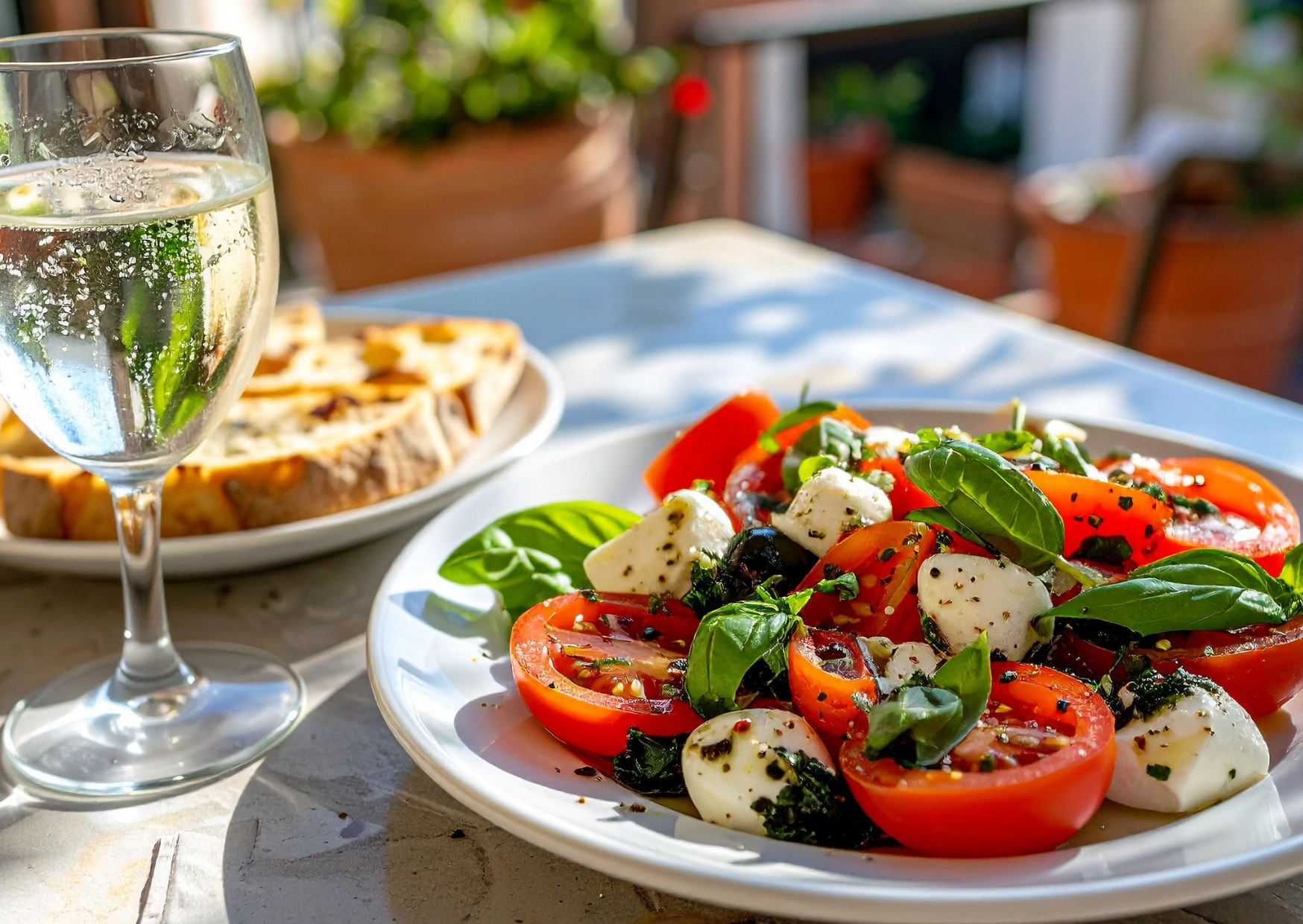
If you learned Italy from weekend trips, your mental picture of lunch prices may be wrong by a factor of two. Tourist core menus in Rome, Florence, and Venice sit higher and usually strip the bundle down to water and coffee. Workday menus in neighborhoods where offices and workshops sit mix in everything a worker expects for a price that a voucher or canteen budget can meet.
A city worker eating on a normal commercial street can find a fixed lunch in the 12 to 18 euro range that includes water and coffee and sometimes a glass. A seafood canteen on the coast may post 15 for a multi-plate tray with water and wine on tap. A simple trattoria in a provincial town does 12 for a first, second, side, bread, coffee, and a small carafe shared by the table. None of this is a loophole. It is the market serving everyday demand.
Numbers In The Wild
Think of a mid-size company in an Italian city that funds lunch with vouchers set at a tax-advantaged value per day. An employee goes to a partner trattoria. The lunch board says 15 euro for first, second, side, water, coffee, and a small pour. The voucher covers most or all of it. The employee eats a full meal and goes back to work. No one wrote “wine” into a reimbursement. No one filed a drinks receipt. The bundle did the work.
Or think of a coastal cafeteria chain that serves a fixed plate at a posted price. Water and wine on tap are included in that price. A construction crew eats there. If they are returning to operate machinery, site rules mean they drink water. If it is a bookkeeper’s birthday and the office team is free of safety roles, someone may raise a tiny glass. The price does not change either way. The responsibility lives with the people.
Or look at a downtown trattoria that prints the workday special with an explicit quarter-liter of wine included. The office across the street has a sober-at-work policy. Staff order the same menu, decline the pour, and pay the same. No conflict. No separate accounting.
Exactly How Companies Keep This Clean

If you are an American manager building in Italy, you do not need to reinvent HR to fit lunch.
Pick your channel and document it. Choose canteen, partnered restaurants, or vouchers. Write a one-page policy that says how lunch is funded and what behavior is expected.
State the working-time rule. Write it in plain language. If employees drive, operate equipment, or do anything safety critical, the rule is zero during working time. If your office is desk-based, write the standard you want. Keep it simple.
Train managers to say it out loud. The first month matters. If a team is new, the habit they see on day three is the habit they keep.
Use vendors that fit your policy. If you run an alcohol-free site, tell the caterer. If you run vouchers, pick an issuer with clear merchant rules and controls that match your policy.
Avoid reimbursement gray zones. Do not reimburse random lunches as travel expenses if a canteen, a partner network, or vouchers cover the need. Reimbursements create accounting friction and policy drift.
Audit calmly. You do not need to police receipts for a thousand tiny pours. You do need to check that canteen invoices and voucher usage look like lunch, not groceries outside the rules.
Costs Nobody Warns You About
Voucher slippage. If your voucher face value is too low for local menus, staff will top up with cash and resent the benefit. If it is too high, you leak budget every day. Match the number to the neighborhood.
Merchant acceptance gaps. Not every great lunch place takes every voucher brand. If uptake is weak near your office, change issuer or add a partner list.
Canteen creep. Menus drift. A contract that started balanced can become carb heavy if no one reviews it. Ask for quarterly menu snapshots and course counts.
Policy confusion after offsites. Teams that see wine at an offsite lunch will assume the same rule Monday at desks. Write the difference down and repeat it.
Safety role drift. If a desk worker moves into a role with site access, update their training and their understanding of the rule. Many accidents live where responsibilities change.
If You Are Running The Numbers

A simple budget exercise shows why the myth of a separate wine budget is unnecessary. Price a 15 euro fixed lunch that includes water, bread, coffee, and a small pour. Price the same meal without the glass. The difference on the restaurant side is marginal at scale. The restaurant earns a few cents less if you decline the pour, a few cents more if you accept it. HR pays the same unit price either way because the menu is designed to be simple and fast for hundreds of covers. The economics work because service speed, predictable demand, and low back-office costs matter more than a tiny change in beverage cost.
Now compare that to reimbursing individual receipts for separate items. Accounting time climbs, tax treatment muddies, and people game the policy. A bundled menu and a per-meal budget solve ten problems with one price.
The Banking And Tax Angle For Multinationals
Foreign HR teams sometimes want to reimburse line items to keep control. In Italy, you are better off using local rails. Fund a canteen contract, deploy meal vouchers at the tax-advantaged ceiling, or use a diffused canteen with negotiated menus. The tax treatment of vouchers and canteen meals is favorable up to clear thresholds when delivered in kind. Reimbursing free-form receipts risks turning lunch into taxable income for the employee and non-deductible spend for the company if paid the wrong way. A local payroll provider and your accountant will square this for your exact setup.
Why This Works Behind The Scenes
Italian lunch is designed around time and restoration. The system optimizes for getting hundreds of people fed in under an hour without making lunch a second job. The bundle price stabilizes demand and speed. Cultural norms allow a modest glass with food without turning lunch into a celebration. Safety rules draw hard lines where they matter most. HR does not need to micromanage liquids. HR needs to choose the right funding mechanism, set a simple policy, and match vendors to that policy.
Before You Roll This Out At Your Office
- Decide on canteen, partner restaurants, or vouchers.
- Set a per-meal budget that matches local menus within walking distance.
- Write a one-page working-time alcohol rule that a new hire can repeat word for word.
- Tell your vendor the rule. If you run zero during working hours, the refectory pours water.
- Train managers to correct drift quickly and quietly.
- Review quarterly. If menus slide or merchants disappear, adjust.
Next Steps This Week
Today. Walk the block around your office at noon. Photograph five lunch boards with prices and inclusions. That is your real market, not a guess.
Within 48 hours. Pick your funding channel. If you already run vouchers, check the face value against those boards. If it is off by more than a euro, adjust.
By Friday. Draft the one-pager. Include the lunch mechanism, the working-time rule, and who to ask when something feels off.
Next week. Meet your vendor or issuer. Confirm the policy match and any controls you want. If you run a canteen, ask to see a month of menus and course counts.
End of month. Pulse survey staff about speed, quality, and clarity. Fix the one biggest friction point. Repeat every quarter.
Italian office lunches look relaxed because the system around them is tight. Price, policy, and culture line up so a normal meal can be fast, decent, and, in many places, quietly include a small glass at the table. HR does not buy the wine. HR buys lunch. The menu, the rules, and the people do the rest.

About the Author: Ruben, co-founder of Gamintraveler.com since 2014, is a seasoned traveler from Spain who has explored over 100 countries since 2009. Known for his extensive travel adventures across South America, Europe, the US, Australia, New Zealand, Asia, and Africa, Ruben combines his passion for adventurous yet sustainable living with his love for cycling, highlighted by his remarkable 5-month bicycle journey from Spain to Norway. He currently resides in Spain, where he continues sharing his travel experiences with his partner, Rachel, and their son, Han.