
And what it reveals about rhythm, water culture, and a very different understanding of what it means to be “clean”
If you’ve ever stayed in a European home — whether it’s an Airbnb in Marseille, a cousin’s flat in Madrid, or a family friend’s cottage in Tuscany — chances are, you’ve been baffled by something so basic, so ordinary, that you were embarrassed to ask.
The way people shower.
It’s not that Europeans don’t shower — they absolutely do. But the timing, frequency, water temperature, sequence, and attitude around the whole routine feels… off to many American guests.
They may shower at night instead of in the morning. They don’t always wash their hair. The bathroom stays wet for hours. And they don’t even turn the water on right away — sometimes they just stand there, soaping up with the water off.
To Americans, who often treat the shower like a daily reset button — hot, fast, full-body, and part of a larger hygiene narrative — the European version can feel incomplete, inconvenient, or just plain strange.
Here’s the real reason European shower habits baffle American visitors — and what those differences reveal about deeper cultural values around the body, water, and routine.
Want More Deep Dives into Everyday European Culture?
– Why Europeans Walk Everywhere (And Americans Should Too)
– How Europeans Actually Afford Living in Cities Without Six-Figure Salaries
– 9 ‘Luxury’ Items in America That Europeans Consider Basic Necessities
Quick Easy Tips
Ask Before You Assume – If staying in a local home, ask how the shower works. Each setup can be different.
Adapt with Travel Gear – A simple suction cup holder or universal plug can make foreign bathrooms easier to manage.
Go with the Flow – Instead of comparing, take it as a cultural experience that adds to the uniqueness of your trip.
Conserve Water – Europeans often design showers with conservation in mind. Follow their lead to save resources.
Don’t Overthink It – A different shower routine doesn’t mean a worse one—just a new way of approaching daily life.
One of the biggest debates is whether American expectations of long, hot showers are wasteful luxuries or simply a different cultural standard. Europeans often see this as excessive, pointing to their own methods as more eco-friendly and practical. This can spark tension when Americans dismiss European setups as “inferior.”
Another controversial layer is class and modernity. Some Americans assume handheld showerheads or smaller bathroom setups signal outdated infrastructure, while Europeans argue it reflects thoughtful design and resource management. What one culture sees as inconvenient, another sees as efficient.
Finally, the debate reveals deeper cultural divides: Americans often value comfort and convenience above all else, while Europeans lean toward sustainability and tradition. The shower becomes more than just a bathroom habit—it becomes a reflection of what each culture prioritizes in daily life.
1. Showering at Night Is the Norm — Not the Exception
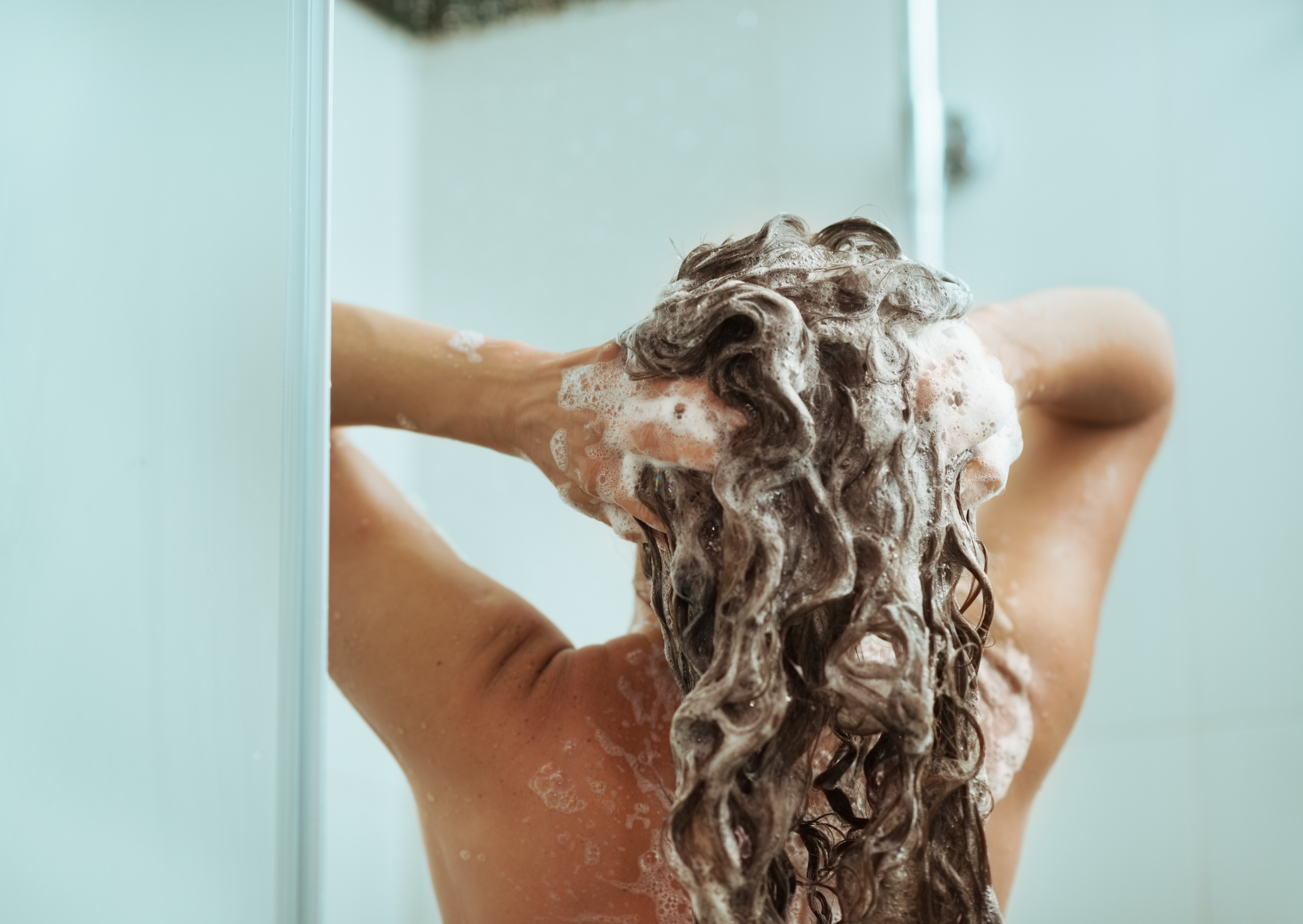
In much of the U.S., people are trained to shower first thing in the morning. It’s about waking up, feeling fresh, and starting the day clean.
In Europe, particularly in Mediterranean countries, the default is to shower at night — after work, after errands, after coming in from the heat or dust.
The logic is clear: you wash off the day before bed. You don’t bring the outside world into your sheets.
To Americans, this feels backward. Why start the day without a shower?
To Europeans, it’s strange to get into bed dirty — and wasteful to shower twice.
2. Hair Isn’t Washed Every Time — And No One Thinks That’s Gross
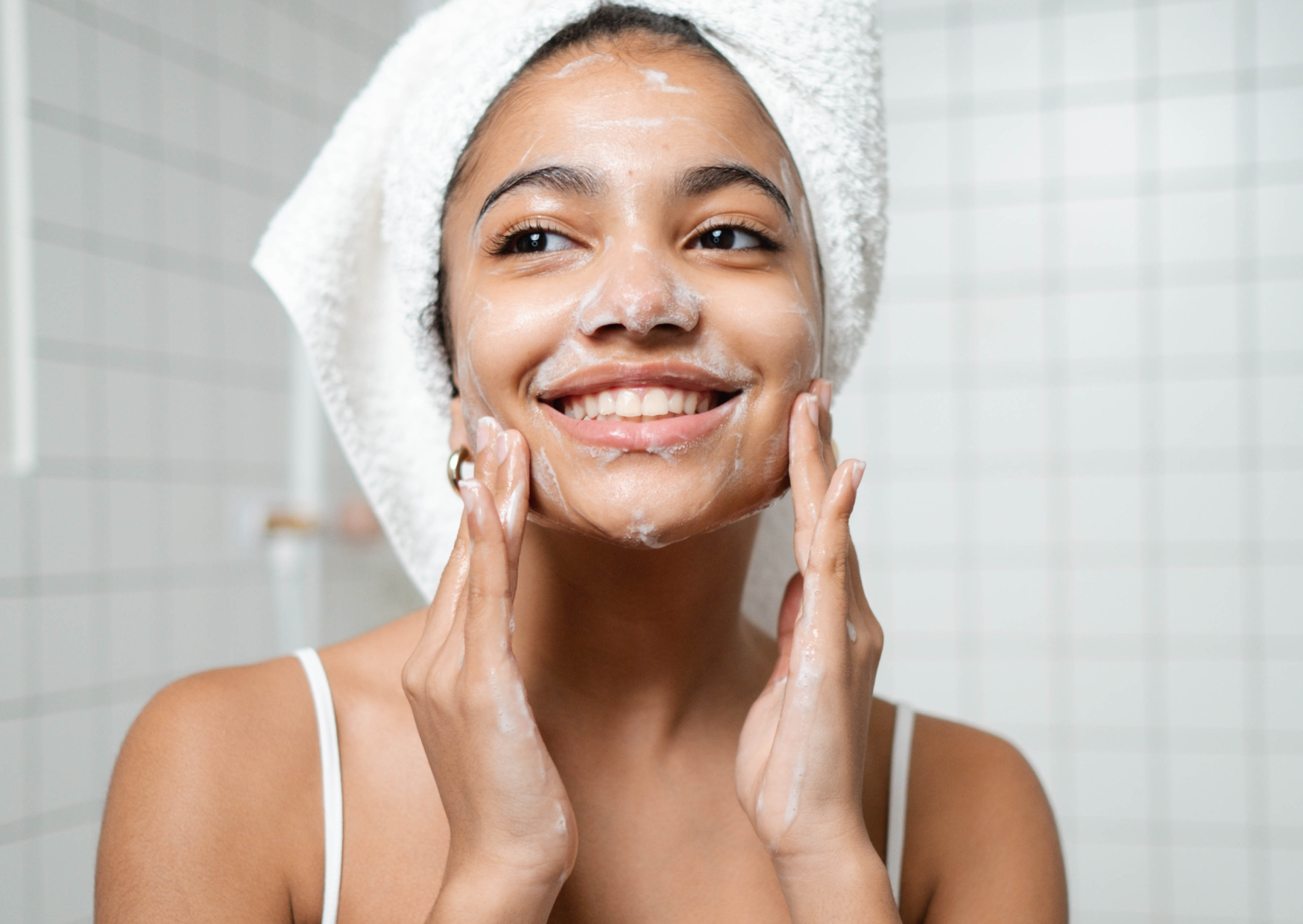
In the U.S., many people wash their hair daily — or at least assume that others do. Shampoo is often a default part of the shower sequence.
In Europe, hair-washing happens every few days, sometimes just once or twice a week.
The reason? Scalp health, water conservation, time, and tradition.
Dry shampoo is common. So is simply rinsing without lathering.
Americans often worry about smelling bad or looking unkempt.
Europeans trust the process — and don’t assume cleanliness must come with bubbles.
3. The Water Isn’t Always Running — And That’s on Purpose
One of the biggest shocks for Americans is watching someone turn off the water mid-shower.
In Europe, many people practice what’s called “military style” or “eco-style” showering:
- Wet your body
- Turn off the water
- Soap up completely
- Turn the water back on to rinse
It’s fast. It saves water. And it’s deeply embedded in cultural routines — especially in countries where water scarcity or high utility costs are part of life.
To Americans, it feels like a hassle. To Europeans, it’s just how you avoid wasting 10 minutes of hot water.
4. Shower Curtains Don’t Exist — Or They Only Cover Half
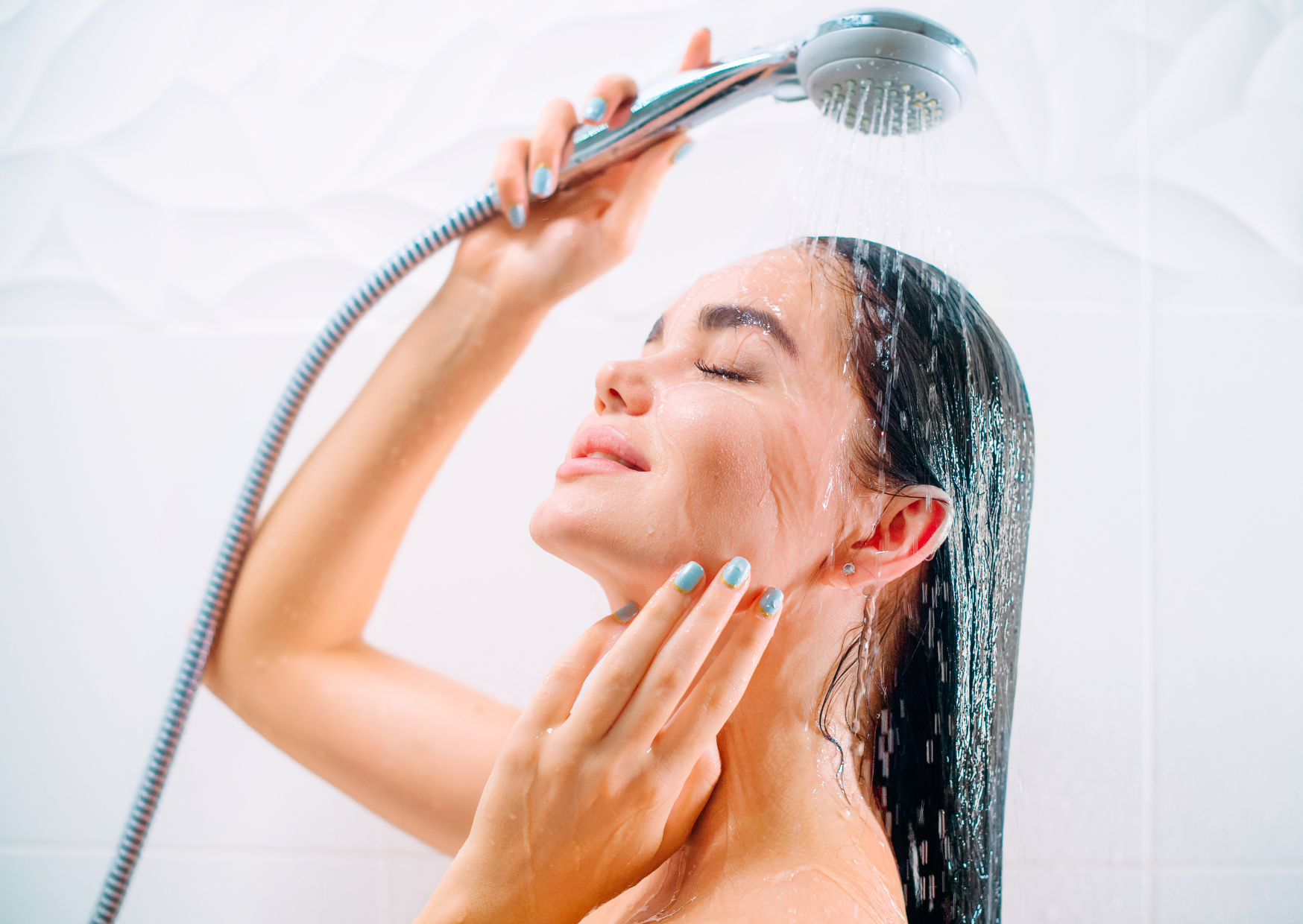
American guests are often stunned by European shower setups. The most common complaint?
“The water goes everywhere.”
That’s because many European showers come with:
- No curtain at all
- A half-glass wall that doesn’t pivot
- A handheld sprayer that’s mounted low
- A floor that’s not fully sloped toward a drain
The result? Water sprays onto the floor, the sink, sometimes even out the door.
But Europeans don’t stress about it. There’s a mop in the corner. Towels go on the floor. You step around the puddles. No big deal.
To Americans, this feels like poor design. To Europeans, it’s a trade-off for flexible, open space.
5. Hot Water Isn’t Taken for Granted
Many European homes, especially older ones, rely on small water heaters — either electric tanks or gas units that heat water on demand.
The tank might only hold 30–50 liters. That means:
- You shower quickly
- You wait between showers
- You don’t run hot water while doing laundry
Running out of hot water isn’t a crisis. It’s part of the rhythm.
In American homes, where 80-gallon tanks and unlimited hot showers are the norm, this feels restrictive.
But in Europe, people build routines around availability, not abundance.
6. Shower Frequency Is Flexible — Not Fixed
In the U.S., daily showering is standard — even twice a day for some.
In Europe, showering is based on activity, temperature, and need — not obligation.
You might shower in the evening after a long walk. Or skip it entirely if the day was cool and calm. You might wash your face and underarms at the sink and save a full rinse for tomorrow.
It’s not laziness. It’s efficiency without shame.
This doesn’t mean Europeans are unclean. It means they see cleanliness as situational, not performative.
7. Bathroom Floors Are Meant to Get Wet
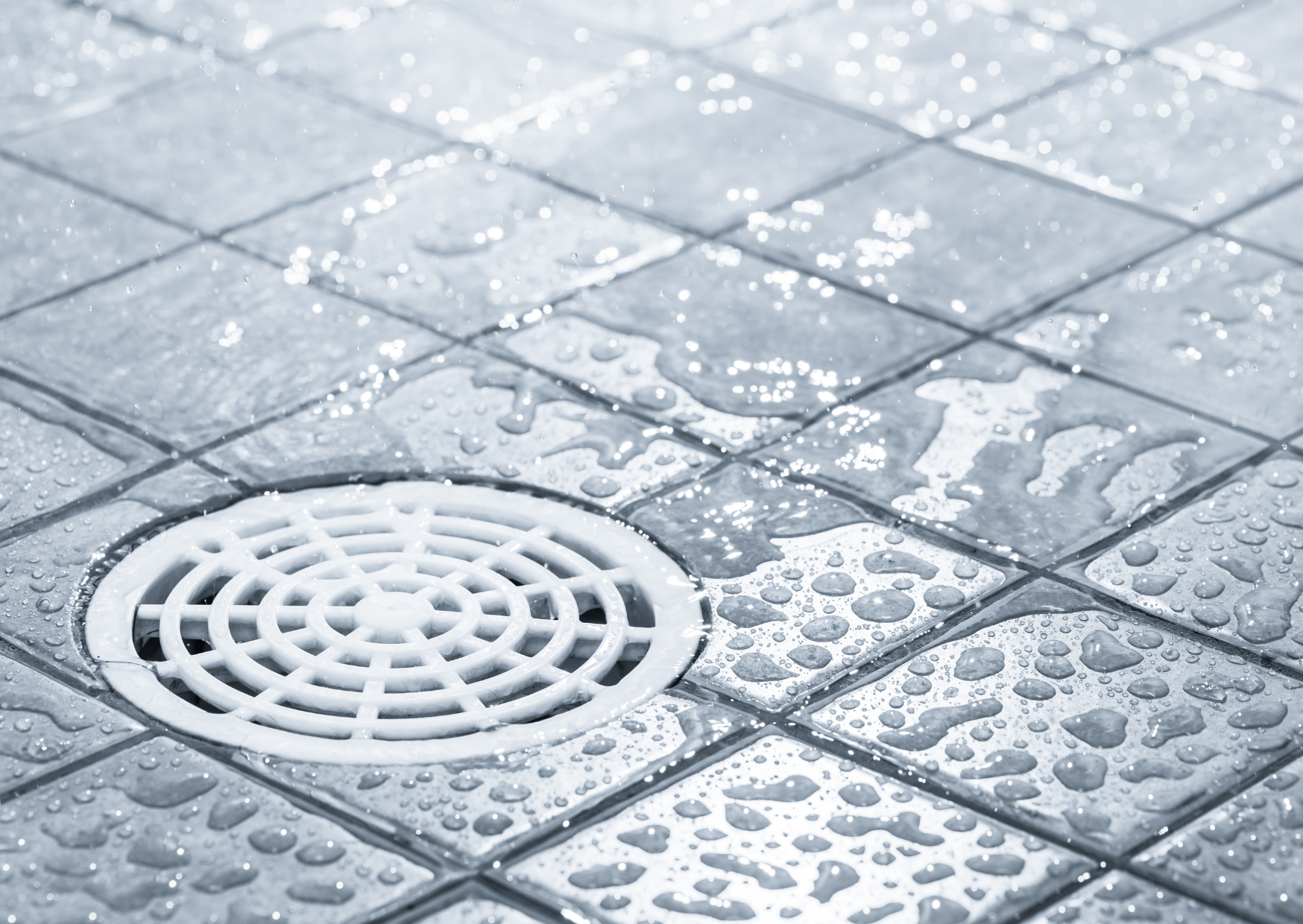
In the U.S., a wet bathroom floor is considered a hazard — or at least poor hygiene.
In Europe, bathrooms are often built with fully tiled floors, wall drains, and an understanding that the floor will get wet.
People step out of the shower without mats. They dry off inside the bathroom. The room gets steamy, messy, and humid — and then they air it out.
The idea that water needs to be perfectly contained? It’s not a priority.
8. Shared Bathrooms Mean Shared Space — and Shared Patience
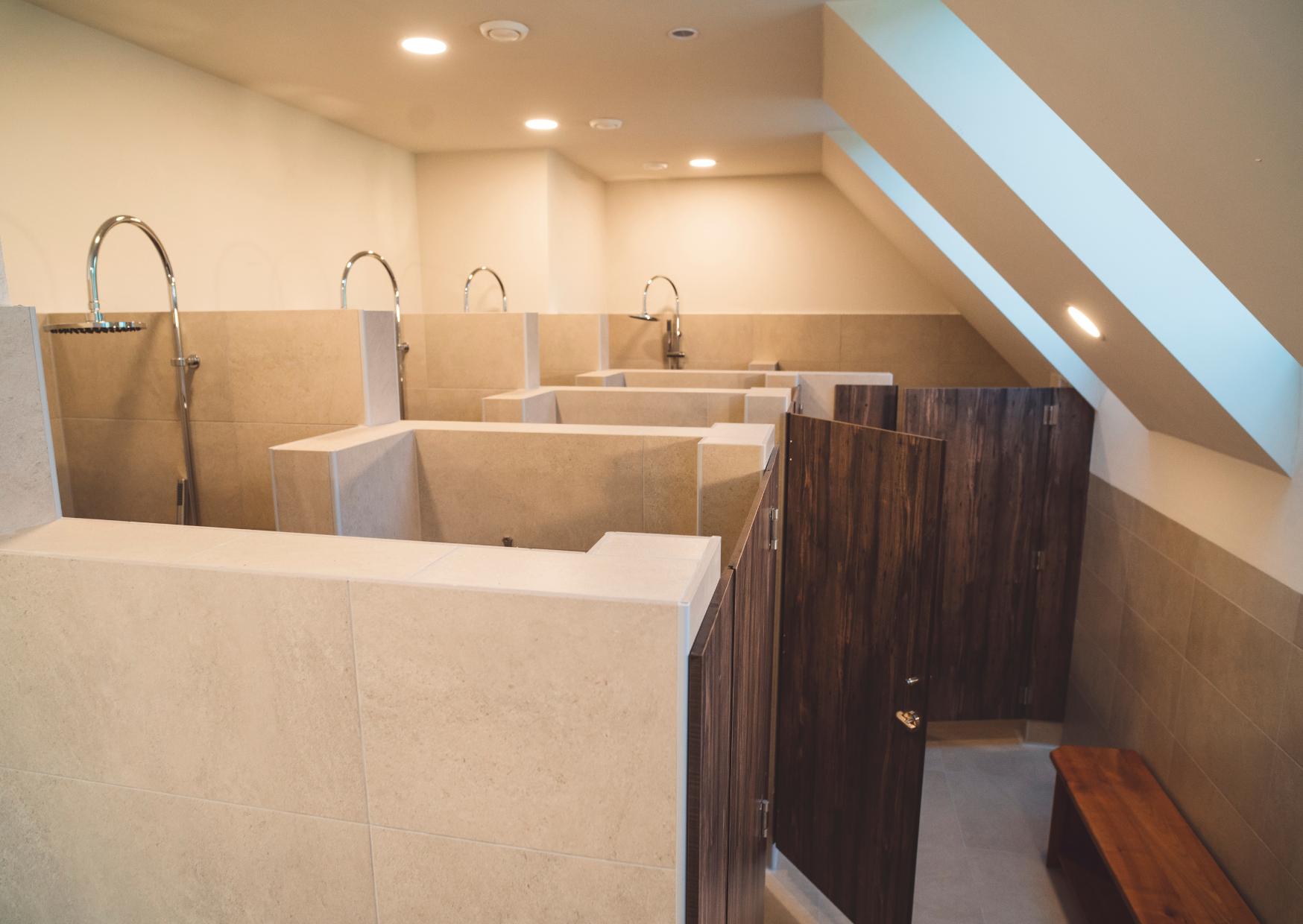
Many European families share one bathroom. That means:
- You wait your turn
- You take quick showers
- You don’t monopolize the sink
- You don’t expect privacy for 45 minutes
In American homes with multiple bathrooms, long, private, spa-like showers are normal. In Europe, shower time is often about consideration and cooperation.
If someone knocks while you’re showering? You move faster.
If hot water is low? You let someone else go first.
The bathroom is not your sanctuary — it’s part of the household.
9. No One Is Timing You — Because No One Is Performing
American shower culture, especially in recent years, has been shaped by wellness trends, product marketing, and social media rituals.
“Shower routines” are filmed. Products are displayed. People talk about steamers, scalp brushes, and mood lighting.
In Europe, showers are private, unspoken, and unperformative.
There are no eucalyptus bundles. No step-by-step TikTok tutorials. No pride in having an “everything shower.”
You rinse, clean, dry off — and get on with your day.
One Bathroom, Two Philosophies
To Americans, the European shower habit seems rushed, awkward, and missing key luxuries.
Where’s the pressure? The control? The routine?
To Europeans, the American shower feels excessive. Wasteful. Centered around hygiene theater, not actual needs.
In the U.S., the shower is part of your identity.
In Europe, the shower is just a tool — used when needed, without commentary.
So if you find yourself in a European home, watching your host soap up with the water off, drying off next to a mop, and wearing the same towel-dried hair for the third day in a row — don’t judge it.
They’re not skipping steps.
They just don’t see the point in making a ceremony out of being clean.
At first glance, the European approach to showering can feel confusing or even impractical for American visitors. But once you take a step back, it becomes clear that habits aren’t necessarily better or worse—they’re simply shaped by culture, infrastructure, and history. What seems odd in one country may feel perfectly normal in another.
Travel is about embracing these differences rather than resisting them. Understanding why Europeans might shower differently—from shorter showers to handheld fixtures—opens the door to appreciating how resourcefulness, tradition, and design play roles in everyday life.
Ultimately, the “strangeness” of European shower habits says more about American expectations than it does about European practices. By keeping an open mind, visitors can learn not just about hygiene differences but about broader cultural values like conservation, efficiency, and practicality.

About the Author: Ruben, co-founder of Gamintraveler.com since 2014, is a seasoned traveler from Spain who has explored over 100 countries since 2009. Known for his extensive travel adventures across South America, Europe, the US, Australia, New Zealand, Asia, and Africa, Ruben combines his passion for adventurous yet sustainable living with his love for cycling, highlighted by his remarkable 5-month bicycle journey from Spain to Norway. He currently resides in Spain, where he continues sharing his travel experiences with his partner, Rachel, and their son, Han.