
Keys in hand, Adriatic on the horizon, calculator open. As of September 2025, Croatia’s new annual property tax is already live. January was the switch-on. The next hard date you live under is March 31 each year, when owners report changes that affect the bill. If you were counting on the old “holiday home” rules or fuzzy classifications to soften the hit, that era is over.
You do not need folklore. You need the rules that actually decide your invoice: who pays the annual tax, who does not, how municipalities set the euro-per-square-meter rate, what still reduces your bill without drama, and which habits from the pre-2025 world no longer work. If you own a Croatian flat or you are about to buy one, this is the clean, owner-grade map.
What Changed On January 1, 2025
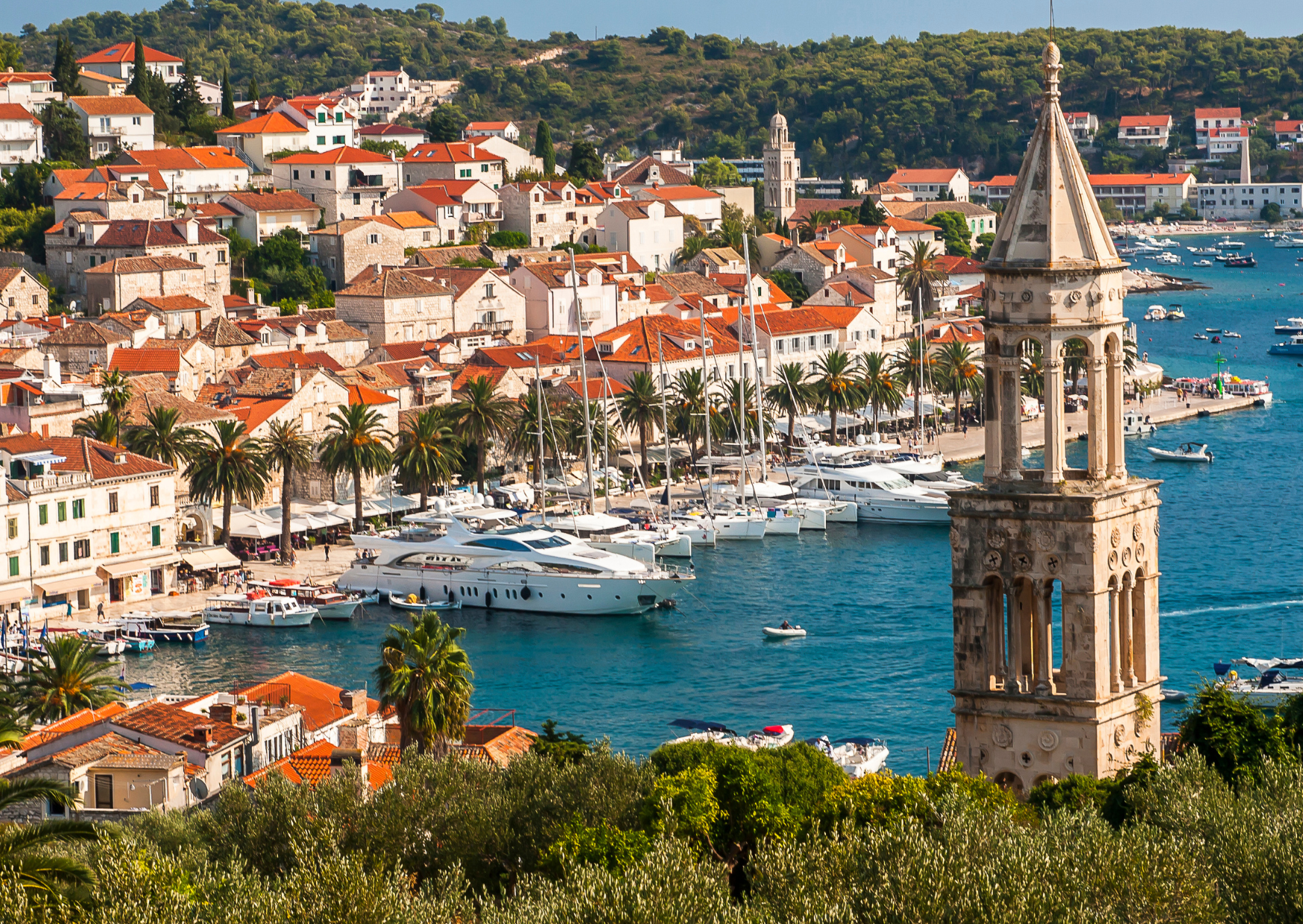
Croatia replaced the old holiday-home levy with a single, annual property tax that covers residential units across the country. The rate is per square meter of usable area and is set by each municipality or city inside a national band. Primary homes can be exempt. Properties that meet clearly defined long-term-use conditions can be exempt. Everything outside those lanes is now on the grid.
Two consequences matter for Americans:
- The “I’ll keep it empty and invisible” posture no longer matches how assessments are built or how data is shared.
- Municipalities publish the rate and apply it to the square meters they have on file. Your job is to make sure those meters and use-type facts are accurate and to keep them updated by the annual deadline.
If you bought before 2025 and lived through the holiday-home era, this is simpler, broader, and harder to game.
What You Actually Pay (And Why It Varies By Street)
The annual bill is rate × usable square meters. The rate sits inside a national range and is picked by your municipality based on local policy. Attractive tourist belts tend to pick higher rates than inland towns. Within a city, zones can differ. That is the entire model. No complicated millage charts, no eyes-glaze math.
What drives your specific number:
- Square meters on the land registry and municipal rolls. If your attic was converted to living space years ago and never recorded, you will feel it when the records catch up.
- Declared use on March 31: primary residence, long-term rented, or “other.” Primary residence and certain long-term rental conditions can be exempt locally.
- Municipal rate for your zone in the current year. This is published and stable for the year once set.
The unpleasant surprise many owners felt in spring 2025 did not come from a secret surcharge. It came from square meters and use-type that were never cleaned up.
The Old Moves You Can’t Use Anymore

There are four.
Calling a coast flat a “holiday home” and assuming a token levy. The dedicated holiday-home tax is gone. The new annual tax applies broadly, with exemptions carved precisely. If you are not a primary resident and you do not meet the long-term-use terms, you sit in the taxable bucket.
Leaving a unit empty and hoping to disappear. Empty is now often the worst position: you pay the annual tax and you get no rental income. The system is built to push idle housing toward real, year-round use.
Declaring fantasy sizes. Municipal systems are aligning usable area. Unrecorded lofts, glazed loggias, and casual expansions surface when utilities, building registries, and cadastre data reconcile. Fix your paperwork before the bill does it for you.
Treating “short-term rental” like a neutral choice. Cities on the Adriatic have made clear they want long-term availability. Some local rules still allow short-term, but the default incentive is now year-round housing, not perpetual mini-hotel status.
If any of those were your unspoken plan, consider this your nudge to pick a compliant lane instead.
Who Still Pays Zero (Legitimately)
Two lanes remain clean and defensible, and they are the lanes policy intended to protect.
Primary residence. If the unit is your main home under local rules, many municipalities exempt it. That status is not automatic; you document it and keep it current.
Long-term availability. Properties made genuinely available for long-term rent (for example, on lease terms that meet a minimum annual availability window) can be exempt locally. This aims to put apartments back into the year-round pool for residents. The details are municipal, but the spirit is the same across Croatia: long-term use is favored.
Everything else is a pay lane. If you hold a second home for seasonal use or you run high-churn short-term stays, plan for the bill.
The Setup Most U.S. Owners Use Now

If you are a U.S. citizen with a Croatian flat, you will recognize this pattern in 2025:
- Keep your ownership data clean across cadastre and land registry.
- Choose a use lane: primary residence (if you are actually a Croatian resident there), long-term rental, or other.
- Know your municipality’s euro-per-square-meter rate for your zone.
- Put the March 31 owner-update deadline on your calendar every year to report changes that affect the tax (use status, usable area changes, exemption proofs).
- Budget for the annual invoice and pay it on time.
- If you rent, keep your lease documentation tidy and, where required, recorded, so your exemption claim does not bounce.
That is the whole structure. Not romantic, very workable.
The Exact Documents You’ll Be Asked For
You will save weeks by assembling these once and refreshing them yearly.
- Land registry extract and cadastre plan reflecting current ownership and usable area.
- Personal IDs for owners, plus OIB (Croatian personal identification number).
- Primary residence proof if you are claiming that lane: residence certificate, utility bills, or other local proofs that your municipality accepts.
- Lease agreements and, where applicable, proof the unit was available or let as a long-term rental under the municipality’s conditions.
- Change statements if you renovated and altered usable area.
- Tax administration notices from prior years, so staff can see history at a glance.
Names must match across everything. If you changed your name, update the land book and the OIB register before you ask for an exemption.
If You’re Running The Numbers
A simple way to model your 2026 bill right now:
- Confirm square meters from the land registry (usable area for the tax base).
- Pull this year’s municipal rate in €/m² for your zone. (It will likely sit somewhere in the nationally published band.)
- Multiply rate × meters for the gross number.
- Apply your lane: if you are primary residence or qualifying long-term, model the local exemption; otherwise, keep the gross number.
- Stress-test: add 10 percent to cover next-year rate shifts or corrections to square meters. If the result still fits your budget, you are fine. If not, pick a lane that changes status.
This is not financial engineering. It is two numbers and a status box.
Exactly How To Reduce The Bill Without Games

Make it a real home. If you can genuinely establish primary residence under local rules, do it and document it. This is the cleanest, most durable zero.
Commit to long-term. If the unit is a rental, shift from short-term churn to a documented long-term lease that meets the availability window your city requires. Keep the paperwork. When in doubt, ask your municipality what they accept as proof.
Fix the meters. If your recorded usable area is wrong, correct the record. Owners who do this before a rate hike or before a cross-check save headaches later.
Do not straddle categories. Mixing short-term months with vague “availability” the rest of the year is what municipalities wrote rules to reject. Pick one.
Know your city. Dubrovnik is not Osijek. Split is not Varaždin. The band is national, the rate is local. If you own in multiple cities, build a small table per unit.
Common Mistakes U.S. Owners Still Make

Assuming a January headline equals your rate. January was when the law went live. Your rate lives in a municipal decision. Check your city’s number, not a national article.
Missing the March 31 owner update. If you change use or finally recorded your attic conversion and forget to file, the system assumes old facts. You pay for that.
Calling short-term “long-term.” Cities know what long-term looks like. Your lease must, too.
Ignoring the OIB and registry name match. If your passport, OIB registration, and land book do not match, exemptions can stall. Fix identities first.
Treating the invoice as optional. Late-payment penalties and interest are real. Cities notice repeat offenders.
Expecting a U.S.-style appeal track. Croatia’s process is more administrative and document-led. If you want a different outcome, bring better documents.
The American Angle: U.S. Taxes And Cash Flow
Your annual Croatian property tax is a foreign real estate tax, not a U.S. federal income-tax credit item in most cases. For U.S. returns, this usually sits as a foreign real property tax that may or may not be deductible depending on your filing situation and current U.S. limits. If you rent the unit, report the rental income and allocate Croatian costs against it on your U.S. return; if you are claiming a treaty benefit on rental income taxed in Croatia, keep certificates. The point is simple: the Croatian bill is not a U.S. afterthought. Put it on your annual organizer so you do not discover it in April.
On cash flow, the new annual tax replaces a patchwork. Many owners now prefer one purposeful lane (primary or long-term) to reduce uncertainty and to keep the property productive. An empty coastal flat under the new rules is a lifestyle choice with a carrying cost. Price it honestly.
What To Watch Next
- Municipal rate moves. Councils can reset within the national band each year. Expect minor drift, not shocks, but build a cushion anyway.
- Documentation tightening. Cities will refine what they accept as proof for long-term availability. Keep leases standard and recorded where required.
- Data reconciliation. Utilities, cadastre, and land book data continue to sync. If your meters or use are out of step, assume discovery, not invisibility.
- National tweaks. The framework is young. Expect clarifications, not U-turns. Follow your city hall’s notices, not social media.
The €-By-€ Example (So You Can Sanity-Check)
A 62 m² apartment in a coastal municipality picks up a €4.50/m² rate for 2025.
- Primary residence documented: €0 under the local exemption.
- Long-term rental meeting the city’s availability rule: €0 under the local exemption.
- Empty/seasonal use: €279 for the year, payable on the city’s schedule.
Shift the rate to €2.20/m² in a less touristy town and the empty/seasonal line drops to €136.40. The math is the same everywhere: meters × rate, then check your lane.
The Exact Steps Between Now And March 31

Today
- Pull your land-book extract and cadastre plan. Confirm usable meters.
- Note your municipality’s 2025 rate for your zone. Start a simple sheet with property, meters, rate, and lane.
This week
- Decide the lane for each unit: primary residence, long-term rental, or other.
- If long-term, get your lease into compliant shape and, where required, recorded.
- If your recorded meters are wrong, begin the correction process now.
By month-end
- Assemble your proof pack: IDs, OIB, residence proof or lease, change statements.
- Put March 31 on the calendar with a reminder one month prior. That is your annual window to report facts that change the tax.
Every year
- In January, read your city’s rate decision when it posts.
- By March 31, file any owner updates that affect the assessment.
- When the invoice arrives, pay on time. File the receipt in your U.S. organizer if you rent the unit.
This is a paperwork rhythm, not a cliff. Once you put the property into a clear lane and keep your file clean, the annual bill becomes another predictable line in your life on the coast.

About the Author: Ruben, co-founder of Gamintraveler.com since 2014, is a seasoned traveler from Spain who has explored over 100 countries since 2009. Known for his extensive travel adventures across South America, Europe, the US, Australia, New Zealand, Asia, and Africa, Ruben combines his passion for adventurous yet sustainable living with his love for cycling, highlighted by his remarkable 5-month bicycle journey from Spain to Norway. He currently resides in Spain, where he continues sharing his travel experiences with his partner, Rachel, and their son, Han.