
And why they keep doing it — not for praise or performance, but for pride, rhythm, and something older than convenience.
American mornings are designed for speed.
Smoothie in a blender. Children dressed in the car. One eye on the news, the other on traffic. The goal is to get out the door — ideally fed, clothed, and relatively calm.
In much of Italy, the start of the day moves differently.
It’s not slow, exactly. But it’s layered. Intentional. Often physically demanding. And nearly always focused on setting up the home and the family for the day ahead — before the woman herself gets to sit down.
Spend time with Italian mothers, especially in smaller towns or traditional families, and you’ll notice something: their morning routine is less about self-care and more about an unspoken choreography that holds the household together.
To an outsider, especially an American used to efficiency, it can seem exhausting.
To them, it’s just the way it’s done.
Here’s what that routine actually looks like — and why it continues, generation after generation, even in 2025.
Want More Deep Dives into Everyday European Culture?
– Why Europeans Walk Everywhere (And Americans Should Too)
– How Europeans Actually Afford Living in Cities Without Six-Figure Salaries
– 9 ‘Luxury’ Items in America That Europeans Consider Basic Necessities
Quick Easy Tips
Prep the Night Before – Lay out clothes, prep breakfast ingredients, and plan school bags to lighten the morning load.
Simplify Meals – You don’t need three homemade dishes—focus on one fresh element, like fruit or yogurt, to add balance.
Borrow, Don’t Copy – Adopt small aspects of the Italian approach, like a sit-down breakfast once a week, instead of the entire routine.
Time Boundaries – Set a fixed time for each task to prevent the morning from spiraling into chaos.
Involve Everyone – Share tasks with children or partners so the routine feels less like a burden and more like teamwork.
One controversial point is whether these morning routines are empowering or oppressive. Critics argue that the pressure on Italian mothers to do everything perfectly—cooking, dressing children immaculately, and managing the household—reinforces outdated gender roles.
Others counter that these routines are not about subjugation but about cultural pride and maintaining traditions. For many Italian mothers, the effort is a way of showing care and instilling values in their children, not just fulfilling expectations.
Finally, there’s debate about sustainability. In modern Italy, where many women balance careers with family life, the question remains: is this morning routine still practical, or does it create unnecessary stress? The clash between tradition and modernization makes this topic a cultural flashpoint.
1. The Day Starts Early — But Not for Exercise

In many American homes, early mornings are reserved for personal time. A solo run. A podcast and coffee. A few quiet moments before the kids wake up.
Italian mothers often wake up just as early — but it’s not for “me time.”
It’s to open the shutters, air out the bedrooms, start the coffee pot, and get ahead of the domestic day.
Even in cities, there’s a ritual to opening the windows.
In the countryside, it might also include feeding chickens, tending to herbs, or checking on the garden before the sun gets too high.
This isn’t about productivity tracking. It’s about rhythm.
The day has a structure, and it begins with caring for the home — not the phone.
2. Breakfast Is Served — Not Grabbed
In most American families, breakfast is individual.
Cereal. A bar. Coffee from a travel mug. Eat what you want, when you can.
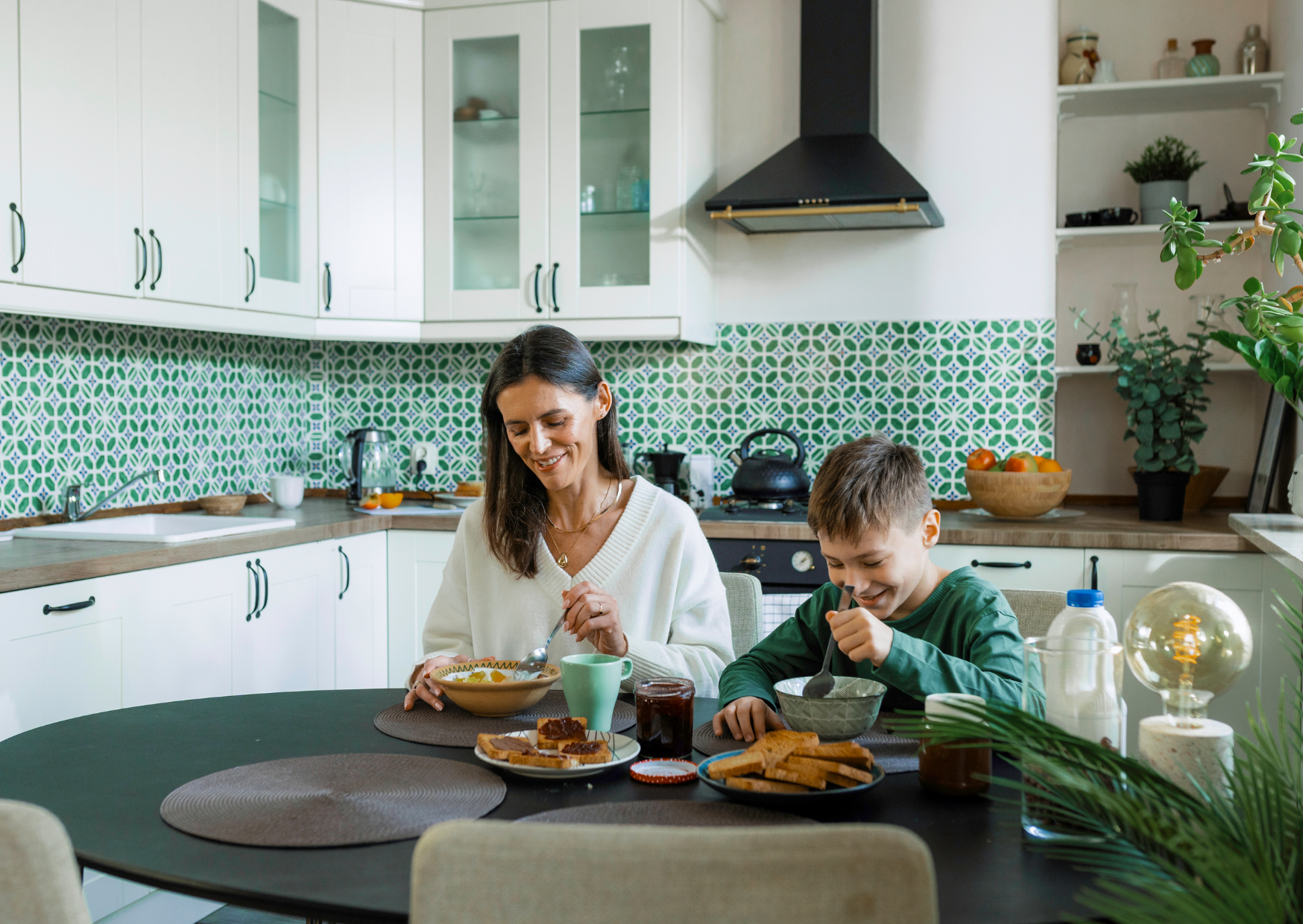
In Italy, colazione (breakfast) is often shared.
Even if it’s small — just biscuits and milk for the children, a cornetto and coffee for the adults — it’s served, usually by the mother, and eaten at the table.
She knows who likes honey in their tea.
Who wants their toast with Nutella.
Which child refuses warm milk and which one wants it with cinnamon.
It’s not extravagant, but it’s personal.
And it’s made — not bought.
3. Clothes Are Prepared — Ironed, If Necessary
Wrinkled T-shirts and athletic wear might pass in many American households. But Italian mothers often insist on dressed and pressed, even for school drop-offs.
Shirts get ironed.
Uniforms checked for stains.
Shoes wiped down.
Jackets buttoned and scarves tied in just the right way.
This isn’t about vanity. It’s about decoro — a word that roughly translates to dignity or presentation.
Children should look cared for. Adults, too.
Even if it’s just for a ten-minute walk to the school gates.
4. The Kitchen Is Cleaned Before Anyone Leaves
In American homes, the post-breakfast mess often waits until later — after school runs or work meetings.
In Italy, many mothers won’t leave the house with a messy kitchen.
Counters are wiped.
Plates are hand washed or loaded properly.
The moka pot is rinsed and dried.
The floor might even be swept — especially if there are crumbs.
It’s not obsessive. It’s cultural.
The house is seen as an extension of oneself.
If someone stops by — a neighbor, a delivery — the kitchen must reflect order.
5. Beds Are Made. Bedrooms Are Aired.
This is non-negotiable in many homes.
Beds are not left unmade.
Sheets are pulled tight.
Pillows arranged.
Sometimes duvets are folded over the end of the bed to let the mattress breathe.
In the meantime, windows are open to let out the stale air from the night.
There’s a sense that fresh air and a made bed set the tone for the whole day.
No one may see it — but it’s still done.
6. Children Are Accompanied, Not Just Dropped Off

In American cities and suburbs, many children are driven to school or ride the bus. Parents may wave goodbye without leaving the car.
In Italy, particularly in small towns, it’s common for mothers to walk their children to school — sometimes even into the building or all the way to the classroom door.
Along the way, there’s conversation. Maybe a stop at the bar (café) for a coffee. Sometimes a hello to other mothers or shopkeepers.
It’s not rushed. It’s relational.
The school drop-off is as much about social life and ritual as it is logistics.
7. Groceries Are Bought Fresh — Often Daily

In the U.S., the average household shops once or twice a week. Big trunk loads. Lists and meal prep.
Italian mothers, even those who work outside the home, often stop at a market, bakery, or butcher daily.
Freshness matters.
Tomatoes should be ripe today.
Bread should still be warm.
Meat is chosen with the meal in mind — not from frozen inventory.
And it’s not always a chore. It’s part of the rhythm.
You talk to the butcher. You ask the baker what’s good.
Shopping is social. Seasonal. A small pleasure.
8. Laundry Isn’t “Done Later”
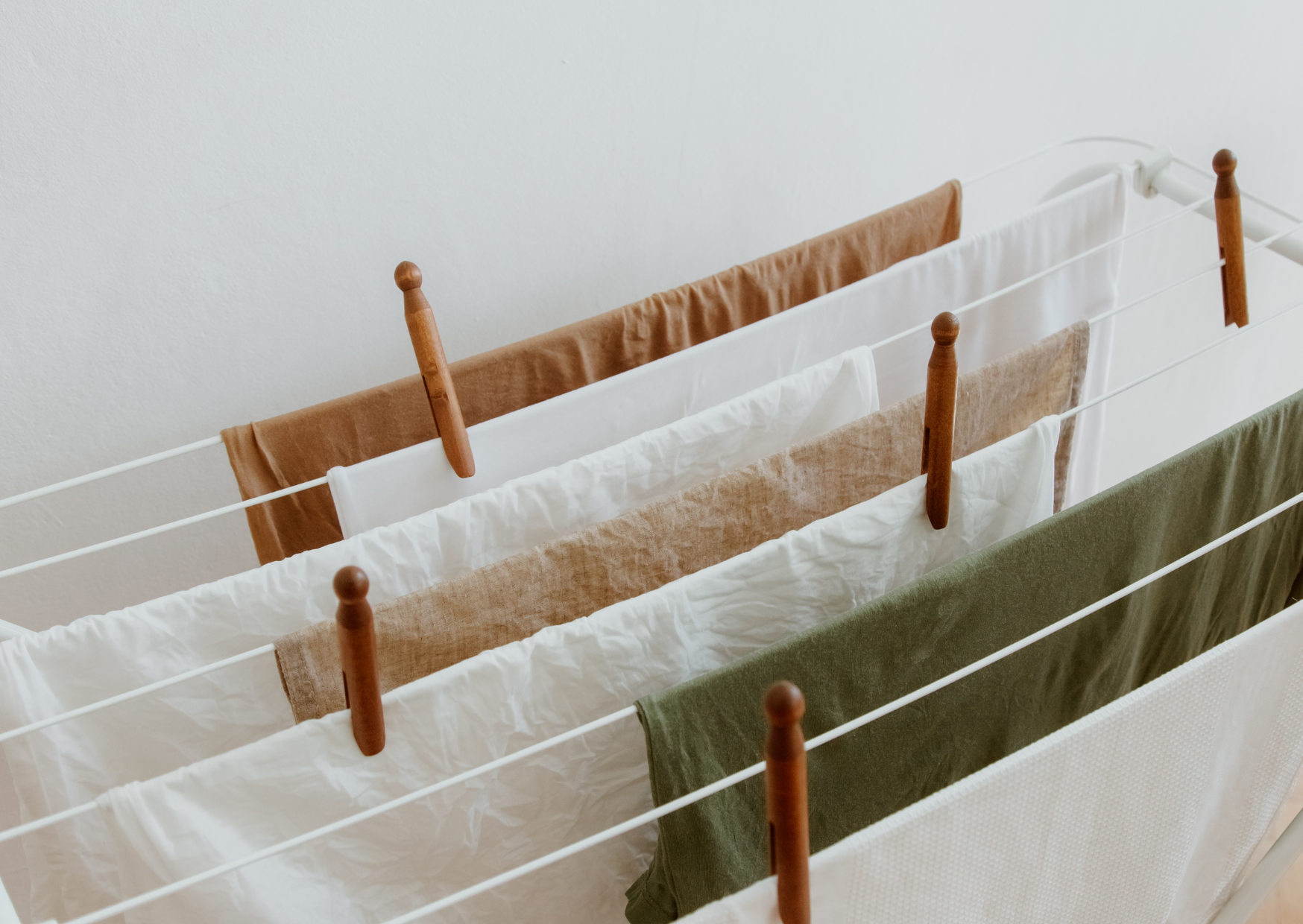
Italian mothers don’t “wait” until the weekend to do laundry.
They spot stains before breakfast.
They hang sheets after the school run.
They fold while the sauce simmers.
And they often air-dry everything, which means there’s choreography involved: timing with the sun, space on the lines, weather changes.
It’s not unusual to see balconies lined with linens before 10am.
Or mothers darting out to rescue towels before a storm.
It’s a dance — one that requires presence and planning.
9. Personal Grooming Comes Last — But Is Always Done
After the children are out, the kitchen clean, and the groceries bought, Italian mothers turn their attention to themselves.
But not before.
They shower, dress, style their hair, and put themselves together — even if they’re not going to an office.
Because looking “presentable” is part of dignità personale — personal dignity.
It’s not about vanity.
It’s about respect — for yourself and for the day.
Even the simplest house clothes are chosen with care.
The lipstick might be light, but it’s there.
10. Coffee Isn’t Rushed — But It’s Not for Relaxing, Either
The mid-morning coffee — alone or with other mothers — is not “me time” in the American self-care sense.
It’s a pause. A moment of realignment.
Maybe it’s standing at the bar, sipping espresso while talking to the newspaper vendor.
Maybe it’s five minutes on the balcony with a biscuit and the radio.
But it’s rarely idle.
Italian mothers are always in motion, even in rest.
Why They Keep Doing It
To many American women, this sounds like a full-time job before 10am.
Because it is.
So why do Italian mothers keep doing it — even when they work outside the home?
Because for them, the home is not a performance. It’s a center.
Keeping it ordered is not oppressive — it’s powerful.
It’s what keeps the day coherent.
It’s what makes them feel capable.
It’s what they learned from their mothers, who learned from theirs.
And even if they sometimes complain, they rarely abandon it.
American mothers are taught to prioritize efficiency.
Italian mothers are taught to prioritize presence — even if it means more work.
One approach asks:
What’s the minimum I need to do to function?
The other asks:
What’s the shape I want my day — and my home — to take?
Neither is right or wrong.
But they reflect deep cultural values.
And for Italian mothers, the morning routine is not just a checklist.
It’s a philosophy — one that quietly shapes everything that follows.
The morning routine of Italian mothers is more than just a daily ritual—it reflects a cultural emphasis on family, discipline, and tradition. While it might seem exhausting to outsiders, especially Americans accustomed to quicker grab-and-go lifestyles, this structure helps Italian households maintain a sense of stability and shared responsibility.
What might appear overwhelming to non-Italians is often seen as a natural rhythm in Italy. Cooking from scratch, ensuring the children look polished, and managing the household before starting work is not just about tasks—it’s a statement of love, dedication, and pride.
Ultimately, this contrast highlights how daily routines can reflect larger cultural values. Italian mothers embrace effort and detail in ways that prioritize family cohesion, while many American households lean toward convenience. Neither approach is inherently right or wrong; they simply showcase different cultural priorities.

About the Author: Ruben, co-founder of Gamintraveler.com since 2014, is a seasoned traveler from Spain who has explored over 100 countries since 2009. Known for his extensive travel adventures across South America, Europe, the US, Australia, New Zealand, Asia, and Africa, Ruben combines his passion for adventurous yet sustainable living with his love for cycling, highlighted by his remarkable 5-month bicycle journey from Spain to Norway. He currently resides in Spain, where he continues sharing his travel experiences with his partner, Rachel, and their son, Han.