
Sunlight through thin curtains, a kettle on, the smart meter blinking in the hall. As of September 2025, the first electric bill in a small Portuguese apartment can land around the price of two coffees and a pastel box. Put the same life in a Phoenix summer, run the air conditioner like survival demands, and the number looks like a car payment.
You do not need a PhD to understand why the gap is so wide. It is not one trick. It is climate, home size, insulation, price per kilowatt hour, plan design, and the way each market nudges behavior. Portugal’s mild shoulder seasons plus compact flats mean you can keep kWh low without feeling deprived. Phoenix runs on air conditioning for months, in houses that are bigger by design, on plans that punish daytime cooling. Stack those variables and you go from €38 to $340 in a blink.
This is the clear map. What that €38 actually covered. How Phoenix turns the same appliances into a triple digit bill. The rates behind both numbers this year. A copyable setup for keeping Portuguese bills tame without living in the dark. A sanity check for Americans who are moving with a desert mental model. And a one week plan to get from guessing to confident, with receipts.
The Setup That Produces A €38 Bill
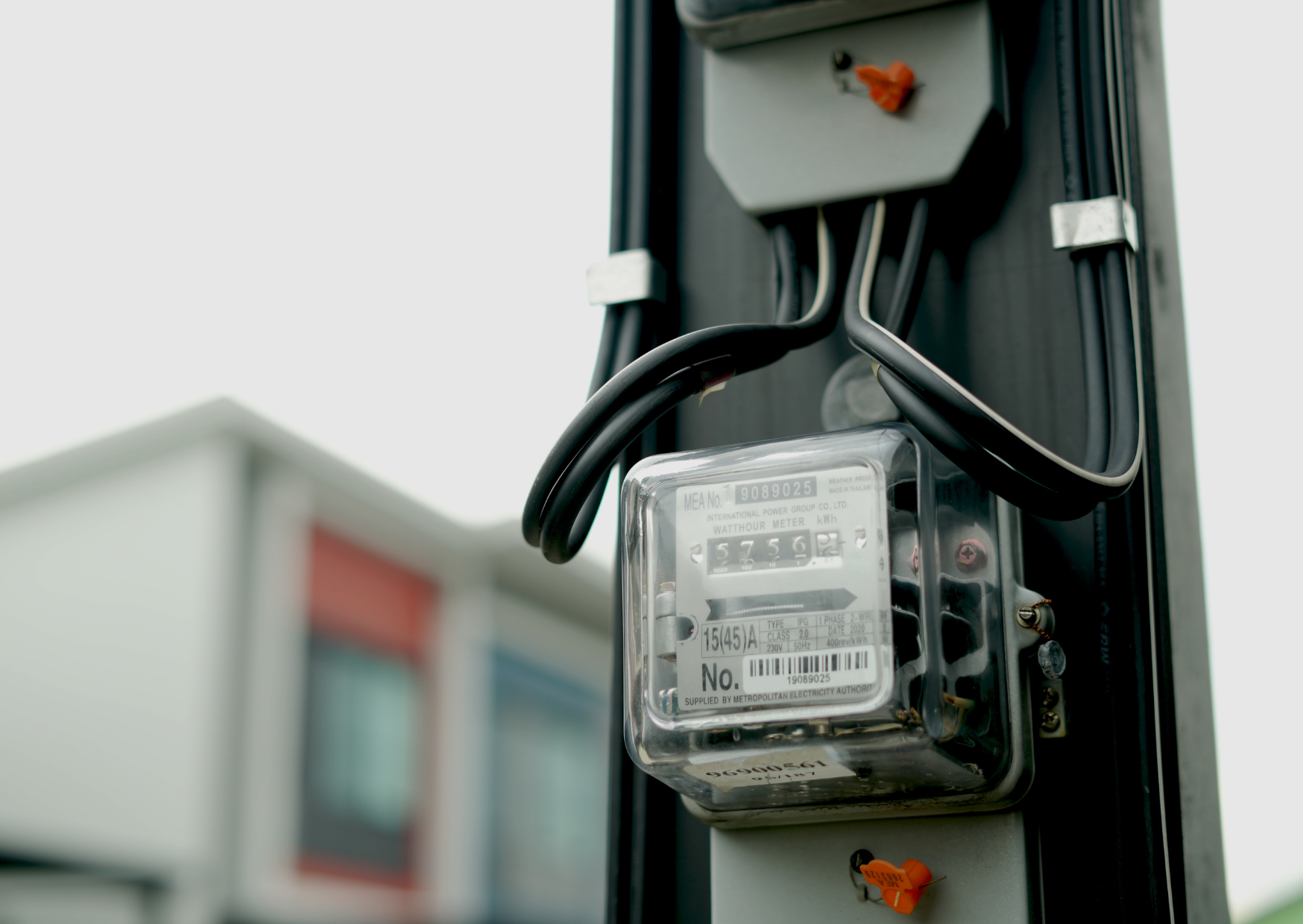
Picture a one bedroom in Porto or Lisbon. No electric space heating because it is late summer. Hot water on a modestly sized tank. Induction hob. A small fridge. Lights are LED by default. Laundry is air dried on a line or rack. There is a standing fan for the warmest afternoons but it has not run much. Usage for the first full month comes in around 110 to 140 kWh. The contracted power is low at 3.45 or 4.6 kVA, which keeps the fixed charge small. The supplier bills a few euros for the meter and network, adds VAT at the correct rate for the consumption slice, and the total lands near €38.
You did not game anything. You simply lived normally in a place where meters and homes expect light electrical footprints outside winter. If you had cooked daily with an electric oven or used a tumble dryer, the bill would be higher. If you had heated water late at night on a dual period plan, it might be a little lower. The point stands either way. The kWh count is small enough that per kWh rates do not have time to hurt you.
Why Phoenix Turns The Same Life Into $340

Start with the weather. A Phoenix summer means daytime highs well over 100 F for weeks. In July 2025 the city hit 118 F on one day and closed the season at the fourth hottest on record, with an average summer temperature of 96.2 F. You cannot fake comfort there. The air conditioner is the house. It runs for hours every afternoon and most evenings, and the compressor is chewing kWh at a pace a European fan never will. The state’s big utilities also use price plans that either raise the cost during peak hours or push you to shift loads to the night. If you run cooling across the 3 p.m. to 8 p.m. window, you pay for it.
Next, size. A typical Phoenix home is larger than a Portuguese flat. Bigger volume means more air to condition. More exterior wall means more heat to fight. The refrigerator is bigger, the oven is bigger, there may be a second fridge in the garage, and many homes run ceiling fans in multiple rooms as a supplement. Everything adds.
Finally, price per kWh is not free either. Arizona residential electricity averaged roughly 15.5 to 15.8 cents per kWh in 2025, with summer plan tiers and on peak periods that jump much higher. Put a thousand to fourteen hundred kWh through that meter in a July billing cycle, which is common in Phoenix even for careful households, and the math crosses $300 without help from a pool pump or a heat wave weekend at home.
The result is not a story about people being careless. It is a story about a city that demands cooling to function, in homes built to American scales, on rate plans designed to ration daytime electrons.
Where The Money Really Goes On Each Bill
Break both bills into the only three parts that matter: fixed charges, price per kWh, and total kWh.
In Portugal you see a small fixed network and meter line, a per kWh energy price that for many households sits roughly in the low twenties euro cents, plus VAT. Your contracted power choice controls the fixed piece. Your lifestyle controls the kWh piece. Lower kVA and lower kWh keeps the number tiny.
In Phoenix you see a service fee that is low compared to Europe, a per kWh price that depends on time of day and plan, and a kWh count that explodes in summer. The fixed fee is not the villain. The kWh count is the villain, and if you are on a time of use plan, the kWh price from mid afternoon through evening can double or more, so the villain gets a cape.
A small apartment at 120 kWh in Portugal, priced at €0.22 per kWh with a handful of euros in fixed lines, lands around €38. A Phoenix house at 1,200 to 1,400 kWh in July and August, priced at an average effective rate in the mid teens with chunks at higher on peak prices, crosses $300 to $400 without blinking. Both are honest bills from honest meters.
The Rates Behind The Claims This Year

Rate cards and averages explain the shape, even if your street and plan differ.
Portugal. Regulators and consumer sites have pegged 2025 household electricity around €0.22 to €0.25 per kWh for medium sized consumers, all in, with a VAT break on the first consumption slice for contracted power up to 6.90 kVA. The regulated market was extended through 2027, and suppliers publish simple daytime or dual period options that a newcomer can choose without feeling trapped. You will also see a fixed daily charge that grows with the contracted power you pick. Use the smallest kVA that covers your home’s actual needs and you keep that line lean.
Phoenix. The big utilities publish residential tariffs with different structures. A basic flat plan clocks around 13 cents per kWh off season and in summer months climbs into the mid teens. Time of use plans keep off peak near 9 to 10 cents then push peak to the low or mid twenties in summer. Utility announcements this year described an average usage assumption around 1,050 kWh for their communications, while independent estimators and HVAC outfits point out that Phoenix households routinely use 1,400 kWh a month in July and August. Public dashboards that tally real resident bills put the citywide average electricity spend around $254 per month across the full year, which bakes cheap months and brutal months into one number. Summer alone is worse.
Two truths fit together. Portugal’s per kWh price can look higher on paper for the energy slice, but the kWh pie is smaller. Phoenix’s sticker per kWh can look reasonable off peak, but the household gulps thousands of peak priced kWh when it is 110 F outside. That is why the totals diverge.
Exactly How To Recreate A €38 Bill
You do not need to live like a monk. You need a home that suits the climate and a plan that suits the home.
Choose the right contracted power. If you are in a one bedroom with standard appliances and no electric heating, a 3.45 or 4.6 kVA contract is enough. This determines your fixed daily charge. Oversizing the kVA because it sounds safer just hands the utility more money every month.

Pick a simple plan. A single period plan is easiest for mild months. If your supplier offers dual period and you are comfortable running the water heater, dishwasher, or a once a week dryer after dinner, take the dual and let the night price do some work. If you have no electric heating and no car charging, a basic plan is usually fine.
Live like your neighbors. Air dry laundry. Use induction and a microwave for most cooking and save oven days for weekends. If the place warms in late afternoon, try a cross draft before you reach for a space cooler. LED bulbs take care of the rest. None of this is advocacy. It is just the way apartments here find their balance.
Check your smart meter portal once. Every major supplier in Portugal lets you see daily kWh. If you have a surprise spike, you will see it in a good graph well before the bill. Fix the thing that changed, then stop checking until winter.
If your first bill is €56 because you cooked every night and ran two late washes for guests, accept it. You are already operating in a place where the meter is not set up to punish you for being home.
If You Are Running The Numbers
Here is a clean side by side using plausible 2025 figures and normal behavior.
Portugal one bedroom, late summer
Monthly usage: 120 kWh
Energy price: €0.22 per kWh
Energy subtotal: €26.40
Fixed and meter lines: €6 to €8 depending on contracted power
VAT treatment: reduced rate on the first 200 kWh slice for low kVA contracts, standard rate on fixed lines
Bill ballpark: €36 to €40
Phoenix three bedroom, July
Monthly usage: 1,300 kWh
Blended price: $0.17 per kWh after mixing off peak and on peak, modest fees
Energy subtotal: $221
Peak adders and seasonal structure: $60 to $120 depending on plan and habits
Taxes and fees: standard
Bill ballpark: $300 to $360
Try a second Phoenix scenario with time of use discipline. If you move laundry, dishwashing, and EV charging off peak religiously and set the thermostat smartly around peak windows, you might push your blended price down a few cents and shave $30 to $60, but you will not turn July into winter. The air conditioner still has to fight the sun.
None of this is meant to insult Phoenix. It is meant to tell anyone moving from there to Portugal that your expectations will be wrong for one blessed reason: the climate is on your side for most of the year.
Pitfalls Most Newcomers Miss
Assuming the contracted power does not matter. In Portugal it does. A too high kVA silently pads every bill. If breakers never trip, you are probably over provisioned.
Forgetting electric water heating is real usage. A 1.5 kW to 2 kW tank reheating after long showers draws more than lights and phone chargers. If two people shower at night on a dual period plan, you benefit twice.
Treating a tumble dryer as a default. Air drying removes one of the hungriest appliances from your weekly routine. When you need the dryer, use it, but the habit of hanging clothes saves real kWh.
Comparing a beach week to a desert July. If your first Portuguese month is September, do not anchor winter expectations to that number. Electric space heating flips the script for a few months in houses without gas or heat pumps. You control the increase with plan choice and small habits.
Bringing U.S. space heater logic. A cheap portable bar heater in a stone house is a money printer in January. If you will heat electrically, ask your landlord about a split heat pump or use a certified unit that warms efficiently.
Assuming the Phoenix plan will save you. Time of use works if you move big loads. It does not change the physics of a compressor pushing against a 112 F afternoon. Do not set yourself up for guilt when comfort overrules calendars.
Seasonal Differences You Should Expect

Portugal’s shoulder seasons hide the electric bill. September and October are kind. April and May are kind. Winter changes the shape. In an all electric flat, expect bills to double or triple from your late summer baseline if you heat daily, then drop again when you put the radiator away. If you have a gas boiler for water and heat, the electric line stays modest while gas takes the brunt.
Phoenix reverses the drama. Spring and fall can be pleasant and cheap, winter is mild, and summer stretches from May into October as a continuous fight with the sky. Plan cash flow accordingly. People there take vacations up north for a reason.
If you are budgeting a move between the two places, build your model with seasonal envelopes, not a single number. Countrywide averages are polite. Your kWh are specific.
The €38 Playbook In Four Moves
Pick the smallest contracted power that fits your home. In a modern one bedroom without electric heating, 3.45 or 4.6 kVA is normal. Ask your supplier how to change it if the previous tenant left a higher setting.
Pick a plan you will actually use. Dual period only helps if you place hot water, laundry, or heavy cooking into night hours. If that is not you, single period keeps life simple.
Use your building. Cross ventilation and shutters exist for a reason. Open early, close when the sun turns the corner, run a fan before anything that glows.
Let the smart meter work for you. Read the figure once. If the daily graph looks sane, you are done. If it looks strange, ask your landlord about the water heater schedule or a forgotten dehumidifier in a closet.
No gadgets. No apps. Just basic rhythm in a place designed for it.
Costs Nobody Tells You About
The TV and radio contribution line on Portuguese bills looks odd the first time. It is small, and it is normal. The meter rental looks odd too. It is also small, and it is how the hardware gets paid for. None of these are tricks. They are part of the standard form everyone receives.
In Phoenix the invisible costs are demand charges on some plans and the temptation to fight peak hours by buying a larger house out of the central heat island. The moment you add square footage, the bills climb because physics does not care why you moved. The cheapest saving in Phoenix is still a thermostat two degrees higher than your heart wants.
Exactly What To Do This Week
If you are in Portugal now. Check your contracted power on the bill. If it is 6.9 kVA for a one bedroom, ask your supplier how to drop it one notch. Confirm your plan type. If it is dual period and you never act on it, consider switching to single period to remove mental overhead. Open the meter portal, glance at daily kWh, then close it. Buy a drying rack if you do not own one.
If you are in Phoenix now. Open your plan page and see what your on peak price is for July and August. If you are on a demand or time of use plan and never shift loads, switch to a basic off peak plan for the worst months or set one real habit you will keep. Replace the least efficient window or door before May and schedule your AC service before the first 110 F week everyone else calls about.
If you are moving between the two. Budget with seasons. Put a double line under the months that will hurt and a smile next to the months that will not. Your stress will drop in the first year because the surprises will be ones you already named.
A Quick Reality Check For Skeptics
Yes, you can make a Portuguese bill larger than €38. Run a dehumidifier 24 hours a day, bake daily, heat water twice for guests, and you can crest €60 to €80 in a small flat without trying. Yes, you can make a Phoenix bill smaller than $340. Insulate, seal, set 80 F when you are away, place laundry and dishwasher runs at night, and you will shave dollars. The comparison headline is not a roundhouse. It is a frame: the base conditions of each place make the bottom line behave very differently even when the person is the same.
If you want a single sentence to bank on, use this one. In Portugal the ceiling is low for most of the year unless you heat electrically. In Phoenix the floor is high for most of the summer even if you play by every rule.
Next Steps This Month
Portugal. Spend ten minutes on the contract details and one weekend setting your habits. After that, forget the bill until winter. The system is not out to get you. It rewards ordinary behavior in a mild climate.
Phoenix. Spend one hour on your plan selection and thermostat programming. Ask an air conditioning tech to check your system before the worst weeks. Buy shade for the west facing window you never noticed in October. You are fighting the sun. Buy the cheap weapons.
If you live in both places in the same year. Smile the first time you pay a Portuguese shoulder season invoice and let that buy some patience in July when the desert makes its case in dollars.

About the Author: Ruben, co-founder of Gamintraveler.com since 2014, is a seasoned traveler from Spain who has explored over 100 countries since 2009. Known for his extensive travel adventures across South America, Europe, the US, Australia, New Zealand, Asia, and Africa, Ruben combines his passion for adventurous yet sustainable living with his love for cycling, highlighted by his remarkable 5-month bicycle journey from Spain to Norway. He currently resides in Spain, where he continues sharing his travel experiences with his partner, Rachel, and their son, Han.