
You land in Portugal with your life in euros and your retirement in dollars. As of September 2025, the split is normal, the interest gap is real, and there is a simple way to set your accounts so you stop bleeding yield on cash while keeping your U.S. retirement intact.
You do not “move a 401(k) to a Portuguese bank.” That account stays in the United States, or it rolls to a U.S. IRA if you choose. What actually moves is your day-to-day cash, emergency fund, and short-term savings. Those euros pay your rent, groceries, and travel. They also earn, or fail to earn, interest.
When people feel the pain, it is not a complicated tax rule. It is the quiet difference between what your U.S. dollars could make in a competitive account and what your unoptimized euros make if you leave them sitting. Add FX timing, weekend markups, and dynamic currency conversion prompts at checkout, and you have a leak you can fix in a week.
This is the clear map: the setup most newcomers use, where the interest actually lives, a 2025 structure that works without heroic effort, the exact documents you will be asked for, the mistakes that kill yield, a plug-and-play number check, and a one-week checklist you can run right now.

The Setup Most Newcomers Actually Use
Your retirement stays in the United States. Your everyday money lives in Portugal. That split is not only common, it is how the rails were designed to work.
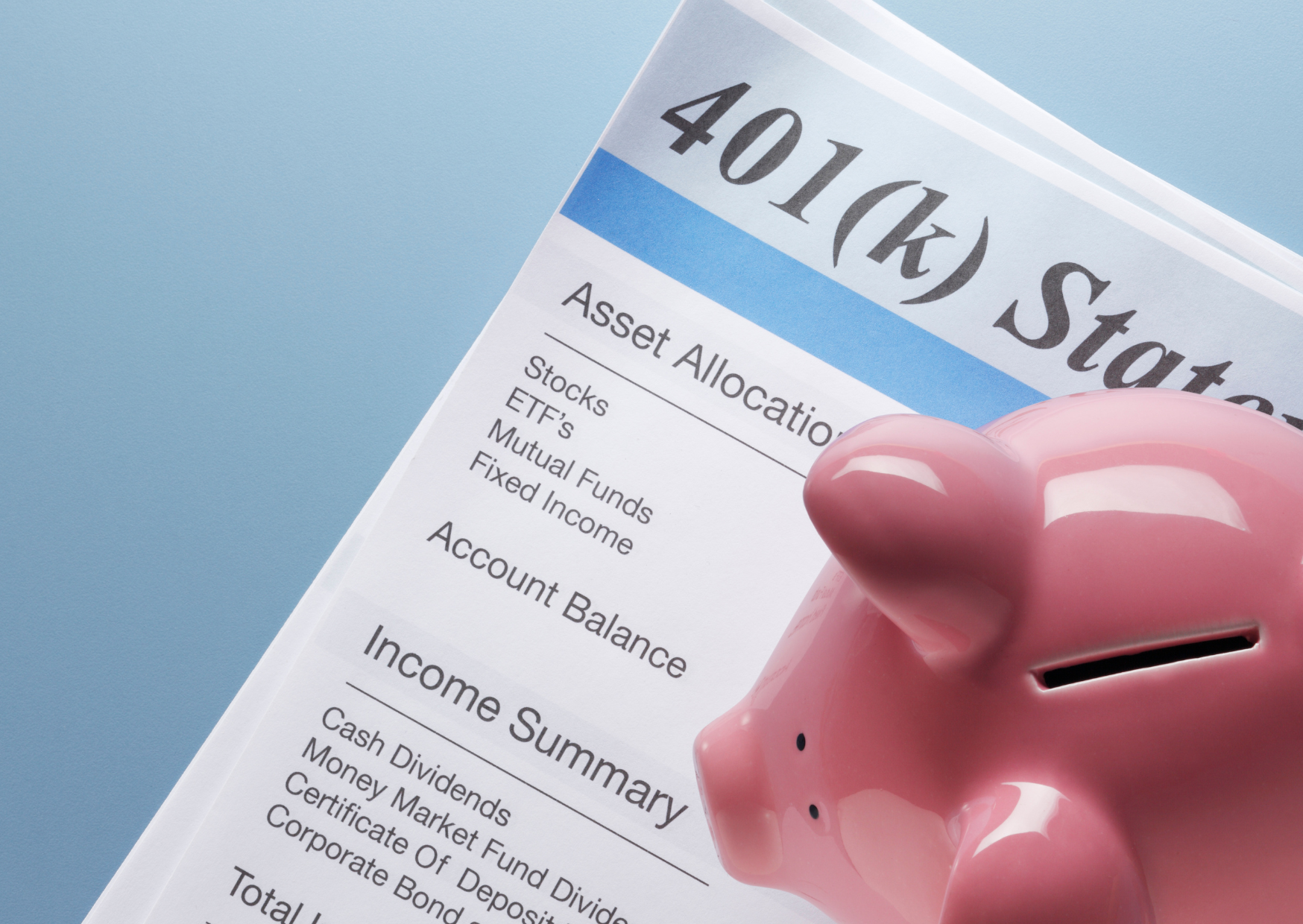
On the U.S. side, your 401(k) remains with the plan or rolls to an IRA under the rollover rules. You continue to own the account while living abroad. You do not need a Portuguese bank to hold it. Distributions are generally taxable in the United States, and early withdrawals can carry penalties. None of this changes because you rented an apartment in Porto or Lisbon. The retirement wrapper stays where it started.
On the Portugal side, you open a current account for daily life and a term-deposit or savings account for short-term goals. You pay bills by SEPA transfer and set up direct debits for utilities. From January 2025, banks in the euro area must be able to receive instant payments, and sending is rolling in during 2025, which makes local transfers cheap and fast. Payroll from an EU employer arrives by transfer. Freelance invoices pay into your IBAN. Your card taps the metro barriers without a conversion prompt.
The relationship between the two halves is straightforward. Your retirement money compounds inside U.S. accounts you do not touch. Your working cash earns in euros, using local rails that keep fees near zero. The line between them keeps you from accidentally turning a long-term investment problem into a weekly ATM problem.
Where The Interest Lives, And Where It Leaks

Three places decide whether the math makes you happy or makes you groan: U.S. yield on dollars, euro yield on deposits, and foreign exchange friction.
U.S. yield. If you leave cash in a low-rate legacy account, you earn almost nothing. If you use a modern high-yield account, you can earn several percentage points on idle dollars. That difference is hundreds per year on five-figure balances and thousands on six-figure balances. The lesson is not to park retirement dollars in checking for convenience when you move. Keep them in competitive U.S. wrappers and let them work.
Euro yield. In the euro area, overnight household deposits pay close to zero in many banks, but agreed-maturity deposits pay more. Rates moved a lot during 2024–2025. If you do not choose a term, your euros may sit at token interest. If you place a 3 to 12 month term-deposit ladder, you can capture a higher rate on most of your cushion while keeping one tranche maturing every month or two. That is the single change that turns a flat line into real earnings.
Foreign exchange friction. FX costs hide in three places. First, bank spreads on conversion from dollars to euros. Second, weekend markups in consumer apps when markets are shut. Third, dynamic currency conversion at point of sale and ATMs that offer to bill you in dollars at a padded rate. The fixes are simple. Convert on weekday market hours. Say no to dollar billing when a terminal asks. Pay in euros from a euro balance. The distance between sloppy and careful behavior is a tangible percentage of your first winter’s bills.
Put those together and the picture is obvious. Dollars you will not touch for years should sit in competitive U.S. accounts and retirement wrappers. Euros you will touch soon should sit in a ladder that pays. FX should be done like a bill you care about, not like a vacation splurge.
A Clean 2025 Structure That Works
You can set this up in ten days without changing your long-term plan.
Keep retirement where it belongs. Leave the 401(k) with the plan or roll it to a traditional IRA if fees and choices are better. Do not withdraw to fund European life unless you have a specific, tax-aware reason. Keep contact details updated and enable online access. If you roll, follow the direct transfer steps so it stays tax-deferred.
Use two euro buckets. Open a Portuguese current account for bills and a term-deposit or savings account for short-term reserves. Aim for one to three months of expenses in current, the rest in terms that mature in a staggered cadence. If your bank allows partial withdrawals without breaking the whole term, that is a plus, not a promise.
Move money on weekdays. Convert dollars to euros Tuesday to Thursday during market hours. Avoid big conversions on Friday evening and weekends when markups apply. If you must bridge a weekend move, exchange the minimum and complete the rest on Monday.
Kill dynamic currency conversion. At shops, hotels, and ATMs, decline offers to be charged in dollars. Choose to be billed in local currency. When booking online with a European merchant, select EUR if asked. The embedded margin in DCC is the quietest leak in a newcomer’s budget.
Pay like a local. Use SEPA transfers for rent and deposits. Use direct debits for utilities. Instant payments are becoming standard for incoming transfers, with outgoing instant rolling in during 2025. When both ends are instant-enabled, landlords and schools see money in seconds. Your costs drop because you stop paying for international wires you do not need.
Match currencies. Keep dollar expenses in dollars, euro expenses in euros. If you have a U.S. mortgage or student loan, leave dollars aside for it. If you have Portuguese rent and groceries, fund euros for them. The goal is to convert less often, in bigger, cheaper batches.
Know how interest is taxed. In Portugal, bank deposit interest is typically taxed at a flat rate withheld at source for residents, with different rules for nonresidents and options to declare in the annual return. In the United States, interest on U.S. deposits is generally taxable. Retirement accounts follow their own rules. The point is not to memorize tax codes. It is to understand that interest is income, and that the wrappers you use change how and where it is taxed.
This is not a complex structure. It is a clear separation between long-term capital and working cash, with a repeatable rhythm for conversions and bills.
The Exact Documents You Need To Open Accounts
Opening the right mix of accounts is faster when names and numbers are clean.
For Portuguese banking. Bring your passport, your Portuguese tax number (NIF), and proof of address. Some banks ask for an employment contract, enrollment letter, or income proof if you want credit products. If your official address is not yet settled, ask which temporary proofs they accept during your first month. Expect FATCA and CRS questions about tax residency. Answer exactly and keep copies.
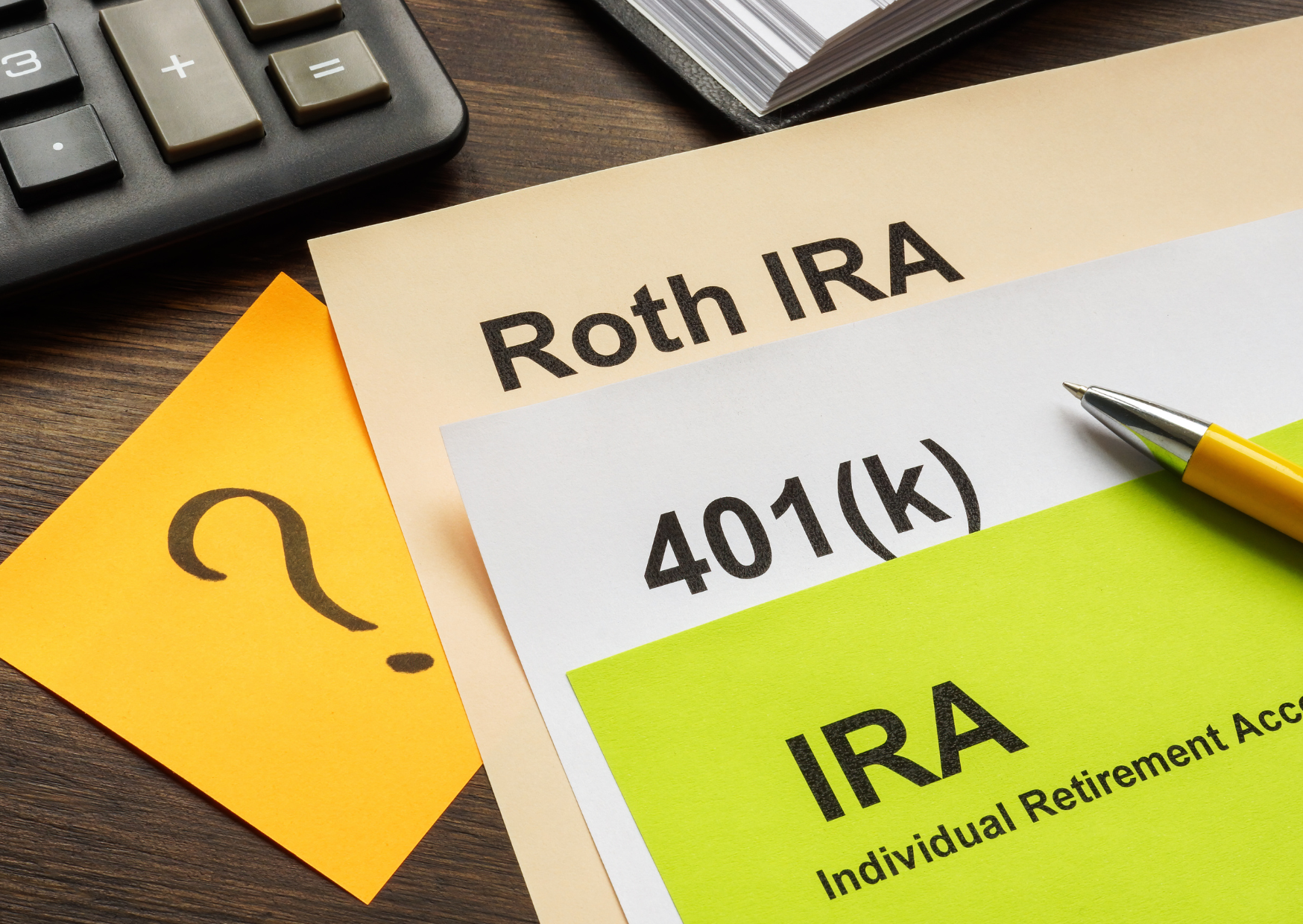
For U.S. retirement custodians. Keep your mailing address, email, and phone current. If you roll a 401(k) to an IRA, you will fill a custodian form and an employer plan form. Names must match. If you changed your name, update records before you start. When you initiate a direct rollover, the money moves custodian-to-custodian and stays tax-deferred.
For cross-border payments. Keep your IBAN, routing numbers, and SWIFT codes handy. Confirm exact beneficiary names with landlords and schools before sending a large transfer. Test with a small amount once, then move the rest.
Ten minutes of preparation saves weeks of bouncing paperwork.
Costs Nobody Warns You About

The interest difference is not just a rate on a page. It is the net after avoidable costs.
Wire and correspondence fees. International wires cost more than local transfers. Even when the fee looks small, an intermediary bank can nibble more in transit. Use SEPA whenever you can.
Card conversion. Every time you accept a card terminal’s offer to bill you in dollars, you pay an embedded margin. It is easy to say yes when you are tired. Say no as a policy.
Weekend FX markups. Consumer apps often add a weekend markup when markets are shut. If you convert on Saturday to pay a Monday deposit, you may pay an extra one percent for no good reason.
Idle cash. A fat balance in a zero-rate current account is the biggest slow leak. A ladder of agreed-maturity deposits across a few months is the simplest fix.
Mismatched currencies. Paying euro bills with a dollar card, or dollar bills with a euro card, can repeat both conversion and fee problems. If you must, do the math first.
Distribution timing. If you plan to take U.S. retirement distributions to fund Portuguese life, remember that taxes and, in some cases, penalties apply. Doing this in December instead of January can put taxable income in a different year than you expect.
None of these are dramatic. Together they erase a month of rent over a year.
If You Are Running The Numbers
Here is a simple way to see the shape of the savings with sensible, current assumptions.
Step 1: List your first-year euro bills. Rent, deposit, utilities, telecom, transport passes, groceries, school fees. Add a cushion for furniture and a short-stay overlap if you arrive before keys.
Step 2: Decide the euro float. Most newcomers keep one to three months of expenses in current. The rest goes to a 3–6 month term-deposit ladder. If your monthly burn is €2,000, you might keep €4,000 in current and place €8,000 across terms.
Step 3: Compare euro interest options. Current accounts can sit near zero. Agreed-maturity household deposits pay meaningfully more. Even a modest two-point improvement on €8,000 is over €150 a year with almost no effort.
Step 4: Check U.S. dollar yield. If you hold emergency dollars for U.S. obligations, the difference between a legacy account near zero and a high-yield account near recent market levels is hundreds per year on $20,000. Keep only what you need in checking.
Step 5: Add FX discipline. Convert euros in weekday windows, say no to DCC, and avoid weekend markups. On a €6,000 rent plus deposit, a two percent conversion gap is €120 you never needed to spend.
Step 6: Avoid accidental taxes. Leave retirement accounts to compound. If you must withdraw, model the tax and penalty before you decide. If you are unsure, ask a professional how to size a draw to fit your bracket and treaty position.
This is not a hunt for perfect. It is a hunt for obvious.
The Banking Secret That Saved The Most

People expect a complicated hack. The big win is boring.
Build a term-deposit ladder for euros you will not spend in the next 90 to 180 days. If a bank pays a better rate for six months than for one, split your reserve into three or four chunks that mature one by one. When one matures, roll it to the back. You do not need to predict the ECB. You only need to avoid earning zero on money that could earn something safe.
On the dollar side, keep your emergency buffer and bill money in a high-yield account you can link to your brokerage or retirement custodian. The difference between near-zero and competitive is the difference between resentment and relief.
Together those two habits often match or beat the headline “interest difference” newcomers complain about on day one.
Common Mistakes That Kill Interest
Paying big bills by card in the wrong currency. If a landlord or school lets you pay by card at all, the terminal may offer dollar billing. The rate is padded. Pay by euro transfer or insist on local currency.
Converting on Friday night. You pay a weekend markup and live with a worse rate. Convert during weekday hours.
Leaving euros in a zero account for months. Put them on a ladder. The paperwork is one page.
Using retirement distributions as a bridge. Short-term cash needs do not turn into long-term tax wins. If you need euros, convert dollars outside the retirement wrapper or earn euros locally and plan distributions for actual retirement.
Mixing currencies casually. If you have ongoing U.S. bills, keep dollar cash for them. If you have only euro bills, keep euros. Every mismatch creates another conversion.
Confusing instant payments with instant banking relationships. Instant euro transfers are a payment rail. They are not a promise that a new bank will speed through your onboarding if documents do not match.
The Exact Documents You Need, Without Drama
For Portuguese banks, bring your passport, NIF, and proof of address. If you are new to the country, a tenancy agreement, utility setup letter, or employer letter often works. For savings and term-deposits, banks will collect standard tax residency statements. Names must match your passport.
For U.S. custodians, secure your online access before you move. If rolling a 401(k) to an IRA, verify the payee name and transfer sequence. A direct rollover keeps the move tax-deferred. If you have changed names, update every record before you begin.
For cross-border life, keep a one-page list of your IBAN, routing numbers, and contact emails for both banks. When something goes wrong, the fastest fix is knowing exactly who to call and what numbers to quote.
What To Watch Next
Instant euro payments. As 2025 progresses, more banks will support sending instant payments in addition to receiving. That makes local transfers feel like messaging, not mailing.
Deposit rates. As central bank rates shift, banks will adjust term-deposit offers. A ladder protects you from timing the top. You will always have one maturity close enough to roll if rates improve.
U.S. retirement plan options. Regulators and plan sponsors keep changing menus and guidance. If your company plan is costly or limited, a rollover IRA can be worth the paperwork. If your plan is excellent, staying put can be smarter.
Card prompts. Terminals and ATMs will continue to offer dollar billing. The rule never changes. Choose local currency.
Next Steps This Week
Today. Open a Portuguese current account and a term-deposit or savings account. Request your NIF if you do not have it yet. Turn on instant payments and direct debits.
Within 48 hours. Build a euro ladder with the cash you will not need this quarter. Keep one month of expenses liquid, place the rest in two or three terms.
By Friday morning. Convert the euros you need for the month during market hours. Put a note on your phone: no weekend conversions, no dollar billing prompts.
This weekend. Audit your U.S. dollars. Move idle cash from near-zero to a competitive account. Leave retirement money in its wrapper.
Before month-end. If a 401(k) rollover to an IRA is on your list for costs and choice, complete the forms and do a direct transfer. Update addresses and online access everywhere.
Every month. Renew the ladder. Pay bills by SEPA. Track your actual interest earned on both sides in a simple note. You will see the point in one quarter.
Do those steps once, and the interest math stops hurting.

About the Author: Ruben, co-founder of Gamintraveler.com since 2014, is a seasoned traveler from Spain who has explored over 100 countries since 2009. Known for his extensive travel adventures across South America, Europe, the US, Australia, New Zealand, Asia, and Africa, Ruben combines his passion for adventurous yet sustainable living with his love for cycling, highlighted by his remarkable 5-month bicycle journey from Spain to Norway. He currently resides in Spain, where he continues sharing his travel experiences with his partner, Rachel, and their son, Han.