
In Italy, food isn’t just about eating — it’s a daily ritual that brings people together. Nowhere is this more evident than during aperitivo, the beloved Italian tradition of pre-dinner drinks paired with light bites. More than just a happy hour, aperitivo is a cultural institution, blending socializing, relaxation, and a touch of indulgence, all set against the backdrop of vibrant Italian cafes or cozy home gatherings.
While the drinks are essential — think Aperol Spritz, Negroni, or a glass of prosecco — the food that accompanies aperitivo is what transforms it into an experience. It’s not about full meals, but carefully chosen small plates that complement the flavors of the drinks, awaken the palate, and set the stage for a leisurely evening ahead.
In this guide, we’ll share six iconic foods that Italians love to serve with aperitivo, plus simple recipe ideas to recreate the experience at home. Whether you’re hosting a gathering or want to bring a bit of Italian flair to your own snack time, these dishes are guaranteed crowd-pleasers.
Read here best Italian food, vegetarian food in Italy, best drinks in Italy and best breakfast in Italy
Read Here Things to know before visiting Italy and how to buy a sim card in Italy
BOOK YOUR TRAVEL INSURANCE
Two of our favorite travel insurance: Heymondo Vs Safetwing cheapest travel Insurance. You can get for $135 USD your Heymondo Travel Insurance with Heymondo discount code valid for 90 days. Read our full comparison of Genki vs Safetywing Travel Insurance Review and the comparison Heymondo vs Genki
Best Time to Eat & How to Partner These Aperitivo Foods
Aperitivo is typically enjoyed in the early evening hours, from around 6 to 8 PM, before dinner. It’s a relaxed, social time perfect for unwinding after work or catching up with friends, whether at a bustling bar or your own backyard.
Pair classic aperitivo foods like bruschetta, marinated olives, cheese platters, prosciutto with melon, focaccia, and stuffed mini peppers with traditional Italian cocktails or sparkling wines. Light, crisp drinks enhance the flavors of the salty, savory, and fresh aperitivo dishes, making the experience feel indulgent yet effortless.
For a complete Italian aperitivo experience, serve a variety of small plates rather than focusing on one dish. The goal is variety and balance — something fresh, something salty, something creamy — alongside drinks that cleanse the palate and invite conversation.
One common misconception is that aperitivo is just an Italian version of happy hour with discounted drinks and bar snacks. In reality, it’s more about the social ritual and the pairing of drinks with thoughtfully prepared small bites, often offered complimentary or as part of a set price.
Another debated belief is that aperitivo is a touristy concept invented for visitors. While some tourist-heavy spots have commercialized it, aperitivo remains a deeply rooted tradition across Italy, practiced by locals in both cities and small towns as part of everyday life.
Perhaps most surprising is the idea that you need complex recipes or expensive ingredients to serve an authentic aperitivo at home. In truth, simplicity is key — fresh, high-quality ingredients presented with care make even the simplest dishes like marinated olives or sliced focaccia feel special when shared with good company and a well-chosen drink.
Foods that can’t be missed with Aperitivo in Italy
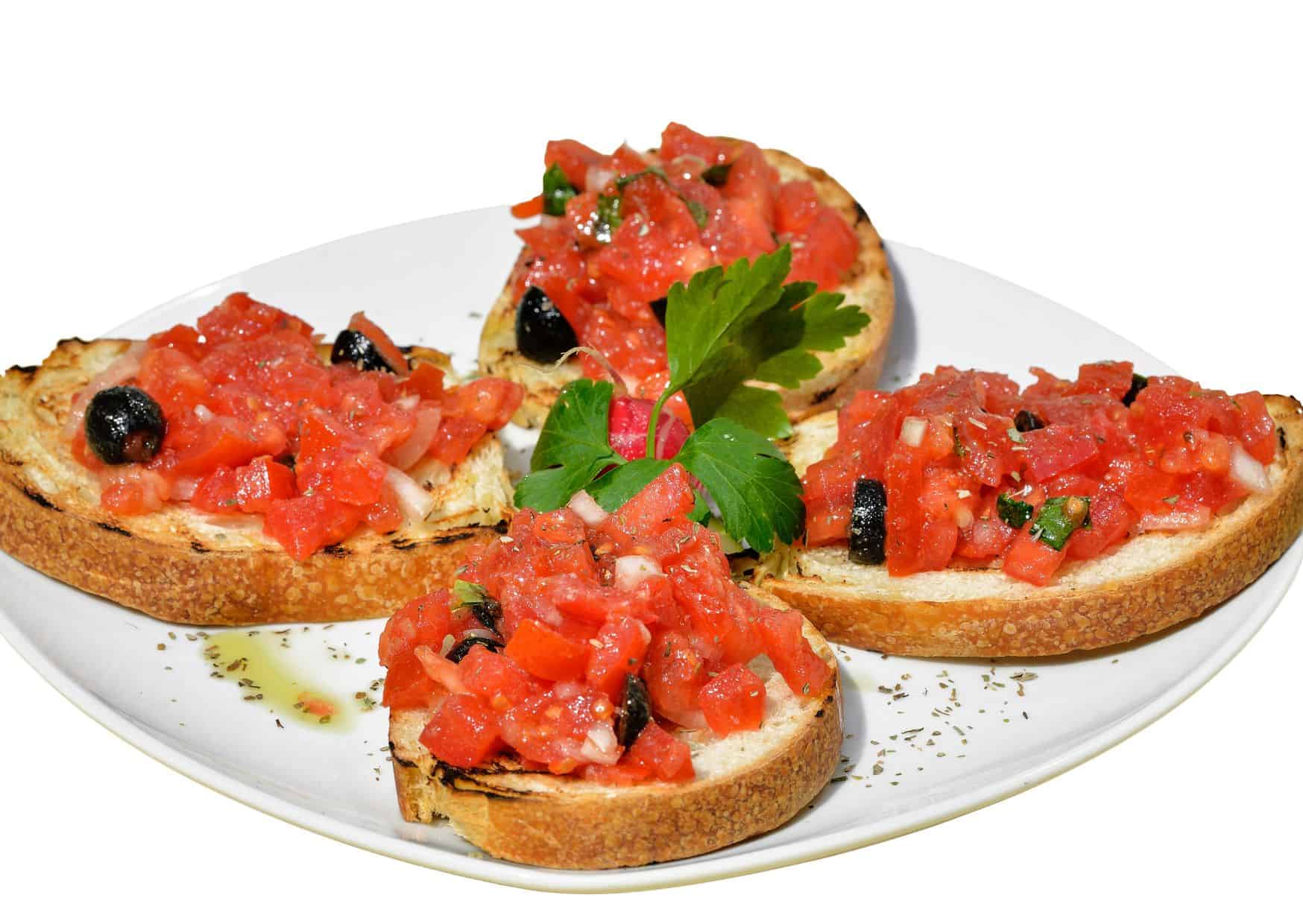
1. Bruschetta al Pomodoro (Tomato Bruschetta)
Ingredients:
1 baguette or rustic Italian bread, sliced
2 cups ripe tomatoes, diced
2 cloves garlic, minced
Fresh basil leaves, chopped
2 tablespoons extra virgin olive oil
Salt and pepper to taste
Instructions:
Prepare the Bread
Toast the bread slices on a grill or in a hot oven until crispy and golden. In a bowl, combine the diced tomatoes, minced garlic, chopped basil, and olive oil. Season with salt and pepper.
Assemble
Spoon the tomato mixture onto the toasted bread slices. Serve immediately.
Calories:
Approximately 150 calories per slice
Tips:
Use the freshest, ripest tomatoes you can find for the best flavor. Add a drizzle of balsamic vinegar for extra depth of flavor, or rub the toasted bread with a garlic clove for an added garlic kick.
Read here how to make Bruschetta al Pomodoro
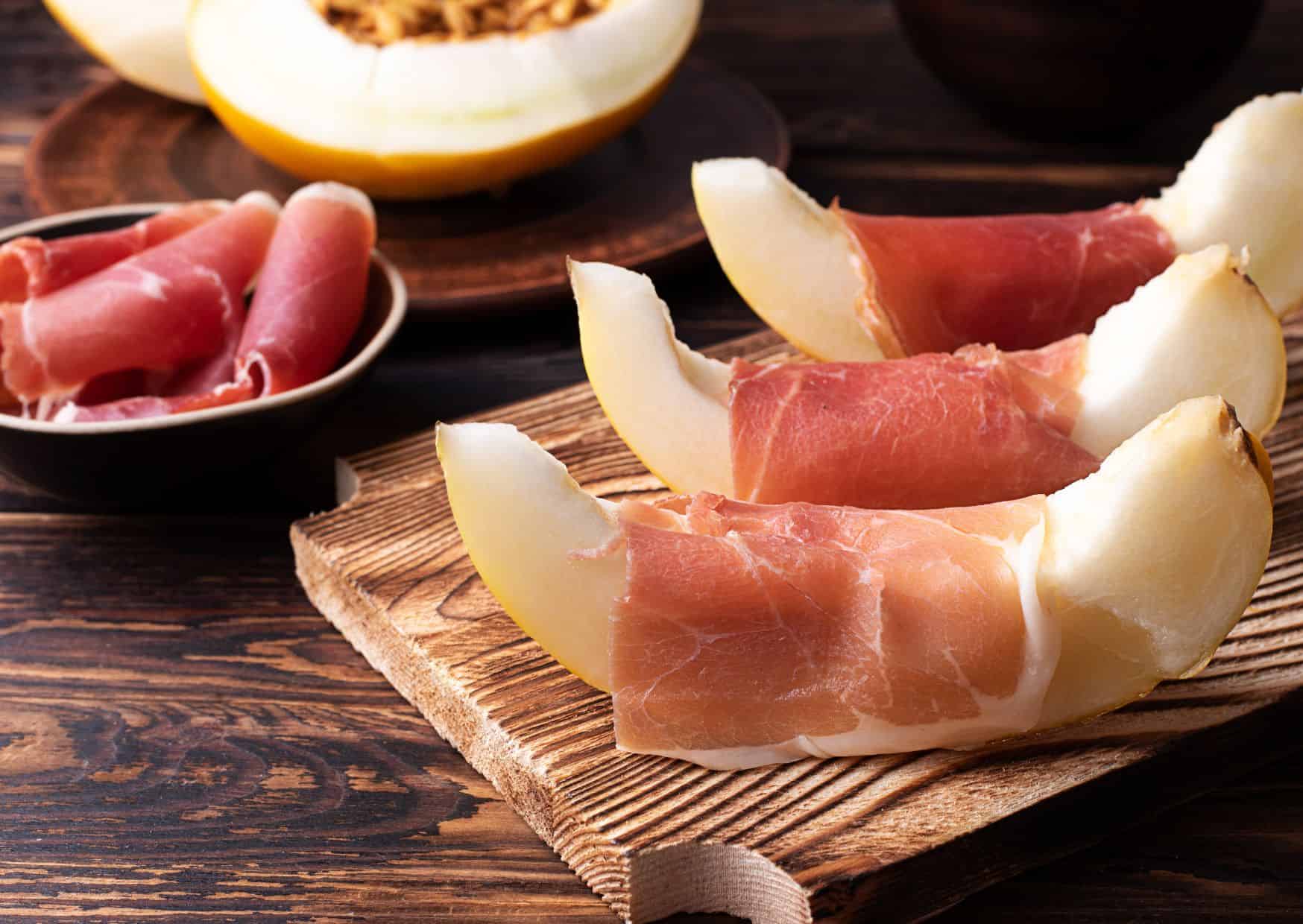
2. Prosciutto e Melone (Prosciutto and Melon)
Ingredients:
1 ripe cantaloupe melon
8-10 slices of prosciutto crudo
Instructions:
Prepare the Melon
Slice the melon in half, remove the seeds, and cut into thin wedges. Remove the rind.
Assemble
Wrap each melon slice with a slice of prosciutto. Serve chilled.
Calories:
Approximately 100 calories per serving (2 melon slices with prosciutto)
Tips:
Make sure the melon is ripe and sweet for the best contrast with the salty prosciutto. Serve immediately after assembling to keep the prosciutto crisp and the melon fresh.
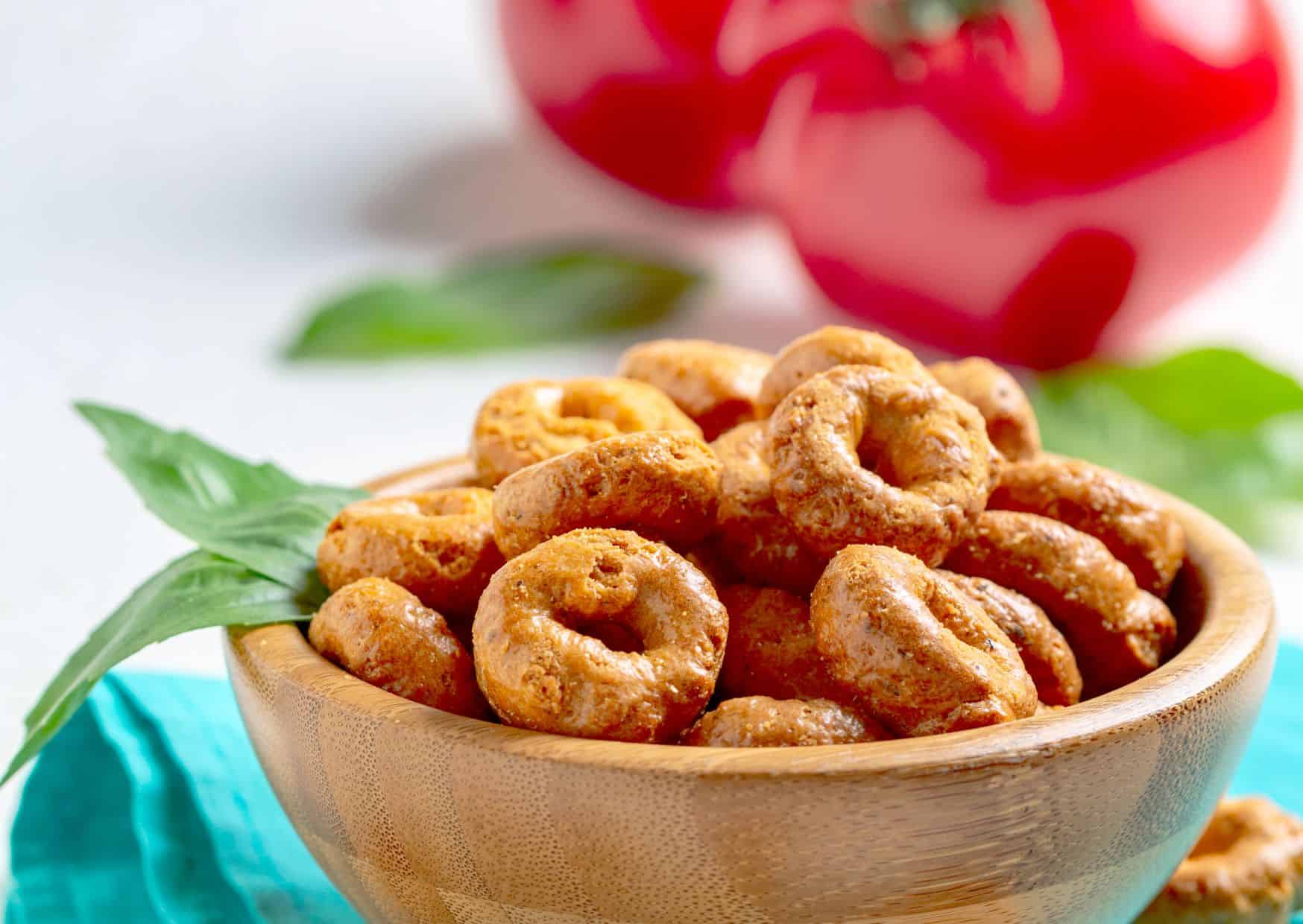
3. Taralli
Ingredients:
2 cups all-purpose flour
1/2 cup white wine
1/4 cup extra virgin olive oil
1 teaspoon salt
1 teaspoon fennel seeds (optional)
Instructions:
Make the Dough
In a bowl, mix the flour, salt, and fennel seeds (if using). Add the wine and olive oil, and knead until a smooth dough forms.
Shape the Taralli
Divide the dough into small pieces and roll them into ropes about 4 inches long. Form each rope into a small ring.
Boil the Taralli
Bring a pot of water to a boil. Drop the taralli into the boiling water a few at a time. When they float to the surface, remove them with a slotted spoon and let them dry on a towel.
Bake
Preheat the oven to 375°F (190°C). Place the taralli on a baking sheet and bake for 20-25 minutes, or until golden and crispy.
Calories:
Approximately 50 calories per tarallo
Tips:
Experiment with different flavors like black pepper, rosemary, or chili flakes. Storage: Store in an airtight container to keep them crisp for days.
Read here how to make Taralli
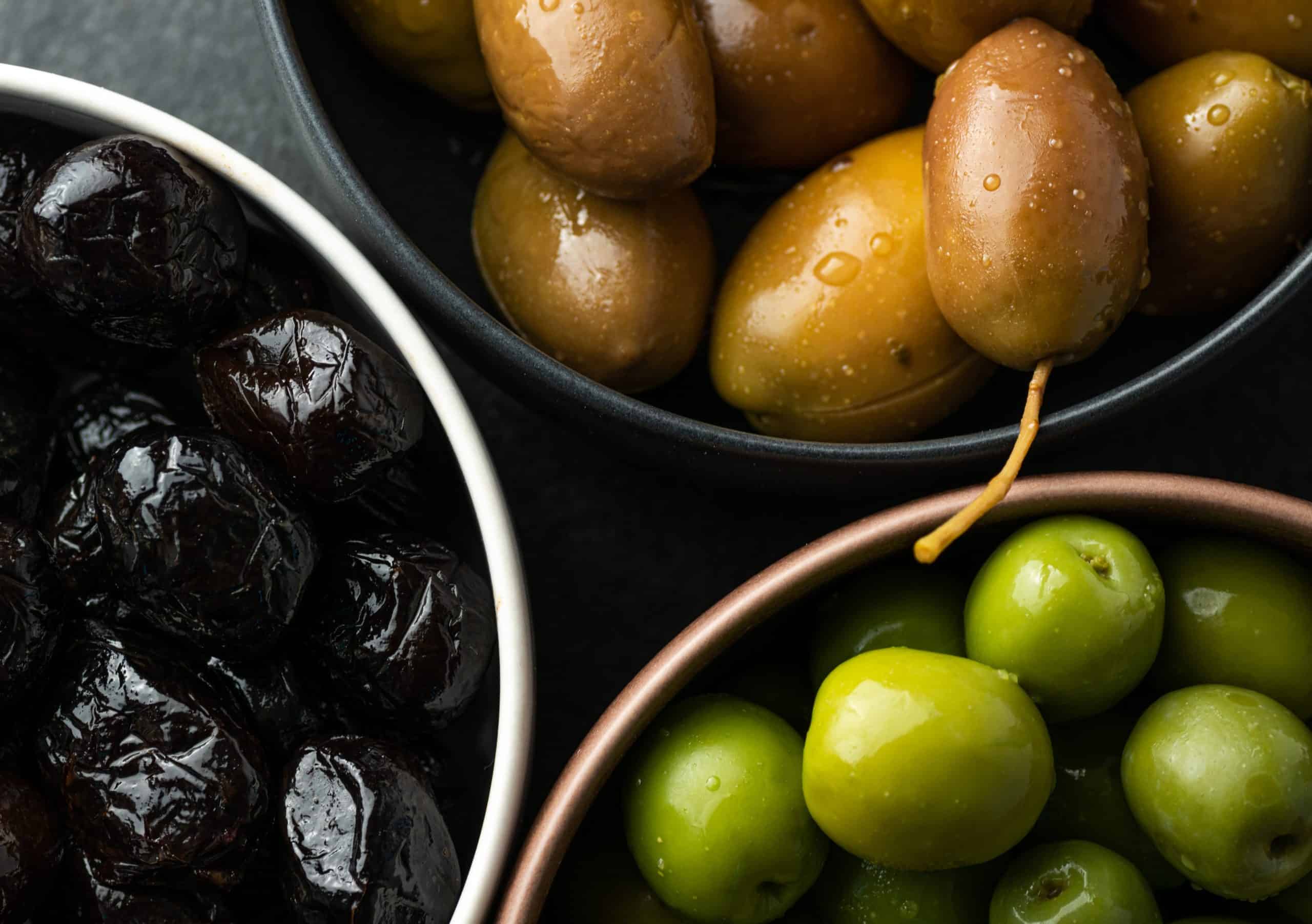
4. Olives
Ingredients:
1 cup mixed olives (green and black)
1 tablespoon extra virgin olive oil
1 clove garlic, smashed
1 sprig fresh rosemary or thyme
Zest of 1 lemon
Instructions:
Marinate the Olives
In a bowl, combine the olives with olive oil, garlic, rosemary, and lemon zest. Toss to coat.
Let it Rest
Allow the olives to marinate at room temperature for at least 30 minutes before serving.
Calories:
Approximately 100 calories per 1/4 cup serving
Tips:
Use a mix of olive varieties for different flavors and textures. Add chili flakes or orange zest for a different flavor profile.
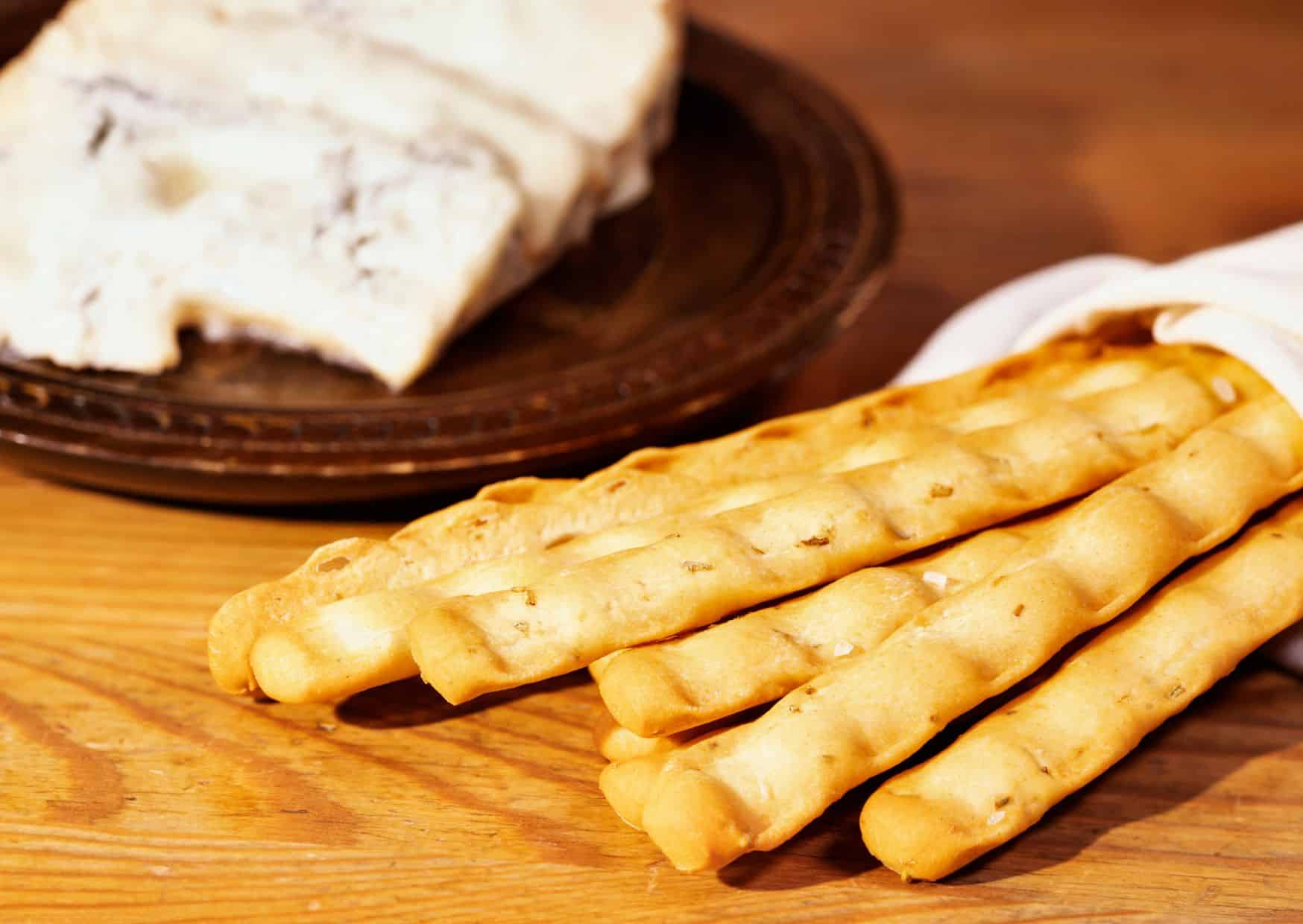
5. Parmigiano Reggiano and Grissini (Cheese and Breadsticks)
Ingredients:
1 block of Parmigiano Reggiano cheese
1 package of grissini (Italian breadsticks)
Instructions:
Prepare the Cheese
Cut the Parmigiano Reggiano into small, bite-sized chunks.
Serve
Arrange the cheese chunks on a plate alongside the grissini.
Calories:
Approximately 120 calories per serving (1 ounce of cheese with 2 grissini)
Tips:
Use authentic Parmigiano Reggiano for the best flavor. Serve with a small dish of balsamic vinegar for dipping.
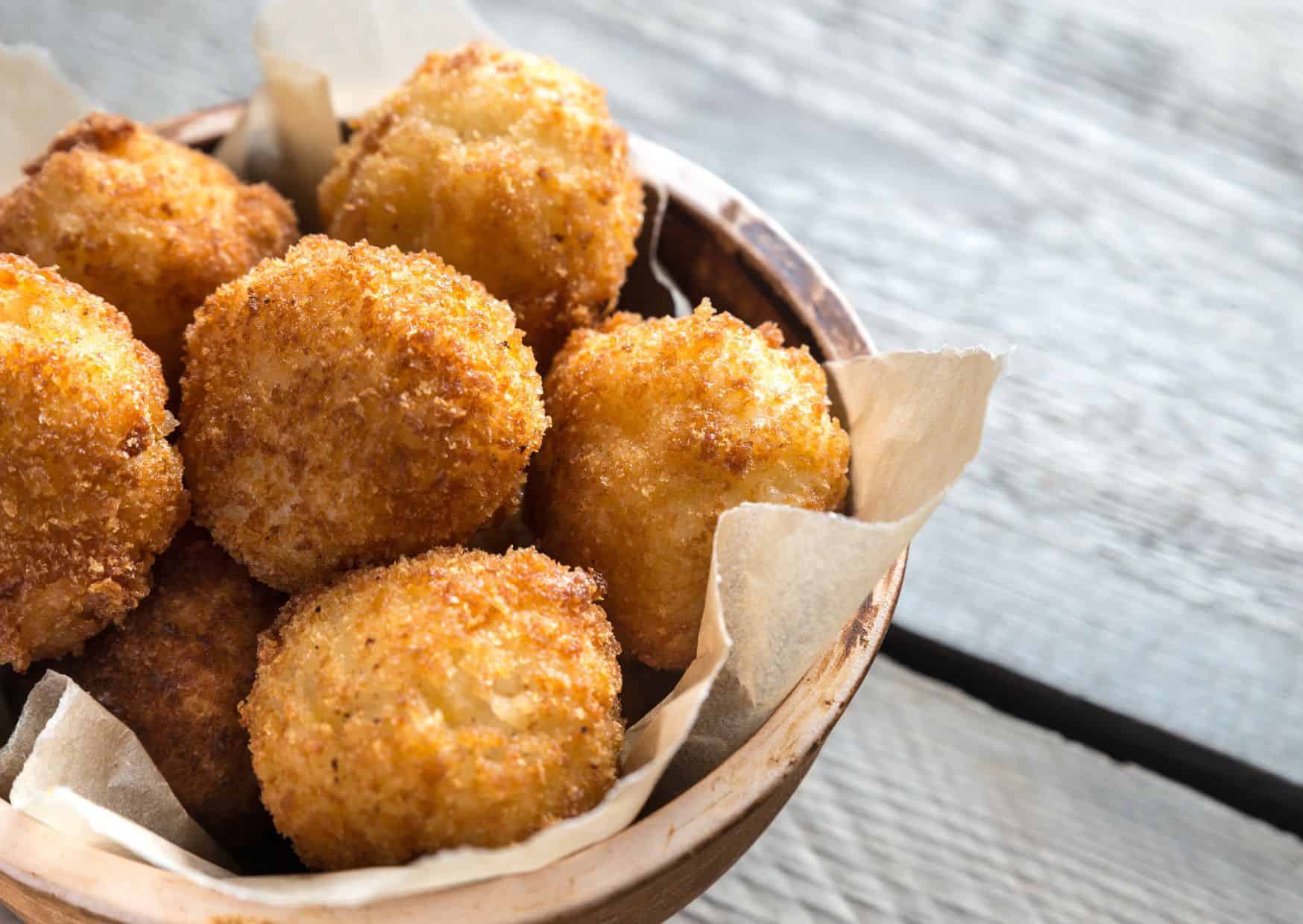
6. Arancini (Rice Balls)
Ingredients:
2 cups cooked risotto or Arborio rice
1/2 cup mozzarella cheese, cut into small cubes
1/4 cup grated Parmesan cheese
1 egg, beaten
1/2 cup breadcrumbs
Vegetable oil for frying
Instructions:
Prepare the Filling
Mix the risotto with the grated Parmesan cheese. Shape the rice into small balls, placing a piece of mozzarella in the center of each.
Coat the Arancini
Dip each rice ball into the beaten egg, then roll in breadcrumbs to coat.
Fry
Heat the oil in a deep pan. Fry the arancini in batches until golden and crispy, about 3-4 minutes. Drain on paper towels.
Serve
Serve hot.
Calories:
Approximately 150 calories per arancino
Tips:
Experiment with different fillings like ragu, peas, or ham. For a healthier version, bake the arancini at 375°F (190°C) until golden.
Read here how to make Arancini
Origin and History
The Italian aperitivo is more than a pre-dinner drink; it’s a cultural ritual that has existed for centuries. Rooted in northern Italy, particularly in cities like Turin and Milan, the tradition began in the late 18th century when vermouth and other aromatized wines gained popularity. These lightly bitter drinks were thought to “open the stomach” and prepare it for the meal ahead.
Over time, aperitivo evolved into a social occasion. Bars and cafes began pairing drinks with small bites, encouraging conversation and relaxation after a day’s work. These snacks weren’t meant to replace dinner but to enhance the experience of lingering with friends while sipping cocktails like the Negroni, Aperol Spritz, or Campari Soda.
Today, aperitivo is a cornerstone of Italian culture, blending food, drink, and community. Whether in bustling Milanese bars or small-town piazzas, the ritual has remained a cherished way to connect, unwind, and savor the simple joys of life.
How Long You Take to Prepare
The beauty of an aperitivo spread is that it doesn’t require hours in the kitchen. Most dishes can be prepared in under 30 minutes, making it easy to assemble even on a weeknight. For instance, marinated olives, nuts, and cheeses simply need arranging on a platter with minimal effort.
If you’re adding recipes like bruschetta with tomatoes, prosciutto-wrapped grissini, or a quick frittata cut into bite-sized cubes, preparation might take closer to 45 minutes. These dishes are simple but flavorful, designed to complement drinks without being heavy.
For hosts who want to go all out, more elaborate items such as arancini or homemade focaccia can be prepared in advance, freeing up time when guests arrive. The aperitivo is about balance, so a mix of ready-made bites and one or two homemade recipes works perfectly.
Serving Suggestions
Presentation is just as important as the food itself when it comes to aperitivo. Arrange items on wooden boards or ceramic plates, grouping salty, crunchy, and fresh elements together. A variety of colors and textures — such as bright cherry tomatoes, thin slices of cured meats, and golden focaccia — make the spread visually inviting.
Drinks are non-negotiable: pair Aperol Spritz or Negroni with lighter bites like bruschetta and marinated olives, while prosecco or white wine pairs beautifully with cheese and seafood snacks. Always offer sparkling water as well, since balance is key.
To capture the true Italian spirit, serve everything family-style. Encourage guests to nibble, sip, and linger. Aperitivo is less about the food itself and more about creating a warm, convivial atmosphere where the transition from day to evening feels effortless.
Final Thoughts
The Italian aperitivo is proof that food and drink can be more than sustenance; they can be rituals that elevate everyday life. By embracing this tradition, you’re not just making snacks and cocktails — you’re creating an experience that values connection, leisure, and taste.
What makes aperitivo so appealing is its adaptability. You don’t need a large budget or hours of preparation. With just a few thoughtful dishes and a good drink, you can bring the elegance of Italy into your home, whether for a solo unwind after work or a lively evening with friends.
In the end, aperitivo isn’t about following rigid rules. It’s about savoring the moment, appreciating the balance of flavors, and celebrating the joy of slowing down. By mastering these 6 must-have foods, you’re not only recreating a tradition but also adding a touch of Italian magic to your own life.

About the Author: Ruben, co-founder of Gamintraveler.com since 2014, is a seasoned traveler from Spain who has explored over 100 countries since 2009. Known for his extensive travel adventures across South America, Europe, the US, Australia, New Zealand, Asia, and Africa, Ruben combines his passion for adventurous yet sustainable living with his love for cycling, highlighted by his remarkable 5-month bicycle journey from Spain to Norway. He currently resides in Spain, where he continues sharing his travel experiences with his partner, Rachel, and their son, Han.