
And what it reveals about self-care, cultural logic, and the clash between French practicality and American paranoia
There’s a moment that plays out every week at TSA checkpoints across the United States. A French traveler, confident and calm, moves through security with a carry-on full of tidy essentials. And then the bag gets pulled aside.
The agent reaches in. Pulls out a small metal canister. Reads the label. Frowns.
“You can’t take this,” they say.
The French traveler, baffled, stares at the object in question — a humble, pressurized can of Eau Thermale — thermal water spray. Maybe it’s Avène. Maybe La Roche-Posay. Maybe Uriage.
To Americans, it’s an aerosol. To airport staff, it’s a threat.
To the French? It’s a skincare basic — one that makes no sense to surrender.
Here’s why French tourists keep packing this item, even though American airport security often takes it away — and what it tells us about the radically different ways these two cultures approach health, safety, and the everyday human need for calm.
Want More Deep Dives into Everyday European Culture?
– Why Europeans Walk Everywhere (And Americans Should Too)
– How Europeans Actually Afford Living in Cities Without Six-Figure Salaries
– 9 ‘Luxury’ Items in America That Europeans Consider Basic Necessities
Quick Easy Tips
Check TSA guidelines before packing — even seemingly harmless items may be on the restricted list.
Buy locally upon arrival — if you can’t bring it with you, plan to pick it up at your destination.
Have a backup plan — pack alternatives in your checked luggage or choose substitutes that comply with security rules.
One of the more surprising cultural divides between French and American travelers is how both treat “daily essentials.” For example, the French often pack items tied to personal hygiene or wellness that are completely normalized back home. In the U.S., those same items can trigger alarms at security checkpoints, often baffling tourists who don’t understand the fuss.
The controversy lies in perception. Americans often view strict security measures as non-negotiable, part of a post-9/11 culture where prevention outweighs convenience. French tourists, however, sometimes see this rigidity as excessive, especially when the confiscated item is something harmless they’ve carried through dozens of airports in Europe without issue.
This disconnect raises an uncomfortable question: are airport rules designed around true safety concerns, or are they more about enforcing uniform control? While American authorities insist on the former, many Europeans see it as a cultural mismatch that unfairly targets behaviors outside the U.S. norm.
1. French People Travel with Skincare — Not Just Toiletries
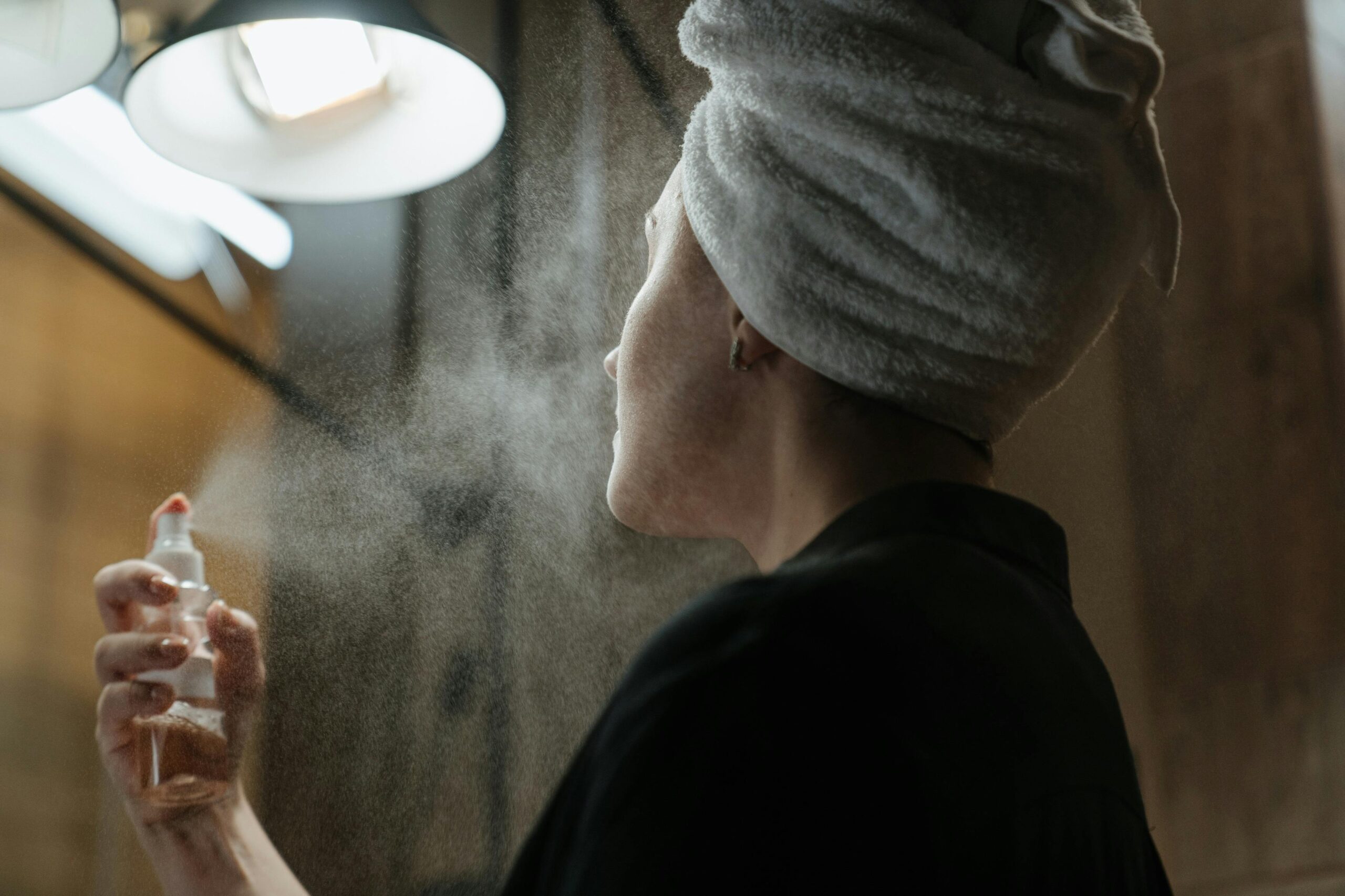
In the U.S., personal care items for travel tend to be minimalist: a toothbrush, deodorant, hand sanitizer, maybe travel-size shampoo. Skincare is optional — and often, limited to face wipes or a moisturizer.
In France, even a short trip requires a curated skincare kit.
That includes creams, cleansers, balms, oils — and a spray can of thermal water, used for soothing skin on planes, calming redness, or freshening up after a hot walk through the city.
It’s not luxury. It’s not indulgent. It’s routine maintenance.
And yes — it’s so essential that it gets packed in a carry-on, not checked.
2. Thermal Water Spray Is a National Obsession
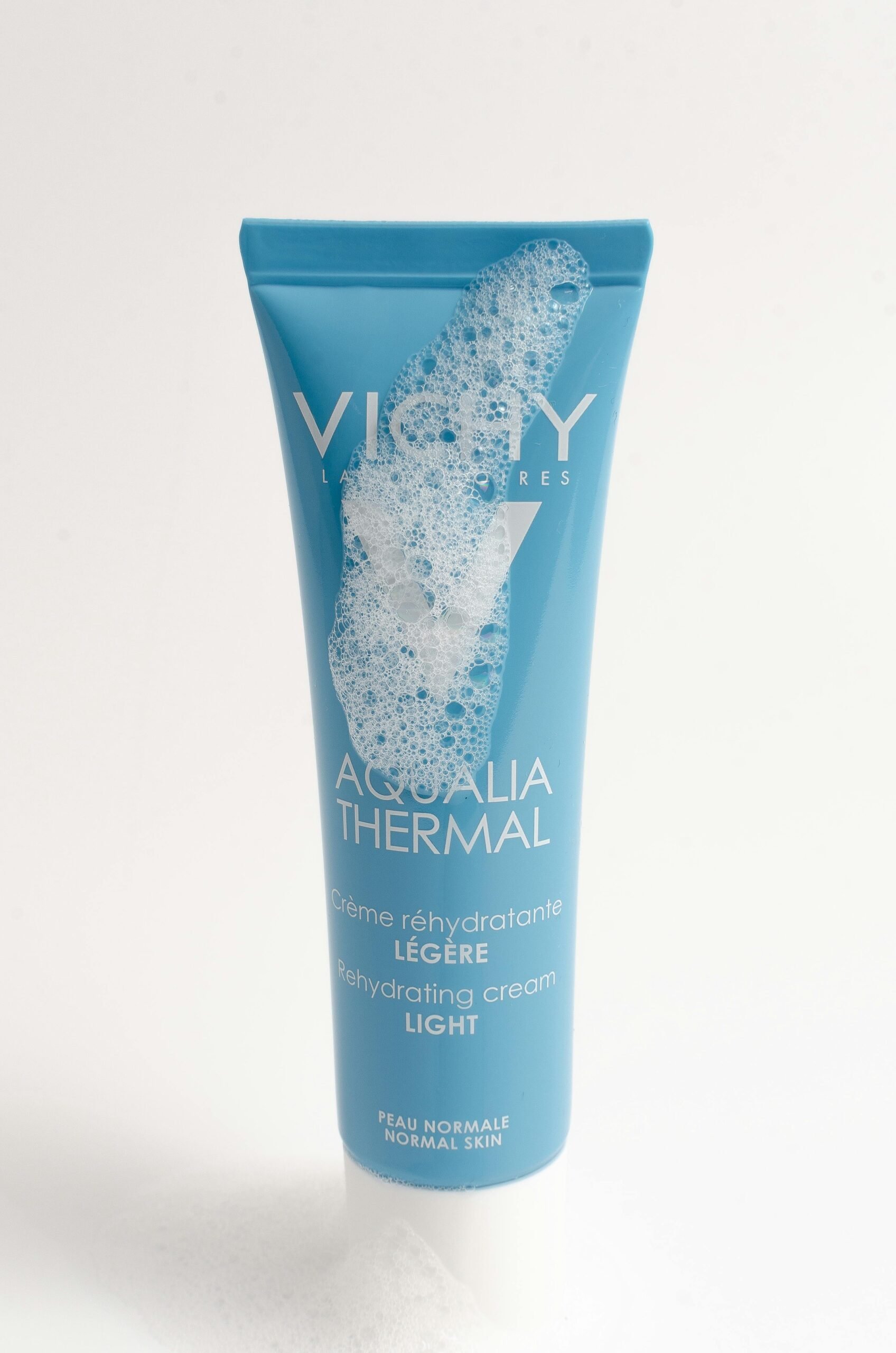
Americans may roll their eyes at the idea of paying for water in a can. But in France, thermal water sprays are stocked in pharmacies, recommended by dermatologists, and used across age groups.
It’s not scented. It’s not fancy. It’s mineral-rich spring water drawn from thermal sources, pressurized, and bottled under sterile conditions.
French people use it:
- After cleansing, to rebalance the skin
- During travel, to prevent dehydration
- On sunburns, eczema, or irritated skin
- Post-shave, post-wax, or after a long flight
It’s a cultural staple — as common as ChapStick in the U.S. — and leaving home without it, especially on a long journey, feels absurd.
3. Americans See an Aerosol Can — French People See Comfort

TSA guidelines in the U.S. ban aerosols over 100 ml (3.4 oz) from carry-ons, regardless of contents. A can of shaving cream? Checked. Dry shampoo? Checked. Thermal spray? Same rules.
But to French travelers, the idea of confiscating a 150 ml can of medical-grade mineral water seems irrational — and even rude.
This isn’t hairspray. It’s not a weapon. It’s the equivalent of a cooling towel in a heatwave — except cleaner, lighter, and approved by every pharmacist in France.
4. The Confiscation Scene Feels Personal
For French tourists, having Eau Thermale taken away at the airport often feels like being punished for taking care of yourself.
They’re not smuggling wine. They’re not hiding pâté. They’re carrying a dermatological tool — one that’s approved for use on babies, cancer patients, and surgical wounds.
When security agents throw it out like hairspray, the confusion isn’t just about the rule. It’s about the deeper message: “We don’t see what you see.”
It’s a quiet cultural collision — between French logic and American suspicion.
5. French Airports Don’t Care — They Trust the Item
At Paris Charles de Gaulle, you can breeze through security with your 150 ml Eau Thermale. No one blinks. No one pulls you aside.
Why? Because French airports — and their security systems — recognize the product. They trust the container. They know what it is.
In the U.S., TSA doesn’t. And anything that’s pressurized, cylindrical, or unidentifiable at first glance goes into the trash.
It’s not personal. It’s procedural.
But to the traveler who uses it twice a day, it still feels like a small defeat.
6. Americans Associate Pressurized Cans with Danger
There’s a cultural reason this product gets flagged. In the U.S., pressurized sprays are often tied to household cleaning, flammable substances, or beauty products loaded with chemicals.
Anything in a can feels dangerous unless proven otherwise.
But in France, pressurized cans are common in the health space — used for nasal sprays, wound rinsing, eye cleansing, and of course, facial sprays.
The format doesn’t imply threat. It implies clinical precision.
Same packaging — different associations.
7. French Travelers Don’t Read TSA Lists — Because the Product Isn’t Weird
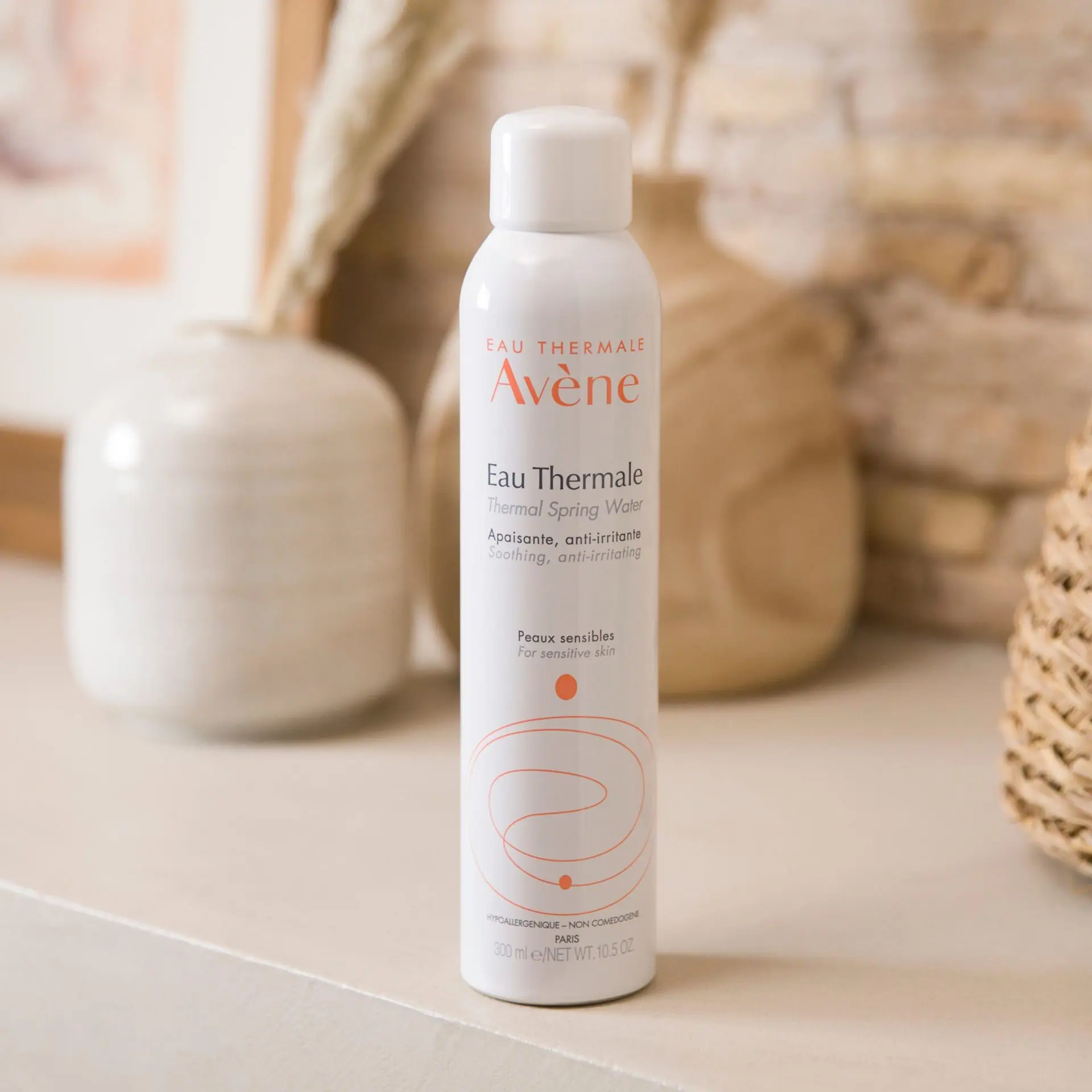
Ask a French traveler if they read TSA’s list of banned items before flying. Most haven’t. Why would they?
Eau Thermale is sold at every pharmacy. It’s baby-safe. Airline crews use it. Why would it be banned?
That’s the cultural logic — and it’s exactly what gets them into trouble at security.
The idea that water in a can would be seen as hazardous simply doesn’t compute — until it’s tossed in the gray bin, along with oversized hand cream and forbidden nail scissors.
8. American Security Prioritizes Risk — French Culture Prioritizes Utility
The underlying cultural difference is about what we assume about people and products.
In the U.S., the system assumes potential misuse. Rules are written to prevent the worst-case scenario, even if it inconveniences 99% of users.
In France, the system assumes you’re trying to take care of yourself — and the product is evaluated for what it is, not what it could theoretically become.
That’s why French travelers continue to pack their spray cans. They’re not being careless. They’re being French — and trusting that the item’s value will be recognized.
Spoiler: it usually isn’t.
9. The Real Reason They Keep Bringing It? They Don’t Want to Feel Dry

Flying long-haul? Train delays? Layovers in dry airports?
That little spray of water feels like rescue.
French travelers are willing to risk losing their can of Eau Thermale because they don’t want to arrive in New York or Chicago with itchy, parched skin.
It’s a small comfort. A ritual. A breath.
And even if it’s thrown out, they’ll buy another one on arrival — and pack it again for the flight home, hoping that maybe this time, the TSA agent will recognize that this isn’t just a spray can.
It’s a part of daily life.
One Can, Two Cultures
To Americans, Eau Thermale is weird. Pointless. Potentially dangerous.
To French travelers, it’s ordinary. Practical. Soothing.
To TSA, it’s a security risk.
To pharmacists in France, it’s basic hygiene.
That single item, misunderstood and often discarded, captures the full spectrum of how two cultures treat bodies, habits, and risk.
So the next time you see a French tourist confused at airport security, watching a small white canister being tossed into a trash bin, know this:
It wasn’t vanity. It wasn’t ignorance.
It was just France in a can — and America didn’t know what to do with it.
When we look at cultural differences in travel, it’s not just about where people go but also what they bring along. For French tourists, certain personal items are deeply tied to comfort and daily routine, so they seem indispensable on a long trip. Yet, what feels like a necessity in France can suddenly be flagged as a “security threat” the moment they step into an American airport.
This clash highlights just how much travel is shaped by rules that aren’t always logical to outsiders. What American authorities treat as dangerous, the French may see as harmless and even health-conscious. It’s less about right or wrong and more about how different countries prioritize safety, convenience, and cultural habits.
For travelers, the lesson is simple: always research not only what’s recommended to pack but also what’s prohibited at your destination. Otherwise, you might watch something that feels essential get tossed in the security bin while airport staff barely bat an eye.

About the Author: Ruben, co-founder of Gamintraveler.com since 2014, is a seasoned traveler from Spain who has explored over 100 countries since 2009. Known for his extensive travel adventures across South America, Europe, the US, Australia, New Zealand, Asia, and Africa, Ruben combines his passion for adventurous yet sustainable living with his love for cycling, highlighted by his remarkable 5-month bicycle journey from Spain to Norway. He currently resides in Spain, where he continues sharing his travel experiences with his partner, Rachel, and their son, Han.