
And what it reveals about grit, routine discomfort, and a cultural approach to endurance that doesn’t soften daily life
In much of the United States, “comfort” is not just a preference. It’s a right. Heated car seats, climate-controlled homes, ergonomic everything, and 24-hour conveniences are standard. The American consumer experience is built around eliminating friction.
But in Europe — especially across the Mediterranean, the Balkans, and even in parts of Northern and Central Europe — daily life often includes a degree of physical strain that most Americans would actively avoid.
It’s not because Europeans enjoy suffering. It’s because these discomforts are so embedded in the rhythm of life that no one stops to consider them optional. They are expected. Tolerated. Sometimes even valued.
From walking distances most Americans would drive, to sleeping in homes without air conditioning or central heating, here are nine examples of physical tolerance Europeans display daily — and why American travelers often struggle to adapt.
Want More Deep Dives into Everyday European Culture?
– Why Europeans Walk Everywhere (And Americans Should Too)
– How Europeans Actually Afford Living in Cities Without Six-Figure Salaries
– 9 ‘Luxury’ Items in America That Europeans Consider Basic Necessities
Quick Easy Tips
Do your research: Before visiting Europe, learn about local daily habits and expectations so you’re not caught off guard.
Pack for adaptability: Bring clothing, gear, or comfort items that help you adjust to less climate-controlled environments.
Embrace discomfort: See challenges not as problems but as cultural experiences that can expand your perspective.
One of the most debated aspects of European life is the acceptance of less climate control in homes and public spaces. Many Europeans don’t blast air conditioning in summer or overheat their homes in winter. To an American, this might seem like neglecting comfort, but in Europe, it’s both an environmental choice and a cultural expectation.
Healthcare is another area where tolerance plays out differently. Long waits for non-emergency treatments in Europe would frustrate most Americans. Yet Europeans, used to prioritizing universal access over speed, tend to accept this trade-off as part of a fairer system. For visitors, this feels like inefficiency; for locals, it’s equality in action.
Food portions and dining habits also spark controversy. Europeans often eat smaller meals and walk more, while Americans see indulgence as normal. What some Americans call “sacrifice,” Europeans view as balance. This difference isn’t just about health—it’s a cultural divide in what people consider essential versus excessive.
1. Walking as Transportation, Not Recreation
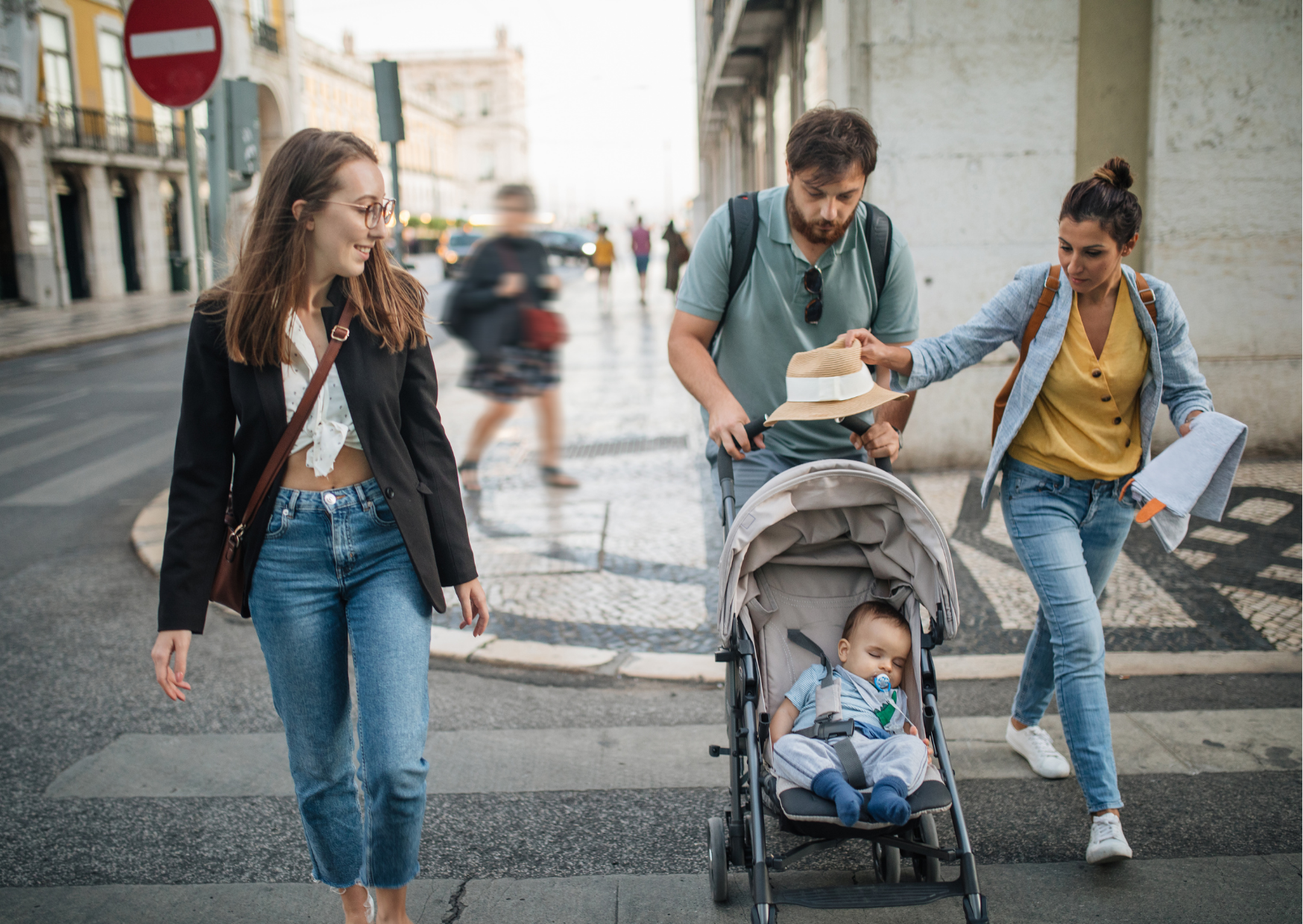
In the United States, walking is often framed as a fitness activity or leisure option. You walk your dog. You go on a hike. You get your steps in.
In Europe, walking is transportation. Full stop.
People walk to the market. To the train station. To a neighbor’s house. They walk their groceries home, take stairs instead of escalators, and stroll after dinner not as exercise, but as culture.
This means daily life includes more hills, more cobblestones, more inclines, and more hours on foot — often while carrying bags, pushing strollers, or navigating narrow sidewalks.
For Americans used to drive-through culture and wide, flat parking lots, this constant movement is shocking. Sore calves, tight backs, and unexpected fatigue are common.
Europeans, however, don’t blink. They don’t consider walking a burden. It’s just life.
2. Temperature Extremes Are Accepted, Not Controlled
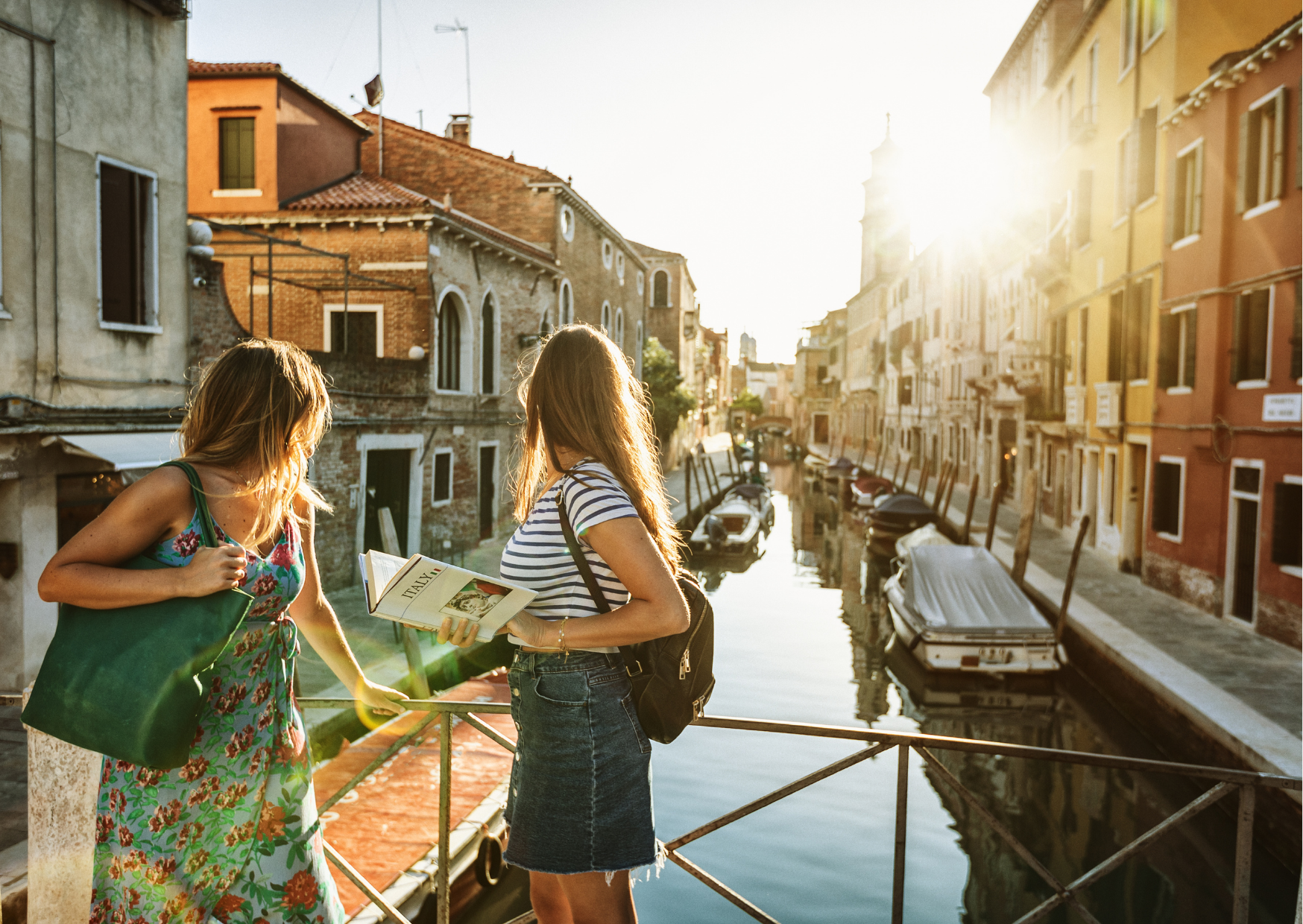
In Mediterranean countries, most homes are built to handle summer heat — with thick walls and cool tile floors — but many lack central air conditioning.
In winter, the opposite is true. Older homes often have weak or inconsistent heating. You’ll see people wearing coats indoors, heating one room at a time, and sleeping under piles of blankets.
Americans often react with disbelief. Why not just install climate control? Why live with sweat or shivers?
But for Europeans, temperature swings are natural. You dress accordingly. You adapt. And you don’t expect to feel 72 degrees Fahrenheit every moment of the day.
It’s about endurance, not total regulation.
3. Stairs Are Part of Daily Life

From Lisbon to Lyon, from Naples to Prague, stairs are everywhere. Many European cities are built on hills, with winding alleyways and vertical neighborhoods.
And in residential buildings, elevators are not guaranteed — even in five-story walk-ups.
While Americans often favor accessibility and ease of movement, Europeans treat stairs as standard. Older residents climb multiple flights daily. Children walk uphill to school. Groceries are hauled up without complaint.
If you’re an American used to elevator buttons and escalators, a week in a European apartment can feel like training for a fitness competition.
For Europeans, however, it’s barely worth mentioning.
4. Public Transport Requires Agility
Unlike car-centric American cities, European cities rely heavily on trains, buses, metros, and trams. And using them well requires physical flexibility.
You need to:
- Stand for long periods without support
- Move quickly between platforms
- Squeeze into crowded carriages
- Balance while the vehicle lurches forward
- Walk between multiple connections
There are few “accommodations” for tired legs or mobility discomfort unless you’re visibly elderly or injured.
Americans used to door-to-door convenience often find this grueling. Europeans, by contrast, master it by adolescence.
5. Minimalist Gyms, Maximum Outdoor Movement
Gyms exist in Europe, but they are often smaller, less flashy, and less coddling than American fitness centers. No icy towels. No 24-hour smoothie bars. No plush locker rooms.
And for many Europeans — especially in southern countries — the real gym is the outdoors.
Swimming in the sea, hiking in the mountains, running through old towns, cycling for errands — physical exertion is folded into everyday life, not separated into “workout time.”
In contrast, Americans tend to structure exercise around climate-controlled environments and specialized clothing. Europeans expect their bodies to work all day, not just for an hour on a treadmill.
6. Pain Is Tolerated Differently
In many European countries, mild discomfort is not seen as an emergency.
A headache? Wait it out. A sore throat? Drink herbal tea. Muscle pain? Sleep on it. Even childbirth and dental work are sometimes managed with fewer medications than in the U.S.
This isn’t due to lack of access — it’s a mindset. One that doesn’t panic in the face of temporary pain.
American culture, by contrast, emphasizes relief. There is a pill, cream, gadget, or service for every kind of discomfort. The idea of enduring pain when a fix exists feels unnecessary.
But in Europe, especially in traditional households, resilience is a virtue. The body is expected to struggle — and then recover.
7. Hard Surfaces Are the Norm
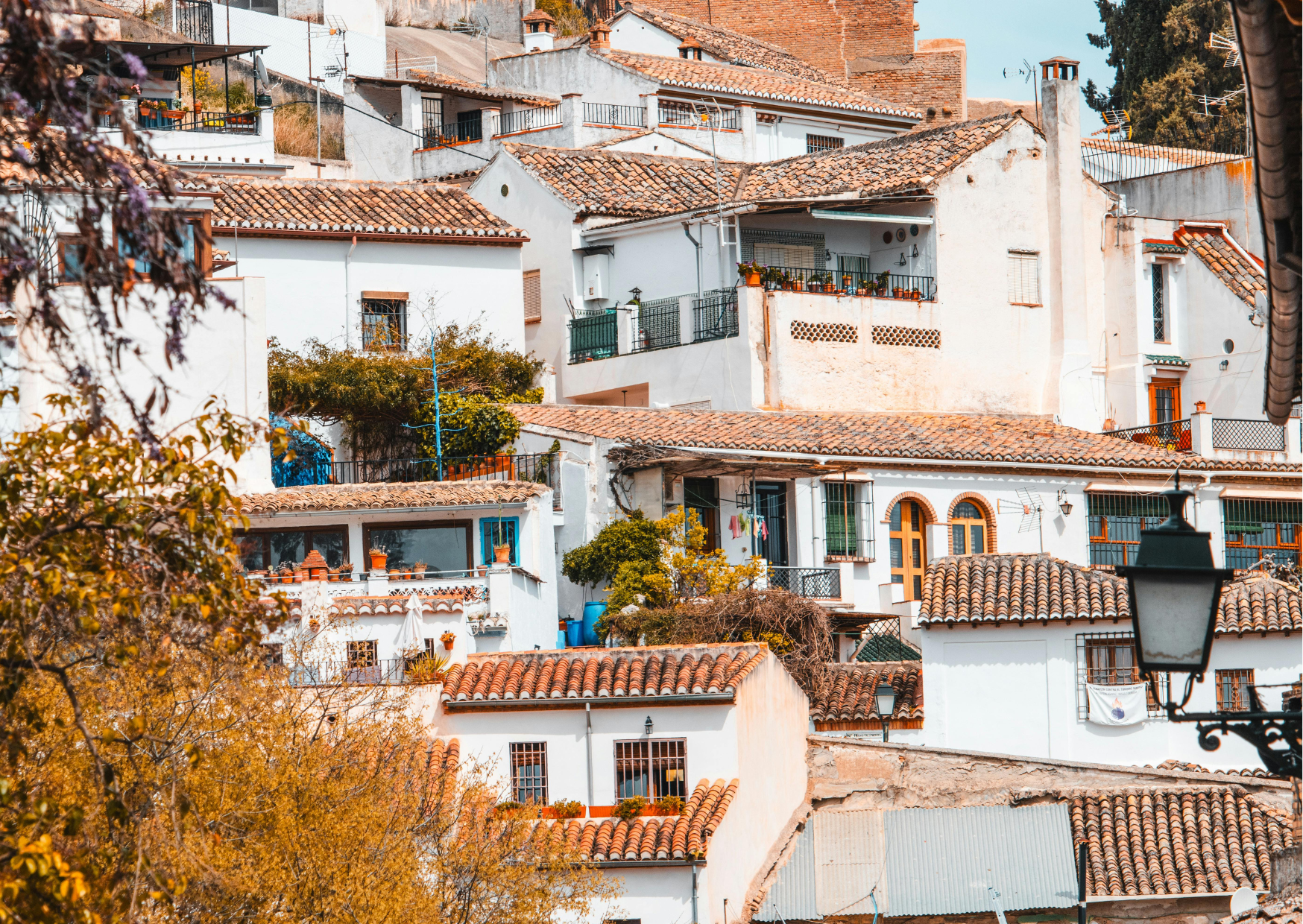
Look at a typical American home and you’ll see soft sofas, wall-to-wall carpets, memory foam beds, plush armchairs.
In Europe? Think stone floors, firm mattresses, wooden chairs, and minimal cushioning. Even in high-end settings, you’ll find less padding and more structure.
It’s not about deprivation. It’s about durability and maintenance. Hard surfaces are easier to clean, last longer, and are suited to warm climates.
But the result is that European bodies are used to sitting, sleeping, and walking on surfaces that require actual muscle and balance — not surfaces that mold to your every curve.
For Americans used to ergonomic everything, this can be jarring.
8. Meals Are Scheduled, Not Grazed

In many parts of Europe, especially France, Italy, and Spain, meals happen at set times. You eat breakfast, lunch, and dinner — often with long gaps between. Snacking is rare. Eating in transit is frowned upon.
This requires bodily patience.
There’s no expectation that food is always within reach. If lunch is at 2:00 p.m. and you last ate at 8:00 a.m., you wait.
Children are taught this early. Adults structure their day around it.
American visitors often find themselves starving by mid-morning or wondering where all the convenience snacks are. But Europeans expect to feel hungry before meals. It’s part of the rhythm — not a failure of planning.
9. Physical Labor Isn’t Outsourced
While tech and delivery services are expanding in Europe, many daily tasks are still done manually.
Clothes are hung to dry. Floors are swept and mopped. Trash is walked to a communal bin. Groceries are carried by hand. Maintenance is done without contractors.
In American homes, physical strain is often outsourced: robot vacuums, laundry services, food delivery, yard care.
In European homes, these are ordinary chores — and they add up to a lifestyle that keeps people on their feet, bending, lifting, and adjusting all day.
This quiet physicality — not intense, but constant — builds tolerance over time.
It’s Not About Toughness. It’s About Expectation
The European capacity for discomfort doesn’t come from superior strength or better genetics. It comes from not expecting ease at every turn.
Most people grow up walking more, tolerating temperature changes, sleeping on firmer beds, and enduring physical tasks without complaint. Over time, this creates a baseline of tolerance — not because life is harder, but because comfort is not the measure of success.
In contrast, American culture places high value on eliminating discomfort. And the market responds with thousands of products and services designed to make life feel effortless.
When American travelers come to Europe and complain about:
- The stairs
- The heat
- The lack of AC
- The slow service
- The hard beds
- The tight sidewalks
- The time between meals
…they’re not wrong. These things are harder, physically and mentally.
But they’re also normal to the people who live there — not obstacles, just elements of life.
European daily life doesn’t apologize for making you walk, wait, carry, or adapt. And that endurance — subtle but constant — shapes the way people live, age, and relate to their bodies.
For Americans used to optimizing every aspect of life, the European physical baseline can feel like punishment.
But to many Europeans, it’s not suffering. It’s strength. It’s self-maintenance. And it’s the reason their bodies — and their expectations — are built to last.

About the Author: Ruben, co-founder of Gamintraveler.com since 2014, is a seasoned traveler from Spain who has explored over 100 countries since 2009. Known for his extensive travel adventures across South America, Europe, the US, Australia, New Zealand, Asia, and Africa, Ruben combines his passion for adventurous yet sustainable living with his love for cycling, highlighted by his remarkable 5-month bicycle journey from Spain to Norway. He currently resides in Spain, where he continues sharing his travel experiences with his partner, Rachel, and their son, Han.