
A friendly, zero-stress system for dressing well all year with a dozen pieces that actually mix, match, and live real lives.
You notice it on a side street in Bologna. Someone glides past in jeans, a blazer, and sneakers that are clean but not precious. Nothing shouts. Everything fits. Tomorrow, the same blazer shows up with a dress and flats. The day after, it anchors a scarf and trousers. Fewer clothes, better ones, worn more ways.
That is the quiet Italian trick. Not minimalism for its own sake, but a tight roster of pieces that share colors, fabrics, and proportions so they work together without thinking. You do not need a designer budget. You need a map and the discipline to stop buying orphans.
Below is the map. Twelve items, why they earn their spot, how to pick versions that last, and exactly how to spin them through all four seasons without repeating yourself.
Want More Deep Dives into Everyday European Culture?
– Why Europeans Walk Everywhere (And Americans Should Too)
– How Europeans Actually Afford Living in Cities Without Six-Figure Salaries
– 9 ‘Luxury’ Items in America That Europeans Consider Basic Necessities
How The System Works

A capsule is not a random dozen. It is a kit. Each piece fills a role, and every role links to all the others.
- Color discipline. Pick one dark neutral, one light neutral, and one accent you actually wear. For most people that is navy or charcoal, ivory or stone, and olive or burgundy. Staying inside this palette is what makes twelve items feel like thirty.
- Fabric logic. Fabrics that age well and layer well: wool, cotton, linen, silk, denim, and a little cashmere. Avoid squeaky synthetics for your core pieces. If a fabric pills in the store, it will pill at home.
- Proportion rules. Pair structured with relaxed. If the top is sharp (blazer), the bottom can be easy (jeans). If the trousers are tailored, choose a softer knit. This keeps outfits from looking stiff or sloppy.
- Fit, then everything else. Italian style reads as “effortless” because tailoring is non-negotiable. Hemmed trousers, sleeves that hit the wrist bone, shoulders that sit right. Spend on alterations. You will look like you spent more on clothes than you did.
- Seasonal swaps, not new wardrobes. The same twelve work year round with underlayers, tights, scarves, and outerwear you already own or will add slowly. Think of weather gear as utilities, not part of the count.
The 12 Pieces (And What To Look For)

Choose versions you can actually find where you live. The point is the category, not a specific brand.
- Unstructured Blazer (dark neutral). Soft shoulder, patch pockets, half-lined. Works with denim, trousers, and dresses. Choose wool hopsack, cotton twill, or linen-wool for breathability.
- Cropped or Regular Cardigan (light neutral). Midweight, clean buttons, no fancy stitch that snags. Layer over tees, shirts, or the dress.
- Fine-Gauge Sweater (accent or neutral). Crew or V. Merino or cashmere-blend that slides under the blazer without bulk.
- Crisp Button-Down Shirt (light neutral). Poplin or oxford. Sized so it tucks without ballooning. Roll sleeves for spring and summer, layer under knitwear in winter.
- Silk or Viscose Blouse (accent). A drapey piece that dresses the blazer up or replaces it in heat.
- Breton or Striped Knit (neutral + stripe). Adds interest without breaking the palette. Works with everything from denim to suiting.
- Dark Straight-Leg Denim. Mid-rise, no whiskers, no rips. Tailor the hem to your shoes.
- Fluid Trousers (dark neutral). Wool or wool-blend with a clean line. A light pleat flatters more bodies than you think.
- Cigarette or Cropped Trouser (light neutral). Cotton twill or wool. Breaks up dark-on-dark and opens spring looks.
- Simple Midi Dress (dark or light neutral). Minimal seam detail, sleeves you like, pockets if possible. Should layer under the blazer and cardigan and take a belt.
- Leather Sneakers (white or cream). Low profile, easy to clean. Wear with everything except formal events.
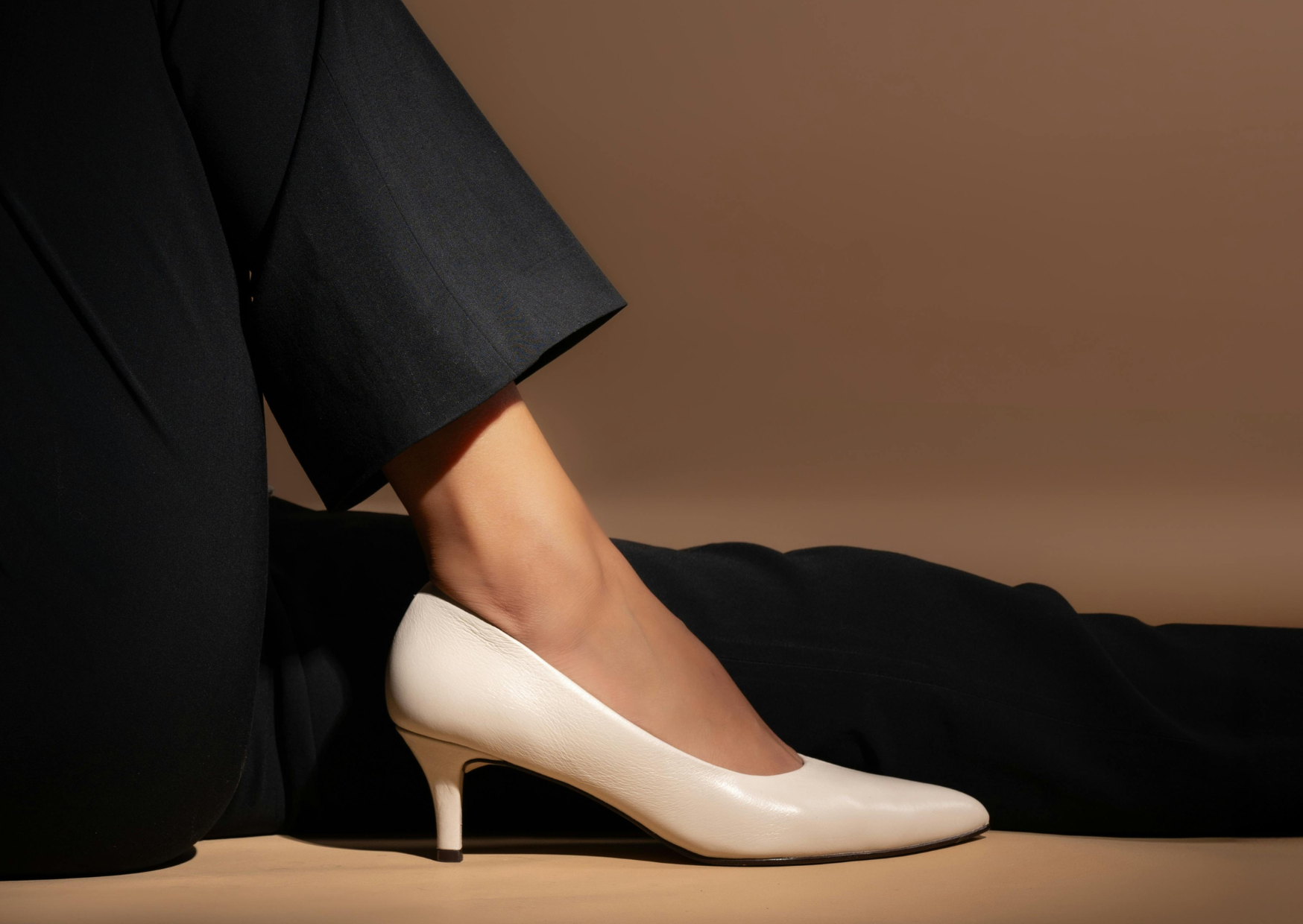
- Low Heels or Refined Flats (dark neutral). 2–5 cm block heel or a sleek flat you can walk in. This is your instant polish button.
If you wear suits for work, swap the cropped trouser for a matching blazer + trouser set and let the unstructured blazer become your off-duty piece. If dresses are your uniform, trade the blouse for a second midi dress in the opposite neutral.
What It Looks Like Year Round
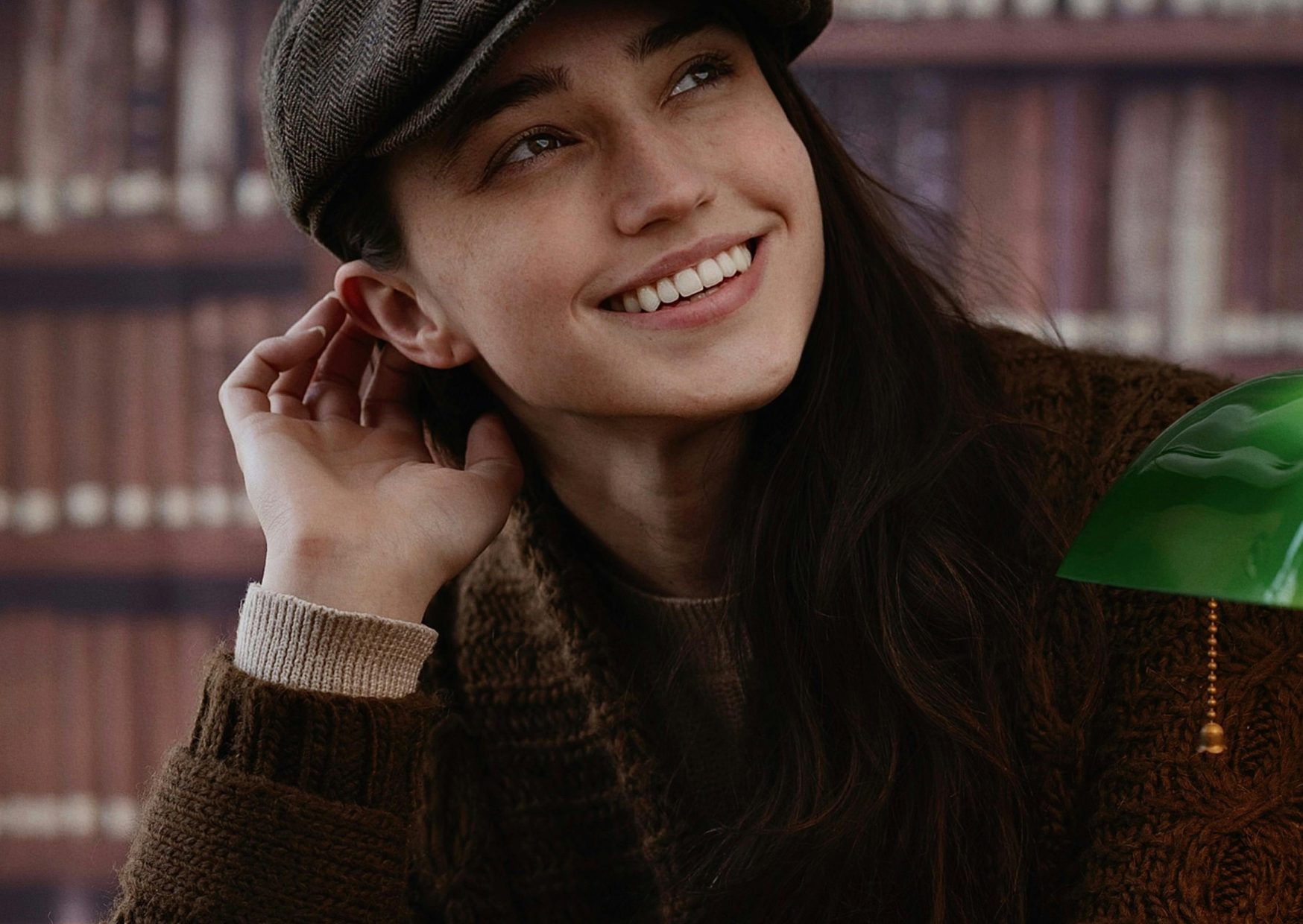
Same twelve. Four seasons. No stress.
Spring (12–18°C):
- Blazer + striped knit + light trouser + sneakers
- Cardigan + silk blouse + dark denim + flats
- Midi dress + blazer + flats
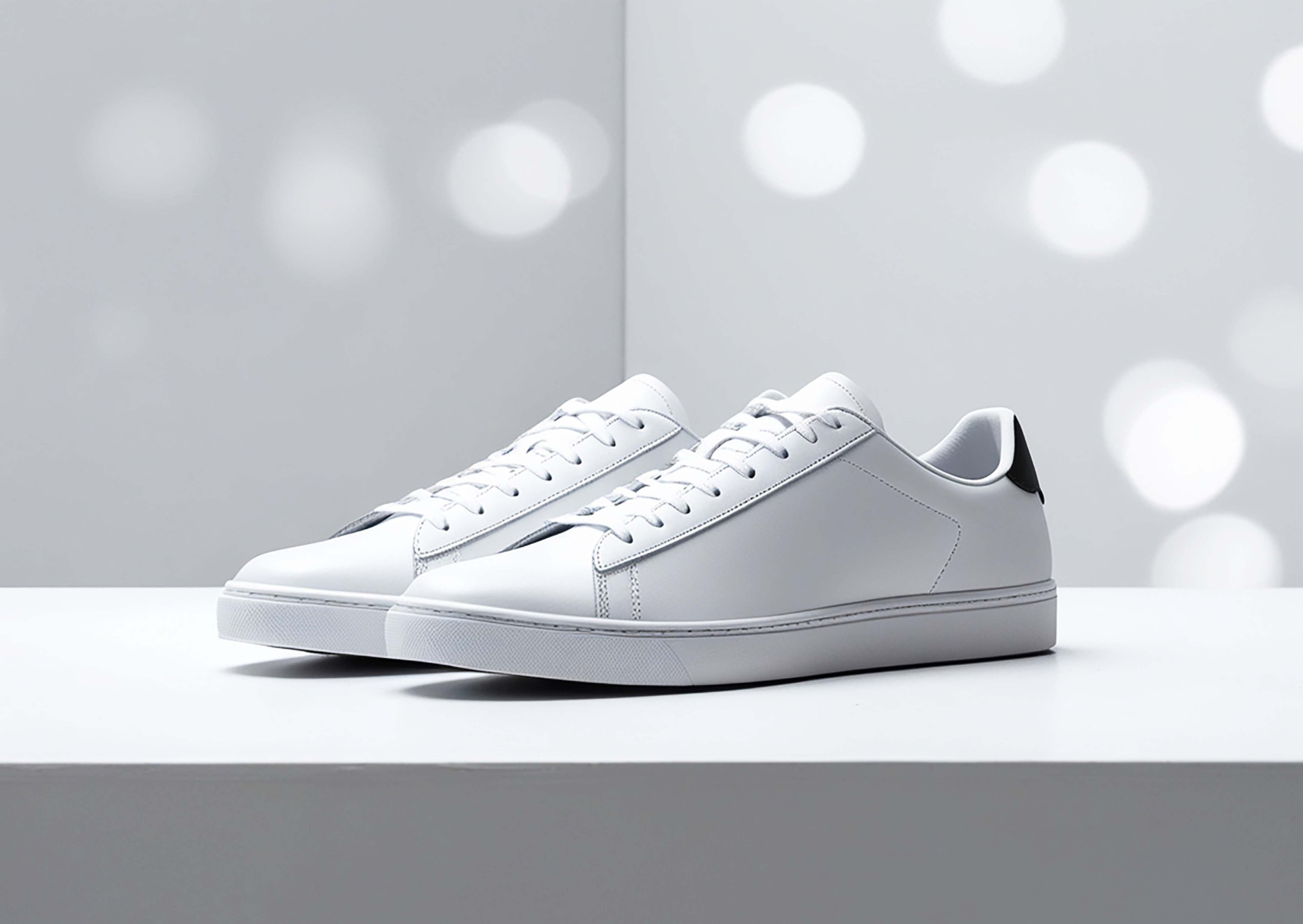
Summer (25–35°C):
- Silk blouse + cropped trouser + sandals you already own
- Striped knit (short sleeve) + midi skirt substitute if your climate demands, or the midi dress solo with sneakers
- Button-down shirt, sleeves rolled, tied at the waist + dark denim + flats
Autumn (10–15°C):
- Fine-gauge sweater + dark trouser + flats
- Blazer + button-down + denim + sneakers
- Midi dress + cardigan + belt + ankle boots you already own
Winter (0–8°C):
- Fine-gauge sweater under blazer + dark trouser + wool socks + boots
- Cardigan over button-down + denim + heavy coat you already own
- Midi dress + sweater layered on top so it reads as skirt + tights + boots
Outerwear, tights, umbrellas, hats, and gloves sit outside the twelve. Treat them like utilities. If your winter is severe, a camel or navy coat and a down layer are worth adding over time.
The Practical Playbook
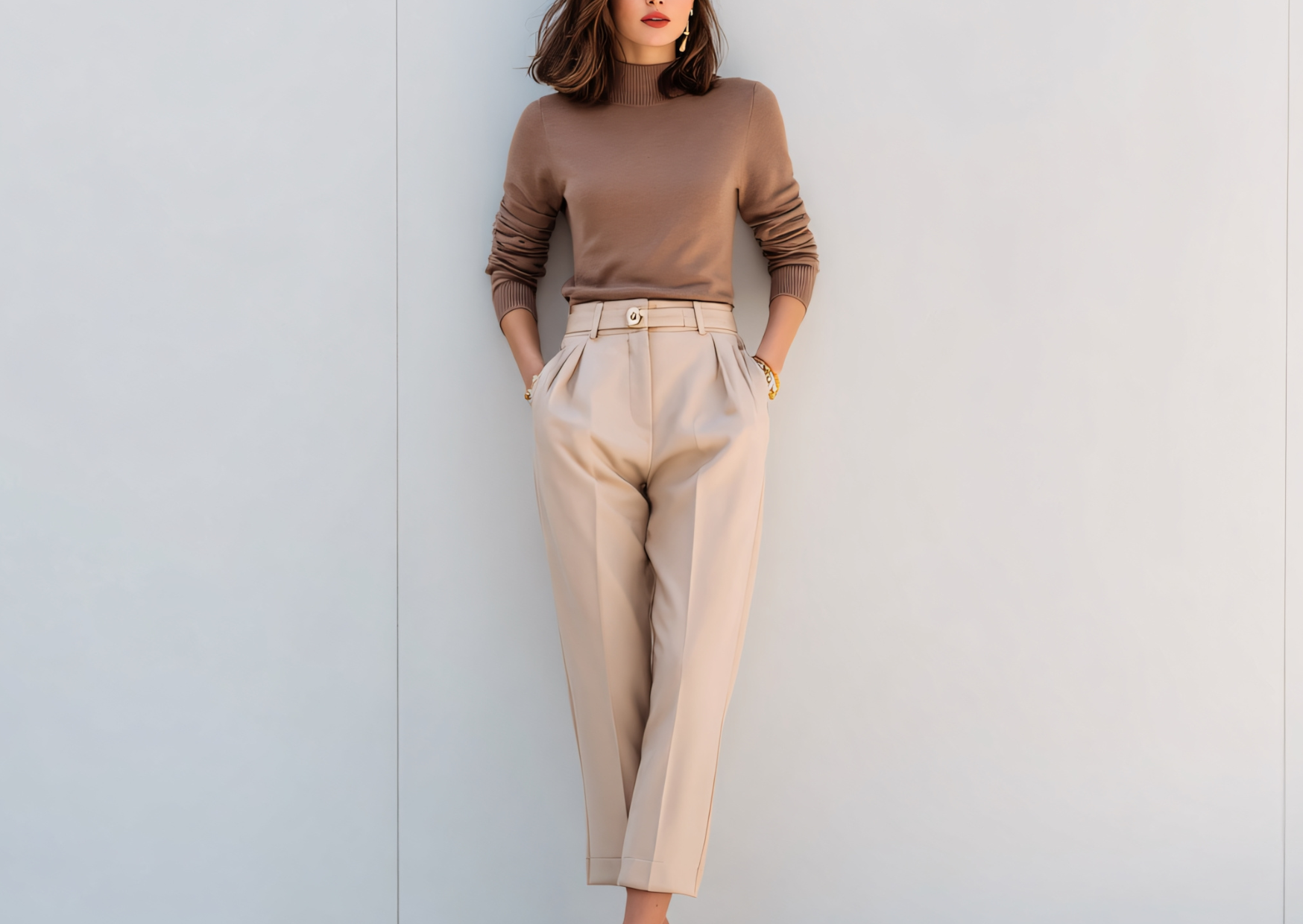
How to build this without wasting money.
Step 1: Empty the closet, make three piles. Keep, tailor, donate. The tailor pile often holds your best future outfits. Fix hems, waists, and sleeves before you buy a thing.
Step 2: Choose your palette. Stand in front of a mirror with a navy piece and a charcoal piece. One will love your face more. That is your dark. For light, test ivory vs crisp white vs stone. Pick one. For accent, pick a color that appears in your accessories already.
Step 3: Shop the list in this order.
- Dark trousers
- Dark blazer
- Denim
- Fine-gauge sweater
- Button-down
- Sneakers
Then fill the remaining six as gaps reveal themselves. Buying all twelve in one day guarantees mistakes.
Step 4: Tailor everything that can be tailored. Hems, sleeves, waist darts, shoulder pads removed. An average alteration is cheaper than a bad replacement.
Step 5: Add one accessory lane. One belt, one leather crossbody or tote in a matching neutral, one scarf that echoes your accent. Accessories do the heavy lifting for variety.
Step 6: Care like an Italian. Use hangers with shape for jackets. Fold knitwear. Air clothes between wears. Handwash silk and wool with gentle detergent. Polish shoes. The capsule looks expensive because it looks looked after.
Step 7: Set a replacement rule. One in, one out. If you buy a new cardigan, an old knit leaves. This keeps the capsule from bloating back into chaos.
Pitfalls Most People Miss
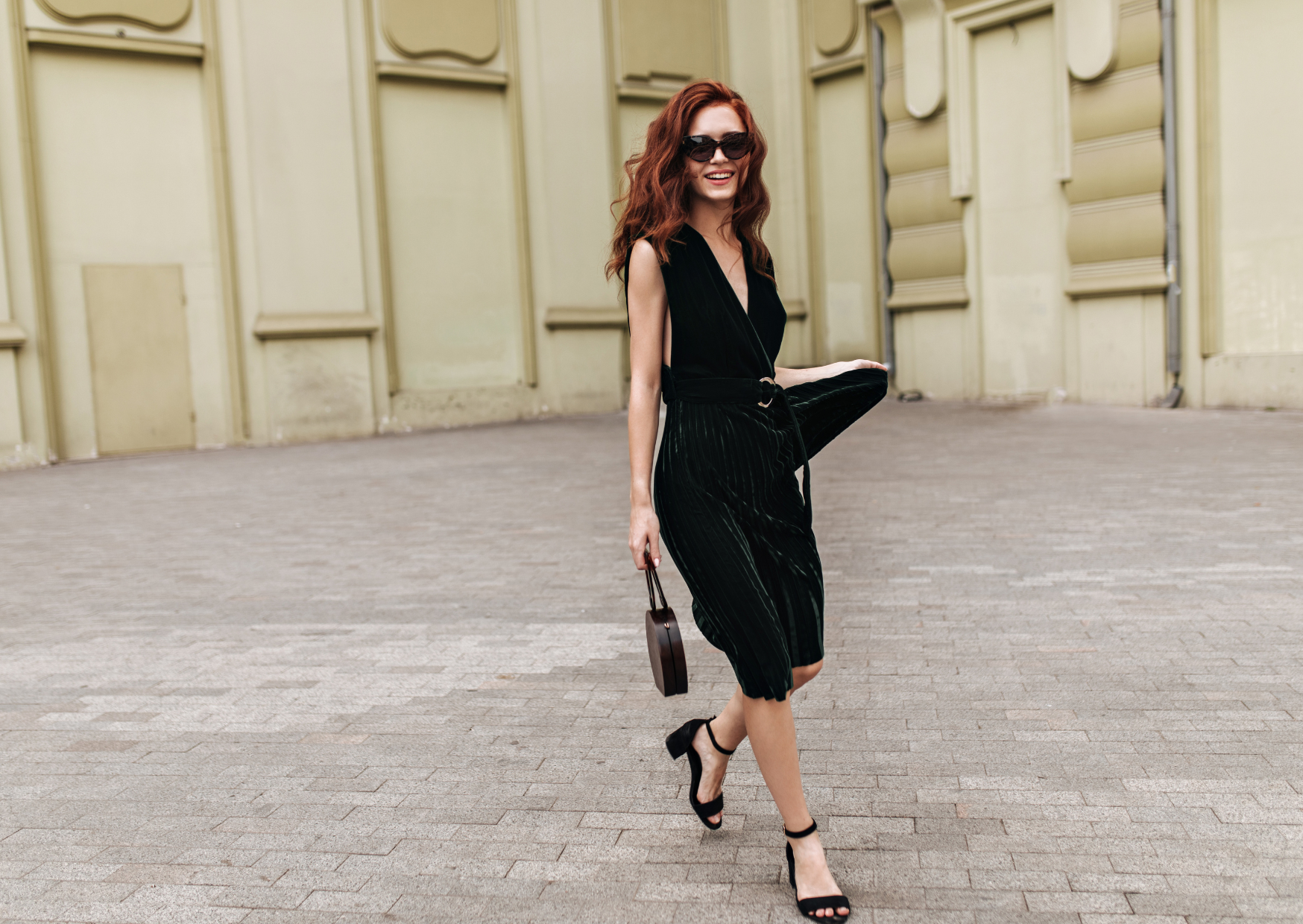
Buying twelve favorites, not twelve roles. A closet of beautiful tops with no bottoms is still a headache. Stick to the plan.
Ignoring shoes. A perfect outfit with wrong shoes reads wrong. Clean white leather sneakers and one refined flat or heel cover 90 percent of days.
Forgetting proportion. Oversized top with wide pants can swamp you. If one half is relaxed, keep the other closer to the body.
Chasing trends inside the twelve. Trend energy belongs in accessories. Keep the core classic so it survives three summers and three winters.
Skipping alterations. Off-the-rack is a first draft. The difference between “nice” and “Italian” is often a €20 hem.
Palette drift. Two months later you add caramel, then black, then bright purple. Suddenly nothing matches. Guard your palette.
Regional And Seasonal Nuance You Should Know
Hot climates. Swap the fine-gauge sweater for a second lightweight blouse. Choose an unlined blazer in linen or cotton. Make the dress sleeveless and add a thin cardigan for AC.
Cold climates. Keep the fine-gauge knit. Choose lined wool trousers and a blazer with more structure. Add thermal layers underneath in winter. The capsule stays the same; the utilities get warmer.
Office codes. If your office skews formal, let the unstructured blazer become structured, and trade sneakers for loafers. If your office is casual, keep the blazer but make it cotton and lean on the denim more.
Travel. This capsule is a carry-on killer. Pack the blazer on your shoulders, wear sneakers, tuck flats in the tote. Everything else rolls into a cube.
If You’re Running The Numbers

A capsule is not just tidy. It is cheap over time.
- Cost per wear. If your blazer costs 180 and you wear it three times a week for nine months, that is ~108 wears a year, €1.67 per wear. A 60 blouse you reach for six times all year is €10 per wear. Spend where the wears live.
- Alterations vs replacement. A €25 hem doubles the life of trousers that drag. A €15 sleeve shorten turns a “close enough” blazer into a favorite. Often cheaper than hunting a unicorn.
- Laundry savings. Fewer pieces means fewer failed experiments and less dry cleaning. Airing knits and spot-cleaning preserves shape and color.
- Time value. Dressing in two minutes without thinking is a real dividend. Decisions and returns cost energy. A good capsule refunds it.
30 Outfit Ideas From 12 Pieces

You do not need thirty, but seeing the range calms the “will I be bored” fear.
- Blazer + button-down + dark trouser + flats
- Blazer + striped knit + denim + sneakers
- Blazer + silk blouse + cropped trouser + heels
- Cardigan + button-down + denim + flats
- Cardigan + silk blouse + dark trouser + heels
- Cardigan + midi dress + belt + flats
- Fine-gauge sweater + dark trouser + sneakers
- Fine-gauge sweater + midi dress as skirt + boots
- Fine-gauge sweater + denim + flats
- Button-down + dark trouser + sneakers
- Button-down + midi dress open, worn as a duster + flats
- Silk blouse + denim + heels
- Silk blouse + cropped trouser + sneakers
- Striped knit + dark trouser + flats
- Striped knit + denim + sneakers
- Striped knit + midi dress layered under + heels
- Blazer + cardigan + denim + boots
- Blazer + fine-gauge sweater + cropped trouser + flats
- Blazer + silk blouse + denim + heels
- Cardigan + striped knit + dark trouser + sneakers
- Cardigan + button-down + cropped trouser + flats
- Fine-gauge sweater + button-down peeking at collar + denim + sneakers
- Button-down + cropped trouser + flats
- Silk blouse + midi dress under blazer + heels
- Striped knit + button-down collar showing + dark trouser + flats
- Blazer on shoulders + midi dress + sneakers
- Cardigan belted + dark trouser + heels
- Fine-gauge sweater tucked + cropped trouser + flats
- Button-down tied + midi dress + sandals (summer)
- Silk blouse half-tucked + dark trouser + sneakers
Care And Longevity: The Italian Way
- Rotate shoes. Leather rests between wears. Use trees if you can.
- Steam, do not scorch. Steaming relaxes fibers without shine.
- Air knits. Wear once, rest once. Wash only when needed.
- Mend immediately. A loose button today is a lost button tomorrow. Keep a simple kit in your drawer.
- Store with space. Overstuffed rails wrinkle and warp shoulders.
How To Personalize Without Breaking It
Keep the skeleton, change the jewelry.
- Swap the striped knit for a subtle print you love.
- Trade flats for loafers if that is your speed.
- Add one statement scarf that ties your accent color to everything.
- If you never wear dresses, replace the midi with a midi skirt and a second blouse.
What makes this feel Italian is not the label. It is the calm. Good fabrics. Clean lines. A jacket that earns its keep in three different lives. Twelve pieces, all friends with each other. That is the secret.

About the Author: Ruben, co-founder of Gamintraveler.com since 2014, is a seasoned traveler from Spain who has explored over 100 countries since 2009. Known for his extensive travel adventures across South America, Europe, the US, Australia, New Zealand, Asia, and Africa, Ruben combines his passion for adventurous yet sustainable living with his love for cycling, highlighted by his remarkable 5-month bicycle journey from Spain to Norway. He currently resides in Spain, where he continues sharing his travel experiences with his partner, Rachel, and their son, Han.