
Italian cuisine is often celebrated for its hearty meat dishes, but some of the country’s most iconic flavors come straight from its vegetarian traditions. From sun-drenched vegetables to rich cheeses and handmade pastas, Italy offers a treasure trove of meatless meals that are as satisfying as they are flavorful. Vegetarian Italian food isn’t a compromise — it’s a cornerstone of regional cooking.
Many of Italy’s best-loved dishes were never meant to include meat. In fact, “cucina povera,” or peasant cooking, focused on making the most of seasonal, local ingredients, with an emphasis on simplicity and flavor. The result? Dishes that let vegetables, herbs, and high-quality olive oil shine — and keep generations of Italians happily fed.
Whether you’re a lifelong vegetarian, trying to eat more plant-based meals, or just love Italian food, this list of nine authentic vegetarian Italian recipes will give you delicious ideas straight from the heart of Italy — no substitutions required.
Read here best Italian food, vegetarian food in Italy, best drinks in Italy and best breakfast in Italy
Read Here Things to know before visiting Italy and how to buy a sim card in Italy
BOOK YOUR TRAVEL INSURANCE
Two of our favorite travel insurance: Heymondo Vs Safetwing cheapest travel Insurance. You can get for $135 USD your Heymondo Travel Insurance with Heymondo discount code valid for 90 days. Read our full comparison of Genki vs Safetywing Travel Insurance Review and the comparison Heymondo vs Genki
Best Time to Eat & How to Partner These Dishes
Italian vegetarian dishes are incredibly versatile. Enjoy them at long Sunday lunches, weeknight dinners, or summer picnics. Dishes like Caprese salad or bruschetta al pomodoro are perfect in warmer months, while eggplant parmigiana and risotto ai funghi warm the soul in colder weather.
To complement these dishes, pair them with Italian wines like Pinot Grigio for lighter dishes or Chianti for richer ones. Don’t forget a slice of crusty bread, a side of marinated olives, or a small green salad to create a full Italian experience at home. These recipes also work beautifully as part of an antipasto spread or as mains at a vegetarian dinner party.
And yes, you can absolutely end on a high note with a classic vegetarian dessert like panna cotta or tiramisu — both naturally meat-free and completely indulgent.
One major misconception is that Italian food requires meat to be “authentic” or satisfying. But in reality, many Italian families eat meat sparingly and consider dishes like pasta with zucchini, minestrone, or gnocchi with sage butter as true comfort food — not second choices.
There’s also a lingering belief (especially outside of Italy) that vegetarian versions of Italian classics are “less than.” In truth, many vegetarian dishes — like pasta alla norma or ribollita — are not adaptations but centuries-old recipes, lovingly passed down and never meant to include meat in the first place.
Finally, some diners expect vegetarian Italian food to be light and delicate. But that’s another myth: real vegetarian Italian cuisine can be bold, cheesy, garlicky, and unapologetically rich, proving that meat-free doesn’t mean flavor-free — not in Italy.
Vegetarian Italian Recipes
1. Caprese Salad
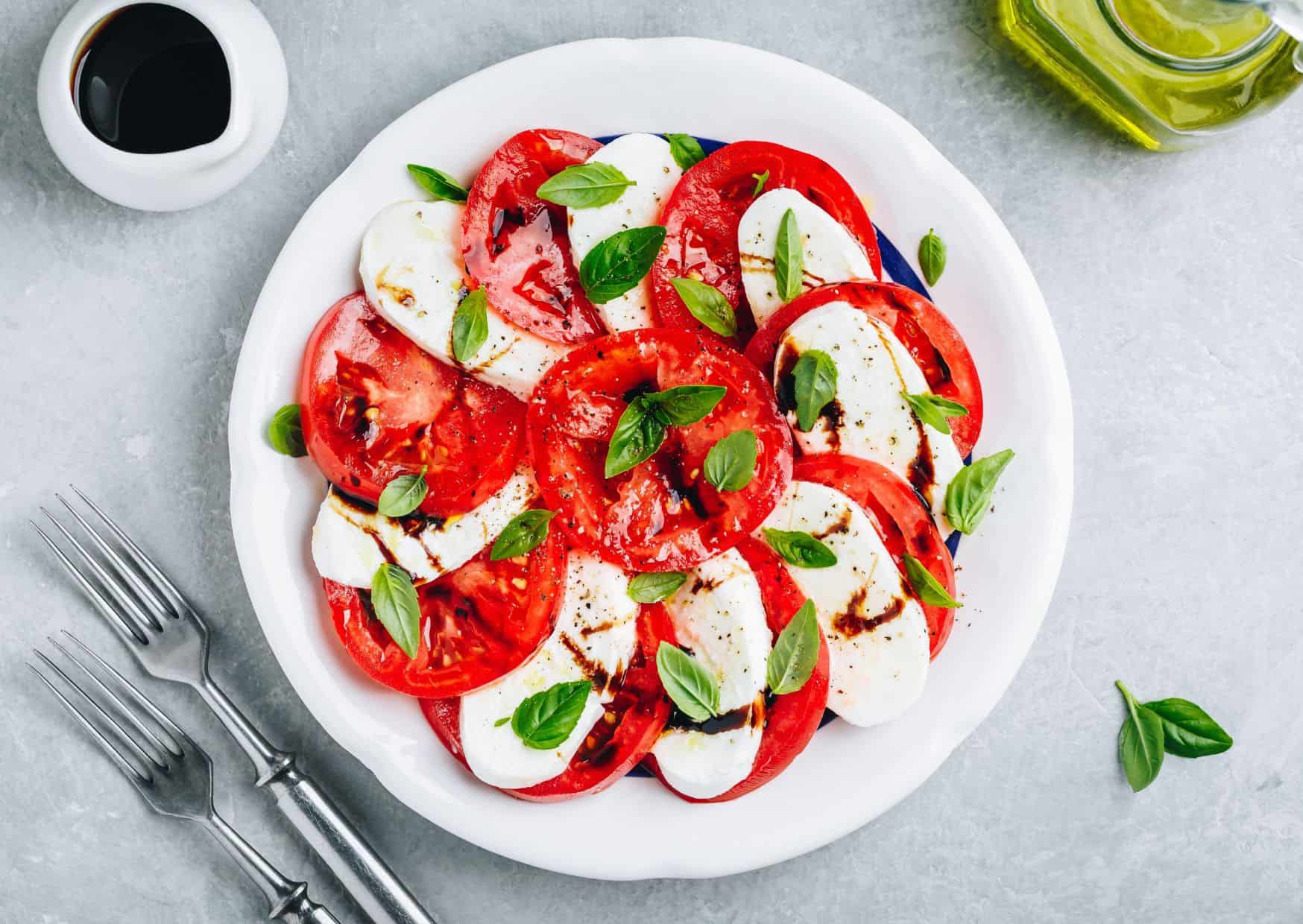
Ingredients: Fresh tomatoes, mozzarella cheese, fresh basil, olive oil, balsamic glaze, salt, and pepper.
Instructions: Slice the tomatoes and mozzarella. Arrange them on a platter, alternating and overlapping them. Sprinkle with fresh basil leaves. Drizzle with olive oil and balsamic glaze. Season with salt and pepper.
Tips: Use the freshest ingredients possible. The quality of the mozzarella and tomatoes is key to this dish’s success.
Calories: Approximately 300 calories per serving.
2. Vegetarian Lasagna
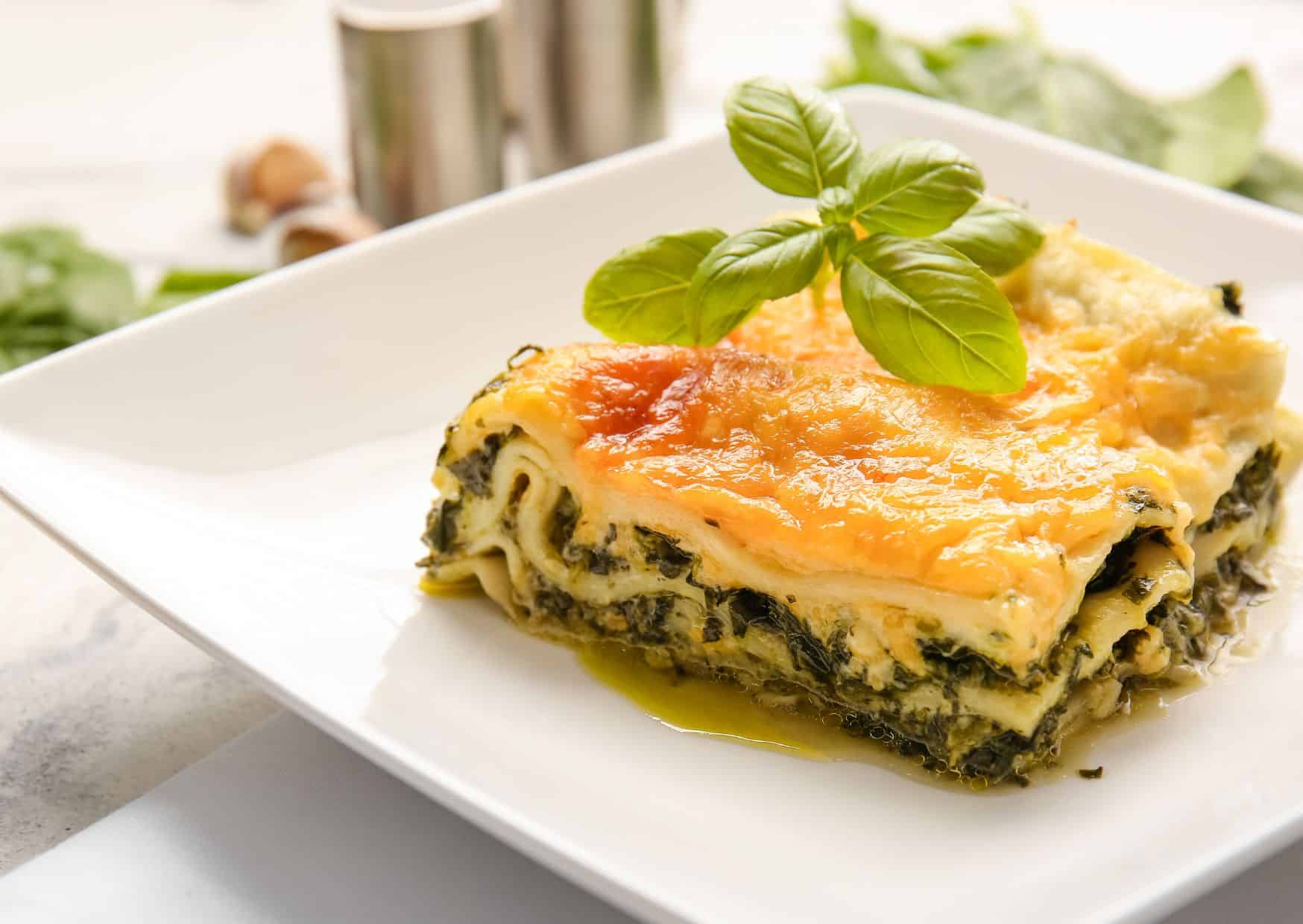
Ingredients: Lasagna noodles, ricotta cheese, mozzarella cheese, Parmesan cheese, marinara sauce, spinach, and zucchini.
Instructions: Layer the ingredients in a baking dish and bake until golden and bubbly.
Tips: Use water-rich vegetables like zucchini and mushrooms but sauté them well to remove excess moisture which can make the lasagna soggy.
Consider using no-boil lasagna noodles to save time. These absorb excess liquid from the sauce and vegetables, helping to maintain structure. Ensure each layer of cheese is evenly spread to create a cohesive, flavorful dish throughout.
Properly seasoning each layer of vegetables and the ricotta mixture is crucial for a flavorful lasagna.
Calories: A typical serving of vegetarian lasagna contains about 300-400 calories.
3. Risotto Ai Funghi (Mushroom Risotto)
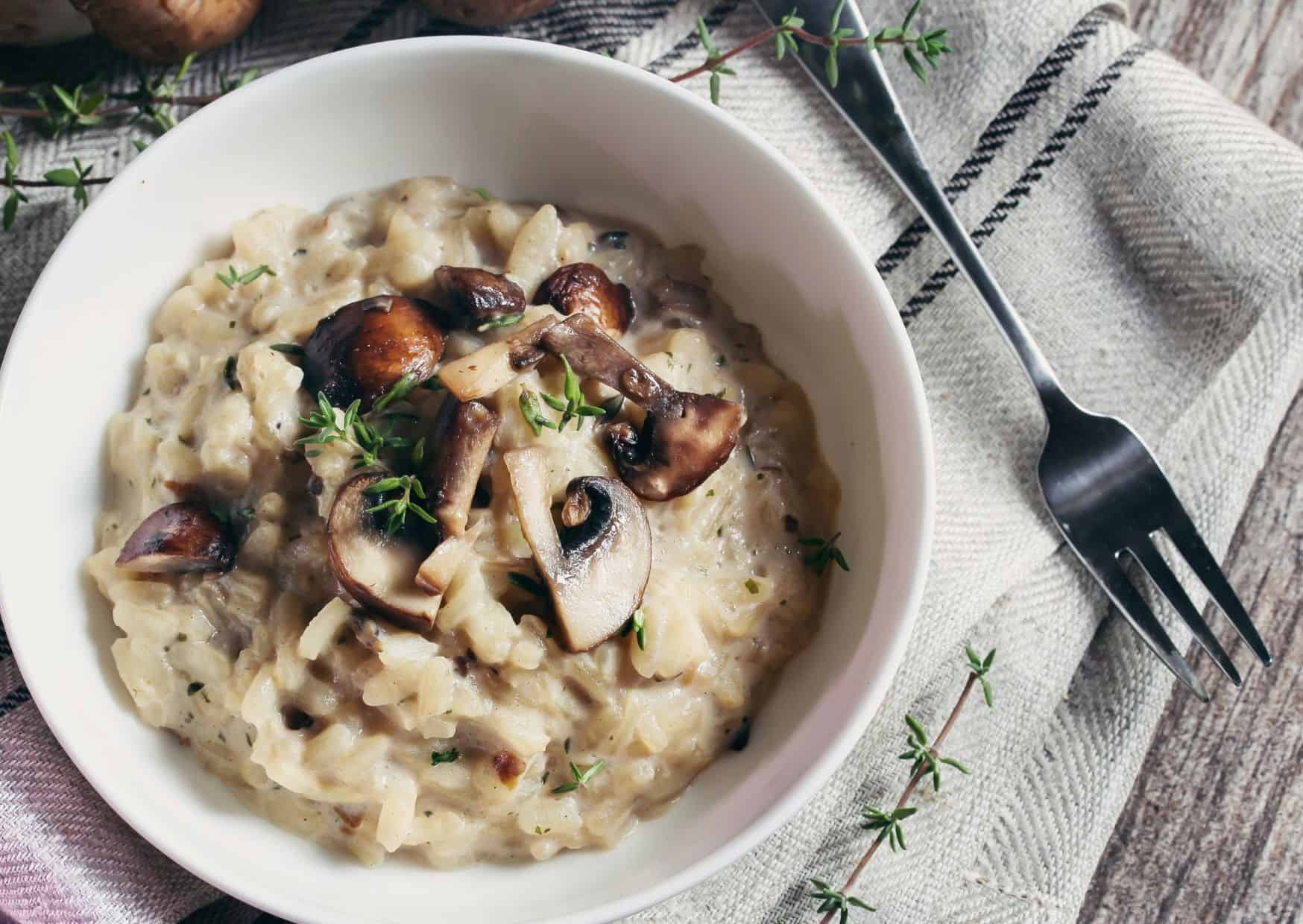
Ingredients: Arborio rice, mixed mushrooms, vegetable stock, onion, white wine, Parmesan cheese, butter, olive oil, and fresh parsley.
Instructions: Sauté the mushrooms and onion. Add the rice and cook until translucent. Gradually add the stock and wine, constantly stirring. When the rice is tender, add the cheese, butter, and parsley.
Tips: Risotto requires constant stirring and attention to ensure the rice cooks evenly and absorbs the liquid properly. Always use warm broth to prevent the cooking process from slowing down each time you add it to the risotto.
Use Arborio rice or another short-grain rice that is meant for risotto, such as Carnaroli or Vialone Nano, which contain the right amount of starch to achieve a creamy texture. The risotto should be creamy and moist, not dry. The rice should have a slight bite to it (al dente).
Calories: A serving of Mushroom Risotto typically contains about 350-400 calories.
4. Pasta Primavera
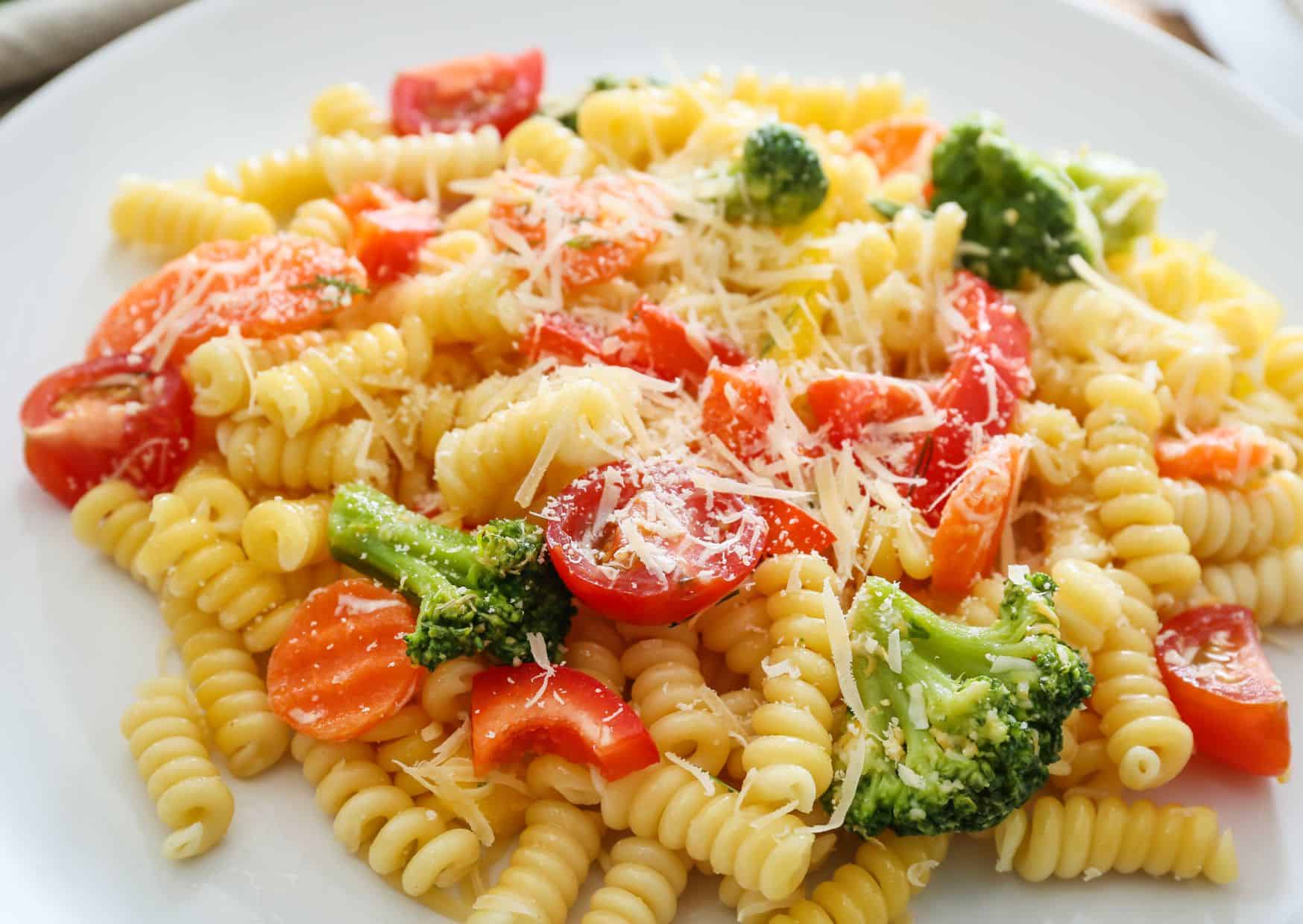
Ingredients: Pasta of your choice, bell peppers, cherry tomatoes, zucchini, peas, olive oil, garlic, Parmesan cheese, and fresh basil.
Instructions: Cook the pasta. Sauté the vegetables in olive oil with garlic. Toss the cooked pasta with the vegetables. Add cheese and torn fresh basil leaves.
Tips: Use any combination of vegetables you like. Spring vegetables like asparagus and green beans also work well. Add vegetables to the pan in stages based on their cooking times to ensure everything is perfectly tender-crisp.
Be generous with herbs like basil or parsley to enhance the fresh flavors. While Parmesan is classic, you could also try pecorino or a vegan alternative for a different taste.
Calories: A serving size (assuming the dish serves 4) typically contains around 350-400 calories.
5. Tiramisu (No raw eggs)
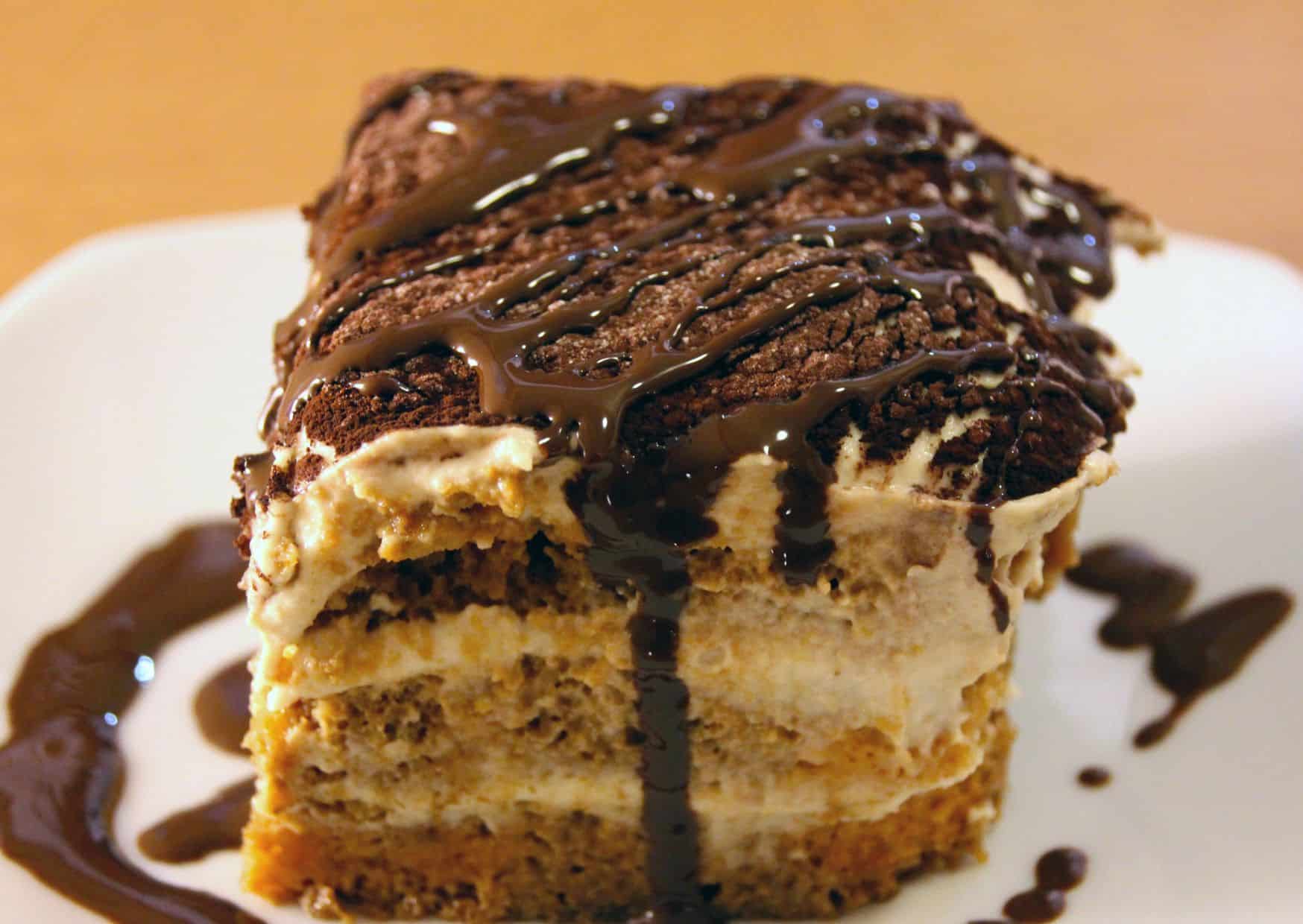
Ingredients: Ladyfingers, espresso or strong coffee, mascarpone cheese, sugar, whipped cream, and cocoa powder for dusting.
Instructions: Dip the ladyfingers in coffee and arrange in a dish. Mix the mascarpone with sugar and whipped cream. Layer this mixture over the ladyfingers. Repeat the layers and dust the top with cocoa powder. Let it sit in the refrigerator for a few hours before serving.
Tips: Use firm, crunchy ladyfingers (savoiardi) as they hold up better when soaked in liquid. The strength of the coffee affects the final flavor; use a strong espresso for a rich coffee taste. Quickly dip the ladyfingers to prevent them from absorbing too much liquid and becoming too soft.
Allow sufficient chilling time for the tiramisu to set properly, making it easier to cut and serve neatly.
Calories: Assuming the dessert serves about 8, each serving of this no-raw-egg tiramisu contains approximately 350-400 calories.
6. Pasta e Fagioli
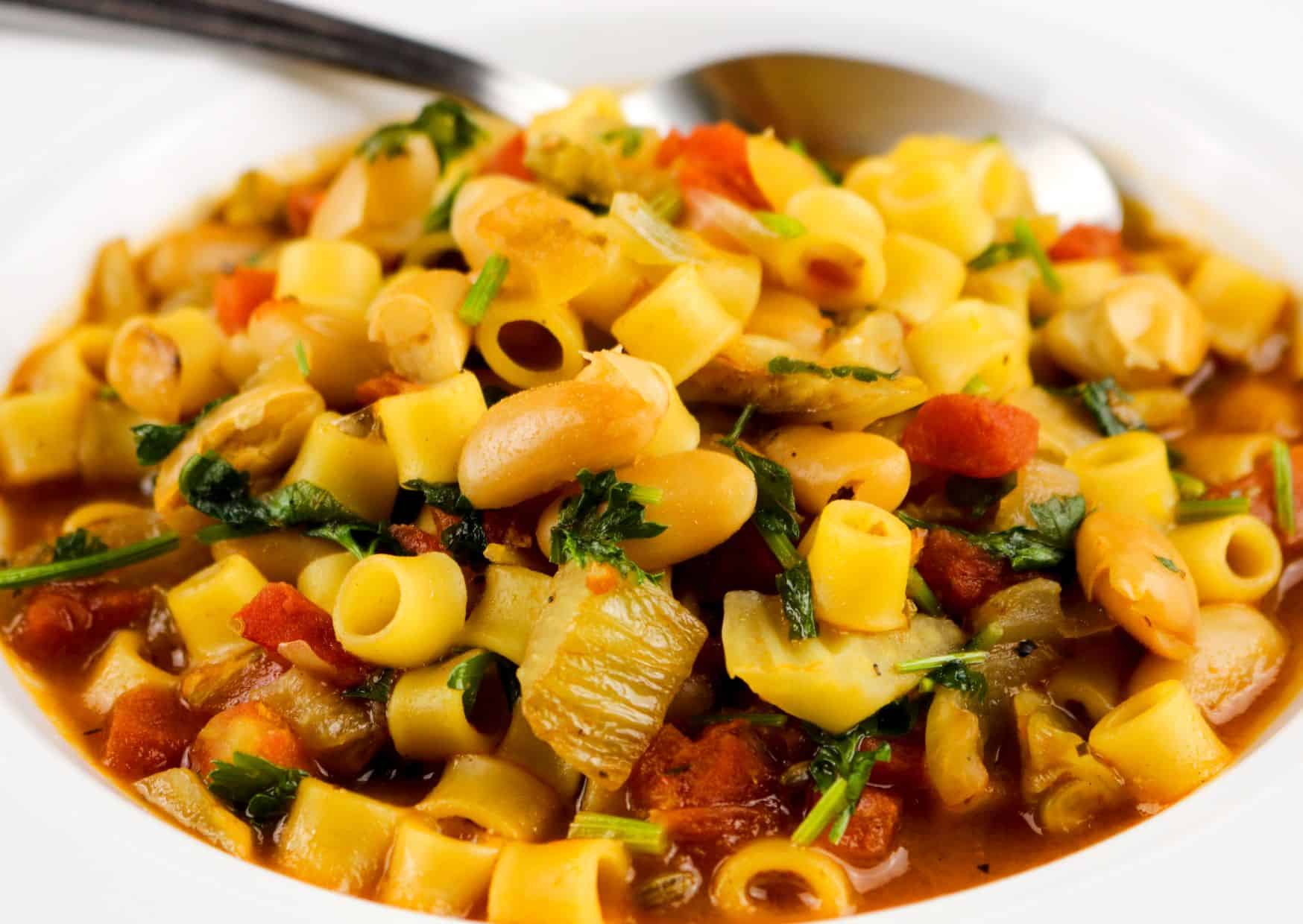
Ingredients: Olive oil, chopped onion, minced garlic, chopped celery and carrots, canned tomatoes, vegetable broth, cannellini beans, small pasta (like ditalini), salt, pepper, and Parmesan cheese for serving.
Instructions: Sauté onions, garlic, celery, and carrots in olive oil until soft. Add tomatoes and broth, bring to a boil. Add beans and pasta, cook until pasta is tender. Season with salt and pepper.
Tips: This dish thickens as it stands; add more broth or water when reheating if necessary.
Calories: About 400-450 calories per serving.
7. Risotto alla Zucca (Pumpkin Risotto)
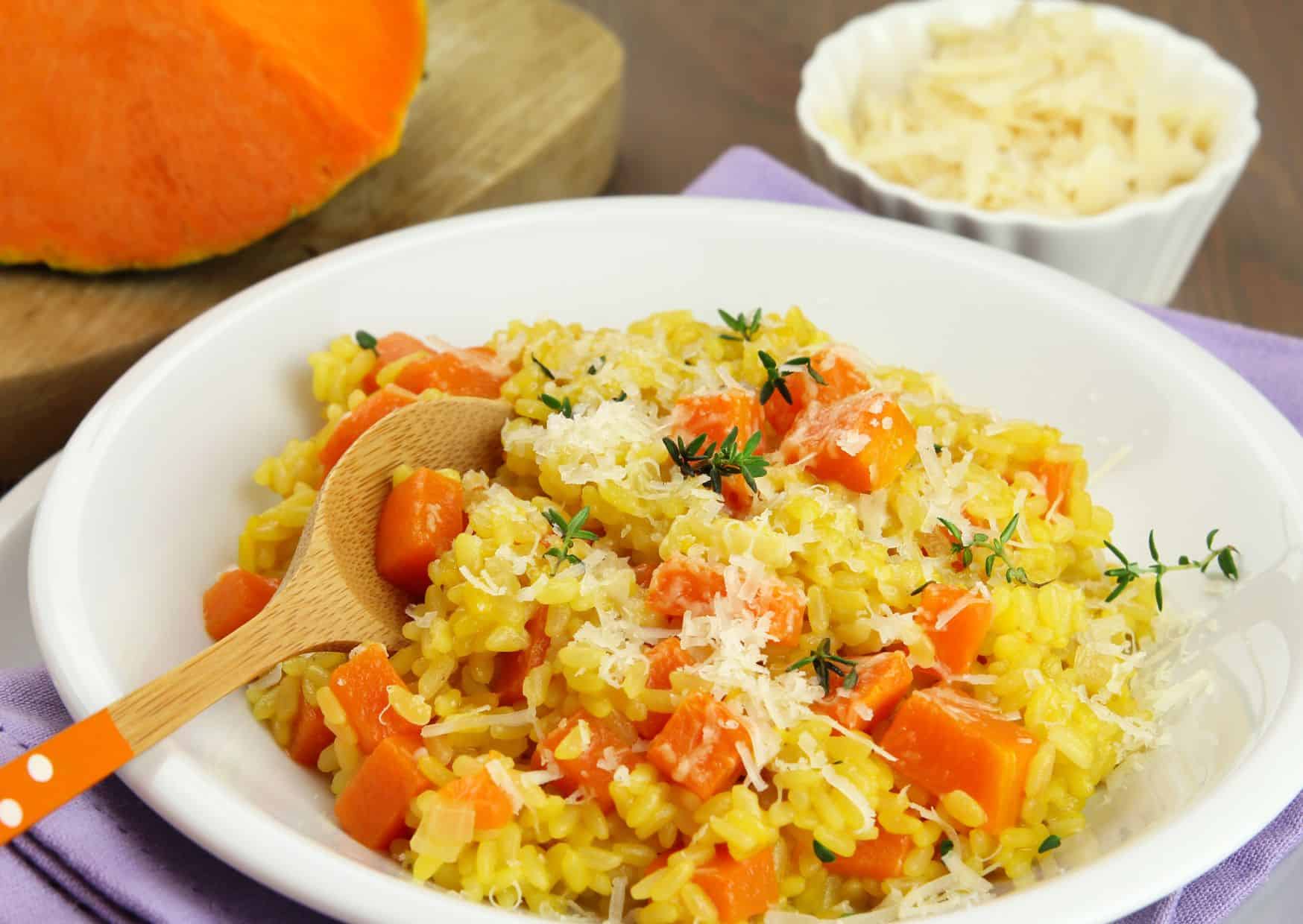
Ingredients: Arborio rice, vegetable broth, pumpkin puree, onion, white wine, Parmesan cheese, butter, sage, salt, and pepper.
Instructions: Cook onion in butter until soft. Add rice, cook for a few minutes. Add wine, then gradually add broth, stirring continuously until rice is creamy and al dente. Stir in pumpkin puree and Parmesan. Season with salt, pepper, and sage.
Tips: Constant stirring is key to achieving the creamy texture of risotto.
Calories: Approximately 350-400 calories per serving.
8. Melanzane alla Parmigiana (Eggplant Parmesan)
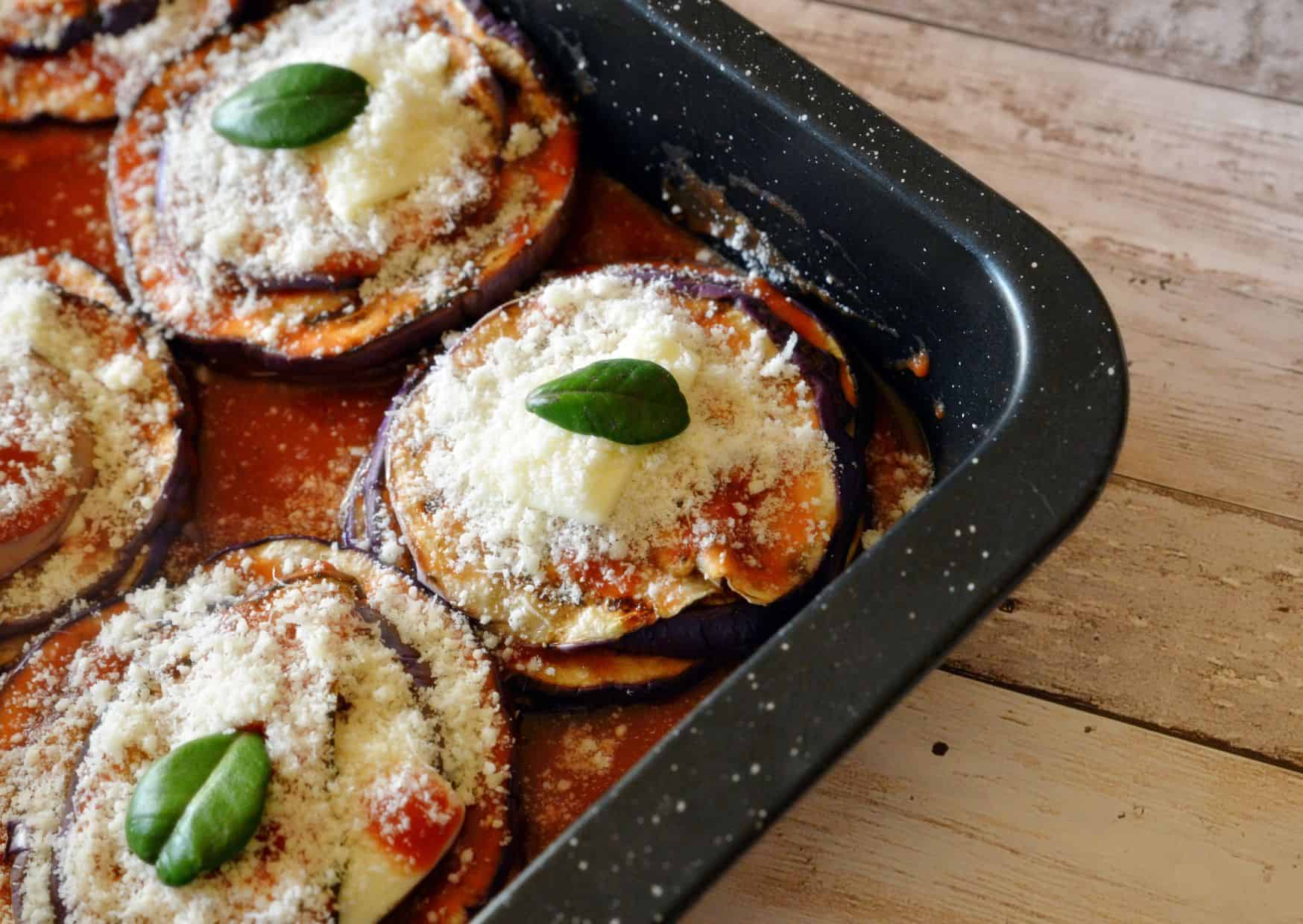
Ingredients: Eggplants, salt, flour, eggs, breadcrumbs, olive oil, marinara sauce, mozzarella cheese, Parmesan cheese, basil.
Instructions: Slice eggplants, salt and drain to remove bitterness. Dredge in flour, dip in beaten eggs, and coat with breadcrumbs. Fry in olive oil until golden. Layer in a baking dish with marinara sauce, mozzarella, Parmesan, and basil. Bake until bubbly.
Tips: Letting the eggplant slices sit with salt on them before cooking helps to draw out moisture and reduce oil absorption during frying.
Calories: About 600 calories per serving, depending on the amount of cheese and oil used.
9. Crostini with Ricotta and Peas
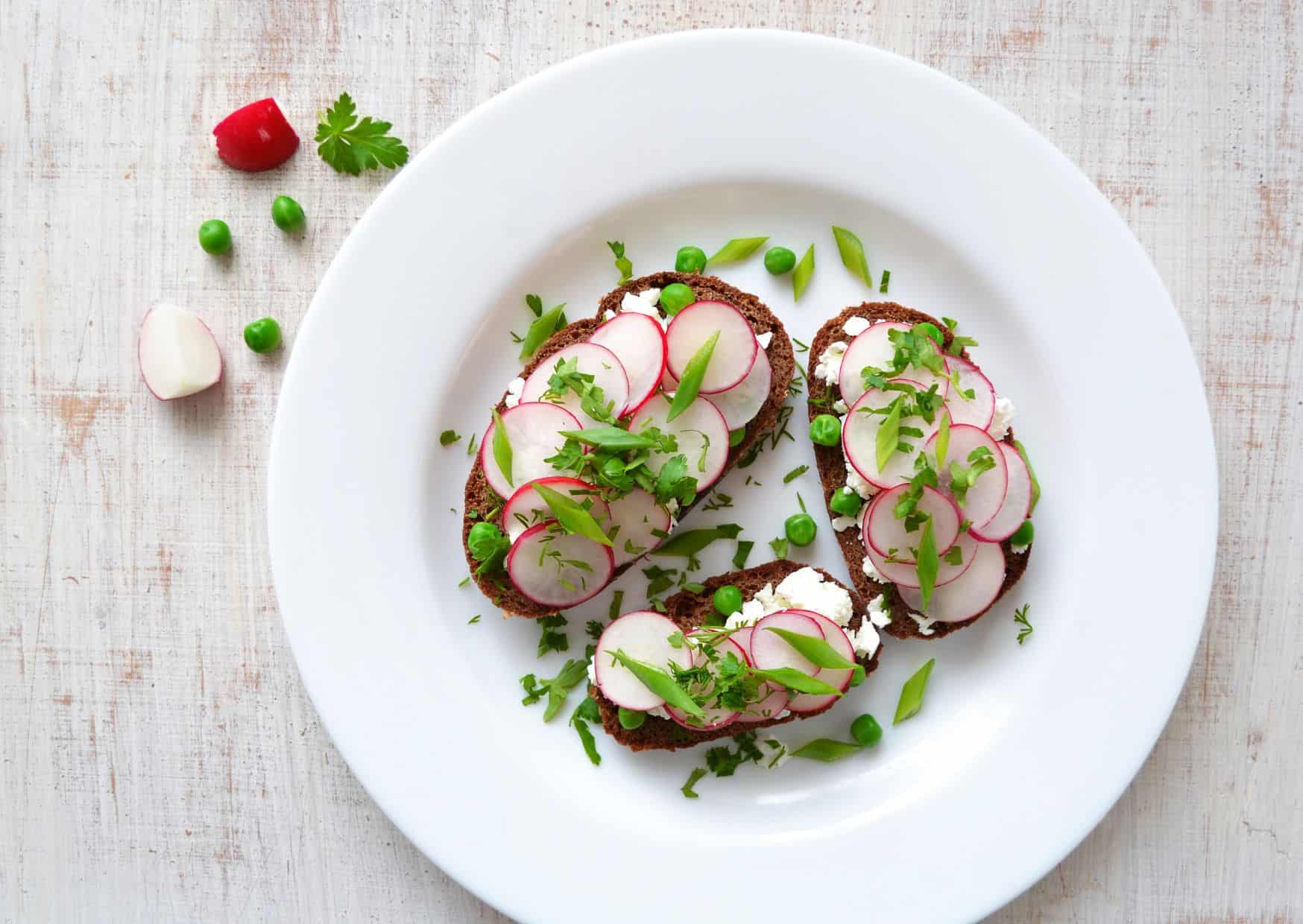
Ingredients: Baguette slices, ricotta cheese, peas, mint, lemon zest, olive oil, salt, and pepper.
Instructions: Toast baguette slices lightly. Mix peas (if using fresh, blanch first; if frozen, thaw) with ricotta, mint, lemon zest, salt, and pepper. Spread on toasted bread, drizzle with olive oil.
Tips: The freshness of the ricotta and the brightness of the lemon zest make this simple dish pop with flavor.
Calories: Approximately 200 calories per serving (for 3 crostinis).
Origin and History
Italian cuisine has always been about celebrating the land, and some of its most iconic dishes are naturally vegetarian. Long before “plant-based” became a global trend, Italian families were already crafting meals around fresh vegetables, legumes, grains, and cheese. In rural areas, where meat was once considered a luxury, vegetables took center stage in the kitchen.
Dishes like eggplant parmesan, pasta e fagioli, and ribollita were born out of necessity but became cultural treasures. Farmers and grandmothers used what was in season, making vegetables shine in ways that made meals satisfying without relying on meat. This approach is often referred to as cucina povera—the cuisine of the poor—that has since influenced Italy’s most beloved comfort foods.
Over time, these dishes spread across regions and even into international menus, showing that Italian food doesn’t have to be heavy on meat to be rich in flavor. Instead, it proves that authenticity comes from simplicity and respect for ingredients.
How Long You Take to Prepare
One of the best things about vegetarian Italian cooking is its range. Some dishes, like bruschetta topped with fresh tomatoes and basil, can be ready in under 15 minutes, making them perfect for quick snacks or starters.
Others, like lasagna with spinach and ricotta or eggplant parmesan, require more time—about one to two hours—because of layering, baking, and resting for flavors to meld. These recipes often become weekend or family gathering meals, where cooking is part of the ritual itself.
Then there are soups and stews like ribollita, which may simmer for several hours but reward the patience with layers of deep, hearty flavor. Whether quick or slow, Italian vegetarian recipes prove that the time invested always pays off in comfort and satisfaction.
Serving Suggestions
Vegetarian Italian dishes are as versatile as they are delicious. A plate of pasta primavera pairs beautifully with a crisp white wine, while a rich mushroom risotto feels complete with a side of simple green salad.
Baked classics like eggplant parmesan or spinach lasagna are often served family-style, making them perfect for gatherings. A basket of crusty bread on the side ensures nothing from the plate—especially the sauce—goes to waste.
For lighter meals, dishes such as caprese salad or minestrone soup can be rounded out with olives, grilled vegetables, or a small antipasto board. The beauty of Italian cooking lies in its adaptability—it can be casual or elegant without losing authenticity.
Final Thoughts
Vegetarian Italian food shows that flavor has nothing to do with the presence of meat. These dishes highlight the power of fresh produce, olive oil, herbs, and cheese, creating meals that satisfy even the most committed carnivores.
By exploring Italy’s vegetarian classics, you discover a deeper layer of the country’s food culture. It’s not just about pasta and pizza; it’s about traditions built around the earth’s bounty and the creativity of generations who turned humble ingredients into iconic meals.
In the end, these recipes remind us that great cooking is about balance, not abundance. With simple ingredients, care, and time, you can recreate authentic Italian flavors that feel indulgent yet remain true to their roots.

About the Author: Ruben, co-founder of Gamintraveler.com since 2014, is a seasoned traveler from Spain who has explored over 100 countries since 2009. Known for his extensive travel adventures across South America, Europe, the US, Australia, New Zealand, Asia, and Africa, Ruben combines his passion for adventurous yet sustainable living with his love for cycling, highlighted by his remarkable 5-month bicycle journey from Spain to Norway. He currently resides in Spain, where he continues sharing his travel experiences with his partner, Rachel, and their son, Han.